

Faithful to the cartoon in every way except the cabinet art. It has since become charming on its own.
What began as a joke between aspiring comic book creators, Kevin Eastman and Peter Laird, eventually morphed into a multi-media juggernaut bestowing wealth and status upon the two. Along the way though, few predicted such big things out of a property titled Teenage Mutant Ninja Turtles. The books sold well, but they were independently produced and in small numbers limiting how much money could be earned. Plus they were pretty violent and would never be considered suitable for a general audience. Eastman and Laird believed in it though, they just needed to convince those with the means to catapult their franchise to believe in it. Toy companies passed though, but eventually doll maker Playmates, needing to add a “boy’s toy” to its portfolio decided to take a chance. In order to help market the toys though, they needed something more suitable than the black and white, ultra-violent, comics that existed and a cartoon was born.
The Teenage Mutant Ninja Turtles cartoon was conceived basically as a means of promotion. A direct-to-syndication order was out of the question, and even a full season was apparently deemed too extravagant. Instead, a five episode mini-series was produced for air in 1987. The confidence in the property was still too low to even warrant a more traditional half-season order of 13 episodes. Five episodes was all it took though, and kids were hooked pretty quickly causing them to flock to stores and leave bare the TMNT section of the action figures aisle. A second season would be ordered, and apparently confidence was still a bit tepid as that was only 13 episodes. It wasn’t until the third season, which premiered in 1989, that the property received a direct-to-syndication massive order of episodes.
Because of the wavering, Turtle-mania basically had to wait until 1989 to really flourish. That’s when all of the merchandise started to arrive now that it was a proven hit. The first movie would arrive the following year, with the second close behind in 1991. 1989 was also the first year when video games started to arrive, and the no doubt biggest video game release of the year for Teenage Mutant Ninja Turtles was the arcade game of the same name.

The Turtles made their arcade debut in 1989.
The Teenage Mutant Ninja Turtles arcade game gave fans a chance to basically play through an episode of the show. It was as true to the cartoon as any game would get and even featured voice talent from the show. The very first stage has Splinter sending the Turtles into a burning building to rescue April O’Neil and culminates in a showdown with Rocksteady and ends with Shredder making an appearance. The game throws a seemingly endless supply of Foot Soldiers at the Turtles and brings in more characters from the show such as Baxter Stockman (in human form), Bebop, Krang, among others and ends with a showdown against Shredder himself.
The game was created by Konami, who was awarded the license for all of the video games for this era. At this stage, Double Dragon had taken arcades by storm ushering in the era of the Beat-Em-Up genre of games. This genre, in which one or more players controlled a character who fended off wave after wave of enemies, became the preferred dumping ground for licensed software. Konami was arguably the leader in this development as it looked to the genre to support not just the Turtles, but also The Simpsons and X-Men. Konami’s take on the genre was far simpler when compared with rival Capcom or Sega. Rather than introduce complicated maneuvers to the action, Konami focused mostly on performance and presentation making sure their game resembled the source material while remaining accessible.

Battling Bebop and Rocksteady with all four Turtles at the same time was something few thought was possible at the time.
Even by Konami standards, Teenage Mutant Ninja Turtles is a fairly simple gameplay experience. Players control one of the four Turtles with each one being mapped to a specific joystick on the four-player version of the arcade cabinet (the less popular two-player edition allowed players to select a character). Michelangelo was oddly assigned the color yellow instead of orange, a mistake Konami would double-down on with the sequel, Turtles in Time. Each Turtle could perform just two actions: jump and attack. Players could combine them for a jump attack, but special super moves were years away. Players simply walked right for the most part and took down whatever came their way. A skateboarding level was tossed in to mix things up, though that just made the level auto-scroll instead of the usual deliberate pace. Still, little tricks like that work wonders on kids and most cited the skateboarding level as the highlight of the gameplay experience. Stages also introduced multi-level layouts and there were some interactive elements in the stages too. The only power-up was a pizza to restore health, a logical decision.
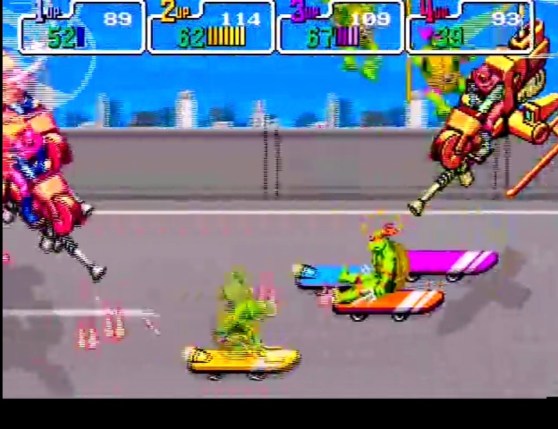
The skateboarding level was just as mindless as the others, if not more so, but damn was it cool!
The music and visuals were where Konami really distinguished itself. The gameplay may be shallow, but there was enough glitz to sort of hide that. The Turtles looked and moved great and the boss characters were often bigger and a touch more elaborate. It felt like a real technological marvel to battle Rocksteady at the end of stage 1 followed by Bebop in the next stage, only to later take on both of them at the same time! The game was also murder on quarters as it was primarily designed to extract as much money as possible out of kids (or more appropriately, parents) and the game was pretty long to boot. Enemies are not staggered easily, or at all, forcing the players to either be deliberate or just charge in. The game is noticeably easier with 4 players, especially for the final boss who splits into three enemies. My most vivid memory of the game is playing it at a cousin’s birthday party at a roller-skating rink (yeah, dated). We made it to the Technodrome and were in the midst of battling Krang, the penultimate confrontation before Shredder arrives, when a kid who had been hanging around watching the whole time accidentally stepped on the power chord ending the game. My cousin, the birthday boy, was apoplectic while my aunt was probably relieved that she no longer had to feed us quarters. I was disappointed as I think it was the first time I even saw that much of the game, but I couldn’t help but feel bad for the kid who accidentally stepped on the thing.

The NES port was woefully inferior, but it gave us Tora!
As was the case with any popular arcade game, Konami moved to release the title to home consoles. Since it arrived after Teenage Mutant Ninja Turtles (NES), it had to be re-titled as Teenage Mutant Ninja Turtles II: The Arcade Game. It was a severe downgrade as the sprites all had to be redone with less detail and fewer colors. The Turtles were just green and whatever color their mask was, while the boss characters often were limited to two or three colors as well. Konami tried to make up for this by adding additional stages, but you can’t put lipstick on a pig. It was also a lot easier so the game was actually beatable without a ton of quarters, but it was an immensely inferior experience.

The Arcade1Up release bundles the game with its sequel, but it’ll cost ya. Plus the smaller scale makes playing as Leo and Raph more than a little awkward.
Teenage Mutant Ninja Turtles was a huge thrill for arcade-goers and fans of the cartoon in 1989. It had the look, the sounds, and the swagger to get attention and mostly satisfy. In 2020, the nostalgia does make up for the diminished returns, but only so much. This is a simple and depth-free gameplay experience so it’s really only worth playing for the experience of seeing everything, before it runs out of steam. It makes it hard to recommend as an arcade cabinet for one’s home, whether you’re talking about buying an old cabinet or investing in Arcade1Up’s emulation machine as you’re not only devoting a considerable sum of money towards such a thing, but also the space it will occupy in your home or place of business. The NES port holds up even worse, and while I considered it a passable experience as a kid, I think I’d rather play any of the other TMNT NES games over it. The time to get one has mostly passed on it as in the late 90s one could have acquired a cabinet in decent shape for a reasonable sum as the nostalgia wasn’t quite there yet to drive up the price. Still, there are other ways to experience it and those might be worth a look for individuals wanting to take a stroll down memory lane or introduce a kid to the game. If you’re in the right headspace, you can have a bit of fun with this one, just don’t expect the fun to last very long.
 It was announced earlier this week that a Teenage Mutant Ninja Turtles branded Loot Crate was incoming later this year. NECA, or NECA’s parent company to be more exact, rescued Loot Crate from bankruptcy last year and has been aiming to revamp the subscription service by incorporating NECA product into the boxes. If you’re not familiar with the scheme (some would argue scam), Loot Crate is basically a blind box service. Each box usually retails for about $50 and the only thing the buyer knows is what the general theme of the box will be. They’re almost always advertised as being a greater value than what they’re charging, which is a ludicrous statement, and instead they’re full of junk that would be a hard sell on its own. That’s likely why the service went bankrupt, but NECA appears at least committed to making this thing worthwhile.


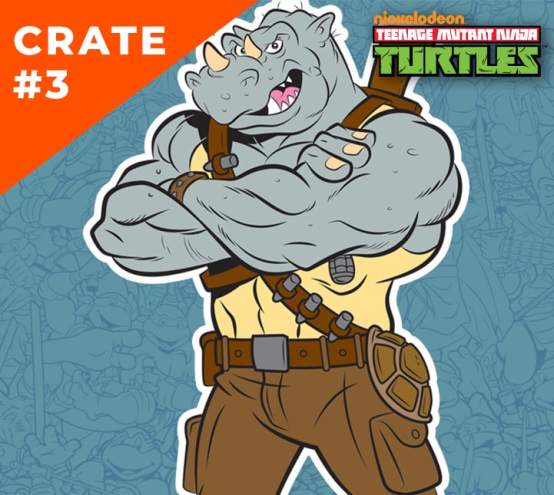


 Rhino-Man – I talked about wanting this figure in my list of most wanted NECA figures, so naturally I’d put him here. This was Rocksteady in a super hero costume. He could easily be repainted to accomplish the look well enough, and once again it would setup for a future release of Bebop in his super hero attire. Since fans would expect such a move, that version of Bebop could once again occupy the bonus figure slot or something.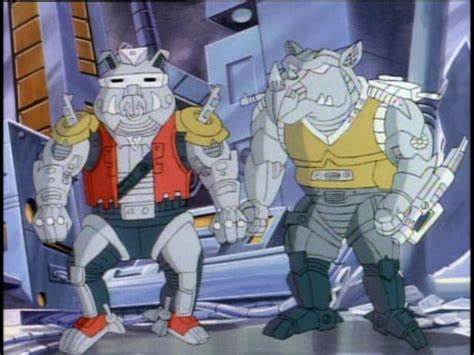
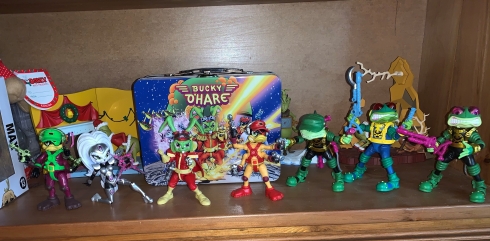
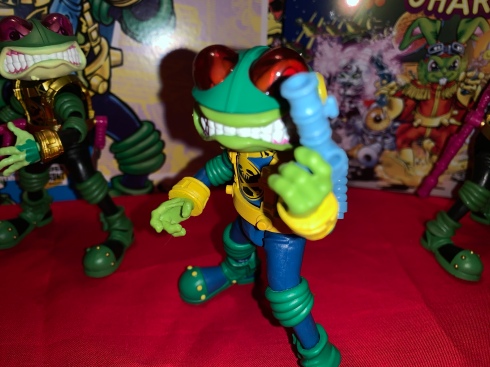 It’s been a long time between releases by Bucky O’Hare license holder Boss Fight Studio. The last figure released by the company was 2018’s


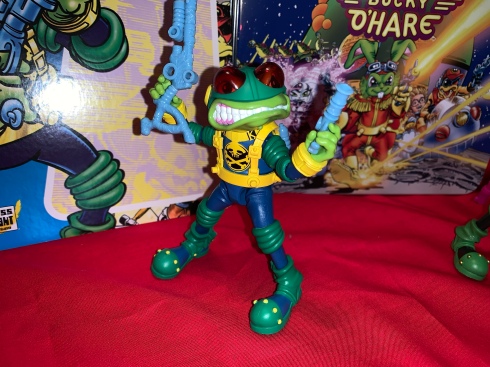


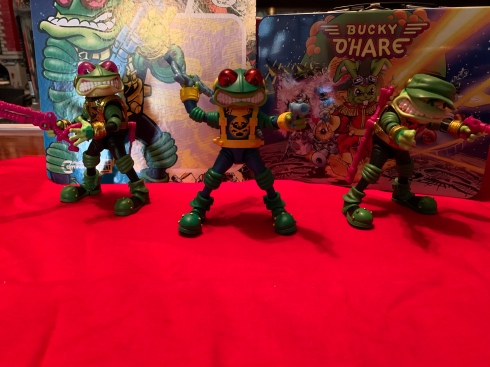
 Welcome back for the fifth and final installment in the
  19 –
19 –  16 –
16 – 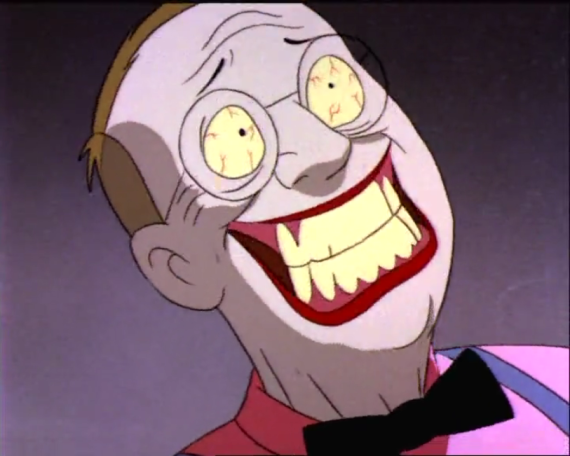 13 –
13 – 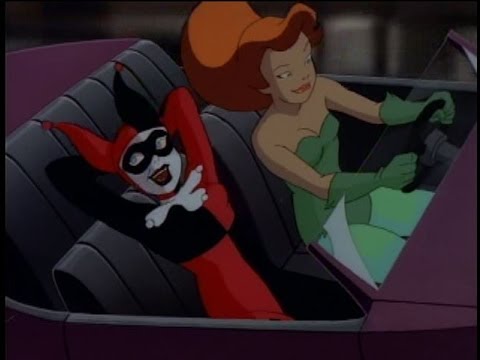 11 –
11 – 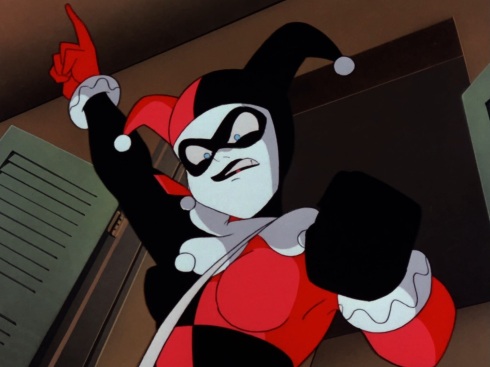 8 –
8 – 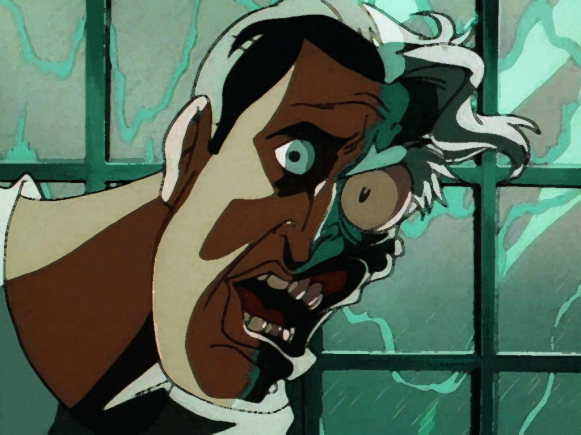 5 –
5 – 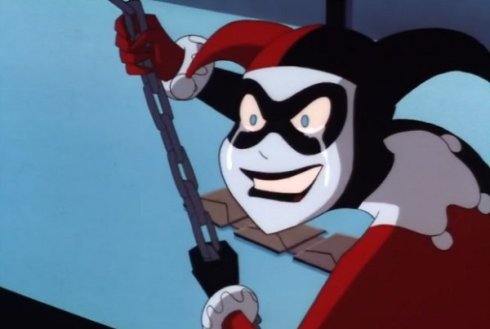
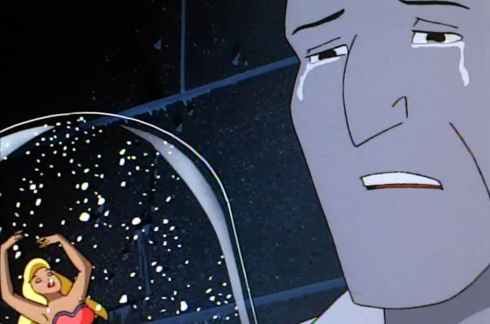 1 –
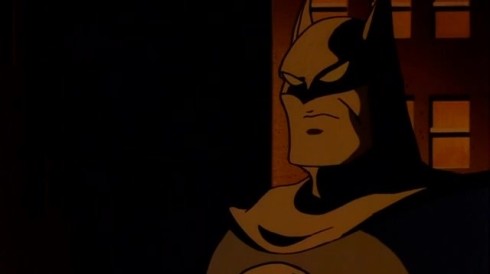
1 – 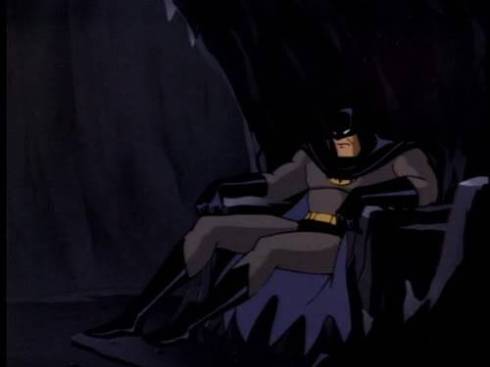 Welcome back for the fourth installment in the Batman: The Animated Series episode ranking. This week, we’ll be taking a look at entries 39 through 20. As a reminder, this feature encompasses all of the episodes produced under the banner of Batman, The Adventures of Batman & Robin, and The New Batman Adventures which are collectively referred to as Batman: The Animated Series. If you wish to view my thoughts on the episodes as a whole each episode here is linked to the write-up. If you prefer to explore more, simply head on over to the index page for all things BTAS. The episodes are already quite hard to separate from one another at this point, with only a true handful of episodes clearly establishing themselves as worthy of being in the top 10. These episodes are all pretty great, and hopefully it’s merely a matter of preference for what type of story viewers prefer or favorite villains that causes these to move up and down. Now, for entry number 39:
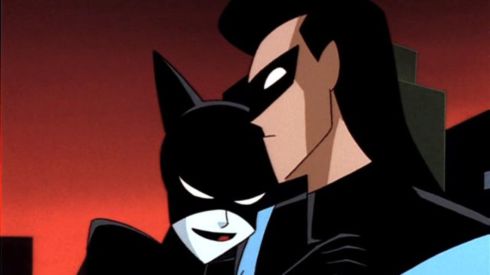 39 –
39 – 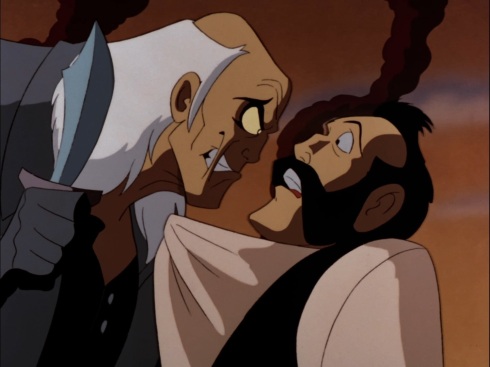 37 –
37 –  35 –
35 – 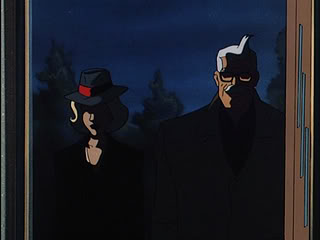 33 –
33 –  31 –
31 – 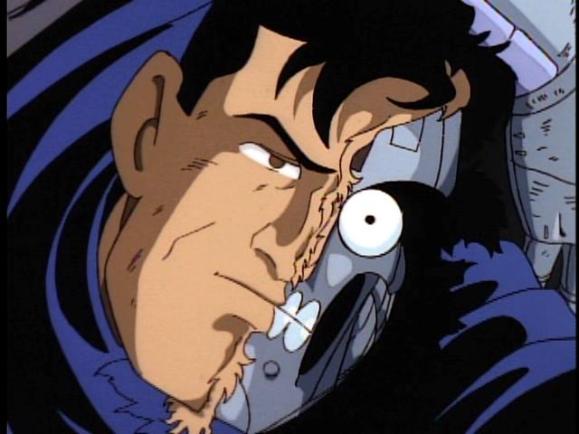 29 –
29 – 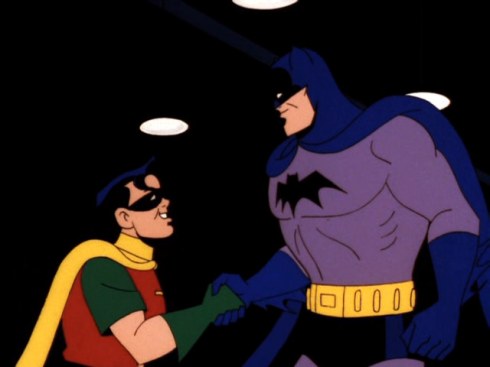
 25 –
25 – 
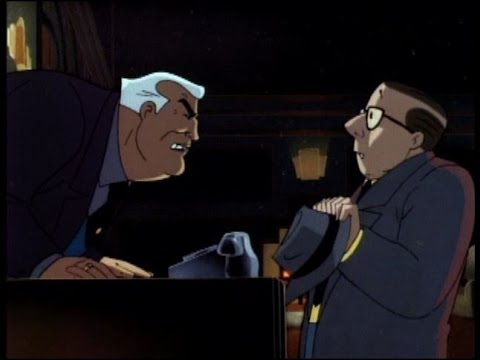 20 –
20 –  The early months of the calendar year are generally among my least favorite. They’re cold, dark, and dull where I reside. About the only good thing on the calendar is the annual New York Toy Fair in which vendors roll out previews of the toys to come for the next fiscal year and sometimes beyond. These last few years have been particularly exciting for fans of the Teenage Mutant Ninja Turtles as easing of the master toy license by Nickelodeon and Playmates has allowed other companies to enter the mix. The company that has most taken advantage of this new frontier is NECA which currently has three toy lines based on the property hitting shelves. It’s a crazy fun time to be a Turtle toy collector as a result as NECA has taken a nostalgic approach to its figures which is something Playmates rarely does. And this year figures (pun intended) to be an exciting one as lots of figures are set for reveal.
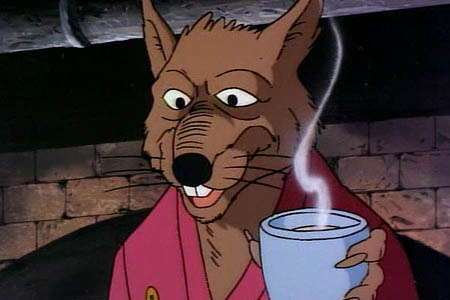 Splinter (Cartoon) – We have the turtles, we have the main villains, and soon we’ll even have April and Casey, but what we don’t have yet is the beloved sensei to the turtles: Master Splinter. Playmates never did do a proper toon version of the character, but it can be assumed that NECA will and it will be spectacular. He’ll assuredly come with his walking stick, and hopefully some fun accessories like a mug of tea or maybe some sushi. Afterall, he never was all that fond of pizza.


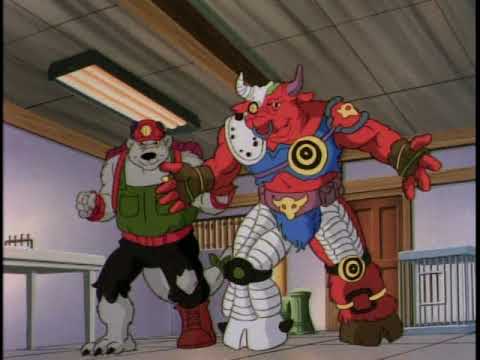


 Welcome back for the third installment in the
  58 –
58 – 
 53 –
53 –  51 –
51 –  49 –
49 –  47 –
47 – 
 42 –
42 –  40 –
40 –  Welcome back for the second installment in the Batman: The Animated Series episode ranking. This week, we’ll be taking a look at entries 79 through 60. As a reminder, this feature encompasses all of the episodes produced under the banner of Batman, The Adventures of Batman & Robin, and The New Batman Adventures which are collectively referred to as Batman: The Animated Series. If you wish to view my thoughts on the episodes as a whole each episode here is linked to the write-up. If you prefer to explore more, simply head on over to the index page for all things BTAS. Now, lets take a look at the episodes coming in at number 79:
 79 –
79 –  75 –
75 –  73 –
73 –  70 –
70 –  66 –
66 –  64 –
64 –  60 –
60 –  We have arrived at the ultimate end game of our feature on Batman: The Animated Series. After doing a blog entry on all 109 episodes, plus each film, it is time to determine just what is the best of the best. This is always an exercise in futility as people are going to disagree on what is ostensibly a subjective exercise. Still, it feels like a worthwhile way to put a bow on the coverage here as it was the biggest undertaking this blog has done.
 105 –
105 – 
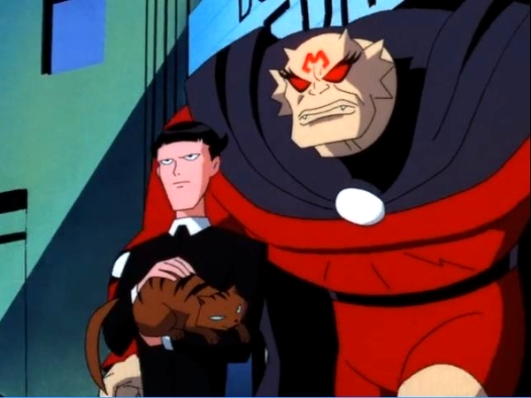
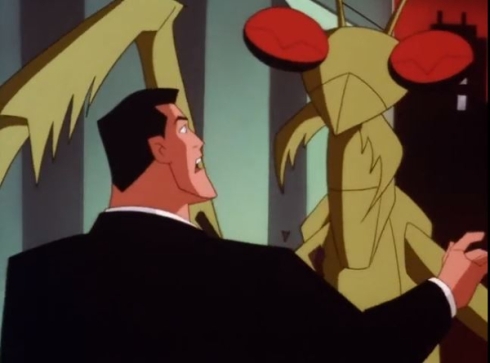
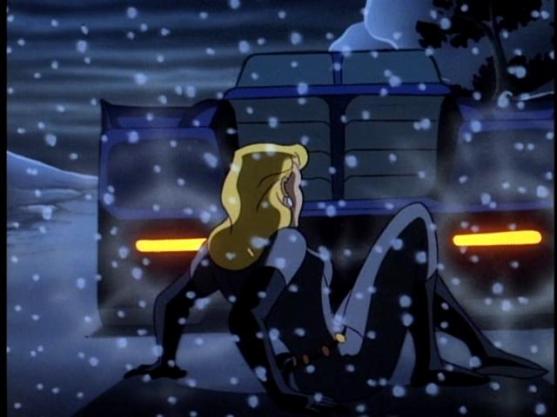
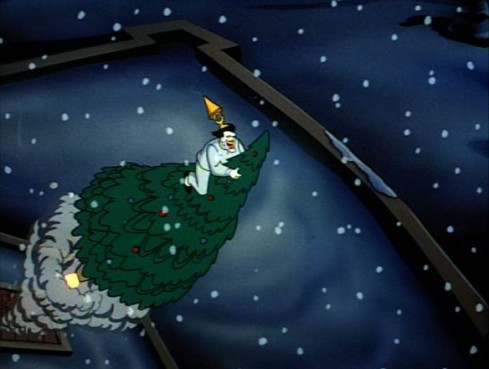 86 –
86 – 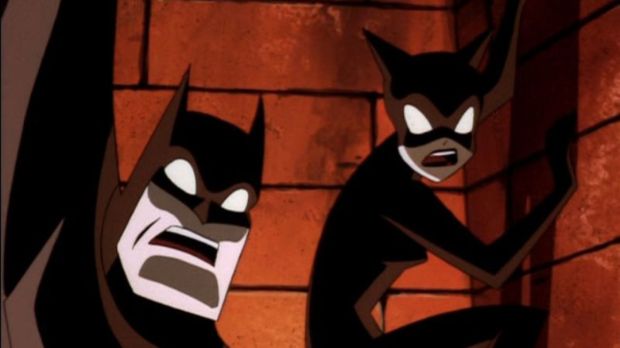
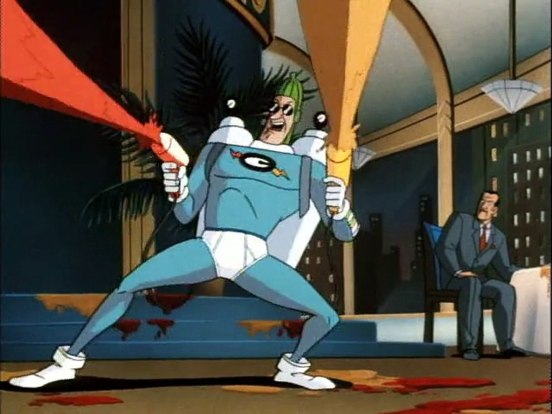 80 –
80 – 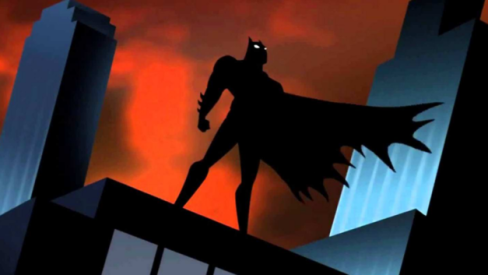 One-hundred and nine episodes plus three features leading to one-hundred and twelve blog entries have been devoted to the subject of Batman: The Animated Series. It started as a celebration of the show turning 25 and then as a curiosity piece. Since its premiere in 1992, the show had become much celebrated and praised all over. It’s exceptionally rare in this age of social media to see anything basically universally loved, but that was the case for BTAS. I had a lot of good memories of the show myself. I watched it as a kid and when the show received a DVD release I bought it up. And I watched them all. Batman became a show I had experienced and enjoyed both as a kid and as an adult, but some ten years or so removed from when I last watched it in total I still wasn’t sure just how good the show was.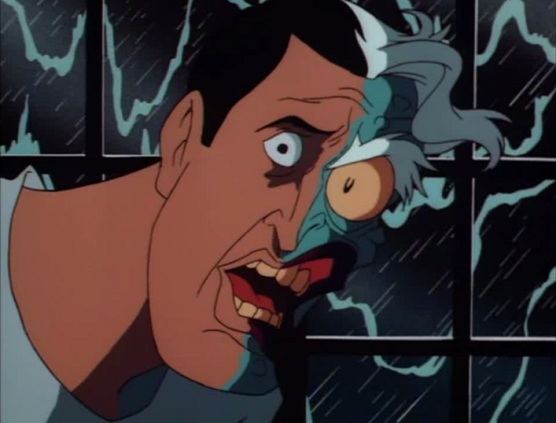
 The Nostalgia Spot