
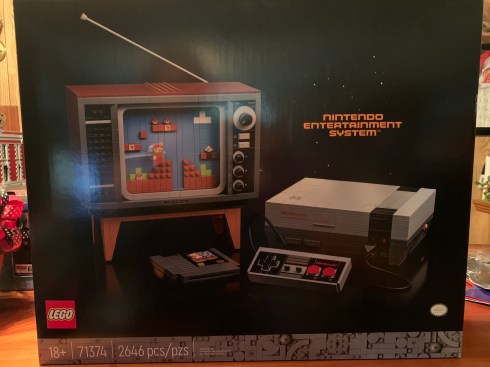
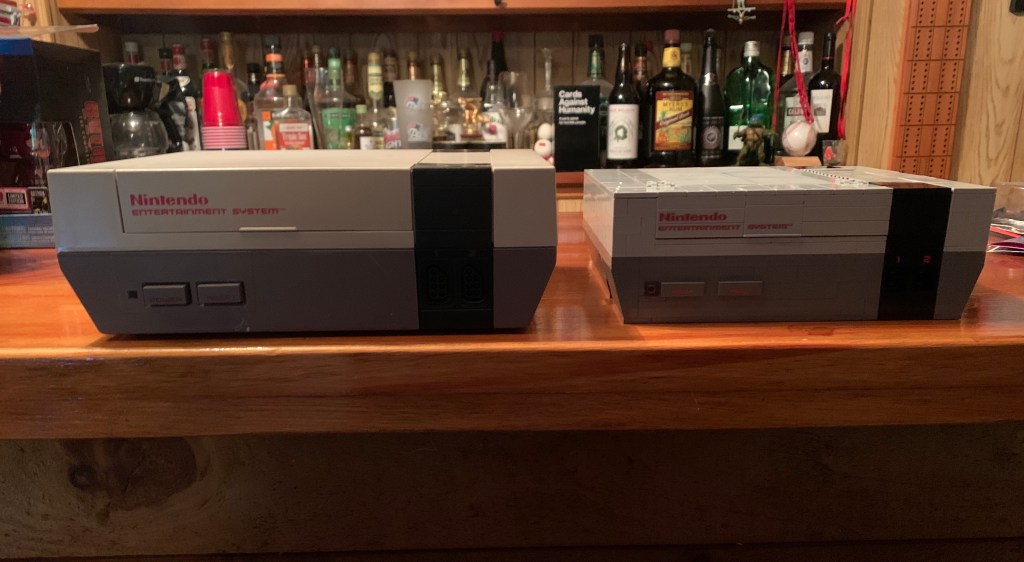
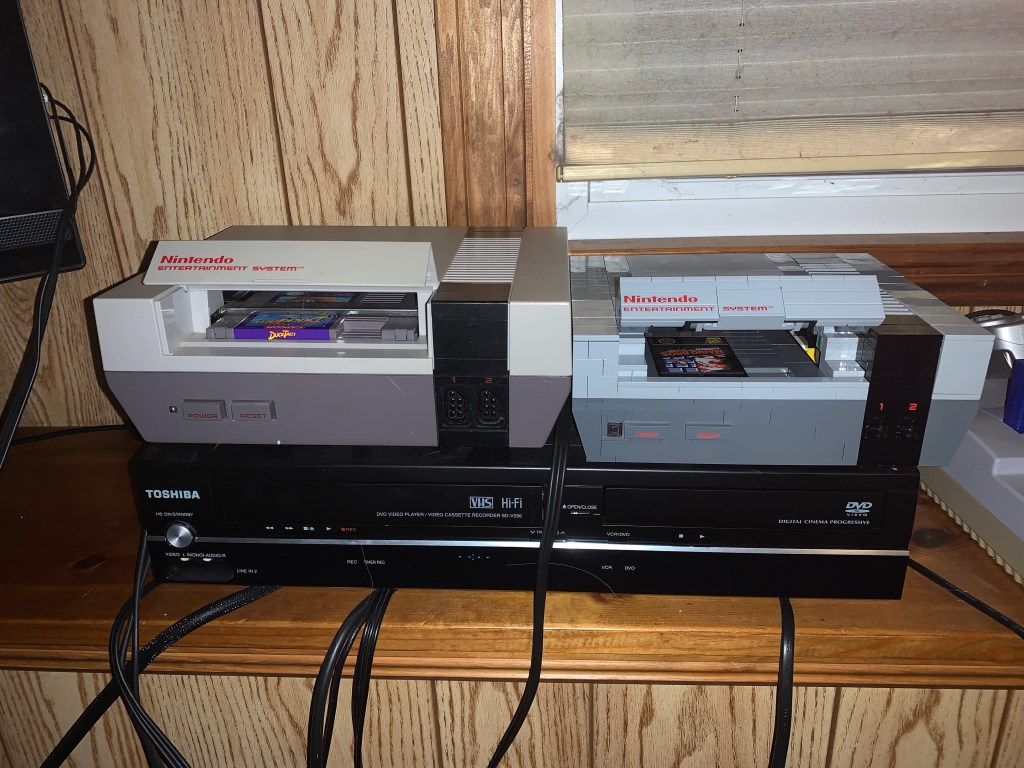
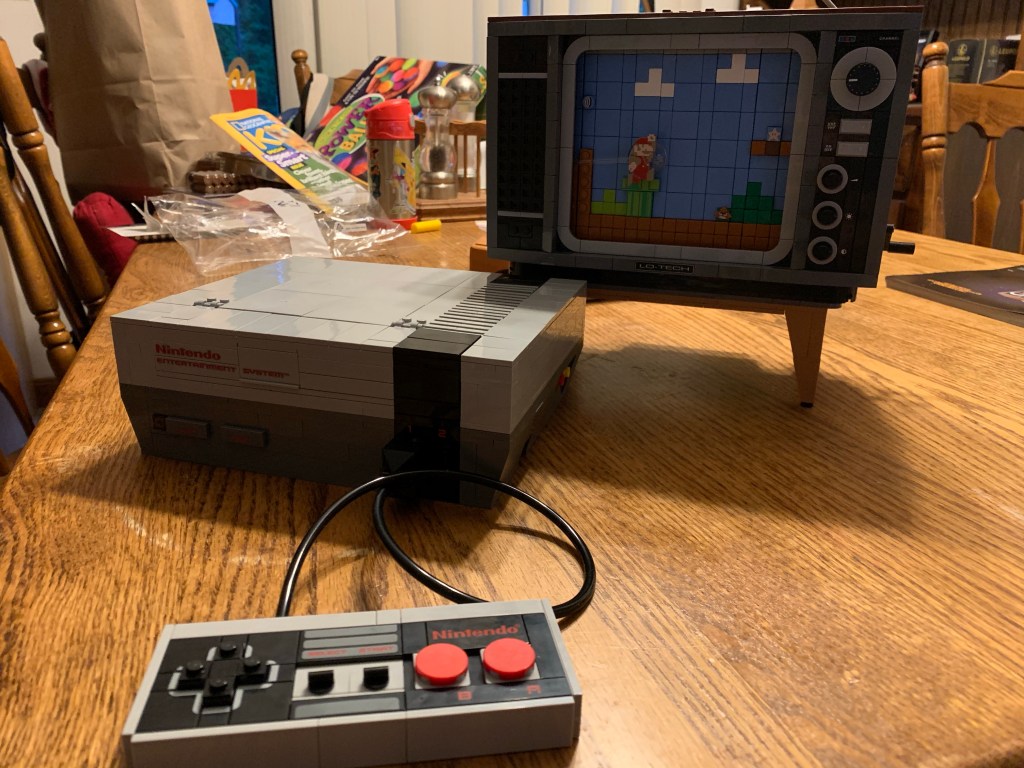
It was five years ago that Lego released its brick version of the Nintendo Entertainment System. The scaled-down replica of the famous video game console came with a buildable game cartridge of Super Mario Bros. as well as a controller and a television. It was a fun set that was released in tandem with the roll out of a much bigger Lego and Nintendo collaboration. When I finished that set, I was wondering where Lego would take the license next? Obviously, I knew the company was focused on creating interactive sets for its Super Mario figure that had some built-in electronics. That, being more for the kids, was only so interesting. What really got my brain turning was how Lego would continue to celebrate Nintendo games and hardware?

It hasn’t gone as expected. The Lego NES seemed like the sort of thing that was primed for add-ons or even reissues. The company could have easily sold stand-alone controllers for those who want their console to resemble a two-player experience and they could have done more game cartridges. The challenge there would be in mocking up the television to accommodate them. The mechanism that scrolls the first level of Super Mario Bros. isn’t quite so simple as being something that can be dropped in and pulled out. It would have been fun to be able to change it to Zelda, Metroid, or some other classic title, but Lego was apparently content with what it had done for it hasn’t gone back to the concept in five years. Until now.


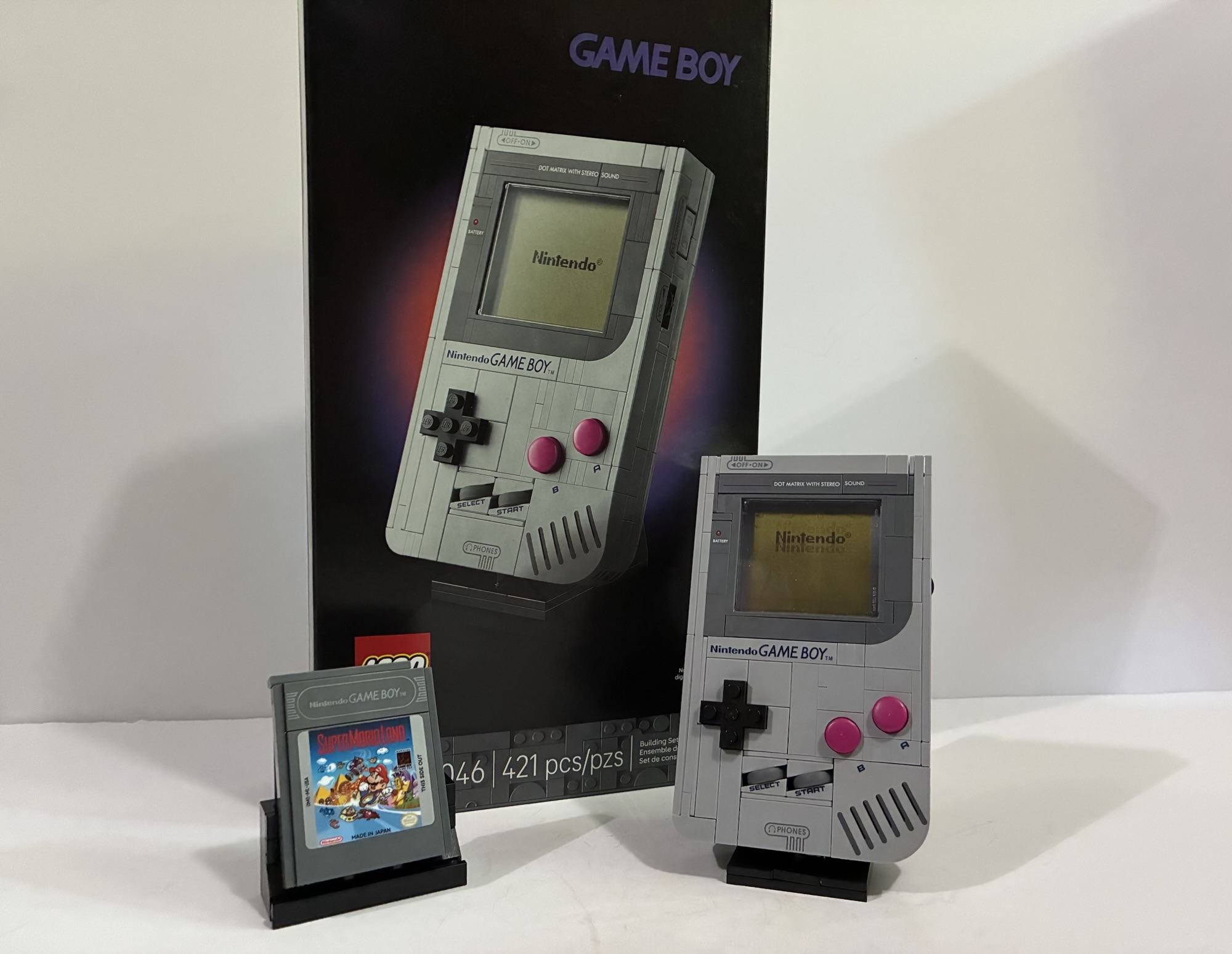
The Nintendo Game Boy was first launched in Japan in 1989. I guess to celebrate its 36th anniversary, Lego has decided to release a near 1:1 replica of the handheld device in Lego form. Considering that it’s one of the best selling consoles of all time, it makes sense to honor the Game Boy in this fashion. It’s original, blocky, design also lends itself rather well to the Lego form factor. The set was unveiled during the summer of 2025 and has since been released. It appears it was to have a street date of October 1st, but a few outlets broke street date either purposefully or by accident. Mine arrived on September 25th and gave me something to do with my morning coffee the next day.

The Lego Game Boy is a breezy build consisting of only 421 pieces. It’s much smaller than the NES and also far less expensive as it will set you back around $60. Since the Game Boy was a handheld device, it didn’t make sense to include something like a television to expand the experience and brick count. You get a Game Boy, two games, a stand for the Game Boy, and a stand for the game not in use. Pretty simple and also pretty expansive. There’s not much else that Lego could have included aside from more games. No one needs a Light Boy or Lego versions of the cords an original might require. They could have made Lego versions of attachments like the camera or printer, but since those came much later I don’t think it would have made sense. This set is a tidy one and it accomplishes its goal in celebrating the original hardware.

The dimensions of an actual model 1 Game Boy are H5.875″xW3.5″xD1.25″ while its Lego counterpart is 5.5×3.5×1.125. I do not own an original Game Boy, the only Game Boy I currently own is the Micro, but it does feel similar to what I remember in-hand. It’s not as heavy as I recall, but the chunkiness of the device is quite close. The look is also impressive. From a distance, a savvy gamer would be able to tell there’s something a bit off just by looking at it, but a casual person might confuse it for the real thing. Up close that’s obviously not the case as the seem lines are apparent and the directional pad is clearly a Lego piece. Lego did a great job approximating the colors of the original device and the button placement. It has the one rounded corner and the gray border around the screen follows a similar shape, as it should. Even the faux screen looks like the old yellow-green screen from the original hardware.
For the presentation, Lego opted to forego stickers entirely for the Game Boy. All of the graphics you see in the pictures are printed onto actual bricks including the vent on the front and the “battery compartment” on the rear of the system. It’s definitely appreciated, especially for something people will want to hold. Lego also prioritized making the Game Boy have a tactile presence as well. The directional pad is only partly held down by bricks and is floating atop some rubber pieces so it actually pushed in when pressed. The Start and Select buttons are Lego, rubber, tires and the A and B buttons have some depth to them as well. For the volume and contrast, a Lego gear was inserted. It looks the part, and provides more immersion. Even the on-off switch was done with a sliding piece that really clicks into place.

Included with the Game Boy are two build-able “games”: Super Mario Land and The Legend of Zelda: Link’s Awakening. This is where we encounter our only stickers in the entire set as both game labels are done with decals. They’re large compared to most Lego stickers I encounter which helps to make them easy to apply. The top of the game with the Nintendo logo is another printed brick. Assembling them is a breeze, but made fun by having you build a replica of the circuit board that would appear inside the game. There’s some great attention to detail with Zelda, in particular. I wish I had an original Game Boy cart for comparison as the shape seems to be just a touch off. It feels like the proportions are off just a slight amount. It still looks pretty good, all things considered.
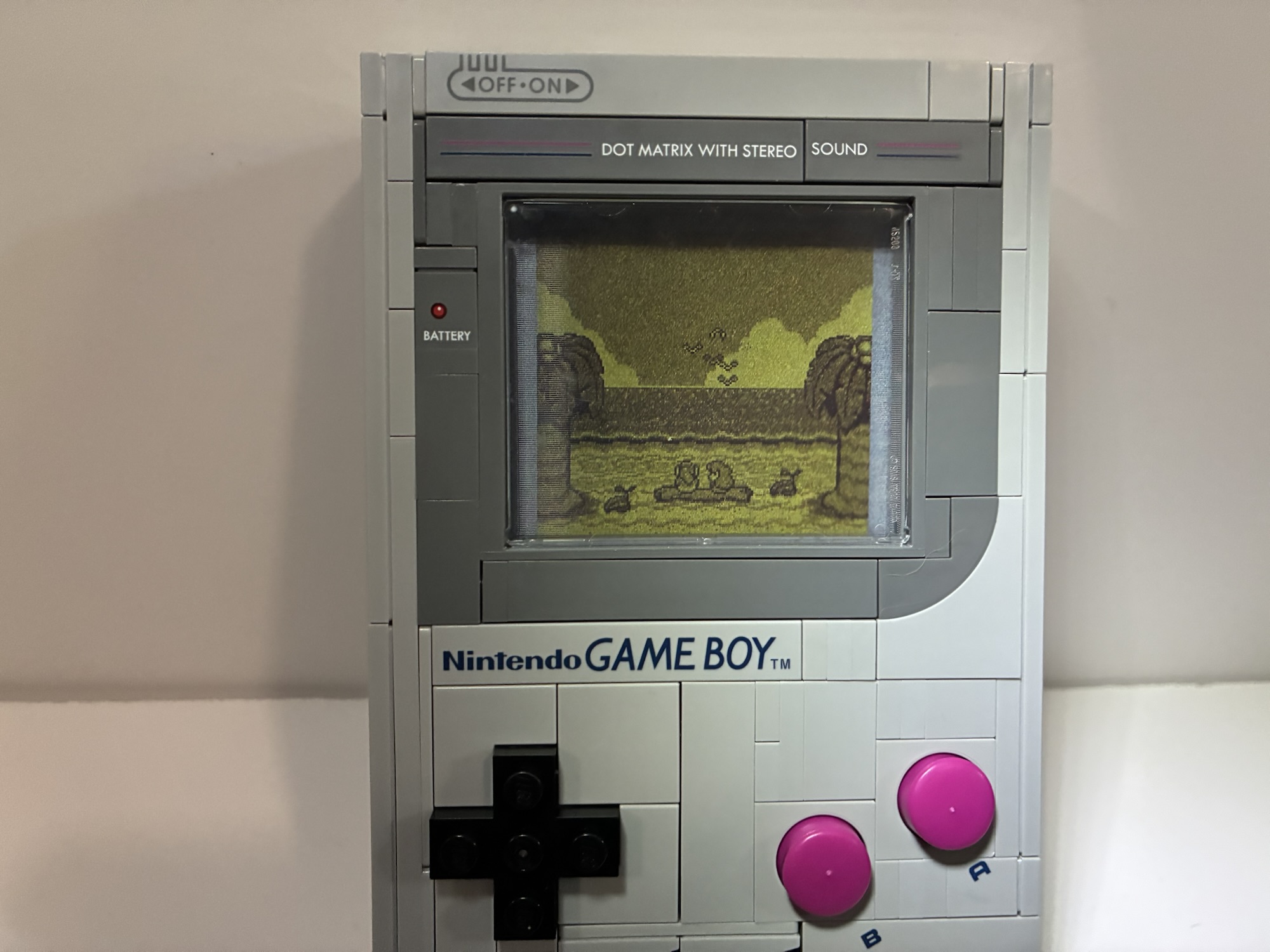
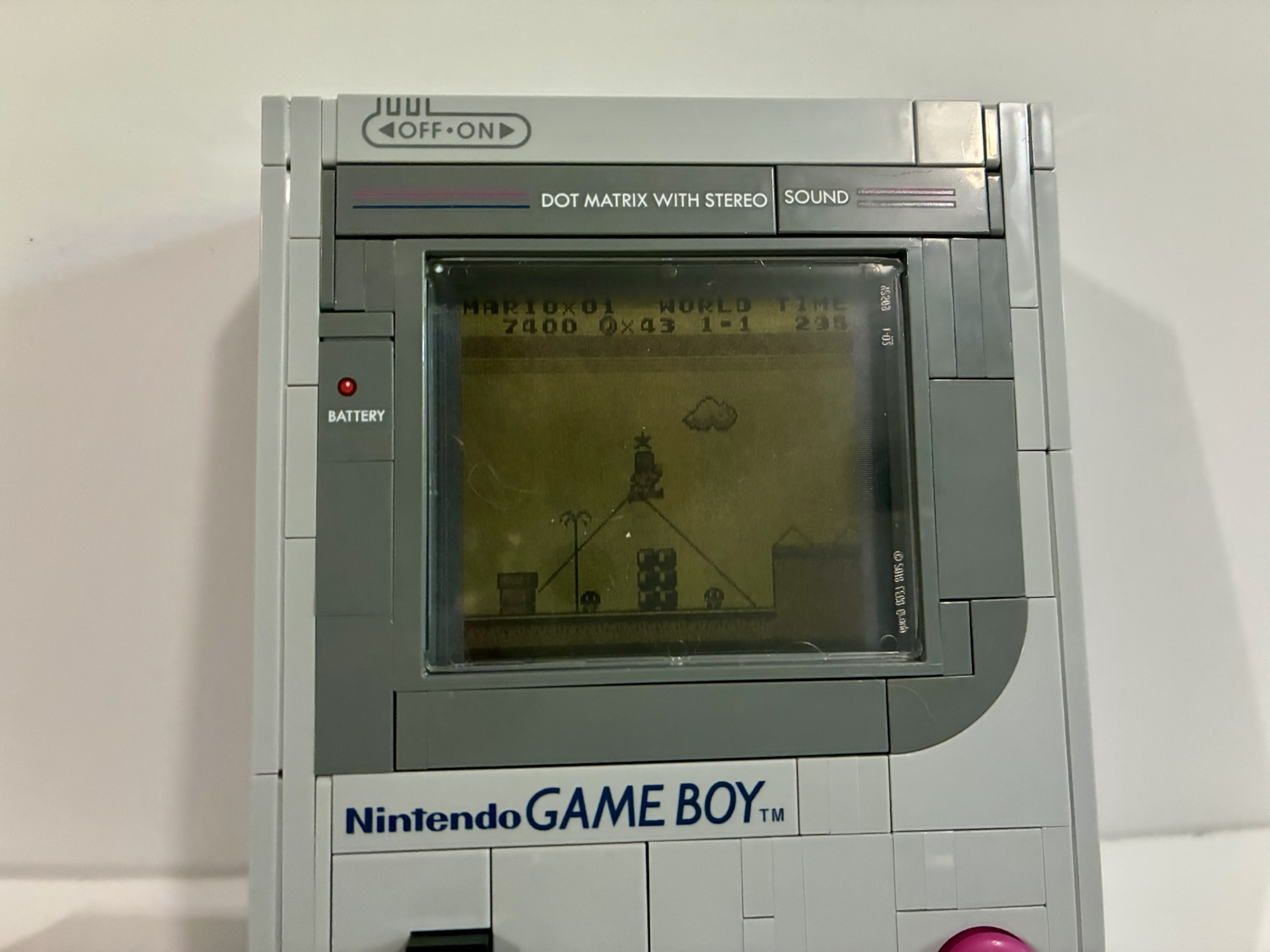
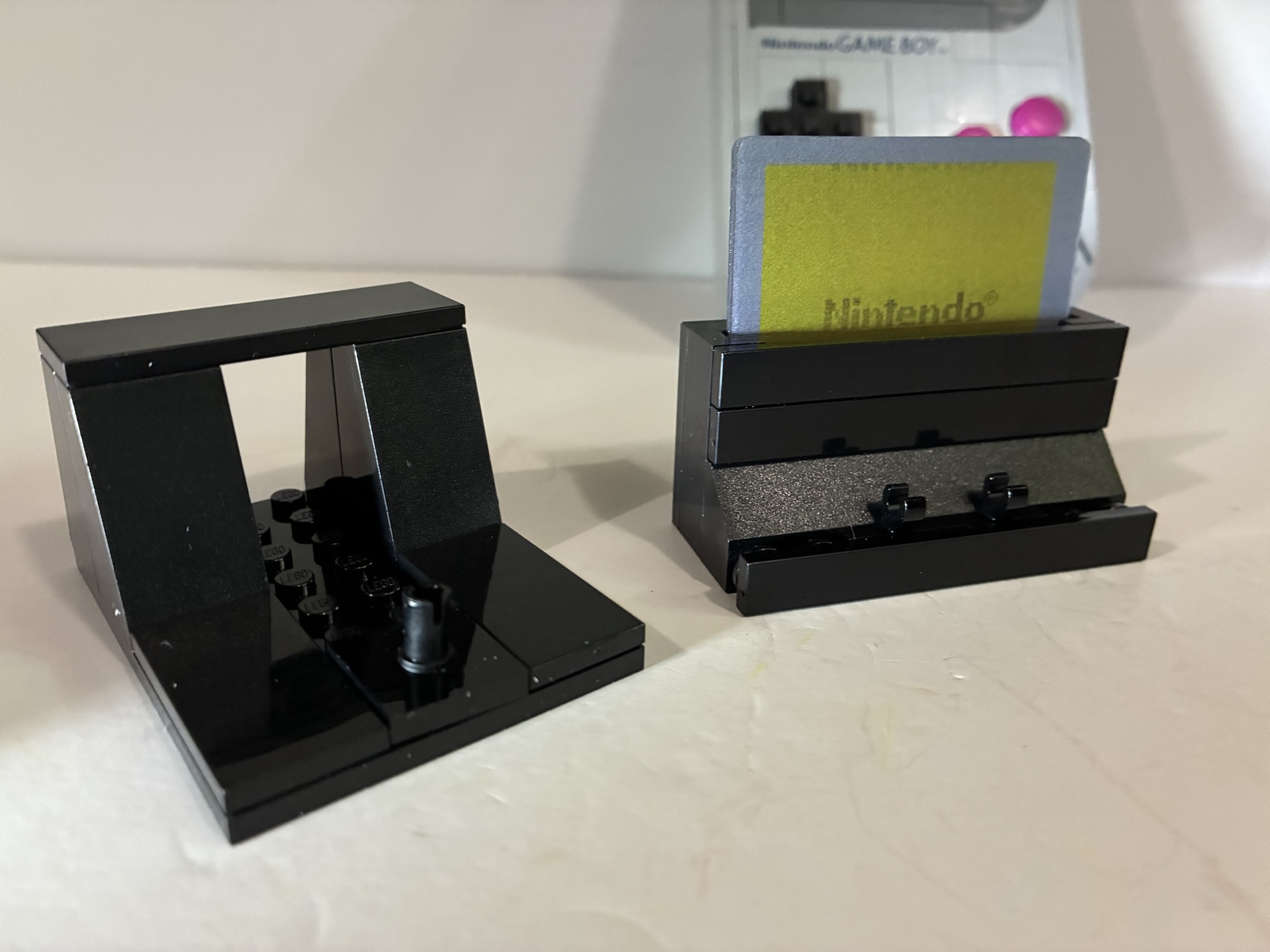
In addition to the buttons, the play feature here is the screen. Lego included three lenticular screens to swap in and out of the system. The basic one is the Game Boy start-up screen which simply reads Nintendo. In addition to that, there’s a screen for each game if you want to get specific. For Super Mario Land, it’s Super Mario bouncing into a question mark block. For Zelda, you get an image from one of the “cinematic” moments in the game of Link and a girl (I forget who this girl is, I don’t think it’s Zelda) seated on a log. The games are easy to remove and insert as is the screen. You do have to pop the “battery compartment” off to access the screen, but it’s not particularly cumbersome or tricky. The stands are a very basic construction using all black pieces. The Game Boy one is a bit sturdier and seems to work just fine. The game stand includes a slot for the unused screens and Lego assumes you will always have one game in the system at all times.

The Lego Game Boy is a fun addition to this small assortment of Lego video game consoles. It makes for a nice display piece amongst your game collection and visitors are likely to be tickled by it if they pick it up and mess around. The generous amount of printed bricks really helps sell the look of the device and the included games are nice to have. While some would argue the most impactful games were Tetris and Pokémon, Super Mario Land was pretty important in the early days of the console’s life and Link’s Awakening is the best game for the system. And both are wholly owned by Nintendo so no additional licensing fees required. Lego could easily continue this with other iterations on the Game Boy with different games. There was the Game Boy Pocket, Game Boy Color, and multiple versions of the Game Boy Advance. Considering what we saw out of the NES, I wouldn’t expect much to follow, but it’s likely only a matter of time until we see a Lego Super Nintendo.
Enjoyed this look at the Lego Game Boy? Here’s some other stuff that might interest you:
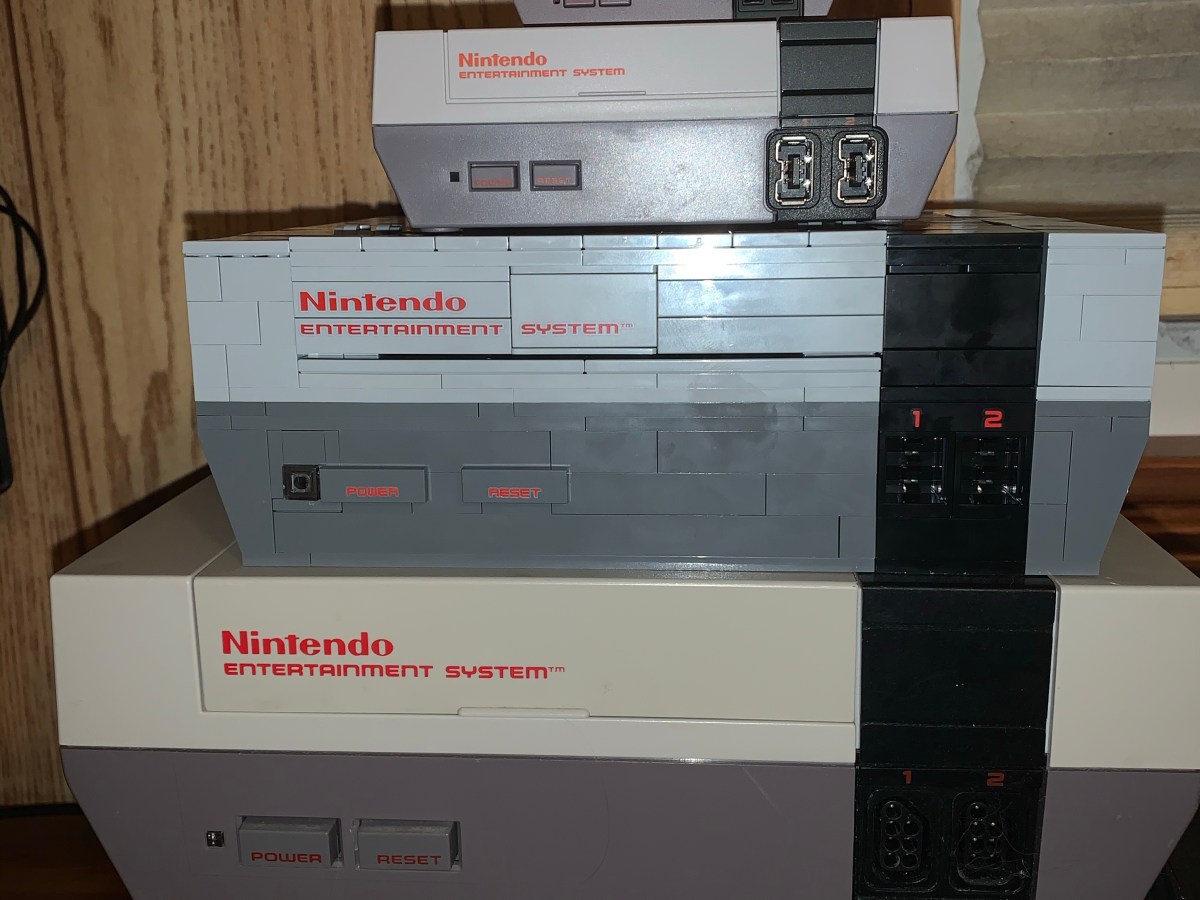
Lego 71374 – Nintendo Entertainment System
There’s something almost cathartic about assembling a Lego set. It can be hot and sticky in my house in the middle of the summer, but if I’m fiddling with a Lego set I almost don’t even notice. Considering how unbearably hot and humid it’s been in the north east this summer, it’s a shame I…
Keep reading
The Final Word on the NES Classic
If you read this blog even semi-regularly, you’ve probably seen me talk about the NES Classic already. When it came out I ranked the 30 games bundled with the device and also speculated on what could be included on a likely SNES Classic. What I didn’t do was actually come out and review the device.…
Keep reading
SNES Classic – Some Quick Thoughts
So the SNES Classic is out and has been for a week. As expected, it’s been rather difficult to get one if you weren’t fortunate enough to land a pre-order (which was also rather difficult to obtain). Scalpers are out in full force, and based on the few bits of feedback I’ve received from some…
Keep reading













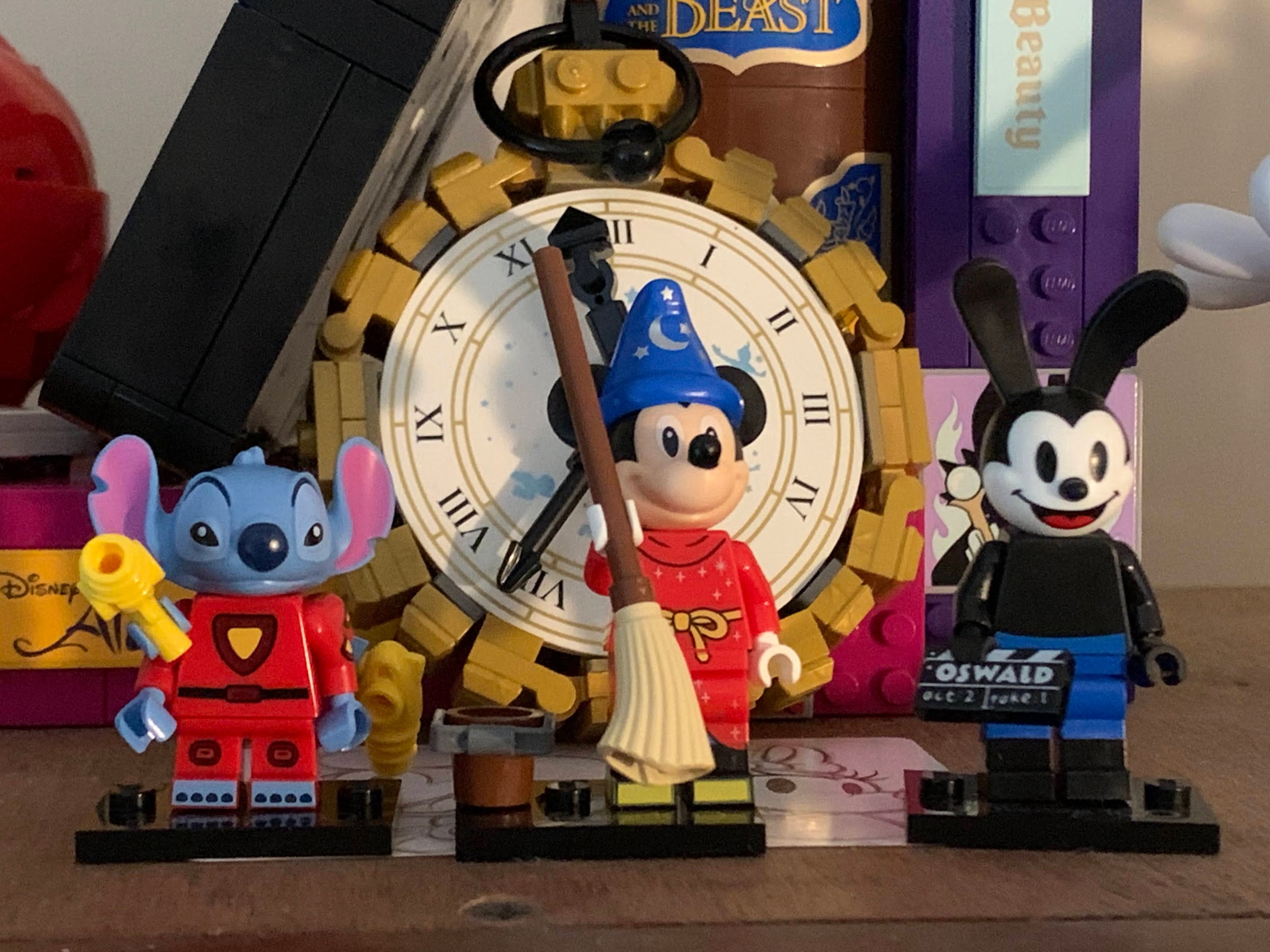


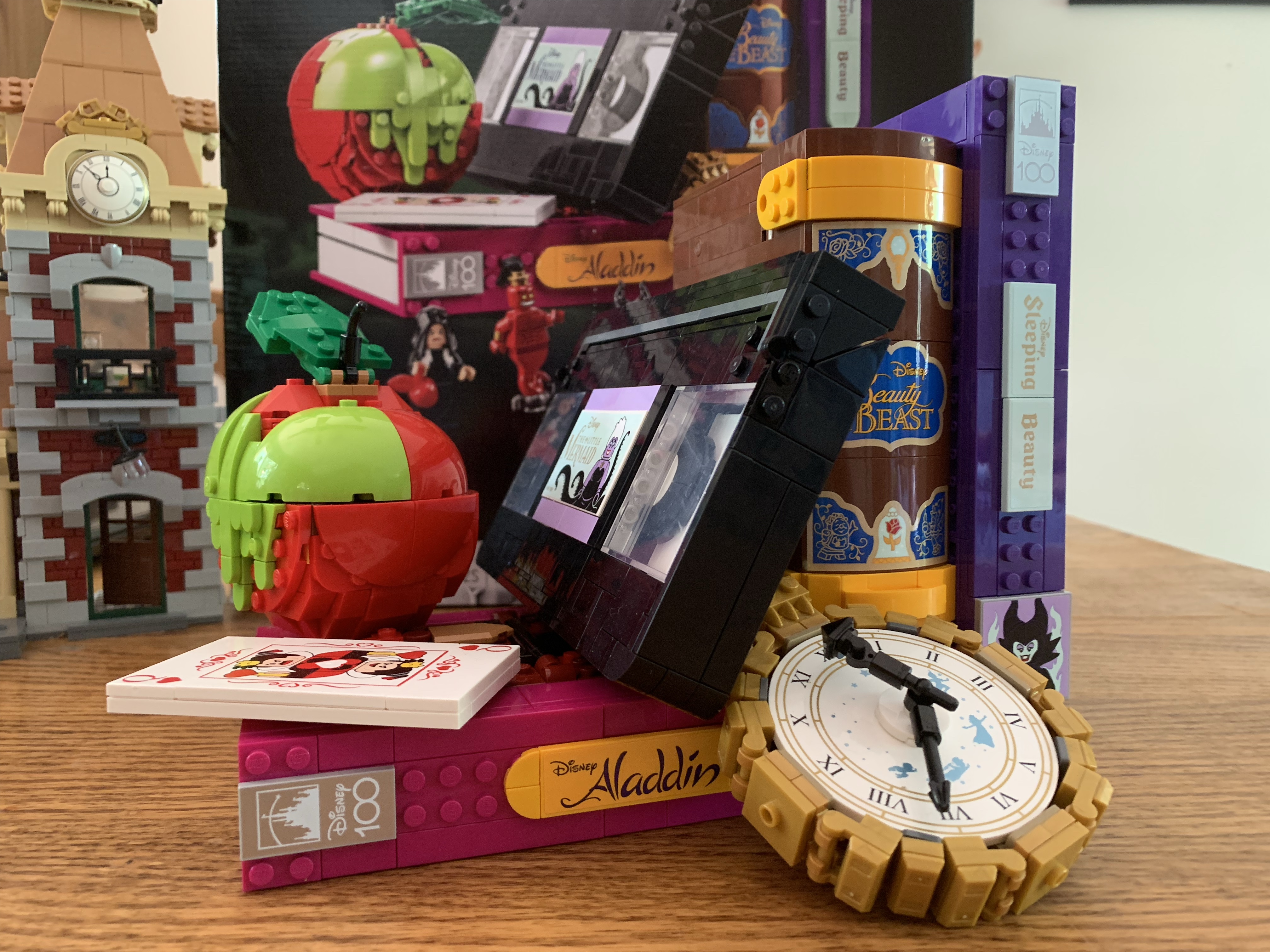
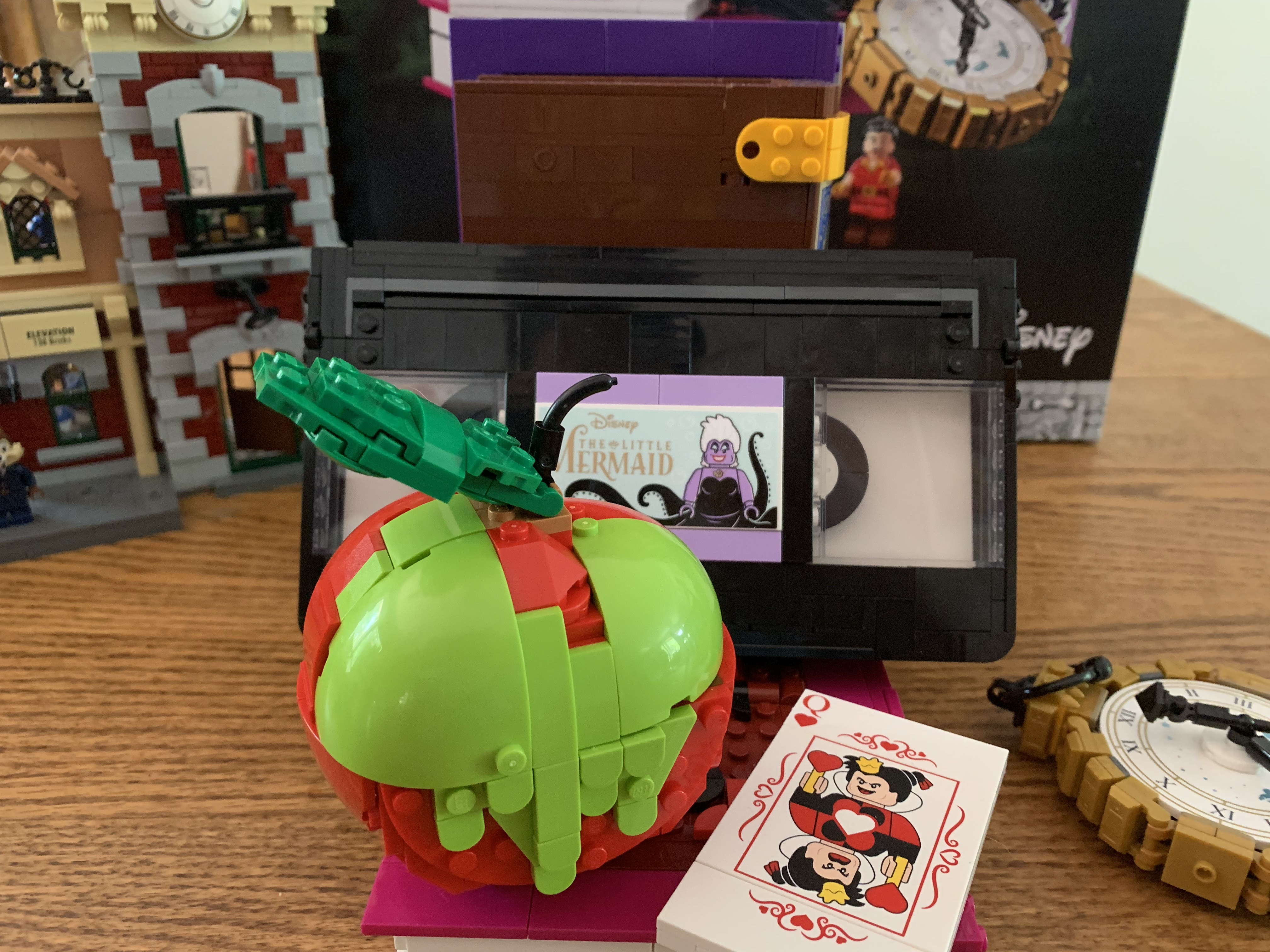
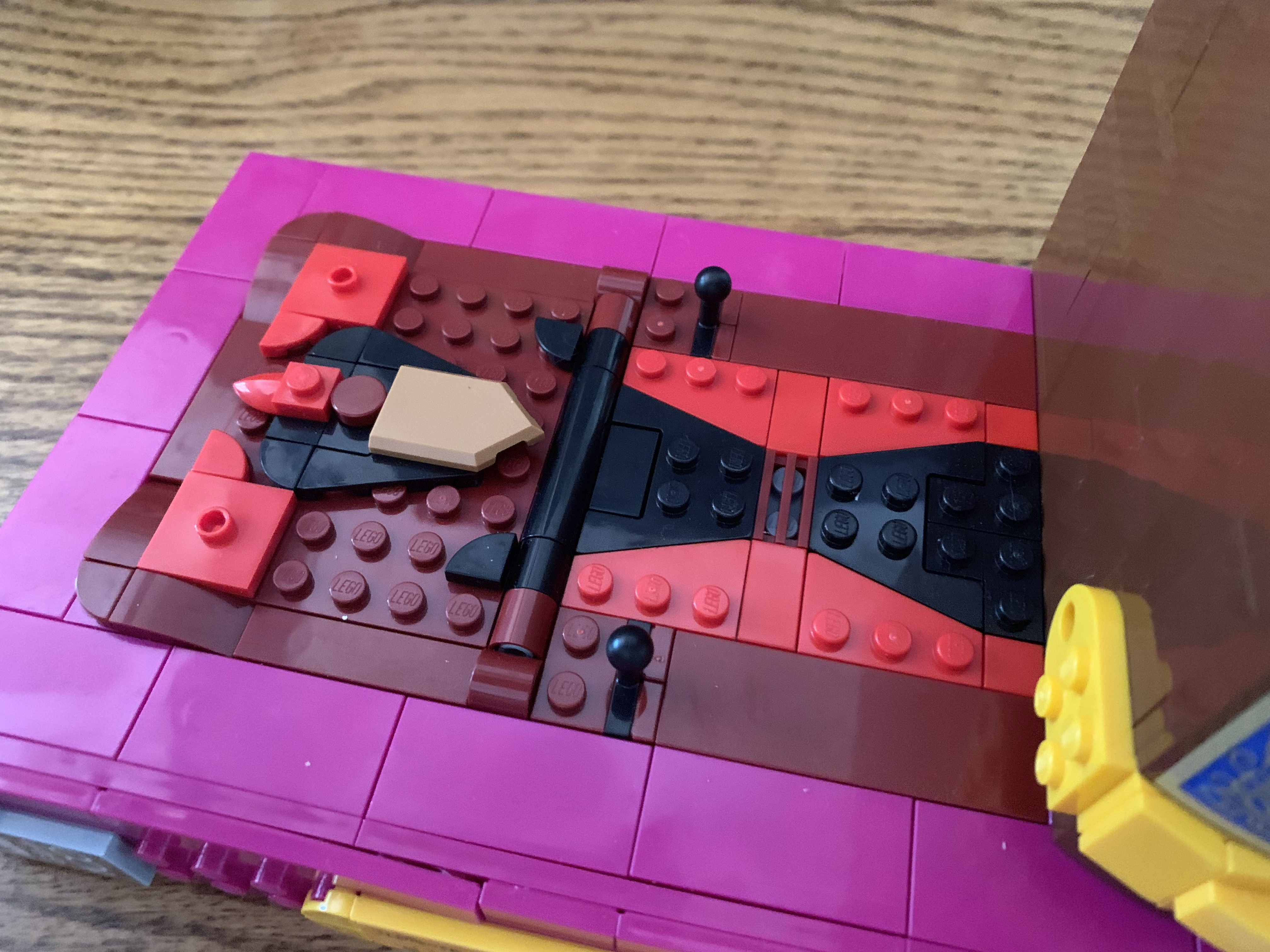


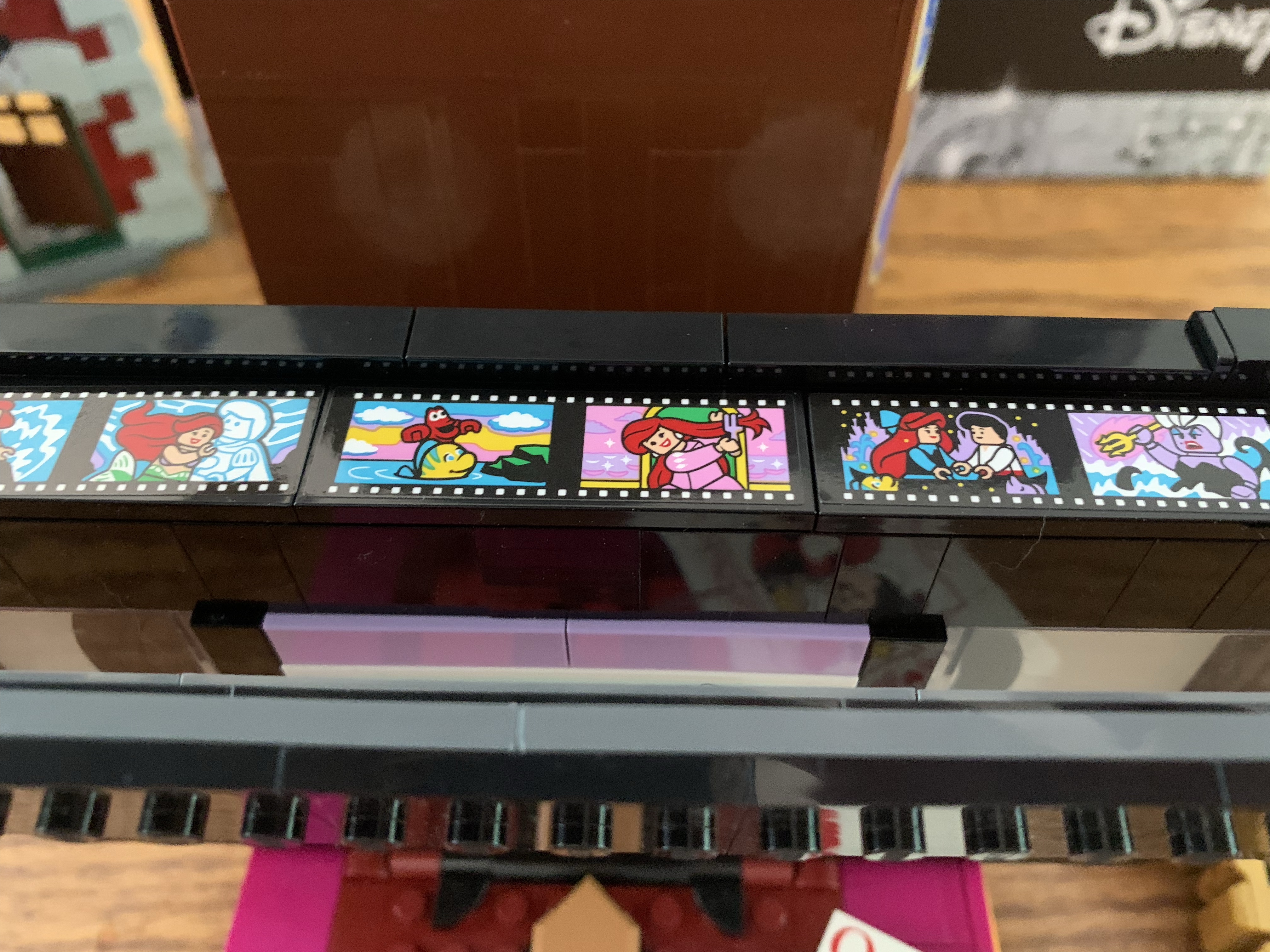
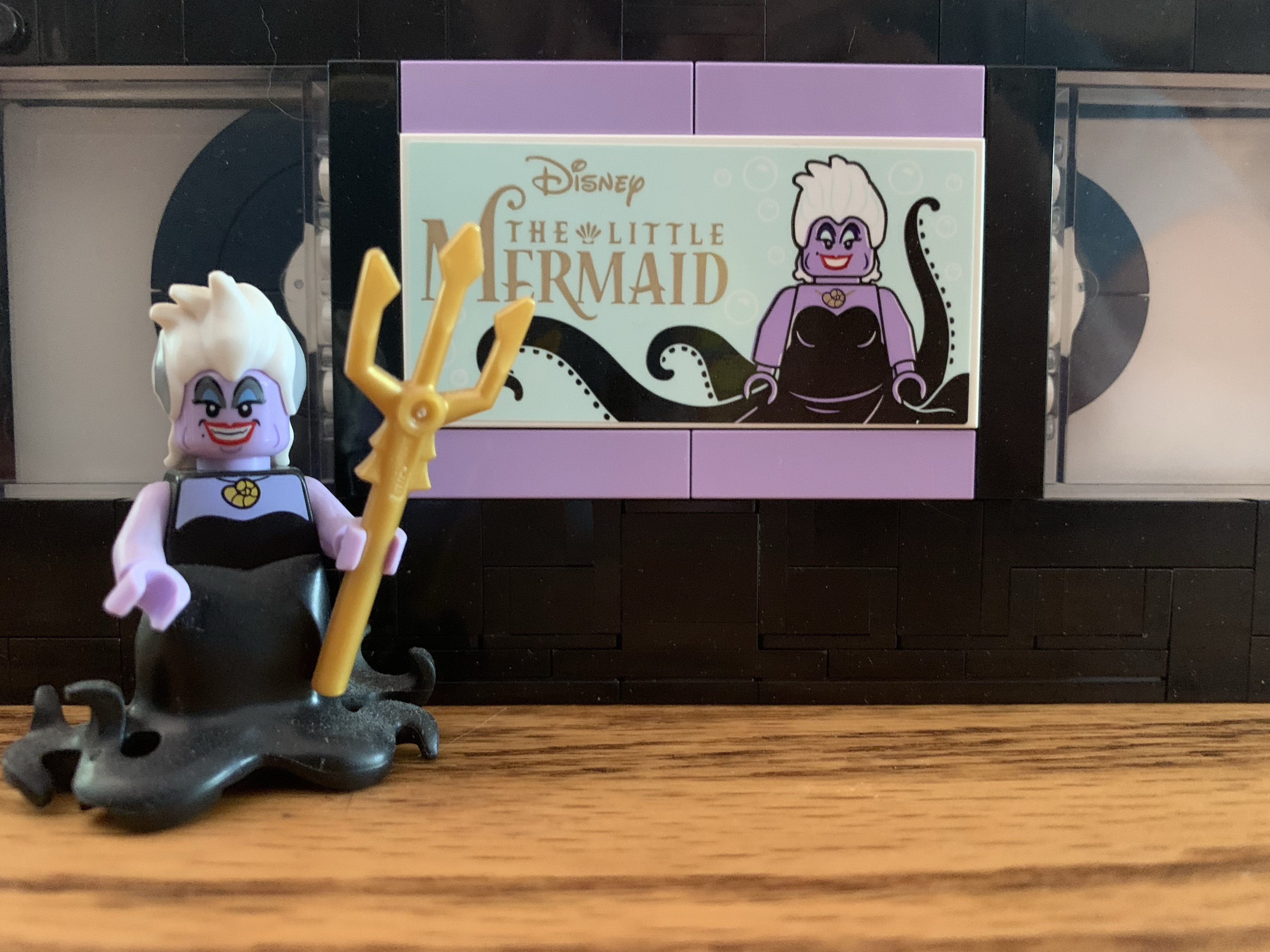


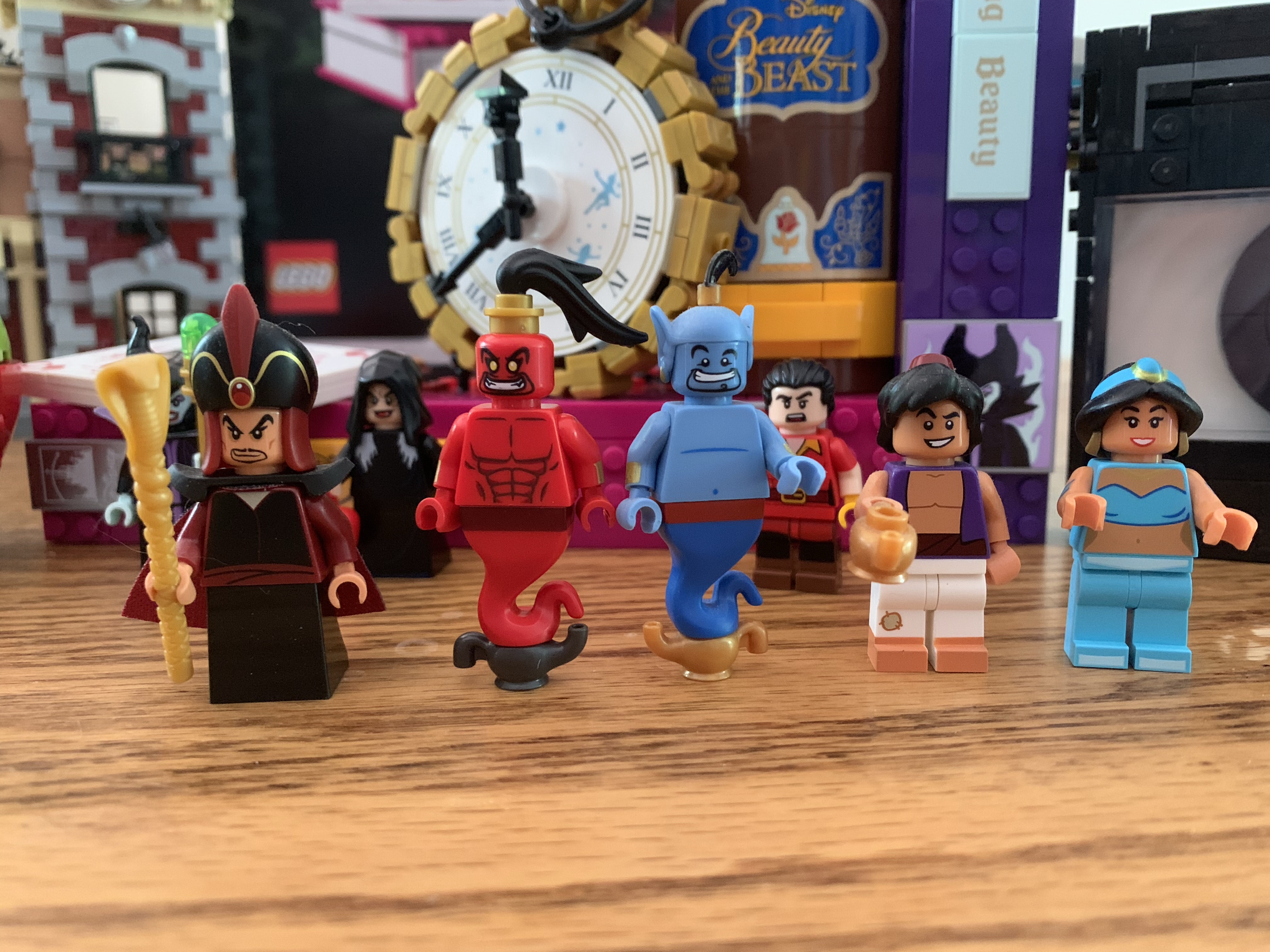


























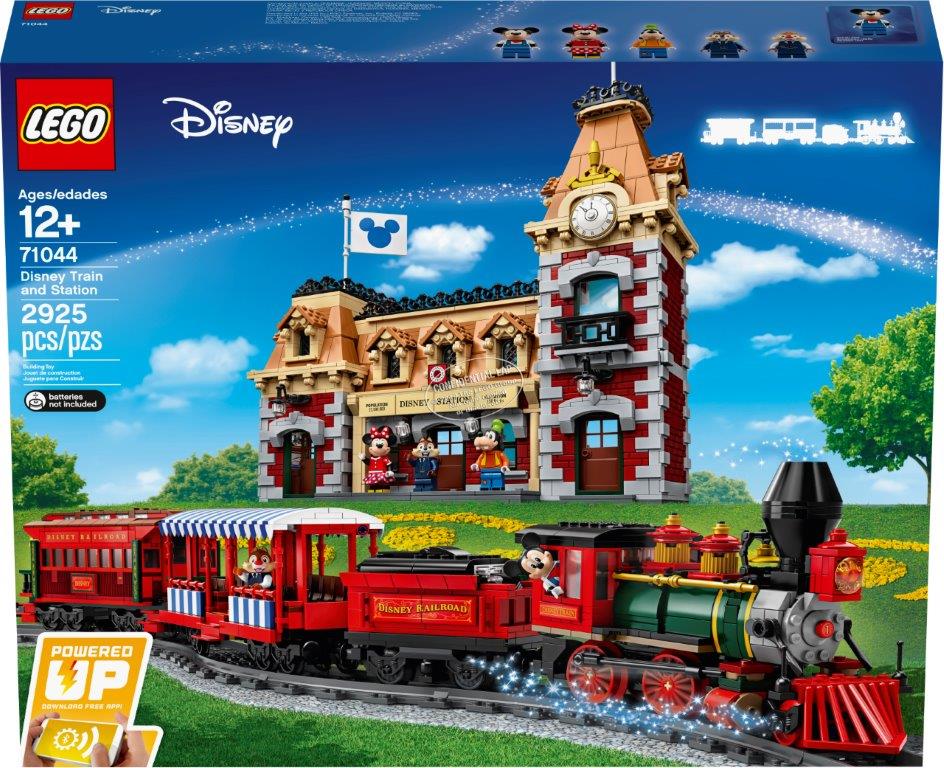 Earlier this year I did a post wondering what happened to the Lego/Disney relationship that seemed so fruitful just three years prior. It was a post born out of some frustration, but mostly just disappointment. Following the release of an entire line of minifigures devoted to the Disney brand as well as the massive Cinderella’s Castle from Disney World, it seemed like we were primed for more minifigures and more sets based on theme park attractions and icons. A set featuring Disneyland’s Sleeping Beauty Castle felt inevitable and my mind was racing to conjure up mental images of what other popular attractions might work and make sense in Lego form.
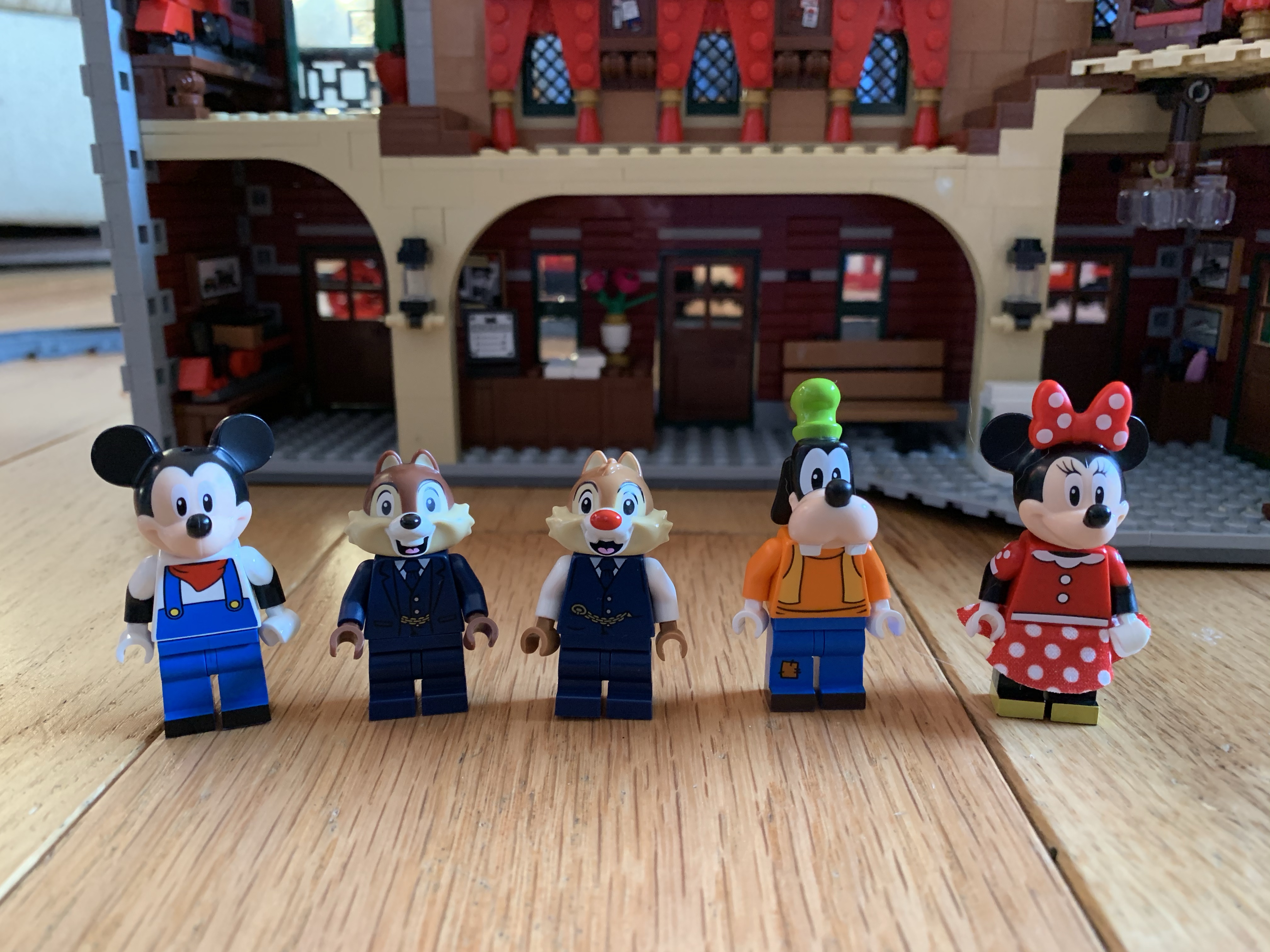 Like the castle, this one comes with five minifigures. And like the castle, most are essentially re-releases of prior figures. Minnie Mouse is the least interesting as she appears here in her red polka-dotted dress once again with the only difference being she’s traded the hard plastic skirt piece for a fabric one (to make it easier to position her in a seated position for riding the train). Three of the other figures just re-use existing head sculpts. You have Mickey as an engineer in blue overalls with a red bandana around his neck. He looks good, but where’s his hat? Engineer Mickey at the park is always sporting a hat and it would have been simple to just reuse the Steamboat Willie hat with a new paint scheme, but Lego opted not to do so apparently. Chip and Dale are here as conductors and they have new bodies as well. It’s a classy addition, but like Mickey they have no hats. At least with these two it’s more understandable as a hat is probably trickier to sculpt and add to them whereas Mickey had already been released to fit a hat. The fifth figure is the only all new one, but it’s a much welcomed one. Goofy finally gets to make his proper Lego debut and he’s in his contemporary orange shirt with blue pants. He looks great and since we had yet to receive a Goofy I am glad he’s not in train-attire. He probably should have been released as part of the minifigure wave as it kind of stinks he’s trapped in this set (for now), but I’m glad he’s here. Now we just need a Pluto to finish off the Fab 5.
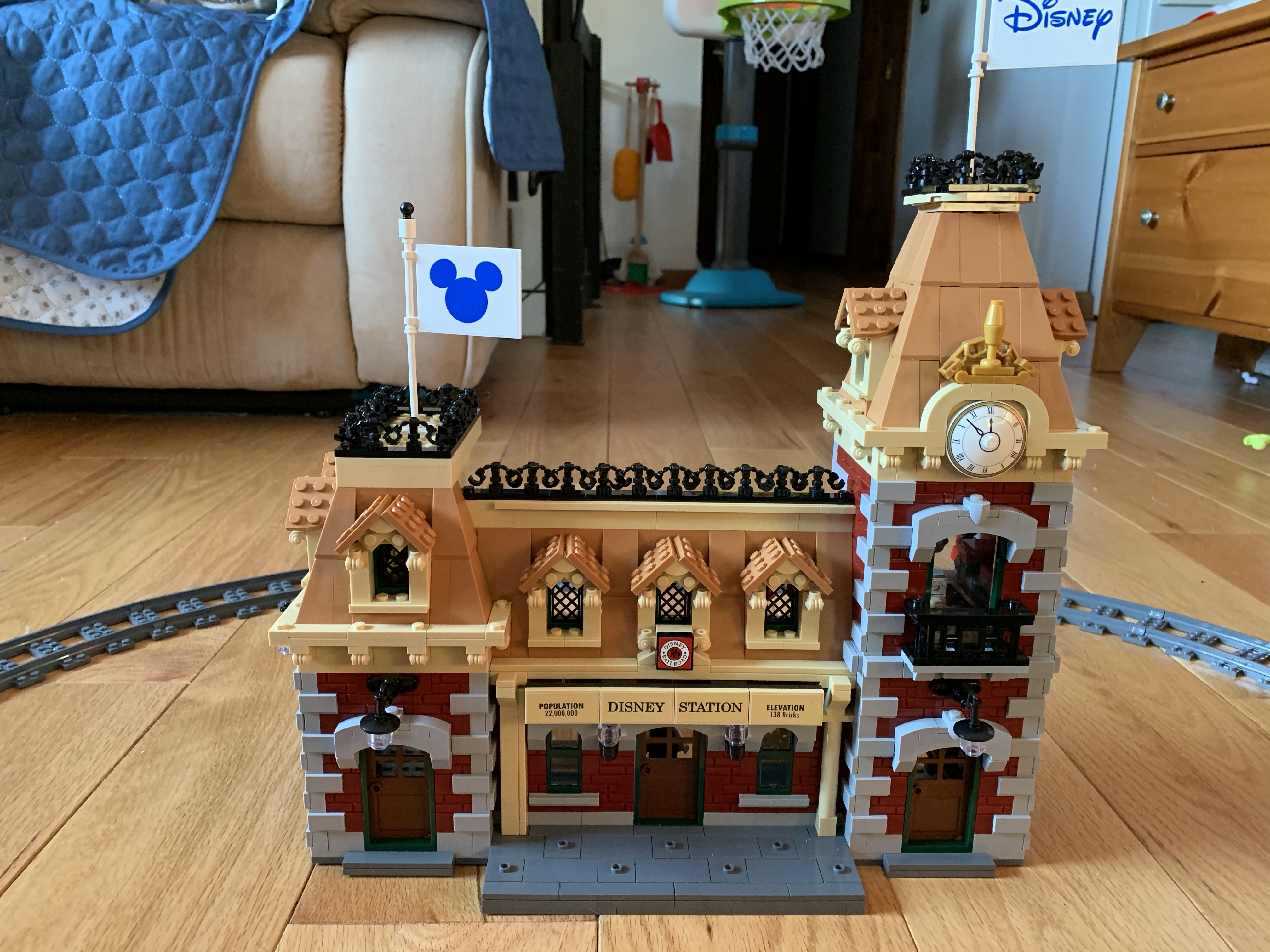 All right, let’s talk about the main event now. The train station presented here is just referred to as the Disney Train and Station by Lego, but it’s a replica of the station at Disneyland. As basically the first thing one sees when entering that park, it’s one of the most iconic Disney-related visuals that exists in the real world. And since we already received a Disney World set, this makes quite a bit of sense to be the next release. I initially expected Sleeping Beauty Castle, but since that is so much smaller than Cinderella’s Castle it might not have felt as iconic when compared with that set. This one invites fewer comparisons to Disney World. Yes, Disney World’s Magic Kingdom has a train station as well, but it’s just a slightly different design that’s neither better or worse than what Disneyland has. It’s a bit bigger, but the main difference is the clock tower portion is centered whereas this one is off-center and placed on the right if you’re facing it from the front. I suppose fans hopeful that Cinderella’s Castle meant that one day a Disney World in Lego would be achievable are disappointed, but I don’t mind inter-mingling Disney World and Disneyland sets in my display.
 Like the castle, the station is essentially a façade with an open back. Lego could have set it up on a hinge, but it opted not to. It’s fine and actually makes it easier to place on a shelf or something. I suppose if you have this on a large surface with the track going around the station it might bug you that it doesn’t have a back, but if it did you wouldn’t be able to see the lovely interior. Since the building itself isn’t particularly large, there isn’t nearly as much “fun” inside as there was with the castle, but what’s there looks nice. There’s a ticket counter with a bench in the main section and a luggage scale tucked away as well. There’s a pair of scaled-down replicas of the locomotive and a little lounge on the second floor. The clock tower is the only area on what is basically the third floor. An architect might complain there’s no way for the characters to physically move from floor to floor, but I like that they didn’t cram stairs into this thing. The windows in the hall look nice and I like the red curtains. Having never been inside the actual station, I can’t really attest to the authenticity, but this looks fine. The only thing missing is a bunch of fun easter eggs referencing past Disney films and cartoons like the castle possessed. There’s a cute replica of the Lego Cinderella’s Castle and box for the third floor and a pink umbrella that might be a reference to Mary Poppins, but otherwise I didn’t notice anything obvious.
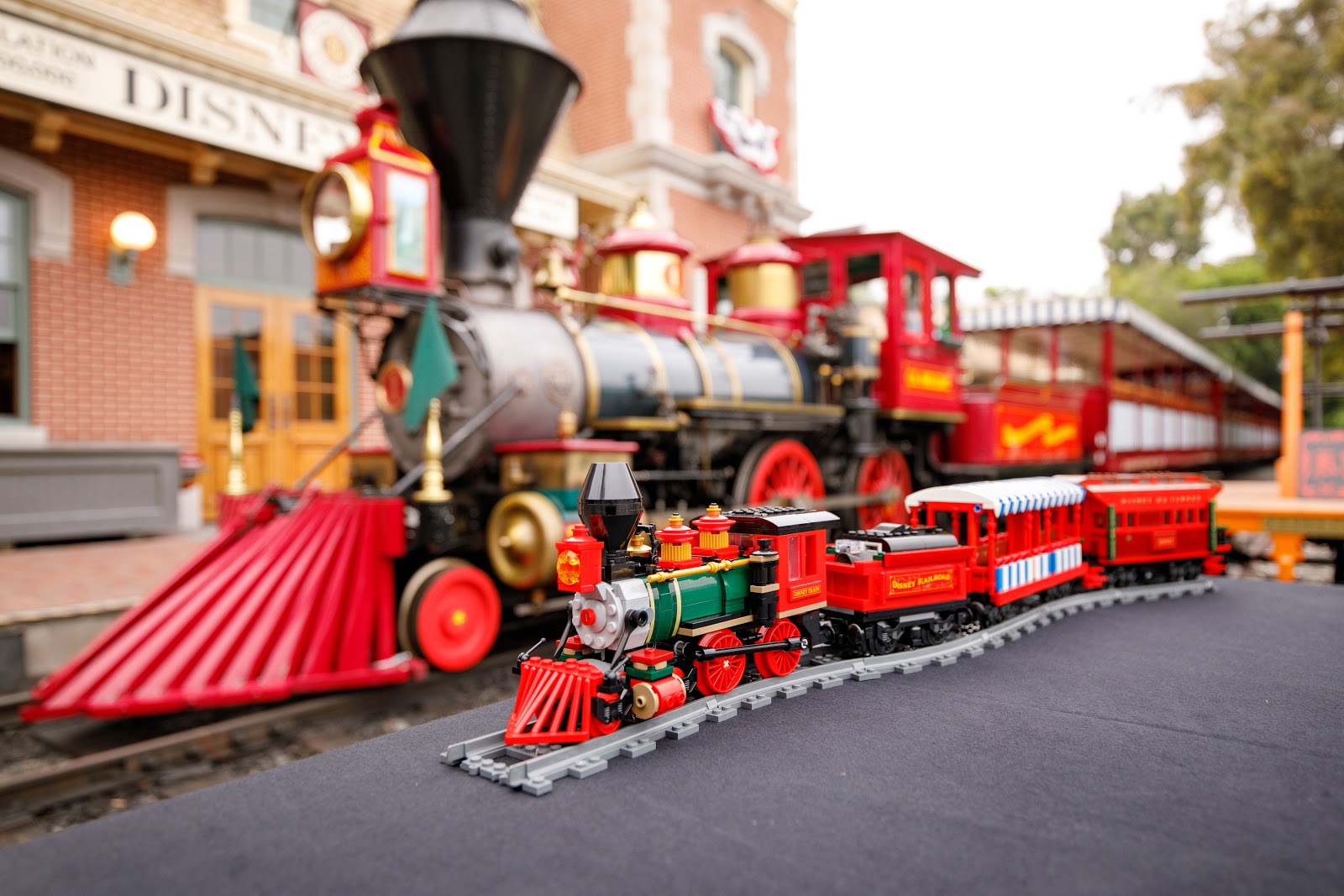 The locomotive itself is a replica of the CK Holiday from Disneyland, which itself was based on a replica train Walt Disney owned and drove around his backyard. As the first train constructed for Disneyland, it was an obvious choice. Unfortunately, it doesn’t contain the CK Holiday branding and instead opts for a generic Disney Train. I don’t know why Lego seemed resistant to affirm that this is based off of Disneyland’s train and station, but it’s not a huge deal. The second car is basically just a housing for the motor, while the third car is for park guests and the fourth is the caboose, once again, modeled after the actual train. The passenger car has a nice design where the top flips open for easy access while the caboose has a more luxurious interior. You can fit a lot of minifigures on this thing and I can see some people stocking it with custom minifigures that look like park patrons. Or you could simply just cram it full of some of the previously released Disney figures, especially the ones that are solid stand-ins for Disney cast members in costume.


 The set comes with enough track to make an oval of modest length. It’s essentially large enough to comfortably go around the station, but if you want to ring a Christmas tree or something you’ll need to buy more. Getting the train lined up is a little tricky, but not frustrating for an adult. Connecting the device to the app (I did via an iPhone) is also really simple and I had zero issues there. The train moves at a nice clip and I did not have any derailments. It can go forward and in reverse and there’s some sound effects as well. I don’t know if this is necessarily an improvement over the old setup, but it does work as intended. My only fear would be in a decade will this app still function? Lego does sell remotes, though that will obviously set you back further.


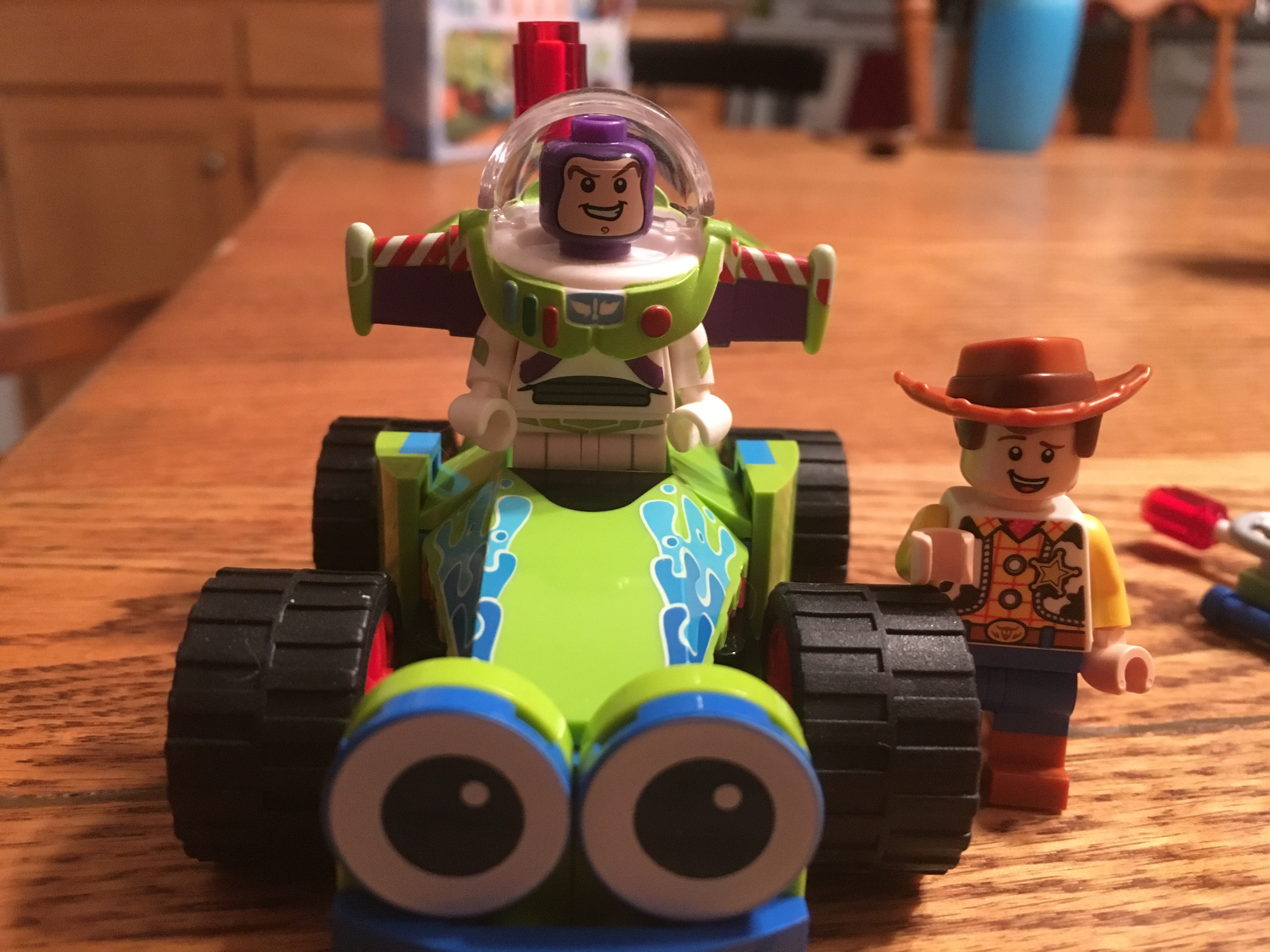
 There’s a new Pixar movie incoming next month, which also means lots of new merch! Especially when the movie is none other than Toy Story 4 as what movie franchise could possibly lend itself better to toys than one about actual toys? Toy Story 4 is a merchandising juggernaut for Disney and a cash cow at the box office as well. That’s pretty much why it still exists as Pixar never intended to even do Toy Story 2. Normally, cash grabs can seem cynical, but in the case of Toy Story I think all can agree that the franchise’s continued existence is very much a good thing as it has yet to deliver a dud. Toy Story 4 could obviously change that, but for now that feels unlikely.



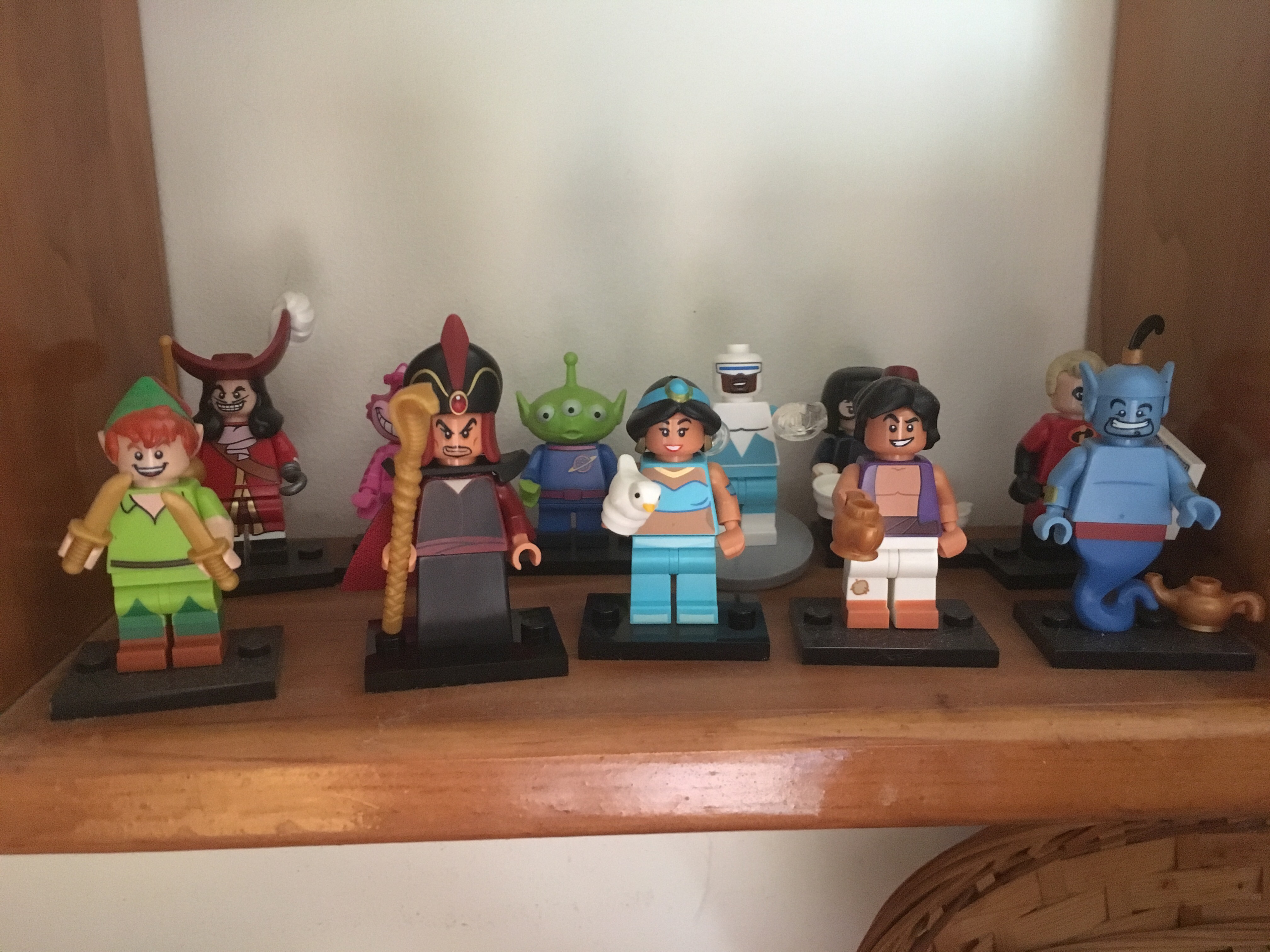


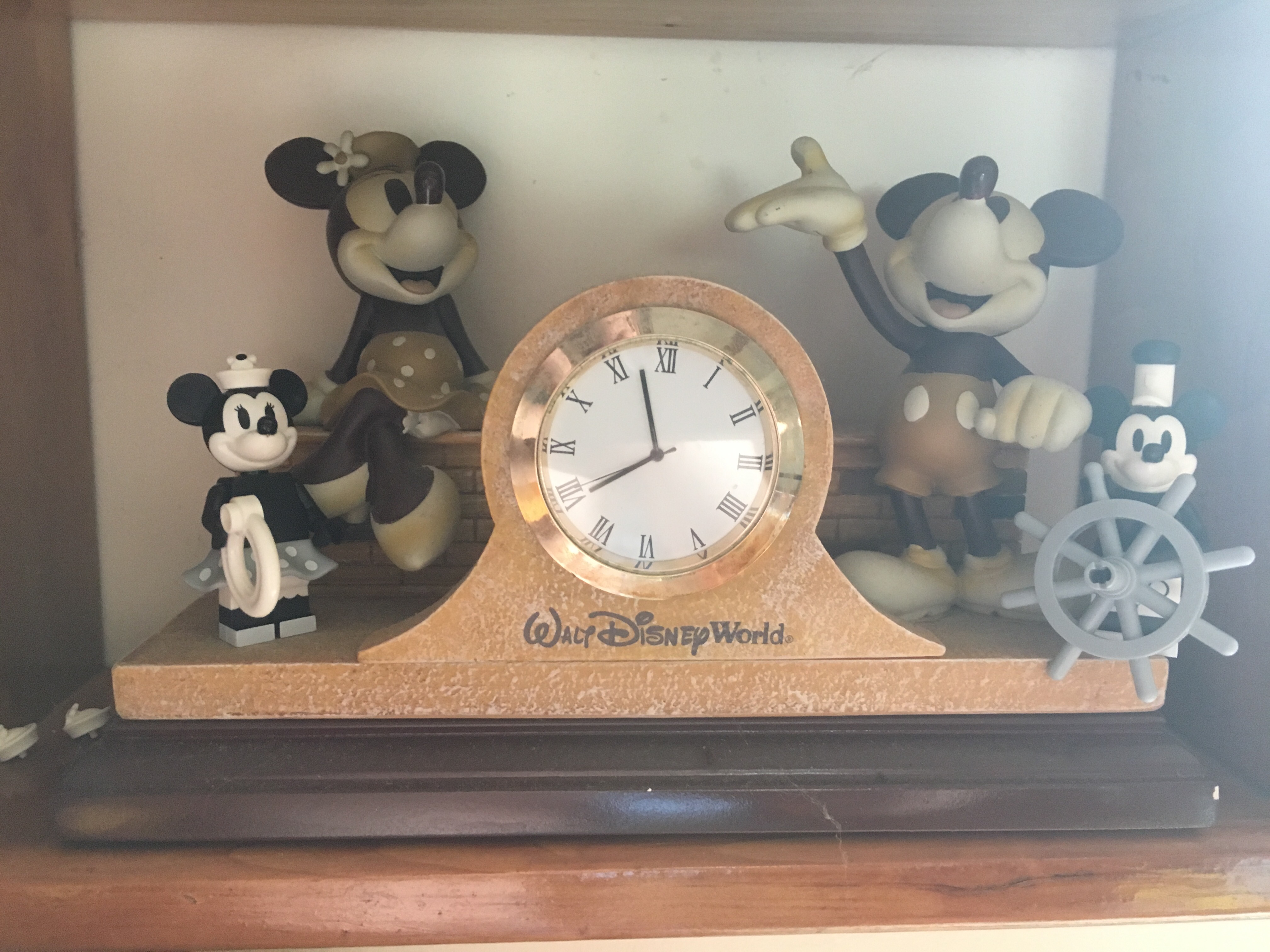 And that concludes series 2. Will there be a series 3? I sure hope so as Lego still owes us a Goofy. How he managed to avoid inclusion in this wave is beyond me since he really should have been in the first with the other Disney originals. Aside from him, Pluto would be wanted even if he was depicted as a mascot rather than a four-legged dog (maybe make him a unique figure for another Disney park set?!) and Lego has yet to tackle any of the inhabitants of the Hundred Acre Woods. The Disney Afternoon is also teeming with potential figures, the most-wanted likely being Darkwing Duck. And if Lego insists on reusing its Mickey head well there’s a whole bunch of other outfits to explore. In short, a wave 3 would be easy to fill out and is probably likely to sell as well as any other series of mini figures, if not better, so hopefully it happens. I’m not ready for it to end.
 The Nostalgia Spot