Oh, you thought we were done with DBZ?! Oh no, I have some more Dragon Ball related material to share with you and even though we’re done with the movies, I thought now was as good a time as any to talk about some video games. If you’re a usual reader, you may recall I did a post earlier this year on Super Dragon Ball Z, the Street Fighter inspired fighter for the PS2. It was the upcoming release of Arc System Works’ Dragon Ball FighterZ that inspired me to revisit that old game, and the same can be said of the Budokai series.
In case you need a refresher, Dragon Ball Z – Budokai was the Infogrames fighting game franchise of the early 2000’s and it was also the first real entry point for DBZ into global gaming. Prior to Budokai, the only Dragon Ball video games to make it out of Japan were the NES platformer, renamed Dragon Power in the US, based on Dragon Ball and the PSX fighting game Dragon Ball GT – Final Bout. Yes, somehow a game based on Dragon Ball GT made it to American soil before a Dragon Ball Z game. That early Dragon Ball game for the NES was simply a case of anything being available in Japan was brought over to other markets. It was altered so that it barely resembled Dragon Ball and there’s a chance that gamers who owned the abysmal title and went on to become fans of the franchise likely needed to read about it later in life to make the connection. Final Bout was likely released outside of Japan because it coincided with the 3D fighting game craze and the first real attempt at bringing the anime to America as well. It was a truly abysmal game that sold poorly. The anime was a flop initially so it kind of went away, but once the show became popular via Cartoon Network the after market price on Final Bout went crazy as it was the only video game released in the territory and fans wanted something, even if it was terrible.

Technically, this was the first Dragon Ball game released outside of Japan, though you wouldn’t know it by the cover.
Of course, if you were living in Japan you had plenty of options when it came to DBZ fighters. The Super Famicom especially had a bunch of them and the PSX had an additional 2 and all were based on Dragon Ball Z as opposed to the far less popular Dragon Ball GT. Fans desperate for some DBZ content for their video game machines, like myself, turned to imports and emulation to get their fix, but in truth few of these games were worth playing. The only ones I can recommend half-heartedly were Dragon Ball Z – Hyper Dimension, a 16-bit fighter that didn’t control particularly well, but the visuals were impressive. On the PSX, Dragon Ball Z – Legends was a pretty ugly looking early PSX game, but it’s 3 on 3 simultaneous combat was really interesting and the simple, timing based, combat was actually pretty satisfying. It was just a shallow experience and once you saw everything the game offered there was little reason to return.
Once the show finally became popular around the turn of the millennium, there was a substantial rush to get content to the newly created global audience. Irwin Toys started cranking out new action figures and accessories while clothing and posters started popping up everywhere. The games took some time, and Bandai was awarded distribution for Japan while Infogrames, and later Atari, received the North American license. Dimps was selected as the developer and they got set to creating Budokai. Simultaneously, a Game Boy Advance game was also developed and released as The Legacy of Goku, an action-RPG that was at least interesting though not particularly fun. Because there was such an appetite for DBZ anything, Budokai really didn’t need to be a good game to sell well. It also didn’t need to be particularly good to immediately become the best DBZ fighting game ever released. Review-wise, it received a somewhat ho-hum reaction from critics, but fans seemed relatively pleased. It sold well enough to spawn two sequels, and 10 years after its initial 2002 release it received a high-definition makeover alongside Dragon Ball Z – Budokai 3.
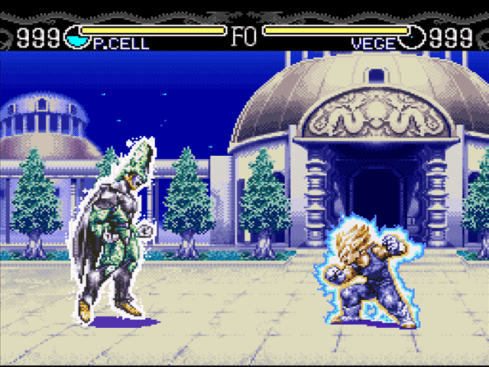
If you absolutely need to import a DBZ game, I’d suggest Hyper Dimension.
If you have never played a Budokai game, then let me tell you how it works. At its cores, it’s a simple 3D fighter. Characters can move in the foreground and background and are capable of attacking, blocking, firing ki blasts, and charging up their power meter. Each character typically has multiple health bars so stronger fighters will have additional health over weaker ones that’s clearly illustrated. Characters can also fly, but not at will. Instead, if a combo attack sends a fighter into the air they’ll kind of just hover in place once they recover from the attack. Simply pushing the directional pad towards an airborne fighter will cause the player-character to take to the air in pursuit.

Before Budokai, this was the best American fans had.
The main criticism of the original Budokai was the lack of beam attacks. Rather than simply ordering Goku to unleash a Kamehameha wave, the move was affixed to the end of a combo. A series of punches would end in Goku performing his signature attack, but at very close range so it was hardly spectacular looking. Instead, the eye-catching attacks were left to the super moves which are the moves that are designed to be difficult to pull off, but when successfully deployed, unleash devastating amounts of damage via a cinematic. These moves include Vegeta’s Final Flash and the like.

The original Budokai does a decent job of laying the groundwork, though the visuals were never considered great even for the time.
Dimps seemed to target two important factors when creating the game: make it look authentic and make it easy to play. As a result, all of the fighters essentially feel the same and have the same move-set, just with different results. In order to make the game feel authentic though, Dimps made sure to include various transformations in its games. Once advancing passed the Freiza arc, Goku could unlock his Super Saiyan transformation and use that in battle. Prior to getting it, he also had his Kaio-ken technique. Dimps even gave Piccolo his fusions from the series with Nail and Kame as transformations. The game featured a story mode that went up through the Cell Games and featured a roster of 23 characters. Later games would focus on expanding upon the roster to include practically anyone who ever partook in a fight during the series.
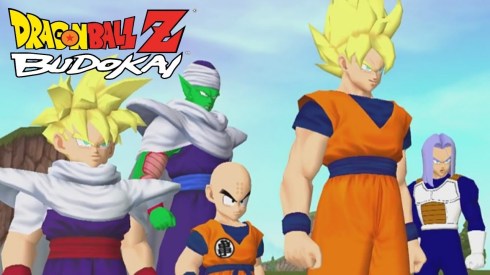
The first game does at least boast better presentation in terms of its story mode, though these visuals are kind of “yuck.”
Budokai was a success, and it soon became an annual franchise. Budokai 2, released the following year and not included in this collection, corrected a lot of what people disliked about the original. Ki blasts and flying were now more manual than before and the story mode received more cinematics and was overall more rewarding (though it featured a weird board game interface). The roster was also greatly expanded upon due in large part to the game featuring the Buu Saga. More transformations were available and the game was largely just more fun. Budokai 3 arrived the following year with even more characters and moves and yet another revamped story mode. Instead of playing through the events of the show, players could select specific characters and experience the story from their perspective. And doing so also allowed the player to simply fly around the world looking for the next event as well as hidden ones. It felt less restrictive, and was thus pretty exciting.
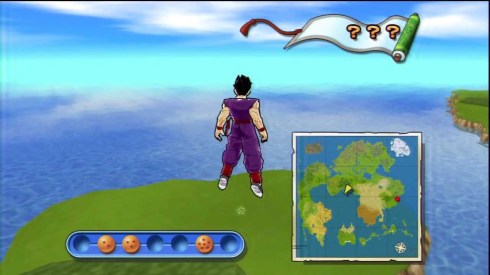
Budokai 3’s story mode was more engaging, if lacking in the presentation department. It makes up for it though with much improved graphics and styling.
So how do these games hold up in 2018? Well, not surprisingly the original Budokai is showing its age. The visuals have been upgraded to HD, but the textures were so bland and basic to start-off that there’s virtually no improvement. It makes everyone look like vinyl dolls and the empty battle maps are even more boring than before. The simple combat is easy to grasp, but also not particularly engaging. This game is basically here as a nostalgia trip and to illustrate how the series began. Fire it up if you either never played it or just want to relive it, but after that you probably won’t play it again.
Budokai 3 is the main attraction of this set. There’s still a section of the fandom that considers it the best DBZ fighter ever released. It was the last main Budokai title as the many sequels saw the series move in a different direction, sometimes for the better and sometimes not. There was a PSP edition of the franchise called Shin Budokai and some place the 2006 title Infinite World in the Budokai series, but this was the last numbered entry. It’s quite easy to see how refined the game is in comparison with its predecessor. The visuals took on a more cell-shaded approach with additional detail and the move to HD doesn’t highlight the imperfections like it does with the first game. DBZ has a pretty simple, yet distinct, look and it doesn’t require incredible processing power to do it justice.
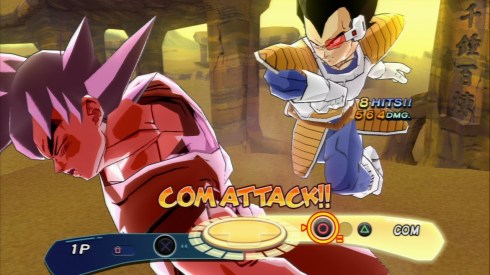
Dragon Rush adds some chaos to battles, but at the cost of skill.
From a gameplay perspective, the game is not quite as fast as I remembered. You will still spend most fights dashing at your opponent to unleash combos attacks and build towards bigger moves. I had forgotten how odd the gameplay structure was. Much of the fights hinge on your ability to pull off super moves and Dragon Rush attacks. The Dragon Rush is a bit convoluted, but it’s essentially a follow-up attack from a teleporting move. There’s a lengthy tutorial section in the game that’s not particularly helpful. It’s one of those things you just have to perform for yourself to get a feel for how it works. When connecting with one of these maneuvers, a quick-time event is enabled that’s basically a version of Rock-Paper-Scissors. The attacker selects a face button and the defender does as well. If the defender guesses right, the attack is thwarted. If not, it continues with both players now having only 3 face buttons to choose from. If the attacker is able to string together three successful attacks via this encounter, then a big move is unleashed and the opponent’s stamina (as well as some health) is knocked away leaving them more susceptible to damage. Actual super moves are done fairly easily by holding a shoulder button, but it starts a slow animation that can be tricky to connect with. And if you miss, you lose all of the energy stored for the attack. Connect and you get treated to another cinematic while also doling out some big damage. There’s always another QTE spot, this time with a meter rapidly filling and decreasing that you have to time properly, that determines how much damage the attack does.
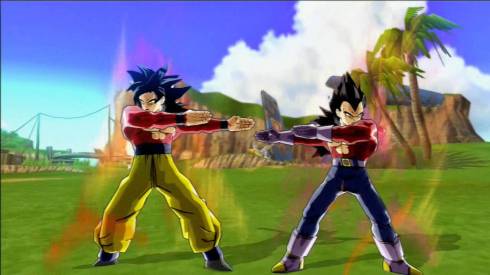
There are lots of power-ups that take the form of transformations including fusion.
Fights have a tendency to be very reliant on those two moves. Whoever is better at pulling them off usually wins. The QTE spot injects some chaos as it’s entirely random, unless you’re playing against a human opponent and look at their controller. It’s not the most rewarding system, or perhaps it’s more appropriate to call it frustrating if you’re on the losing side. If you’re on the winning end then at least the cinematics are typically fun to see. The interesting change for the third game though was mostly in the stored energy each character has. Energy will gradually accumulate up to a certain point so you really need only charge your ki if you want to go for the biggest moves possible. This was a smart addition as the constant need to charge in other games was always the least enjoyable aspect. Transformations also aren’t the energy hogs they were in prior games so there’s more incentive to use the best ones.
The story mode felt revolutionary in 2004, though now it does feel more limited. Basically, you pick a character and fly around the world. Your character has a map and can also find a Dragon Radar to look for Dragon Balls. Activating your “senses” can sometimes turn-up hidden spots on the world that usually contain an item but sometimes contain a small story event – an easter egg, if you will. Various cities and popular landmarks appear on as well but you can’t really interact with them. If the name of the place displayed when flying over it then you can enter, but it just leads to a brief exchange with another character who may or may not provide an item. These are all done with still images and text – there are no cinematics in story mode which is rather bizarre. The most interesting aspect of the mode is that it can change depending on how many playthroughs you have done and if you have finished another character’s. Goku’s is the most robust, and if you play it a second time after getting through some of the other character’s stories you’ll take on some GT villains and even unlock Super Saiyan 4.
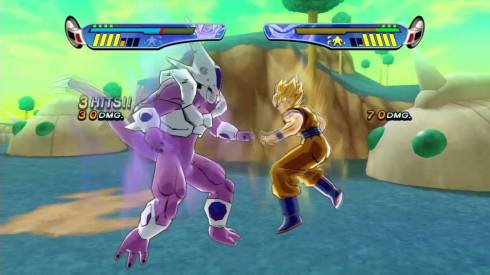
Budokai 3 expands upon the roster by drawing from the movies and Dragon Ball GT.
The goal of story mode is obviously to see it through, but it also features some RPG elements in the form of experience and stats. Leveling up a character gives you an ability point to place in various offensive and defensive categories. Each character also can equip a set number of items, with stronger items taking up multiple slots. This has been a feature in most DBZ games and allows for some level of customization. Frustratingly though, transformations always have a prerequisite that includes the prior transformation so if you want to use SS4 Goku you’ll need to devote 5 slots to transformations. If you want to fuse into Vegito then you’ll have to give up something. Characters can unlock a special Breakthrough capsule which contains all of their unique moves and abilities at the cost of taking up all of the ability slots. For a character like Goku who has the most unique capsules, it won’t include everything though which is kind of a bummer. The other short-coming of story mode is that it doesn’t include everyone. A lot of characters are playable including surprises like Tien and Yamcha, but only one villain has a story mode (and it kind of sucks) and characters you would expect to have one (namely Trunks) do not. There’s enough here to keep you busy for awhile, at least.
After getting caught up with these games, my main take-away was that anyone who thinks Budokai 3 is the best DBZ fighting game released has not spent enough time with newer entries. It’s not a bad game, but I’d rather play the Tenkaichi Budokai games over it. This game wants to capture the unique combat of the anime and sacrifices skill and control to do so. The Tenkaichi games were not difficult games to play, but their arena fighter approach made the games even more authentic and the super moves weren’t huge factors. With that out of the way, I will say I still had fun with Budokai 3. It took me a little while to get back into the flow of combat, but once I did I had a good enough time. There is a shallowness to the gameplay present so it doesn’t have the staying power of a more robust fighting game, and I wish they had dropped the Dragon Rush, but it does right by its license. I do wish the story mode featured actual moving images to tell its story, and the rewards for summoning the dragon are kind of lame. Considering I didn’t have to pay much to get this collection, I’d say it was money well spent. As for the original Budokai, it didn’t need to be included on this collection and I’m surprised it is. I would have much preferred Budokai 2, even if that game is pretty similar to 3. At least it featured a different story mode while including most of the gameplay enhancements featured in the third entry.
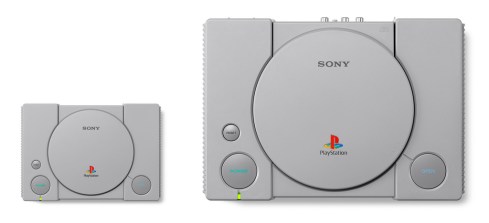
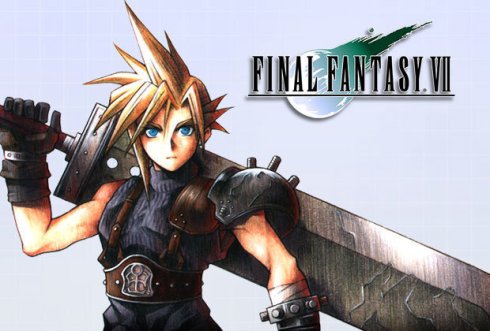


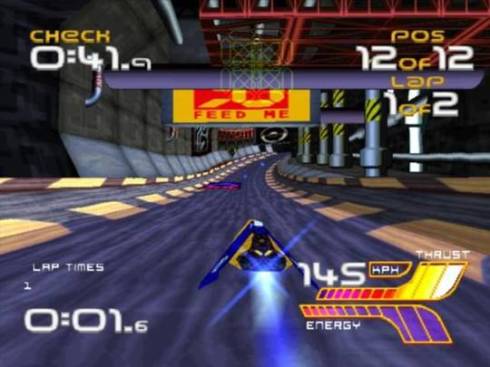
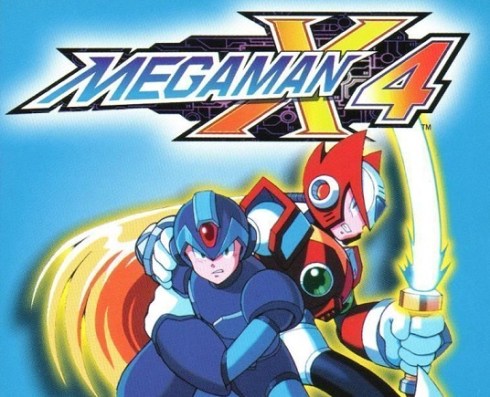

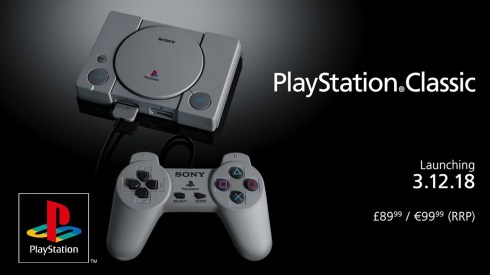
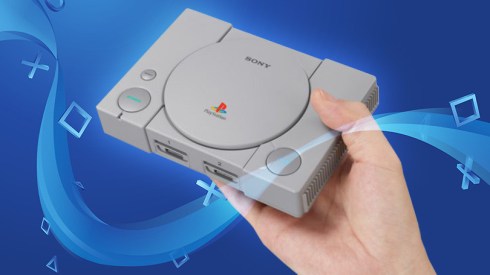 Plug and Play games have been around for several years now. They’re those cheap little Atari-styled joysticks you see at electronics stores that when plugged into a television allow one to play games like Pac-Man and Asteroid. They’re novelty machines and an inexpensive way to say to someone “Remember this?” I don’t know how successful they’ve ultimately been, but they’ve persisted and may be responsible for bigger publishers to look at and say there’s more here than meets the eye.
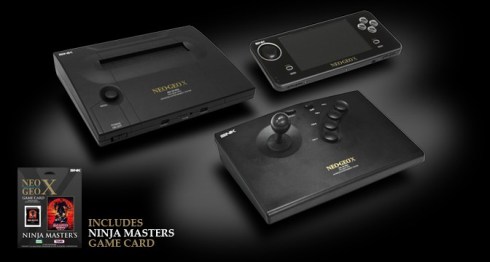


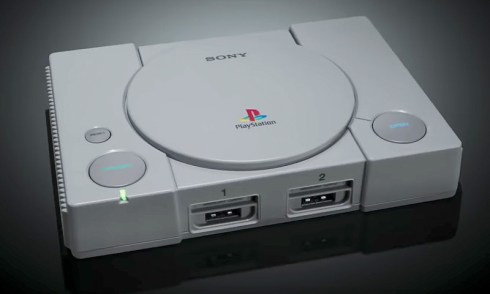
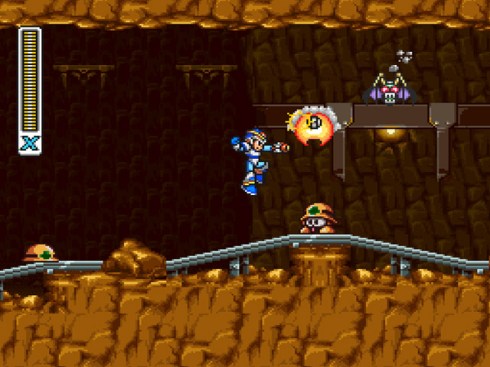
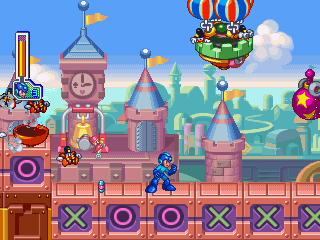
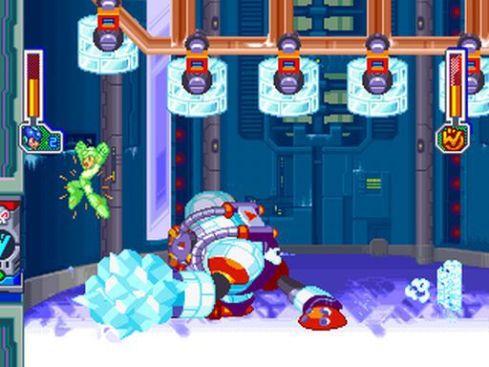
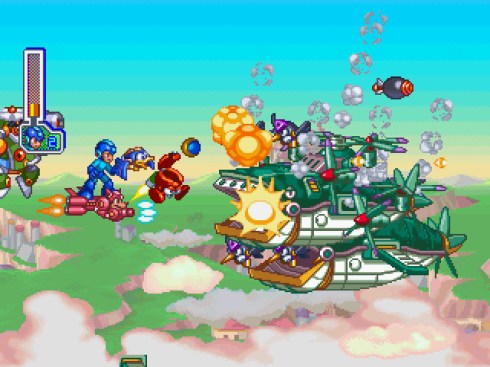
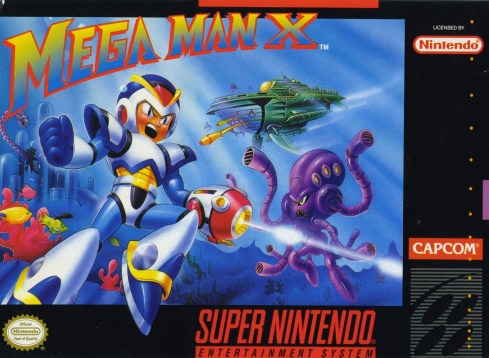 When Mega Man X was released in 1993 I was so confused. I saw the X in the title and assumed it stood for 10. Back in the 90s, it wasn’t uncommon for games to not get localized and released in North America for various reasons. Famously, we only received 3 Final Fantasy titles in the same amount of time as Japan getting 6. At the time, there were 6 regular old Mega Man titles released, and the sixth one had just been released on the aging NES hardware, so it didn’t really make sense that there would be three titles missing. Of course, there wasn’t and Capcom had basically just felt it was a good idea to give Mega Man a slight rebranding when moving him to the new hardware – the Super Nintendo.





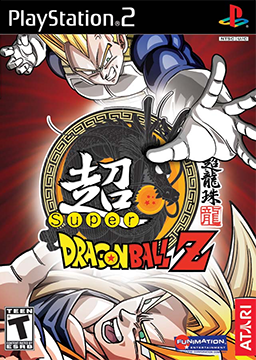 Recently, Bandai-Namco conducted an open beta for its latest game based on the venerable Dragon Ball franchise: Dragon Ball FighterZ. The game is a 3 on 3 tag-fighter that exists on a 2D plane but contains three-dimensional characters. The art style is done in such a way that it more closely resembles the 2D anime that’s recognized around the world. It’s a fast and beautiful looking fighter and yours truly did check out the beta. Like most open betas where an upcoming game is essentially free to play briefly, it was a bit of a challenge actually getting logged into the servers and paired up with a match. I mostly spent my time in the training area just checking out how the game handles and plays. It’s very similar to the old Budokai games in some respects, mostly the speed and the fact that all of the characters seem to have the same move-list, only the animations for each move are unique from character to character. For example, a traditional Ryu fireball motion for Goku results in his kamehameha wave while the same for Krillin is the destructo disc maneuver.


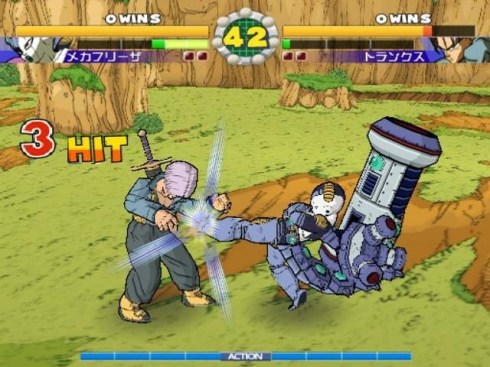
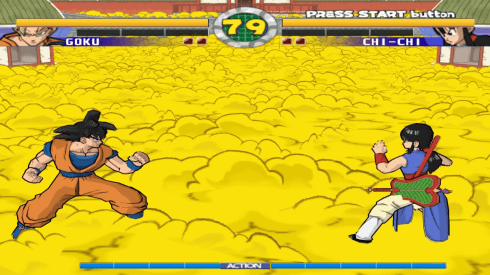
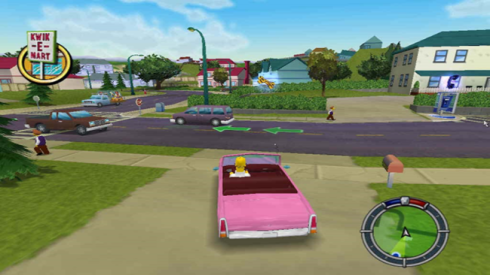
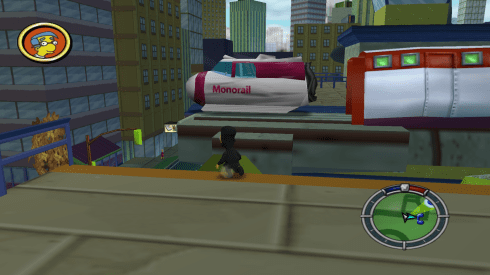
 After a long stretch of posting about Christmas and Batman exclusively, it’s time to get things back on track here at The Nostalgia Spot. Here’s a subject I’ve been sitting on for quite some time. I love The Simpsons, and I also love video games, so it stands to reason I should love Simpsons video games! In a perfect world that would be true, but alas, we do not live in such a world.


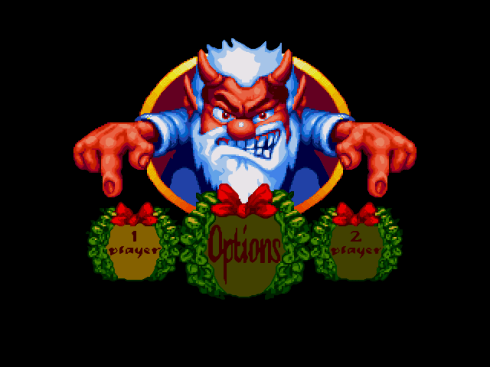
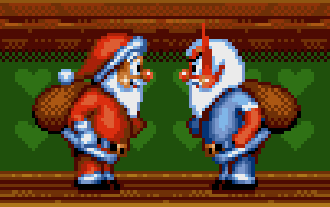
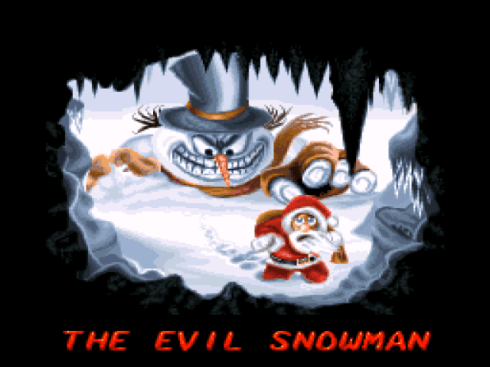
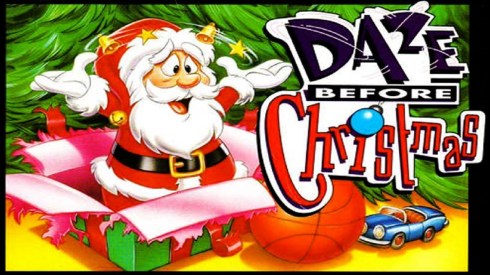 Wait, what is this? We’ve reached the final day of this year’s advent calendar style countdown of Christmas specials and it’s not even a show, movie, or stupid commercial? No friends, for December 25th we’re taking a look at Daze Before Christmas, the Sunsoft produced 16-bit Christmas video game that never saw release in North America. Christmas and other holidays are rarely captured in video games. Sometimes a game might take place at Christmas time (Twisted Metal originally did), but few actually make the holiday a focal point of the game. Daze Before Christmas, developed by Norwegian outfit Funcom, said nuts to that and made a platform game starring St. Nick himself. And you know what? It’s actually not that bad.



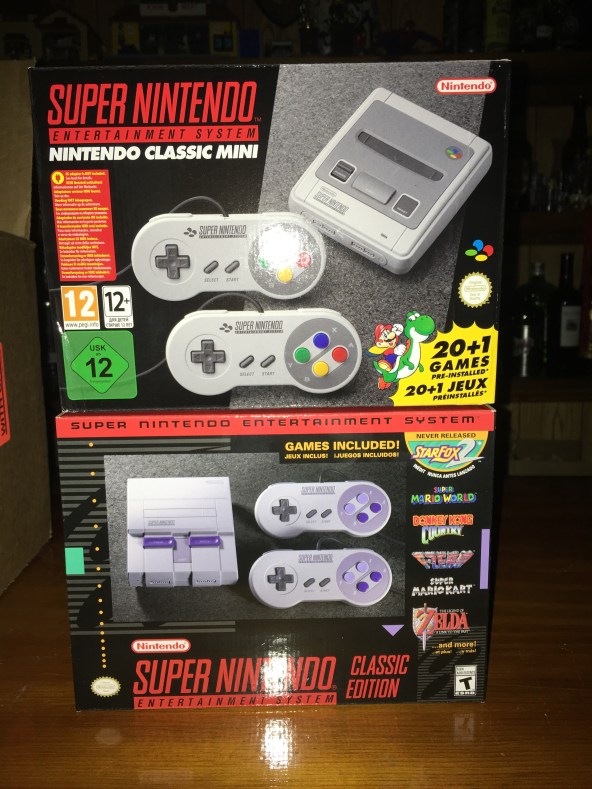


 Both editions of the SNES Classic are, naturally, pretty cute. Like the NES Classic they’re tiny and are closer in size to a game cartridge for the original system than the old system itself. They’re light, and pretty simple devices. Both feature working power and reset buttons that function the same as the ones on the original consoles. The eject buttons and cartridge door are non-functioning, and the there’s a little snap-off piece where the controller “ports” are that pop off to reveal the actual controller ports for the Classic edition. In the box, both units come with two controllers, an HDMI cable, and a micro USB cable. The US version has a USB to wall adapter that the UK one lacks, but any such adapter will work. The US version also comes with a poster with instructions on the reverse side while the UK version comes with an instruction manual designed to mimic the original. The UK version also comes with My Nintendo reward points, I’m not sure why the US version does not.


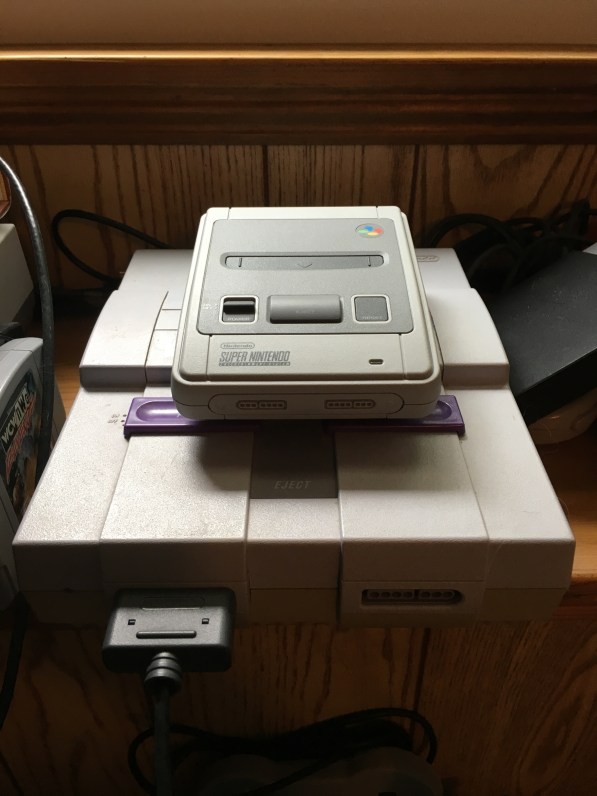 If you’re still unsure I can safely say the SNES Classic is worth the 80 dollar price tag Nintendo has placed on it. It’s a great little machine full of some truly excellent games, some of which would cost you hundreds to purchase on the secondary market. Like the NES Classic, it’s also not something you need to drop hundreds of dollars on to own so if you’re still looking for one I encourage you to be patient and not feed the scalpers. For now, Nintendo is claiming these will be shipped in abundance so hopefully they’re sincere and these are attainable for everyone who wants one. They’ll probably remain hard to get through the holidays, but if Nintendo keeps supplying them past 2017 they should get a bit easier to track down. If you live in an area with Amazon Prime Now, keep an eye on their social media accounts as it seems like they’ll be selling these exclusively through that service as well through their few retail locations and that truck thing they do. Supposedly, people who were able to pre-order through the US Amazon site are still waiting for them to be fulfilled. Meanwhile, Amazon’s European web stores seem to be getting stock regularly for their versions and most ship to the US. Sometimes they claim not to (when I pre-ordered my UK edition it said UK only, but it still went through), but will ship anyways. Just make sure to select the global shipping option, if offered. You’ll pay a few more bucks, but it might be worth your while, especially if you’re like me and prefer the UK look of the console.
 It has taken me quite a few months, but I’m finally ready to offer up my full thoughts on the latest entry in The Legend of Zelda series: Breath of the Wild. I first wrote about it as part of my initial thoughts on the Nintendo Switch. I was able to secure a unit at launch and naturally Zelda was the title I paired with it. Since its release, Breath of the Wild has been almost universally praised as not just one of the best titles in the series but as one of the greatest video games ever made. Currently it ranks fourth all time on game rankings.com, right in between Grand Theft Auto IV and Super Mario Galaxy 2 with an aggregate score of 97.28%. On metaritic.com, the game is in a massive tie for 6th all-time with a score of 97. The highest score of all time just happens to be 99, held by The Legend of Zelda: Ocarina of Time.