Tag Archives: cartoons

Dec. 19 – Life with Louie – “Family Portrait”

Original air date December 20, 1997.

If you were a mid-tier comedian in the 90s looking to breakthrough into television then Fox was the network for you. Whether it was via sitcom or cartoon, Fox seemed to think this was a winning strategy which is apparently why comedian Louie Anderson got his own show called Life with Louie. Life with Louie was pretty unique when compared with the rest of the Fox Kids lineup in the mid 90s. Most of the shows were either superhero cartoons or some kind of wacky offering. Life with Louie was a more grounded show and was basically a slice of life animated sitcom. It was slightly autobiographical as it starred a kid version of Louie (voiced by himself) and just followed his day-to-day life dealing with typical kid problems. It was a show that was allowed to have more heart than the rest of the lineup which is perhaps why it managed to attract critical acclaim.

I don’t know if Life with Louie was popular in spite of its unique approach. I watched it, but I can’t recall ever having a conversation about the show with another kid. It also wasn’t appointment viewing for me, but I was a pretty loyal Fox Kids watcher on Saturday morning so I saw a lot of the show. It’s a show that probably would have felt more at home as part of the ABC One Saturday Morning lineup, but at least on Fox it got to stand out a bit. As I got older, Saturday morning stopped being appointment viewing for me. I probably slept through most of the programming including Life with Louie. As a result, I’m far more familiar with the first season as opposed to the later ones.

They know what they’re doing when it comes to Christmas.

The show basically followed in the footsteps of The Simpsons and premiered with a Christmas episode. We’ve already looked at that one, and it was an episode that was featured in primetime. Fox liked to pull that trick with its animated shows. The calendar in December was often where most shows took time off for reruns. Holiday specials worked their way into lineups because back then most people didn’t own physical copies of those shows so they were like appointment viewing. Miss it, and you had to wait a whole year to see it again. Life with Louie‘s second Christmas episode didn’t get the same treatment. By then, the show was in its third and final season and would only air three more episodes after it. It must not have been a big hit for Fox since the final episode count ended up being 39. In other words, it never got that full series order most animated shows strive for (usually 52 episodes, sometimes 65). Still, 39 episodes isn’t a bad run and the first Christmas special was pretty good so I’m feeling relatively confident going into this one which I have never seen.
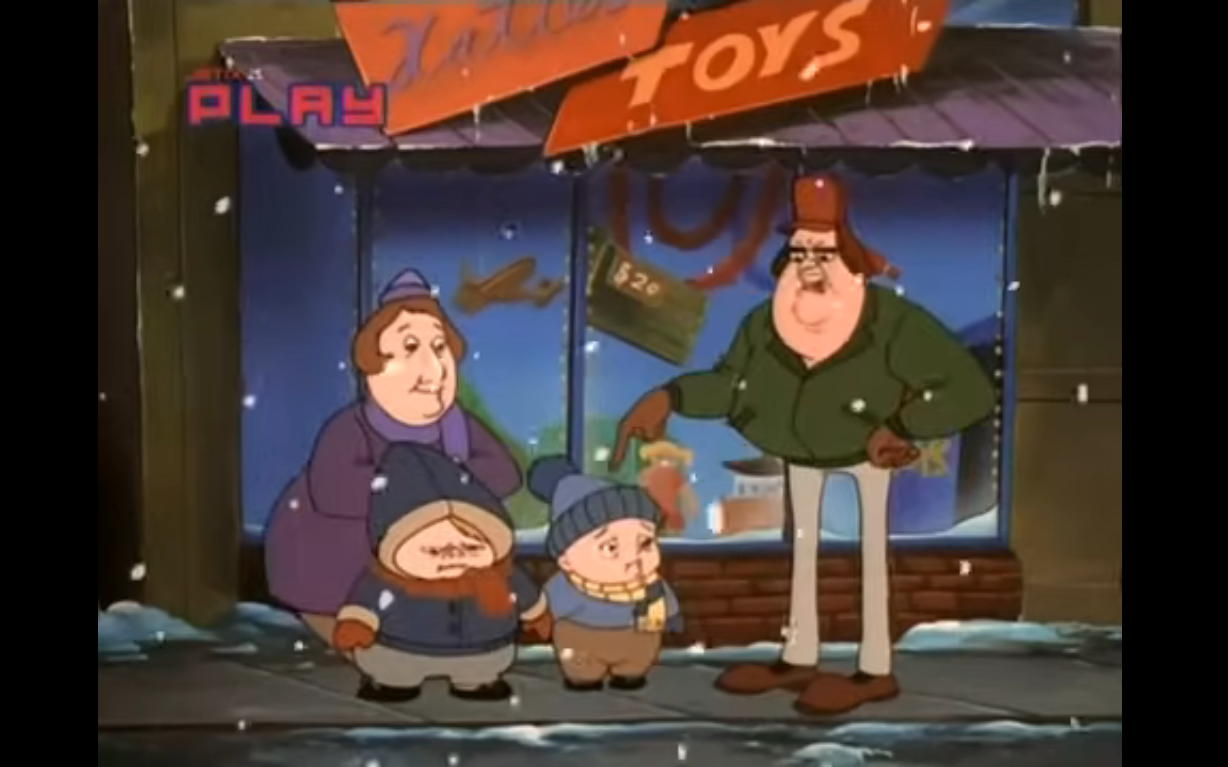
Louie and Tommy are not thrilled to find out that Santa has a five dollar limit.

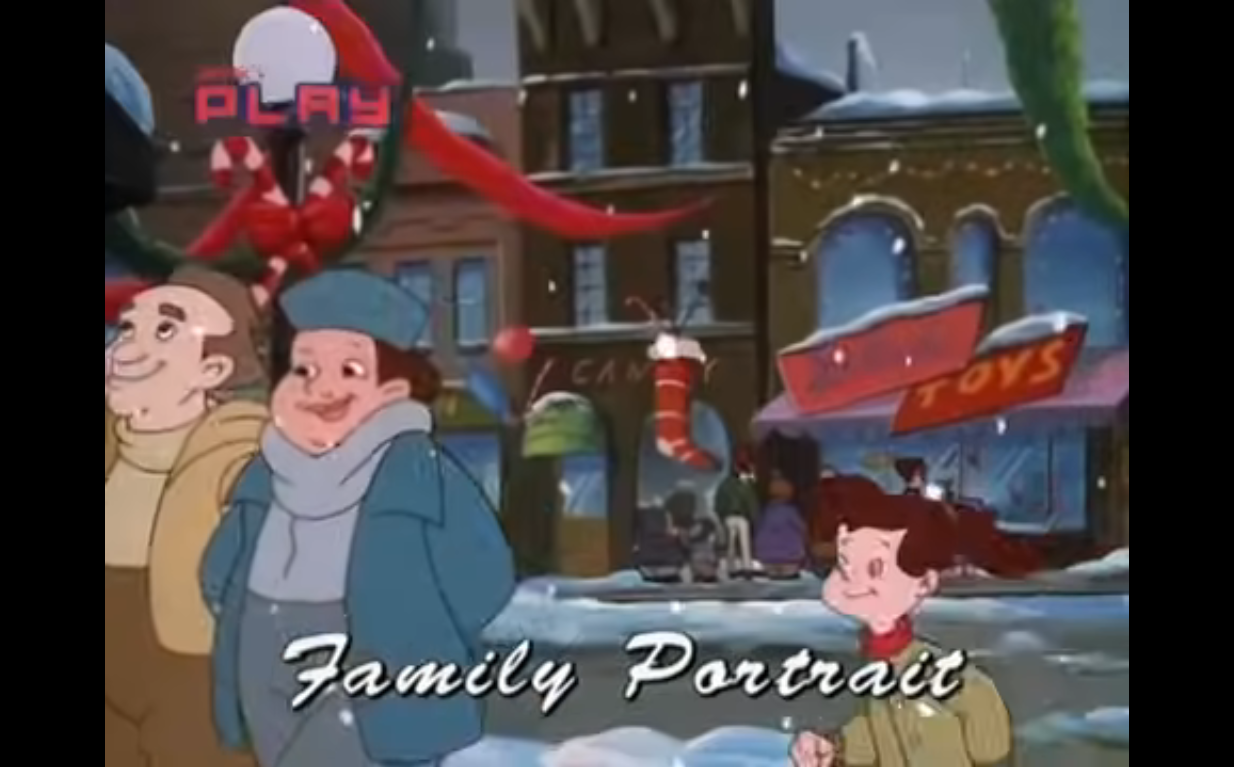
The episode begins with the typical song, but all of the clips used in the intro are Christmas or winter related. Since the show only had two Christmas episodes, they’re basically all taken from the first episode and the one we’re about to watch. The episode begins with a narration by Anderson, as all do. No live-action segment as we go straight to animation. It’s Louie, his brother Tommy (Miko Hughes), and his mother Ora (Edie McClurg) and dad Andy (Anderson) strolling through downtown Cedar Knoll. As the narration explains, winter in Wisconsin lasted a long time, but Christmas was like the relief from that long, cold, winter. Unfortunately for Louie, he’s one of 11 children to Ora and Andy so his dad informs him that there’s a five dollar limit on Christmas. Louie is pretty glum about this and responds with a healthy dose of sarcasm suggesting he and Tommy each ask for half of the alphabet and then maybe next year they’ll get a board they can spell out “Thank you” on. Anderson, as narrator, does explain that five bucks went a lot further when he was a kid than it did in the mid 90s, but not far enough to get something really cool. This is demonstrated when a shopkeeper changes the price on a window display of a remote-controlled Jeep from five bucks to seven.

I should also get it out of the way now, that despite Louie having so many siblings, Tommy is really the only one we see featured much. I guess the cast just would have been too massive otherwise so they’re usually offscreen and mentioned only in passing. I also find it funny that for kid Louie, Anderson does a deeper voice than his natural one, and for his dad he does a higher, nasally, one. Having never heard the real Andy Anderson speak I can only assume this is what he sounded like. Or Louie just decided this was way funnier.

This kid is most definitely an orphan or something.

We next find Louie at school getting lunch and discussing Christmas presents with his friends. He’s pretty mopey about this imposed five dollar limit (the subject of Santa is not discussed so I take it these kids are all non-believers, or Santa just fills stockings and parents get the good stuff) while most of his buddies are all expecting something more extravagant. Everyone that is, except Teako (Jer Adrianne Lelliott). I don’t think Teako is a regular character and is someone introduced for this episode, which means he’s definitely part of the plot. He’s not joining in with the other kids eating lunch and is instead shooting a basketball since the cafeteria doubles as a gymnasium. My schools all did the same, but we were never allowed to shoot hoops at lunch. Anyway, he indicates he doesn’t know what he’s asking his parents for Christmas and doesn’t really have much to say about the holiday in general. Instead, he seems like he wants to change the subject and asks if anyone wants to play HORSE. Toddler (Justin Jon Ross), offers to play with him and the subject is seemingly dropped. Teako is definitely either poor or an orphan or both – I’m calling it now.

Judging by his expression, I’m guessing playing Santa for Tommy’s class wasn’t Andy’s idea.

In Tommy’s classroom, the teacher (possibly Samantha Dean) is eager to welcome Santa Claus to entertain the kids today. And playing Santa is none other than Mr. Anderson. He looks the part well enough and the kids seem pretty excited to have him there, but when the teacher suggest he sing some Christmas carols he balks. His schtick in this show is that he basically doesn’t want to do anything, but despite whatever protest he musters he basically goes along with it anyway which is exactly what happens here. Andy isn’t much of a singer though, so the kids aren’t exactly enjoying his rendition of “Deck the Halls.” He’s also changing the words as he goes to make it a song about kids driving their fathers nuts around Christmas. He may not be much of a singer, but he’s a pretty good ad-libber. Tommy started off enjoying seeing his father in some state of misery, but is now more embarrassed than anything. And the other kids staring at him would seem to indicate they all know who this Santa really is. When Andy is finished with his song, Tommy decides to, I guess, get even in a way by asking where all of the presents are? This sets off a stampede of kindergarteners who soon overwhelm Andy who acts like he’s under siege in a war situation.
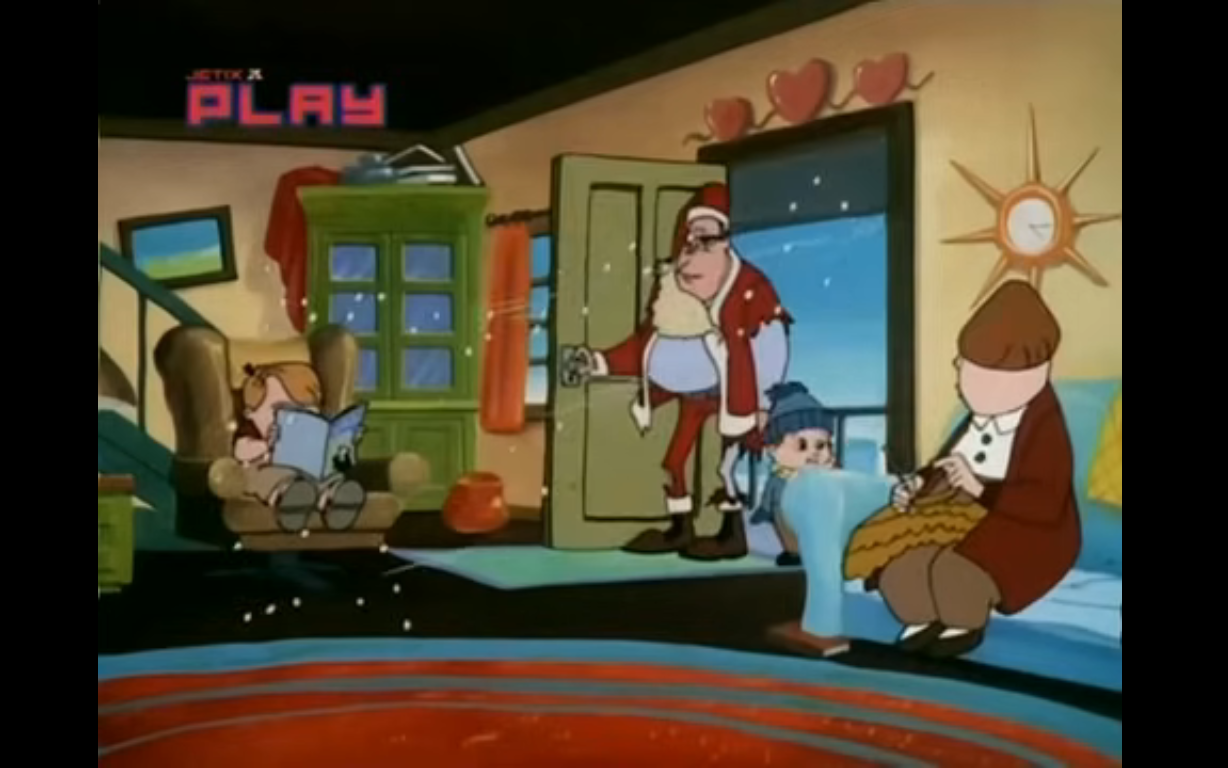
Those kids are mongrels!

Andy and Tommy return home and his Santa suit is in tatters. Andy refers to the children as demented demons as he holds up what remains of his suit for his wife Ora, who downplays the abuse. He casually strips down into his long underwear and approaches his recliner, which Louie is presently occupying. I like how it’s basically understood that Louie is expected to vacate the chair for his old man and he does so. Andy collapses into the chair vowing to never play Santa again, but Ora has some bad news for him: she already signed him up to play Santa at the local orphanage (told you, Teako is definitely a resident) and Andy complains about it, but you know he’s going to go along with it. Louie, enjoying his father’s misery, asks him what happened to his heart and Andy replies “I gave it to the Tin Man.” Pretty good comeback, Anderson.

Teako is the kind of friend that allows Louie to feel good about himself. We all need friends like that.

The next day, we find Louie and his classmates engaged in a good old-fashioned game of dodgeball. The bully characters, lead by chief rival Glen Glenn (Justin Shenkarow), are all on one side while Louie and friends are on the other. They’re not doing so hot, but Teako is on their team and he’s pretty damn good. Louie, on the other hand, is trying his best to avoid getting nailed by a rubber ball including hiding behind Toddler, who as you may have guessed based on his nickname, is a pretty small kid on his own. Eventually, it’s down to just Teako and Louie versus Glen. When Glen misses, Teako asks Louie if he’s ready and hands him a ball. Louie is reluctant, but seems to trust Teako. Teako tosses his ball in a high arc, like he’s shooting hoops. Glen laughs at what he feels is a wimpy throw, but it’s just a diversion. Teako tells Louie “Now!” and he runs, trips, but still manages to get his shot off. He hits Glen right in the belly while Teako’s ball hits him in the head for added insult. As the kids rain praise down on Louie and Teako, Louie explains that “It’s all in the wrist.”

Please note, I am not fat-shaming when I say that is an unhealthy amount of cookies for one kid to consume. Andy, Ora, you gotta set some limits here.

We return to the Anderson residence where Andy is still grouchy about having to play Santa. He’s standing on an ottoman while Ora repairs the Santa suit as he wears it. He’s now irritated because he doesn’t think he’s fat enough to play Santa, and yet he always gets asked to do it. As he says it, he undermines his own argument by complaining that the suit is too tight. Ora then has more bad news for him: his mother and brother Eric are coming for Christmas dinner. He winces as she accidentally sticks him with the needle she’s using to sew up the costume, but when she apologizes for doing so he corrects her and says he was wincing from the pain of finding out his relatives were coming, not the needle in his side. Louie then enters from the kitchen with a glass of milk and a massive plate of cookies. His mom wants to know if he’s decided on what he wants for Christmas, but Louie just complains about the dollar limit once again. This just earns him a lecture from his dad, one of those “In my day,” talks where his dad says he was lucky to get a lump of coal which he then had to rely on for warmth all winter long. As Louie disappears upstairs to consume an unhealthy amount of cookies in his room, his mother remarks that Christmas isn’t just about getting presents. Andy agrees and notes it’s also the time when annoying relatives invade your house and ruin your holiday.
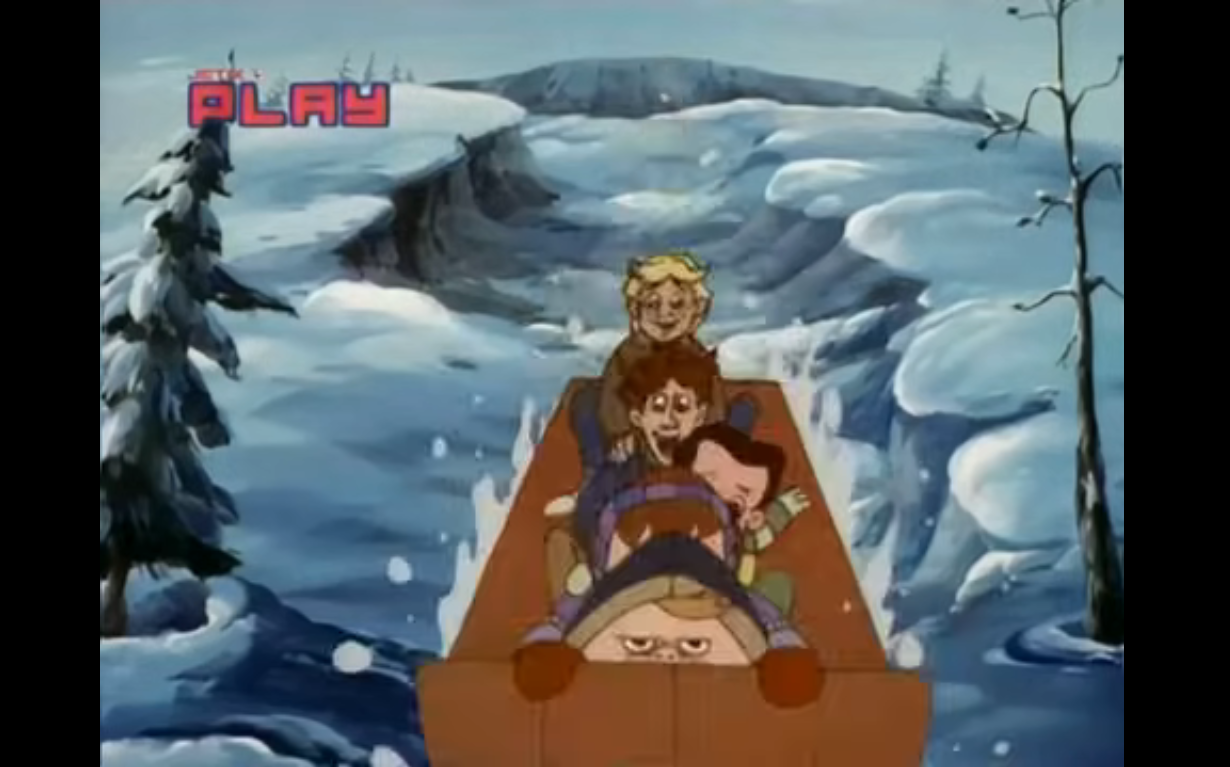
The fear of serious bodily harm just adds to the fun!

The next day, Louie and his friends are out sledding. They have one, large, toboggan style sled and they’re on a large hill overlooking the orphanage. Louie makes a somewhat callous remark how it must be great to be an orphan and not have a family, which Teako tries to brush off. Louie wants to sled down that side of the hill, but Teako suggests the other side which the other kids refer to as Concussion Corridor. Local lore says that only Glen Glenn has survived such an attempt and Louie points out how that must have worked out for him considering his present disposition. Teako likes a challenge and encourages Louie to try it insisting that his steering will see them through. The others just kind of go along with Teako, albeit apprehensively, and soon they’re off! Despite Teako’s confidence, Louie’s piloting skills appear to be lacking some polish as they crash into a rock. Everyone is sent flying and Toddler momentarily thinks his legs were separated from his body, but it was just the legs of Mike who landed headfirst in the snow. Despite the crash, everyone seems all right and, best of all, they had a blast! Louie insists they head to his house next where they’ll almost certainly be able to score some hot chocolate.

Louie is not very appreciative of what he has, which is pretty typical of all children.

The kids enter the Anderson home to find Louie’s mom setting up the Christmas tree and listening to Christmas music. The second they enter she asks if anyone wants hot chocolate and Louie points out that she’s a mind reader. As the kids settle on the floor to drink hot chocolate, Teako is in awe of all of Louie’s comic books. Mike (Justin Shenkarow) asks Louie if his electric football game is hanging around which draws more awe from Teako. And when Mike opens a closet to retrieve said game, he can hardly believe how much stuff is in there. Louie dismisses it as all junk completely oblivious to the trials of his new friend. Tommy then comes over because he’s seen Teako playing basketball at school and thinks he’s amazing. He even wants the kid to sign his ball, but Louie ushers him away. When he complains about how annoying little brothers are, Teako suggests that the kid seems fine to him. Louie’s mom then delivers a plate full of homemade Christmas cookies which draws more awe from Teako. As they settle in to play the electric football game, Louie laments having a large family and wishes he was an only child. Teako tries to tell him that being an only child isn’t so great and that he wishes he had a big family like Louie’s, but Mike just corrects him by saying he has yet to meet “Corporal Keister.”
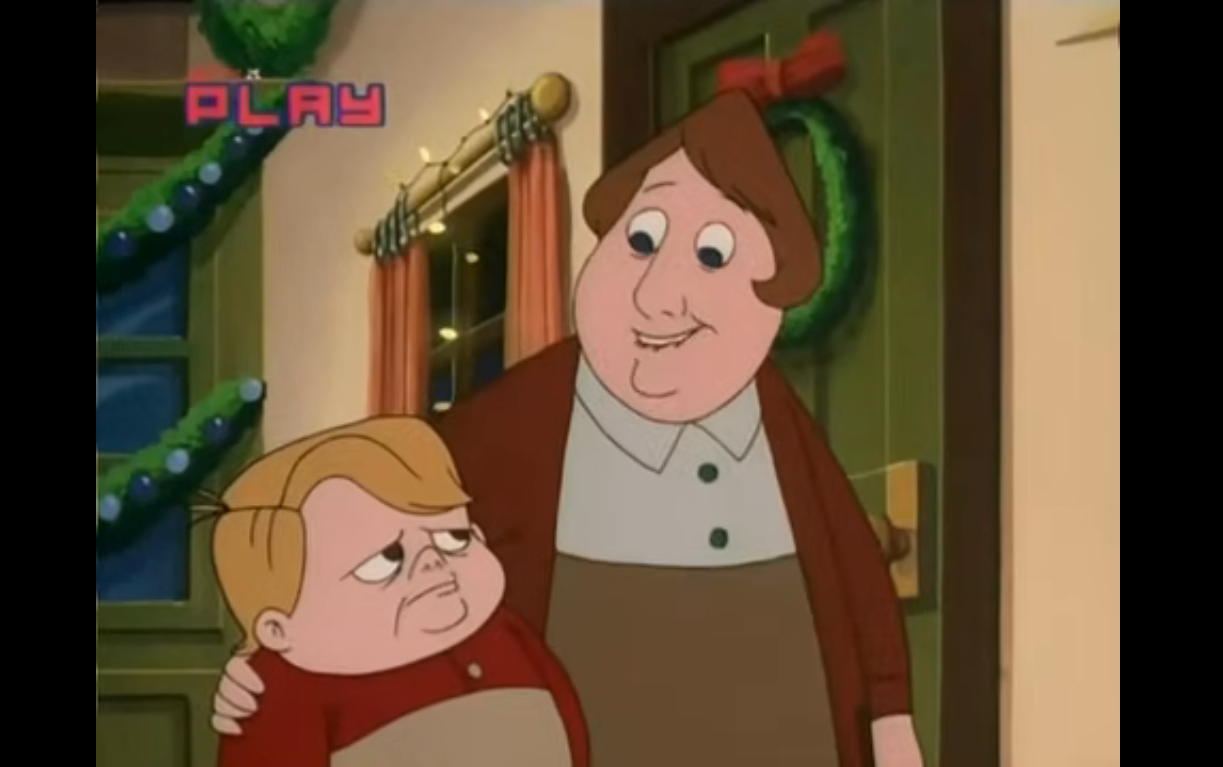
I love Louie’s mom, she’s do damn cute. I hope he was nice to her during his teenage years.

Evening arrives and the kids all go their separate ways, but not without thanking Mrs. Anderson for a lovely time. She’s pretty impressed with Teako and Louie shares her sentiment pointing out that he’s handsome, popular, good at sports, and he’s an only child. Who wouldn’t want to be him? Ora doesn’t try to change her son’s opinion, just offers up some classic Mom talk by saying he must be a smart kid too since he’s chosen Louie as a friend. She’s so cute and earnest that this sweet stuff is working like a charm on me.
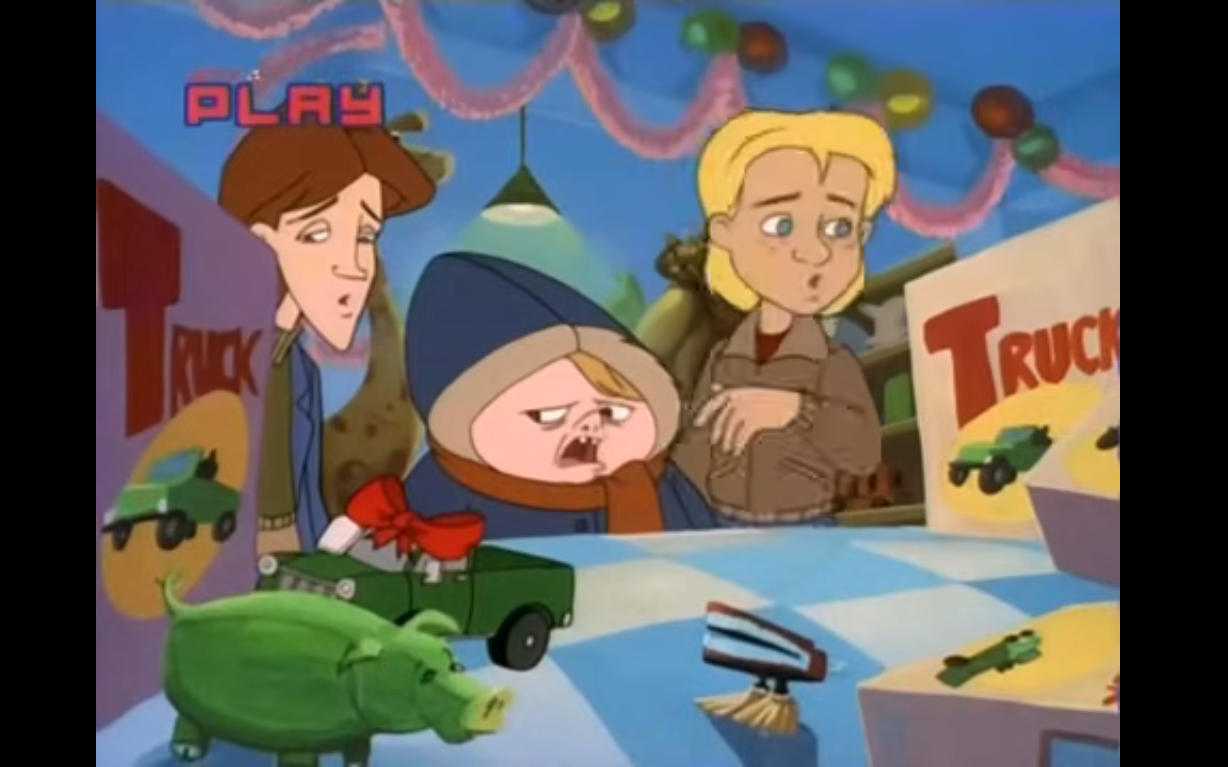
What can a kid get for five bucks? There must be something since when I was a kid I could at least get an action figure for that kind of money.

The next day, Louie, Teako, and Mike are roaming the streets of town since Louie has yet to figure out what to ask Santa for Christmas. Mike can’t believe that Louie can’t find something worthwhile for five bucks. Louie is still pretty sullen and as they look at the remote control Jeep from earlier he opines that five bucks probably couldn’t even get him the batteries that power the thing. Teako tries to be helpful and suggests a book, but Michael looks at him like he’s got two heads at the mere suggestion of such. He then pivots to a gumball machine as they’re in a store that has one for five bucks. Mike is quick to point out that it doesn’t come with gum. Louie then allows himself a moment of panic for if he can’t find something then he’s sure to get something terrible. Teako seems dubious of such, but Louie tells him that’s how he got a flywheel for his birthday.

Heh.

At the Anderson house, it’s time for the old man to get ready for his star turn as Santa Claus for the orphans. He’s about as happy as you would expect. Ora is very supportive and reminds him that all of the gifts will be labeled with each kids name. He just snaps back at her that he knows how to read, but asks where the gifts are? Speak of the devil as the doorbell rings and some delivery men show up with a trio of massive sacks of presents. Andy has no idea how he’s supposed to manage such a volume, but Louie and Tommy laughing at him gives him an idea. We then cut to Louie dressed as an elf and Tommy a reindeer. Andy is pretty proud of his solution and if I’m not mistaken I think he rather likes the fact that his boys get to share in his misery this evening. Ora, naturally, thinks they’re adorable resulting in Louie asking if he can be adorable in his regular clothes?
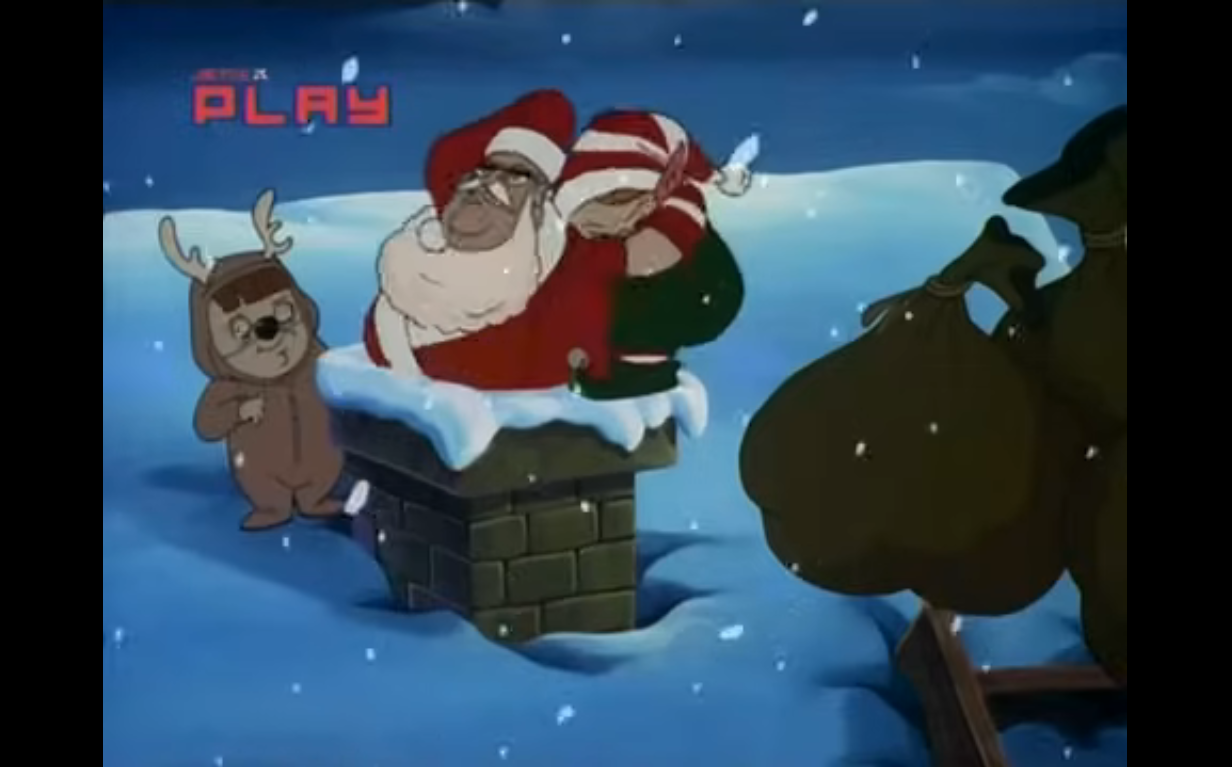
This is a terrible idea.

Louie’s concerns are dismissed as the boys set out with three sacks of gifts strapped to the roof of Andy’s station wagon, The Rambler. He backs into his neighbor’s garbage cans and serenades the boys with his own rendition of “Silent Night” as they head for the orphanage. In between each line he inserts his own comments, such as “Silent Night (not if you have 11 kids). Holy night (What? Did they see my boxers?).” At the orphanage, Ora is there passing out snacks and such when her boys show up. Andy is ready to haul the gifts inside, but Louie and Tommy see this as an opportunity to get back at their father for making them dress up. Louie insists that he can’t enter through the front door as Santa, he has to go down the chimney. This has “bad idea” written all over it and Andy knows, but in typical Andy fashion, he whines and complains, but ultimately does as suggested. I don’t know how they got to the roof, but they did and Louie and Tommy help stuff their father down the chimney. It’s a little more than a tight fit, but where there’s a will there’s a way! Andy lands hard on his rump and then mistakenly calls for the presents which follow close behind. As for Louie and Tommy, well, they’re not Santa so they waltz in through the front door!
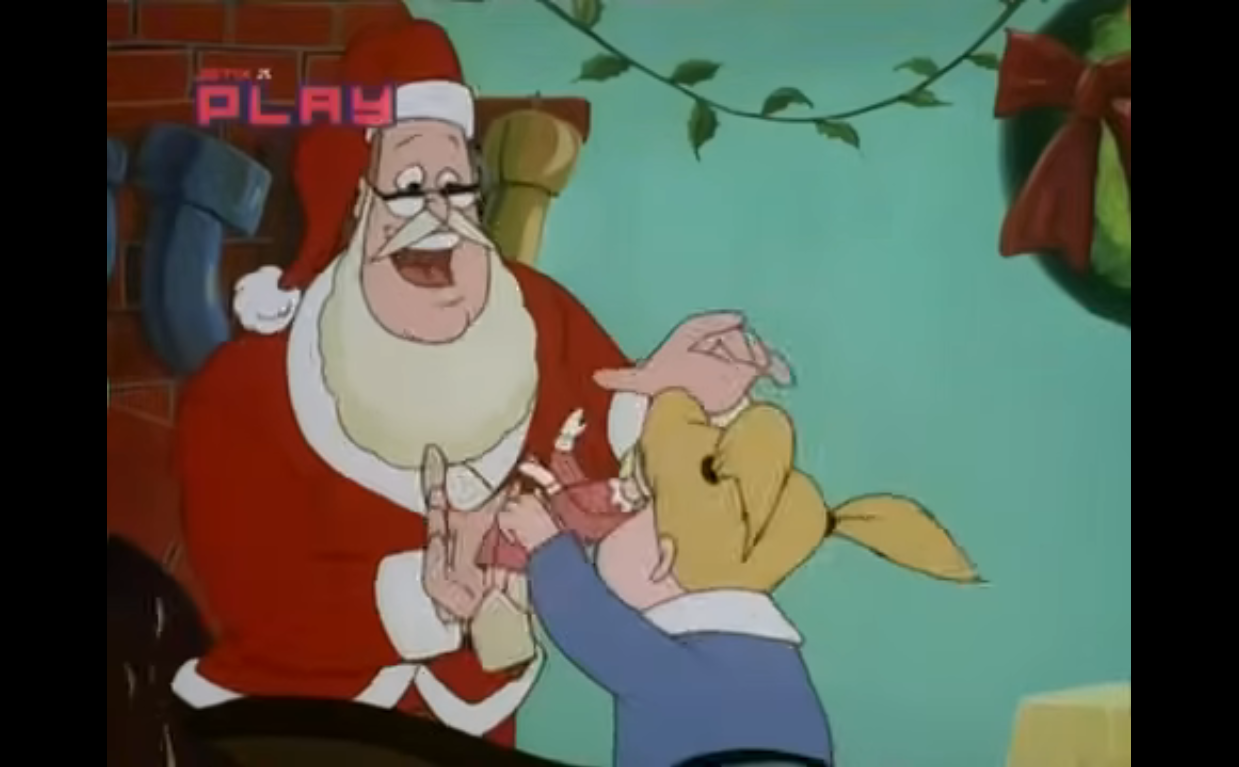
You know, I think he actually likes this Santa thing.

The kids are pretty happy to see Santa and Ora makes the mistake of mentioning presents. Poor Andy gets assaulted just as he did in Tommy’s class and he points that out by crying, “Deja vu!” After things settle down, Santa Andy starts handing out gifts. As kids come up to retrieve them, Louie calls out the price on each item since they’re all well above five bucks. Andy actually seems like he’s enjoying himself, though probably not his son’s quips. He tells Louie to do him a favor and go brush the snow off his car, of course, catching himself in the moment and correcting it to “sleigh.”
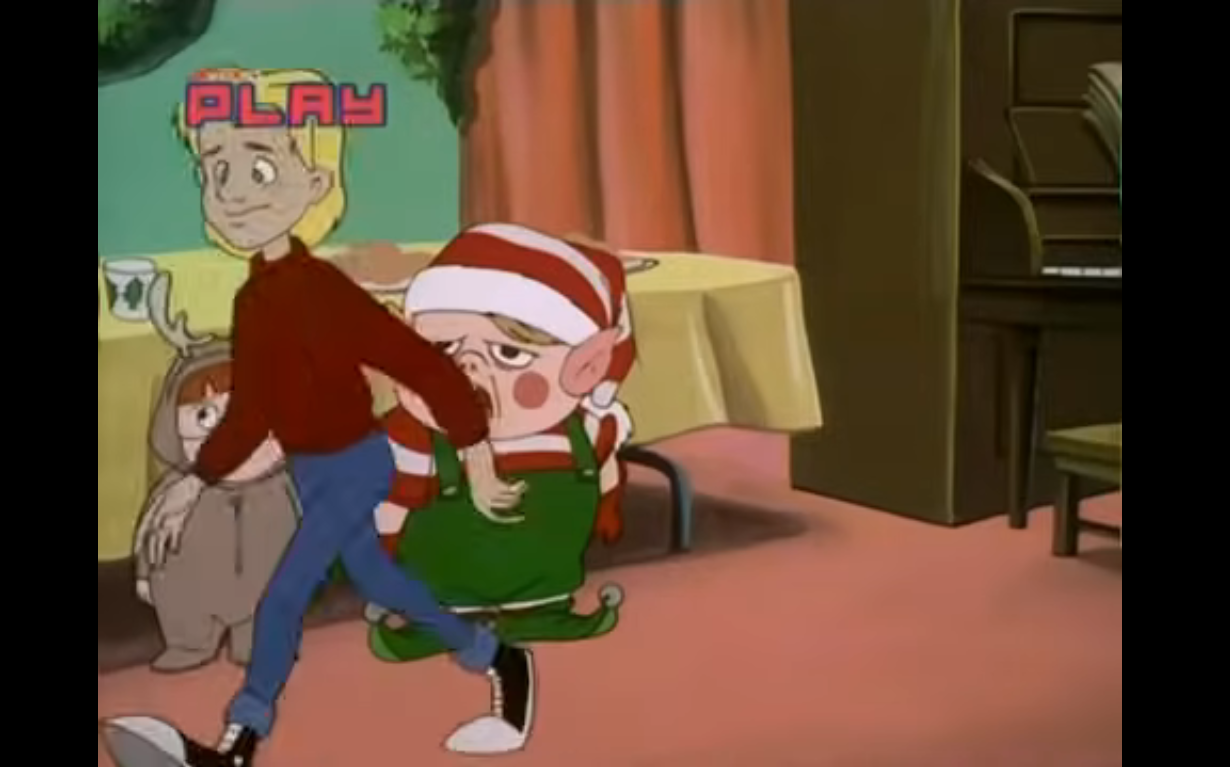
Louie may be shocked, but I am not.

We then come to the last gift which is for a kid named Russell. Andy calls the name out a few times, and then, predictably, from the shadows emerges Teako. Louie gasps when he sees his friend, who just cheerfully says “Hi Louie,” as he walks by to receive his present. Louie asks why everyone calls him Teako when his name is Russell and, get ready for more sadness, he explains it’s because it’s short for “Antique.” Being the oldest kid in the orphanage, he acquired a nickname which has been shortened overtime to Teak or Teako. God damn, it’s getting dusty in here. Ora then suggests to Teako that he open his gift and so he does. To Louie’s surprise it’s an electric train set which he’s quick to call out to his dad costs $29.99! Teako ignores him and asks if he’d like to help him set it up and Louie agrees on account of the fact that he’ll never get one.

Look at that adorable little rascal!

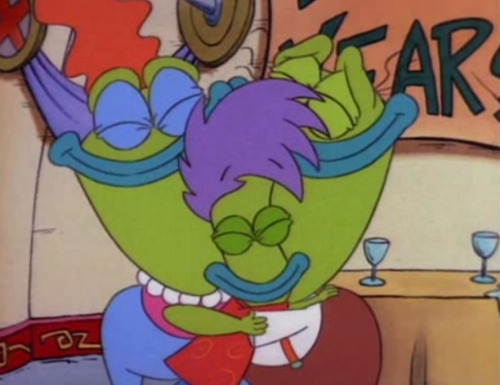
With the train setup, Teako and Louie are able to play and have a little heart-to-heart. Louie asks him why he never mentioned he was an orphan and Teako confesses he’s a little embarrassed by it. He tells Louie that he’s lucky to have parents and siblings and for once Louie agrees with him, though not all that convinced by the sound of things. He also refers to his dad sarcastically as Dean Martin since he’s busy leading the kids in a horrible version of “Jingle Bells,” one that ends with him wishing he was on the frontlines of war instead of here. Andy then makes for the snack table and boasts to Ora that these kids are totally buying into him as Santa Claus. Then some kid calls him Mr. Anderson and he’s forced to concede that maybe his performance isn’t that impressive. Louie comes over and tells his parents he finally knows what he wants for Christmas: for Teako to be able to spend Christmas with the Andersons! Andy is predictably aghast and complains about having another mouth to feed, but he should probably shut his yap since I bet he’s coming out ahead on this one. Louie’s mom asks him if he’s sure he wouldn’t want a real present, but Louie just returns her sentiment that Christmas isn’t only about getting stuff which is music to a mom’s ears. As she turns her attention to Andy, Louie’s smiling, elf, face gets smushed between his parents in what is almost certainly going to be the featured image of this post.

By far, the most cartoony moment of this otherwise relatively grounded show.

Christmas comes, and as requested, Teako is there to spend it with Louie’s family. And so are Louie’s relatives who his father isn’t exactly thrilled to have over. Before they go in for dinner, Louie, Tommy, and Teako are shown playing tag outside and Louie takes a tumble. When he enters the house, he’s literally a snowball. His grandmother (Inga Swenson) is there and she has what sounds like a Swedish accent. I’m guessing Louie’s grandfather didn’t have the same since Anderson is about as vanilla a name as it gets. Andy can soon be heard asking his wife for his vice grips as he’s having some difficulty with a jar of something. This just invites a scolding from his mother who opens it without a fuss.
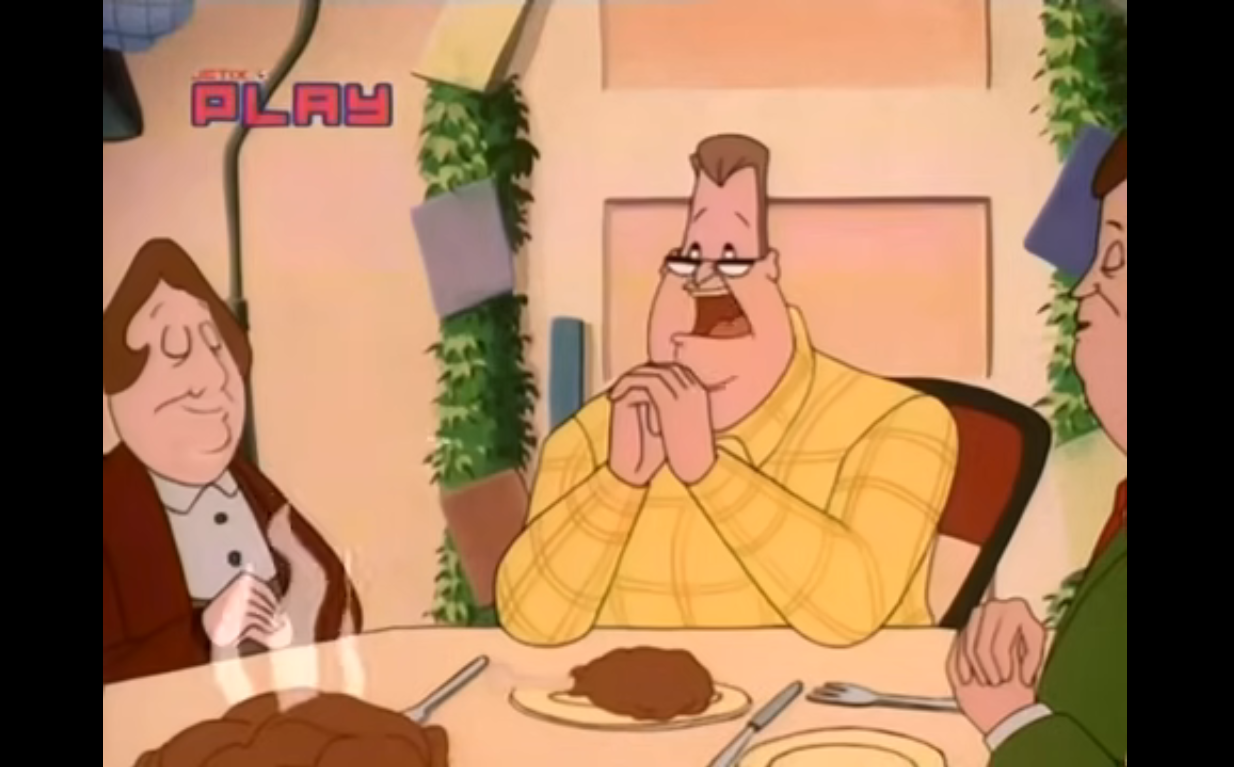
Let’s see how the old man handles this one.

Louie and Teako take a seat at one of the three tables setup in the Anderson living room. One of Louie’s seldom seen older siblings pops in and asks if Teako is some cousin he’s never met. When Louie tells him that Teako is his friend his brother laughs and suggests the kid must have lost a bet. Louie is ready for a comeback though as he tells Teako this is the brother who’s never had a date. Grandma Helga then suggests to her son that he should say the blessing before dinner. Andy does his best, and his best isn’t very good, “If you’re listening, big guy, thanks for the viddles. And thanks for bringing our family together,” followed by something unintelligible to my ear. His brother, Eric (Stephen Tobolowsky), tells Andy his blessing was very nice and Andy is quick to point out “I didn’t mean you!”
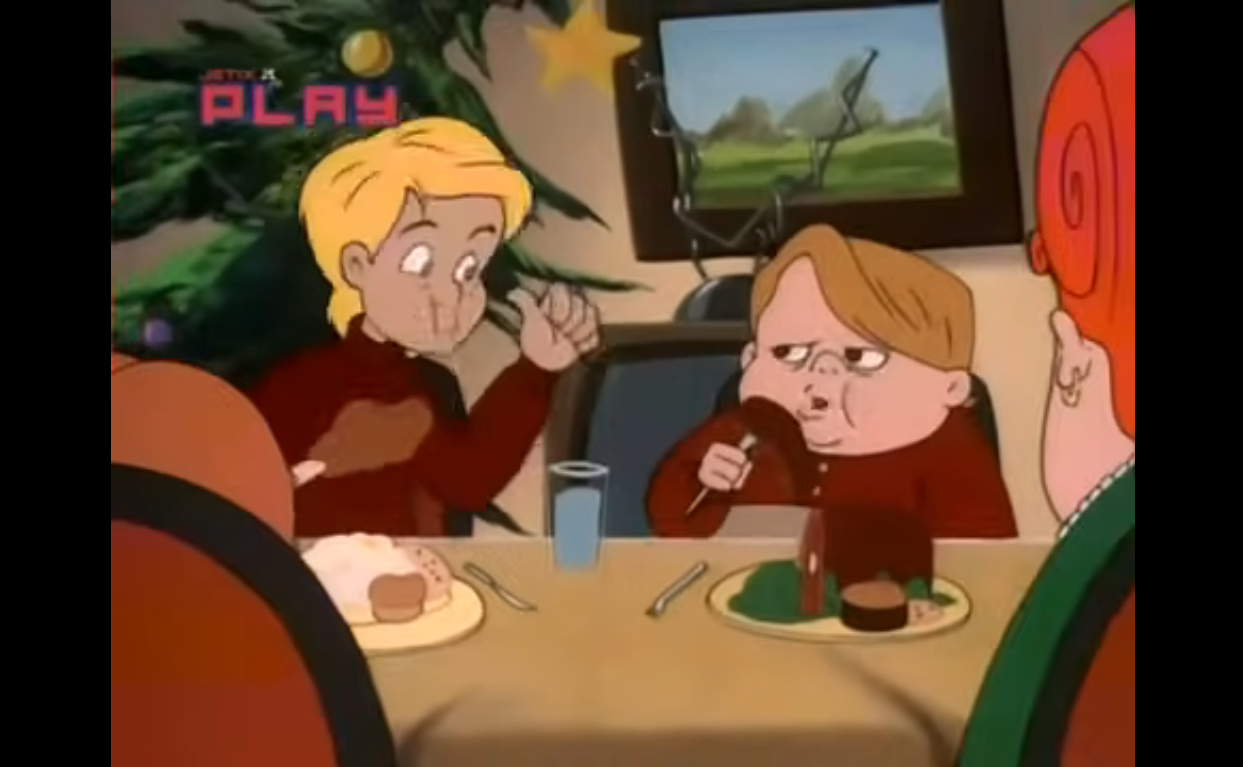
I think Teako is having a good time.

Ora then encourages everyone to dig in and a free for all ensues. Teako is aghast at how quickly the food is flying around, but he basically just sticks his plate out and it gets passed around and loaded up with all kinds of stuff. The same is true for Louie and the two share a smile as they dig in. We then cut to the kids watching TV. It’s the original version of Miracle on 34th Street and it’s the scene where the little, Dutch, orphan is introduced to Santa Claus. They use the actual footage, which is something they also did in the first Christmas special only then it was It’s a Wonderful Life. The movie is interrupted by Eric asking his brother if he’s still driving the same car. Andy happily declares he still is listing all of the stuff that’s basically wrong with it, but it has 750,000 miles on it (but is also on its fourth engine). Eric tells him he needs to upgrade to a luxury car, but Andy just sort of growls in response.

I guess he kind of had that one coming.

Eric takes the opportunity to flaunt his new camera in his brother’s face noting it cost him a pretty penny. Andy is unimpressed, but has nothing to throw back in his brother’s face, that is until his own flesh and blood approaches with a gift for their dear old dad. Louie and Tommy present a present to their father and he tries to rub it in his brother’s face how much his kids appreciate him. Then he opens it to find a lump of coal which gives everyone a good laugh. Andy is a little pissed at first, but then starts to suggest it can keep the family warm into February, then under his breath whispers “Or start a fire under Eric’s car.”
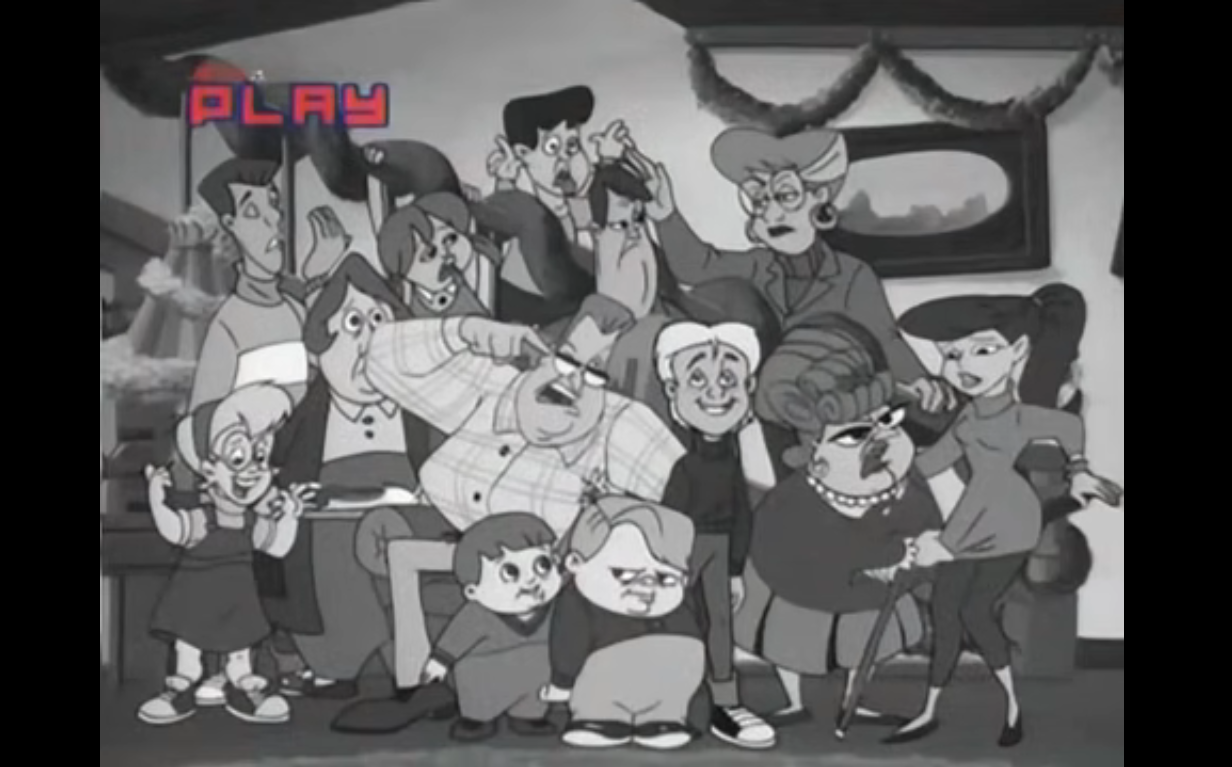
Such a lovely family.

Eric either doesn’t hear that part or takes it in stride and instead declares that they should take a family photo. Teako offers to take the picture, but of course Louie wants his friend to join in the picture. No problem, as Eric points out they can use the timer feature on this fancy, new, camera of his. He sets it on the television and everyone takes their place. Then they wait, and wait, and by the time the camera goes off they have all started doing something else.
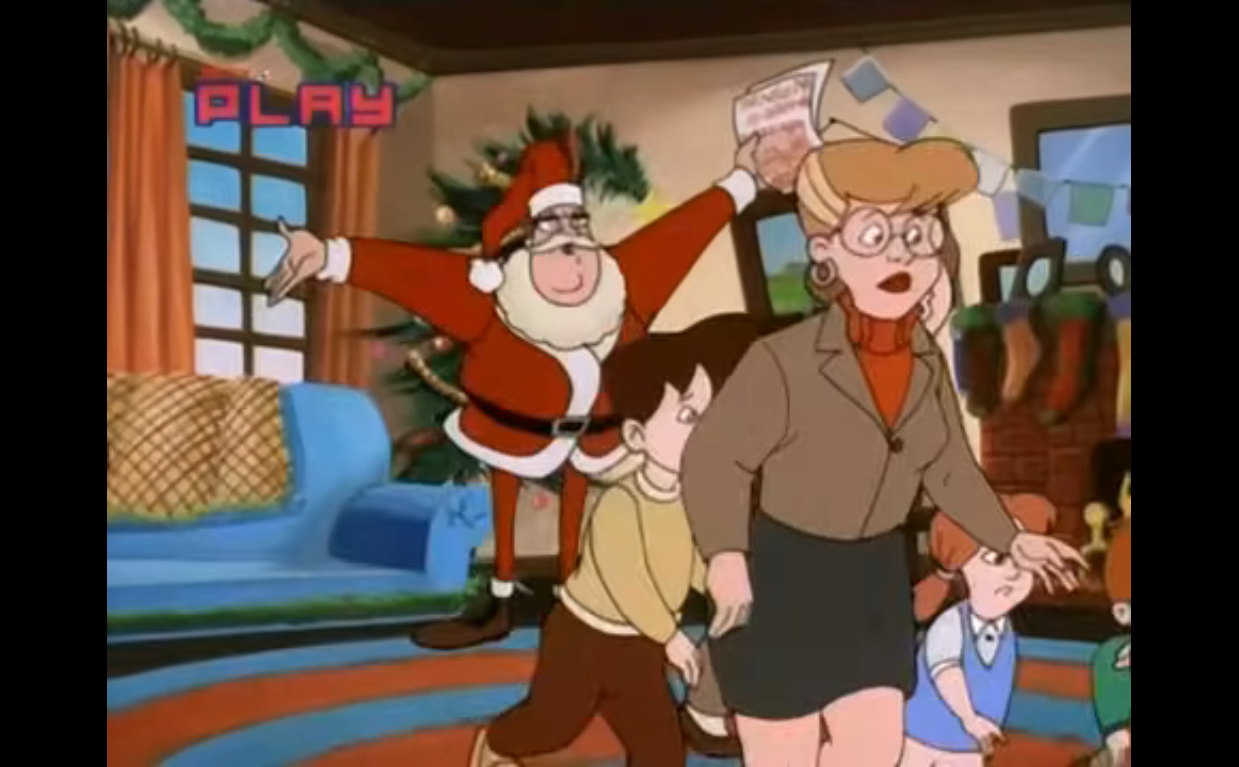
He sure knows how to clear a room.

It’s time to pass out stockings and there’s even one for Teako. Or should I say Teco? The credits on IMDB list him as Teako, but the stocking says Teco. I’m not changing it now. Andy reaches under the tree, now back in his Santa threads, and mentions he has “a surprise for you, son.” Louie is indeed surprised when the gift is for Teako, and the moment is captured by Uncle Eric’s camera. The real Louie’s voice enters to wrap things up. As we see Louie and Teako playing checkers (I guess that was his gift?), Louie tells us sometimes the best gift you can get is spending time with the people you like the most. We see quick cuts of the pair making cookies and the family being lead in song by Andy. “The Twelve Days of Christmas,” which no one seems to be enjoying except for Andy. It’s his own version which highlights his unfortunate existence. Everyone walks away, but the song ends on a rather sweet note with Andy concluding “And a wife who stands by me throughout it all!” He mumbles that he should have been a singer as we fade out.

As expected, “Family Portrait” was a sweet and earnest Christmas episode from Life with Louie. I could see the plot beats coming a mile away and I ate it all up. It was cute. Louie’s obliviousness to how good he has it, Teako’s genuine good heart, and even old man Anderson who despite the grumbling and protesting seems to always do the right thing. Louie Anderson turned his father into a comedic figure, but you can also tell the guy must really love and respect his old man. And his mom is portrayed in such a positive manner too that I just keep coming back to the fact that it’s all just sweet. Very, very, sweet.

If there is a touch of cynicism to this thing it wouldn’t work. It lets the characters and the moment get just touching and sappy enough and knows when to ease up. It would have probably been over-the-top if the Andersons announced they were adopting Teako. They have 11 kids already and seem to basically just get by, adding a twelfth would probably be unwise. And Teako, despite some embarrassment at being an orphan, seems to be a well-adjusted kid. He may not have a family of his own, but he has a pretty strong group of friends and a good support system. If the kid was ever in trouble or needed anything you know Louie’s mom wouldn’t hesitate to make it happen.

I hope Louie’s parents lived long enough to see this show because his affection for them shines pretty bright.

I’m left wishing that this wasn’t basically the end of Life with Louie. These characters are interesting to me and it would have been nice to see how everything turned out. I know the show is somewhat autobiographical, but I don’t think it is down to the plot. As in, I don’t think Louie Anderson ever had an orphan boy over for Christmas as his Christmas gift. I could be wrong, and I don’t know if it was ever asked of him. He’s unfortunately no longer with us, though I’m assuming some of his 10 siblings are so maybe they could recall?

It’s not important though. This is a perfectly fine Christmas special whether the events depicted happened or not. And it is indeed one I recommend along with the other Christmas episode of Life with Louie. They’re both feel good Christmas stories that manage to feel sentimental and heartfelt, but without crossing over into corny territory. I don’t know how they pulled it off and if I did I’d write a hundred Christmas specials of my own. It’s not an easy thing. Life with Louie sadly never got the full DVD or Blu Ray release Louie Anderson seemed to think was imminent making it a lot like some of the other Fox Kids originals. On the plus side, that means it’s readily available online streaming for free and since the show did air on digital cable at one time the transfers are pretty good. You just have to deal with the stupid JETIX logo that channel superimposed over everything. Their program director had no sense of taste.

Can’t wait until tomorrow for more Christmas? Check out what we had to say on this day last year and beyond:
Dec. 19 – Aaahh!!! Real Monster – “Gone Shopp’n”

Whenever I approach another year of The Christmas Spot I usually have some kind of goal in mind. Maybe one could even think of it as a theme. The past few years I’ve made it a point to highlight some of the best Christmas specials I covered in the past, but felt I had short-changed…

Keep reading

Dec. 19 – American Dad! – “Minstrel Krampus”

I’m quite surprised to have made it all the way to December 19 without resorting to The Simpsons, American Dad!, Bob’s Burgers, or some other animated sitcom that has an annual, or near annual, Christmas episode. Not that I have been avoiding such shows, and I may turn to one again before this is all…

Keep reading
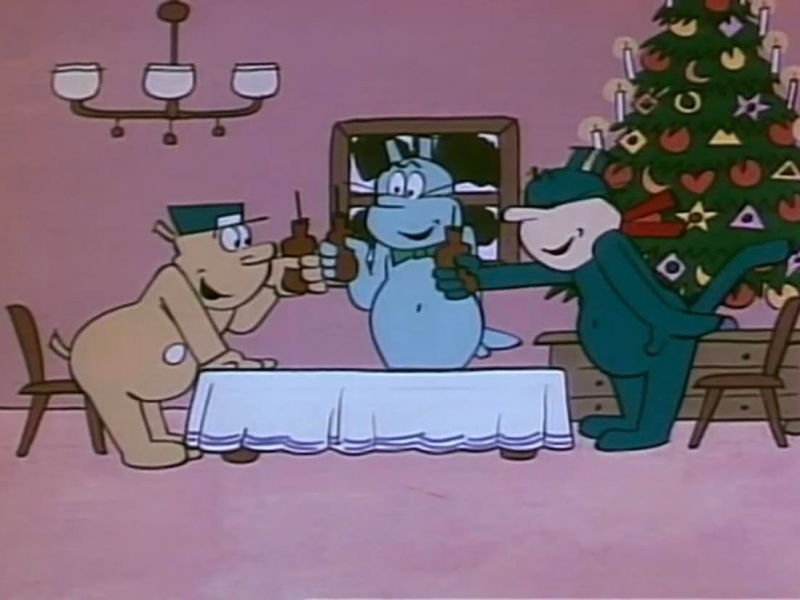
Dec. 19 – Krazy Kat – “Krazy’s Krismas”

One of the most celebrated comic strips of all time is Krazy Kat by George Herriman. Krazy Kat debuted in the New York Evening Journal in 1913 and concluded its run in 1944. It contained a fairly simply premise where a cat named Krazy pined for a mouse named Ignatz, only the mouse hated the…

Keep reading

X-Men ’97 – “Mutant Liberation Begins”

The first episode of X-Men ’97 left me grinning from ear to ear and eager to see what would happen next. I’m happy to say, the show’s second episode left me feeling very much the same. “Mutant Liberation Begins” starts off right where the previous episode ended. Magneto, has revealed that it was the wishes of Charles Xavier that all of his assets be turned over to his longtime friend and often adversary. Magneto now leads the X-Men, and everyone is worried about where his loyalties truly lay.

The episode begins with a familiar refrain: Previously, on X-Men. Before, it was usually delivered by Norm Spencer, the voice of Cyclops. For the second episode it’s delivered by Matthew Waterson, the voice of Magneto. The opening credits are also updated to feature Magneto first reflecting his new status (and new, big M costume) as headmaster of the institute. This was a plot foretold by the official trailer for the show so it comes as no surprise. It’s also a plot from the comics as is another plot from this episode: the trial of Magneto. In addition to his new presence, there are also new shots included in the intro that mostly replace the classic shots we’re used to seeing. These new ones are recreations of scenes from the original series so it would appear that the opening title will be a little different for every episode which is kind of fun.

Magneto has been welcomed to the opening title.

This episode has to confront the issue of how the X-Men will exist with Magneto in charge and how humanity will respond. Magneto is essentially branded a terrorist by most of the world governments, which is why his reveal as being affiliated with the X-Men leads to a confrontation with Valerie Cooper and the federal government. Perhaps to the surprise of everyone present, Magneto surrenders as he views this as the clearest path to gaining the trust of the team. He does make it clear that he does not share Xavier’s world view that peace between mutants and humans can be achieved, but for the sake of his departed friend, it would appear that he’s at least going to try while also doing things his way.

Magneto will be forced to answer for his crimes before the United Nations.

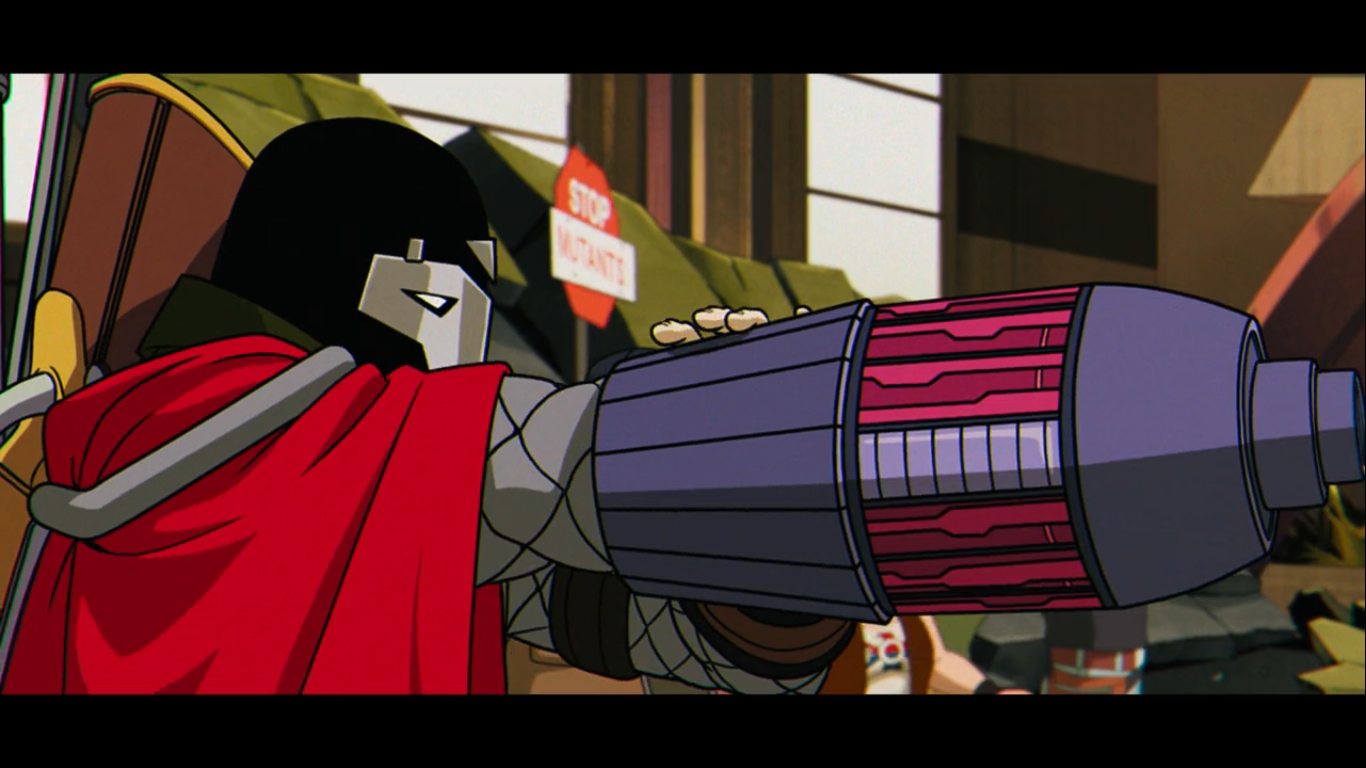
Much of the episode takes place before a United Nations council set to judge Magneto. It also introduces a new villain: X-Cutioner. Pronounced by the character as “Executioner,” the character is voiced by Lawrence Bayne who is known to fans of the original X-Men cartoon as the voice of Cable. Cable will appear at some point in this show, but with a different voice actor. That choice was justified by series creator Beau DeMayo as being a necessity so that they could cast Cable as someone who sounds closer to Cyclops, something the original series likely didn’t take into consideration. Even with that, I was disappointed at the news as Bayne’s Cable was one of my favorite performances in the old show. He’s fine as X-Cutioner who is an enemy allied with the Friends of Humanity packing some serious fire power, but I’m sure I’ll miss him as Cable whenever that character debuts.

X-Cutioner may be just some guy, but he packs a lot of firepower.

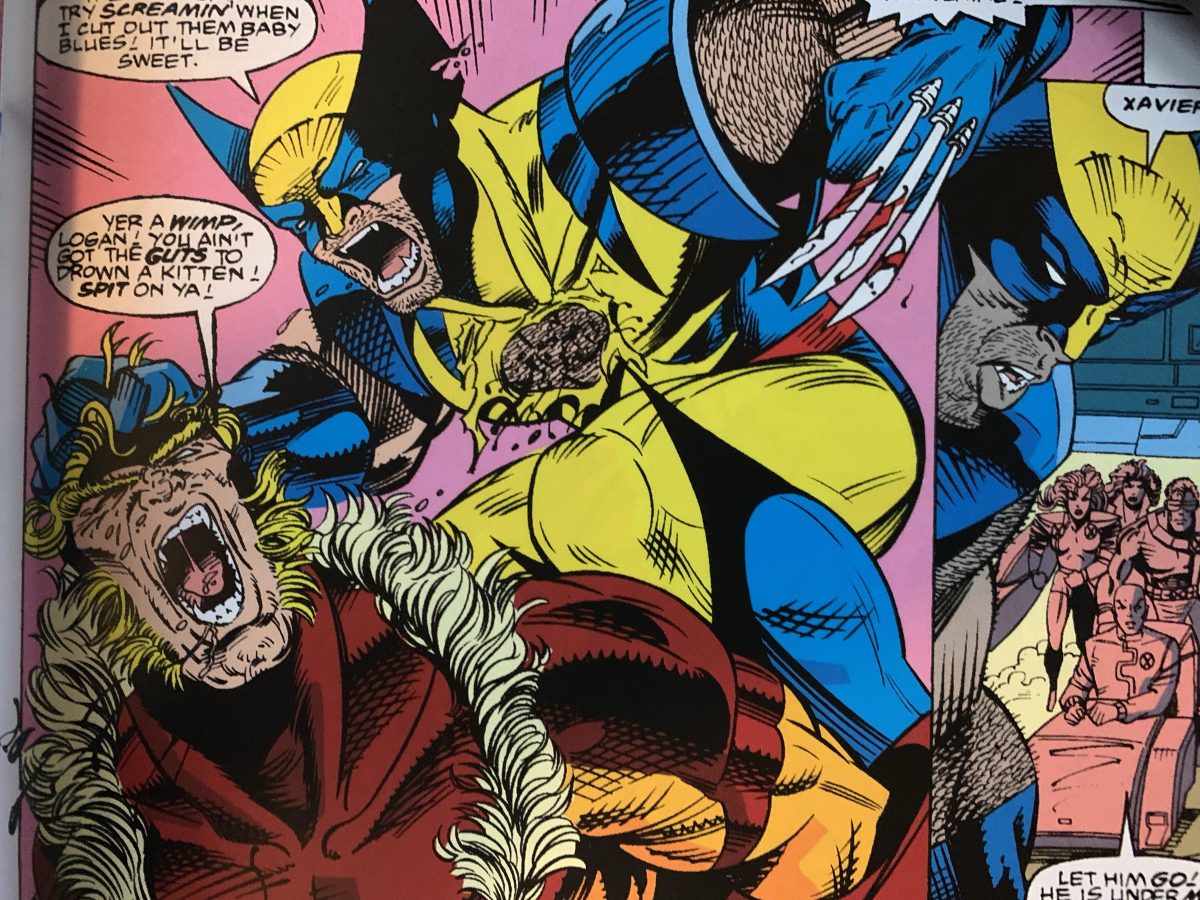
The episode does include a B plot which would be unusual for the original show, but may be a sign of things to come. It’s also a humor-based B plot which would also be unusual and concerns Wolverine and Jean. Everyone except them has gone to the UN to watch Magneto’s trial unfold, so naturally this is the time when Jean goes into labor. It’s up to Wolverine to get her to a hospital and he seems far more unnerved doing that than facing down Apocalypse. It’s not something that chews up a ton of screen time and it was kind of nice to see the show willing to embrace a bit more humor. It also leads to some important character moments like what happens when an extremely powerful mutant shows up in labor at a hospital? And how does Wolverine feel about the woman he loves having a baby with another man? It gives us a great moment between Wolverine and Morph too that elaborates on their friendship, something we were told was a thing in the original series, but really didn’t get to see much of.

There is a history between these two and Magneto seems especially interested in rekindling that.

And speaking of everyone’s favorite love triangle from the original show, we’re apparently about to be served up another. When the writers were handed the keys to the mutant kingdom with that first show, it was a group unfamiliar with the X-Men that had existed in print for decades prior. As a result, they seemed to view the show as a new beginning. Some of that would be retconned in later series when it was acknowledged that the team had existed for awhile prior to the events of the show and more of that is being addressed here with Rogue and Magneto. It would appear their prior relationship before Rogue joined the team is now canon and it’s likely going to lead to some uncomfortable moments between they and Gambit. It just wouldn’t be X-Men without a little soap opera drama. I will say, one of my few criticisms of this episode takes place during these Rogue and Magneto scenes, but not because of the character development, but because of Rogue’s forced dialogue. It would seem writer Beau DeMayo could not get her line about looking as nervous as a long-tailed cat in a room full of rocking chairs out his head because Rogue has a lot of cat puns in this one scene. And they’re not very good. Perhaps the show can add an actual southern, female, writer to the staff just for Rogue lines going forward.

I love the little character moments like this one between Morph and Wolverine. I hope for many more.

For a show that stylizes itself as a superhero action drama, an episode about dry court proceedings would have been dreadfully boring. That’s why “Mutant Liberation Begins” includes more wonderful action set pieces and also contains some pretty earth-shattering shakeups to the team. Like the first episode, this is still a show building towards bigger plots and laying the groundwork for how the series will go. It’s at times uncomfortable, but also exciting and I definitely want to see more. The episode also ends on another shocking reveal. Fans of the comics likely have ideas on where this development will lead, but I also wouldn’t expect a 1:1 recreation of any comic book plots. There will likely be some wrinkles thrown in and a change or two or three. As far as plots that could have been sourced from the books, I think it’s one of the top ones and it’s a plot that I’m glad the original series saved for this show because the more lax standards and practices should allow X-Men ’97 to do it justice.

One thing that’s definitely different from the previous show, X-Men ’97 is not afraid to shake-up the active roster.

Episode two of X-Men ’97 is more of the same, which is great. It’s going to be a long wait each week if all of the episodes are structured like the first two. Never mind the wait we’ll be in for when the season ends. I plan to review every episode of this inaugural season, though I don’t know how quickly I’ll be able to post reviews. It could be a Friday thing each week if I can find the time, or maybe it makes more sense to have a Mutant Monday on this blog? I guess we’ll see, but I’m definitely looking forward to taking this journey with all of my fellow X-Men fans around the globe.

Check out the other X-Men coverage we have here:

X-Men ’97 – “To Me, My X-Men”

It used to be that when a show got cancelled that was it. It simply ceased to exist as a new product. If there were enough episodes it could last in syndication on both broadcast and cable for a good while, but rarely was it accessible to the point where a fan could have the…

Keep reading

Marvel Legends X-Men ’97 Jean Grey

If you are reading this the day it goes live then Happy X-Men ’97 Day! Today is the day the long-awaited sequel series to X-Men debuts on Disney+. Rather than fast-track a review of the first two episodes to this blog, I decided instead to do what I most often do: review an action figure!…

Keep reading

Wolverine and the X-Men

It might seem amusing to folks younger than me who grew up on Marvel’s Avengers, but back in the first decade of the new millennium there wasn’t a hotter team of superheroes than the X-Men. The X-Men had been around since the 60s, but really took off as a comic book property in the 80s.…

Keep reading

X-Men ’97 – “To Me, My X-Men”

It used to be that when a show got cancelled that was it. It simply ceased to exist as a new product. If there were enough episodes it could last in syndication on both broadcast and cable for a good while, but rarely was it accessible to the point where a fan could have the entire series at their disposal. Some shows received VHS releases, but often they were sparse. Then home media became more affordable. DVDs were both cheaper to manufacture than VHS and could store more information. We started to see full season releases for shows, both active and cancelled. In some cases, the home media market was so great that previously dead programs were able to come back. Now we’ve entered the streaming age where massive entertainment companies are seeking to profit off of their libraries. Those profits have been a bit hard to come by though so these archives need to be supplemented with original programming. Some of that original programming is entirely original or at least only touched by an existing intellectual property (think The Mandalorian) and then some is either a reboot or continuation of an older show.

X-Men ’97 is a continuation of the now classic X-Men animated series that aired as part of the Fox Kids Network from 1992-1997. The original X-Men cartoon was a massive success and turned Wolverine and Gambit into household names. It attracted eyeballs in the millions, sold a bunch of toys, and made lifelong comic book fans out of a generation. For me personally it quickly became my favorite show on television and I was hooked for the show’s entire run. It put Teenage Mutant Ninja Turtles in the rearview mirror as this was something mature, something that more respected my intelligence, and gave me more to chew on. I still adored playing with my X-Men toys and sporting X-Men t-shirts so it’s not like it turned me into an adult overnight or anything, but it was something I genuinely loved in the moment and I still have a ton of admiration for. Having that show continue from where it left off in 1997 was something that didn’t even seem worth dreaming about as that’s how unlikely I felt it would be. Perhaps Disney, who has yet to fully introduce Marvel’s mutants into its vast Marvel Cinematic Universe, wanted to give folks a little primer on what the X-Men were all about? Whatever the reasoning, I am positively giddy like a kid once again that my favorite superheroes are back in an all new television series.

The intro is basically a shot-for-shot remake of the original.

X-Men ’97 was announced in November of 2021. At the time, my assumption was the series was being ticketed to launch in the fall of 2022 to mark the original show’s 30th anniversary. That obviously didn’t happen and the show was slated for 2023, but then slipped to March 2024. For the revival, Marvel selected Beau DeMayo (Moon Knight, The Witcher) to be the head writer with Jake Castorena as the supervising director. From the old show, Eric and Julia Lewald were brought in as consultants along with Larry Houston. Much of the original cast was returned including Cal Dodd as Wolverine, Alison-Sealy Smith as Storm, George Buza as Beast, and Lenore Zann as Rogue. Father Time unfortunately necessitated recasts for both Cyclops (now Ray Chase) and Magneto (now Matthew Waterson). Other voice actors, like Chris Potter (original voice of Gambit) and Catherine Disher (original voice of Jean Grey) were brought back for other roles rather than their existing ones. Such a choice is puzzling, unless we’re talking about a unique case such as Alyson Court who no longer wished to voice Jubilee since she felt the role should go to an actual Asian-American.

The action sequences are where this show will really be able to separate itself from its predecessor.

The show did premiere under a bit of a dark cloud. It was announced that credited series creator Beau DeMayo was fired the week of the show’s sneak preview and a little more than a week out from the Disney+ premiere. As the days went by, the head of animation at Marvel Studios, Brad Winderbaum, revealed some snippets of what was going on. It doesn’t sound like anyone was upset with the quality of the work DeMayo was turning in, and we’ve only heard rumors that he was “difficult” to work with. The term difficult in such a situation can be a loaded one. How many women and people of color have heard that excuse because certain individuals don’t respond well to confrontation from minorities? DeMayo, a gay, black, adopted man was someone who really identified with what the X-Men stood for and removing that voice from the show is certainly a risky move if the show is deemed a success. Winderbaum doesn’t get into specifics on the situation, but does try to frame it as a parting of ways between the showrunner and Marvel.

The group is probably more reflective of the foes to come than the group from the original.

Based on my viewing of the show’s first episode, “To Me, My X-Men,” it would appear that DeMayo’s exit indeed has little to do with the quality of the show. This first episode is the show getting its feet wet. It’s a way to reintroduce these familiar faces in a fun way that does harken back to the original series. It opens with a new version of the classic intro. The song is remixed slightly and all of the character introductions have been recreated and new characters have been added. It still ends with Professor Xavier and Magneto clashing together, though the villains side has been updated with what are probably better, more reflective choices (so long, Gremlin) given who the X-Men typically clash with.

The mutant who will come to be known as Sunspot is basically the Jubilee of this series, only his official joining of the X-Men will have to wait for a later day.

Similar to the premiere episode of the original series, X-Men ’97 includes a plot in its episode about bringing a new mutant into the fold and makes the Sentinels the big threat. Even though the show is longer now (it’s listed at 34 minutes, the actual episode is closer to 28), the episode still moves at a snappy pace. We find the team dealing with the aftermath of the professor’s passing. Cyclops is now the leader and is perhaps a little too forceful with his approach which rubs some members of the team the wrong way (namely, Wolverine). The Friends of Humanity are up to no good and have even repurposed some Sentinel tech into weapons of their own that basically resemble Mega Man’s Mega Buster. Roberto Da Costa (Gui Augustini), a wealthy teen who has been abducted by the FOH, is the one in the Jubilee role this time around, though his trek through the mansion is quite brief. The show appears confident that its audience is going to be pretty familiar with these characters and a more robust introduction was not needed.

The Friends of Humanity are back and they’re packing heat.

Other elements of the premiere include the addition of Valerie Cooper (Catherine Disher, the original voice of Jean Grey) as a government liaison for Cyclops and his team. DeMayo, when he was doing press for the show, described Cooper as the thesis for the show so it will be interesting to see how she’s utilized going forward. There’s also the plotline of Jean being pregnant and what that means for her and Cyclops’ future. The first episode ends with a pretty seismic change to the status quo, though if you saw the trailer it won’t come as a surprise and it’s likely the end you expected. Even so, I’ll save talk of that for episode two.

Wolverine still isn’t allowed to smoke, but looks like he’s now allowed to drink.

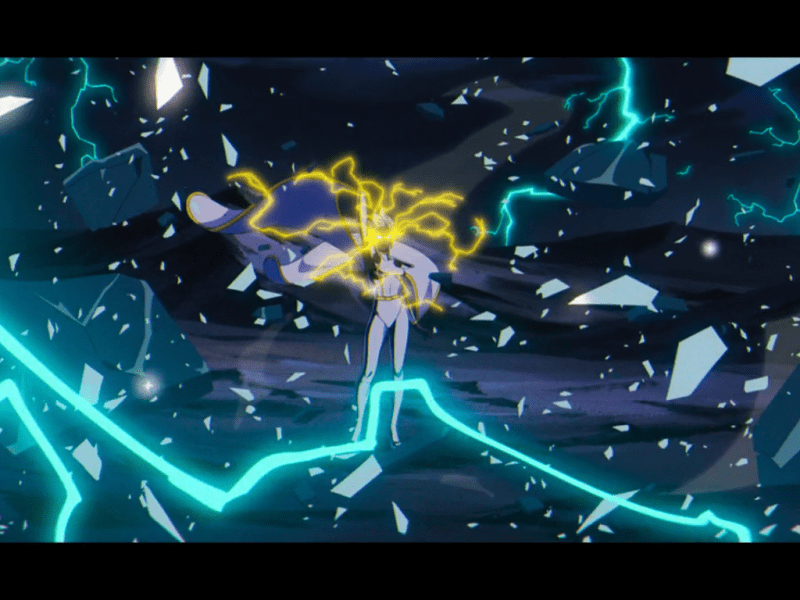
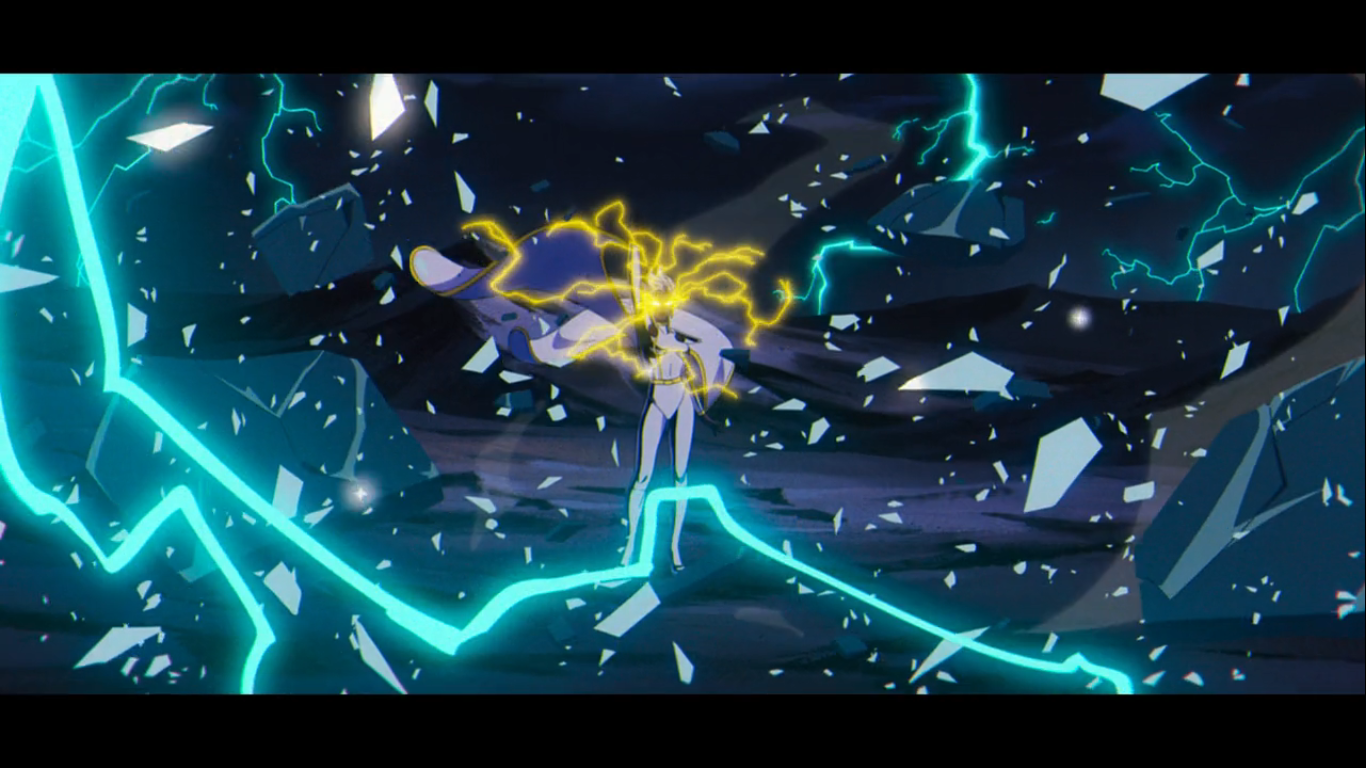
The first episode is a great reintroduction for the X-Men and really seems to setup what we’re looking at. It also establishes the look of the series. I’ve been a little wary about that going in, but after one episode I will say my fears were unfounded. This show looks as good as it can in 2024. It’s digitally hand-drawn by Studio MIR which is the right approach given that celluloid animation just isn’t done anymore. Stylistically, there will be folks who prefer the look of the old show, but objectively speaking this one animates much better. That is on full display during the action sequences which are far more fun and inventive. This feels like a show directed by people who as kids wondered just how far the super powers on display here could be pushed. Storm, considered an Omega level mutant in the comics and now show, really gets to show off what she can do to such a scale that I worry if the writers can keep her consistent.

I should have expected this, but I didn’t.

The episode includes closing credits done in the same style as the original show’s first season with a character model spinning in place and a brief descriptor of their powers below. Before it can cycle through all of the characters though, it cuts to a static image of the mansion for the rest of the credits. Was this a nod to how the first season’s ending credits would never get to Jubilee? That always drove me nuts as a kid. If it is in reference to that it’s a bit of clever humor, though I’d rather just see all of the characters get spotlighted. And that’s the one failing, if you will, of this episode is that most of the characters don’t get to do a whole lot. That’s going to happen with such a large cast, one that has even been increased since we last saw this group in action. I would imagine we’ll get spotlight episodes to come while also maintaining a serialized approach. Yes, what network executives hated for their broadcast channels in 1992 is the preferred method of story-telling in 2024. The only other disappointment for me was no in memoriam for the people we’ve lost since the original show went dark. It would have been nice to at least see a tribute to original Cyclops voice actor Norm Spencer and the original voice of Magneto, David Hemblen.

Storm is allowed to cut loose in this one, but will she be allowed to do so in every episode?

X-Men ’97 in its debut episode manages to strike the right balance between new and nostalgic. The fan service hits right and its reserved for parts of the show where fan service is appropriate. It also establishes a tone for the show which is in-line with the serious, dramatic, original series though it’s also apparent that this one will be allowed to be a little more grown-up (Wolverine and Morph are shown enjoying a couple of cold ones). That makes sense since the target audience is the kids of 1992, but it also likely won’t want to alienate the kids of the kids of ’92. It also left me wanting more which was good since this was a two episode premiere. I’ll get to that episode in another post, but the main takeaway for me is our beloved X-Men have been placed in good hands and I can’t wait to see what happens next.

Get on the X-Men ’97 hype train with these posts:

X-Men: The Art and Making of the Animated Series

A few years ago, I talked about my love of X-Men, the animated series, via a book review of Previously…on X-Men by Eric Lewald. That book chronicled the development of the 92 animated series that helped propel the Fox Kids Network to the top of the Saturday morning leaderboards through notes from the author and…

Keep reading

Mondo X-Men TAS 1/6 Scale SDCC Exclusive Logan

Mondo has been absolutely killing it with its sixth scale line of action figures based on the now classic animated series X-Men. The company also really ramped up production in 2023 on the line by soliciting five new figures during the year. At over 200 bucks a pop, it was quite the hit to the…

Keep reading

Previously on X-Men: The Making of an Animated Series

A lot of cartoons made an impact on me as a child. My first love was The Real Ghostbusters. Its goofy cast of characters and excitement were plenty of fun and there were interesting toys to supplement the series with, which was pretty much the goal of all cartoons in the 80s. The Teenage Mutant…

Keep reading

Wolverine and the X-Men

It might seem amusing to folks younger than me who grew up on Marvel’s Avengers, but back in the first decade of the new millennium there wasn’t a hotter team of superheroes than the X-Men. The X-Men had been around since the 60s, but really took off as a comic book property in the 80s. That popularity helped land the X-Men on TV in 1992 via the hit Fox Kids show simply called X-Men. That show wrapped in 1997, but not too long after that came the film franchise, the first trilogy of which concluded in 2006. Following that, it was known throughout the industry that Fox intended to break-up the X-Men for future films with rumors that Wolverine, Magneto, and I want to say even Gambit were expected to get solo films. Of them, only Wolverine managed to land his own film franchise, but during that same era came a new animated series: Wolverine and the X-Men.

If Wolverine was the franchise’s biggest star and set to lead his own film franchise, then it made sense to have a prominent television tie-in to keep the kids interested, especially if the films were going to aim a little older. The show premiered in January 2009 on the Nicktoons network which means Wolverine, Cyclops, and the rest are now all on equal footing with Tommy Pickles, Arnold, Stimpy, and the rest of the Nicktoons gang. The show was developed by Craig Kyle and Greg Johnson, and while I don’t think either has ever stated it, but the show feels like a spiritual successor to the first animated series. It has a very similar approach in that the world the X-Men inhabit has existed for awhile before we get to jump-in. These characters have a history with one another and we’re going to see some of that, or we’re just expected to already know. It’s a very dramatic series and not your typical Nicktoon as it’s not out to make the audience laugh. The characters are often pretty humorless, the stakes are high, and sometimes things seem rather grim. It’s also serialized and the type of show that rewarded viewers who tuned in each week for a new episode, but may have also alienated the ones who did not.

Back in 2009 I was not comfortable with the idea of Wolverine leading the X-Men. In 2024, I’m still not all that comfortable with it.

For me, I was well into adulthood when this show came about and I was immediately turned off just by hearing the name. Wolverine and the X-Men? First, we’re reducing the team to a bunch of Robins and it’s not just spotlighting Wolverine with the title, but actually making him the leader of this version of the X-Men. I’ve never liked the idea of Wolverine as a leader because a core part of his character is he’s a loner at heart. There always comes a point where he feels like he needs to close himself off to his allies and deal with things by himself. The show does take steps to address that, but it’s not something I ever become comfortable with. The second X-Men film does a solid job of making Wolverine a reluctant leader, but one of the failings of the third is he basically carries himself as a born leader. This show has some of that, it attempts to make him grow as a leader, but there’s a credibility problem throughout.

The portrayal of Wolverine turned me off and kept me away for years. The show also was not picked up for a second season following a debut 26 episodes. It’s said the financing partner had problems as a second season was in pre-production, but I think most attribute the show’s demise to the Marvel acquisition by Disney. That too took place in 2009 and Disney would refocus the brand onto film assets it had control over. That meant X-Men, Fantastic Four, and Spider-Man would see a reduction in marketing and promotion in favor of The Avengers. If Disney had wanted to step in and finance a second season of Wolverine and the X-Men it absolutely could have done so, but chose not to. Because of that, I felt no compulsion to even check out the show since nothing further was coming. When Disney+ launched I started watching it, but it didn’t hold my attention. Only recently have I decided to really give this one a shot. We’ve been deprived X-Men cartoons for a long time now and there’s a good chance I missed out on something special. And if I didn’t, well at least this would be a decent way to pass time during my workout.

The show begins with an unexplained tragedy and much of the show’s sole season is devoted to uncovering just what happened.

Wolverine and the X-Men begins with the X-Men well established. Wolverine (Steve Blum) and Rogue (Kieren van dan Blink) are in the midst of an argument as it appears Wolverine is blasting off by himself once again. Suddenly, Professor Xavier (Jim Ward) and Jean Grey (Jennifer Hale) experience what looks to be a terrible headache and an explosion results. There’s a massive crater on the grounds of the Xavier Institute and the other X-Men are all in some state of distress, except Professor X and Jean who have vanished without a trace.

Following the traumatic beginning, there’s a time skip of a year and humanity has created the MRD – Mutant Response Division which all mutants view as a threat to their livelihood. This prompts Wolverine and Beast (Fred Tatasciore) to reassemble the X-Men to fight back, but without the aid of a telepath the job is tough. Enter Emma Frost (Kari Wahlgren), a former headmistress herself of a mutant school, who wishes to offer her telepathic abilities in exchange for membership in the team. Wolverine agrees, and Emma is able to locate Xavier in Genosha, a small, island nation controlled by Magneto (Tom Kane). There they find Xavier alive, but in a coma. Magneto allows the X-Men to take Xavier home even though he very much clings to his own ambition to squash humanity with or without the help of the X-Men. Once home, the real plot begins as Xavier is able to telepathically reach Wolverine from 20 years in the future.

Xavier is able to communicate telepathically from the future with his X-Men, of which he’s chosen Wolverine to lead.

The season unfolds both in the present and the future. Xavier has awakened to find himself in a post apocalyptic wasteland. The war between humanity and mutants laid waste to everything and now the sentinels run the show. Yes, this is like a version of the classic “Days of Future Past” plot, but as a whole series. Xavier appoints Wolverine as the leader of the X-Men and charges him with reassembling the team so that they can prevent this future from happening. This will bring them into contact with past members, some join up, and some don’t. Most of them embody their typical archetypes, in particular Iceman (Yuri Lowenthal) and Shadowcat (Danielle Judovits) who are basically the happy-go-luck teens of the team. Then you have Cyclops (Nolan North) who is essentially a shell of his former self following the loss of Jean. Rogue has run-off to join Quicksilver’s (Mark Hildreth) Brotherhood of Mutants essentially defecting to the bad guys while former X-Men like Angel (Liam O’Brien) and Nightcrawler (also O’Brien) feel their talents could be better utilized elsewhere.

The season unfolds with Wolverine working to stop the MRD while Xavier has joined up with some mutants in the future to try and figure out just what happened. Time seems to operate on “Days of Future Past” rules where a day in the present equals a day in the future for Charles, so he can’t simply go back further in time to prevent the initial explosion. We’re basically fed breadcrumbs for the main plot throughout the season and it all pays off in a suitable way in the end. Also along the way are numerous one-shots sprinkled throughout like episodes where the X-Men have to help a fellow mutant avoid capture by the MRD or explore some relationships between team members. There’s naturally some Wolverine solo missions reaching back to his days in the Weapon X program. A lot of this type of stuff borrows liberally from the comics, but there is often some twist introduced. For example, Wolverine did not have a relationship with Silver Fox in his past, but a different woman the identity of which might have annoyed some, but I kind of liked. I wish it had been explored more, but I’m guessing that was being saved for a future season. The show is definitely at its best when it’s sticking to the main plotline, but some of the one-offs are entertaining.

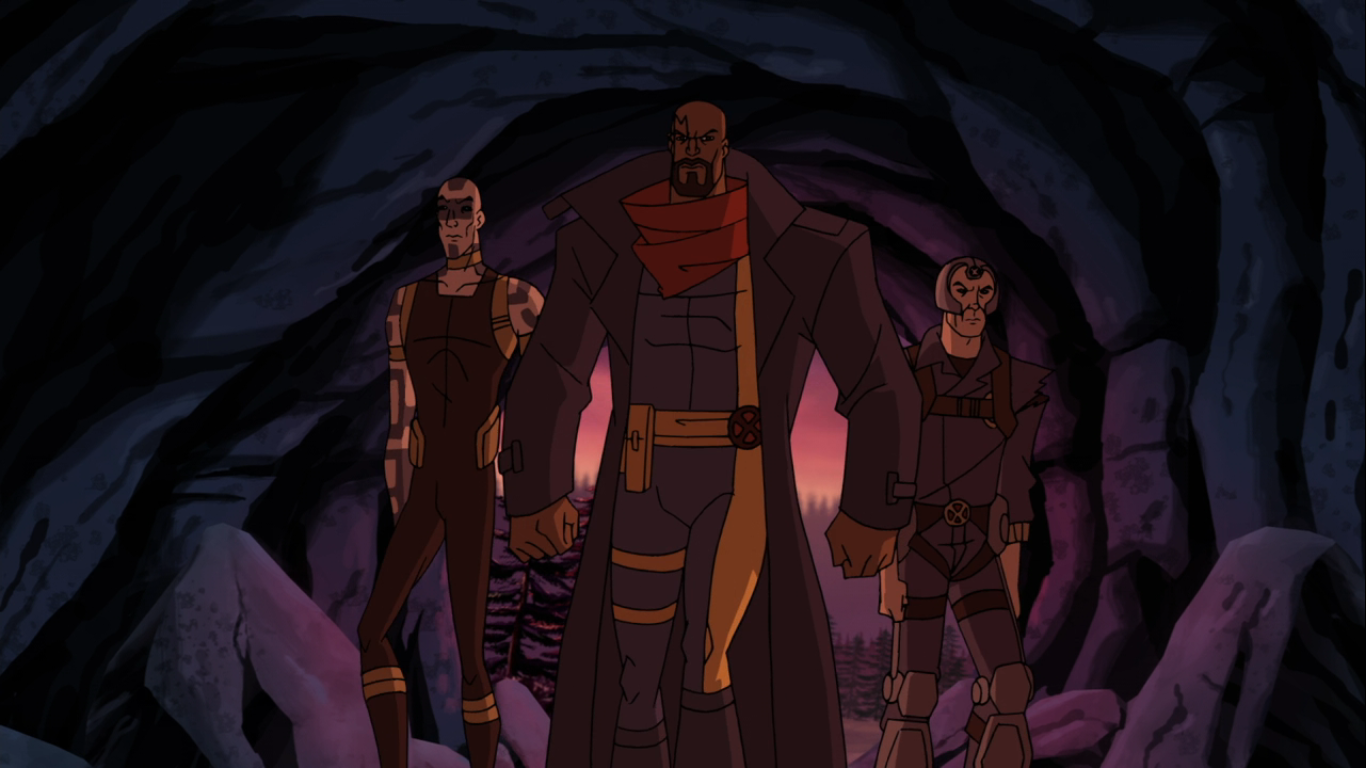
Is anyone surprised to see Bishop among Xavier’s allies in the future?

Toonz Entertainment handled the production on the show which strikes me as a mix of how the characters looked during the Astonishing X-Men era with some stylization likely intended to give the show it’s own vibe while also making it easier to animate. A lot of the male characters are depicted with large upper bodies and tiny wastes with long legs. Even a short guy like Wolverine has pretty long legs, though he’s also not as short as he would have been depicted pre-Hugh Jackman era. The women are presented more straight up and down though their abdomens usually pinch-in dramatically. They’re also almost universally well-endowed. It’s all 2D, and if any 3D effects are in use they’re well hidden. The costumes are largely from the Astonishing era and I guess since this was a cartoon for digital cable they were able to get away with keeping them pretty true to book so Emma Frost looks like she’s about to burst out of her top in basically every scene she occupies. The animation itself is pretty good and there’s no denying that this show animates better than the Fox series. Whether or not you like the style present is certainly more of a subjective decision.

The music is appropriately dramatic. It very much feels like it was intended to evoke the film franchise and I wasn’t sure if I was even hearing compositions taken from the films itself. Film composer Michael Kamen doesn’t receive a credit, so I think this is just a case of the show’s composer Dean Grinsfelder doing a good job of inhabiting that style. The voice cast is basically all new for those of us who grew up on the old cartoon series. Steve Blum is a solid Wolverine. He knows when to add a little growl to his lines and when to play it more straight-up. I like Nolan North as Cyclops and was surprised at how much Tom Kane’s Magneto sounds like Patrick Stewart, which kind of makes me want to see Stewart play the character, but that’s obviously not happening. Nobody on this show makes me forget the cast I grew up on or replaces their voices in my head when I read dialogue in a comic, but I did enjoy what was here.

There’s a whole episode devoted to Marrow playing the role of Hogarth to this sentinel’s Iron Giant. It’s cute.

Wolverine and the X-Men consists of twenty-six episodes and there is a resolution to a lot of the questions the series has at the onset. That doesn’t mean it ends all neat and tidy as there very much was a new threat setup for the following season that never came. It’s a shame, because it could have been interesting to see how this show would handled some pretty familiar comic book plots. It also would have been fun to see how the team’s dynamic worked post finale as there were some changes.

I do think I was initially rather hard on the series and it was probably a mistake for me to dismiss it based on the premise. I did enjoy my time with the show, though it’s not perfect. Like a lot of X-Men media, the show struggles with the large cast. We wind up knowing plenty about some of the A-listers, but the B-team, if you will, gets very little time to shine. Shawdowcat and Iceman basically exist just for their powers and are given almost nothing to do aside from that. Ditto for Beast who serves the role of “smart guy” who can figure out most of their problems. Rogue and Wolverine have a lot of conflict at the beginning that just sort of fades away and gets a very quick, last second, resolution in the end. And part of this issue stems from the mutants in Genosha having their own plots as well as those in the future with Xavier. There’s a lot going on and the show was certainly ambitious with the scope of its plot. Even though it stumbles, I do appreciate how far the show tried to take things as it demonstrates a real faith in its audience to be able to follow along. They weren’t just trying to sell toys to five-year-olds.

With the show long dead, the only remaining question is “Should you bother?” I think if you’re a fan of the X-Men then this show is a fun diversion. Yes, if you end up liking it then you’ll feel some pain when it’s over since the show was cut down so unceremoniously. With X-Men ’97 continuing the adventures of the original show perhaps a revival of Wolverine and the X-Men is possible? I wouldn’t get your hopes up as the show definitely didn’t have the impact of the ’92 series, but I suppose anything can happen. I do think the show is enjoyable for what it is so while it sucks that there wasn’t a second season, watching this definitely doesn’t feel like a waste of time.

We have plenty more coverage of Wolverine and the animated X-Men:

X-Men: The Art and Making of the Animated Series

A few years ago, I talked about my love of X-Men, the animated series, via a book review of Previously…on X-Men by Eric Lewald. That book chronicled the development of the 92 animated series that helped propel the Fox Kids Network to the top of the Saturday morning leaderboards through notes from the author and…

Keep reading

Mondo X-Men TAS 1/6 Scale SDCC Exclusive Logan

Mondo has been absolutely killing it with its sixth scale line of action figures based on the now classic animated series X-Men. The company also really ramped up production in 2023 on the line by soliciting five new figures during the year. At over 200 bucks a pop, it was quite the hit to the…

Keep reading
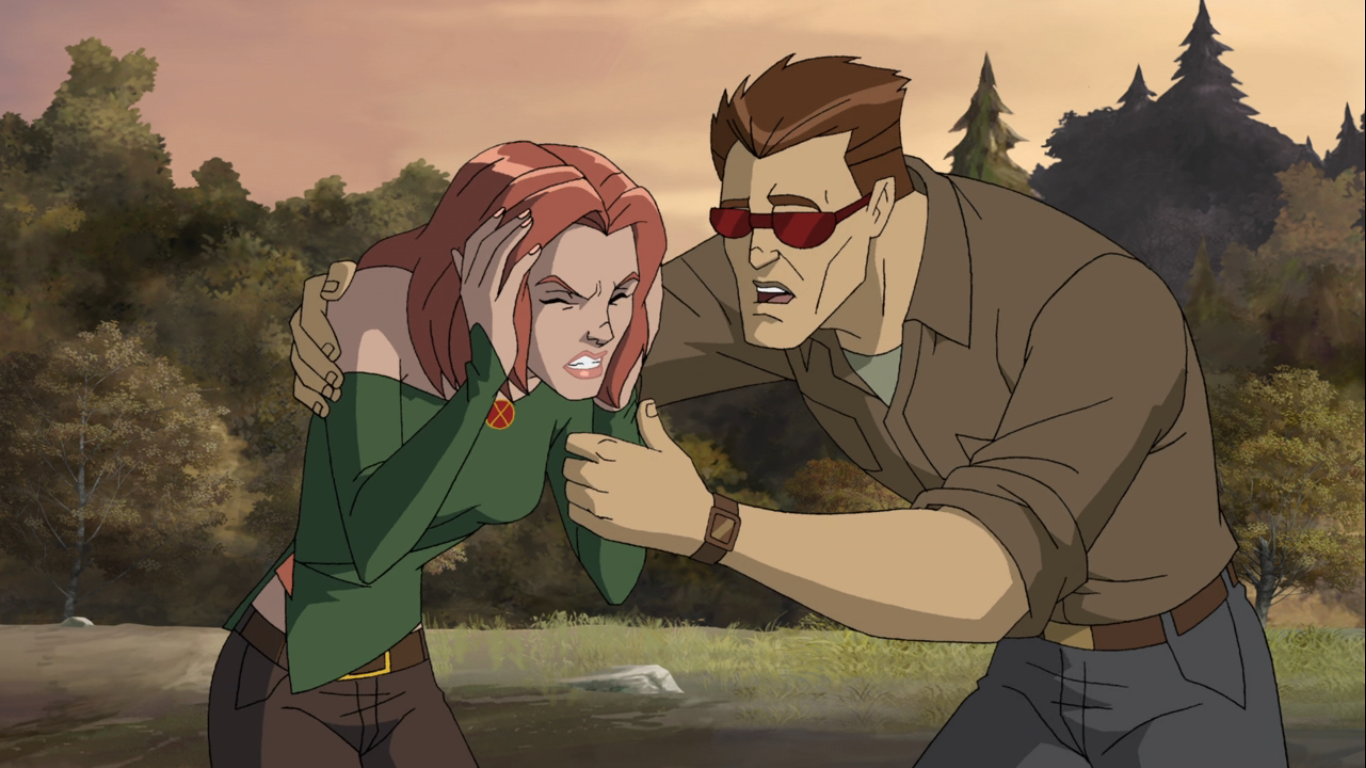
X-Men: The Animated Series – The Adaptations

Halloween 1992 was when things really changed for the X-Men. A high-selling comic book was about to blow open and enter the mainstream with a hit new Saturday morning cartoon series. Spearheaded by Eric Lewald for Saban Entertainment, X-Men would become the highest rated children’s program on the Fox Network and the overall highest rated…

Keep reading

DuckTales (2017) – “The Last Adventure!”

Original air date March 15, 2021

The return of DuckTales came at a really good time in my life. When it was announced, I had just become a dad not that long ago and even had another kid on the way (a bit earlier than planned) and it seemed like the kind of show that would lineup well with my family when it premiered in 2017. I had grown up with The Disney Afternoon and the pre-Disney Afternoon shows, like DuckTales, and they were a formative experience for me. While DuckTales was never my favorite show, it was still appointment viewing and my sister and I watched it daily and stayed with it into the Disney Afternoon days through the release of the movie in 1990. Leading up to the premiere, I purchased the original series on DVD and would most often turn to it to amuse my kids on long car rides. We had a DVD player for the car, and for awhile it was the only show my son thought was available to him in the car. I can still remember his little voice saying “Go in the car, watch DuckTales!” The first thing he watched on YouTube, was the DuckTales intro and when the new intro was unveiled on YouTube it became a nightly ritual for him to sit at the table, eat his dessert (usually M&Ms), and sing along to the video.

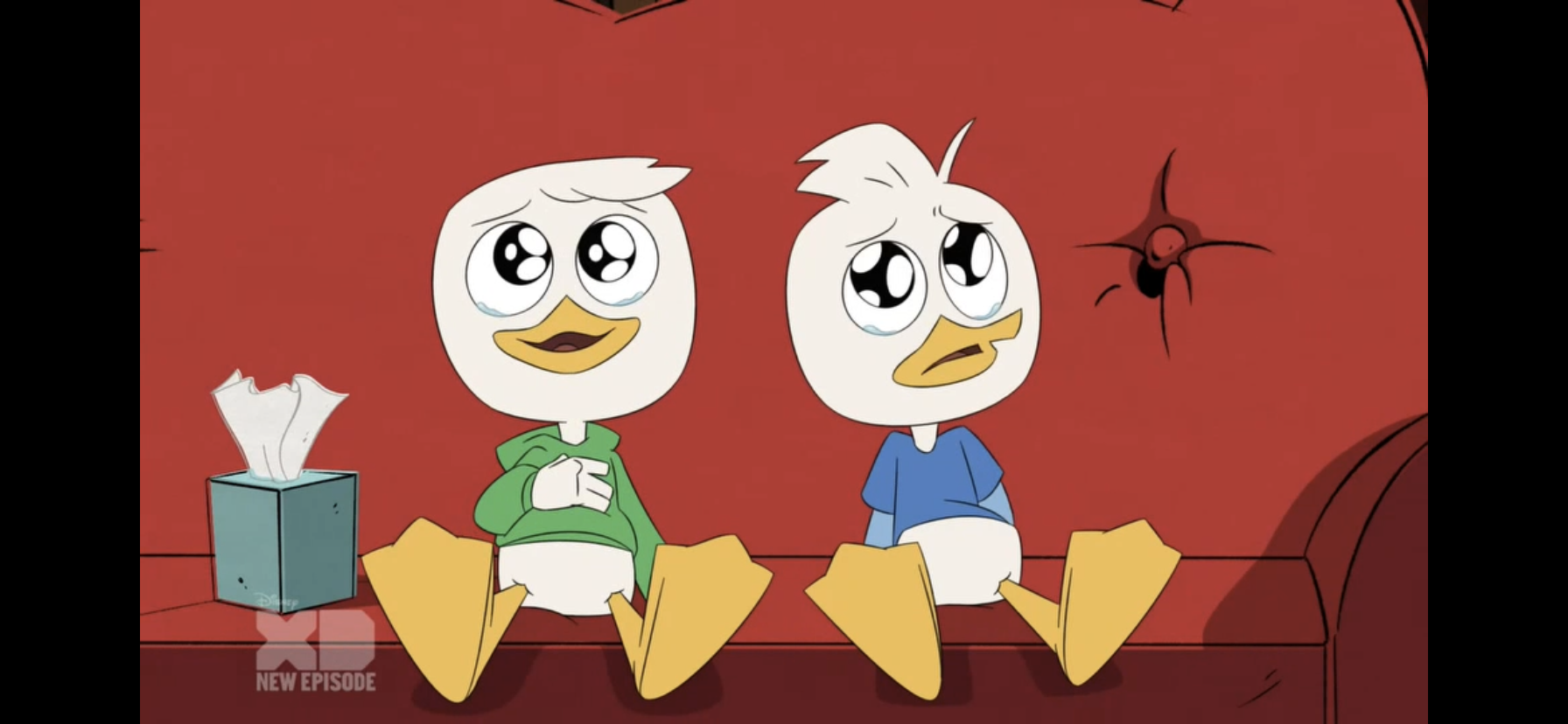
Grab some tissues and get ready to say “good bye.”

When the show finally premiered in August of 2017 I had it in my head that this would be a show I could watch with my children and we would all enjoy it. Things didn’t quite work out the way I had planned. My son was only 2 and my daughter was still a month shy of her first birthday. They loved the song, but the episodes themselves were a bit hard to reach. The premiere, “Woo-oo!,” was a brief hit in my household with my son requesting to watch it quite often for a period of a few weeks. As he often did, he would latch onto a piece of media, consume it over and over for a period of time, and then move on. And move on he did. Eventually, they got older and to the point where they could sit and watch it with me and sort of enjoy it. My son seemed to like it more than my daughter, who remained way more into the opening song than the rest of the show, but at least it provided for a bit of quiet time on a Monday evening.

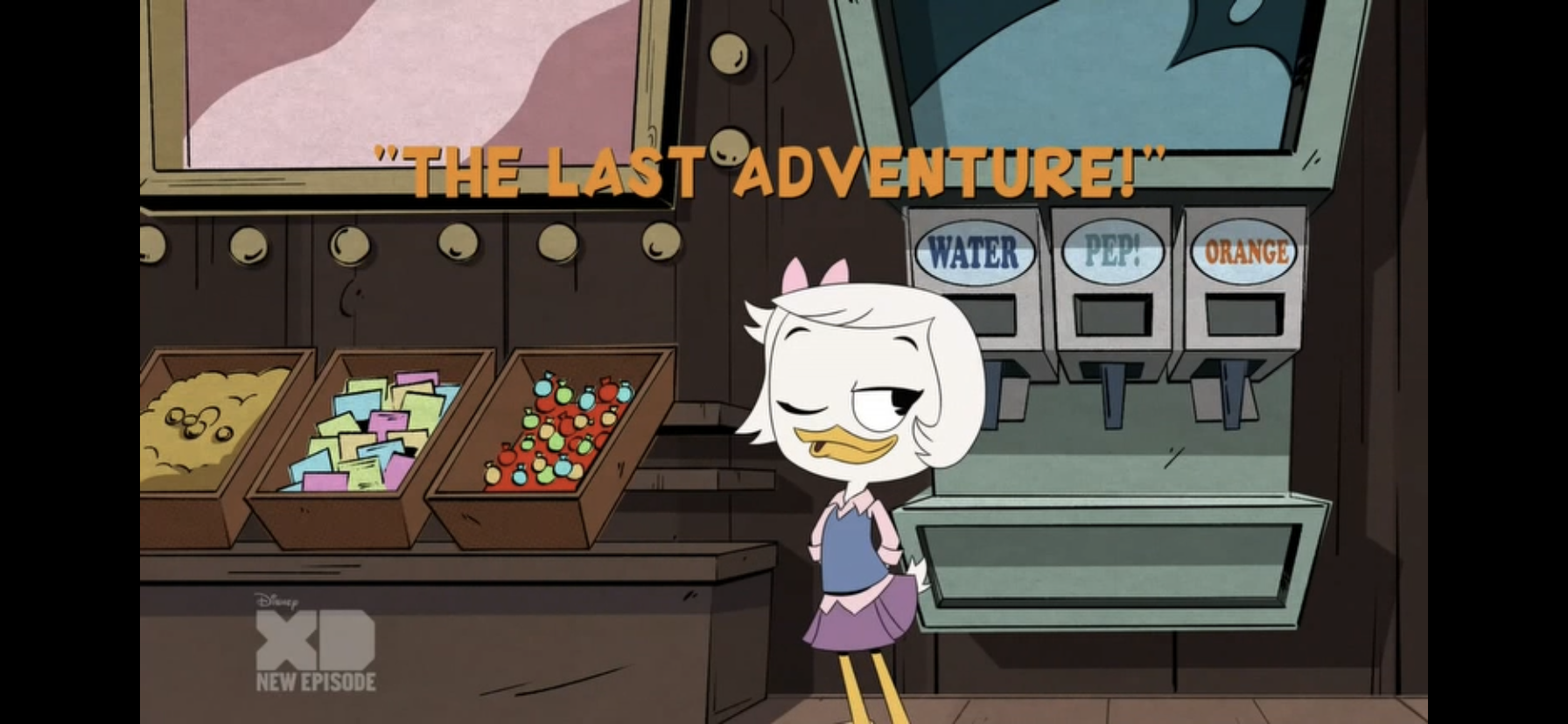
Webby gets to be the star in this one, which is only fair since they use her birthday party as a cover for their FOWL trap.

Even though they didn’t grab onto DuckTales like I had hoped, I’m still going to miss those Monday evening viewings for DuckTales just aired its grand finale last night. Appropriately titled “The Last Adventure!,” the finale truly was a grand undertaking as it spanned 90 minutes of broadcast space. It is my understanding that it will be broken up into three separate episodes with three distinct titles in the future, but as a finale it was pretty special. We knew DuckTales was not coming back for a fourth season as the news broke before the end of 2020. The creators of the show, Frank Angones and Matt Youngblood, were at least informed by the network that the show was ending after three seasons with enough advance notice that they could plan for a true ending. This is in stark contrast to the Disney Afternoon shows of old which were almost cynically constructed to air over and over in syndication with no apparent end. Viewers like finales though. We may hate to see a treasured program end, but if it’s got to, we want some closure. And DuckTales has always approached story telling in a big way. This is not the Disney Afternoon of old where the vast majority of episodes are just one-off, self-contained, stories that anyone can just drop in and out of. This show has arcs, it has continuity. It’s not to the point where it’s unapproachable for a newcomer, but it’s very rewarding for those who take it all in. Had it been denied a true finale, that would have been a television tragedy. Instead, viewers of DuckTales were treated to one of the best television finales in recent memory, and maybe even history!

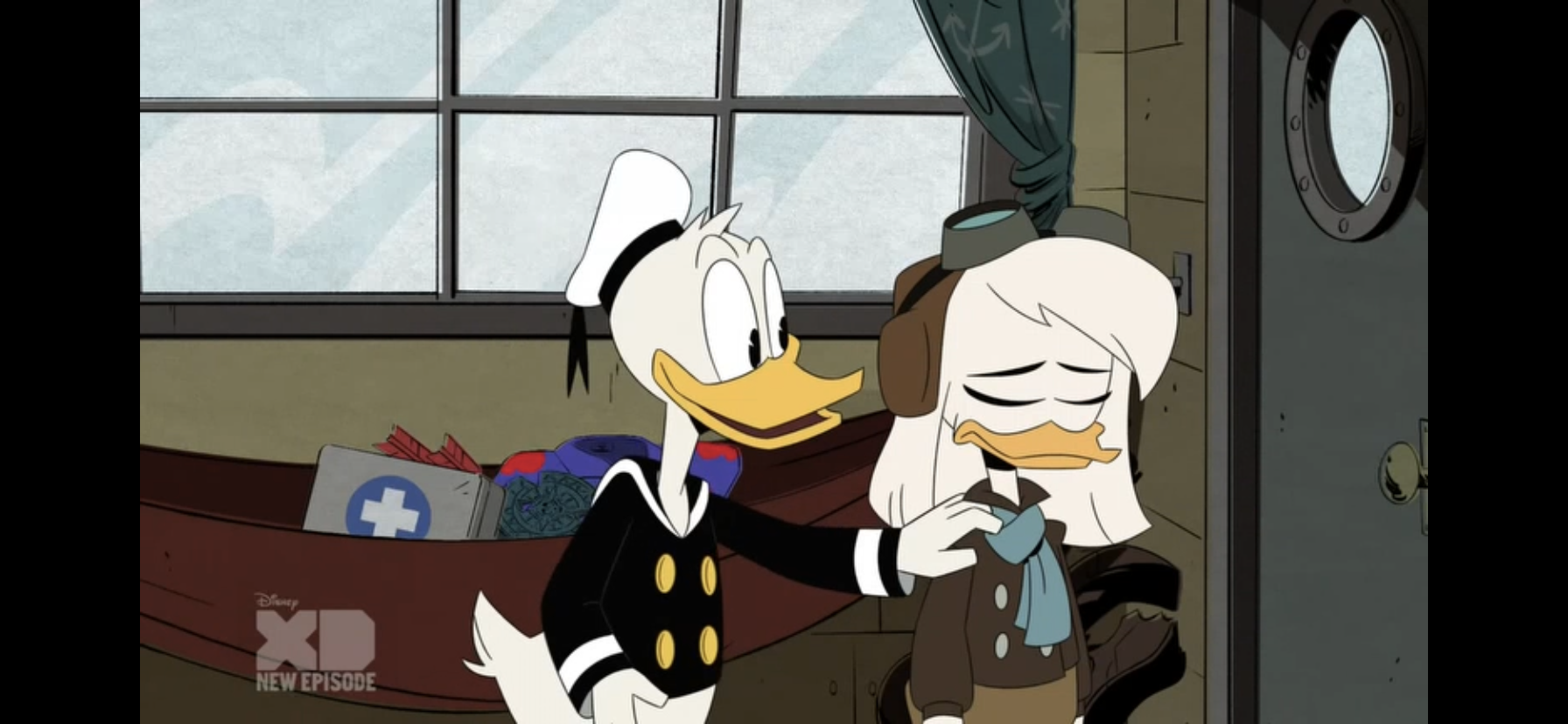
Donald and the boys have one last adventure in them!

“The Last Adventure!” is centered around the nefarious organization, FOWL, and Scrooge McDuck (David Tennant) and his family have laid a trap for the organization to finally put a stop to it. It’s been somewhat simmering in the background for a few episodes, so it’s great to get back into this plot for the finale especially knowing that we’re going to spend 90 minutes on it. Naturally, the trap laid out by Scrooge and the gang isn’t much of a success, because we need this thing to carry on for awhile. The show introduces two new characters in the process, May (Riki Lindhome) and June (Noël Wells), who should be familiar to longtime duck fans or viewers of The Legend of the Three Caballeros. They’re really the only new characters as the rest of the show is going to be devoted to essentially bringing everyone back. Most just show up for a cameo or to hang out in the background of a shot, but it’s pretty cool to see everyone back. And chances are, if you think someone was missing they were probably there and you just missed them.

Della gets to play the audience surrogate this time as she declares she doesn’t want their adventures to end! There’s a lot of meta stuff in this one.

The theme of the episode is going to be that family is the greatest adventure of all. Della (Paget Brewster) is going to find out early in the episode that her brother Donald (Tony Anselmo) is planning on running off with his new love Daisy (Tress MacNeille) after their business is concluded and she is not happy about it. That’s our first little taste of family, while the rest is largely reserved for the character Webby Vanderquack (Kate Micucci) and how she fits into this eclectic clan.

Webby giving one of many lessons on family in this one.

Centering the finale partially on Webby is a brilliant choice. In the original series, Webby was basically everyone’s least favorite character. She was there because someone felt there needed to be a girl equivalent to Huey, Dewey, and Louie, which is fine. Unfortunately, she was made this annoying, baby-like, character and it was borderline offensive that someone thought this was the right choice for a character that young girls were supposed to relate to and enjoy. It felt like she was put upon the viewers, and viewers generally don’t like that. For the reboot, Webby was turned into the audience surrogate. She’s the outsider within the McDuck family and is constantly in awe of Scrooge and his exploits. When Della Duck has her emotional return, the camera pans to Webby to show her overcome with emotion and sobbing uncontrollably because the show knew that’s what we were doing! This Webby is fully embraced by the other characters in the show and she’s a ball of energy and insight and this show quickly became one that was largely about Scrooge and his nephews as well as his surrogate niece.

Despite being the finale, this one does make time for some new faces.

That is how I will remember DuckTales. It’s a show about Scrooge McDuck, but it’s mostly told through the children of the show. It was able to take time for other things as well, and the Della Duck plot was definitely one of the most rewarding the show touched upon. It was rewarding almost to a fault as once she was brought into the fold, Della kind of just slipped into the background. The show probably could have done more with her and Donald, as it felt like that was held back initially, but then never truly paid off. This finale rectifies that to a degree, but if the show had one missed opportunity it was in not doing more with the duck siblings.

The only thing missing is a, “DuckTales! Assemble!”

That may be a criticism of DuckTales on the whole, but it’s not applicable for the finale. FOWL’s plan will be revealed and it’s appropriately silly, but not to the point where the cast can’t take it seriously. There’s also quite a bit of fan service and pretty much every classic Disney Afternoon show gets a call-out of some kind. Favorite characters get their moment to shine, all the while the show practically beats us over the head with its theme of family being the greatest adventure. And when it’s starting to get too corny, the show basically calls itself out via one of the characters which is a good laugh-out-loud moment. A show centered around a family of adventuring ducks should get ample opportunity to get a little Full House at times. And it is truly impressive how such a massive cast of secondary characters were brought back into the fold so well. The episode doesn’t lag at all, even with it being triple the runtime of a normal episode. It makes me wonder what this team could do with an actual feature-length project set in this world.

So long and thanks for the memories, McDuck family!

Ultimately, DuckTales may not have been exactly the show I had hoped it would be for me and my family. My kids did sit and watch this one with me, but once 8 o’clock hit they checked out. In our house, 8 o’clock means tablet time and the kids get 30 minutes to do whatever they want on their tablets before we read a book and go to bed. And right when the clock struck 8, my son asked for his tablet (sigh). It wasn’t a total loss though for we got a late start to the show because it takes my kids forever to eat dinner, so at 8:30 their tablets went off and I gave them a choice of book then bed, or DuckTales then bed, and they chose DuckTales. We watched the last 20 minutes or so as a family and they were pretty into it, for what it’s worth. As for me, while the show didn’t become appointment viewing for my kids like I had hoped, it very much was everything I could have hoped a new version of DuckTales would be. The finale was fantastic, and I am not the sort who is prone to hyperbole in the moment, but this really was one of the best television finales I’ve had the pleasure of viewing. It was funny, exciting, full of action, and packed with plenty of emotional moments as well. The show set out to solve some mysteries and rewrite history, and boy did it ever deliver!


Dec. 5 – The Captain’s Christmas

The Captain’s Christmas premiered December 17, 1938

Did you ever wonder where those speech balloons in comic books came from? Maybe you just assumed they were always there, but they actually originate from a comic strip titled The Katzenjammer Kids. The strip was created by cartoonist Rudolph Dirks and it debuted in newspapers in December of 1897. It was incredibly popular for its time, and after Dirks jumped ship from the Hearst Organization, he was forced to continue the strip under a different name: The Captain and the Kids.

The Captain and the Kids ran in newspapers all the way until 1979 while Hearst actually continued The Katzenjammer Kids into the new millennium. Neither series has a ton of name recognition these days since print cartoon strips are all but dead, but for its time period The Captain and the Kids was quite popular. Popular enough that when MGM was looking to get into the cartoon making business, it turned to the franchise and some now familiar names served as directors: William Hanna, Bob Allen, and Friz Freleng. Despite the strip’s popularity, the cartoon series was viewed as a flop. After roughly a year and 15 cartoons, MGM put an end to The Captain and the Kids and turned its attention to other projects.

During its brief run, The Captain and the Kids did manage to bestow upon us one Christmas short: The Captain’s Christmas. The Captain (voiced by Billy Bletcher, best known as the voice of Pete from the Mickey Mouse shorts) is the star of the shorts and as his name (title?) implies he’s a sailor, only he’s shipwrecked and has taken to a role of surrogate father for the local kids. His rival is the pirate John Silver (Mel Blanc) who causes trouble for the Captain. The twins Hans and Fritz, basically the real stars of the strips, are present but take a back seat to the Captain. Their mama, who is just referred to as Mama (Martha Wentworth), is another supporting character. Thirteen of the fifteen cartoons were presented in black and white, with The Captain’s Christmas being the first done in Technicolor.

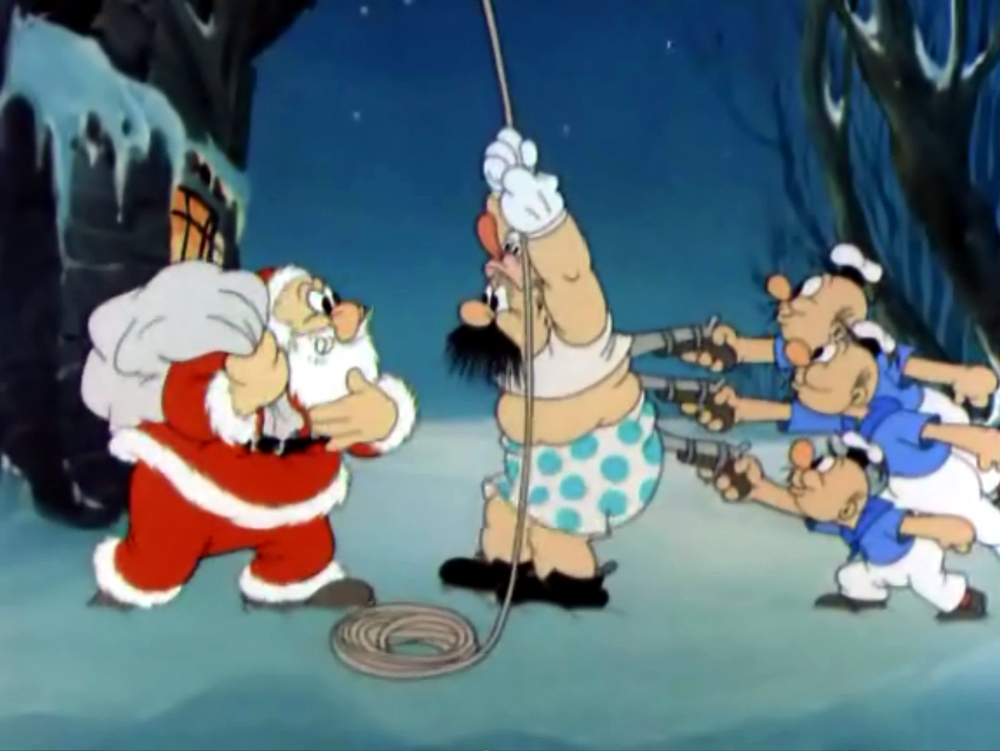
The cartoon, directed by Freleng, opens with a shot that appears to be from the vantage point of someone looking through a telescope. A stereotypical pirate voice narrates the scene of a snow covered town and children hanging stockings in their warm house. The Captain then comes into the picture dressed as Santa Claus with a cow dressed-up as a reindeer pulling his sleigh. We then see our narrator is John Silver, and if I didn’t know Mel Blanc was performing his voice I wouldn’t have guessed it. He thinks he’d be a better Santa than the Captain, and the three sailor stooges around him agree, and we have a plot!

The poor guy is just trying to do something nice and he winds up with three guns drawn on him on Christmas Eve.

The Captain rigs up a pulley system to hoist his “reindeer” and sleigh onto the roof feeling this is required to complete the stunt. The little pirate henchmen then show up behind him and hold him up. This allows Silver to jump in and strip the Captain of his Santa disguise and commandeer it for his own good. Silver Claus grabs the rope the Captain was holding and as the cow falls from the roof, he goes up. The others are left to panic momentarily before the cow lands on them.

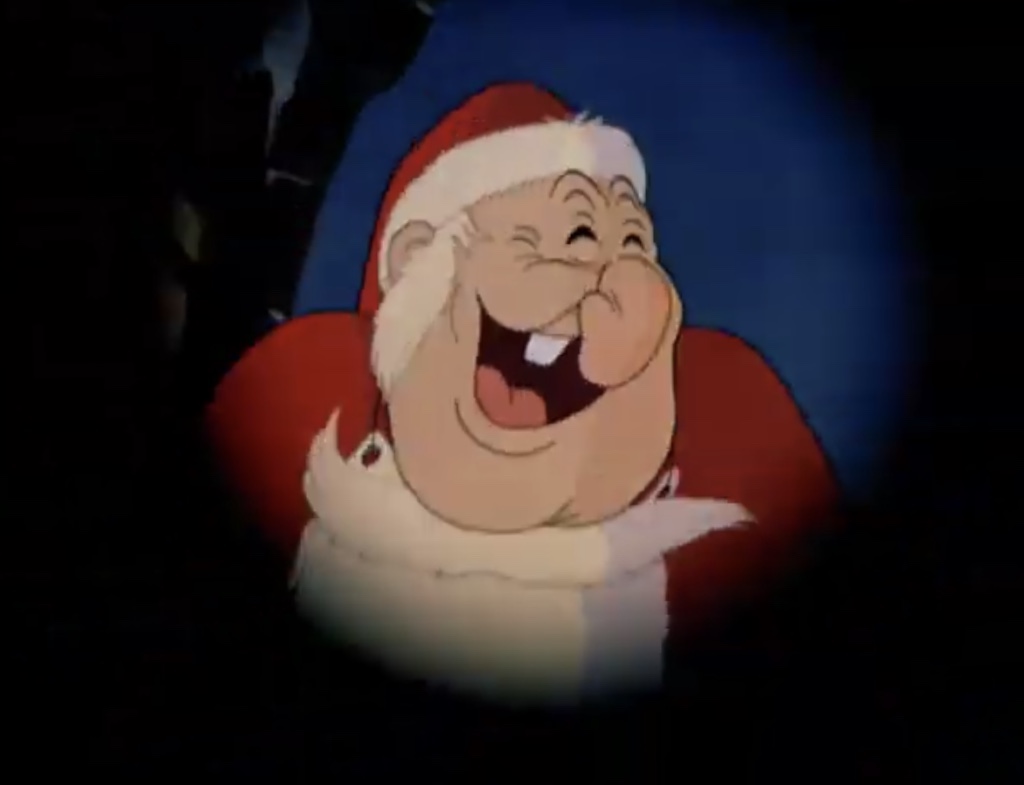
This Santa is a god damn maniac!

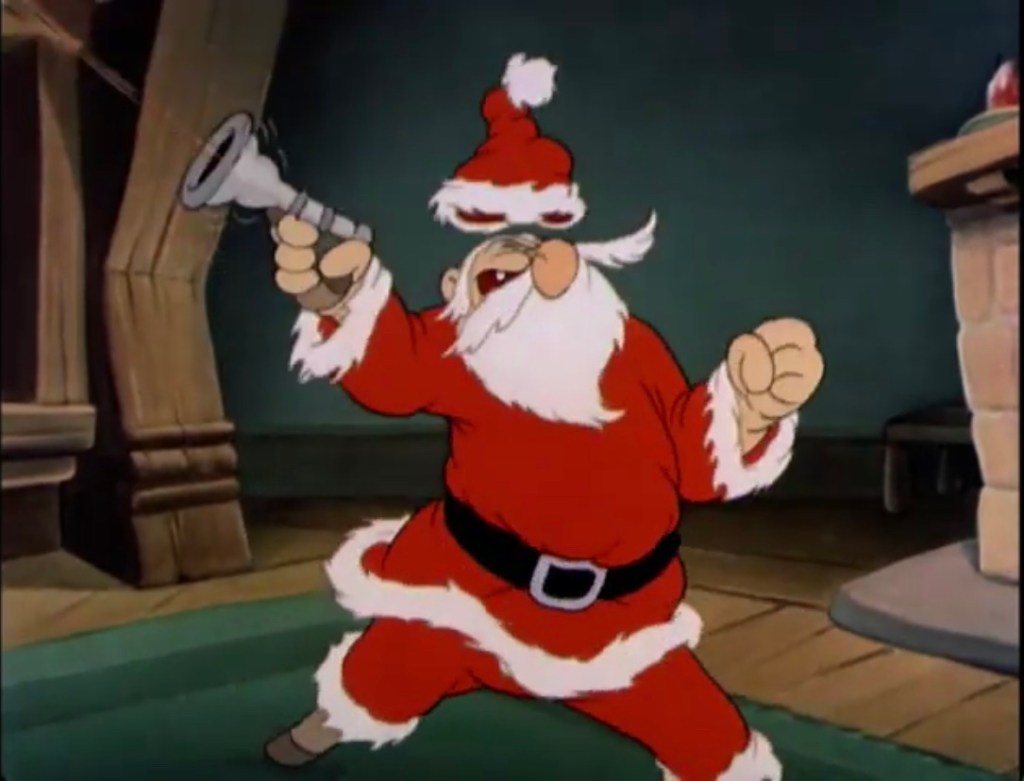
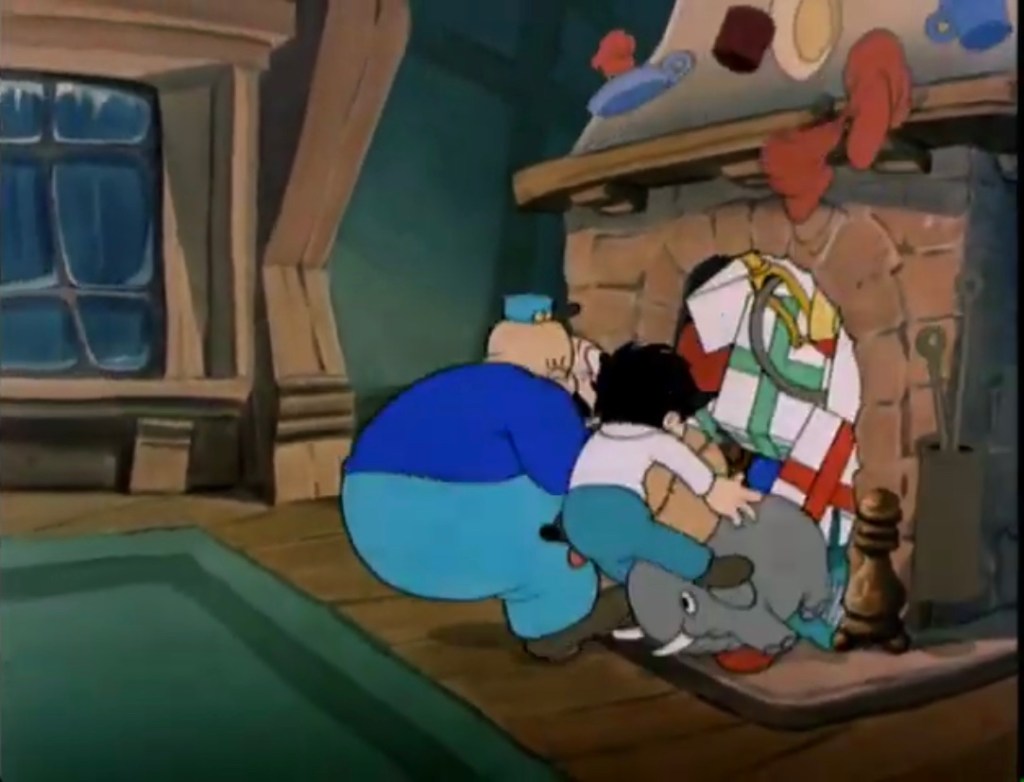
On the roof, Silver has some trouble getting his barings. He has a peg leg after all, which can’t make navigating a snow-covered roof easy. He slips and goes tumbling into the chimeny, which breaks apart and then messily re-assembles itself as he falls in. In the house, Mama and her boys are forced to scramble as “Santa” comes tumbling in. The boys are pretty pumped to see Santa in their house, though Silver is a bit out of sorts at first. He soon remembers what’s going on and then whips out his pistol and starts blasting in celebration of his arrival. He even blasts open the sack full of toys and they all come spilling out looking no worse for ware. And upon first inspection, none appear to be racist – it’s a 1930’s cartoon Christmas miracle!

Damnit…

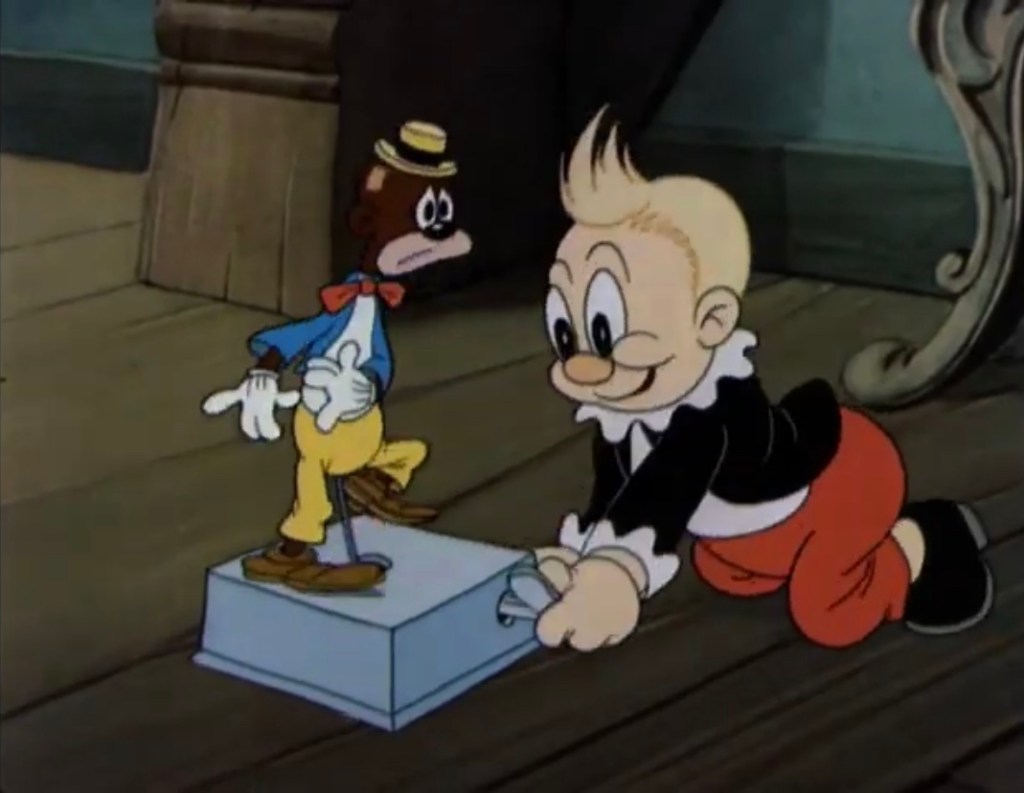
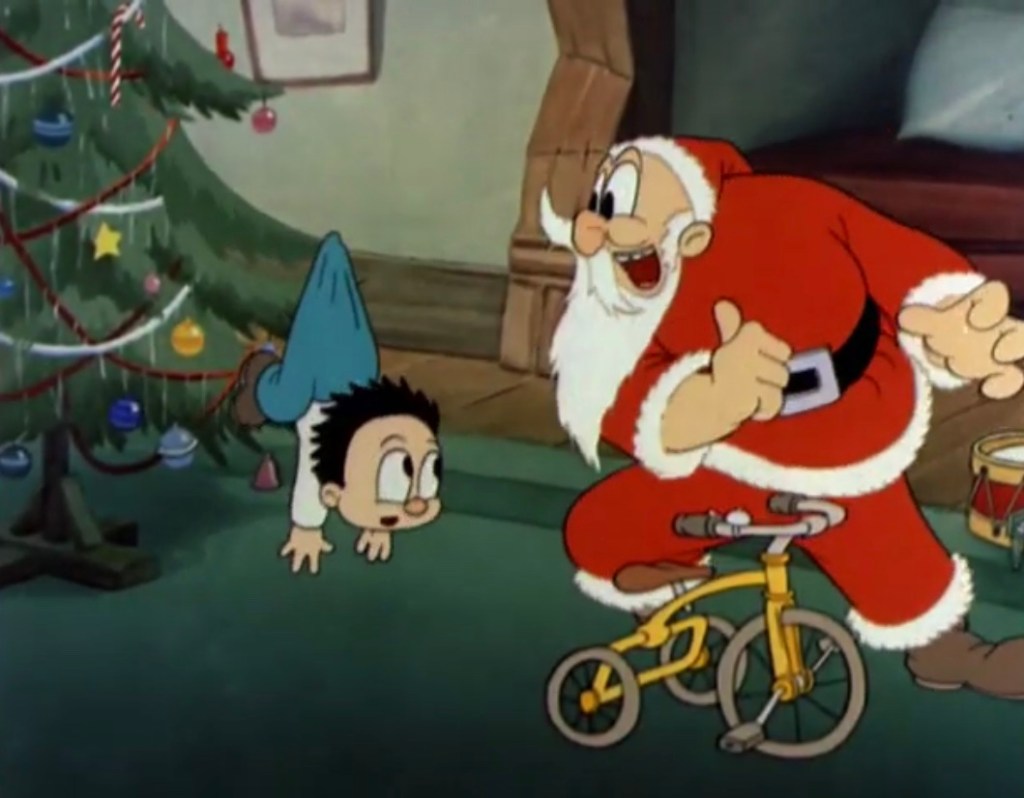
Silver continues his jaunty celebration and then turns his attention to the blond boy (I don’t know which is Hans and which is Fritz) who is playing with a dancing, marionette, toy. Unfortunately, the toy is horribly racist so there goes our Christmas miracle. And then to rub salt in our eye wounds, Silver starts shooting at the toy’s feet to make it dance more violently which is in incredibly poor taste (what little I know of this comic strip though makes it apparent there’s a lot of problematic elements that wouldn’t fly today). The other pirates watch from the window as Silver continues to get out of control even swiping a tricycle from one of the kids declaring it’s his turn to play with it.

Look at this asshole! It’s not enough to steal the kid’s bike, he’s gotta hang him from the tree too.

Silver rides around the room on the bike, and while he does he gets a reprimanding look from a jack-in-the-box which is rather clever. He ends up crashing into a bunch of toys though and winding up on some horse toy. The pirates outside make a reference to The Lone Ranger as Silver continues to smash through the house leaving carnage in his wake. He eventually comes to rest atop a pile of broken toys and the remnants of the family’s Christmas tree. As he has a good laugh, he looks around and realizes he’s the only one laughing.

I hope you’re proud of yourself, Impostor Claus!

The kids, devastated that Santa showed up only to destroy everything, are weeping and Mama looks distressed as well. Silver immediately starts to feel bad as he’s soon accosted by his inner child who appears beside his head similar to the old devil/angel gag. As the child berates him, he soon begins to sob as he realizes he’s ruined Christmas for these lads. The child asks him how he plans to fix this mess and then whispers a suggestion into his ear. Silver immediately perks up and heads out.

I’ve heard of worse ideas, I suppose.

In the snowy town, Silver is pulled down the streets by the cow from earlier. He comes to rest in the center of town, and pulling out a little tuning fork, tells the other pirates he intends to secure those kids a big, barrel, of money. They then go into song, “Hang Up the Holly in the Window,” but the town does not reciprocate with money. John reasons they need to do it better, so they restart the song only this time at a faster tempo and an overall more cheerful vibe.

I think this is what got the crowd on their side.

The townsfolk do not respond in kind to this livelier version and soon start tossing all manner of junk from their homes in a bid to silence the troupe. For some reason, everyone is dressed as Santa Claus too. Eventualy they start throwing larger objects like a piano, freezer, and even a bathtub which the boys have some fun with. As the song moves along, they start getting pelted with toys as they row the bathtub down the street. Soon, they have enough toys to fill the sleigh, and John Silver instructs his would-be reindeer to head back to the house he massacred earlier.

Incoming!

Inside the home, the Captain has joined Mama and the boys as they rush to the fireplace because they hear a commotion. Soon a barrage toys comes rushing in like a tidal wave burying the home in goodies. The kids are happy, and even the adults don’t seem to mind the incredible amount of toys they’ll be stepping on for months.

Well, at least there do not appear to be any racist toys this time.

Outside, John Silver looks through the window and seems quite proud of himself. His inner child from earlier shows up again to congratulate him, and even plants a little kiss on his head. John Silver laughs and appears to be genuinely happy with himself as the short comes to an end.

John Silver gets to be happy with himself in the end, so happy that he imagines a child version of himself giving him a kiss.

The Captain’s Christmas is a simple little short that manages to tell a unique Christmas story. Even though it’s titled The Captain’s Christmas, it’s really John Silver’s Christmas as the trickster and glory hog commandeers the Captain’s surprise and gets to present himself as Santa Claus. He comes across as a jerk, but apparently a well-meaning one as when he realizes he did a bad thing he sets out to make it right. And conveniently, he’s able to and ends up giving the kids an even better Christmas than they would have had, if we’re simply going by the volume of toys they received. It’s fine as a tale, though John Silver is the only worthwhile character as he dominates everything.

They probably should have called this series The Misadventures of John Silver.

The Captain and the Kids may have failed as a cartoon series, but it doesn’t appear as if budget had anything to do with that. It’s quite competently animated by MGM, though the actual short basically forgoes any credits. If IMDB can be trusted, this short was animated by George Gordon, Emery Hawkins, Irven Spence, and Jack Zander, all of whom enjoyed lengthy careers as animators. Future household name Joseph Barbera wrote this one, and as mentioned earlier, Freleng was in the director’s chair. The coloring on the short looks great even today, and I’m assuming no one bothered to remaster this one. I don’t think I’d call any of the visual gags truly memorably, but few stuck out as cliche for 1938 so it at least has an original feel to it.

This cartoon looks good enough, and there’s some solid Christmas imagery as well.

Ultimately, The Captain and the Kids was a failure of a cartoon series and I suppose it’s because it wasn’t truly memorable or stand-out. Everything that is here, be it the music, voice acting, animation, is all fine, but it feels like this was MGM figuring out the medium before going onto bigger and better things. It’s nice though to have a Christmas short that isn’t just two parties battling around a tree or one that’s just a visit from Santa in which nothing exciting happens. There’s some conflict here, a little slapstick, and someone is even moved by the holiday into doing something good. It checks all the boxes, just without any exclamation points.

In short: it’s fine.

It probably will not surprise anyone when I say The Captain’s Christmas is very easy to come by should you wish to watch it this year. Warner Bros. owns the copyright now, but isn’t very protective of it. There’s also no comprehensive release of The Captain and the Kids on DVD, but you can find this cartoon on The Looney Tunes Golden Collection Volume 6 as a special feature on disc two as part of a Friz Freleng spotlight. Since that comes with three other discs of classic Looney Tunes shorts, it obviously comes with my recommendation. If for some reason you don’t want to own Looney Tunes shorts, you can also stream this one for free with minimal effort. Seriously, just type it into YouTube.

Can’t wait until tomorrow for more Christmas? Check out what we had to say on this day last year and beyond:

Dec. 5 – The Weekenders – “Worst Holiday Ever”

When I was a kid, and going as far as back as the 1970s, Saturday morning meant one thing:  cartoons! Usually beginning at 7 AM, all of the broadcast networks came at me with full cartoon force. Now, rarely was I awake that early and programmers seemed to know that. The earliest hours were often…

Keep reading

Dec. 5 – “Don Coyote and the Christmas Bell”

After four relatively solid entries this year, I feel like we need to take a look at something that has the potential to be truly awful. In the 80s and early 90s Hanna-Barbera was still trying to remain current while it moved away from the shoddily animated mysteries and animated sitcoms of its past. Its…

Keep reading

Dec. 5 – The Adventures of Teddy Ruxpin: Winter Adventure

For a brief time in the mid 1980’s, there was a stuffed bear by the name of Teddy Ruxpin who basically owned Christmas. He wasn’t just an ordinary teddy bear, but a bear built around a cassette player with motors in his face. Insert one of his tapes and press play and Teddy comes alive…

Keep reading

Rocko’s Modern Life Season 4

It’s an accepted part of life that all good things must come to an end. Bad things have endings too, but the only endings that are usually painful are the good things. And for Rocko’s Modern Life, it certainly was a good thing that ended perhaps before it needed to. After 52 episodes (100 segments) creator Joe Murray felt it was time to move on. It should be said that it was more of a personal decision in that he just didn’t have anything more to say with the show. He even stepped back some taking on the role of executive producer for the final season allowing Stephen Hillenburg to assume the role of creative director. Murray encouraged the network, Nickelodeon, to continue the show without him, but the network decided not to renew it for a sixth season. This was pretty typical of Nickelodeon as it often didn’t go beyond this type of episode count with its Nicktoons, or really any shows. As a result, Rocko’s Modern Life is one of those shows that feels like it went out on top. There were likely many more stories that could be told with these characters, but they’ll have to remain untold.

The fourth season of Rocko’s Modern Life continues to explore the setting of O-Town and life in the 90s for the main cast. Rocko (Carlos Alazraqui) once again is forced to tackle the mundane and the insane like managing conflicts between friends, rude neighbors, love, ghosts, and even a bout a hypnosis. His gluttonous best friend, Heffer, (Tom Kenny) takes on the role of co-star for many segments and even gets to assume a larger role at times than the star. Filbert (Mr. Lawrence) returns as a married turtle and will get to experience fatherhood this season while the Bigheads (Charlie Adler) are still around to make life miserable for neighbor Rocko.

A theme of the final season seems to be an emphasis on side characters. In this one, Rocko teaches Heffer’s mom how to drive.

The fourth season might be the best looking season of the show. I don’t know if anything changed on the production end, or if it was a case of the masters being better stored, but the DVD release really pops. The colors are deeper than they were on the first three seasons and the animation is quite fluid. It’s perhaps not as gross as the prior seasons, and that could be Hillenburg’s influence as creative director this season. There’s still moments that are somewhat gag-inducing, but it’s definitely not a defining characteristic.

Seeing Heffer, Rocko, and Filbert as O-Town High students doesn’t make much sense, but it does give us one of my favorite scenes from the show involving Filbert and some potato chips.

On the flip-side, this season seems to feature less continuity. We’ll see Filbert become a father in the early season episode “From Here to Maternity,” but afterwords his life doesn’t seem to change a whole lot. There will be times the gang goes to his trailer and it looks like he lives alone. I understand not wanting to be restricted by this development (it would be tiresome to write into every episode who is watching the kids), but there is a disconnect. Similarly, the dog Earl taken in by Bev Bighead seems to disappear this season and there’s a confusing flashback episode in which Rocko, Filbert, and Heffer are depicted as high school students even though Rocko moved to the US during adulthood. These aren’t really things that prevent one from enjoying the show, I just liked the continuity on display in the past seasons since so few cartoons contain such.

This season seems to feature a couple of movie parodies, including this obvious Ghostbusters one.

The show is still wildly funny in many places. I think a lot of fans consider season three of the show to the peak for it, but it’s hard to find any real drop-off with season four. “Sailing the Seven Zzz’s” might be the show’s funniest episode. The plot concerns Ed Bighead and his somnambulism in which he thinks he’s a pirate and makes nights miserable for Rocko. Heffer and Filbert see this as an opportunity to mess with him, and it gets pretty wacky. And speaking of Ed, he basically assumes a starring role in several episodes of this season. My favorite might be “Closet Clown” where we find out Ed enjoys playing a clown, but hides it from everyone. It’s yet another episode of the show that might be dealing with a sensitive subject, such as closeted individuals, but doing it in a very funny, natural, way.

There are a few segments that don’t work as well as others. “Dumbells” gives Gladys the Hippo (Adler) a starring role alongside Rocko in which she gets addicted to the thrill of the childhood prank ding, dong, ditch. It’s okay, but not really an interesting way to shine a light on a one-note character from prior seasons. “Wallaby on Wheels” is another episode where Rocko is trying to impress a girl (he seems to finally be over Melba) that feels a bit too familiar. The same could be said for one of the broadcast finale segments, “Turkey Time.” That one is depicting Rocko’s introduction to Thanksgiving and he invites a turkey home for dinner not realizing the intent is to serve it for dinner. It plays a lot like the episode where Heffer brings an elk home for the same reason. “Turkey Time” then gets extra redundant when everyone in town finds out about Rocko having a party and invites themselves over, which is the same plot as “Rocko’s Modern Christmas.” It does feature one of the racier jokes in the season though when Heffer brings out a turkey for the party and Rocko’s living room is basically decked out like a strip club.

Closet Clown is a funny episode, but might also be scratching the surface of a bigger societal issue.

Speaking of racy jokes, you can’t have a discussion about Rocko’s Modern Life without a discussion of censorship. This season contained one episode that was essentially banned after its initial airing and that’s “Heff in a Handbasket.” In it, Peaches returns whom viewers should remember from “To Heck and Back.” Peaches is the lord of the underworld and he’s tasked with acquiring Heffer’s soul, since he outwitted him before. It’s nothing too salacious and it’s a very silly episode where Peaches rigs a game show designed to steal Heffer’s soul, only Heffer is so stupid that he keeps messing it up. It’s a funny episode, so it’s a shame it got kicked off the air, and I guess it got the boot simply because part of it is set in a version of Hell.

Unlike a lot of cartoons, Rocko’s Modern Life did get a proper series finale. The segment “Future Schlock” is the intended finale, though the Thanksgiving episode aired after it to line-up with the actual holiday. Most of the episode takes place in the future when Filbert’s kids find a banana in the refrigerator of Rocko’s abandoned house and bring it to their eldery-looking (but only 38 year old) father to find out why anyone would put a banana in the refrigerator. Much of the episode from there is a flashback, but I enjoy the fact that it displays Filbert’s contempt for Heffer which is something that seemed to be rising with each season (though Filbert in general got a bit nastier, see him try to sacrifice Rocko for a wig in the segment “Rug Birds”). The show ends with the whole gang getting mistakenly blasted-off into space and the Netflix special Static Cling from 2019 actually picks up where the episode leaves off and you’ll definitely hear my thoughts on that before the summer is through.

The plot for the final episode is set in motion by an old banana.

The DVD for the fourth season of Rocko’s Modern Life is a lot like the other three. It’s essentially just the episodes presented in broadcast order. It would have been nice if they could have been arranged in production order for this season, since it has a proper ending, but it’s not a big deal. The only special feature is a video recording of a fan event from 2012. Hosted by voice acting legend Rob Paulsen, it’s a gathering of the main cast of the show for a reading of “Wacky Delly Part 1” and it’s quite a bit of fun. After the script is read, they also talk about the show and share their thoughts on everything. It’s crazy to think this was recorded 8 years ago at this point, but everyone sounds great and I enjoyed it more than I thought I would.
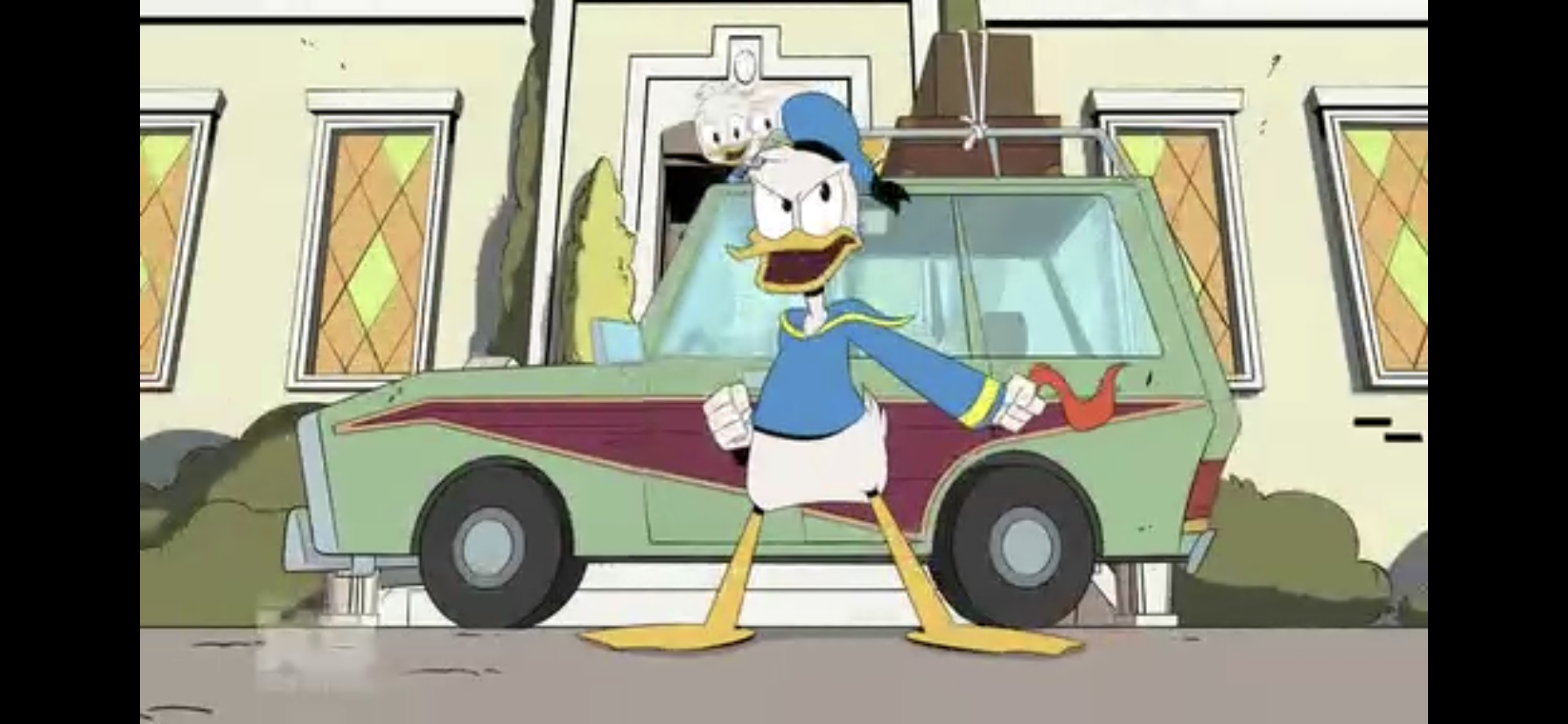
If you liked Rocko’s Modern Life or have all three seasons up to this point, then there’s absolutely no reason not to own season four. It’s a little different, but still plenty hilarious, wacky, and silly. Some characters get more of a spotlight shined on them so if you had a favorite side character from before then maybe you’ll be pleasantly surprised by their inclusion here. There’s just a great chemistry between the characters in the show and the people behind the image that shines through. Joe Murray and his team can be proud that they created a cast that could work in almost any setting because they’re interesting, funny, and even sympathetic. Reliving this fourth season has me wishing even more than I already was for more content down the road. I don’t know that any will ever come, but it doesn’t hurt to hope.


Rocko’s Modern Life – Season Two

rocko_season2

The second season of Rocko’s Modern Life premiered on September 25, 1994.

A few weeks ago I wrote about my reintroduction to Rocko’s Modern Life via the show’s first season. Rocko’s Modern Life was a favorite of mine as a kid, and if you had asked me to rank the Nicktoons back then it would have gone something like this:  The Ren & Stimpy Show, Rocko’s Modern Life, followed by who cares? Those two cartoons were so far above the others that they didn’t feel worth mentioning. Sure, Rugrats and Doug were fine for what they were, but they weren’t appointment viewing for me. And after a few years, none of them were as I felt I had aged out of them. I was a young, dumb, kid though and upon revisiting such works I’ve come to find that, if anything, I’ve aged into a show like Rocko’s Modern Life.

What separated Rocko’s Modern Life from the other shows was that emphasis on the mundanity of life itself. Rocko was challenged by simple tasks such as laundry, household cleaning, commuting, work, and all of those others things we as adults have to deal with that we really take for granted as children. Rocko’s difficulties encountered with these tasks are obviously exaggerated for comedic effect, but like all good comedy there is still an element of truth to all of it making the show arguably more relatable for an adult than it is a child.

rocko_filbert_wedding

Like Season One, Season Two of Rocko’s Modern Life is surprisingly topical in 2020.

When it came to Season One of the show, I was delighted by the humor aimed at adults. I remembered the Milk-O-Matic gag as a kid in which Heffer, a steer, is masturbated by a mechanical milking machine and knew there was humor in this show that really only older kids and adults would understand. That type of humor is more of a shocking variety of humor, what I had forgotten is the more nuanced approach such as the episode where neighbor Bev Bighead tries to seduce Rocko because her husband doesn’t make her feel attractive. It’s a pretty adult concept to try to base a cartoon intended for children around, and it’s even affecting in turning Mrs. Bighead into a sympathetic figure. And yes, there’s still plenty of physical comedy in that episode and all of them.

As I approached Season Two of the show, I was hoping for more of that style of story-telling:  mature in concept, but accessible for all via the physical comedy. And for the most part, Season Two really delivers. It starts off with a heavy hitter in the two-part “I Have No Son” in which we learn the Bigheads have an estranged son named Ralph (Joe Murray) who long ago disappointed his father by not accepting a job at Conglom-O where Ed worked. A father being so ashamed and disappointed of his son that it causes him to disown him is a pretty heavy subject for the show to tackle because it’s also a very real thing that happens. Ed looks down on Ralph for his wanting to be a cartoonist, but you can substitute that with pretty much anything and the episode would still work. And even though Ralph has found tremendous success with his cartoon The Fatheads (which is clearly inspired by his parents), he still hasn’t earned his father’s approval.

the_bigheads_reunited

The story of Ralph Bighead kicks off the second season.

The premiere is a pretty weighty episode to kick things off, but it manages to handle the delicate material with the show’s usual brand of humor. It does struggle a bit to fit it all into one episode and the resolution feels a bit rushed, but it’s still quite the achievement. The rest of the season will balance the absurd wackiness of Rocko’s world with actual real world issues and problems. Bev Bighead has to break the glass ceiling, so to speak, and go to work in one episode and another deals with Rocko having to thwart immigration officials who want him deported for an expired green card. That episode might actually hit too close to home for some given the current climate surrounding immigration in the US. A particularly heartfelt episode is “Tickled Pinky” in which Rocko deals with the fear of surgery when he finds out he needs to have his appendix removed. It turns into a story where Rocko meets a personified version of his appendix, named Pinky, via a dream. Rocko, in a bid to cheer up Pinky since he’s essentially about to die, takes Pinky out to essentially check off a bucket list of experiences for Pinky to enjoy before his time is up. It’s surprisingly sweet and it left me wishing I had thought of this episode when my own little boy had to have his tonsils removed.

Season Two is also not without its dose of more crass humor. The episode “Born to Spawn” basically deals with Filbert’s (Mr. Lawrence) desire to mate, though that part of it isn’t spelled out. It’s pretty funny though with that context in the back of your mind. In “Hut, Sut, Raw” Rocko, Heffer (Tom Kenny), and Filbert go camping and leave the confines of a modern camp ground to rough it in the woods. The DVD is censored to remove a scene where Rocko picks berries off of a bush, only to have a bear scream and run out from behind it implying that Rocko just picked one the bear’s “berries.” The final cartoon, “Eyes Capades,” revisits the old white lie of Rocko’s eyesight going bad due to too much “jacking.” In the context of the episode, the jacking is Rocko practicing for a jackhammer competition that’s basically figure skating on a jackhammer, but it’s obvious the episode is playing off the notion that masturbation in a young boy can cause blindness.

hqdefault-18

This is the season that features the Christmas episode basically making this a “must buy” for Christmas nerds like me.

A welcomed trend established by Season Two is that this show, unlike many other cartoons, actually has some semblance of continuity. Past episodes are referenced and new characters like Ralph will show up in later episodes at peace with his parents. The cartoon “Short Story” contains the most references when Really Really Big Man details Rocko’s good deeds and accomplishments for him in a bid to build him up. The episode “Rocko’s Modern Christmas” (which has been featured during The Christmas Spot) is the first episode to really bring the whole cast together when Rocko attempts to throw a party that everyone in town wishes to attend. It’s really satisfying to see the writers opening up the world of O-Town and incorporating a lot of these side characters.

In terms of missteps, there are few. The animation is as good, if not better, than the first season and the performances by the voice actors are all tremendous. Especially considering how much screaming is sometimes required of them. There are three oversized episodes in this season, which are episodes that dedicate both halves to one story and they are:  “I Have No Son, “Rocko’s Modern Christmas,” and “Cruisin’.” Of the three, only “Cruisin'” felt like it didn’t really need the extra time. It’s a bit of a weird episode in which Rocko and Heffer take Heffer’s grandfather on a cruise for old people (or rather, they got stuck on the boat by accident) and the ship enters the Bermuda Triangle making all of the old people young and the two young people old. It gives Grandpa a do-over with an old flame, a relatable and pretty adult plot, but one that struggles to remain interesting.

b-52s

Kate Pierson (left) and Fred Schneider (second from left) of the B-52’s were brought in to re-do the theme song. Their version would remain for the rest of the show’s run.

In terms of personnel, much of the folks involved with the first season returned for the second. Stephen Hillenburg was around to oversee everything as showrunner and creator Joe Murray still received several writing credits and remained involved. Doug Lawrence, also known as Mr. Lawrence, stepped back from directing, but still has a few writing credits. Some of the newcomers include directors Alan Smart, Pete Michels, and Howy Parkins. All would make future contributuons at Nickelodeon while Michels would go on to direct several episodes of The Simpsons and Family Guy. Voice of Rocko, Carlos Alazraqui, even received a writing credit for “Gutter Balls,” one of two writing credits he’d receive on the show. Considering that episode has four credited writers, I’m assuming he must had ad-libbed something that was considered large enough to warrant a credit. The only major change between seasons is the theme song which was reworked by Pat Irwin and re-recorded by Kate Pierson and Fred Schneider of the B-52’s. It’s still fine, though I miss the swank of the first season’s theme.

rocko_pilot

The pilot of the show is contained on this set and is notable for featuring a yellow Rocko.

The DVD release of the first season of Rocko’s Modern Life had the dubious honor of not containing any bonus features. Joe Murray was quite willing to contribute to these releases and for Season Two Nickelodeon at least made some effort to add a little extra, though not much. The original pilot of the show “Trash-O-Madness” is contained here. It’s not much different from the episode that made it to air, but it’s cool to see the original version of the show. There’s also a collection of segments hosted by Murray where he shares the ideas behind the show’s core characters while also demonstrating how they’re drawn. He doesn’t reveal any bombshells or anything, but it’s worth a look. That’s, unfortunately, all that there is for bonus material which means there’s no commentaries and no options to view the episodes uncensored.

Rocko’s Modern Life is a great cartoon series and I’m happy to say the second season is just as good as the first. The show definitely embodies that 90’s spirit of being a bit manic, loud, and certainly gross, but it also includes a surprising amount of heart and relatability as well. In some ways, it’s the perfect children’s cartoon because there’s plenty here to entertain a 7 year old while also keeping mom and dad engaged. And pretty much all are guaranteed to find something to laugh at as well, or be charmed by, or both! I’ve enjoyed it enough that I definitely intend to binge Season Three and report back here on how well I think it compares with the first two seasons, so stay tuned!


Rocko’s Modern Life – Season One

rocko_season_oneThe late 80s and early 90s were such a fun time for cartoons. Television was rapidly expanding and there was huge demand for content for both children and adults. People who had grown up on Looney Tunes and Tom and Jerry were also making the cartoons and wanted to do better than what had become the standard for television animation. Disney got the ball rolling by injecting more money into the animation and overall production for its shows. In the process, the company proved that it wasn’t as big a risk as some thought to go straight for a syndicated order of episodes because there was always room for more cartoons on television. Other artists also started getting opportunities to create better and more diverse cartoons. These were actually funny and largely felt like a response to the very dry and formulaic works put out by Hanna Barbera and Dic.

Nickelodeon was one of the first cable networks to really go after children. It was somewhat of a contrast to its sister channel, MTV, which was going for a teen and young adult audience with the obvious focus being music. MTV grew more experimental as the years went on though and it even started airing animation. Up until that point, Nickelodeon was largely a network consisting of low budget live-action programs like You Can’t Do That on Television as well as re-runs of old general audience programming (Dennis the Menace, Flipper, etc.) with classic sitcoms at night. The only cartoons really being shown were Looney Tunes and some children’s animation the network licensed such as The Little Koala and David the Gnome. Parent company Viacom was seeing the success the big networks were having with exclusive children’s content and also with the stuff being made for MTV and decided it was time for Nickelodeon to get into the cartoon business.

games_animation

Games Animation was created so that Nickelodeon could keep production of its Nicktoons in-house.

The Nicktoons were born of this creative desire. The network sought upstart creators and basically gave them free reign to create a show that Nickelodeon would air as part of a block on Sunday morning. Saturday morning was the domain of the broadcast networks, but Sunday was essentially ripe for the taking especially as fewer and fewer families were spending the morning at church. The block launched in August of 1991 with three brand new cartoons:  Doug, Rugrats, and The Ren and Stimpy Show. The construction of the block is interesting in that it began with a very grounded show about a middle-school aged kid in Doug, then went to a more imaginative show where babies go on adventures largely created in their own head, to the surreal and more classically constructed comedy show with Ren and Stimpy. The block was a huge success virtually guaranteeing future Nicktoons. It’s debatable which was more impactful, Rugrats or The Ren and Stimpy Show, but the latter definitely seemed to be the most influential on subsequent Nicktoons. Problems with that show also caused Nickelodeon to go ahead and found its own animation studio:  Games Animation.

rock_cast

The main cast of the show (left to right): Rocko, Spunky, Heffer, Bev Bighead, Filburt, Ed Bighead.

The first show launched by Games Animation was the Joe Murray created Rocko’s Modern Life. Premiering in the late summer of 1993, Rocko’s Modern Life was the fourth Nicktoon and first cartoon to be added to the lineup since its premiere two years earlier. It was a pretty big deal to have a new Nicktoon, and it also completed the Sunday block making it an even two hours. Joe Murray had wanted to make an independent film called My Dog Zero and only when Nick passed on that did he turn to Rocko. Rocko was originally conceived as a comic, but Murray wasn’t able to find anyone willing to publish it when peddling it around in the late 80s. He pitched the concept to Nick when it passed on My Dog Zero expecting them to pass, but hoping they’d at least give him some money for a pilot that he could put towards his passion project, My Dog Zero. Nickelodeon ended up not only commissioning a pilot, but also a 13 season order. After largely animating the pilot himself (“Trash-O-Madness”), Murray found himself in the unfamiliar role of a TV creator and director with a staff of over 200 people split between the US and Asia.

rocko_brain

Plenty of classic animation gags are relied upon such as Rocko’s brain constantly jumping out of his head when he screams.

Rocko’s Modern Life would run for 4 seasons totaling 52 episodes (100 segments). During its run it helped further the careers of some pretty important people. It basically launched the career of voice actor Carlos Alazraqui (Rocko, Spunky) who went on to star in other Nicktoons as well as many Cartoon Network originals. Charlie Adler was already a name familiar to cartoon fans at the time, but his portrayal of the husband and wife duo Ed and Bev Bighead really showcased his talents as he often would record the duo’s interactions with each other in one take. It’s hard to imagine him being entrusted to perform the roles of Cow and Chicken for the show Cow and Chicken without the Bigheads. Tom Kenny was also cast as Heffer Wolfe and he is likely best known now as the voice of SpongeBob SquarePants. And it isn’t just Kenny who went on to star there, the first director hired by Murray for the show was the late Stephen Hillenburg who went on to create the aforementioned SpongeBob SquarePants.

rocko_sucker

Many episodes contain Rocko tackling a common task only with disastrous results.

The first season of Rocko’s Modern Life consists of 26 segments spread across 13 episodes. In this current climate of increased television time, I decided to take a trip down memory lane with Rocko and his buddies. A local retailer, Bull Moose, specializes in media such as music, games, and movies and I sometimes take a stroll through its retail location in nearby Salem, New Hampshire. It’s a great store that fills a niche that has been all but abandoned by most retailers. The current COVID-19 pandemic has shuttered all such spaces, but Bull Moose continues to operate as an online space. More importantly, the company continues to pay all of its employees which is an incredibly noble gesture and one that should be emulated by other companies. I wanted to show my appreciation for that by spending some money at the website, which is how I ended up with the complete Rocko’s Modern Life collection. In truth, this was a long time coming as I wanted to reconnect with the show. I see it sometimes on one of Nickelodeon’s channels, but the network seems to re-air a lot of the same episodes over and over. I also was originally holding off on buying this series as I hoped an uncensored version would arrive some day, but I have since given up on that.

Which is a good thing, because my re-watch of the first season could not have gone much better. Rocko’s Modern Life is a show about a wallaby named Rocko who has recently set out on his own in a 90s world. He’s an immigrant from Australia living in the US in the fictional town of O-Town, basically an every town USA concept. The show does not expressly state how long he’s been in the US, but long enough to have formed close bonds with friends Heffer and Filburt (Mr. Lawrence). Rocko lives alone in a small house with his happy, but dim-witted, dog Spunky. He works as a clerk at a comic book shop and he’s basically just struggling to get by. Many episodes focus on the mundane, like taking out the garbage or doing the laundry, but things go wrong with Rocko often remarking “[Blank] Day is a very dangerous day.” Episodes of the show are mostly stand-alone, but there is some semblance of continuity from one episode to another. We see Rocko get fired from one job and hired at a new one, characters reference past experiences, and eventually we’ll even see Filburt enter into a relationship with another character.

love_spanked

Each episode is introduced with a hand-painted title card.

As a children’s show, Rocko’s Modern Life packs enough laughs to satisfy most kids, especially early 90s kids who had spent the past two years with Ren and Stimpy. It’s a disservice to call Rocko’s Modern Life a Ren and Stimpy clone, but both do love to indulge in gross humor. There’s lots of boogers, drool, farts, and vomit gags in this cartoon. Rocko and his friends are also prone to screaming with exaggerated results such as eyes popping out and brains bursting out of a skull. It’s a visual treat for those who enjoy physical comedy in their cartoons, especially cartoons that really take advantage of what the medium can do. It also allows the show to go to wild locations with Heffer spending an episode in “Heck” while Rocko gets to visit many different locations such as the beach, the movies, a plane, and so on. The show also possesses some surreal qualities such as the episode “Flu-In-U-Enza” where Rocko as a fever dream in which his vomit comes to life to coach him through his illness. Most of the world is also slanted with lines going to great lengths to not meet up. It’s a very stylized show, with good animation and colors.

bev_seduction

Bev Bighead is one of the break-out stars in Season One. Her attempts to seduce Rocko in “Leap Frogs” is a real highlight of the first season.

Where Rocko really separated itself from its peers though is in its depiction of everyday life. Rocko being short on money and newly set free from adolescence makes the show extremely relatable for anyone in a similar situation or who has gone through it. Stretching a paycheck, managing responsibilities, taking care of yourself – these are things many of us only really become attuned to when we’re out on our own. Most can probably recall a gag or two from this show that went over their head at the time, only to have it make sense later on. Some of the plots are also very adult in nature with perhaps the best example being “Leap Frogs” in which Bev Bighead feels unwanted by her husband. It’s almost like a Simpsons plot or maybe even a sitcom as Bev tries to then make herself attractive to Rocko in hopes of making her husband jealous. It’s a really fun and interesting episode that was eventually deemed too adult and was pulled from Nickelodeon’s regular rotation.

Rocko’s Modern Life is profoundly funny in its writing, acting, and direction, but it also has some value to impart on its audience beyond that. It’s never preachy, and it also never feels like an arbitrary quota for educational content was in play, but nevertheless some episodes are beneficial for its younger audience in ways beyond mere entertainment. “Who’s For Dinner?” deals with adoption and the emotions one goes through when they first discover they’re an adopted child. Rocko is also a role model character for just how loyal and unfailingly kind he can be. He is at times meek to a fault, but learns to stand up for himself when the world really tries to screw him over. He is patient towards buddy Heffer, who in turn is a harmful glutton mostly oblivious to how harmful his actions are for Rocko. He does have his own reckoning in “To Heck and Back,” though his behavior doesn’t really change much following the episode.

heffer_milk_machine

Sadly, we’ve been deprived of Heffer’s romantic tryst with a milking machine. The full clip can be easily found on the Internet, but it would have been great to have the original toon restored.

As mention previously, there is some censorship when it comes to Rocko’s Modern Life. Often, the show got away with a lot and the episodes made it to air without controversy, only to be edited later. That’s true with the episode “The Good, The Bad, and The Wallaby” where a segment involving Heffer, a male, getting hooked up to a milking machine has been removed. My understanding is the segment wasn’t restored largely because it can’t be cheaply. When these shows were edited for air, no one had the foresight to think money could be made down the road so they just edited the masters and basically lost the footage forever. The episode was released on VHS unedited so they could have transferred it off of that if they were willing, but that didn’t happen. Future edits would be made to the show, such as rebranding the restaurant The Chokey Chicken as The Chewy Chicken, but Nickelodeon didn’t have anyone go back and remove the offending name from prior seasons.

The DVD release of Rocko’s Modern Life – Season One is bare bones. It was originally released by Shout! Factory on two discs with no bonus features. It’s also arranged in airdate order, which is not the preferred order to watch the episodes. The compilation release put out in 2018 containing the whole series is the same. It would have been fun to hear some commentary tracks by Joe Murray and some of the other creative people involved, but oh well. The episodes really stand on their own though, and Season One is the only season to feature the original theme song which I prefer to the one performed by the B-52’s in the subsequent seasons. Season One is also incredibly strong and it might be my favorite season of the show, but that remains to be seen as I work my way through the show. As a kid, The Ren and Stimpy Show was always my favorite of the Nicktoons, but as I get older I find Rocko’s Modern Life has taken over that throne. It’s funny, manic, and very 90s in its style and presentation, but also surprisingly relatable. I’ve had a hard time shutting it off and it’s been a real crowd pleaser in my home of four. Hopefully my enthusiasm continues and I come back and tell you how much I loved Season Two and beyond.


The Batman TAS Episode Ranking – Part 3

did22Welcome back for the third installment in the Batman: The Animated Series episode ranking. This week, we’ll be taking a look at entries 59 through 40. As a reminder, this feature encompasses all of the episodes produced under the banner of Batman, The Adventures of Batman & Robin, and The New Batman Adventures which are collectively referred to as Batman: The Animated Series. If you wish to view my thoughts on the episodes as a whole each episode here is linked to the write-up. If you prefer to explore more, simply head on over to the index page for all things BTAS. We’re well into the real meat of the series at this point and none of the episodes we’re going to cover today are bad, but actually quite good. We just haven’t quite hit the “great” just yet. Let’s start with entry number 59:

59 – Paging the Crime Doctor

Sometimes, this show attempted some really grounded plots that could be applied to almost anything. Often times, Dr. Leslie Thompkins was a featured player in those episodes and she is in this one. When Rupert Thorne needs a surgical procedure, he turns to his doctor brother to help him out. Due to Thorne’s crime links, Mathew Thorne lost his license to practice medicine and is now basically just a mob doctor for his brother’s syndicate. Needing help with the surgery, he’s forced to turn to Leslie who was a classmate with him in med school, along with Thomas Wayne. Thorne’s men kidnap her, and it’s up to Batman to uncover the mystery. Probably not a favorite for children since it doesn’t feature a ton of action or a bigger rogue personality, but as an adult I enjoy it for the drama. It’s also aided by one of the best endings to any episode in the series.

FearofVictory58 – Fear of Victory

Scarecrow is back to put his fear toxin to use once again, this time to take down popular athletes at the university that wronged him years ago. Robin is along for the ride as he attends school at the same institute and it’s he who gets a dose this time of the Scarecrow’s gas. It’s very similar to “Nothing to Fear,” just with the role reversal of Batman for Robin, but it’s rewarding to see Batman try to coach Robin through it since he experienced the same. It’s also the debut for the second version of Scarecrow which looks far more terrifying than the first, which is partly why I prefer this one to “Nothing to Fear.”

57 – It’s Never Too Late

Another very grounded tale, and perhaps with a PSA message embedded in it about drugs. Arnold Stromwell is forced to confront his past when his son goes missing. He blames his rival Thorne, but it will take help from Batman and Stromwell’s preacher brother to get him to see the error of his ways. It’s quite heavy-handed, and again it’s an episode I really wasn’t into as a kid. As an adult though, I definitely like these dramatic episodes more as it’s nice to see Batman in a more relatable setting rather than bashing clowns and ice men.

960-2

Captain Clown, we hardly knew ye.

56 – The Last Laugh

The title is an obvious indicator that this is a Joker episode, but I’m happy to report it’s not as final as it makes it seem. This is the one where Joker uses a floating barge of poisonous garbage to poison Gotham on April Fool’s Day, and it’s up to Batman to stop him. There are lots of humorous bits and a few bad puns, but it’s mostly entertaining. Also entertaining is Batman’s battle with Captain Clown, a Terminator-like robot who is quite difficult to bring down.

55 – Double Talk

The Ventriloquist Arnold Wesker gets a shot at redemption, like many other villains before him and still to come. The story presented here is almost heart-breaking, as the gentle natured Arnold is shown making a real attempt to get over his other personality, Scarface. It wouldn’t be much of an episode if he did though, and he’s taunted into thinking he’s still insane and under Scarface’s influence. It’s actually a bit heart-breaking to watch, and Batman really could have done a better job of helping the guy out, but I guess maybe he really wanted to bust the ones responsible or something. It has a nice ending though, and since we never see Scarface return after this one I guess we can assume old Arnold finally did overcome his demons.

54 – Baby-Doll

This one is a bit odd, but it manages to pull off the creation of yet another sympathetic villain. This time it’s Baby-Doll, the former actress afflicted with a disorder of some kind that basically makes her resemble a child well into adulthood. She once had a hit show, but now it’s gone, and she’s never learned to cope. It’s a bit crazy as it’s hard not to think of similar real life examples of people in her situation becoming mobsters and finding the image too hard to believe, but it pulls itself together in the end and delivers a conclusion that’s tragic and affecting.

cross blades53 – The Demon’s Quest: Part II

Two-parters in this show are often quite similar: tremendous build in the first part, a bit of a fall-off in the second. “The Demon’s Quest” suffers the same fate as the first part is a fun mystery, but it’s solved at the end in dramatic fashion. When the second begins, the drama is quickly doused and it just becomes a drawn-out sequence leading to a Batman and Ra’s al Ghul confrontation. There’s also an extremely well-placed Wayne Enterprises building literally in the middle of the mountains for no reason other than to be a deus ex machina for our heroes who were stranded in the cold. The episode at least looks great, and the battle at the end is solid.
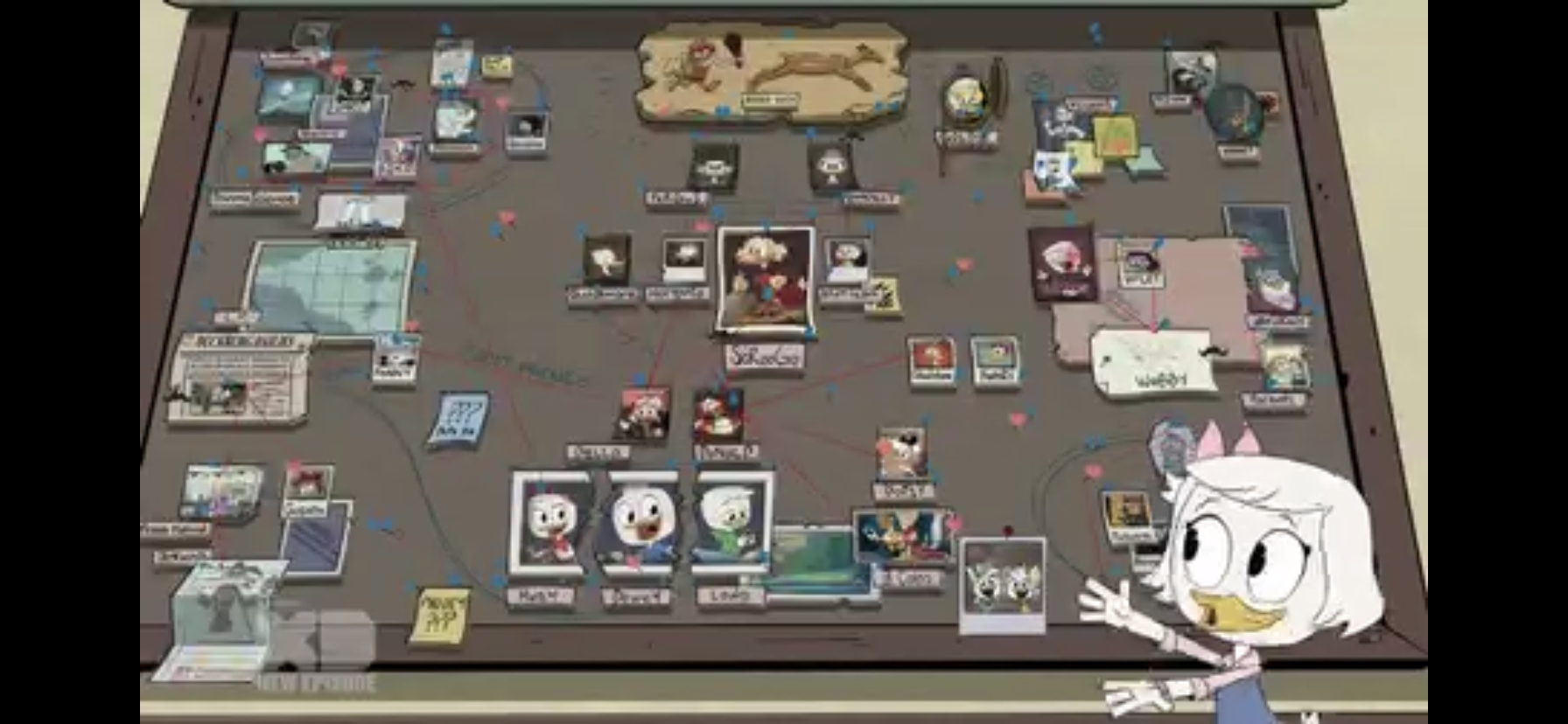
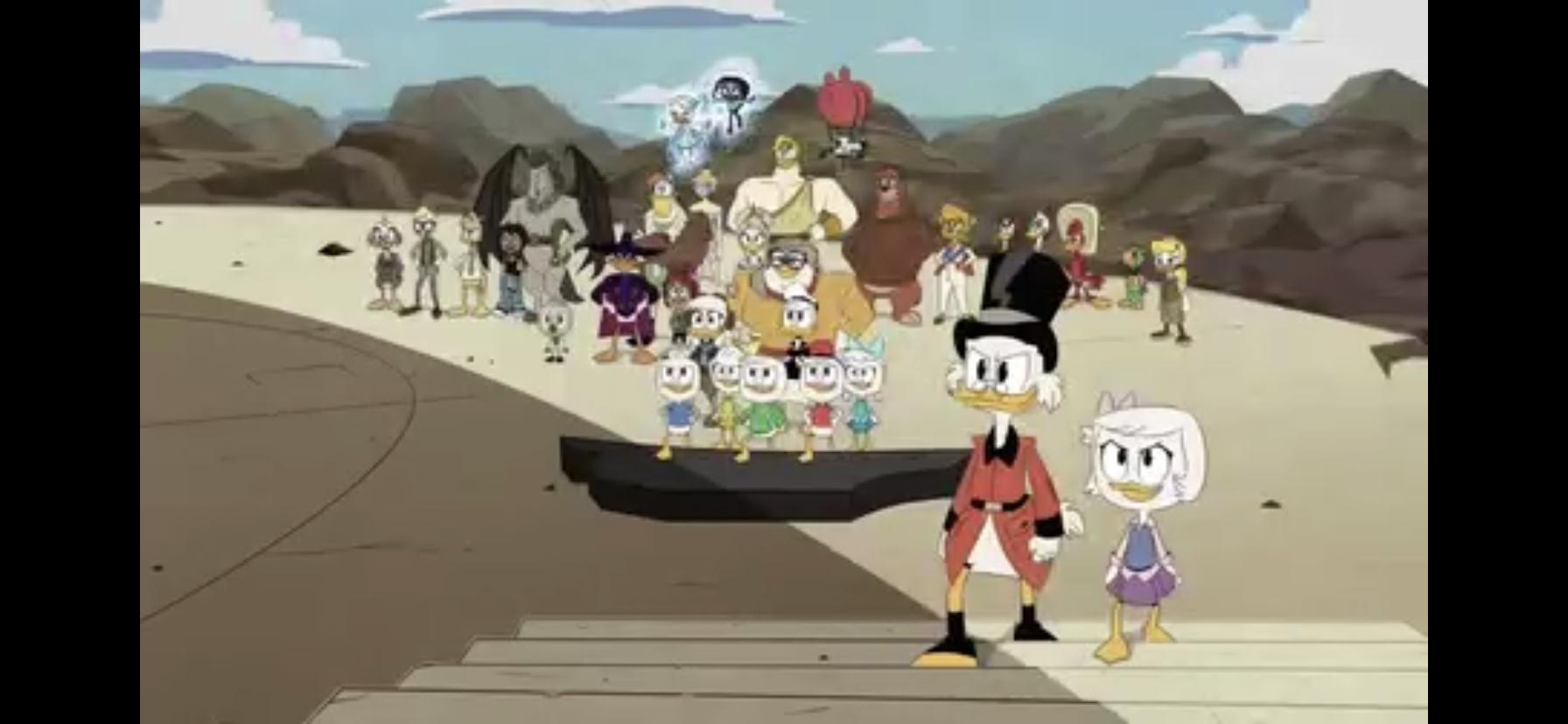
52 – The Mechanic

In a bit of an adaptation of Batman Returns, we learn how the Batmobile was conceived and also how its mechanic can be used to get at The Dark Knight. The Penguin is able to figure out who works on the Batmobile after a destructive confrontation with it following a heist gone wrong, and he uses that info to take the mechanic and his daughter hostage and sabotage the Batmobile. Just like in the movie, Penguin gets to control it via remote while Batman and Robin are trapped inside it unable to regain control of the vehicle. The episode is able to make the mechanic, Earl, rather crafty in how he passes along info to Batman that basically tells him what he needs to know. Once that is done, it’s just the simple matter of taking down Penguin who has proven to be one of Batman’s least formidable rogues.
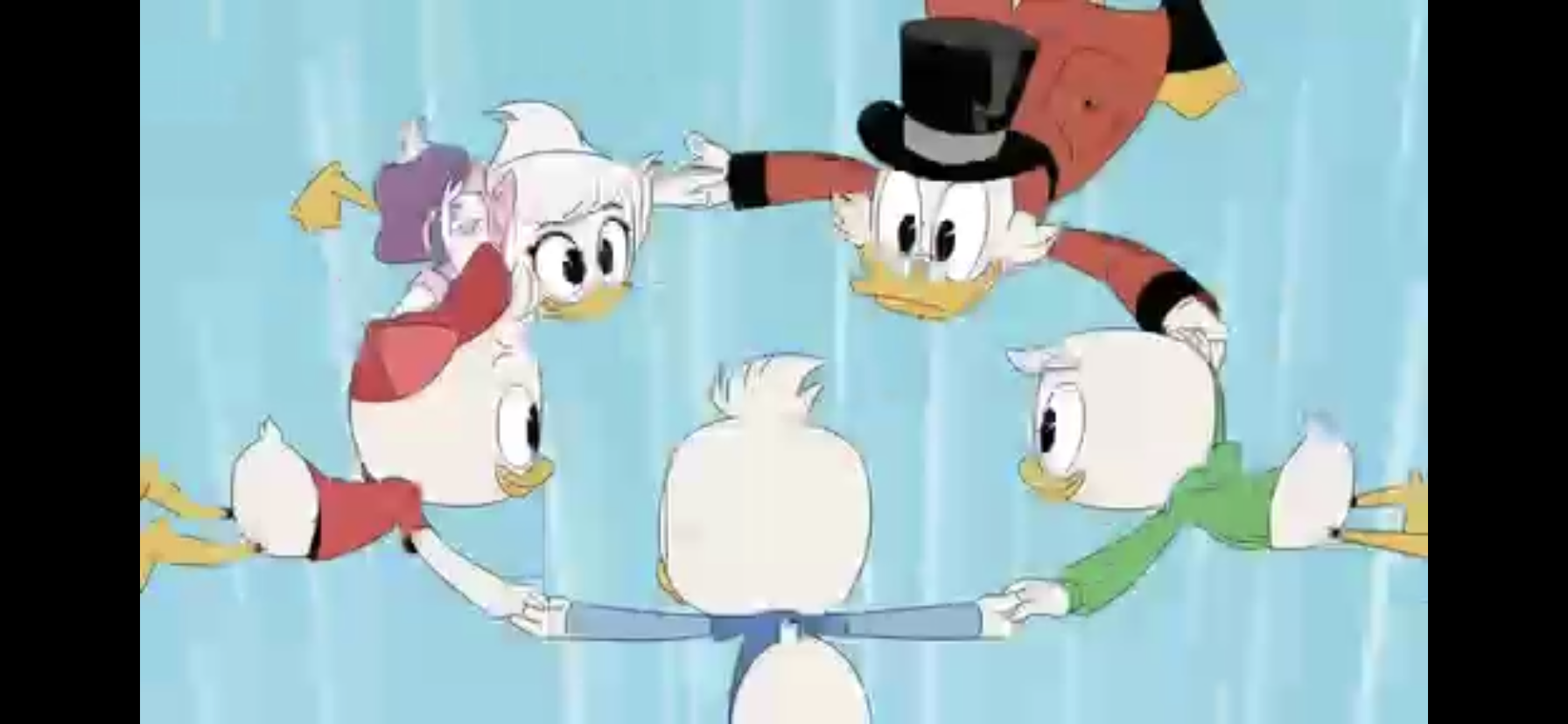
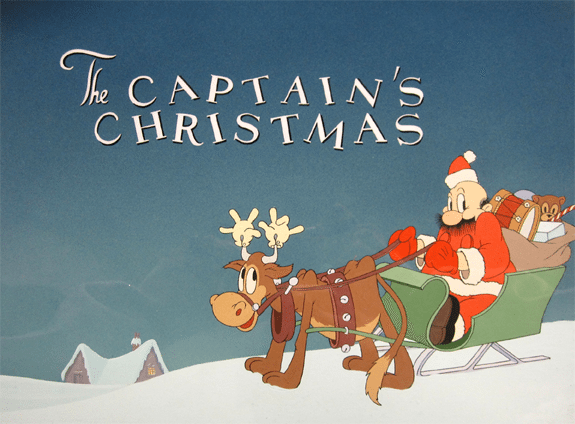
30-251 – Appointment in Crime Alley

The debut of Leslie Thompkins feels almost like a day-in-the-life piece about being Batman. Roland Daggett is trying to commit arson on a neglected part of Gotham derisively referred to as Crime Alley. Leslie is a bit of an idealist looking to take back this part of Gotham from the ruffians as it is also home to Gotham’s poorest citizens, many of him are ordinary, good, folk. Batman catches wind of Daggett’s scheme and he has to put a stop to it, all while making sure he doesn’t miss the appointment referenced in the title. And that appointment is a personal one for it’s the anniversary of the murder of Thomas and Martha Wayne, and as the movie showed us, Bruce needs to return to that site every year to lay a pair of roses. There’s also a sweet touch in which we find out Leslie was one of the first to confront young Bruce that night via a picture she’s held onto.

50 – Bane

Bane was a 90s invention intended to be Batman’s better in terms of physical ability. He’s bigger, stronger, and far more ruthless. He’s portrayed as a tactician, who for some reason wears a luchador mask. In the show, he’s hired by Thorne to take down Batman and he very nearly does. We learn of his strength as he effortlessly dispatches Killer Croc and then goes onto really mess up the Batmobile. The episode loses a bit of luster in how it ends, and there’s also a ludicrous pro-wrestling quality added onto the fight scene in which Batman rebounds off of metal rails like ring ropes. Bane ends up being fairly easy to take out – you just go after the giant tube connected to his head and wrist. You would think a tactician such as Bane would have found an answer to that little weakness, no?

offbalance49 – Off Balance

The episode that introduced us to Talia, yet another woman whom Batman has an apparent weakness for despite her being pretty tied down to a life of crime. Batman has to retrieve a stolen piece of weaponry in a rather remote area, and it forces him to team-up with the mysterious Talia. During the events of the episode, she discovers his true identity and the two appear to work well as a team – too well. The double cross at the end is hardly a surprise, but it does introduce us briefly to the big daddy, Ra’s al Ghul, setting up for a future confrontation. One aspect of the episode I do really enjoy is the League of Shadow assassins who when caught basically activate a suicide device in their masks. Of course, this being a kid’s show means they don’t actually die, but rather have their minds completely erased.

48 – Mad as a Hatter

Another silly villain who finds a way to work in the confines of this show, The Mad Hatter debuts here and he’s basically just a guy who can’t take “No” for an answer. Jervis Tetch is an expert on mind control who also has a crush on his assistant, Alice. He also apparently has an affinity for Alice in Wonderland and when Alice rejects his advances he uses his mind control device to make her say “Yes.” Since he works for Wayne, the missing Alice does not go unnoticed and Batman is forced to find her and confront the newly christened Mad Hatter. I like this one as it makes a villain out of the type of guy who thinks that just because he’s nice towards a woman he deserves her affection. We’ve all met those types, and most women can probably recall similar, and maybe even some of us were that guy back in high school. It’s just part of growing up, but some take it into adulthood and never are able to understand that women are allowed to like whomever they like for whatever reason. Nice guys don’t finish last, but they aren’t entitled to first place either.

smilingtwoface147 – Two-Face: Part II

The first part of “Two-Face” is one of the best episodes the show did, the second may not be as good, but it’s still damn fine. We learn what happened to Harvey Dent after being horribly maimed in a confrontation with Rupert Thorne. Rather than return to his old life, he rebelled against it. He wants revenge and can’t go on until he gets it, but his moral side is still in play and the only way to make heads or tails of life is for him to literally flip a coin when confronted with a moral dilemma. It’s a tragic tale with almost no joy to be found in what happens, even in the end. It does end on a hopeful note, but it’s never really addressed in a later episode which is unfortunate.

46 – A Bullet for Bullock

Someone wants Detective Harvey Bullock dead, but that’s nothing new. The question is who would go through the trouble of threatening him first rather than simply doing it? Bullock tries to handle things himself, but he’s forced to turn to his rival of sorts in Batman. It’s not the first time the two are shown working together, but it’s the most involved they’ll get and it’s actually pretty entertaining. The two seem to learn a thing or two about the other, maybe not enough to declare they’re friends by the episode’s end, but I think there’s a bit more respect there. And to his credit, Bullock isn’t nearly as adversarial going forward when dealing with Batman. The ending also features a twist that is one of the better pieces of comedy the show ever attempted.

45 – What is Reality?

The Riddler’s return which is more puzzle based than riddle based. This time he’s using a very convoluted virtual reality system to trap important figures in Gotham, namely Commissioner Gordon. It’s certainly different, but what makes the episode work is just how fun it is to watch Batman and Riddler go at it. He’s just the right amount of smug and annoying and his ability to stay one step ahead, until the inevitable end, is rewardingly frustrating. The animators get to have fun with the VR landscape, and the ending is a touch haunting which helps make it memorable. Though like with other episodes, it’s never really resolved and the next time we see The Riddler he’s fine.

HS_II_41_-_Batman

That’s a view of Gordon I never expected to see.

44 – Heart of Steel: Part 2

The Blade Runner inspired first part is pretty interesting and even a touch unsettling. The second part is more straight-forward, but it does for the first time put Barbara Gordon in the driver’s seat as a heroine. No, she isn’t Batgirl yet, but it’s nice seeing the show actually lay the groundwork for her hero-turn down the road rather than just jump right into it. We also get to see Batman fight some creepy robots too, which is also a plus.

43 – Dreams in Darkness

Batman is once again exposed to Scarecrow’s fear toxin, only this time it happens off-screen and we’re left in the dark to start, no pun intended. Batman begins this one as a patient in Arkham Asylum, a place he’s sent many a rogue to. He has to overcome the toxin and convince the doctors there’s nothing wrong with him before he can stop the Scarecrow from poisoning Gotham’s water supply (a scheme that would be adapted for Batman Begins). Along the way we get to see some really unsettling imagery of Batman’s poison-induced nightmares and it’s pretty wonderful, in a terrifying sort of way. The resolution is almost inconsequential as a result, but this one is definitely all about the ride.

calendar girl revealed42 – Mean Seasons

Calendar Girl is one of the better villains introduced in The New Batman Adventures, maybe even the best. Her debut hits all of the right notes as a villain with a seemingly silly gimmick is able to make great use of it in stringing Batman along while the villain is made sympathetic along with the way and in the end. There’s a fun twist to the ending as well that actually just adds a touch more tragedy to the mix.

41 – Judgement Day

A mystery driven episode that does a good job of not tipping its hand along the way, or should I say scale? Maybe not what many envisioned as the final episode of the show, it does at least bring back a memorable villain in Two-Face and also puts Batman all on his own, a fun callback to the first season. Mostly, the mystery aspect just makes it a fun watch as we try to figure out who The Judge is.

joker limo40 – Joker’s Millions

What happens when the joke is on The Joker? This episode is just plain entertaining as Joker finds out he’s inherited a whole bunch of money from a deceased crime boss, only to come to find it’s mostly fake. Before he makes that discovery though, he spends lavishly and alienates his old gal, Harley, in the process. He’s then forced to turn back to crime to make up the money he owes debt collectors which puts him back at odds with Batman. Since the plot involves someone taking advantage of Joker, it feels a bit like “Joker’s Wild,” but it’s done much better. Also, be on the lookout for an amusing Paul Dini cameo.