 As I sit down to write this entry, it is March 1st and we are less than 48 hours away from the launch of the latest piece of Nintendo hardware: Nintendo Switch. It’s an important release for Nintendo as the last console, the Wii U, was a commercial failure. That being so, the Wii U is a bit of an anomaly as Nintendo has been a respected manufacturer of video game hardware for decades. Nintendo’s journey has been a memorable one, starting with playing cards and low-tech plug and play devices to the Game and Watch series, which set the stage for Nintendo as both a game developer and eventually console juggernaut. As such, Nintendo is synonymous with video games (at one point, the word Nintendo was often used by parents as a catch-all term for gaming system) and it’s hard to imagine they’ll ever leave the industry, but if the Switch is a flop then that could be a real possibility.
Before we take in the new, lets look to the past and try and rank all of the Nintendo hardware to be released to a global audience, starting first with the Nintendo Entertainment System and concluding with the Wii U. Maybe a year from now we’ll have an idea of where the Switch will end up among its peers, hopefully towards the front of the list as opposed to the back, but for now we’ll have to settle for what we have. So let’s get started with the consensus worst piece of hardware ever released by Nintendo…
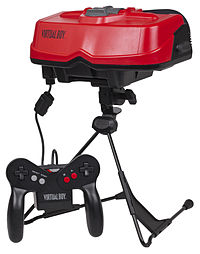
It’s like ROB the Robot for your face.
The Virtual Boy
In 1995, Nintendo apparently felt there was a market for a table-top console you stick your face in. The “Boy” tacked onto the end of Virtual Boy’s name makes it seem like it’s a part of the portable Game Boy family, but it’s about as portable as a desktop PC, and about as fun to play as Claris Works. The Virtual Boy was a piece of crap from day one. It attempted to give gamers a Tron-like experience (I guess?) with vector graphics that only displayed in red and black. The console could supposedly inflict permanent damage on one’s vision. The controller was trying to be forward thinking with twin directional inputs, but we soon learned that we did not need two d-pads on a controller and the practice was never duplicated in a memorable way. To top it all off, the machine launched with an MSRP of $180 which is just insane for 1995. Even disasters like the Sega CD have a certain curiosity factor, so much so that I’ve bought one as an adult just for shits and giggles. The Virtual Boy possesses no such charm, and it’s the only Nintendo system I have never owned.
Notable Franchise debuts: Mario Tennis
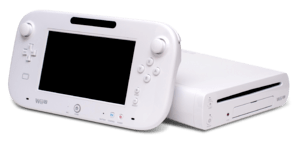
At least the white doesn’t show dust.
Wii U
Nintendo’s latest failure, the Wii U, had some promise, but it never delivered on it. Piggy-backing off of the Wii brand’s more recent success, the Wii U was another under-powered Nintendo console with a tablet for a controller. Off TV play is its defining contribution to video games, but with subpar range for the Gamepad it’s still pretty much tethered to your living room. More so than really any Nintendo console (save for the Virtual Boy, which is a huge outlier in every way to the point that I don’t plan on repeating it throughout this post beyond this very sentence), the Wii U failed to deliver the first-party games Nintendo is known for. There were a couple of okay Mario releases, but no exclusive Zelda or Metroid games (the abomination Freedom Force doesn’t count) or really anything else that was memorable. While it’s true that Zelda: Breath of the Wild is being released on the Wii U, I would guess more people will experience that game via the Switch. Some of its other more notable releases, like Mario Kart 8 and Splatoon, are essentially being repackaged for the Switch as well. Basically, unless you refuse to repurchase some of your Wii U library, the only reason to hang onto it is for the Virtual Console games. At least it was backwards compatible with the original Wii, in a convoluted fashion, though that obviously isn’t enough to help it avoid this dubious ranking.
Notable Franchise debuts: Splatoon
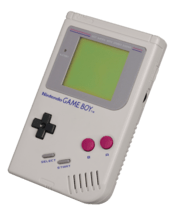
The original Game Boy was hardly form-fitting, but it got the job done.
Game Boy
The Game Boy has the distinction of being one of the best selling pieces of video game hardware of all time. That isn’t really a testament to its quality, but more to its incredible longevity. Released in 1989, the Game Boy was essentially on the market without a true successor until 2001. In that time, the Game Boy destroyed all challengers mostly by virtue of the fact that it did nothing well, but had no flaw that was considered fatal. Sure, it’s monochrome display and absence of backlighting irritated anyone who ever played it, it still managed to find and hang onto an audience because it was often priced well, had good battery life, and was released when the Nintendo brand was at its apex. I know many moms who bought their kid a Game Boy because they viewed it as a cheaper alternative to an NES or SNES, and there was always enough quality software to keep the system afloat. Meanwhile, more superior handhelds were released (Game Gear, Lynx, Wonder Swan, Turbo Express), but they either couldn’t match the Game Boy’s price or software and subsequently died, while the Game Boy lived on. Now, the Game Boy was also chock full of shovel ware, often the worst of the worst in licensed games appeared on the Game Boy and many a kid received some awful games from well-meaning aunts and grandparents for birthdays, but at least there was Zelda, Metroid, and Pokemon to soften the blow. The Game Boy received a slimmed-down redesign in 1996, the Game Boy Pocket. Other than being slimmer and cheaper to power, it also featured a black and white display instead of that hideous yellow/green and black display of the original. Other than that, it was essentially the same and the Game Boy didn’t receive a true redesign until 1998…
Notable Franchise debuts: Pokemon, Wario Land, Kirby, Gargoyle’s Quest
Game Boy Color
Nintendo lumps in the Game Boy and Game Boy Color into the same bucket in terms of reporting sales figures and so on. The Color was modestly more powerful, and obviously possessed a color display, though it was still pretty much a Game Boy. I list it separately only because Game Boy Color games could only be played on a Game Boy Color and not on one of the earlier models of the Game Boy. And since it possessed color, and could play every game in the Game Boy library, it naturally ranks ahead of the original.
Notable Franchise debuts: Shantae

The GBA had a lot of revisions in its relatively short life.
Game Boy Advance
The first real successor to the original Game Boy, the Game Boy Advance felt long overdue. And like the Game Boy, it received a few redesigns during its lifecycle. Compared to the Game Boy, the GBA did not have nearly as long a shelf-life. Even though Nintendo claimed the Nintendo DS wasn’t meant to be a successor to the Game Boy line, it essentially was and by 2006 the Game Boy brand was basically dead. Still, for as short a life as it had, the GBA was a pretty great portable, but its held back by some odd design choices and a lack of truly exclusive software. For starters, the GBA featured just four action buttons: A, B, L, and R. Considering we were a decade removed from the SNES creating the new standard of six buttons, this was a curious omission. It seemed even more odd when the GBA quickly established itself as a dumping ground for SNES ports. The other design miss-step was the lack of a backlight. This would be addressed with the Game Boy Advance SP in 2003, a front-lit clamshell redesign that also resembled a Game Boy Pocket, just with a hinge in the middle. While I preferred the horizontal layout of the original GBA, the lack of a light source really sucked the fun out of it. The SP also had a rechargeable battery, which would become standard for future handhelds. In 2005, two additional redesigns were released, the SPII, which featured a backlit screen with improved brightness over the SP, and the Micro, which was tiny and featured a horizontal layout and no backwards compatibility with older Game Boy games.
Other than the hardware shortcomings, the GBA is also lacking in exclusive software designed specifically for the hardware. There were tons of SNES and NES ports, some of which (like Super Mario Advance) were significantly updated, but they didn’t make up for a lack or original software. There was an original Zelda title, The Minish Cap, which was a solid game but not as good as Link’s Awakening. There was also an exclusive Metroid, Metroid Fusion, which was excellent and lead to the release of a remake of the original game, released as Metroid: Zero Mission. Mario &Luigi was also great, as was Advance Wars. I have a fondness for the GBA, mostly because of all of the great ports, so I don’t consider it a bad system by any means, but when compared with other Nintendo hardware, it does come up a bit short.
Notable Franchise debuts: Advance Wars, Fire Emblem (for US audiences), Phoenix Wright, Mario & Luigi, Wario Ware

The original, “chunky,” DS. Like the GBA, the DS would receive a few redesigns including the Lite, DSi, and DSi XL.
Nintendo DS
All right, it feels like I’m picking on the portables, but there’s a reason for that. Portables are often homes to ports and the exclusive software is sometimes hard to find. And Nintendo has also often made its portables backwards compatible, so it would be hard to justify ranking older portables ahead of modern ones. Anyways, most of the criticisms I had for the GBA kind of apply to the DS as well. The DS is sort of the last of the old handhelds, as future ones (and even the final iteration of the DS, the DSi, started the evolution) would be online-equipped opening up the handheld to a host of older, downloadable games. The DS set itself apart from the GBA, and its competitor the Sony PSP, by having two screens. The second screen was hardly an innovation. Design-wise, the DS resembled Nintendo’s old Game & Watch handhelds and the second screen soon became a dumping ground for near useless features like map screens and inventory management. Some games tried, and tried hard, to make use of the touch screen functionality, but often to the game’s detriment (see the Zelda games released for it). Really, the only reason why I rank it ahead of the GBA is because it’s backwards compatible with the GBA software (but not original Game Boy software) and had a better design (finally, six buttons!). It too lacked somewhat in defining software, but the uptick in processing power made new games like Super Mario Kart DS way more playable than the GBA predecessor. The system may have launched with a port of Super Mario 64, but it never became the dumping ground for N64 ports some may have been expecting, probably due to the lack of a a true analog input device, something its successor would rectify.
Notable Franchise debuts: New Super Mario Bros., Sonic Rush, Trauma Center
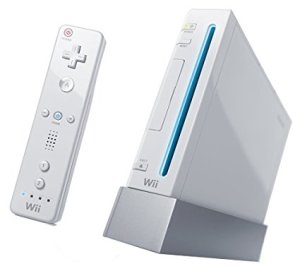
The Wii felt new and exciting when it first debuted, but would not be able to maintain its early momentum.
Nintendo Wii
We’re now arriving at the point in our list where it’s getting hard to separate the consoles from each other. We’ve already blown past the only true Nintendo failures (Virtual Boy and Wii U) and we’re now mostly into the realm of nit-picking, though I feel rather strongly about what is the best Nintendo console of all time, I just feel less so about whats fifth best vs what’s fourth best, and so on. The Wii is easy to dump on in 2016. It featured waggle controls and tons of horrible “party” games and licensed junk. It was cheap to develop for, and it’s consumer success meant there were tons of Wii’s in the wild so producers had incentive to release games for it, and with minimal effort. As much as I, along with many others, came to resent the waggle controls, I can’t deny what playing the Wii was like in 2006. The Wii is the last console that brought me and my friends together to just play games all night and have a blast doing so. At that point, I was out of college and working a full-time job, so getting together with a group of friends just to play video games didn’t happen much, and hasn’t since. And looking back on it, the launch lineup was pretty barren and yet we still had a blast with it. That was largely because of how much fun Wii Sports was, though I did have fun with Madden and Dragon Ball Z as well. And of course, The Legend of Zelda: Twilight Princess, even though the Gamecube version released a few months later was actually better (aside from, maybe, the fishing mini game).
The Wii may have received a ton of horrible games, but it did also receive two of the greatest Mario games ever released: the Galaxy series. Some people loved Skyward Sword as well, even though I detested it. The Metroid Prime series was also one of the few improved by the Wii’s input device, and the debut of the Virtual Console was a pretty big deal at the time, even if it perhaps never reached the lofty expectations some of us may have had for it.
Notable Franchise debuts: Super Mario Galaxy, Wii Sports, Xenoblade

The N64 looks rather regal compared to some of its siblings, though that reputation did not translate to the software.
Nintendo 64
Where do you rank the N64? I would guess this is the console most affected by what age you experienced the N64 at. If this was your first console, then you probably have some extremely fond memories of the N64, so much so that it may even be your favorite. I do not, and for me, the N64 is perhaps the piece of Nintendo hardware that has aged the worst. Visually speaking, most N64 games are ugly by today’s standards. Muddy textures, endless fog, and subpar sound output make for a poor sensory experience. That’s obviously not true of every N64 game. Rare’s Conker’s Bad Fur Day seems to amaze me more and more every time I play it because of how good it turned out from a presentation perspective. The N64 was also the console where third parties started to turn on Nintendo. Most were not happy with the cartridge format, from a technological point of view and financially (you had to pay Nintendo for the actual cartridges), when the industry was moving to CD. The N64 also possessed one of the worst, and most fragile, Nintendo controllers ever done. It’s saved by the analog input and Z-trigger, two additions that are here to stay across all gaming consoles, and it was awesome finally having four controller ports on a console as a standard feature.
After ripping on the N64, I do have to say it gave us one of gaming’s biggest cultural moments in Super Mario 64, which is perhaps the last game that truly felt like a must play when it came out. Ocarina of Time was obviously a huge hit, but it’s success has been dampened some by the superior remake for the 3DS. The same can also be said for Majora’s Mask. Super Mario Kart 64 is also remembered quite fondly, even though it too has been eclipsed by better games in that franchise. The wrestling games are also well-regarded and if you’re a big wrestling fan you’ve probably held onto your N64 for that reason.
Notable Franchise debuts: Paper Mario, Super Smash Bros., Banjo-Kazooie, Animal Crossing (Japan only)

A launch 3DS. An XL version has since been released, along with the New 3DS which possesses a little more power under the hood.
Nintendo 3DS
The successor to the DS, the 3DS essentially fixed everything that was wrong with the DS while boosting the power of the handheld as well. The defining feature, stereoscopic 3D without the need for glasses, is a stupid gimmick. I never play my 3DS with it turned on and if the 2DS didn’t for some reason ditch the clamshell design I’d recommend everyone just get that and save a few bucks. That aside, the 3DS is buoyed by just enough original content and remakes to make it a viable system. It’s kind of like a Greatest Hits system, and the Virtual Console support means gamers have access to all of the old classics released by Nintendo, with only a few exceptions.
If you want to argue that the 3DS lacks truly exclusive 3DS games, then I won’t fight you too much. Super Mario 3D Land is pretty darn good, but I’m not sure it’s a system seller. A Link Between Worlds is loads of fun, but is it even better than Link’s Awakening? New Super Mario Bros 2 and Paper Mario Sticker Star were missteps by Nintendo, but they did right by Fire Emblem and Pokemon. It can’t be ignored though how awesome the Zelda remakes are for the 3DS. Both the Ocarina of Time remake and Majora’s Mask remake are so much better than the originals released on the N64, that it will be a crime if they only exist on portable hardware. Both should at least be made available for the Switch with TV play, even if the assets need further enhancement to make them suitable for larger displays. It’s worth it! And while I definitely play my Vita more than my 3DS, it doesn’t mean I dislike the system, the Vita just happens to know my weakness (JRPGs). I do wish Nintendo had put a higher quality screen on the 3DS, and it’s battery life is weak, but it’s still better than most of the hardware put out by Nintendo which is pretty remarkable for a portable device.
Notable Franchise debuts: Bravely Default

While the N64 had a more grown-up appearance, the Gamecube went back to resembling a toy.
Gamecube
The Gamecube can be retroactively looked upon as an end of an era, the era of when Nintendo tried to compete on the same terms as its competitors. The Gamecube was basically every bit the equal of the Playstation 2 and Xbox in terms of power, and third parties didn’t need to concern themselves much in adapting games for all three machines. Still, after the N64 damaged Nintendo’s relationship with said publishers, it was hard to win them all back with the Gamecube. The N64 firmly established the still held belief that people buy Nintendo consoles for Nintendo games, and not so much third party games. As a result, Nintendo would have to really work hard to win them back.
One developer who came back with arms wide open was Capcom. Capcom, in truth, never left the Nintendo family as they had a presence on the N64 and a big presence on Game Boy. For Gamecube though, they made the Resident Evil Remake an exclusive game, and Resident Evil 4 was exclusive for about ten months. Both games were awesome then, and are awesome now, and were big titles for the Gamecube. Konami also helped out a little by remaking Metal Gear Solid for the Gamecube which also turned out better than the original. None of it was enough, however, to make the Gamecube a retail giant which is why Nintendo changed strategies with the Wii. Still, there’s little issue to take with the Gamecube hardware as the games have aged well and there wasn’t anything holding it back. The controller isn’t my favorite, but it wasn’t a bad one. The Wave Bird would be released later, basically making wireless the new preferred input method for all consoles. And even though the best Japanese franchises didn’t find a home on the Gamecube, there sill was an assortment of quality games. The Gamecube received two Zelda titles, Wind Waker and Twilight Princess, the latter being better than the Wii game. Super Mario Sunshine may not have sparkled as well as most Mario games, but was still a solid experience. Paper Mario 2 is in the running as one of the greatest sequels ever made, and is really the last good entry in that series. If the system had more JRPGs, I’d probably love it more. Hopefully with the Switch, Gamecube games start becoming a possibility on the Virtual Console because there are some games I’d love to take on the go.
Notable Franchise debuts: Luigi’s Mansion, Animal Crossing (US), Pikmin, Metroid Prime
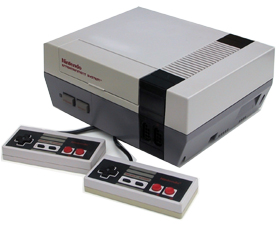
The old NES Control Deck. Nintendo apparently felt it needed to resemble a VCR in order to attract American buyers.
The Nintendo Entertainment System/Famicom
My approach to this ranking is pretty simple: If I had to pick one Nintendo console and had access to all software playable on it, which would I pick? I think some bonus points in the event of a “tie” are merited for impact when the system was released and so on, but for the most part I’m making this an apples to apples comparison through 2016 eyes. And yes, I would pick an NES and its library over a Nintendo 64 or Gamecube, or whatever. It’s not out of deference to the era in which the system operated, it’s just an awesome system with an excellent library of games.
At this point, you do not need me to tell you about the big titles, you should be more than familiar with them. And since the console is a tank and most still work to this day, I don’t think durability would be a concern in a desert island scenario. While the presentation of the games from the 8-bit era are a bit rough around the edges, the simpler technology forced a simple style of gameplay on the consumer and as a result, the games just plain hold up better than some of the games that have followed. Super Mario Bros. 3 is as fun today as it was in 1990, Metroid just as lonely, and Glass Joe’s face just as rubbery. Even the sports games hold up very well, despite modern titles presenting more accurate simulations. In recent years, the console has experienced quite the revival with retro gaming sites and podcasts becoming a thing. The NES Classic was perhaps the hottest item this past Christmas, and people are still begging for Nintendo to flood the market with more. For those who worry about the Switch killing Nintendo should it fail, at least they can rest easy knowing Nintendo just has to look to the past for a quick buck to get back on its feet should that happen.
Notable Franchise debuts: Super Mario Bros., The Legend of Zelda, Metroid, Castlevania, Mega Man – need I go on?

While Nintendo had a reason making the American version of the NES look different, I never heard of an explanation why the SNES and Super Famicom needed to look different. I wish we had received the Super Famicom design, personally.
Super Nintendo/Super Famicom
If consoles can be considered sequels, then the Super Nintendo may be the greatest sequel of all time. Better than Empire, better than Street Figher 2, just the best. Visually speaking, I remember being unimpressed at first glance. A gray, boxy thing with purple accents hardly felt super to me, but then I played it. Super Mario World felt massive. It was bright and colorful and a joy to play. A Link to the Past took everything I loved about the original Zelda title and made it better. A lot better. While many older franchises struggled to move from 2D to 3D during the next console life cycle, virtually every franchise benefitted from the move from 8-bits to 16. Mega Man X, Street Fighter 2, Super Metroid – all games that proved it was only the imagination of game developers that could hold them back. Then Nintendo of America opened the flood gates and we started receiving games like Final Fantasy in greater abundance as new-found confidence allowed for them to finally get released outside of Japan. The SNES is still one of the best consoles for people who love JRPGs, with only Sony’s consoles rivaling it. The few missteps Nintendo had, like forcing Midway to remove blood from Mortal Kombat, were swiftly rectified.
There is no doubt in my mind that the SNES is Nintendo’s greatest achievement in gaming. It’s not as if other machines haven’t come close in the almost 30 years since the console debuted, so Nintendo shouldn’t hang its head in shame that its still trying to top it. The formula is there, Nintendo just needs to put it all together. The SNES is a beautiful example that a console does not need some wacky gimmick or ridiculous horse power to be worthwhile, it just needs to function comfortably, and above all else, have worthwhile software. It seems like each console to follow has alienated a certain subset of gamers and developers where as the SNES appealed to every one. If the Switch can recapture some of that, it will stand a chance.
Notable Franchise debuts: Yoshi’s Island, Mega Man X, Chrono Trigger, Super Mario RPG

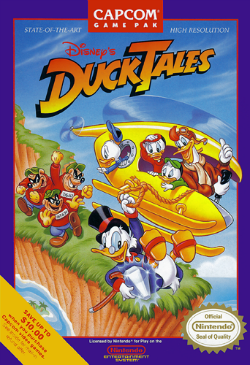


 If you read this blog even semi-regularly, you’ve probably seen me talk about the NES Classic already. When it came out

 When I first posted my reactions to the Nintendo Switch I had only owned the console/portable hybrid for a few hours, many of which were spent asleep. It’s now been more than a week since then and I’ve been able to spend a considerable amount of time with the latest from Nintendo and I wanted to post some additional thoughts.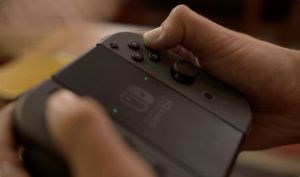


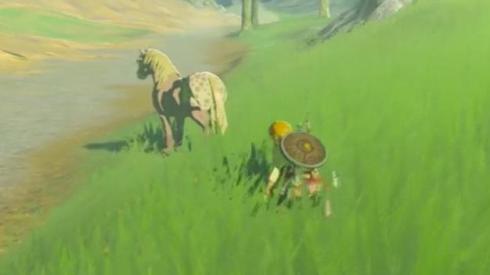
 It’s Friday, March 3rd, the launch day for Nintendo Switch, and I’ve had mine since the clock changed over to mark the day. By now, you’ve probably seen the system, read numerous reviews of it and the software, and maybe even have your very own. There’s a lot of information out there, and I’m not going to try and match the coverage of the Switch by professional gaming outlets who’ve had access to the system all week. The early returns on the system seem to be mostly positive, though not glowing with praise. The early returns on Zelda: Breath of the Wild however, have been almost universally warm with many perfect scores getting tossed around.


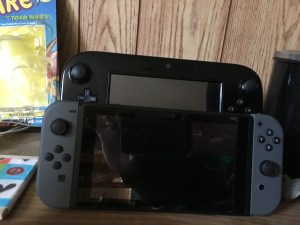






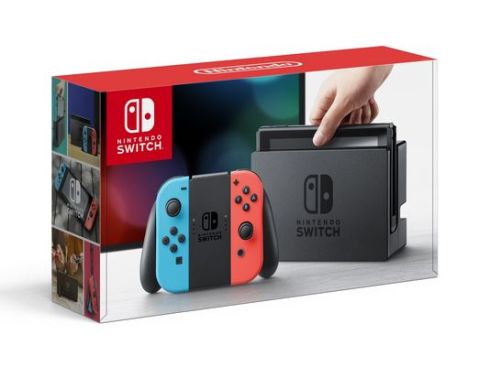 Switch. If you took a shot each time someone said that word during Nintendo’s press conference unveiling the latest device in console/mobile gaming you’re probably hung over right now. It’s obviously not just a name for the console/handheld hybrid, but also a marketing strategy. Nintendo is changing with the times, switching it up if you will, and making a commitment to something new and exciting. If that’s the main take-away from the Switch’s coming out party last night, then why did I feel like this was the Wii all over again?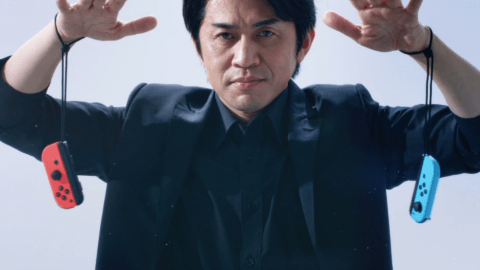
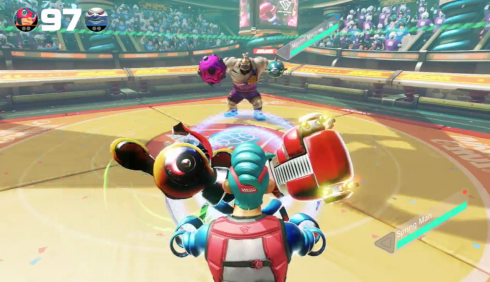
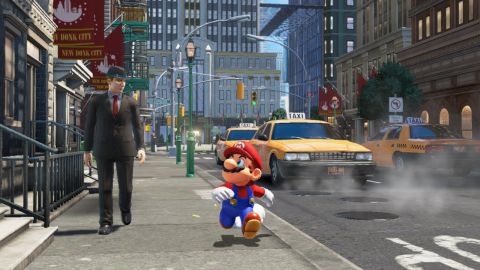

 We’re now past Thanksgiving here in the US which means the holiday shopping season is already well underway. The recently released NES Classic continues to be a hot seller, perhaps the hottest of the season, though that seems to have more to do with product scarcity than true demand (after all, children by and large are not interested in a gaming device with 30 year old games on it). That said, no one would deny that even in limited quantities the NES Classic has been a commercial success for Nintendo, something that’s been hard to come by for the venerable game developer of late. Most analysts peg the NES Classic as being pretty cheap to manufacture, and the power under the hood is likely sufficient to support a comparable quantity of N64 games, so speculating on a potential SNES Classic seems like a waste of time: it’s going to happen. And if we’re going to get an SNES Classic then immediately the mind next moves onto what games will Nintendo include on that collection?
 Super Mario World (Nintendo 1991) – The original pack-in title for the SNES and best Mario game to date, it’s a no-brainer. The more interesting thing to ponder is how will Nintendo pack the SNES Classic with Nintendo branded games as easily as they could the NES Classic since Mario, Link, and others had fewer outings on the SNES.
 Super Mario World 2: Yoshi’s Island (Nintendo 1995) – I loved this game when it first came out, and for awhile after. More recently, I’ve found it hard to get into as a lot of the gameplay frustrates me. Not to mention the audio. Still, it will be included and it remains Yoshi’s best solo adventure.
 Super Mario Kart (Nintendo 1992) – Arguably Nintendo’s most reliable franchise today, it seems every Nintendo console since has had at least one Mario Kart game. The only one that did not was the ill-fated Virtual Boy. For awhile, the original game was my favorite of the series. Those who grew up with its sequel on the N64 as their gateway of the series are probably surprised to hear that most people felt it was inferior to the SNES game when it first came out. It’s no longer the best, but it’s still playable and the battle mode is still a lot of fun.
 The Legend of Zelda: A Link to the Past (Nintendo 1992) – The best game of the series, and perhaps the best game ever? I suppose I could have said the same of Super Mario World, and I could say that about more SNES titles which further illustrates how awesome the system was. This game will be included, and it will be enjoyed by any who purchase it.
 Star Fox (Nintendo 1993) – Nintendo’s flashy on-rails shooter, the Super FX powered Star Fox was a pretty big deal at the time, even if it’s one of Nintendo’s lesser franchises these days. The game was so good that Nintendo has essentially remade and released it several times with minor alterations. It’s probably too much to ask for Nintendo to include the never released Star Fox 2 on this set.
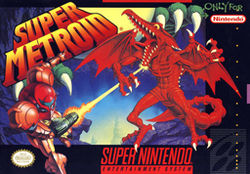 Super Metroid (Nintendo 1994) – If any of the games on the NES Classic had a “Super” version on the SNES, then it’s probably fair to assume they’ll make it to the SNES Classic. Not that Super Metroid needs to be included for that reason, it needs to be included because it too has a claim to greatest game ever made. It was very influential, especially for the Castlevania series, and the only downside to including it is that it might make people a little depressed when they think about how the franchise is treated by Nintendo today.
 Kirby Super Star (Nintendo 1996) – Another late arrival for the SNES, Kirby Super Star takes what was good about the NES game and multiplies it tenfold. Easily Kirby’s best game, Super Star is a bit of a forgotten gem on the SNES and holds up quite well. It also features some fun 2-player action so be prepared to have to hunt down an additional controller.
 F-Zero (Nintendo 1991) – Nintendo kind of ignored the racing genre with the NES, so it’s not surprising they rectified that with the SNES. Racing games were one of those genres that really benefitted with the move to the SNES as the hardware could finally keep up with the speed needed to make these type of games as fun as they could be. F-Zero was a flashy title with its futuristic visuals and also plenty difficult. Not one of my favorites, but I’d be shocked if it was left out.
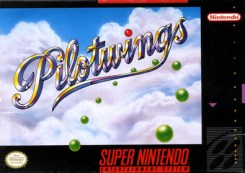 Pilotwings (Nintendo 1991) – Pilotwings was kind of the debut of the Nintendo developed tech demo released with all of their future console launches to show off the new console’s capabilities. It was to the SNES what Wii Sports was to the Wii. It’s basically a collection of mini games, and personally I remember all of my friends looking down on this title. I haven’t played it in years so I can’t say if I’d enjoy it more now, but since Nintendo developed it they’ll likely include it on the SNES Classic.
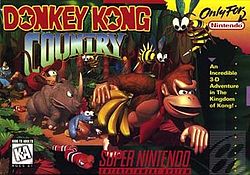 Donkey Kong Country (Nintendo 1994) – The title that reinvented and brought modern relevance to the Donkey Kong character, Donkey Kong Country was a visual wonder when it was first released and an instant hit. Some people love this franchise more than the 2D Mario one. I’m not one of them, but there’s no way Nintendo doesn’t include this one.
 Donkey Kong Country 2 (Nintendo 1995) – Nintendo had three main series Mario games to help pad the NES Classic, chances are they’ll look to DK to help do the same for the SNES Classic. Some think this one is the best of the SNES trilogy of DKC games, I have no real opinion on the matter as I don’t remember even playing this one.
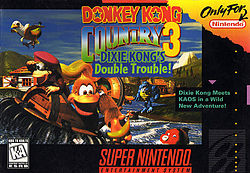 Donkey Kong Country 3 (Nintendo 1996) – This game arrived really late for the SNES, though if memory serves it still sold all right. This one might not make the SNES Classic, it’s certainly the least likely of the three, but since Nintendo wants to put as many of their games on the system as possible it feels like a safe assumption to include it here.
 Super Punch-Out!! (Nintendo 1994) – Punch-Out!! was immensely popular for the NES, Super Punch-Out!! was less so for the SNES. It wasn’t bad by any means, and it felt more like the arcade version of the original, but aside from a visual upgrade it didn’t really feel much improved. I think part of that was the new perspective of being behind Little Mac made him feel like more of an equal to his opponents as opposed to being a diminutive underdog.
 Final Fantasy II (Square 1991) – Now we’re into the non-Nintendo games, and this is actually where the list really begins for me as far as ordering by most likely. The first 13 could be ordered however you want, aside from maybe DKC3, they’re all going to be included for sure. The SNES was the console where the JRPG really took off, and it’s kind of where Final Fantasy was truly born (at least in the West). Final Fantasy III is the better game, but for some reason I suspect that II is more likely to be included if only one is.
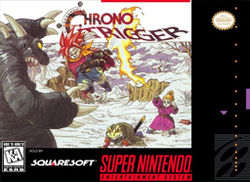 Chrono Trigger (Square 1995) – Another one of those “best ever” contenders, Chrono Trigger is as beloved as any game in the Final Fantasy series, even if it never took off as a franchise on its own. The only thing that would keep it from being included is if Square-Enix wants to be protective of how often they re-release the game. Or if they want too much money in the form of royalties, which could be a problem since they made a lot of awesome SNES games…
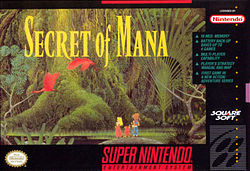 Secret of Mana (Square 1993) – …like Secret of Mana! Lazily referred to as a Zelda clone, Secret of Mana is a delightful action RPG and the type of game Square-Enix has seemingly forgotten how to make. The sequel was also excellent, but never released outside of Japan. Following that though, virtually every other game in the series has been a shallow hack n’ slash and a major disappointment. Thankfully, this one holds up so well we really don’t need another (though Square-Enix really should just finally localize the damn sequel for some kind of release).
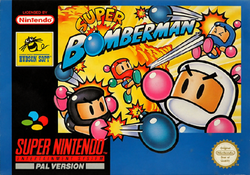 Super Bomberman (Hudson Soft 1993) – The ultimate party game for the SNES, Super Bomberman was probably my most rented title for sleepovers and such as the four-player mode rocked. If Nintendo does include this title, and it should, it needs to make sure the SNES Classic can handle four-players, even if it means messing with the aesthetics of the system by including four controller ports on the front.
 Street Fighter II (Capcom 1992)- Capcom’s fighting game is almost certain to make an appearance, it’s just a question of what version. They should probably just go with Super Street Fighter II, but maybe they think the importance of the original makes it the more worthy title.
 Mega Man X (Capcom 1993) – Mega Man was huge for the NES, so he’ll be included on the SNES Classic even if he played a lesser role for the console. His one main entry, Mega Man 7, is regarded as one of the worst in the series so Capcom will probably push for Mega Man X, and it should. Mega Man X was what the character needed to remain relevant and remains an excellent Mega Man game to this day.
 Super Castlevania IV (Konami 1991) – another NES tentpole franchise, Castlevania would see its stock plummet in the 16 bit era, even though Super Castlevania was an excellent game. It’s one of the last traditional Castlevania titles as Symphony of the Night would soon follow with its Metroidvania gameplay becoming the preferred style of future titles in the series.
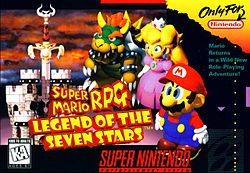 Super Mario RPG (Nintendo/Square 1996) – could Mario do RPGs as well as he could platformers? If Square is handling most of the game design, then yeah of course he can! Super Mario RPG was a surprise hit and remains a fun game to this day. In a way, it might be more likely to appear on this collection than the Final Fantasy games as at least Nintendo shares publishing rights with Square-Enix on this one.
 Contra III (Konami 1992) – Probably the last relevant title in the Contra series, Contra III was more of the same which is what people were happy to have at the time. Being a sequel to an NES Classic game is what guarantees it a spot here.
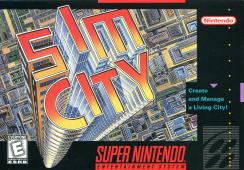 Sim City (Nintendo 1991) – Another Nintendo published title but with the royalties a little messy compared to a Mario or Zelda game. Sim City was another surprise hit in that there was skepticism the city builder simulation would find an audience on a home console. It did and it did well with its success leading to other sim games being released for the SNES, including “classics” like Sim Ant…
 Killer Instinct (Midway/Rareware/Nintendo 1995) – Nintendo, and Rare’s, answer to Mortal Kombat, Killer Instinct was a perfectly acceptable fighter for the era. Rare, and now Microsoft, hold the publishing rights for the franchise and I don’t know how that affects the original game’s inclusion. If Nintendo needs to only split royalties with Microsoft/Rare then I think it will be included. Anything more and it probably won’t be.
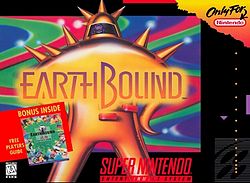 Earthbound (Nintendo 1995) – Nintendo’s answer to Dragon Quest, Earthbound (known as Mother 2 outside the US) has never been real popular with Nintendo. It’s the only title in the series to be released outside Japan even though Nintendo fans seem to adore it for its quirky humor and real world setting. It’s a game that has amassed a cult following over the years, though personally I don’t think it’s one that really lives up to the reputation. It’s a Nintendo game though, so it will most likely find a way onto the SNES Classic.
 Final Fantasy III (Square 1994) – You know it, I know it, and I bet even Nintendo knows that this game should definitely be included among the top SNES games released. Will it make it to the SNES Classic though is a harder question. If Final Fantasy II does, then it may not, even though it seems ludicrous to split those two games up.
 Tetris Attack (Nintendo 1996) – Many have tried to improve upon the formula of Tetris, and few have succeeded. Tetris Attack found a way with a competitive two-player mode that’s a blast to play. It’s been ripped off for other puzzle games like Puzzle Fighter and Pokemon Puzzle League. And thankfully there’s no Super Dr. Mario to bump this one from the collection.
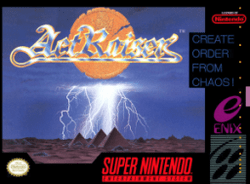 Actraiser (Enix 1991) – A legitimately unique game that combines the sim elements of a world builder with the action RPG gaming of Castlevania, Demon’s Crest, and so forth. Few games have tried to do what Actraiser did (Dark Cloud being the only one I can recall off the top of my head) and even though it wasn’t an immensely popular title, it feels like one that received its due in the years since so if Nintendo leaves it out I’d actually be pretty surprised.
 Zombies Ate My Neighbors (Konami 1993) – This game was so thematically outrageous at the time that it couldn’t be ignored. People remember it, even though it never turned into a bankable franchise or anything (though zombies in general certainly have). It’s extremely memorable as a Super Nintendo game, so much so that it seems like Nintendo won’t be able to ignore it.
 The Legend of the Mystical Ninja (Konami 1992) – Our last title is from a franchise that was far more popular in Japan than the US, but worth including. The co-op play was some of the best on the system. I never owned the game, but I remember renting it multiple times as it was a lot of fun to have around when friends were over for the night.
 30. Ice Climber (Nintendo 1985) – Most probably know Ice Climber as that weird double-character controlled by a single player in the Super Smash Bros. series. Older folks remember it as an NES launch title that the unlucky ones received instead of one of the better games. Ice Climber represents the early, primitive NES games that were little more than better looking Atari 2600 games. Some of these games were worthwhile because they first existed in the arcade and were just now getting home versions on par with those arcade originals. Ice Climber is not one of those games though, but it costs Nintendo nothing to include it here. As a title for the NES Classic, the only thing it has going for it is that it features 2-player simultaneous play.
 29. Balloon Fight (Nintendo 1986) – Another early Nintendo game, this one first appeared in arcades before making it home. It’s slightly more interesting than Ice Climber, but isn’t a game you will have much interest in returning to over and over. It’s been re-released a ton over the years, and including it here is just overkill.
 28. Mario Bros. (Nintendo 1983) – Super Mario Bros. is the game most synonymous with the NES, the original Mario Bros. is not. If you had a copy of Super Mario Bros. 3 (and you probably did) then you experienced all you needed to from this game. It was never a popular NES title and Nintendo is basically only including it because it has Mario in the title.
 27. Donkey Kong Jr. (Nintendo 1982) – Donkey Kong Jr is another arcade classic (I’m using that term liberally here) that was never really all that popular on the NES, but Nintendo obviously felt the old arcade games needed (significant) representation on the NES Classic. Donkey Kong Jr. is most notable for putting Mario in the role of villain as the player takes control of Kid Kong and tries to save his old man, I mean, ape. It’s fine, but lack replay value outside of just shooting for a high score isn’t much of a home console experience.
 26. Galaga (Namco 1981) – a slightly younger generation maybe familiar with Galaga not as an arcade classic, but as a popular loading screen diversion of Playstation era Namco games. Galaga is another arcade great that never had much of a life on the NES. Tastes had moved on, and Galaga really doesn’t need to be included in a set of great NES games.
 25. Pac-Man (Namco 1980) – Pac-Man was Mario before Mario. Unlike a lot of the other games on this list so far, there actually was some appetite for an arcade perfect version of Pac-Man on the NES. It’s a game almost everyone is familiar with, but still not really one that people are clamoring to play.
 24. Donkey Kong (Nintendo 1981) – Donkey Kong, like Pac-Man, is another game that consumers did have some appetite for when the NES made it to retail. And since DK is one of Nintendo’s most popular characters, it’s not surprising that he’s included. Still, there’s a lot of arcade games on this set, too many if you ask me.
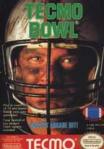 23. Tecmo Bowl (Tecmo 1987) – More known for how game-breaking Bo Jackson was, Tecmo Bowl was the first great football game of its kind. It’s pretty dated at this point, but is a top 50 NES title, and for diehard sports fans, probably a top 30 one too.
 22. Final Fantasy (Square 1987) – Few franchises are as synonymous with gaming as Final Fantasy. The first title is also known as the game that saved Square, now Square-Enix, hence why it was called Final Fantasy since there was a very real chance it was the publisher’s final title. It was a Dragon Quest clone that did a few interesting things on its own, but played today it’s quite clear that Father Time has not taken a liking to it. Only the truly dedicated NES Classic owners will see this title to the end.
 21. Dr. Mario (Nintendo 1990) – One of the first examples of Nintendo realizing it could just slap Mario on anything and boost sales, Dr. Mario is a Tetris clone that does enough to separate itself from its predecessor, but not enough to better it.
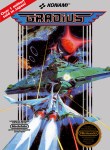 19. Gradius (Konami, 1985) – Gradius is a classic on-rails shooter by Konami known for its difficulty. The on-rails shooter genre has actually aged really well, because there isn’t really much better technology can do for it aside from make it look better. So from that standpoint, it holds up.
 18.
18.  17. Double Dragon II (Acclaim 1989) – The arcade beat-em-up most synonymous with the NES. It was a good debate over which was superior, Double Dragon II or TMNT II, but both were fun games, particularly for two-players. Double Dragon II is also miles ahead of the original so good call by Nintendo for being able to recognize that including it over the original was the right move.
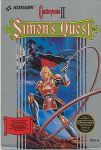 16. Castlevania II: Simon’s Quest (Konami 1987) – The sequel to the smash-hit original, Castlevania II, like Zelda II, is known mostly for its big shift in gameplay. Simon Belmont still handles the same way, but the RPG mechanics make for a vastly different experience. Some people loved it, some people hated it, everyone was frustrated by it’s cryptic puzzles. That last part isn’t really an issue today thanks to the wonderful invention known as the internet, making this game actually more playable now than it was in 1987.
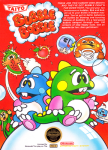 15. Bubble Bobble (Taito 1986) – A simple, but challenging, two-player experience is how I remember Bubble Bobble. It strangely holds up really well, and its timeless gameplay plus two-player simultaneous play makes for a worthy selection.
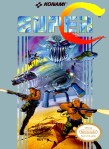 14. Super C (Konami 1988) – Also known as Super Contra, it’s the sequel to Contra and features the same basic run n’ gun gameplay. For whatever reason, no one seems to remember this game even though the first Contra was mega popular. As an aside, it’s pretty amazing how many Konami games made this release.
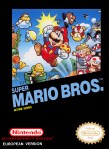 13. Super Mario Bros (Nintendo 1985) – Obviously, this one was going to be included because it’s probably the most important game that Nintendo ever released, and it could be considered the most important and famous game of all time.
 12. Ghosts ‘N Goblins (Capcom 1986) – Finally, a Capcom game! It surprised me how many Konami games made this release vs Capcom as I always viewed the two as equal during the NES days. Ghosts ‘N Goblins was a hard, but fun, game and gamers will really appreciate the save states on the NES Classic when they tackle this one. It’s another run n’ gun styled game, a genre that has held up really well.
 11. Castlevania (Konami 1986) – A no doubt classic. I don’t think I really need to say much about this one, right? It’s hard, but fair (mostly), and it’s style of play is still rewarding today. None of the NES sequels really did enough to warrant consideration over it either (and Nintendo included Castlevania II anyways) making this selection completely warranted.
 10. Metroid (Nintendo 1986) – It’s a good thing games were so expensive in the 80s, otherwise how would anyone have gotten anything done in ’86 and ’87 with so many killer releases on the NES? Metroid is a bit of a tough one to rank as it hasn’t aged too well, but the game’s mood is still so captivatingly barren and lonesome that I find it charming even today. Obviously, future games in the series were able to vastly improve upon the original formula, but since none of them were NES games it makes Metroid’s inclusion a no-(mother)brainer.
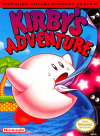 9. Kirby’s Adventure (Nintendo 1993) – Kirby is a character who peaked early. Kirby’s Adventure, only his second outing, is probably second only to his outing on the SNES among all of the Kirby games. Kirby’s Adventure is a great inclusion here because not only is it a fun and unique platformer, but it was also a late release for the NES when a lot of gamers had moved onto the Genesis and SNES. The NES Classic gives those gamers who missed it the first time a second chance to experience it.
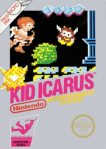 8. Kid Icarus (Nintendo 1986) – Poor Pit has been mistreated for years by Nintendo, but at least he gets to be among the 3o games on the NES Classic. His original outing was a difficult platforming/RPG hybrid that may be more appreciated today than it was in 1986. The controls aren’t the best, but they work, and the save state feature gives this one new life. Since it is so often cited as a forgotten Nintendo classic it has probably ceased to be one, but many gamers will probably still get their first taste of Kid Icarus with this set.
 7. Punch-Out!! (Nintendo 1990) – Obviously, this is the version featuring Mr. Dream and not Mike Tyson. It’s the same game though, and while one could argue that this one has been re-released too much, it’s harder still to argue it’s not one of the most fun games released for the NES. It’s timing based gameplay also means it’s held up well in the age department. It’s challenge has always been fair and rewarding, though people will still probably abuse save states to beat it.
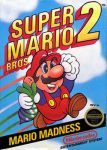 6. Super Mario Bros. 2 (Nintendo 1988) – Ever notice how no one, and I mean no one, ever acknowledges the box art’s Mario Madness subtitle? What was that even supposed to mean? Anyways, you probably know all about Super Mario Bros. 2’s odd path to release, so I won’t bore you here. It’s a great game, even if it’s very different from its predecessor, and Nintendo wasn’t going to exclude it from this release.
 5. StarTropics (Nintendo 1990) – StarTropics is an often overlooked game from the NES era that feels like the spiritual sequel to Zelda, since Zelda II felt so different. It improves on the original Legend of Zelda in some ways, and it’s use of contemporary items as weapons definitely feels a lot like Earthbound. It’s a really good game, and one you probably haven’t played, so go ahead and play this one first. You have my permission. Just be warned that you will need to consult the internet to make it through one particular part.
 4. Ninja Gaiden (Tecmo 1990) – Few characters on the NES are as fun to control as Ryu Hayabusa. It’s just too bad the world around our badass ninja Ryu makes him feel not so badass since everything can kill him. Ninja Gaiden is a brutal game, but it still manages to be a fun one. Some of the stuff it does seems unfair, but it always manages to bring gamers back after some rage-induced quiting. Just remember, the chord on that NES Classic controller is really short before you throw it.
 3. Mega Man 2 (Capcom 1988) – Naturally, you can’t have a collection of thirty of the best NES games ever created and not include Mega Man. And if Nintendo was limiting itself to just one Mega Man, then Mega Man 2 is probably the best option. Yeah, future games introduced elements like the slide and Rush, but Mega Man 2 is iconic for its boss selection, music, and stage setup. It’s considered the best in the franchise by many still to this day. The only real argument is why did Nintendo include one Mega Man game but two Castlevania titles? The easy answer is that Simon’s Quest is pretty different from its predecessor, while all of the Mega Man games are very similar. It still feels odd, though.
 2.
2.  1.Super Mario Bros. 3 (Nintendo 1990) – Super Mario Bros. 3 is among the greatest games ever made, and it’s the best game on the NES, so obviously it was going to be included. There’s no argument against it, other than maybe that everyone has already played it before. The only negative thing I can even say about it is that Mario has brown sideburns but a black mustache on the box art, which makes no sense. Then again, Nintendo really hasn’t mined the Mario back catalogue like it has some other games so it really doesn’t feel exploited. I may have suggested playing StarTropics first, but come on, you’ll play this one first. Just about everyone will.
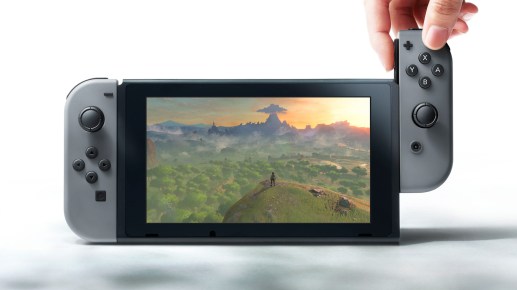
 If you consider yourself an avid gamer then you are probably by now aware that Nintendo has unveiled its latest console/handheld: The Nintendo Switch. Previously known by the code name NX, the Switch was officially revealed in a short promotional video on October 20th. Prior to this promotional video, the Switch had only been seen via patent applications by Nintendo containing early drawings that gave some indication of what the console was going to look like. It’s design resembled the Wii U tablet, but with some notable distinctions such as a slot for cartridge based games not unlike Nintendo’s current handheld, the 3DS.


 The Nostalgia Spot