
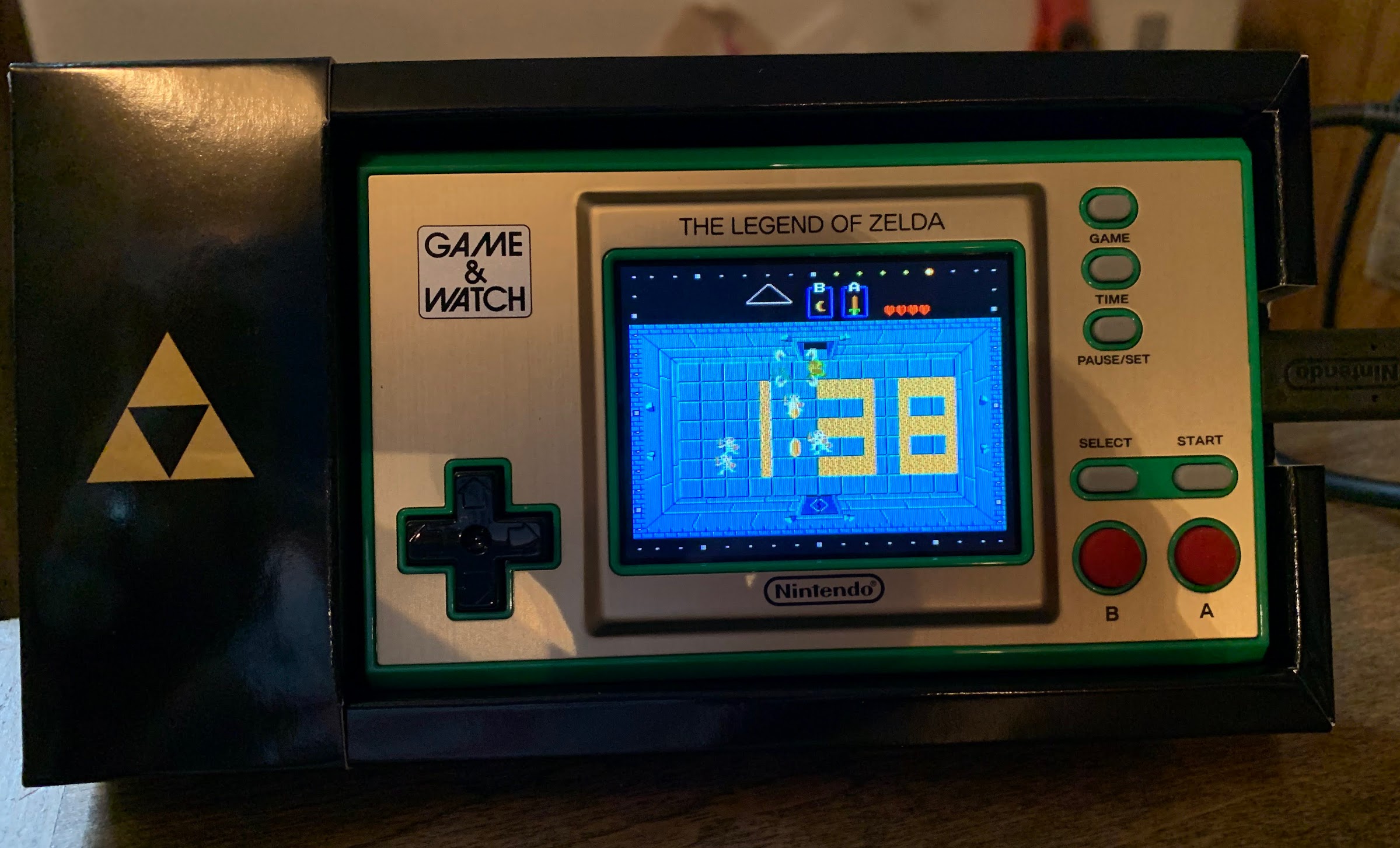
Before Nintendo was a famous game developer and console manufacturer, it made toys. Some were electronic, and some were not. On the electronics side, the first video games the company released were the Game & Watch handhelds. The first of these devices looked similar to what would become the Nintendo Entertainment System’s controller. It was a horizontal layout with a directional pad on the left and a command button on the right. In the center of the device was an LCD screen capable of displaying simple games. It also had a clock on it which is where the “Watch” part of Game & Watch comes into play. Over the years, the games would grow in complexity and some even necessitated a second screen and a clamshell design which is pretty similar to what the Nintendo DS would adopt many years later. Come the early 90s, the Game Boy was already available and a hit and the Game & Watch had seemingly outlived its usefulness, but it’s a part of Nintendo’s past that the company seems to enjoy celebrating.
Last year, to celebrate the anniversary of Super Mario Bros. Nintendo released a special edition Game & Watch. Nintendo has seemingly found a market for simple, nostalgia, devices like the Classic series of console releases and the Game & Watch feels like an extension of that. The unit was priced at $50 and came bundled with the original Super Mario Bros. and Super Mario Bros. 2 (the Japanese version) while also including a classic LCD game, clock, and timer. It was a novelty device and one I wasn’t particularly interested in. I loved the original Super Mario Bros. as a kid, but once Super Mario Bros. 3 came out I effectively had no use for the original and it’s a feeling I still have today. The unit did eventually hit the clearance rack, so I wasn’t sure if anymore should be expected, but lo and behold Nintendo did have a release for 2021: The Legend of Zelda.
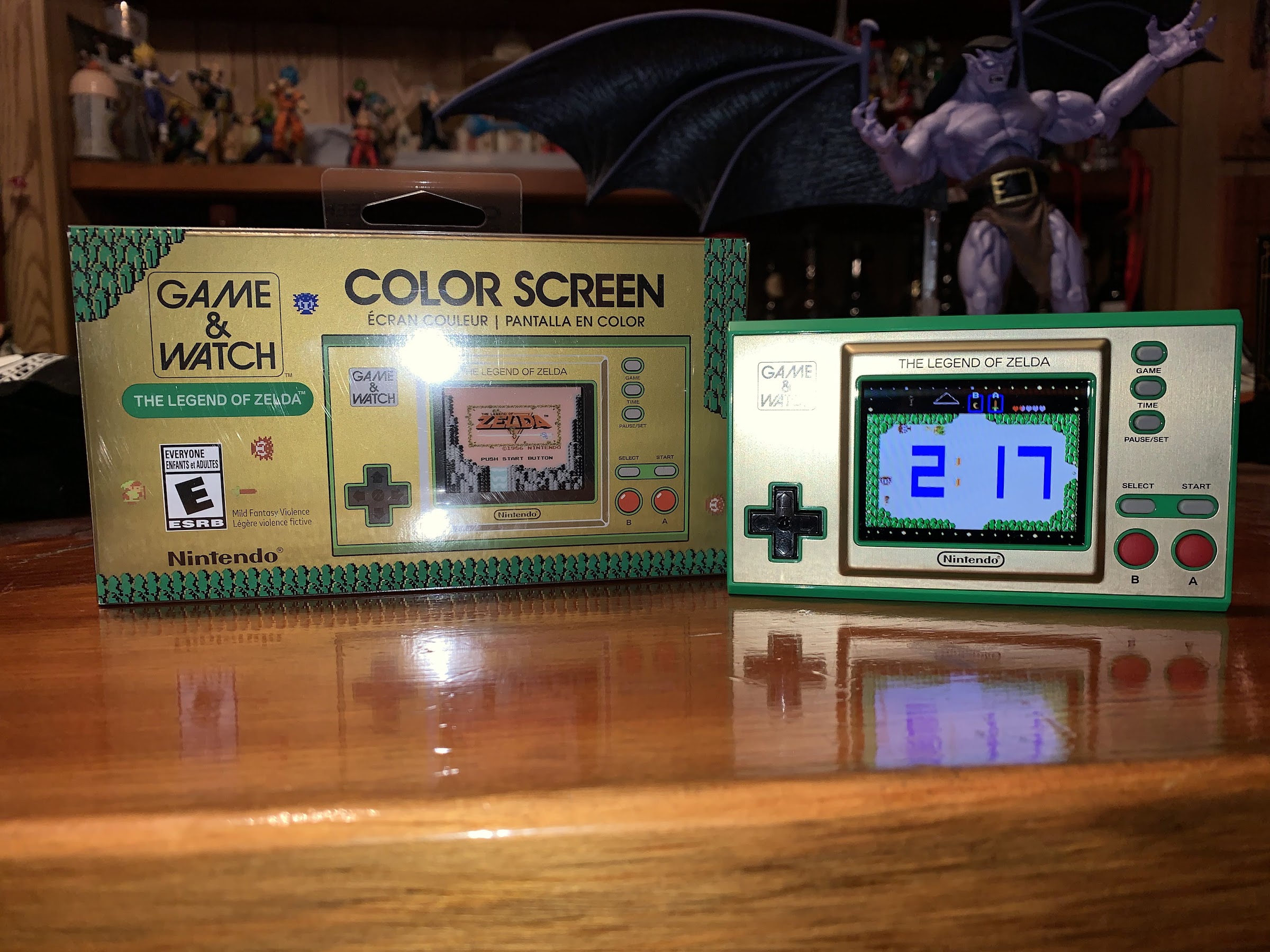
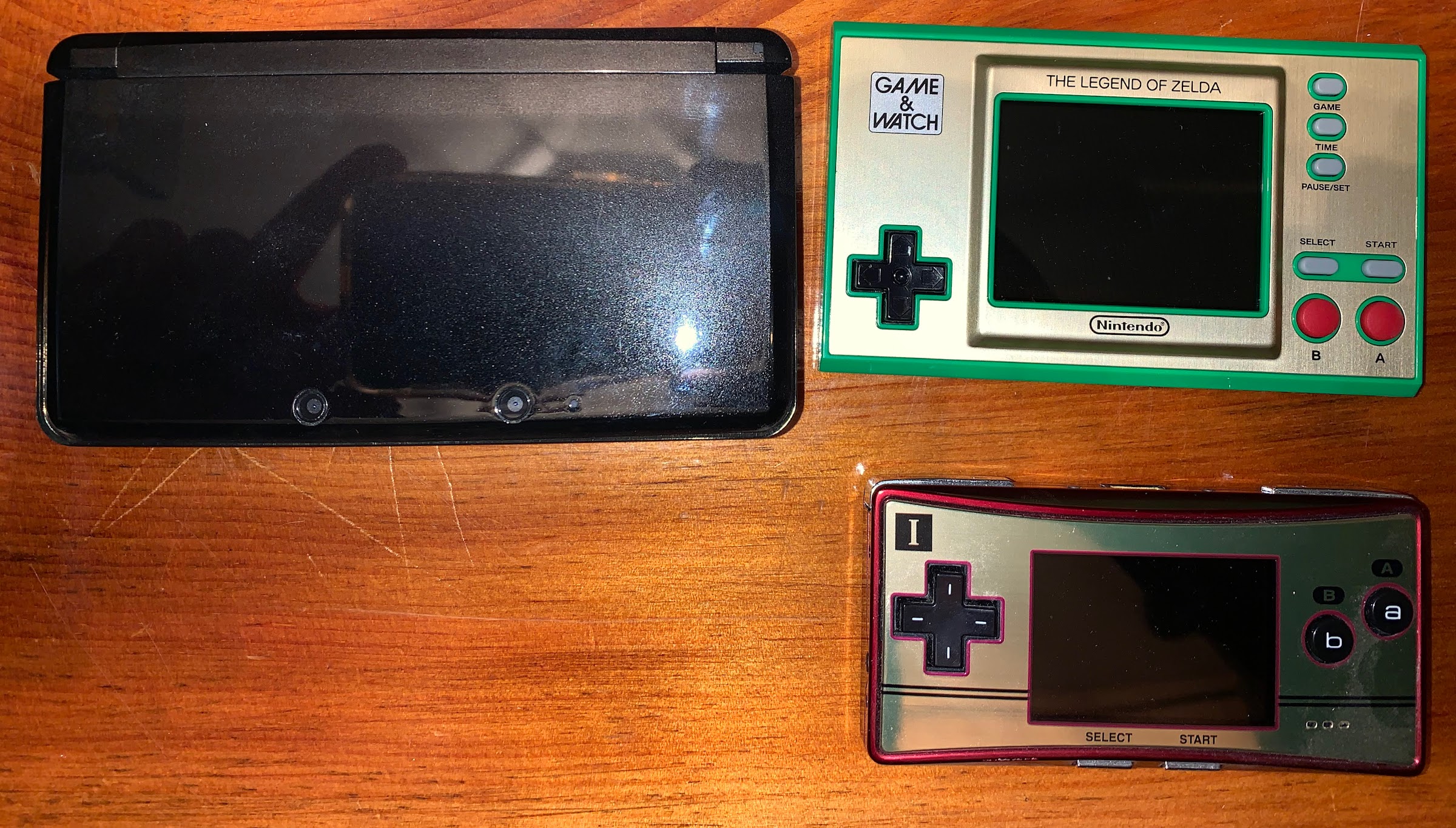
The Legend of Zelda edition of Game & Watch is meant to celebrate the original game’s 35th anniversary. It’s essentially the same, but different, when compared with the Mario edition from 2020. The device itself is rather small and very light, measuring about 4 3/8″ x 2 5/8″ with a color scheme more appropriate for Zelda. The front faceplate is gold while the outer case is green and all of the buttons on the face are ringed with green plastic. The area around the screen is raised and it’s a pretty attractive looking piece, though once handled the toy nature of it all becomes obvious due to the weight and overall feel. The D-pad feels largely like one would expect, but the B and A buttons are rather gummy, like a key on a calculator as opposed to a game controller.
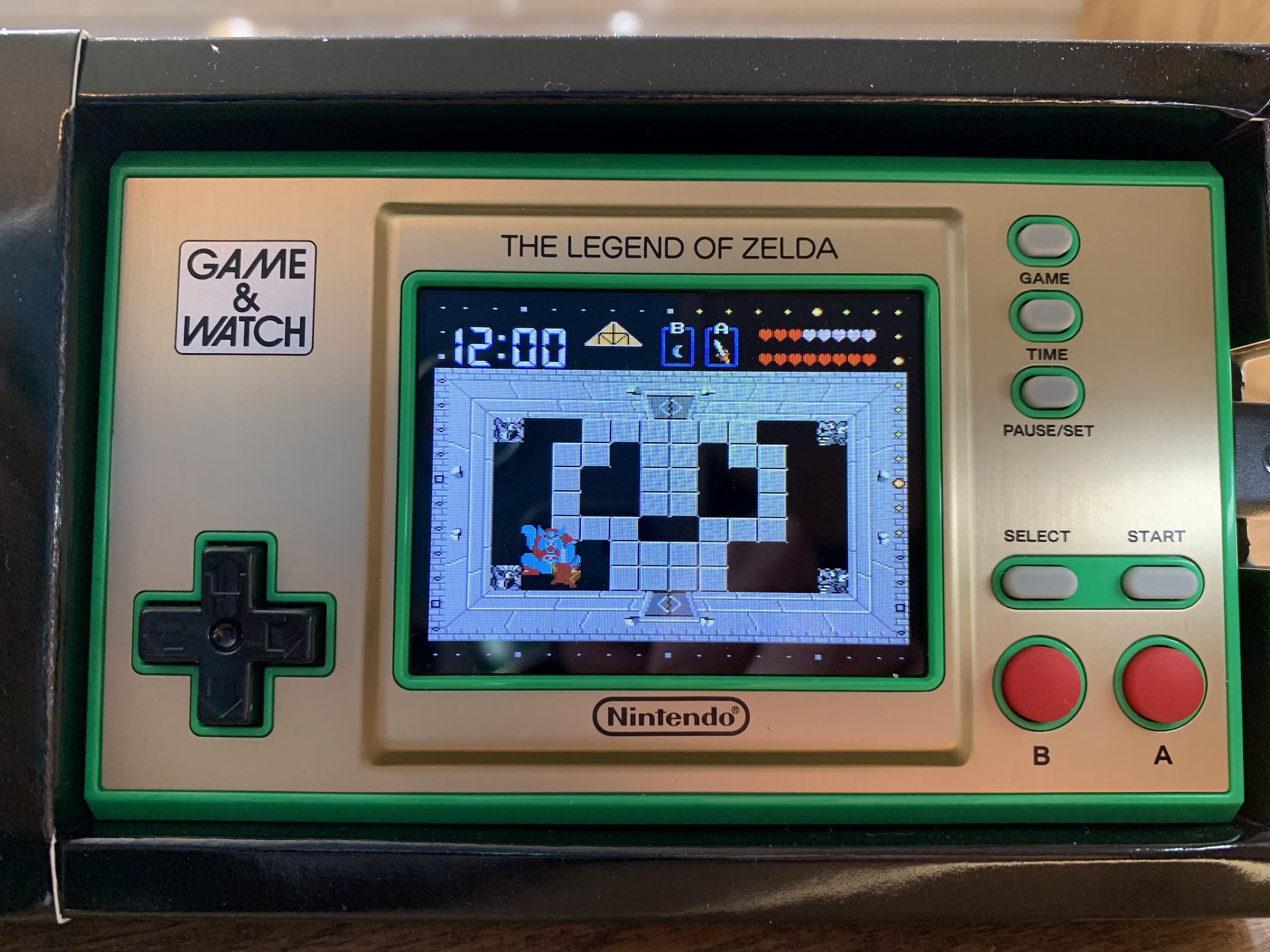
What hasn’t been compromised is the screen. It’s not particularly large, but it is vibrant and certainly a lot better than the old LCD screens on the original Game & Watch devices. It only measures about 2″ x 1.5″ making it comparable to the Game Boy Micro, but still larger. It needs to only display 8 bit games, so it’s not as if the screen is being asked to do much, but it can render all of the games just fine in their native aspect ratio with no compromise to the color palette or resolution. The sound chip is also just fine for these classic games and is even capable of outputting the superior audio found in the Japanese version of these games, as they were Famicom Disk releases outside of the US, so if you’re sick of playing through the original Legend of Zelda you can switch it to Japanese and get a different experience.
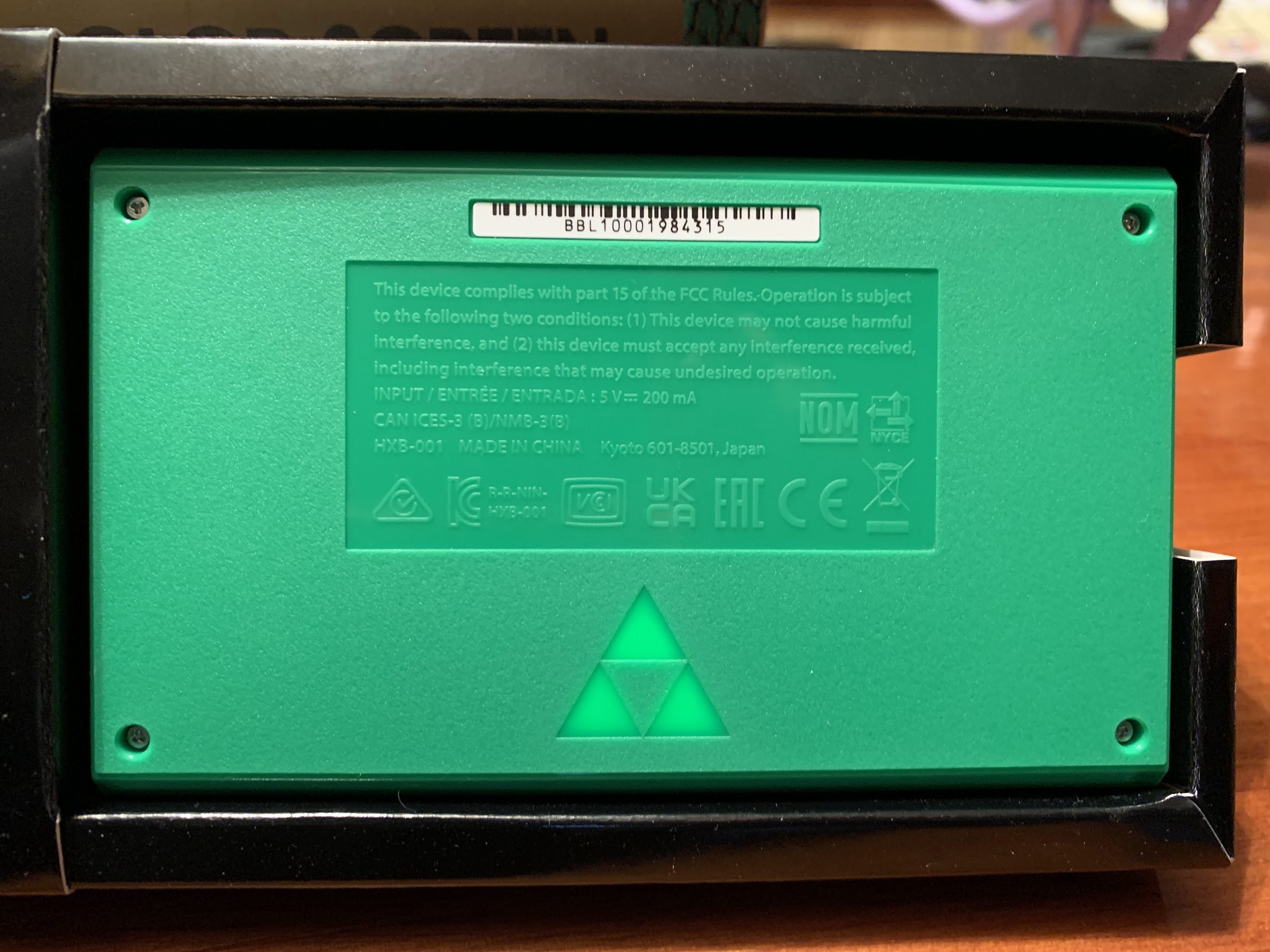
Which brings me to the games – just what is included on this thing? Well, you get three games this time around: The Legend of Zelda, Zelda II: The Adventure of Link, and Link’s Awakening. The first two play as you would expect them to as they’re simply emulated versions of the NES and Famicom versions of the games. The third one, and a bit unexpected, is the original Game Boy release of Link’s Awakening. It is a shame that Nintendo didn’t include the DX version released for the Game Boy Color which looked better and also featured an extra dungeon. There’s certainly enough room on the hardware for it which leads me to believe it was a value issue and not a hardware limitation. Nintendo doesn’t want to give too much away at the $50 price tag, but considering that Link’s Awakening has already received a full-fledged remake I don’t think Nintendo would be harming its bottom-line by including the DX version. Oh well.
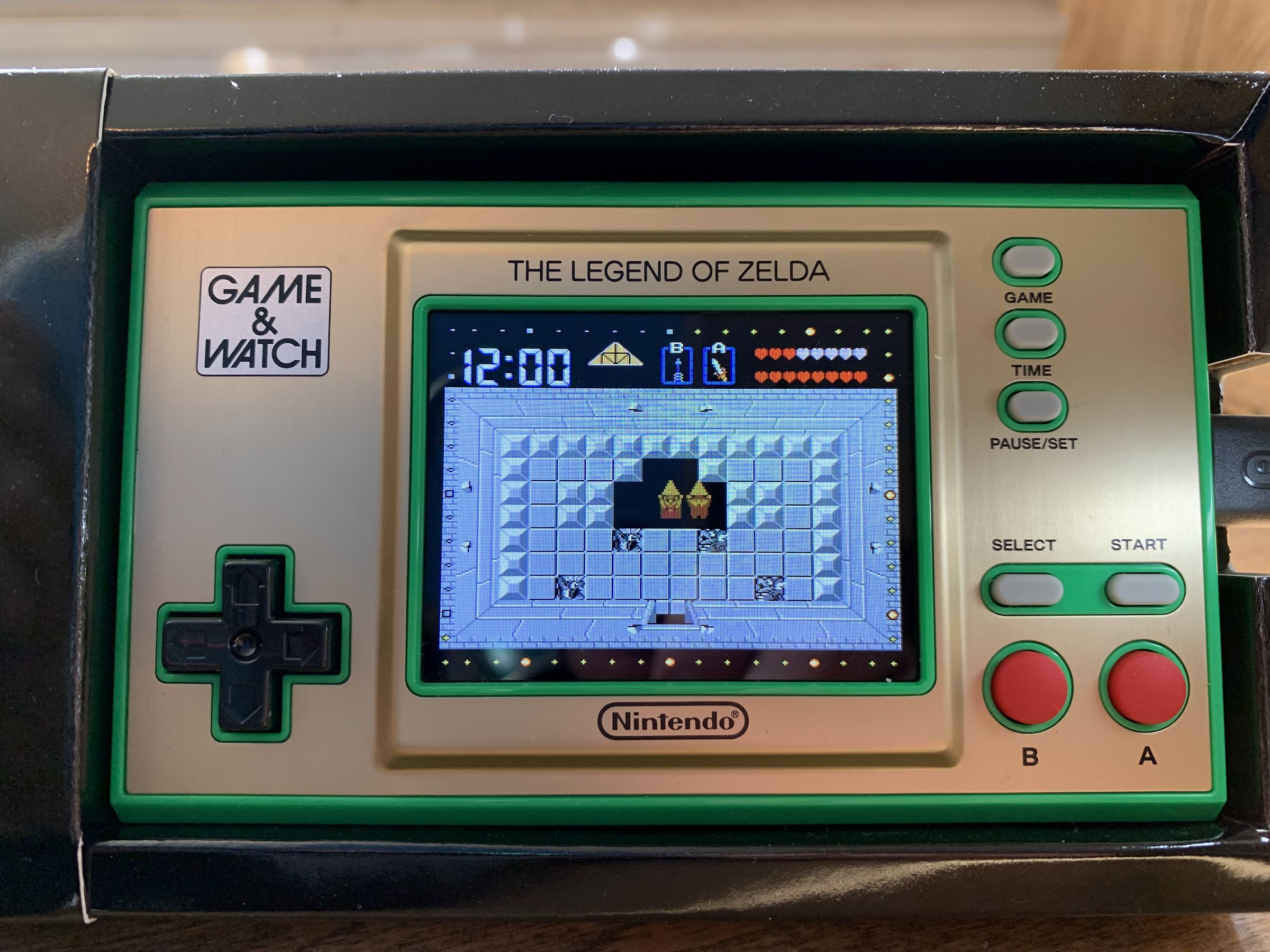
The games play fine though as Nintendo did add the Select button which was missing on the Mario edition. I read some complaints of the device being too small and cramped for a platformer like Super Mario Bros. to be played comfortably, but for Zelda it’s more than adequate. Especially the original game and Link’s Awakening. Zelda II is a bit more of a stretch as that required more twitch movements. It’s still not on the same level as a platformer or run and gun game, but it is noticeably less pleasant to experience. That also could be due to that being the weakest game on this set and what folks are likely to miss is the ability to utilize a save state feature. Exiting a game at any point does essentially pause the game and save your progress, but there’s no way to reload when you die. This is really only an issue with Zelda II as I don’t find the other two games terribly difficult so long as you know where to go, but Zelda II is an all-together different beast. It’s a hard game that I don’t find particularly enjoyable since the player is heavily penalized for dying in a most annoying manner. As such, I don’t intend to play much of Zelda II, it’s more chore than game, but I will play and finish the other two games, one of which I’m nearly finished with as of this writing. One other presentation note is that Link’s Awakening features the ability to toggle between the original aspect ratio and one that fills the screen. It doesn’t look too terrible stretched to fit the screen, but I definitely prefer the original look when playing it.
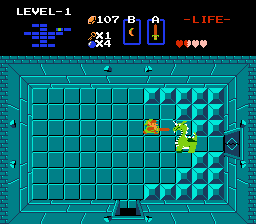
Since this is a Game & Watch, I should mention the other aspect of the hardware which is the watch. When not playing a game, the unit functions like a clock. Nintendo included a display base with this one that looks pretty slick, but is just made out of cardboard. I question how well it will hold up over time. The clock though displays it over The Legend of Zelda and when left alone Link will roam the screen battling enemies gradually progressing through a modified version of the game over 24 hours. Come noon, he’ll best Ganon and save Zelda which is pretty neat. If at any point you want to control the action you can, and leaving it idle for a few seconds will revert back to AI control. It’s a fun thing to have on a desk or workspace, though it can get mildly distracting.
There’s also a timer, or stop watch, function. It’s pretty self explanatory, but like the clock it displays Link in action. This time, the sprites are from Zelda II and it does function like a game all on its own as you try to defeat as many enemies during a given duration. Or, if you just need it to be a timer, you can let the AI duke it out. It’s definitely not a feature I plan to take advantage of, but it’s fun to have it. Also included is the Game & Watch game Vermin. It’s a game where you just slide a character across the screen as it tries to stop some vermin from advancing past. In the original, the player character was Mr. Game & Watch, but it’s been changed to resemble Link for this release. It’s a simple game that has its moments, but largely feels like it’s included as both an homage to the classic handheld and as a reminder of how far we’ve come.
The unit runs on an internal battery and I’m honestly not sure how long it can last. Most these days seem to last anywhere from 2 and a half to 4 hours. I haven’t come close to draining it in my play sessions, but my sessions have been more of the half hour to an hour variety. Nintendo included a USB cable to charge it, though it’s pathetically short. I’ve had it plugged into my laptop since getting it which means the clock will only run while my laptop isn’t in sleep mode. When not connected to a power source, the screen turns off after 3 minutes, but when it does it displays a piece of vintage art from the old game manuals which is pretty cool. There are some other Easter Eggs as well that I won’t spoil, but if you’re curious, they’re not hard to find online. I should note, the unit is capable of keeping track of the clock when powered down, though I assume if you ran the battery down to nothing and left it like that for a bit it might need to be reset like a console would.

The Legend of Zelda edition of the Game & Watch is a perfectly fine, novelty, handheld. Nobody needs this and these games are all readily available in probably more convenient options at this point, but if you find yourself charmed by this little device then I think it’s worth the 50 bucks Nintendo is asking for it. Yes, I wish it had proper A and B buttons and the DX version of Link’s Awakening, but those are nitpicks. The absence of save states is more of a bummer because these games don’t have a robust, built-in, save feature so it is more challenging than it needs to be to do something as simple as switch profiles within the games. It’ll save one action session per game, but if I want to let my son play The Legend of Zelda I need to end my game first and I don’t want to go all the way back to the beginning on the map if I was in the middle of a dungeon or had paused my session right outside of one. I also would have gladly paid an extra 10 – 15 bucks for a better display stand. I love how this one looks, being all black with a gold Triforce logo, but it only looks good from a distance as once up close it becomes apparent the thing is a glorified box.
I suspect if you’re interested in this then you have already made up your mind. It’s for the Zelda fan or nostalgic Nintendo fan. It’s also priced on the fringe of impulse buy territory, and if 2020’s model is any indication, it will eventually find itself on sale. I had no issue tracking a unit down for purchase and I’ve seen them on my weekly trips to Target so, for now, this one’s easy to come by. I suspect once it’s gone then it’s gone and it will gradually rise in price on the aftermarket. You’re probably safe to play the waiting game if you want to take advantage of a sale price, though if units start to disappear before that day comes then you may want to just jump on it at $50. I’m happy to have it, and while I don’t know if it will live forever beside my laptop, but I would like to find a permanent home for it because it’s a fun clock to have around. And hey, there’s some good games on it too!
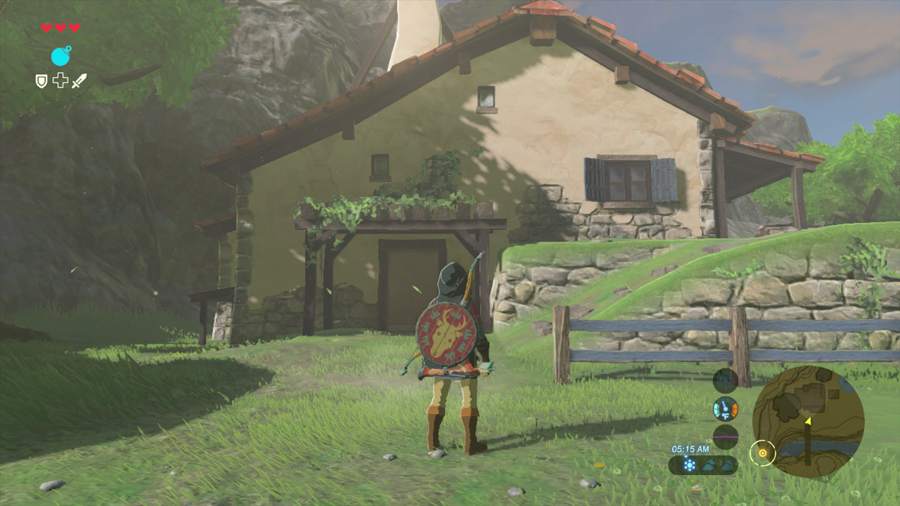
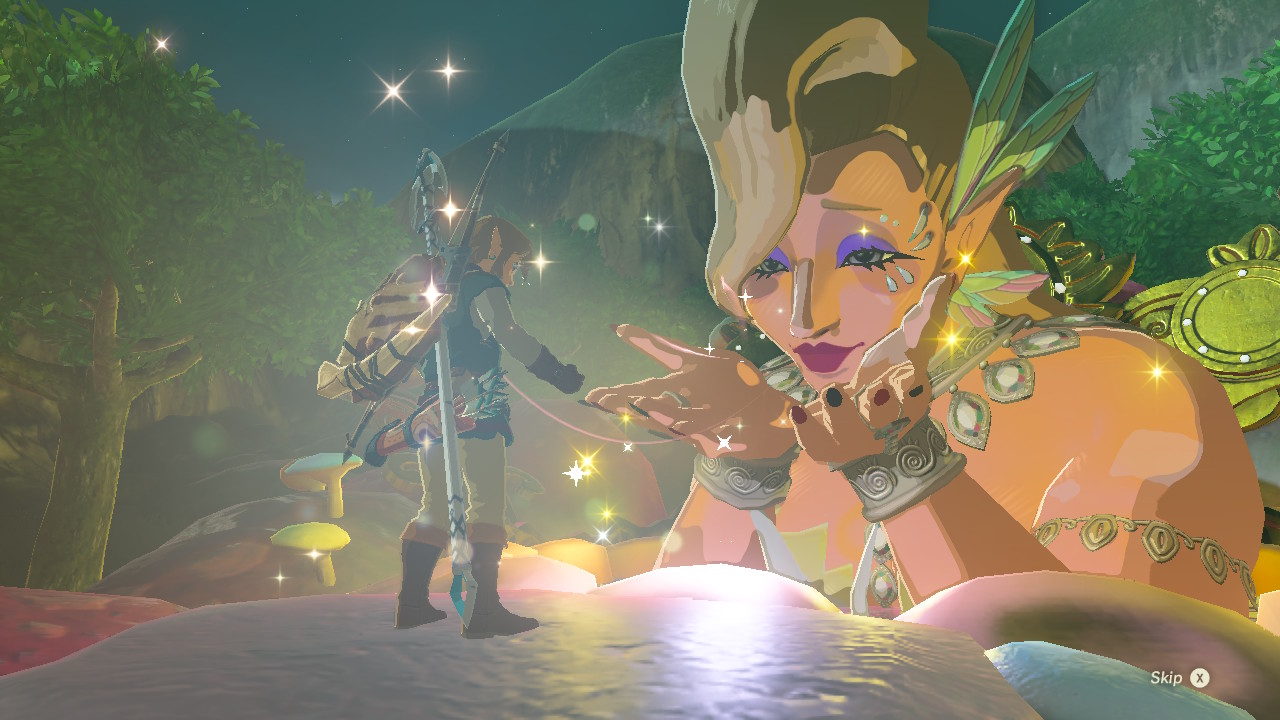
 It has taken me quite a few months, but I’m finally ready to offer up my full thoughts on the latest entry in The Legend of Zelda series: Breath of the Wild. I first wrote about it as part of my initial thoughts on the Nintendo Switch. I was able to secure a unit at launch and naturally Zelda was the title I paired with it. Since its release, Breath of the Wild has been almost universally praised as not just one of the best titles in the series but as one of the greatest video games ever made. Currently it ranks fourth all time on game rankings.com, right in between Grand Theft Auto IV and Super Mario Galaxy 2 with an aggregate score of 97.28%. On metaritic.com, the game is in a massive tie for 6th all-time with a score of 97. The highest score of all time just happens to be 99, held by The Legend of Zelda: Ocarina of Time.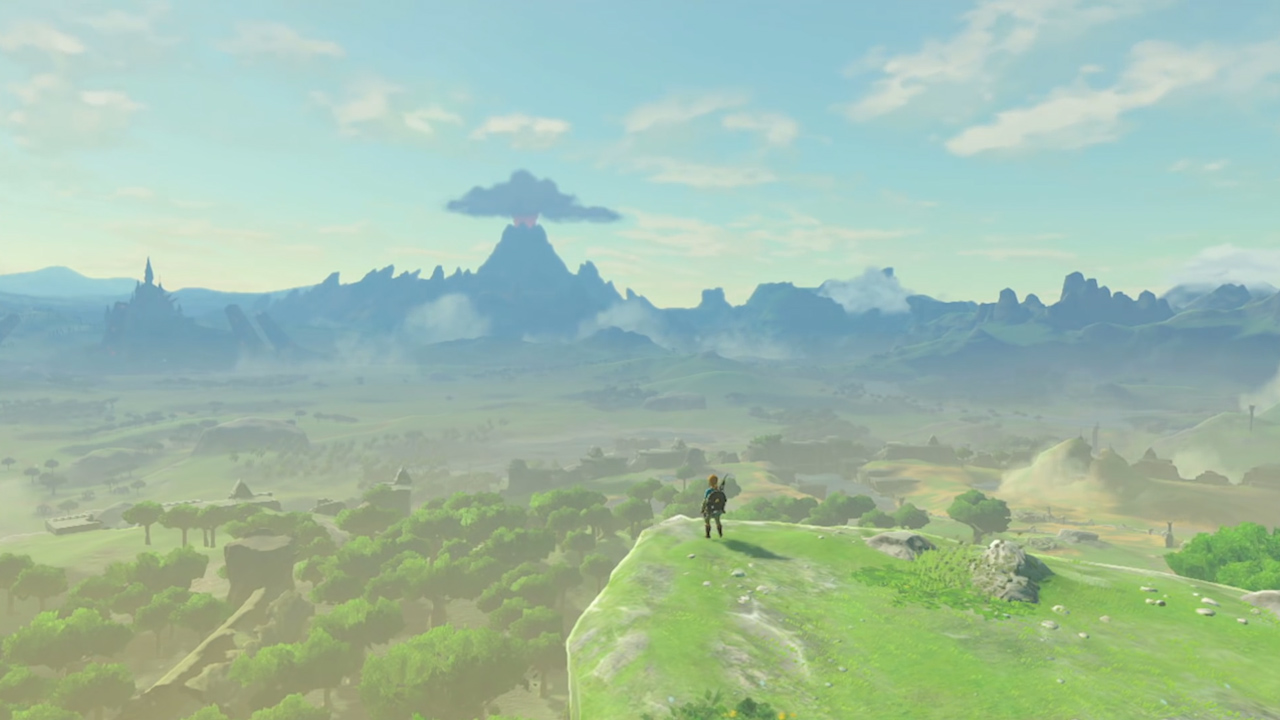



 You’ve probably heard by now about the SNES Classic coming later this month. If you’re even remotely interested in owning one, you’re also either happy you have a pre-order, concerned your pre-order could be cancelled at any moment, or absolutely furious that you couldn’t secure a pre-order. The NES Classic released in 2016 was notoriously difficult to obtain before being abruptly cancelled all together after just a few months of shipments. As a result, demand for the SNES Classic is at an absurd level as fans who want one are worried about having to pay the ridiculous scalper rates on eBay or else risk never getting one.




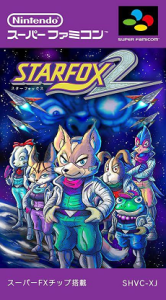 #21 – Star Fox 2* (2017)
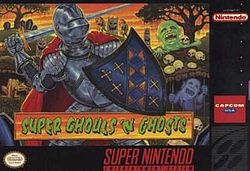 #20 – Super Ghouls ‘n Ghosts (1991)
 #19 – F-Zero (1990)
 #18 – Donkey Kong Country (1994)
 #17 – Super Punch-Out!! (1994)
 #16 – Contra III: The Alien Wars (1993)
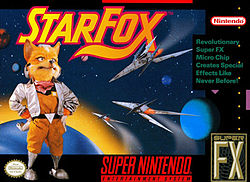 #15 – Star Fox (1993)
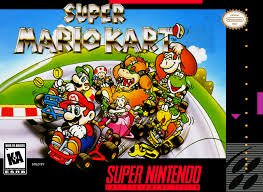 #14 – Super Mario Kart (1992)
 #13 – Kirby’s Dream Course (1994)
 #12 – EarthBound (1994)
 #11 – Kirby Super Star (1996)
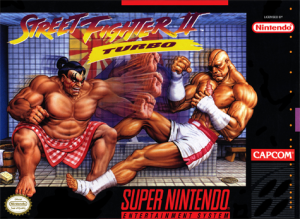 #10 – Street Fighter II Turbo: Hyper Fighting (1993)
 #9 – Secret of Mana (1993)
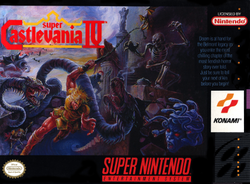 #8 – Super Castlevania IV (1991)
 #7 – Super Mario RPG (1996)
 #6 – Super Mario World 2: Yoshi’s Island (1995)
  #5 – Mega Man X (1993)
 #4 – Super Metroid (1994)
 #3 – Final Fantasy III (1994)
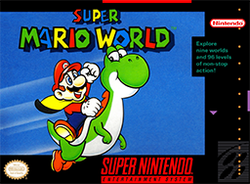 #2 – Super Mario World (1990)
 #1 – The Legend of Zelda: A Link to the Past (1991)
 It’s Friday, March 3rd, the launch day for Nintendo Switch, and I’ve had mine since the clock changed over to mark the day. By now, you’ve probably seen the system, read numerous reviews of it and the software, and maybe even have your very own. There’s a lot of information out there, and I’m not going to try and match the coverage of the Switch by professional gaming outlets who’ve had access to the system all week. The early returns on the system seem to be mostly positive, though not glowing with praise. The early returns on Zelda: Breath of the Wild however, have been almost universally warm with many perfect scores getting tossed around.

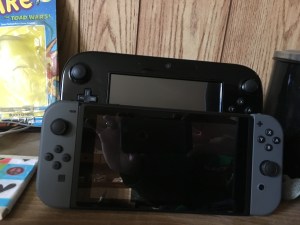

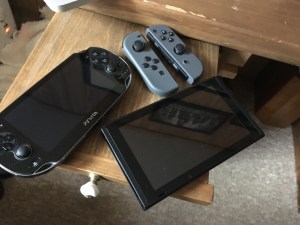
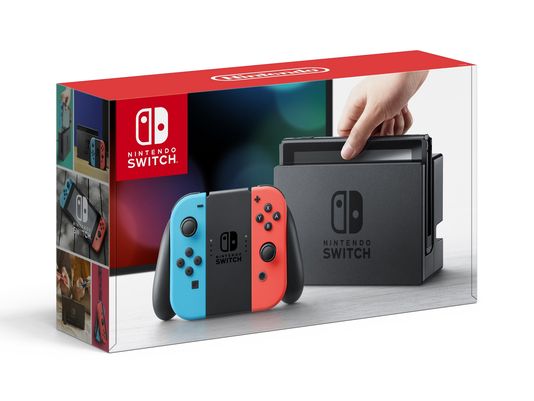 Switch. If you took a shot each time someone said that word during Nintendo’s press conference unveiling the latest device in console/mobile gaming you’re probably hung over right now. It’s obviously not just a name for the console/handheld hybrid, but also a marketing strategy. Nintendo is changing with the times, switching it up if you will, and making a commitment to something new and exciting. If that’s the main take-away from the Switch’s coming out party last night, then why did I feel like this was the Wii all over again?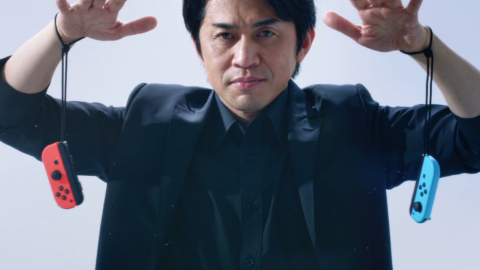
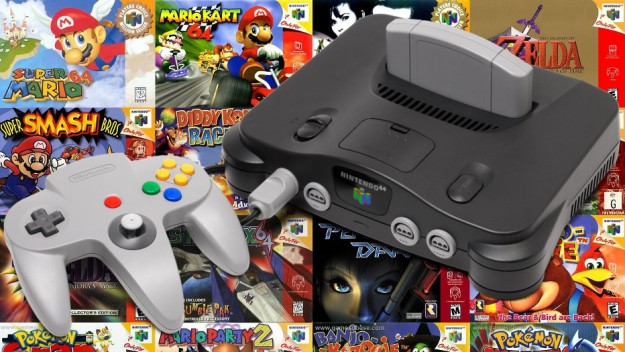
 We’re now past Thanksgiving here in the US which means the holiday shopping season is already well underway. The recently released NES Classic continues to be a hot seller, perhaps the hottest of the season, though that seems to have more to do with product scarcity than true demand (after all, children by and large are not interested in a gaming device with 30 year old games on it). That said, no one would deny that even in limited quantities the NES Classic has been a commercial success for Nintendo, something that’s been hard to come by for the venerable game developer of late. Most analysts peg the NES Classic as being pretty cheap to manufacture, and the power under the hood is likely sufficient to support a comparable quantity of N64 games, so speculating on a potential SNES Classic seems like a waste of time: it’s going to happen. And if we’re going to get an SNES Classic then immediately the mind next moves onto what games will Nintendo include on that collection?
 Pilotwings (Nintendo 1991) – Pilotwings was kind of the debut of the Nintendo developed tech demo released with all of their future console launches to show off the new console’s capabilities. It was to the SNES what Wii Sports was to the Wii. It’s basically a collection of mini games, and personally I remember all of my friends looking down on this title. I haven’t played it in years so I can’t say if I’d enjoy it more now, but since Nintendo developed it they’ll likely include it on the SNES Classic.
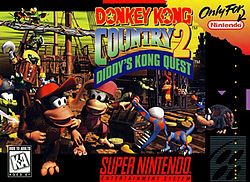 Donkey Kong Country 2 (Nintendo 1995) – Nintendo had three main series Mario games to help pad the NES Classic, chances are they’ll look to DK to help do the same for the SNES Classic. Some think this one is the best of the SNES trilogy of DKC games, I have no real opinion on the matter as I don’t remember even playing this one.
 Donkey Kong Country 3 (Nintendo 1996) – This game arrived really late for the SNES, though if memory serves it still sold all right. This one might not make the SNES Classic, it’s certainly the least likely of the three, but since Nintendo wants to put as many of their games on the system as possible it feels like a safe assumption to include it here.
 Final Fantasy II (Square 1991) – Now we’re into the non-Nintendo games, and this is actually where the list really begins for me as far as ordering by most likely. The first 13 could be ordered however you want, aside from maybe DKC3, they’re all going to be included for sure. The SNES was the console where the JRPG really took off, and it’s kind of where Final Fantasy was truly born (at least in the West). Final Fantasy III is the better game, but for some reason I suspect that II is more likely to be included if only one is.
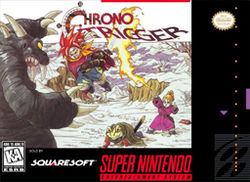 Chrono Trigger (Square 1995) – Another one of those “best ever” contenders, Chrono Trigger is as beloved as any game in the Final Fantasy series, even if it never took off as a franchise on its own. The only thing that would keep it from being included is if Square-Enix wants to be protective of how often they re-release the game. Or if they want too much money in the form of royalties, which could be a problem since they made a lot of awesome SNES games…
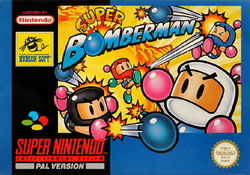 Super Bomberman (Hudson Soft 1993) – The ultimate party game for the SNES, Super Bomberman was probably my most rented title for sleepovers and such as the four-player mode rocked. If Nintendo does include this title, and it should, it needs to make sure the SNES Classic can handle four-players, even if it means messing with the aesthetics of the system by including four controller ports on the front.
 Street Fighter II (Capcom 1992)- Capcom’s fighting game is almost certain to make an appearance, it’s just a question of what version. They should probably just go with Super Street Fighter II, but maybe they think the importance of the original makes it the more worthy title.
 Sim City (Nintendo 1991) – Another Nintendo published title but with the royalties a little messy compared to a Mario or Zelda game. Sim City was another surprise hit in that there was skepticism the city builder simulation would find an audience on a home console. It did and it did well with its success leading to other sim games being released for the SNES, including “classics” like Sim Ant…
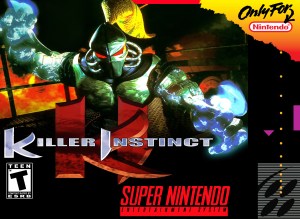 Killer Instinct (Midway/Rareware/Nintendo 1995) – Nintendo, and Rare’s, answer to Mortal Kombat, Killer Instinct was a perfectly acceptable fighter for the era. Rare, and now Microsoft, hold the publishing rights for the franchise and I don’t know how that affects the original game’s inclusion. If Nintendo needs to only split royalties with Microsoft/Rare then I think it will be included. Anything more and it probably won’t be.
 Tetris Attack (Nintendo 1996) – Many have tried to improve upon the formula of Tetris, and few have succeeded. Tetris Attack found a way with a competitive two-player mode that’s a blast to play. It’s been ripped off for other puzzle games like Puzzle Fighter and Pokemon Puzzle League. And thankfully there’s no Super Dr. Mario to bump this one from the collection.
 Actraiser (Enix 1991) – A legitimately unique game that combines the sim elements of a world builder with the action RPG gaming of Castlevania, Demon’s Crest, and so forth. Few games have tried to do what Actraiser did (Dark Cloud being the only one I can recall off the top of my head) and even though it wasn’t an immensely popular title, it feels like one that received its due in the years since so if Nintendo leaves it out I’d actually be pretty surprised.
 Zombies Ate My Neighbors (Konami 1993) – This game was so thematically outrageous at the time that it couldn’t be ignored. People remember it, even though it never turned into a bankable franchise or anything (though zombies in general certainly have). It’s extremely memorable as a Super Nintendo game, so much so that it seems like Nintendo won’t be able to ignore it.
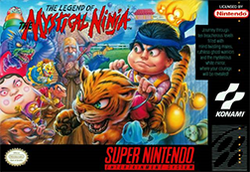 The Legend of the Mystical Ninja (Konami 1992) – Our last title is from a franchise that was far more popular in Japan than the US, but worth including. The co-op play was some of the best on the system. I never owned the game, but I remember renting it multiple times as it was a lot of fun to have around when friends were over for the night.
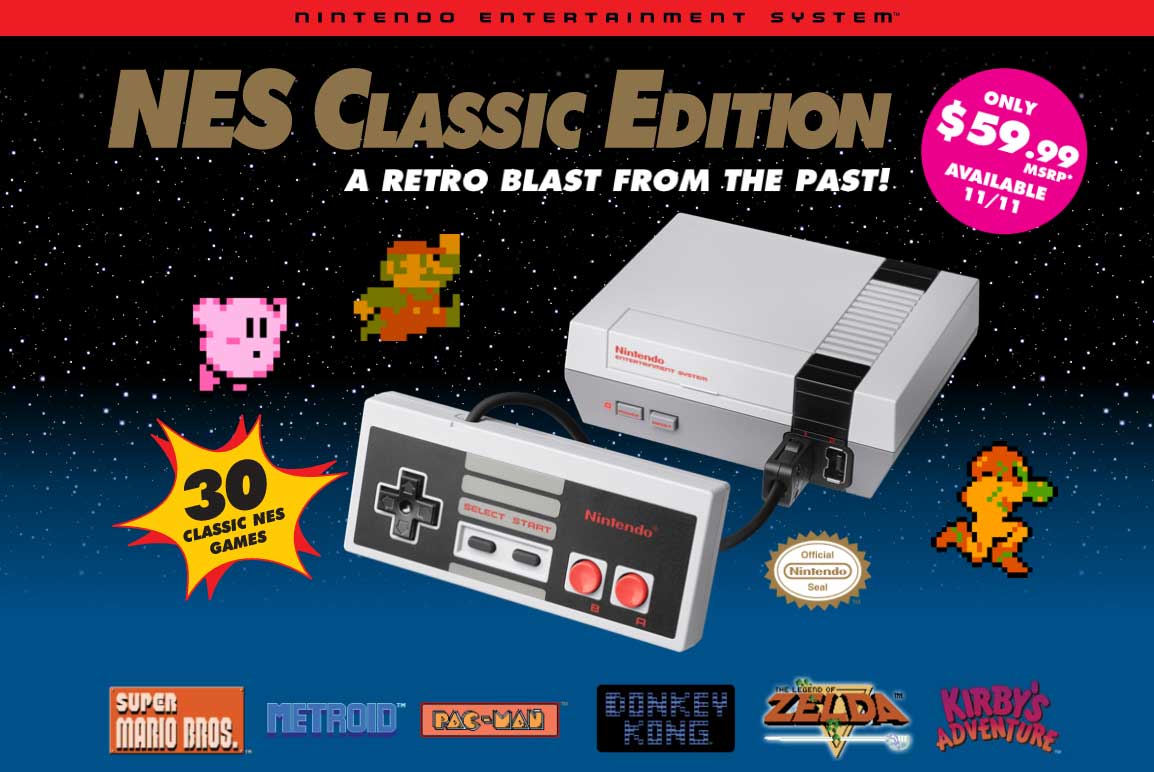 If you’re into video games then you have probably heard by now about the NES Classic, the plug and play gaming device that resembles a mini Nintendo Entertainment System. You’ve also probably heard about how Nintendo shipped a minuscule amount of the units for the system’s launch date and now it’s impossible to find at retail. It’s a cute product that’s going to be popular due to the nostalgia factor and low price ($60), but if properly stocked it’s probably not flying off the shelves in mass quantities like the current shortage would indicate. It’s a particularly great device for those who do not still own, or never owned, an actual NES and want to get a retro gaming fix. The NES Classic comes pre-loaded with 30 games and each one has four save state slots making hard to beat classics like Zelda II that much more manageable.
 30. Ice Climber (Nintendo 1985) – Most probably know Ice Climber as that weird double-character controlled by a single player in the Super Smash Bros. series. Older folks remember it as an NES launch title that the unlucky ones received instead of one of the better games. Ice Climber represents the early, primitive NES games that were little more than better looking Atari 2600 games. Some of these games were worthwhile because they first existed in the arcade and were just now getting home versions on par with those arcade originals. Ice Climber is not one of those games though, but it costs Nintendo nothing to include it here. As a title for the NES Classic, the only thing it has going for it is that it features 2-player simultaneous play.
 29. Balloon Fight (Nintendo 1986) – Another early Nintendo game, this one first appeared in arcades before making it home. It’s slightly more interesting than Ice Climber, but isn’t a game you will have much interest in returning to over and over. It’s been re-released a ton over the years, and including it here is just overkill.
 28. Mario Bros. (Nintendo 1983) – Super Mario Bros. is the game most synonymous with the NES, the original Mario Bros. is not. If you had a copy of Super Mario Bros. 3 (and you probably did) then you experienced all you needed to from this game. It was never a popular NES title and Nintendo is basically only including it because it has Mario in the title.
 27. Donkey Kong Jr. (Nintendo 1982) – Donkey Kong Jr is another arcade classic (I’m using that term liberally here) that was never really all that popular on the NES, but Nintendo obviously felt the old arcade games needed (significant) representation on the NES Classic. Donkey Kong Jr. is most notable for putting Mario in the role of villain as the player takes control of Kid Kong and tries to save his old man, I mean, ape. It’s fine, but lack replay value outside of just shooting for a high score isn’t much of a home console experience.
 26. Galaga (Namco 1981) – a slightly younger generation maybe familiar with Galaga not as an arcade classic, but as a popular loading screen diversion of Playstation era Namco games. Galaga is another arcade great that never had much of a life on the NES. Tastes had moved on, and Galaga really doesn’t need to be included in a set of great NES games.
 25. Pac-Man (Namco 1980) – Pac-Man was Mario before Mario. Unlike a lot of the other games on this list so far, there actually was some appetite for an arcade perfect version of Pac-Man on the NES. It’s a game almost everyone is familiar with, but still not really one that people are clamoring to play.
 24. Donkey Kong (Nintendo 1981) – Donkey Kong, like Pac-Man, is another game that consumers did have some appetite for when the NES made it to retail. And since DK is one of Nintendo’s most popular characters, it’s not surprising that he’s included. Still, there’s a lot of arcade games on this set, too many if you ask me.
 23. Tecmo Bowl (Tecmo 1987) – More known for how game-breaking Bo Jackson was, Tecmo Bowl was the first great football game of its kind. It’s pretty dated at this point, but is a top 50 NES title, and for diehard sports fans, probably a top 30 one too.
 22. Final Fantasy (Square 1987) – Few franchises are as synonymous with gaming as Final Fantasy. The first title is also known as the game that saved Square, now Square-Enix, hence why it was called Final Fantasy since there was a very real chance it was the publisher’s final title. It was a Dragon Quest clone that did a few interesting things on its own, but played today it’s quite clear that Father Time has not taken a liking to it. Only the truly dedicated NES Classic owners will see this title to the end.
 21. Dr. Mario (Nintendo 1990) – One of the first examples of Nintendo realizing it could just slap Mario on anything and boost sales, Dr. Mario is a Tetris clone that does enough to separate itself from its predecessor, but not enough to better it.
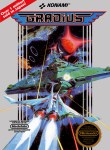 19. Gradius (Konami, 1985) – Gradius is a classic on-rails shooter by Konami known for its difficulty. The on-rails shooter genre has actually aged really well, because there isn’t really much better technology can do for it aside from make it look better. So from that standpoint, it holds up.
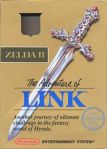 18.
18.  17. Double Dragon II (Acclaim 1989) – The arcade beat-em-up most synonymous with the NES. It was a good debate over which was superior, Double Dragon II or TMNT II, but both were fun games, particularly for two-players. Double Dragon II is also miles ahead of the original so good call by Nintendo for being able to recognize that including it over the original was the right move.
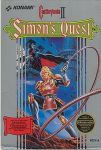 16. Castlevania II: Simon’s Quest (Konami 1987) – The sequel to the smash-hit original, Castlevania II, like Zelda II, is known mostly for its big shift in gameplay. Simon Belmont still handles the same way, but the RPG mechanics make for a vastly different experience. Some people loved it, some people hated it, everyone was frustrated by it’s cryptic puzzles. That last part isn’t really an issue today thanks to the wonderful invention known as the internet, making this game actually more playable now than it was in 1987.
 15. Bubble Bobble (Taito 1986) – A simple, but challenging, two-player experience is how I remember Bubble Bobble. It strangely holds up really well, and its timeless gameplay plus two-player simultaneous play makes for a worthy selection.
 14. Super C (Konami 1988) – Also known as Super Contra, it’s the sequel to Contra and features the same basic run n’ gun gameplay. For whatever reason, no one seems to remember this game even though the first Contra was mega popular. As an aside, it’s pretty amazing how many Konami games made this release.
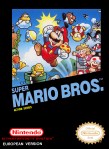 13. Super Mario Bros (Nintendo 1985) – Obviously, this one was going to be included because it’s probably the most important game that Nintendo ever released, and it could be considered the most important and famous game of all time.
 12. Ghosts ‘N Goblins (Capcom 1986) – Finally, a Capcom game! It surprised me how many Konami games made this release vs Capcom as I always viewed the two as equal during the NES days. Ghosts ‘N Goblins was a hard, but fun, game and gamers will really appreciate the save states on the NES Classic when they tackle this one. It’s another run n’ gun styled game, a genre that has held up really well.
 11. Castlevania (Konami 1986) – A no doubt classic. I don’t think I really need to say much about this one, right? It’s hard, but fair (mostly), and it’s style of play is still rewarding today. None of the NES sequels really did enough to warrant consideration over it either (and Nintendo included Castlevania II anyways) making this selection completely warranted.
 10. Metroid (Nintendo 1986) – It’s a good thing games were so expensive in the 80s, otherwise how would anyone have gotten anything done in ’86 and ’87 with so many killer releases on the NES? Metroid is a bit of a tough one to rank as it hasn’t aged too well, but the game’s mood is still so captivatingly barren and lonesome that I find it charming even today. Obviously, future games in the series were able to vastly improve upon the original formula, but since none of them were NES games it makes Metroid’s inclusion a no-(mother)brainer.
 9. Kirby’s Adventure (Nintendo 1993) – Kirby is a character who peaked early. Kirby’s Adventure, only his second outing, is probably second only to his outing on the SNES among all of the Kirby games. Kirby’s Adventure is a great inclusion here because not only is it a fun and unique platformer, but it was also a late release for the NES when a lot of gamers had moved onto the Genesis and SNES. The NES Classic gives those gamers who missed it the first time a second chance to experience it.
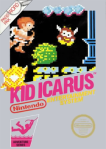 8. Kid Icarus (Nintendo 1986) – Poor Pit has been mistreated for years by Nintendo, but at least he gets to be among the 3o games on the NES Classic. His original outing was a difficult platforming/RPG hybrid that may be more appreciated today than it was in 1986. The controls aren’t the best, but they work, and the save state feature gives this one new life. Since it is so often cited as a forgotten Nintendo classic it has probably ceased to be one, but many gamers will probably still get their first taste of Kid Icarus with this set.
 7. Punch-Out!! (Nintendo 1990) – Obviously, this is the version featuring Mr. Dream and not Mike Tyson. It’s the same game though, and while one could argue that this one has been re-released too much, it’s harder still to argue it’s not one of the most fun games released for the NES. It’s timing based gameplay also means it’s held up well in the age department. It’s challenge has always been fair and rewarding, though people will still probably abuse save states to beat it.
 6. Super Mario Bros. 2 (Nintendo 1988) – Ever notice how no one, and I mean no one, ever acknowledges the box art’s Mario Madness subtitle? What was that even supposed to mean? Anyways, you probably know all about Super Mario Bros. 2’s odd path to release, so I won’t bore you here. It’s a great game, even if it’s very different from its predecessor, and Nintendo wasn’t going to exclude it from this release.
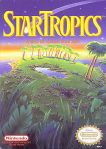 5. StarTropics (Nintendo 1990) – StarTropics is an often overlooked game from the NES era that feels like the spiritual sequel to Zelda, since Zelda II felt so different. It improves on the original Legend of Zelda in some ways, and it’s use of contemporary items as weapons definitely feels a lot like Earthbound. It’s a really good game, and one you probably haven’t played, so go ahead and play this one first. You have my permission. Just be warned that you will need to consult the internet to make it through one particular part.
 4. Ninja Gaiden (Tecmo 1990) – Few characters on the NES are as fun to control as Ryu Hayabusa. It’s just too bad the world around our badass ninja Ryu makes him feel not so badass since everything can kill him. Ninja Gaiden is a brutal game, but it still manages to be a fun one. Some of the stuff it does seems unfair, but it always manages to bring gamers back after some rage-induced quiting. Just remember, the chord on that NES Classic controller is really short before you throw it.
 3. Mega Man 2 (Capcom 1988) – Naturally, you can’t have a collection of thirty of the best NES games ever created and not include Mega Man. And if Nintendo was limiting itself to just one Mega Man, then Mega Man 2 is probably the best option. Yeah, future games introduced elements like the slide and Rush, but Mega Man 2 is iconic for its boss selection, music, and stage setup. It’s considered the best in the franchise by many still to this day. The only real argument is why did Nintendo include one Mega Man game but two Castlevania titles? The easy answer is that Simon’s Quest is pretty different from its predecessor, while all of the Mega Man games are very similar. It still feels odd, though.
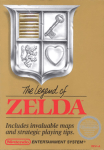 2.
2.  1.Super Mario Bros. 3 (Nintendo 1990) – Super Mario Bros. 3 is among the greatest games ever made, and it’s the best game on the NES, so obviously it was going to be included. There’s no argument against it, other than maybe that everyone has already played it before. The only negative thing I can even say about it is that Mario has brown sideburns but a black mustache on the box art, which makes no sense. Then again, Nintendo really hasn’t mined the Mario back catalogue like it has some other games so it really doesn’t feel exploited. I may have suggested playing StarTropics first, but come on, you’ll play this one first. Just about everyone will.
 We’re down to the top four in our rankings for the best games in The Legend of Zelda franchise. As far as climaxes go, this one is probably fairly anti-climactic as there’s a pretty clear top two in this series that the majority of gamers agree on. Though, as these games collectively get older there is undoubtedly more affection for the more recent games as suddenly a title like The Wind Waker is a normal gateway for players in their teens and twenties. Nostalgia always plays a role in a subjective exercise such as this one, though I sincerely feel these four games are the most dense and most fun Zelda experiences that Nintendo has put out. And I’m also not beholden to them. I really hope the next game in the series dethrones our champ, or at least forces its way into the conversation. Time will tell.


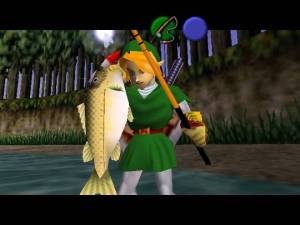


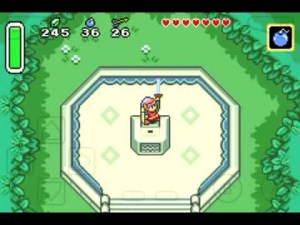
 Part 2 of this ranking feature for the games in the Legend of Zelda series should be less controversial than Part 1. Hopefully that doesn’t make it boring because we are just about at that point with this list where I’m splitting hairs. It’s probably not really a spoiler to say that the top 2 Zelda games are not really in question, and I think for many, the order is mostly agreed upon. I also think the next two games on our list are pretty clearly inferior to what follows, though some of that does depend on what your appetite for retro gaming is (suffice to say, if you were born sometime after 1990 the order of the following games is probably different from mine). Let’s move along though to take a look at these prestigious games which made it deep into the top ten.
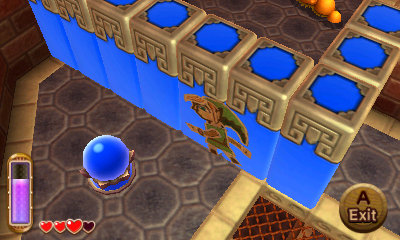
 8. Oracle of Seasons (Gameboy Color 2001)

 The Nostalgia Spot