We just had 11 consecutive weeks of action figure reviews on Super7’s line of figures based on The Simpsons. Things were getting pretty negative in that sphere as that line went out with a whimper. I don’t like reviewing bad figures and it’s mostly because everything I review here I buy for my own collection. Why would I want to buy a bad figure? That line let me down and I need a pick-me-up to run this Thursday. Enter Jada Toys and their shiny, new, Mega Man figure!
Jada is a company I have had little interaction with. I bought my kid a remote controlled car years ago that was made by Jada. It was a great toy, fairly inexpensive, and it worked really well for what it was. I have a good impression of Jada as a result, but it’s not like that product should lend itself well towards action figures. That’s a whole different ballgame. Less complicated in some respects, but also more so in other ways. Jada, possibly because the action figure market has expanded over the years, decided to get into that sphere and it has targeted licenses that have been underserved of late – mainly video games and food mascots. It’s an odd combo, but people like both things and there’s a ton of much beloved food mascots out there that have interested folks. None have really appealed to me, but they look so good that I’ve been tempted. Jada’s partnership with video game developer Capcom is where the most popular figures appear to be coming from. Street Fighter II has been the focus and again, not something that appeals to me, but still tempting because they look so good and have received a lot of positive buzz. Finally, and most recently, Jada has released figures for a license I do have interest in and that is Mega Man.
Two heads, an extra set of hands, weapon, and effect part – see! It doesn’t have to be difficult!
When it comes to the video games, I am a casual Mega Man fan at best. If I had to pick a favorite game in the series, it would probably be Mega Man X for Super Nintendo. Is that sacrilege to choose a game from the X franchise over the classic one? I have no idea, but it is what it is. In the 80s, Mega Man games were popular, but also hard. I had friends who owned them, but I never owned one myself because I sucked at them. Even so, television shows like Captain N: The Game Master had me convinced Mega Man was a Nintendo mascot. I’m not sure at what point I realized that wasn’t the case. Even though I’m not a huge fan of the games, I always really liked the character designs from the series, both the classic series and the X one. I watched the DiC animated show and considered getting into that toyline long ago, but never did. I’ve often been tempted by the many model kits and such out there, but I’ve never taken the plunge.
The box art definitely goes with a more late 90s vibe to the artwork, but the figure is pretty much classic Mega Man.
Jada made it easy to finally buy my first Mega Man action figure. Not only have their figures been well received so far, they’re also cheap. The figures in the Mega Man line will only set you back 20 bucks a piece. I think they’re considered 1:12 scale with the characters running small, but $20 for such a scale is almost unheard of now. And it’s not like Jada is scaling back on quality. These things are fully articulated, well-painted, and come with a suitable amount of accessories. And it’s all for a licensed toy line! Is this just entry level pricing and we’re being setup for increases to follow? I don’t know, and I almost hate praising a company for their low prices as that could signal to them they have some room to raise them, but it’s a pretty stark contrast between what Jada is selling for $20 and what a company like Hasbro is selling for $25 and up.
He can run!
Mega Man comes in a box that’s adorned with game art. The actual artwork for Mega Man on the front seems to come from the Mega Man 7 or 8 era as he has a very anime look to him. It’s not the little, chubby, guy from the 8-bit era nor is it the hideous artwork from the US releases. It’s an attractive, tidy, box so if you like to keep things in-box it should serve you well as it’s also quite sturdy. Mega Man stands approximately 4 5/8″ to the tip top of his helmet. He’s a little guy, but if you’re buying this figure for your Marvel vs Capcom display then it will serve you well when it comes to scale. As he is known as the blue bomber, Mega Man is composed of different shades of blue. His torso, legs, and sleeves are a light blue while the boots, helmet, and forearms are a dark blue. The dark blue parts are also glossy which meshes well with the artwork. The light blue portions of the helmet as well as the facial features are painted and look nice. There’s a hint of blue shading on the light blue parts and the light just plays on it very well. It’s a nice looking figure with a good in-hand feel.
He can kick!
Mega Man’s accessories are perhaps not substantial, but better than adequate. We get two heads: a smile and an angry expression. Both are suitable for the character and I have a hard time choosing between the two. I suppose the smiling one when not in use can double as an extra life power-up. Mega Man also has four hands: a set of fists, a right curled gesture and a left wide open hand. I’m surprised the non fist hands are different, but the curled hand is intended to pair with the Mega Buster while the splayed hand is probably meant to harken back to some classic poses. And speaking of, we have a Mega Buster! Both of Mega Man’s forearms are connected to the bicep via a hinged peg and can be removed and swapped with the Mega Buster. The Mega Buster is a nice, glossy, blue with the yellow power indicator on it. You can rotate it any which way so it looks fine on either the left or right arm, though I always picture Mega Man with buster on the left arm. Lastly, to round things out we get an effect part. It’s a translucent, yellow, fireball with an acrylic stand. The stand has two joints in it and you’re supposed to basically put almost two right angles into it in order to get it to the right height. It works well though giving us a spread of two heads, four hands, a weapon, and a power effect. Who knew it was so hard to get that kind of spread with an action figure?
He can slide!
As you may recall, when I pointed out the affordable price for this figure I also mentioned there was no cut to the articulation budget as a result. Mega Man can do just about anything you need him to. The head is on a double ball peg so Mega Man can rotate, look down, and tilt. His range looking up isn’t great, but he does have a ball-jointed diaphragm. That joint will allow him to bend forward and back which should provide for the up range you need at the head. That joint also rotates and tilts a bit to the side with a waist swivel below. Shoulders are simple ball-hinges. Elbows are single hinges and that’s where you’ll get your bicep swivel. Hands rotate and hinge horizontally. Hips are simple ball sockets and Mega Man can do splits and kick better than 90 degrees forward. There is a thigh twist there while the knees are single-hinged and bend about 90 degrees. Ankles hinge back quite far, but not much forward and the ankle rockers work surprisingly well given the unique shape of the boots.
And he can go “pew pew!”
Mega Man moves very well. Even without butterfly joints, he gets solid range at the shoulders for Mega Buster poses. He can rest the curled hand on top of the buster or under it when firing straight out in front of his body, he just can’t achieve that when aiming out to the side. He can do running poses and he’s really good at standing on one leg thanks to the oversized feet so if you want to recreate some Mega Man Soccer you should have no problem. All of the joints are nice and tight too. The only joints that felt a little too tight were the knees as those hinged-peg style knees can be a little scary to move when tight. I didn’t need to heat anything up though to get things moving. I’ve had this guy living on my desk for over a month now and I’m constantly having fun fiddling with him and finding different poses.
If you want this figure for your Marvel vs Capcom display then it should fit in nicely.
This Mega Man figure from Jada Toys is a delight. It is a really fun toy to handle and behold and it comes with just about everything you need. There is very little to critique with it as a result. A neck joint might have helped with the head range and if they could have included mirror image versions of the two style pose hands that would have also been great. Otherwise, what else is there? An action stand? Maybe they could have worked a peg hole somewhere into the figure so it could use the effect part stand? I also have one fist that’s glossy while the other hands appear to have a matte coating on them. I’m guessing it’s an error, but not a particularly impactful one.
All that is to say whatever issues I have with this figure are nitpicks at best. For 20 bucks, I dare you to find a better value in the current action figure market. There are unlicensed figures of similar quality to this figure that cost considerably more. This isn’t from some huge company either. I don’t know how Jada is doing it, but I hope it continues. This Mega Man line is not one I’m going to go all-in on or anything as I’m not a big enough fan of the franchise. I’ll cherry pick my favorites, and at 20 bucks I won’t be waiting for a discount or anything. I’m tempted by Ice Man, but I’ll definitely get Cut Man and I’m very interested in seeing what they do with Guts Man. And if they do an X I’ll definitely grab him. This is a great line and if you have even a passing interest in Mega Man I urge you to give it a try. This toyline is going to be on a lot of “Best of” lists at the end of 2024.
Not a lot of video game inspired toys on this blog, but there’s still plenty of fun here:
The toyline of my dreams was announced last October. In celebration of the 30th anniversary of the television series X-Men, Hasbro is doing a dedicated line of Marvel Legends with figures based on the look of the show. The show was obviously inspired by the designs of Jim Lee, but there are differences in the…
Longtime readers of this blog might have noticed something in my review of the Turtles in Time Bebop and Rocksteady – they were paired up with the Turtles in Time Leonardo and Raphael. I’ve never reviewed those figures and they’ve been out for a long time. Well, I held off. Initially, I just wasn’t convinced…
Arcade 1Up has been around for a few years now selling arcade cabinets at a reduced size and also a reduced price. The cabinets are significantly smaller than an actual arcade cabinet, but still plenty large enough to take up a lot of floor space in your home. And while they’re cheaper than the “real…
It took a long time for it to be realized, and a long time for me to play it. It’s debatable which Final Fantasy title is best and nostalgia will always play a big role. For many, Final Fantasy VII was the first Final Fantasy game they played. Previously, only three titles had made it to US shores, but it seemed like each new game was more popular than the last. I know for me personally, I had quite a few friends who were into what we then knew as Final Fantasy III so whatever was next in the franchise would be on my radar and the radar of many I knew. When the company then known as Squaresoft pivoted from Nintendo to Sony, it felt like one of the first major “gets” for the new PlayStation console. And when images started circulating in gaming magazines of those initial summons it basically blew everyone away. I’m guessing a lot of people just saw the media and bought into the hype based on that and were pretty damn confused when they actually sat down to play it. No matter, the hype was real as Final Fantasy VII was a big seller for Square and Sony catapulting both the company and franchise into new heights.
Cloud is back, which means so is Sephiroth.
Back in 2005, Squaresoft created a demo for the PlayStation 3 and opted to use familiar characters in order to demonstrate the power of the new console. Bad move. Did they learn nothing from Nintendo and their Gamecube demo? When fans saw Cloud and Sephiroth battling like never before it just created more hunger for a remake. Fans clamored for one for years, but Square Enix was mum on the topic or would flat-out say there are no plans. The call for a remake eventually became too impossible to ignore and it was finally announced that one was on the way in 2015. It would still be another 5 years before the game was released, and it turned out, only one third of the game was made and released. Sort of like how the original had 3 discs, the remake will be 3 separate games. It’s disappointing, more because we are now on the eve of the second game being released and it’s been four years, but that’s the reality of modern game design. It’s expensive and time-consuming and Square Enix knows it has a hit on its hands so it’s going to extract every dollar it can. I guess the story will finally be concluded in 2028 when we’re all wondering when the PlayStation 6 will be released (or apparently already playing it if Sony is to be believed).
To create the remake, Square turned to a lot of the folks responsible for the original game. Tetsuya Nomura, who was a writer and character designer on the original, was given the title of director for the remake. This came as a surprise to him since he was knee deep in the long-delayed Kingdom Hearts 3 at the time, which probably explains why Naoki Hamaguchi and Motomu Toriyama alse receive a direction credit. Kazushige Nojima returns as writer and Toriyama receives credit for that as well. Legendary composer Nobuo Uematsu returned to write the main theme while Masashi Hamauzu and Mitsuto Suzuki are primarily responsible for any new compositions.
Get ready to experience the game again, only much flashier this time.
As someone who fell in love with Final Fantasy VII back in 1997, I have been on team re-make for decades now. The original is still very playable and quite good, but the visuals are supremely dated in a mostly not-quaint way. I have far more affection for classic sprite-based game design from the 16 bit era than I do the chunky polygons of the PSX era. Even in ’97, it felt like we were all lying to ourselves when we said these games were a definite visual upgrade to what we had before. They definitely were when looking at the cinematics, but those are essentially just CG movies inserted onto the disc. As video game visuals, they’re kind of fake. The battle engine graphics were fine though. Some quality of life improvements certainly couldn’t hurt either.
Square also seemed to feel that Sephiroth was going to need to have more presence this time around. It’s not a bad thing.
Square Enix apparently felt that a straight remake wouldn’t work. Gamers today don’t want traditional, turn-based, role-playing experiences according to whatever market data they have. I disagree, and it sure seems like the Persona series is doing quite well for itself with a more traditional battle system, but it is what it is. FFVII Remake takes a more action-oriented approach to its gameplay. Before release, there was some talk of the game being able to be played in both ways, but it was over-stated. In battle, which still restricts the player to a team of 3 party members max, you’re free to move around the field, attack, block, and dodge. The only relic of the original game is there is still an Active Time Battle system in place. Basically, you can do basic actions all of the time, but in order to perform other functions you need to wait on that ATB meter. Each character has two reserves of ATB and most abilities, spells, or items need just one store, but a few require two. Summons still exist, but they can only be used in certain fights and are basically restricted to boss battles. You know you can use one because a Summon Meter will just appear on screen. Once filled, any member of the party can initiate a summon provided they have the materia equipped (each character is limited to one summon and said summon can only be equipped to one character). Once summoned, the creature stomps around the battle field and any character can use one of their ATB stores to make the beast attack. Once it’s timer runs out, it then unleashes the ultimate attack we know and love from the original game and takes off.
Get ready for a new action-oriented experience.
Speaking of materia, that system is back and works mostly in the same fashion as before. Each character can equip a weapon and one piece of armor which may have one or more slots for materia. Materia is how characters equip spells and abilities and successfully defeating enemies in battle will earn players both experience and AP. AP is what materia uses to “level up,” and doing so will allow the Fire materia to learn Fira and ultimately Firaga, the best version of the fire spell. Once mastered, materia no longer spawns another version of itself which is a disappointment so players will have to scour the region for freebies or purchase additional sets if they want multiple characters to equip the same set.
The weapon system has been overhauled to add its own level-up component. Each weapon a character uncovers has a special ability tied to it and using that ability allows the character to eventually learn that ability. Once learned, the character can use that ability with or without the weapon. It’s a bit like the old Job System in that learning the abilities associated with a certain job would allow the base version of the character to make use of them, only now you don’t have to pick and choose which abilities to equip, but instead have access to all. The weapons also earn their own ability points which can be spent to unlock features for the weapon like Attack +3 or critical hit modifiers and such. This helps keep even the earliest weapons viable throughout the game as their attack, defense, and other stat modifiers can continually improve. And every weapon earns “experience” even when not in use. It’s not the Sphere Grid though, so each weapon still has a specialty and basically every character will have a weapon that’s more conducive to defense or magic use, though nothing radical enough to change a character’s obvious archetype (i.e. Aerith will always be more suited to magic and healing than physical combat).
One aspect of the remake most are likely to appreciate is the expanded role of characters like Biggs and Wedge.
The story of the game is essentially an expanded version of the Midgar portion of the original. You’ll be exposed to more regions of the city and there will be lots of little quests (yes, many of the “fetch” variety) for the player to take part in for one of the dwellers below the plate above. You’re still Cloud (Cody Christian), ex-Soldier and merc for hire by the eco-terrorist group Avalanche. Its Midgar chapter is spearheaded by Barret (John Eric Bentley), a fiery single father willing to go to great lengths to topple the Shinra Corporation which he blames for killing the planet. Tifa (Britt Baron), Cloud’s childhood friend, is part of the group as are non-player characters Jessie, Wedge, and Biggs. During their journey they’ll meet Aerith (Briana White), a flower sales person who belongs to an ancient race known as, appropriately enough, the Ancients and of course there’s the villain, Sephiroth (Tyler Hoechlin).
Sephiroth didn’t play a huge role in the original game’s Midgar portion, but he does here. I suppose from a practically standpoint, Square Enix didn’t want to force players to wait a dozen years to tangle with the legendary swordsman so inserting more encounters into the early part of the game isn’t as crazy as it sounds. What is a bit more crazy is that this FFVII Remake is not a direct remake of the original game. If you haven’t played it and don’t want any sort of spoilers then STOP READING! I intend this review to be both a review of the game and a reaction piece, so you have been warned.
This is a remake of the Midgar portion of the original so all of the familiar faces you would expect to find will be found, but oddly the game doesn’t make them all playable like Red XIII here.
The game is more like a remake of assets, but it exists in conjunction with the original game. For those completely new to Final Fantasy VII, it might be more confusing, but also possibly less. That’s because it takes awhile for the game to more explicitly tell you that the original story (game) already happened, and this story is Sephiroth trying to change the outcome. Throughout the game these shadowy ghosts will keep appearing and it’s unclear what it is they’re doing, but is later explained that they’re the shadows of destiny and they’re fighting to maintain the proper timeline. Sephiroth is trying to destroy them since he, and I guess it’s another spoiler for a 27 year old game, is defeated in the end of that game. Approaching the remake this way does have a practical element at play in that players who did play the original will have something new to look forward to. Whether this is the approach those players wanted is a matter of debate, or more like discourse.
The debate used to be Aerith or Tifa, but after Remake Jessie has inserted herself into the conversation!
Aside from those new plot elements, the game is quite linear in nature. That was true of the original, especially the Midgar portion, so I suppose it’s not a surprise here. It still doesn’t change the fact that it feels restrictive and there are definitely portions of the game that feel like padding. Square Enix was trying to turn what was 7-10 hours max into a full, gaming, experience so some padding was bound to happen. When I finished the game I was at the 42 hour mark and I felt like I had squeezed everything out of the game that I could in one playthrough. As an experience, there were times I was quite invested, and times when I was not. The fact that I had a 7 month gap between sessions at one point probably doesn’t bode well, but in the game’s defense, that gap was primarily due to Tears of the Kingdom so it’s not a massive insult to be sidelined because of that game.
Yuffie is the star of the Intergrade portion and I think I might like playing as her more than Cloud.
Since I am reviewing the Intergrade version, I should say a few words on that. This version primarily adds a new intermission starring Yuffie (Suzie Yeung) which sees her journey to Midgar in order to hook-up with Avalanche to steal some materia from Shinra. She is still her young, plucky, self and is a pretty true to her origins portrayal. It’s referred to as an intermission, but it’s set pretty early in the events of the main story so the title is a bit misleading. It’s essentially more of the same though and provides players an early glimpse at a character they otherwise would not have encountered until the sequel. The game does add a new mini game via a sort of board game Yuffie can challenge folks to called Fort Condor. It’s more like a real-time-strategy/tower defense game in practice with the “board” just affecting how many units the player can have and what magic is available. The game uses an ATB system and the units available have their own cost. They’re not finite though as you have 4 available units at any one time and using one just sends it to the back of the line. There’s a triangle strategy element applied to the units, and the first player to destroy the other’s main base is the victor. There’s also a timer for each game and if it hits zero then the first player to take out an outpost (each player has a base and two outposts) wins. It’s fine, and the games are pretty quick, but it’s also frustrating because once you place a unit that’s it. It does what it wants and sometimes you just want your units to concentrate on the base or an outpost, but they’ll get distracted by enemy units.
Intergrade also introduce this tower defense/RTS mini game that’s not too bad.
The actual sequence with Yuffie adds a little something to the story. Mostly, it brings in some elements from Final Fantasy VII‘s expanded universe and I’m not sure how well that will be received since most of those games were bad. It’s also a vehicle for the villainous Scarlet (Erin Cottrell) as she gets more facetime. Playing as Yuffie is a bit different, and she has one party member who works in tandem with her. I found playing as Yuffie to be mostly entertaining. There are things to figure out about how she attacks and how her abilities play a role in her actions. It’s probably a 5-6 hour experience and is, once again, pretty linear. Actually, it starts off more open than it finishes which is a bit odd. Completing it will unlock an additional epilogue to the main game so it’s worth experiencing, though the epilogue doesn’t contain anything essential so no worries about feeling lost if you don’t play it. There are undoubtedly going to be references to Intergrade going forward, but probably not anything that can’t be explained quickly in the games to come.
There’s no doubt the game improves upon the scope of the original, but some changes (like summons being the domain of boss battles only) feel restrictive and lacking in creativity.
I feel like I’ve told you a lot about how this game operates, but I don’t think I’ve really told you how I feel about it. It’s taken me a long time to figure that out. The initial demo left me feeling almost more perplexed than before, and after spending over 40 hours with this one I still can’t say if I even like this battle system or not. I like RPGs of all varieties and I like action games, but I like my Final Fantasy to be traditional. And I really like my Final Fantasy VII to feature a traditional, turn-based, battle system. I fell off of the series with Final Fantasy XII and that game’s battle system made it a chore. I finished it, but I never wanted to play it again. Since then, they’ve become more action focused and thus more vapid. Yes, you can take a less action approach with this game, but it’s essentially just putting the game on auto-pilot while you interrupt it here and there to cast a spell or something. It does not make the game a turn-based experience and it will likely drive you to just interact with it more because the AI is mediocre. More than anything, I just find it frustrating how non-committed Square Enix has been to just giving fans the remake they wanted. They resisted for years to even consider it, but then when they finally did, decided to do something else. It’s not as bad as a bait and switch just using the name Final Fantasy VII to sell a brand new game, but it sure is annoying.
Barret is still a foul-mouthed bad ass, as he should be.
There are things that I like about the game that have been improved upon. We get to see a lot more of Avalanche and the characters are given time to show nuance. That aspect of the remake has been well-served by the expanded approach. The visuals are obviously terrific and I think these redesigns for the main cast are superior to what we got in every other piece of Final Fantasy VII media. The score is still catchy and there’s an epic feel to a lot of the major moments of the story and it’s the music that really helps sell that. The voice acting is great and overall I feel like I have a much larger attachment to these characters than I did back in ’97. That might make a certain moment to come more impactful, if it happens at all. The odd approach to the narrative means we don’t know what’s next. We have an idea, but we don’t know for certain. I don’t know how I feel about that. I’m not someone totally resistant to change and mixing up the story a bit is okay, but basically doing it like a multiverse story feels almost played out at this point. I know this one was in development for a long time so it might just be bad luck that we’ve been inundated with multi-verse angles in media, but it is what it is. I just hope the story doesn’t turn out like Kingdom Hearts where it becomes so convoluted and up its own ass that I end up ceasing to care. And if a certain death gets undone it will feel cheap.
One piece of legitimate criticism of the game would be that if it wants to be an action game it could be a lot better in the action department.
Final Fantasy VII Remake is a hard game to assess. It should be able to stand on its own merits, but Square Enix chose not to allow it to by tying it to the original game in the way that it did. It’s one part remake, and in a way one part sequel, or parallel story. Complete newcomers to Final Fantasy VII won’t have the same experience as those who played the original. They can read about it on a wiki or something, but it’s not exactly the same. Their enjoyment will hinge more on the battle system and other mechanics – and you either like them or you don’t. There’s definitely an element of style over substance here. My major critique of this era of Final Fantasy is that these action-oriented battles aren’t on par with actual action games. They just feel like mediocre action titles with some RPG window dressing. Some of that is due to the RPG nature of the game where enemies, bosses especially, can unleash attacks for which there’s no real defense. They’re just going to happen. The best moments of the game’s battle system, for me, was when these were kept to a minimum and I felt like I had more agency over what was going on. There’s a boss battle late in the game which does a good job of incorporating the environment and provides for cover. More of that, please.
Where will the story take our hero? Normally with a remake we’d know, but not this time.
If you’re a big fan of Final Fantasy VII, you’re probably going to play this. You actually probably already have since it’s four years old. I waited for the PS5, and when the original came out in 2020, I was also hopeful the sequels would come faster and that I could just hold out for the complete experience. When it became obvious that was going to take somewhere in the neighborhood of 10 years, I abandoned that notion. At least I waited long enough to get the Yuffie story. I do plan on playing the next game, Rebirth, and unless I absolutely hate it I can’t see myself skipping the finale whenever it arrives. Hopefully the chances Square Enix is taking with the story at least pay off, but I know there’s no way to shake the feeling that every time I play this I’ll just be lamenting what could have been?
I did a lot more video game posts, and Final Fantasy especially, in the early days of this blog. Here’s a few, hopefully they haven’t aged horribly:
It’s been a long time since I discussed the possibility of a Final Fantasy VII remake. After mentioning it here and there in other posts, I made a dedicated post on the subject six years ago. And six years ago isn’t even the start of all of this hype, so it’s safe to say this…
In the gaming community, a popular topic of conversation seems to always stem around remakes. They’re fairly popular and have become more so due in large part to the rising price of game development and the profitable business known as nostalgia. Games cost a ton of money these days to develop, and with little change…
Over the years I’ve talked a lot about Final Fantasy but I’ve never posted a game review for any of the numeric titles in the long-running series. Well that ends today as I post my thoughts on the somewhat recently released Final Fantasy X HD Remaster. One opinion I have stated on more than one…
When I was a kid, Christmas was a big deal. Obviously, it’s a big deal for any kid that celebrates it, but it was an especially big deal for my grandmother on my mother’s side (Grandma). I wasn’t really aware of it, but she felt like she was in competition to get my sister and I the best stuff when it came to the holiday. It’s what she looked forward to the most. Unbeknownst to me at the time, but in the summer of 1995 my Nana, that’s my grandmother on my dad’s side, was already planning on giving me my own television for Christmas. Now, my mom has just one sibling, but my dad has eight. Nana had to figure out her own system for the holidays because she had nearly 20 grandkids to buy presents for. It kind of went when you’re little you get toys, and when you’re a teen, you get cash. It was that sweet spot in the middle where she tried to get you something nice, and in 1995, getting a TV was pretty damn nice even if it was a modest 13″ device. And because of the expense of the holiday, Nana had to plan that stuff out all year so she was in position to get the best deals she could.
To bring this on topic, me getting a TV meant Grandma had to really step up her game so the second the Sears Wish Book started showing up she had me seated at a table picking through it looking for the best possible item. I was pointing to little things here and there and I could tell she was getting uncharacteristically frustrated at my modest selections. She prodded me for something “big,” and in my memory, right after she said that I flipped the page and saw it staring right at me: the Sony PlayStation. At that point, PlayStation was brand new and retailed for $300. My mom immediately said “No,” but Grandma was quiet. I could tell the wheels were turning as she stared at that glossy print. Then came the bargaining. “Well,” she started, “between clothes and toys that’s probably pretty close to what I spend on each grandchild at Christmas.” Right then and there, I knew it was locked-in. Grandma had made up her mind and my mother was not going to talk her out of it. It would be the only thing I got that Christmas that came from a store. Grandma did knit me a blanket and I still have that blanket to this very day even though I haven’t had a grandma for over 10 years. And that PlayStation? Yeah, I still have that too.
Twisted Metal, the show, has settled on John Doe as its lead – a goofball smuggler who has somehow survived 20 years in this hellscape.
The funny thing about that PlayStation is, in my mind, it was an unattainable thing like a NeoGeo or a Sega CD. I never thought I’d have one prior to that day, so I didn’t even know what games were really on it. I asked “Santa,” even though I had long outgrown that, for Doom because I had played it a bit at a friend’s house on his PC and GamePro gave it a perfect score. Outside of that, I was clueless. When I did get that PlayStation, I was surprised to see it came with a demo disc. It had a few playable demos on it – I recall Jumping Flash having a level and you could try and three fighters from Battle Arena Toshinden could be tried out. In addition to those, there were video demos and one of those was Twisted Metal. It turns out, I’m not that into Doom, so I quickly spent whatever money I had collected between report cards and the holidays to get another game and Twisted Metal was the one I settled on. I loved it! And I loved the sequel even more when it came out. Twisted Metal Black is one of my all-time favorites, so yeah, you can consider me a fan of the series.
The uneasy relationship between John and Quiet is going to be relied upon as the pairing that anchors the show.
And since I’m such a fan, you would think I would have been excited when it was announced that the video game was being adapted for television. Truth be told, I could not have cared less. I assumed it would be hot garbage. How do you turn a glorified demolition derby into compelling television without it being just that – a glorified, now scripted, demolition derby? I’m no poet or anything, but at the height of my fandom in middle school I even tried turning the first game into a story and gave up. Even I, who enjoyed doing all kinds of fanfic and stuff like that, couldn’t make it work for an audience of one. There are definitely some colorful characters associated with the franchise and the story mode in Twisted MetalBlack was fairly entertaining, but I just didn’t see how it could work.
Then it got some decent names attached to it. The game was adapted for television by the team of Rhett Reese, Paul Wernick, and Michael Jonathan Smith. Reese and Wernick have worked together on films such as Zombieland, Deadpool, and their respective sequels. Reese even got started working with Disney writing films like Dinosaur and Monsters, Inc. That’s a pretty interesting resume, and Zombieland certainly feels like it might work with cars. Anthony Mackie was attached to star and the supporting cast was announced to include Stephanie Beatriz, Thomas Haden Church, Neve Campbell, and the duo of Joe Seanoa (better known to wrestling fans as Samoa Joe) and Will Arnett as Sweet Tooth with Arnett providing the voice for the character. I was forced to admit that I was intrigued, so when the show dropped on Peacock this summer I decided to take it for a spin.
Twisted Metal is set 20 years after the Apocalypse. The show doesn’t go into great detail about what happened, but essentially there was a massive failure in the power grid. I don’t know if it was a global catastrophe, or just related to the United States, but essentially everything went to Hell. Cities were sectioned off and the presumably wealthy and powerful remained inside the walled off municipalities while the rest of humanity was left to fight over the scraps. John Doe (Mackie) is a milk man. He basically does deliveries of various products between cities which makes him a target for vandals and such. It’s not an easy life, but it’s the only one he knows as he’s been doing it since he was a kid. He has no memory of his family or who he is, he just has a partially burnt picture to remind him of the life he once had.
Neve Campbell plays the mysterious Raven, who like a lot of characters in this show, seems to just be borrowing the name of someone from the games without being a true adaptation.
In the very first episode, John is given a special task by Raven (Neve Campbell), the head of the San Francisco city, to retrieve an item for her in New Chicago. The journey is essentially a suicide mission, but if John pulls it off in 10 days he’ll be invited inside to live out the rest of his days in relative peace. He gets a little taste of life on the inside as a show of sorts before accepting the job and we’re off and running. Along the way, he’ll meet Quiet (Stephanie Beatriz), a mute woman who was previously traveling with her brother until they ran afoul of Agent Stone (Thomas Haden Church). He’s the self-appointed lawman that’s going to bring the country back to law and order and his methods are brutal and fascist. He’s been able to amass a following though, which includes the duo of Mike (Tahj Vaughans) and Stu (Mike Mitchell). And then, of course, there’s Sweet Tooth who resides in Vegas and is someone no one wants to cross paths with.
Thomas Haden Church gives one of the best performances in the series as the uncompromising lawman Agent Stone.
Through circumstance, John and Quiet are going to end up an unlikely duo and that’s the foundation of the show. It’s basically an odd couple pairing that’s also a bit like a buddy cop road trip. Quiet and John are going to clash. John is a rather cheerful sort who wants everyone to like him, while Quiet is…quiet. She would rather not speak, though we’ll quickly learn that’s by choice. She’s had a tough go of things so it’s understandable that she would have a hard time relating to John, but she has her own priorities as well. And since our co-leads are male and female, there’s going to be some sexual tension to play up as well. It’s all very conventional, which is the show’s greatest failing. The dialogue is not nearly as inventive as we’ve seen in other projects by Reese and Wernick. Maybe that’s because the actors in those films did more ad-libbing? They want there to be a lot of jokes and witty remarks from our leads, but it all feels contrived. There’s not a natural chemistry between our leads, but it does at least get better. Oddly, the tipping point for me was the show’s eighth episode which is all about John’s car – go figure.
Come one, give us more of the clown!
What might frustrate viewers is the character of Sweet Tooth. He’s basically the star of the video game franchise and he’s introduced quickly in this show, but then disappears for long stretches. He’ll eventually get a pairing of his own (and I’m not talking about Harold, though he’s here too) that actually does work. I don’t want to spoil anything, but he finds himself riding with a character he plays off of well. Sweet Tooth is an aspiring performer and if people respond in an inauthentic way to his art he, well, kills them. He’s the type of character that others need to walk around on eggshells with even if he appears to be friendly with them. It’s pretty conventional stuff, but it works to create tension and at least with him I wasn’t always certain what was going to come next. The portrayal is great, there just isn’t enough of it.
As for the rest, there’s not a ton from the video games for viewers to latch onto. And that’s a good thing, as a direct adaptation would have failed spectacularly. There are plenty of references and even characters from the games, but they’re all changed-up quite a bit. They play more like homages, and in some cases the connection is little more than a name (wait till you see why they call him Mr. Slam). John Doe could be the same John Doe that’s in Twisted Metal Black, but his backstory is completely different. His car, which he named Evelyn, vaguely resembles some of the Roadkill vehicles from the series, but he’s basically a brand new character. As for Quiet, I’m not sure if she is modeled after anyone. If she is, it’s not obvious. Along the way, there are other vehicles that will certainly remind viewers of the same from the games. The show doesn’t just stick to the games most fans view favorably, meaning you will see some references to the 989 games so I suppose that’s good for those who grew up with Twisted Metal 3 and 4.
The presumed wealthy have been able to wall themselves off from the rest of the world and inside it’s basically like nothing happened.
The look of the show is very much in-line with other post-apocalyptic films and TV shows, though it’s merely window-dressing. This setting appears to have plenty of gas available and the characters have little issue finding food. They didn’t want it to be play like a survival genre show like The Last of Us, so I get it, but for some it may be irritating. It appears to have a solid budget as most episodes take place in a completely different location from the previous one. For a show based on a video game about car combat, there isn’t a ton of that throughout, but they did save some fireworks for the finale. And when it wants to, it can be a pretty cool exhibition of stunt driving and practical effects. Explosions, flipped cars, plenty of gruesome kills. You’re going to see a lot of people get killed in various and bloody ways. It’s all done with a pretty light tone which is what one would expect from Reese and Wernick. There’s a lot of jokes, many of which are of the obvious variety, but some genuine laughs can be found too. It’s probably not a great ratio though as I’d say 1 out of 4 one-liners land as intended. Some of the corny remarks are certainly intended to be just that, but plenty are not and will likely induce a groan or two.
Mike Mitchell’s Stu is perhaps the most sympathetic character of the first season and the one that’s easiest to root for. He was great.
Twisted Metal is definitely a show that’s probably better than it has any reason to be, but is it good? I waffled on that one as I watched each of the 10 episodes over the course of two weeks. Rarely when an episode ended did I feel compelled to jump into the next one, which is how I was able to spread it out. I can’t tell if the actors were just handed subpar material to work with, or if they’re just not getting it. I poked fun at the humor elements, but even the dramatic stuff can fall flat. It did at least get better and I was satisfied with where it ended up. Outside of the Sweet Tooth stuff, it just took until really that 8th episode before it became something I wanted to watch as opposed to something I was just killing time with. There’s one episode that’s essentially a bottle episode where John and Quiet are stuck inside a fast food joint for the entire duration of the episode. I felt like that was supposed to be the most important episode of the season, but it just didn’t land, and again, it’s because the leads just didn’t gel in a satisfying manner. There’s a way too on the nose metaphor about letting go in that episode that is supposed to land as a poignant moment, but for me it just looked like amateur hour. And even after 10 episodes, I’m still not sure if I’m sold on the John/Quiet pairing. And while I liked the performance of Beatriz probably more than any other actor in the show, I felt Quiet too often changed gears. She went from angry, tortured, woman who refused to speak to a quip-machine way too quickly and often for me. It’s like the show was only interested in the opposites attract aspect of their leads for a little while and then decided they should both essentially be the same and bounce one-liners off each other.
If there is a second season, it sounds like we’re for more of this and less ball pit shenanigans.
The first season ends with a setup for a second season. And if that second season comes to fruition, it looks like it could be more like the video games than this season. I don’t know if that’s necessarily a good thing, but I suppose they’ve earned the right to try. Per Peacock, where this show is streaming, it supposedly had a strong debut and the critical reception seems to be at an acceptable level. The budget for the first season was around $45 million and unless Peacock locked-in the cost for a second season with the talent involved, it stands to reason a season two will cost a little more than that. Is it enough? I have no idea as I don’t think anyone can figure out what streaming shows merit additional seasons and what don’t. And presently there are some pretty big strikes taking place over that issue so who knows? If you want some light entertainment (with gory violence) or are just curious to see how Twisted Metal could work as a show it’s probably worth a look. With each episode being about a half hour, it doesn’t take long to get through it. It just sucks that it takes a while to get going so some may not see it through to the end. As for me, I don’t regret spending approximately five hours of my life in this world and there was some enjoyment in spotting the references. It’s probably about as good as an adaption of the game could be and I think it does a reasonable job of finding the game’s ton as something between the wackiness of Twisted Metal 2 and the dark and grim Black. I’m not really that curious on where the show goes from here, but it definitely left me wanting a new, and good, Twisted Metal video game. Make it happen, Sony!
If you’d like to read some dated thoughts on Twisted Metal, or maybe a Twisted Metal-adjacent toy review, then check these out:
The vehicular combat genre of games has been around for almost as long as video games have. They either take the form of a more traditional tank battle or a more outlandish game of chicken with machine guns and rocket launchers. As such, tracing its origins proves quite difficult. For me, the vehicular combat genre…
If you frequent this blog you may have noticed that I do not post many negative reviews. That’s because, for the most part, I’d rather talk about things I like and enjoy and not things that irritate me or make me mad. There have been some exceptions. I set out to review all of the…
Look through my various toy reviews and you’ll probably notice that I’m not much of a Marvel guy. That wasn’t always the case for me though as I was huge into Marvel Legends once upon a time. I basically stopped around the time Hasbro was awarded the Marvel license. I felt there was a dip…
I need a break from action figure reviews so why not turn to the world of video games? I don’t get to play many these days, but I did splurge on a PlayStation 5 not that long ago and was looking for something to play. And ideally, that something would be budget friendly. The good thing about not playing a lot of games is that I never got around to playing a lot of the latest and greatest for the PlayStation 4 or Nintendo Switch, and since it’s cheap to port and upscale an older game, there’s a ton of that sort of thing available on PS5 which lead me to Dragon Ball Z: Kakarot.
The first time I ever watched a fight unfold on Dragon Ball Z I knew I wanted to experience that in video game form. It’s fast, frenetic, and spectacular. Street Fighter 2 has fireballs and “ki” type attacks, but they weren’t anything like they were in DBZ. Unfortunately, 99% of the DBZ games at the time were region-locked to Japan and if you went through the trouble of either importing them or downloading them you got to find out that they were also terrible. The best games were mediocre, at best, and none of them were truly worth the price. And trust me on that because I did import some and they sucked. The only games released outside of Japan were Dragon Power for the NES, a sidescroller that was altered to the point of being unrecognizable as a Dragon Ball game, and Dragon Ball GT: Final Bout, a truly godawful 3D fighter based on the mediocre sequel anime series to DBZ.
In Dragon Ball Z: Kakarot you will play as Goku, as well as other characters, and basically relive the entirety of Dragon Ball Z and then some via an open world environment and lots, and lots, of battles.
Once Dragon Ball Z picked up in popularity in the west the better games started to follow. I was a day one buyer of Dragon Ball Z: Budokai when it was released on the PlayStation 2 in 2002. It was not a great game, but compared to the crap that came before it it felt like a masterpiece. The good thing was that the games only seemed to get better from there. The only problem for me is I found myself getting tired of the fighting genre. I played so many fighting games in the 90s that come the 2000’s I had mostly moved on. Wrestling games and DBZ were really the only fighters I was still dabbling in and they had their own flavor, for sure, but eventually I got burnt out. I was, and still am, mostly into role-playing games so naturally I wanted to see DBZ expand to that genre. And it had in the past in the form of a few card battlers for the Famicom. I even played a ROM hack of the first one and managed to complete it and found it to be a satisfactory experience. There was a similar title released for the Game Boy Color that flew under the radar a bit and that was due to Dragon Ball Z: The Legacy of Goku sucking up all of the attention on the Game Boy Advance. That game wasn’t a true RPG and more like a Zelda clone, but it was different so it had that going for it. It also wasn’t very good. The sequel was much better received, but I never played it. Years later I would order a cart on eBay, but it was misdelivered to the wrong address so I never got it and I was out a meager sum of money (this was before the collector market explosion in prices) and I never tried to get another copy.
Other RPG or RPG-style games have followed for Dragon Ball, but I never gave any a shot. I never heard great things about any of them, not that I heard truly negative things either, so I never sought it out. When I heard about Kakarot it did get my attention. It is basically a hybrid fighter/RPG that takes the player through the entire DBZ story, something that has been retold countless times in video game form, but it definitely looks to have a great deal more polish than past games. Some of the fighting games have basically granted you control of the hero characters and dropped you in a sandbox to seek out the bad guys to advance the story so Kakarot isn’t completely unfamiliar. With this game though it seems there’s more emphasis on the progression and freedom to do as you please without making it into a true open-world game on par with The Witcher III or Red Dead Redemption. When the game first dropped in 2020 it received generally positive reviews, though they weren’t over-the-top with praise. It was a game of diminishing returns from what I gathered so I didn’t feel particularly drawn to it. I figured I would get around to it, but I did lose it in the shuffle a bit, but after getting the PS5 I suddenly had reason to give it a shot.
Much of the story is presented with flashy cinematics, some of which are shot-for-shot recreations of the anime.
Dragon Ball Z: Kakarot is like a cross between The Legacy of Goku and the Budokai Tenkaichi series. You start off as Goku and you’re free to fly around the area containing Goku’s house. It’s a fairly large area connected to other regions of Earth via an old school world map feature. As you progress through the game, more areas open up and even off-world areas. While exploring, you will encounter random bad guys that can be either dealt with or ignored to some degree. You will also run into NPCs that range from random earthlings to notable characters. Your next story destination is always marked with a red indicator while side missions are designated blue when available. Side missions range from battles to fetch quests, for the most part, and some will involve characters from the show and others won’t. It’s pretty straight-forward and progressing through the game will unlock the ability to play as additional heroes from the show. Even though the game is called Kakarot, Goku’s Saiyan name at birth, you don’t exclusively play as Goku. If you’re familiar with DBZ’s story, then you know that Goku will be dead for portions of it and in the game he won’t even be available to you during those times. The game just sticks with the canon story, which is basically all of the stuff from the manga so no Garlic Jr, no Other World tournaments, and definitely no villains from the movies. Not everything you do and see is strictly canon though as there are ways to bring back villains to battle again and there’s a game-only bonus boss fight as well, but for the most part, the game just gives you the main story.
The actual fights are similar to an arena fighter with the camera behind the player. You lock onto enemies that way your character is essentially always facing their direction, but you’re able to move about in a free manner.
Battle is obviously an important component to this game and it plays out like an arena fighter, but simplified. The camera is positioned behind the player character and you will be tasked with dispatching one or more other fighters. I think the max amount of enemies on-screen at any one time is six, but I could be wrong and it may be more. The face buttons on the controller map to the following commands: melee attack, ki attack, dash, charge ki. The dash is more like a movement button that also allows you to perform vanish attacks when blocking. Blocking is mapped to a shoulder button along with the special attack commands. Pressing L1 on the PS5 controller in tandem with a face button unleashes a special move. This can be a melee attack or one of the signature ki attacks from the series like the Kamehameha or Special Beam Cannon. R1 does the same, but for your allies. In most fights, you can have up to two supporting fighters and they will have two special moves each mapped to a face button. You have to manage your health, ki, and the support move meter of your allies throughout. Ki will go down as you fire off special moves or use the vanish command and can be replenished with the charge button. The support character meter will regenerate over time. There’s also a third meter called the surge gauge which fills up as you dish out punishment. Once that fills up you can enter a super-charged surge mode which strengthens attacks and makes your character move faster. It’s not of much use early in the game, but later on it adds the ability to restore health while it’s active which is invaluable in the hardest boss fights. There’s another meter, the Z combo meter, that is basically unseen, but fills as you call upon your allies for support attacks. Once it’s full, you’ll be able to unleash a Z combo which is basically a cinematic, team, attack initiated by pressing two shoulder buttons. It’s neat and can really pull you out of a jam as it’s unblockable and basically cancels whatever your opponent was doing in the moment. Lastly, there’s also an items menus accessible via the D-pad which contains a list of a equipped items that mostly just restore health.
Sometimes you’re able to bring along some friends, though never more than two.
Tackling opponents in DBZ: Kakarot is pretty straight-forward once you get the hang of it. Most of the fodder enemies aren’t very hard and can be overwhelmed pretty easily with melee attacks. The more powerful enemies are much better at blocking and many will enter into states where they can’t be staggered via attacking. All of them can also enter into this flaming, red, state which indicates they’re charging up an attack. If that attack lands it will leave your character stunned and open for a free hit. It’s a bit odd because the game doesn’t tell you about that ability and you may be wondering how you perform the same, but you simply can’t. It’s a special move that only the CPU can make use of. As your characters get stronger, the enemies on the world map will become even easier. If you’re dashing around the map and happen to contact them you may even get an automatic win without even having to enter into the battle mode. Harder enemies will exhibit more of a pattern as well where they’ll go into various different, scripted, attacks you will have to either avoid or figure out the proper way to counter. They also get to benefit from generous amounts of health relative to what the player has and the hardest encounters won’t allow you to use items. This is when the ability to heal via the surge mode really comes into play.
Z Combos are unblockable, cinematic, team-up, attacks that can certainly help swing the tide of battle.
Character progression in the game is very much like any other RPG. Participating in battles and completing quests will award the player with experience which will in turn allow the player to level-up. The initial level cap is 100, but you can blow past that in the post game content. Each character has access to a character progression grid where they learn moves and abilities. Each character can equip four attack moves at a time and they also have access to passive buffs and abilities and the amount of those abilities that can be equipped increases with every ten levels. Characters learn these new moves and abilities by spending Z orbs, which are all over the place when buzzing around the world. The most plentiful way to acquire them though is via battling and completing quests. In the main game, I almost never had to go farming for orbs, but in the post game I did often. Some moves are also learned by training and early on a ton of moves and abilities will be locked. They become unlocked as you progress further into the story so no learning how to go Super Saiyan with Goku before you even fight Raditz. Speaking of which, transformations are in the game and they’re separately equipped. Almost all of them are added via the story mode. For Goku, he can also just go to any transformation he has available so you don’t have to power-up to Super Saiyan, then go Super Saiyan 2, before you can go Super Saiyan 3 in a fight. If you have access to the Super Saiyan 3 transformation then you can just go straight to that. Late in the game, you can also learn auto-transformations which will start you off in battle in that form. More importantly, it removes the ki-drain penalty the forms possess which is pretty huge as exhausting your ki in battle will revert the character to their base form. With Auto Super Saiyan 3 equipped, that basically makes Super Saiyan 3 Goku’s base form. Fusion is also available for the characters it applies to, but both characters need to be in the battle party and it’s triggered like any other transformation. Even though Fusion has a time limit in the show, for the game it just lasts for the duration of the fight.
When you’re done with the main story, more adventure awaits via paid DLC. This will give you access to Goku and Vegeta’s other transformations like Super Saiyan God.
The character roster for the game is pretty large, but deceptively so. Basically, everyone you would expect to be in the game is, and most of them are voiced by the actors from the anime as well. There are a few who are different, but it’s not terribly distracting (except for adult Mai who has a voice befitting her child form from Dragon Ball Super). For player characters, you’re actually pretty limited. They are: Goku, Gohan, Piccolo, Vegeta, and Future Trunks. You can also fight as Gotenks and Vegito via the Fusion technique. Characters like Krillin, Yamcha, Tien, Goten, 18, and so on are support fighters only. They can level-up, learn moves, and join you in battle, but you can’t directly control them. Who you can utilize is dictated by where you are in the main story, but generally speaking, you’re free to swap characters in and out as you please. You can’t change who you’re controlling during battle though, only when outside of it. To further boost your abilities there’s what’s called the Community Board. These are a bunch of grids where character coins can be placed. Each character is assigned a rating in various subcategories which can be improved upon by giving them gifts, which are just items found all throughout the game. It’s a bit messy and convoluted, but as you acquire the character tokens and get a feel for it the feature starts to make more sense. Take the Z Fighter board as an example. Leveling it up basically improves battle performance by adding permanent buffs like melee damage bonuses and ki attack increases and so on. Goku is the centerpiece of that board. He naturally will work better with certain allies and placing Gohan, for example, next to Goku will add 2 points to the Z Fighter score plus whatever Gohan’s Z Fighter value is. A character can get to a maximum of 30 in any one category, though they’re natural max could be miniscule. You can permanently boost it with special items, but generally speaking, you want to place tokens according to their strength. Gohan is a great fighter, but a terrible cook, so you probably won’t want to put him on the cooking board. It sounds confusing in writing, but it’s not so bad in practice and it even becomes fun trying to best place characters so that you can max out as many boards as possible and as early as possible.
And let’s not forget Super Saiyan Blue.
And speaking of cooking, that is yet another way you can boost your power in the game. Throughout the world there is various flora and fauna to collect. There’s even a fishing mini game which the game will introduce you to almost right off the bat. Campfires dot the landscape of every area and the player can fry up a fish or a deer to get a quick boost, but the best bonus items come via meals. You can have cooks, or even Chi Chi, prepare gigantic feasts if you have the proper ingredients and hunt down the recipe. These meals will often add significant attribute boosts which last for a limited time and can make taking down certain enemies a lot more manageable. I found that cooking wasn’t something I had to rely on, but it helped the few times I was underleveled when faced with a task. Usually, said task was an optional one or a training exercise as getting through the game was pretty painless, but it was nice to have that trump card in my back pocket. There’s also a side activity that lets you build cars or bipedal walker-type devices which honestly can be ignored. The cars can be used for races to get money, which you basically will never need, and the walkers can help hunt minerals which is another thing you will rarely have to hunt hard for.
The Trunks DLC has been my favorite of the four as it allows you to experience the events of Trunks’ future before he travels back in time as well as after he returns from the past.
In terms of extra stuff there’s a whole bunch that Kakarot has to offer. Most of the training available is stuff you will want to do, but there’s also bonus training available later in the game located at Capsule Corp. This training is a bit harder, but is also how you learn the very useful auto-transform abilities. There’s also the Dragon Balls which can be hunted down to make a wish. You will have some generic wishes like a wish for money or Z orbs, but the best ones allow you to resurrect defeated villains. They’ll come back stronger than before and are great for earning extra experience. This is also the only way to get their character token. Throughout the game there will also be “Villainous” enemies which are like super-powered clones of more famous enemies. As you take them out, they’ll be replaced with harder versions until you eventually defeat them all and unlock the game’s optional boss. Again, defeating these are mostly just a way to earn extra experience or Z orbs, you’ll likely need to be at max level to beat the final one anyway, but the challenge makes it fun. You’ll gain access to the time machine so you can go back and complete any side missions you may have missed or just to take on a past enemy once again. And then there’s the downloadable content. As of right now, four scenarios are available and they are: Beerus, Golden Frieza, Future Trunks and Bardock. The first two basically just let you play through the events of the final two Dragon Ball Z movies: Battle of Gods and Resurrection F. Those also happen to be the first two arcs of Dragon Ball Super. They give Goku and Vegeta access to more transformations while increasing the level cap to 300. Content wise, they’re a bit light as you basically just battle Beerus in the first one before gaining access to training with Whis on the home planet of Beerus. The Frieza arc grants you access to a new region on Earth and also unlocks horde battles which just pits the player against scores of enemies. They’re honestly a bit dull, but Frieza presents a solid challenge as does Beerus. The Trunks story is basically The History of Trunks and it’s almost like a whole new game as it takes place entirely in the alternate timeline where Goku and the others were murdered by the androids (or, in Goku’s case, a virus) and only Trunks and Gohan survived. It’s actually pretty cool because it continues past the defeat of Cell and lets you play as Trunks as he tries to prevent the awakening of Majin Buu in his timeline. And as you probably could guess, the Bardock one is an adaptation of the other DBZ OVA: Bardok – The Father of Goku. You get to play as the doomed Saiyan as he tries to prevent the annihilation of his race at the hands of Frieza. Upon finishing it, you will also gain access to a Prince Vegeta sidestory which is pretty cool.
The latest DLC puts the player in control of Bardok, and for a little while a young Prince Vegeta, but more is on the way. Unfortunately for Bardok, there’s no changing the past in this game.
Of the new stuff, the Trunks add-on was my favorite. Part of the charm this game possesses for a longtime fan is you do get to see more than what the anime shows. I suppose none of it is canon, but there’s a moment where Trunks relays a story to his mother about what it was like to spend a year with Vegeta in the Hyperbolic Time Chamber so you get little character moments the show didn’t have time for. We get to see a bit more of Vegeta taking Goku’s death pretty hard following the battle with Cell and there’s some other stuff sprinkled in there that I quite enjoyed. All of the technical bits of the game are also top-notch: good music, good voice acting, terrific visuals. It’s a fan’s sort of game and I hope they keep it going with more downloadable content. I’d love to get the Goku Black Saga and the Tournament of Power or either Dragon Ball Super movie would be welcomed as well. The next one slated for release presently doesn’t have a release date, but it’s supposed to detail Goku’s battle with Piccolo Jr. at the end of Dragon Ball. I’m curious to see how the game is able to pad that one out so it feels as substantial as the other add-ons, but it’s cool to get more from the original Dragon Ball series.
Dragon Ball Z: Kakarot is not a game for the ages, but if you’re into Dragon Ball, this is about as good as it gets. I only wish it started earlier with the original Dragon Ball and let us get to Dragon Ball Z followed by Dragon Ball Super. It might have made for a fun juxtaposition going from the more grounded early days of the franchise to the frenetic days of DBZ. Even without that, there’s still a ton of content here and the fact that I’m over 90 hours into it and still willing to play more is testament to that. The gameplay is simple, but rewarding, and while it can get monotonous when you’re hunting items down and getting attacked relentlessly by weaker enemies, I never found myself truly bored or frustrated. I’ve played through and watched this story so many times at this point, but Kakarot helps make it entertaining once again by really delivering on the story beats that matter. It’s like getting a cliff notes version of the show and honestly very little gets left out. The only fight not in the game I was expecting to participate in was Future Trunks vs Perfect Cell, but I guess they didn’t want to create a character model for the bulked up version of Trunks and that’s fine. If you love Dragon Ball Z and are sick of traditional fighting games, then I definitely think Dragon Ball Z: Kakarot is worth taking for a spin. The base game is probably enough for most people to get their fill and it’s not very expensive relative to a new game these days. And if you’re like me, when you finish it you’ll likely want more and you have four scenarios just waiting for you if so. That’s about the only criticism I can levy is that if you don’t care about experiencing Goku’s Super Saiyan God transformations then you could probably skip two of the downloadable scenarios (they’re also not free), but the Future Trunks one is definitely worth investing money and time in and I also enjoyed Bardok’s story. This game is simply a good time and you’re likely to walk away from it feeling like you too can unleash a mighty Kamehameha on command.
Some more video games and movies from the Dragon Ball franchise awaits:
In the West, it took awhile for Dragon Ball to make an imprint with US audiences. It was localized and brought over in the mid-90s in the hopes of making money in syndicated markets. There were over 200 episodes, so the reasoning was sound, but it just didn’t take off. It wasn’t until the property…
Oh, you thought we were done with DBZ?! Oh no, I have some more Dragon Ball related material to share with you and even though we’re done with the movies, I thought now was as good a time as any to talk about some video games. If you’re a usual reader, you may recall I…
Dragon Ball Super still feels very much like a new series to me, which is kind of funny since it just concluded with episode #131. Although it may have just ended (and production company Toei Animation has suggested it’s likely to continue), I’m currently about 80 episodes behind since I’ve been watching it on Cartoon…
It took me five years to get from Trails of Cold Steel II to the end of Trails of Cold Steel III, but for IV a mere five months feels rather tidy. Yes, this review is going up later than I wanted since I finished the game back in November, but blame it on Christmas and a massive influx of toys at year-end. People seem to mostly come to my blog for toy reviews and Danzig, so the straight video game reviews get pushed aside sometimes. Don’t let that fool you into thinking I’m not passionate about my other pastimes, and in particular I am quite passionate about the JRPG genre of gaming and the Trails of Cold Steel franchise might be the best of the modern era.
Which might be unfortunate since this is it. I finally reached the end after 400+ hours of gaming! I’ve seen the end and what it means for Rean Schwarzer, the hero of the series, and his many, many, companions. And I do mean many as this game is quite literally the culmination of three games worth of content. Trails of Cold Steel III saw Rean at the head of a new Class VII which meant new characters in the form of Juna, Kurt, Altina, Ash, and Musse. Trails of Cold Steel IV basically unites the Class VII of that game with the Class VII of the first two games giving you a pretty sizable pool of characters to utilize. And unlike the last game, almost all of the characters are available to you at any point. There’s often a character or two necessary to be included during each mission or chapter of the game, but that still means 3 or 4 other slots are open to the player. And it’s not just two Class VII’s that are available, but numerous other characters as well! In short, if you like party variety, then this game will more than satisfy in that area.
Rean is in a bad place, figuratively and literally, when this one begins.
The last game ended with a pretty substantial cliffhanger. Rean witnessed the death of Millium which drove him into a rage unleashing his latent ogre power which he sometimes taps into, but never gives in to, if that makes sense. This affected the divine knight Valimar that he pilots, a sort of mecha type unit, and made him easy prey for Giliath Osborne, the Iron Blood Chancellor who orchestrated the assassination of the emperor and seized control of the nation of Erebonia. The game literally ended with Osborne grasping Valimar by the throat via his own divine knight and taunting him. When this game begins, there’s only a brief time-skip in place. There’s no time jump of a cold open this time, though you do play as the Crossbell group for the introduction in place of the cold open, and when you get control of Class VII it’s one without Rean. He’s been captured and the first chunk of the game is devoted to rescuing him. This is really the first time the player has not had control of Rean and it’s actually quite nice. You’ll mostly control the new members of Class VII: Juna, Altina, and Kurt. Instructor Randy accompanies them and he’s basically the Rean replacement as he’s a bit overpowered compared with the kids. Members of old Class VII are available at times, but the game doesn’t open up until Rean is returned to where he belongs.
Not only does this game unite the former members of Class VII with the new ones, but it’s also going to bring in the cast from the sister series Trails in the Sky so folks who have really sunk a massive amount of hours into this series are getting a major payoff.
And I don’t consider it a spoiler to say you will eventually rescue Rean. From there, it becomes a story about preventing the end of the world so the stakes are rather high. Basically, your opponents want to bring it all down and start from scratch and only Class VII can stop them. There is an opposition party ready to face fire with fire, but the resulting war will result in many, many, casualties no matter what so it’s something all would like to avoid. Rean is also marked as the “sacrifice” to this somewhat divine plan so there’s a shadow hanging over him the whole game through. He has to deal with that and the uncertainty that comes with it. It does get very “anime” at times, but I never felt confused along the way. Maybe frustrated, but that has more to do with how the characters are portrayed than anything.
The ruling class has orchestrated a war through treachery and it’s going to fall on you to put an end to it.
The gameplay is still largely the same. Trails of Cold Steel IV is a turn-based RPG in which turn order is determined by numerous factors. You can see the order of attack at all times, but it’s fluid and can be manipulated by both the player and the AI. An attacking party consists of four characters, but reserve characters can be swapped in on the fly during a player turn without penalty. Characters still have the use of basic attacks, magic attacks, and what the game calls crafts which consume CP instead of mana. A max of 200 CP can be accumulated and players earn it by dealing and receiving damage. At 100 CP, most characters have access to their super attack which can be triggered at any moment, but comes with a delay penalty. It will consume all CP the character has and its strength is impacted by just how much is utilized so it pays to wait until a character has accrued the full 200. These attacks can often turn the tide of battle or serve as a useful way to end one. Sometimes, they’re a desperation move that seems to work as much as it fails so it’s a viable thing to turn to when the going gets rough, but not something that can be relied upon like a crutch.
Returning this time is also the Link System. When in battle, characters link-up with another and their corresponding link level affects how they’ll respond. When a character lands a critical hit, a follow-up action can be made by the linked character. This accumulates Battle Points which can be spent on better follow-up attacks or used to issue Brave Orders. Brave Orders are unique to each character and most apply a buff of some kind to the party. Some can do things like revive fallen members or augment casting time. The amount of points each one consumes fluctuates from character to character and the party can now hold a maximum of 7 Brave Points instead of 5. Having a high link level also unlocks passive abilities like cover or an auto-restore function that will trigger at random. Link Points are earned by simply participating in a combat party together so there is some benefit to mixing things up at times, but also sticking with a more consistent approach will level up those specific links faster.
The all powerful S-Craft returns and is still a massive difference maker in battle.
What’s new this time around are the trial chests. These are actually returned from the second game, only now they unlock or upgrade Brave Orders. These chests are hidden throughout the game and each one requires a specific battle party to participate. If you come upon one and don’t have the proper characters in your party at the time, it’s no issue as the location is saved and you can teleport to most of them at any time from your base. These chests can sometimes force you into pairing off characters you may normally would not and they’re a fun little diversion. They’re not as rewarding as the trial chests from the second game, but I was still happy to have them back. Equipment, character progression, and the ARCUS system all return from the past games. Basically, this is a very familiar setup and if you didn’t like any of the previous games then you won’t like this one. On the other hand, if those systems entertained you there then you’ll be plenty entertained here.
Also returning are the mech battles. The divine knights play a big role in the plot of the game so naturally there are more divine knight battles this time around. This is welcomed as I always appreciated the change of pace brought on by these encounters and felt they were underutilized in the previous games. Unlike standard combat, only some characters have access to the game’s mechs, but the ones that don’t can function in a support role. These battles tend to be the most challenging encounters in the game as there’s a cat and mouse element at play. Each enemy has three spots it can be attacked, but only one is considered a weak point. Finding it is basically random, though there is some logic at play when just looking at the enemy. If they’re pretty wide open, you can probably go for the head, for example. They’ll change stances on you though so the weak spot is constantly changing. Plus, many enemies can dish out a lot of damage and it becomes a game of resource management. They may be open for an attack, but your character may need to defend or heal and it pays to be more cautious in these encounters than brash.
The amount of playable characters in this one is insane.
The systems are still the strength of the game and so is the story, but like the third game, it has almost no respect for your time. Because the cast is so bloated at this point, many scenes just drag on because everyone present has to offer their opinion on what’s going on. It’s often not profound or even interesting to hear from many of the characters and I found myself wanting this game to move faster more often than not. The characters are also unfailingly kind for those basically participating in a war of epic consequences. There are moments when an enemy could be dispatched, but they just let them get away. The game also loves to deus ex machina everything, often with some character arriving out of nowhere to save the day. It becomes so routine that it ceases to be surprising. Instead, it’s an exercise of “Who haven’t I run into from the past games yet that could show up now?” The game also is terrified of actually killing anyone off, so don’t expect to ever actually say goodbye, and for a story with such high stakes there really are few casualties. Many allies from the past games are now enemies due to their allegiance to the chancellor. They go along with it out of a sense of duty and the game seems to place far too much importance on that and has more respect for it than it should. Those characters are bringing about the end of the world and we’re supposed to feel bad for them because they’re conflicted in some way? Not to be too dramatic, but that’s like sympathising with a Nazi officer who feels bad about exterminating Jews. You have a choice, you have agency, but Rean and company just forgive and forget and that bothered me.
Like most modern RPGs, this game does feature a romance option. Rean, once again, can build social links with basically every other playable character and some non-playable character. As his bond with these characters intensifies, they (and Rean) gain permanent stat boosts so they’re all worthwhile. The women though come with the added benefit of being a romance option for Rean. And unlike the third game which only opened things up to 3 of the women, this game lets Rean pursue almost every female he comes across. Of the characters that can participate in the regular battle party (there are also many guest characters you’ll get to control. Again, this cast is huge!), only three of the women are locked off and one of them is a lesbian. This means you’re free to pursue whoever you had Rean pursue in the first two games, but it also means you can go after any of the women from the third game. This includes Rean’s students, which is pretty damn yucky. A teacher should not engage in a romantic relationship with a student, especially minors, but this game will let you do that if you want to. It tries to be respectful of the situation with Rean saying something like “When you’re of age, then we can be intimate,” type of thing, but that almost makes it worse. Rean can also go after his former teacher, Sara, which is also a little messy, but at least they’re both adults and removed from the teacher-student relationship by a couple of years, I think. And finally, Rean can also romance his sister. Now, before you really get worked up, his sister Elise is not a blood relative. Rean was adopted, but they were still raised as brother and sister and Rean literally can’t remember life before his adoption so emotionally they seem as linked as any biological brother and sister. Worse, the game also feels like it’s steering the player towards that outcome and I just couldn’t get onboard. Does that make me a prude? I don’t know, but I didn’t like it. There are also still characters that hit on underage girls all of the time and the only gay representation is from horny lesbians. Yoe mean with this massive roster of playable characters there isn’t one homosexual man? I just feel for the gay players out there looking for at least some representation, and some positive ones at that.
The romance options do add an extra layer of investment for the player and they can be rewarding, but some feel a bit icky.
If after spending well over 100 hours with this one you still want more, there is a New Game+ option. It’s mostly to allow for the player to experience all of the various bonding events available in the game. It’s impossible to achieve the max level of bonding with every character on a single playthrough (though if you like options for the romance stuff, you can max out all of the romanceable women in one playthrough) so you won’t see the “ending” for each character. The actual game’s ending is not locked behind New Game+ which is definitely appreciated. There are two endings, a good one and a bad one, but it’s not terribly hard to get the good one. There’s basically just one optional boss that has to be defeated, and if you don’t trigger that encounter in your normal playthrough, you’ll basically be allowed to teleport to it at the conclusion of the bad ending to rectify that. It’s a little extra time spent if you go that route, but it’s not terribly cumbersome. Personally, I am all set with watching the bonding events I missed on YouTube as it’s not worth it to me to go back through the game just for that. It would just take too much time.
Visually, the game is basically the same as the previous one. They use the same engine, but several characters have received new wardrobes at least. Environments are still a bit unimpressive, but I am happy to say that this game is far more stable than part 3 was. I don’t think it crashed on me once which is a far cry from what I experienced before. There’s still slowdown and framerate hiccups here and there, but I’ll take that over complete crashes. The music remains consistent and I liked this one a bit more than the previous game. There’s a bit more variety, though some tunes do get repetitive. The voice acting is pretty good as well, though some characters sound worse than others. And I don’t mean the performance, I just mean the audio quality. One character in particular sounded like her voice was recorded in a closet. The North American version of the game was released during the COVID pandemic so I am guessing that is to blame. Still, voice actors have been recording lines over the phone for years without it sounding funny so I’m not sure what happened here. It does stand out though and I’m purposely not naming the character I’m thinking of just to see if anyone chimes in with a guess because it was that noticeable.
Pom-Pom Party is the best mini game the series has introduced.
I’ve said a lot already about this game and I haven’t even touched on the side games. You still get to go fishing and play cards, but there’s also some gambling and a puzzle game to spend time with. In short, there’s a lot and you will easily sink more than 100 hours into this one. I think I even surpassed 120 this time. I was hoping for a shorter game compared with the third one, but I got a longer one. I guess that should have been expected as this is the big finale and it does deliver an actual ending. I mean, there’s still a tease for something more because The Legend of Heroes will seemingly never die, but I could stop here and be content. This cast of characters is set to return in one more game, Trails into Reverie (which has been out for a little while in Japan already), before it looks like we’ll be heading in a completely new direction. I suppose I’ll have to check that game out, but for now I am happy to be done with Trails of Cold Steel. And not because I didn’t enjoy it or anything, but because everything should have an ending and after over 400 hours it was time for one. Obviously, this game is for those who played the prior games. Enough was done with Trails of Cold Steel III that making that a jumping-on point is possible, but those who played all four will get the most of out of this (and some would argue you should play Trails in the Sky too, but I did not). Trying to just jump into this one is not really advisable so this game does possess a significant barrier for entry. I don’t regret one hour I spent with this series though. It’s quite entertaining and the mechanics are great. I do think the pacing could have been better and the characters could have been differentiated from one another a bit better as well, but for the most part I was really happy with the systems in place. And I would be more than happy to see them return. Maybe with a new wrinkle, or better yet, a game that really relied on the mech battles, but it’s not a mechanic that has completely run out of juice. It’s become increasingly hard to find good, quality, console JRPG games that don’t play like an MMO so I am happy to play whatever comes from Falcom next in this long-running series.
There was a time when the term RPG meant really only one thing, at least for kids and teens in the 90’s: Final Fantasy. Now the term is probably more synonymous with Bethesda and Bioware games, the “western” style of RPGs, with the eastern take being some-what of an endangered species. The “JRPG” as we…
Here at The Nostalgia Spot, we don’t just celebrate that which is old, but also that which celebrates the old. Few modern devices apply as well as a JRPG video game. The JRPG once dominated the video game landscape in the later stages of the 16-bit era and through the 32-bit era. Following that, the…
I knew it had been a long time since I reviewed The Legend of Heroes: Trails of Cold Steel II, but I was surprised when I went back and looked and saw that I posted that entry almost 5 years ago. The Trails of Cold Steel series was planned to be 4 games and I…
2022 is nearly in the books. As we countdown the final hours and minutes until 2023, it feels good to say that the new year will begin with no further Loot Crate obligations. That’s because after a delay of more than a year, the second crate in Loot Crate’s Teenage Mutant Ninja Turtles series of crates is finally here. It may be the second crate, but it’s arriving fourth due to…who knows? Loot Crate basically went silent to start 2022 and stopped providing updates on where things were. This crate was supposedly ready to rock 10 months ago, but obviously that wasn’t the case. I ranted and raved a bit in the other crate reviews so if you want more background info I’d say go give those a peek, but let’s relax and be happy that it’s all over now.
If you’re new to the scam, each crate in a series of four is based on a different pillar of the Teenage Mutant Ninja Turtles media empire: comics, movies, television, and video games. This final crate is the video game one, which in the first series was themed around Turtles in Time. The same could be said for NECA’s line of action figures released to comic shops, but this one is a mix of two different video games: Turtles in Time and Tournament Fighters. Like past crates, you get a bunch of junk and a t-shirt with the real selling point being an exclusive action figure from NECA. And in this one it’s Armaggon from Tournament Fighters, a character that I’m not particularly attached to, but I know a lot of other collectors out there who are really excited to get this one. And not because they’re huge fans of Tournament Fighters, but because Armaggon was a character in the Archie comics. He’s basically a mutant shark from the future and he’s quite the badass. The Armaggon from the video game was a mostly faithful adaptation of the comic character making this figure a pretty faithful adaptation of the same. Well, except for that pixel deco NECA uses for its video game line.
They call them “juice” glasses, but you can put whatever you want in them.There’s more pixelation on the pin than the figure.
Before we get to the main event though, we should probably talk about the junk. As I mentioned in the prior paragraph, some of this is from Turtles in Time and some from Tournament Fighters. From Turtles in Time, we get a pair of socks. They have some graphics on them from the game (turtles on one sock, villains on the other) and…they’re socks. They’re fine. We also get a pin, as every crate has included a pin so far. This one features Leatherhead’s head and…it’s fine. We also get a boxed set of two glasses featuring Tokka and Rahzar from the game. When I picked the box up and saw the image of the glassware inside, I assumed they were shot glasses, but they’re actually bigger. I guess these are whiskey glasses? Bourbon glass? Loot Crate calls them juice glasses. Either way, the graphics are more like decals so if you decide to use these you will want to hand wash them because a dishwasher will likely obliterate the images. Some of the decals on mine are crooked, which is a shame. At least the images look, in a running theme for this crate so far, fine.
Well, there can’t be too many Tournament Fighters shirts out there.Shredder! I am back and I’m huge!
Tournament Fighters, in case you forgot, was a TMNT fighting game released exclusively for consoles. It’s odd that it wasn’t released to arcades, but maybe that’s how late it was to arrive. It’s also a Konami fighter, and now that I think about it, Konami really didn’t tackle the genre much and I can’t think of a single Konami fighting game released in arcades (Martial Champion, anyone?). They mostly specialized in brawlers, but I guess they felt they could not ignore the hype generated by the likes of Street Fighter II and Mortal Kombat. The game was released for the Super Nintendo, Genesis, and Nintendo Entertainment System. In what is an example of a bygone era for game development, each version of the game was completely different from the other. The Super Nintendo one is the version that featured Armaggon, so it’s from that game that the theme for the t-shirt is pulled. In what can only be described as a Christmas miracle (I got my crate before Christmas), Loot Crate actually sent me the proper sized shirt. The shirt itself is just black with the turtles fighting Shredder with some very 90s colors in the background. It’s…fine. Lastly, and it’s not really from any game, is a Krang stress ball. He has more of a toon look to him, but a licensing art toon look. It’s pretty fun though, I’ll give it that. We also get a summary card of the stuff in the crate, something the last one omitted.
They put a lot of effort into this packaging.
So yeah, the junk in this crate is all fine. Nothing is terrible, nothing is really a surprise, and nothing is really all that welcomed. I guess it’s nice to have another shirt, and I definitely prefer it to the apron from the last crate, and I’ll wear it and probably the socks because why not? I’ll find a home for the silly stress ball, and the rest will probably end up in a drawer or behind my bar. In comparison with the other crates, it’s way better simply by virtue of getting the shirt size correct, but it’s still a bunch of stuff I never would have purchased individually. The real attraction is and always has been the action figure. And in order to get the bonus figure of Scrag in the last crate, I had to get all of them. If I could have picked and choosed what crates I wanted and still got Scrag I may have passed on Armaggon. Nothing against him, I just have no affection for Tournament Fighters. It was a middling fighting game that was also brutally difficult and I wasted a rental on it as a kid. It wasn’t one of my worst rental decisions, but it was a game I never contemplated renting again or actually buying. And if I’m going to get an Armaggon, I’d prefer a true comic one. That said, I was still curious about this figure. I could tell from early solicitations that it was going to reuse some components from Bebop and Rocksteady, but it was also hard to tell just how much. And to a lesser extent, I was curious how the figure would be packaged and if NECA was intending to do more from the game.
And here’s good old shark boy, free from his box!
Armaggon comes bundled in a box that is essentially the same shape as the other Loot Crate figures. The graphics on it though are tailored to the Tournament Fighters SNES game and they did a really good job. Almost too good considering this isn’t a figure that will show up on shelves at a store near you. The box graphics are designed to mimic the packaging of a Super Nintendo game and NECA even put it’s own logo on there in the same style as the Nintendo logo of old. There’s shots of the arcade Donatello on it designed to emulate the same posings from the artwork of the Tournament Fighters game and they whited out the eyes on him and updated the figure to look a bit more like the Donatello from the game. He doesn’t look quite like the source though since those sprites were designed to resemble the 1990 movie suits. It would have been interesting to see NECA try to do the same just to see how that figure would have looked, but eh, it’s fine.
The tail has to be put on, but it’s not too bad.I think I like it.
Once removed from his cardboard prison, Armaggon cuts a pretty intimidating pose on a shelf. He’s fairly tall coming in at a tick under 7″ (not counting his fin which puts him closer to 7.5″) or so which makes him one of the largest figures in the video game line. The first thing that jumps out though is the head. He looks pretty crazed with those red eyes and red gums to go with a lot of sharp teeth. It’s a nice sculpt and one that’s obviously all new. It sits on the torso of Bebop and I’m guessing the biceps and shoulders are recycled as well. The forearms needed to be re-tooled because Armaggon has some red fins there and they give his arms the added length they need. The hands are straight from the other release though as are the thighs which have the clothing wrinkles still sculpted in which is a bit annoying, but NECA did the same for the Triceratons so it’s hardly a surprise. The lower legs and the feet are all new since Armaggon has flippers. The other new part appears to be the crotch as his belt is part of the same piece. On the rear of the figure is a shark tail and that’s all new as well. To summarize, the only old parts are the torso, upper arm, hands, and thighs which is less than I expected.
He has the same gripping hands as Rocksteady, with one being a trigger finger. I’m not sure he needs them.
What stands out with the figure is the paint and his cybernetic bits. The pixel deco is one of NECA’s best applications of it. There are parts of the figure, like the right thigh and shoulders, that really blend like a sprite should when viewing it from the shelf. It’s a neat effect, and while some don’t like it, at least it’s done well. The cybernetic stuff is basically all of the yellow around the head area. It’s sort of like a harness, I don’t really know the function of it, but it’s very intricately done. He has lots of tubes and straps and while they look good, it does give the figure a fragile appearance. And considering it’s a limited edition figure that’s not supposed to ever be sold at retail, it makes it even scarier to handle. He also has his missiles sculpted into his traps and they’re colored gray like the game. They don’t do anything, but it’s obviously something the character needed. Overall, I’d call the sculpt and paint pretty damn good all things considered. The reuse present is appropriate and there’s plenty of new stuff to justify the cost. Well, if we’re applying a cost of 25 bucks or so to the figure since the crate costs $50.
Closed……open!
In terms of articulation, well, there isn’t a lot to talk about. As hinted at earlier, this guy is scary to pose. The head is locked down, but he does have a hinged jaw which is cool. The arms though are connected to those tubes and harness contraption and I hesitate to do much with them. They bend, but I can see them getting stressed and I personally will pose this guy in as unstressful a position as I can get. Which is probably straight up and down, but we’ll see. He does have hinged shoulders though and a biceps swivel. The elbows are double-jointed and the wrists swivel and hinge. There’s a torso joint that basically just provides a tiny bit of rotation and little else. If the waist does anything, I can’t tell. At the hips, we have ball and socket joints like the Triceratons which I am very happy about as I feared we’d get the old style Bebop and Rocksteady hips. There’s a slight thigh twist at the ball and the knees are double-jointed. The ankles hinge and have a rocker and move fine. The tail is on a ball peg, but it does very little. This guy is pretty stiff out of the box so be gentle. Maybe just be extra cautious and heat anything up that feels stuck. The lower half of the figure is the stronger part when it comes to articulation and it’s okay. I feel fine posing him down there. It’s the arms and upper torso that scare me the most, and really it’s the upper arm. The elbows and hands are fine. He’s not going to pose very well though, unfortunately.
These three all share some parts between them.
As has been the case with basically all of the Loot Crate figures, the accessories are rather weak. In fairness, I don’t know that Armaggon needs anything from the game. Maybe an effect? He just has extra hands though and they’re all recycled from Bebop and Rocksteady. He has a set of fists and open hands plus a trigger finger right hand and a gripping left. He has nothing to grasp, but if you want to give him a gun or something at least you can. I’ll probably just go with the open, style posed, hands and leave it that way.
Will NECA ever do proper Tournament Fighter turtles? I wouldn’t rule it out.
Well, that’s it! The second, and hopefully final, series of Loot Crates based on Teenage Mutant Ninja Turtles are history and it feels good to be done. I’ve had plenty of preorders over the past two years that went long so it’s not the delays that bothered me. It’s the lack of communication and the outright lying that came out of The Loot Company that ticked me off. Plus, we’re not talking about a preorder that took two years to be delivered. This was paid for back in early 2021 and it was supposed to ship in September of the same year! That’s nuts! At the end of 2021 they were saying it was going to ship imminently – there’s no way that was ever true! And they screwed up a ton of the orders, went really light on the stuff in crate 3, and just all around delivered a bad consumer experience. Hopefully, Loot Crate is allowed to die for good this time and never return, because if another round of these things is announced I’m staying away. Unless they change their business model to not require payment upfront, because this stuff felt super shady. If I’m allowed to ignore the consumer experience and just judge the whole thing on what we got, it still was a subpar experience. The Danny figure stunk, and there was nothing of value in 2 of the remaining three crates outside of the figures. At least those figures were done well enough, but why do they need to be sold this way? Collectors will happily just buy these figures from NECA direct and there’s really no character too obscure for release at this point. Now, it’s just my opinion, but I don’t think NECA liked the experience of partnering with Loot Crate either so it’s my hope that they have enough pull with their owner, who owns Loot Crate, to put an end to the partnership because it really hurt their brand more than it helped. For now, let’s just be happy it’s over and try to enjoy the figures we got. Here’s to a new year free of Loot Crate!
It’s been a little more than 3 months since our last dance with Loot Crate. If you’re new to the experience, it has been quite a drag. Crates that were supposed to ship a year ago are still outstanding, communication has been poor, rumors have painted a dire picture of the company’s finances, and the…
It was October 12, 2021 when I last posted a review of a Teenage Mutant Ninja Turtles themed Loot Crate. It did not go well, but the review closed with some optimism for the future. I made mention of the delays impacting the latest series of TMNT themed crates from Loot Crate and NECA, but…
Loot Crate’s first series of Teenage Mutant Ninja Turtles crates in 2020 were a massive success. The crates sold out and anyone who missed out found out acquiring them on the secondhand market would be most expensive, and that’s because each crate came bundled with a NECA exclusive action figure. NECA’s parent company rescued Loot…
In 1994, Nintendo and developer Rare Ltd. released unto the world Donkey Kong Country for the Super Nintendo. It was a pretty big deal because with Sony prepping its 32-bit PlayStation console for release, and Nintendo no where near ready to unveil the Nintendo 64, the company needed to eke out a few more years from the SNES to bridge that gap. Sega had tried to do the same with its Genesis console by releasing expensive add-ons that ultimately failed forcing it to rush the Saturn console to market around the same time. Nintendo felt the SNES still had something to say, and Rare had just the thing up its sleeve: 3D.
Three-dimensional graphics had already been done on the Super Nintendo in 1993 with Star Fox. That game used 3D polygons to create a style of flight sim pretty foreign to console gamers. It was unquestionably impressive and the game was a lot of fun to play, though unsaid at the time was that the game was pretty ugly. Actual pleasant visuals were sacrificed in order to achieve three-dimensional gaming and it was a trade-off that felt necessary at the time in order for advancements to be made. That’s why it was so shocking when Rare unveiled Donkey Kong Country which featured 3D models of the game’s characters: Donkey Kong and Diddy Kong, making his debut. The two looked like a pair of cartoon apes and their many allies and foes featured the same level of detail. It was stunning and left jaws on the floor when it was first shown. Even today, the game is hardly an eyesore and many would argue it’s aged better than a lot of the games that followed on more powerful hardware.
Not just a popular series of video games.
Just how did Rare pull off the impossible on the Super Nintendo? With trickery, of course. Rare rendered the characters in 3D on (for the time) powerful computers and then converted those models into 2D sprites. In doing so, Rare was able to preserve the 3D aesthetic even if the game itself wasn’t technically 3D. Does that matter? No! If gamers were convinced they were experiencing a game rendered in 3D then that’s all that matters. Of course it helped that the gameplay was restricted to just two planes as Donkey Kong Country, at its heart, is a fairly straight-forward 2D platformer. I’d even argue it’s a merely average one as I personally never found a lot of enjoyment in playing the game, even if I was impressed by how it looked.
To no one’s surprise, Donkey Kong Country was a big hit for Nintendo and two sequels followed on the Super Nintendo, pretty good for a console everyone thought was at the end of its life when the original came out. The game was popular enough that an animated series was commissioned by Nelvana for 1997. Working on season one was Medialab Studio L.A. which switched to Hong Guang Animation for season two. WIC Entertainment had a hand in the production as well and the show was broadcast around the world totaling 40 episodes. In the US, it was one of the original Fox Family Channel cartoons and was also seen a bit on the broadcast network. And since the video games were “3D,” so was the animated series. Being a 1997 show, it’s obviously pretty limited and as a result it was something I didn’t particularly care for. The only 3D show I even gave a passing glance at was Beast Machines and only because that one seemed to be far and away the best looking of the bunch. And not being a big fan of the game, I also had little reason to check it out, so I didn’t!
For some reason, the opening shot is the only one in which the hut is decorated with Christmas, excuse me, Kongo Bongo Festival of Lights lights.
The first episode of the second season is where our pull for today comes from. “The Kongo Bongo Festival of Lights” is one of those Christmas, but not Christmas, episodes some shows do which makes this similar to last year’s Super Mario World episode. The Festival of Lights is essentially Donkey Kong Christmas. The only thing missing is a stand-in for Santa Claus. There’s obviously lights, but there’s also gift-giving and the capper is a fireworks display at night, which is a part of some Christmas celebrations around the world, though certainly not a requirement. It qualifies for The Christmas Spot, and since this is a show I’m barely familiar with I’m actually a little eager to give it a go so let’s see what Donkey Kong has to offer.
Cranky is terrific. Easily the best part of the show.
The episode begins with Cranky Kong (Aron Tager) reading ‘Twas the Night Before the Festival of Lights to Donkey Kong (Richard Yearwood) and Diddy Kong (Andrew Sabiston). I have no idea if this show follows the lore of Donkey Kong Country with Cranky being the original Donkey Kong from the arcade games and the current Donkey Kong his son, Donkey Kong Jr. If it does, it doesn’t feel like it. Cranky sounds appropriately old and, well, cranky, while Donkey Kong sounds far more refined than I was anticipating. I thought he’d have a gravely voice, but instead it’s young and hip, for lack of a better word. Diddy sounds like Yoshi from the Super Mario World cartoon, which makes sense since Andy Sabiston also voiced that character. It too was unexpected, but doesn’t feel inappropriate for the character.
Somehow they look worse here than they do in a Super Nintendo game.
When Cranky finishes the story he inquires with his two pupils what their favorite part of the festival is. Donkey Kong claims it’s the bananas, which is apparently the only thing he ever cares about. Diddy Kong, who is clearly the kid character here, says it’s the presents and mouths off about wanting some monkey bar toy. Cranky remarks that’s what he wants too just to mess with him, though surprisingly doesn’t admonish the young monkey for focusing on the material aspect of the holiday. He then shares that his favorite part of the holiday is the part most important to our plot: the truce between apes and lizards. The main bad guy is the crocodile King K. Rool (Benedict Campbell) from the video games and apparently this holiday is the only time he’s agreed to leave the apes alone. Why does he typically bother them? Because he wants the crystal coconut, which is literally a crystal coconut. If it has any sort of magic powers that’s not covered here.
General Klump salutes his king.
After that revelation, the setting shifts from Donkey’s treehouse to a pirate ship out on the seas. The water looks terrible and the camera zooms in on an obvious pirate sail, but then dissolves into a cave or mine. In there we find the lizards, or crocs, or whatever, barreling down the tracks in a mine car. They stop beside General Klump (Adrian Truss), a chubby croc in an army helmet that looks like a model from the game. He gives the cart full of subordinates info on how to get out as he’s clearly preparing for all operations to be suspended for the holiday. King K. Rool then shows up in the next cart and he’s pleased to find out that everything is going smooth in preparation for the holiday. The king inquires where Krusha (Len Carlson) is and Klump informs him he’s in the back looking for something. Krusha, a big, dumb, blue, gator, then emerges excited that he found some “candles.” The candles are clearly dynamite and as the two intelligent gators recoil in horror the sticks explode and Krusha is left standing charred and confused.
Pictured: not candles.
Klump corrects my assumption and refers to the dynamite as fireworks. He then hops up and down excitedly as he shares that the fireworks are his favorite part of the holiday. King K. Rool then shares with Klump his typical holiday plans as he’s looking forward to spending the holiday with family playing “Gator Games” and enjoying bog nogg. As he does, the camera zooms in on Klump’s eyes and it’s clearly trying to convey something, but the animation is too limited to make it clear. It almost looks like longing? Is Klump like Smithers to King K. Rool’s Mr. Burns?
Elton Klump.
No. Turns out we were supposed to notice that Klump was sad. That becomes apparent after the king departs and we can see Klump’s full face. Apparently he’s all alone for the holidays because he has no family and this is typical for him each year. He hangs his head and slumps off only to wind-up at a grand piano that appears out of no where. He then sings us a song, and seeing how there’s songs attached to every episode in the episode guide, I’m guessing this is fairly typical of the show. “No Family Tree” is a sad little piano number that then adds drums and guitar magically. The lyrics are actually kind of clever and we learn some more about gator food: pizza mud pies, beetle sandwiches, rotten turtle egg soup. The song ends on a literal high note out of Klump, followed by a bout of pathetic sobbing. Poor guy.
Poor Klump can’t remember his poem, even though the words literally call on him to remember someone.
Klump is then shown standing in the mine talking aloud to himself. He recalls a poem someone taught to him that he should recite when he is sad. Only, he can’t remember how it goes. It starts off as, “Whenever you’re sad, lonely as can be, just remember me…” and that’s where he’s left literally scratching his head. As he recites what little he knows, he does so with a melody and piano music filters in to go with it. It’s pretty corny, but also pretty clear that we’ll know the rest of the poem come the episode’s end.
We leave the lonely Klump to wallow in his sadness and rejoin Donkey Kong and Diddy. They’re both walking along a dock and Donkey Kong is excited to show off his fireworks display. He’s carrying a giant barrel which he has effortlessly placed upon his shoulder. Diddy is still focused on the presents and he wants to know what Donkey Kong got him. Donkey Kong is happy to share, and as he hypes it up, Diddy starts doing backflips until Donkey Kong reveals it’s a banana – the same thing he got everyone else. Diddy falls over laughing as he thinks this is a joke causing Donkey Kong to look at the camera and sadly go along with Diddy’s assumption. Donkey Kong’s face is so weird looking in this show because his brow is the same color as his mouth, but he has brown fur under it and around his eyes. The brow flops all over the place to convey emotion and it’s pretty ugly, but that’s how the character looks in the game so I guess the animators felt they had to retain it.
Yikes! Candy Kong isn’t looking too hot.
The conversation is interrupted by the aroma of banana cream pie. Donkey Kong follows his nose to a steaming pie left out on a barrel which doesn’t look like any banana cream pie I ever saw. Candy Kong (Joy Tanner) then pops out of the nearby hut to greet her boyfriend, I think? Donkey Kong, lost in the fragrance of pie, mistakenly calls her Creamy at first then corrects himself which doesn’t seem to bother her. If you don’t like the Donkey Kong model in this show, you’ll probably hate Candy as she looks pretty terrible. Her clothing doesn’t appear to be modeled separately and has that painted on quality that makes me think of old wrestling games on the PlayStation. I think the show is trying to make her conventionally attractive to the viewer too, even though she’s an ape, sort of like some of the female characters from a show like Goof Troop which just look like women, but with brown noses. Candy though looks horrid and I think it’s because she basically has no nose.
Candy then boasts about the gift she got for Donkey Kong, but teases he has to wait until later to get it. If you think this is suggestive, she is actually holding a wrapped present, but I suppose it could contain something naughty. As she walks back inside, Funky Kong (Damon D’Oliveira) strolls by. He speaks with a Jamaican accent and he too boasts to Donkey Kong about the awesome gift he got him. As he walks away, the implication is he got him a surfboard since he’s carrying a yellow one with an image of Donkey Kong’s tie painted on it. As he takes his leave to deliver the present to Cranky, Donkey Kong laments that everyone got him something great with his sadness implying he doesn’t have anything in return. Diddy then reassures him that Cranky surely got him a terrible gift since he gets him the same thing every year: glow-in-the-dark pajamas. The two share a laugh, and then Diddy makes Donkey Kong feel worse when he assures him that his gift for DK will make up for Cranky’s. This reminds him that he still needs to wrap it. He reminds Donkey Kong to finish setting up the fireworks or else the only thing glowing tonight will be the pajamas as he walks off leaving DK standing there looking depressed.
Apparently DK seeks advice from a creepy statue often.
Donkey Kong is shown setting up the barrels far out on the dock for the fireworks. He bemoans that he doesn’t know what to do about the gifts, then we see a slot machine graphic that spins and displays three bananas indicating that DK has figured out a solution. We then head to some big, stone, idol that Donkey Kong refers to as Inka Dinka Doo. He reminds me of Olmec from Legends of the Hidden Temple. It’s apparently some kind of idol that can impart wisdom as Donkey Kong seems to think it knows what to do. As he pleads with the statue to provide a solution, the top spins as it’s kind of like an 8-ball. It switches to a smiling portrait and then a disembodied voice (Lawrence Bayne) echoes “Look into the heart of your enemy to discover the greatest gift of all.” Donkey Kong is clearly perplexed, but that’s all he’s getting out of the statue.
An alliance is forged!
We then see Donkey Kong running through the jungle complaining that Inka Dinka Doo wasted his time. He soon smashes into Klump knocking the two of them off their feet. At first Klump is startled, but then the two remember the truce and they rather easily put their differences aside. Klump seems rather happy to find another person alone for the festival, but then Donkey Kong informs him he’s not alone and will be celebrating with a bunch of friends at a party. This just makes Klump sad again. When Donkey Kong inquires what he’s doing behind enemy lines, he tells him he just came to see the fireworks. Donkey Kong then breaks the bad news to him that there won’t be any this year because he still needs to find presents for all of his friends. This crushes Klump as the fireworks are all he has. He’s not so crushed that he isn’t resourceful though as he offers to help DK find gifts for his friends in exchange for a front row seat at the fireworks. Donkey Kong agrees to the terms and the two shake on it.
Why would a crocodile have nipples?
We’re then back at the dock and that pirate ship – remember that seemingly innocuous pirate ship we saw for all of two seconds – is shown docked. Here we meet Kaptain Skurvy (Rob Rubin) who is basically a palette swap of Klump only he’s orange and wears a pirate hat instead of an army one. He has two pirates with him, Kutlass (John Stocker, another veteran of the Super Mario cartoons) and a nameless green croc voiced by Richard Newman. Skurvy has decided that today is the perfect day to steal the crystal coconut, so apparently crocs other than King K. Rool want that thing, on account of there being a truce so it won’t be expected. Kutlass thinks this is a great idea, but Skurvy then gets a little sad and reveals there’s only one thing he wants more than that coconut and it’s something he lost long ago. I’m sure we’ll know soon enough what that is. Since he can’t steal what he lost though, he’s taking that coconut and he leads his men in a cheer that’s just “Steal booty!”
I’m sure the animators appreciated not having to show us the contents of King K. Rool’s vault.
Klump has taken Donkey Kong back to the mine lair where the ape is rummaging through what’s left there for gifts. He’s in some kind of vault and Klump instructs him to take whatever, though he tells him he should leave the clown costume behind. DK is enthused by the stuff in there, though none of it is depicted on screen so we’re left to wonder just what’s so great. Klump then starts into his sadness routine again as he openly wishes he had someone to give gifts to. The music for his poem then re-enters as he tries to recite it again, but still can’t remember the last part. Donkey Kong inquires about that last part and Klump says he can’t remember, it was just something someone sang to him when he was little. Donkey Kong then tells him he found the perfect gift – candles! It’s the dynamite, or fireworks, from earlier. As Klump shouts “No!” we’re shown an exterior shot of the mine as the stuff explodes and what looks like real fire is shown onscreen. We then jump back into the mine to see a blackened Donkey Kong and Klump seemingly no worse for ware.
If Donkey Kong has trouble properly identifying fireworks then he really shouldn’t be in charge of the festivities later.
Back at Cranky’s place, the old ape is wondering what’s taking Donkey Kong so long to setup the fireworks. Diddy assures him that DK wouldn’t goof off on today of all days and sets off to find him. In the mine, Donkey Kong is shown racing around in a mine car. He declares that he wants to gift everyone a mine car, but is soon distracted by a lever (that looks more like a button), but just as Klump shouts out to not pull the lever Donkey Kong does and the cart is sent soaring through the air. As Donkey Kong recovers from his impromptu flight he suggests that maybe a mine car isn’t such a good gift.
I have no idea what makes this thing so special.
At Cranky’s, Diddy returns to report the bad news that he can’t find DK anywhere. Cranky gets pissed as he finds out that the fireworks haven’t been setup, but Diddy reports it gets worse. Skurvy and his boys then show up and announce they’re here for the crystal coconut. Diddy and Cranky don’t even bother putting up a fight nor do they seem particularly aggrieved by the pirates not respecting their truce with King K. Rool, but maybe there was no expectation that pirates would place value on such a thing. Skurvy mentions once again there’s something he wants more than the crystal coconut, but since it’s not here he’ll have to settle for the artifact. Diddy remarks that at least they’re not taking the presents, which just causes the pirates to take the presents.
I know he’s a bit thrown off by the theft of the crystal coconut, but shouldn’t DK be a bit more concerned about the fact that Cranky’s hut is apparently full of enemy cameras?
Back in the mine, Donkey Kong is going through King K. Rool’s books and seems intent on gifting all of his friends a book from the king’s assortment. An image then pops up on Klump’s security system and it’s of the pirates making off with the crystal coconut. Apparently the crocs have cameras around Cranky’s hut? Anyways, when Donkey Kong sees the pirates he knows he has to abandon his pursuit of gifts to stop them while Klump is ticked off that they’re not respecting the truce, but DK informs him that pirates never honor truces. Klump reveals this is bad news for him as King K. Rool will have his hide if someone other than him steals the coconut, so he agrees to help Donkey Kong get it back.
Yeah, Cranky! Give that stupid ape a good tongue-lashing!
Donkey Kong shows up at Cranky’s place only to get chewed out for not being around all day. Cranky is not at all sympathetic to DK’s gift dilemma, but DK tells him he brought help in the form of Klump. That just causes Cranky to momentarily panic as he barks out to protect the crystal coconut, which Diddy has to remind him has already been stolen. Then, shaking with anger, he orders everyone to go retrieve it from Skurvy. I do like Cranky, he definitely has the most energy of all the characters here.
I like how Skurvy just wields a cannon like it’s a gun.
At the docks, the heroes hide behind the barrels of explosives Donkey Kong had placed there earlier and survey the scene. Kutlass and Green Croc (that’s apparently his actual name) are positioned on the dock while Skurvy is somewhere else. Klump then very loudly asks what they’re looking at and DK shushes him before telling him he’s to be on lookout for Skurvy. Klump agrees and heads over to the beach rather loudly. The two apes start talking loudly like pirates to put the notion into the heads of the underlings that there’s more booty on the beach. It’s a bit confusing, I’m not sure if they’re supposed to think Donkey and Diddy are Skurvy. The two apes then retreat to the bushes and things just get more confusing as the two crocs pick up the barrels of explosives and start loading them onto the ship. Those barrels were clearly not on the beach. Diddy giggles and exclaims to DK that his plan is working perfectly, but the sound of a gun cocking interrupts their giggles. Skurvy is shown pointing his miniature cannon, which has no working action on it that would make a gun cocking sound, in Donkey Kong’s face.
If those are the only presents they had then it doesn’t seem like a tremendous loss, honestly. Certainly not worth this kind of aggravation.
We banana-wipe to a scene on the ship and Skurvy informs the pair that their plan was as stinky as bilge water – a good boat insult. Skurvy then guesses that their plan was to trick the pirates into stealing the fireworks only for the apes to bargain for the coconut with the threat of blowing the ship up. How they were to light the fireworks is a bit of a mystery. And it must be to Skurvy because he announces he was planning on stealing the fireworks anyway! He then whips out the crystal coconut to declare it’s the only booty he ever wanted. Diddy then reminds him that he mentioned something else, and Skurvy’s eyes grow soft as he concedes, “Aye, there be.” Klump’s poem music then starts playing and Skurvy mentions he has a long lost brother. He then starts singing the poem revealing that the missing part is, “…your big brother – Skurvy!”
It’s a sing-along time.
Donkey Kong is predictably stupid and doesn’t immediately remember that he heard Klump singing the same thing. Skurvy orders his men to set sail for shark-infested waters so they can be rid of the apes, but gets interrupted by Klump who has come aboard armed with a weird looking gun. He declares he’s here to fight to the death, which catches everyone off-guard including Skurvy who declares that even pirates don’t fight to the death. Klump is forced to concede that he’s never actually had to fight to the death, he’s just bound by lizard law to say it. He does inform the crew that he has experience blowing things to bits and orders the skum-sucking sea dawgs to hand over the crystal coconut. Skurvy retorts by calling Klump a skum-sucking swamp-sucker. There sure are a lot of sucking accusations being tossed around. Skurvy picks up his cannon weapon. As the two hurl verbal barbs at each other, Diddy remarks to DK how stupid the pair look and Donkey Kong admits it’s pretty sad. Just saying the word “sad” causes him to remember the poem. When Diddy Kong asks “What poem?” Donkey Kong sings it for him. In doing so his voice drastically changes as the singing voice is provided by Sterling Jarvis. He sounds lovely, but the change is super distracting.
These guys are a lot faster than they look.
As DK sings it, Klump and Skurvy finish the last line. Klump confirms that’s it, that’s the rest of the poem, then, like a dope, asks Skurvy how he knew that part. Skurvy, apparently none brighter, questions how Klump knew it at all. Finally, Skurvy shouts “Little brother!” and Klump returns in kind, but in his excitement he tossed his gun over his shoulder and it goes off. We get a clip of a bullet shooting through the air for the barrels of fireworks which cuts to the gang running (with the crystal coconut) on the dock. Somehow they managed to get off of the boat and down the dock while the bullet was in-flight – and I thought Sonic was fast!
The brother reveal might have come as a surprise if Klump and Skurvy didn’t look exactly alike.
The ship explodes taking all of the gifts with it, which is sad for Diddy Kong, but good for Donkey Kong as now he doesn’t have to match the gifts everyone was planning on giving him. As the gang admires the fireworks, Skurvy mentions he loves them. When Klump says the same, Skurvy remarks “Of course!” Apparently, it was Klump’s love of fireworks that caused him to set their whole swamp on fire. Skurvy took the blame for his little brother, and in return was banished to the high seas. Harsh, but fair.
Time for Donkey Kong to explain the lesson he learned.
That night, the Kong clan still has fireworks, but no gifts. Cranky gives him a backhanded compliment on the fireworks job, but then declares this the best festival ever. When Donkey Kong laments the lost presents, Cranky finally chimes in with the long-expected reminder that today isn’t about presents, but family. Donkey Kong then declares that’s what Inka Dinka Doo must have been trying to tell him (see, it’s all coming together now!). Candy, Funky, and Diddy then arrive with Candy reenforcing the message that the holiday is about spending time with family and DK adds that even villains need family. Cranky then wonders what those lizards are up to.
Aww, don’t they look cute together?
On cue, we check-in with those lizards as Skurvy is spinning some tall tale about his time at sea to his little brother. Krusha then comes rolling in, but says nothing, followed by the king himself. He does not seem happy to find a pirate in his lair, but Klump is eager to share the news about his discovery. King K. Rool then surveys the area and sees a bunch of luggage nearby and declares that there’s no way Skurvy is moving in, but Klump corrects him by informing him that he’s actually leaving to set sail with his brother. This makes the king even madder and he and Skurvy end up nose-to-nose trading insults with each other. As for Klump, the sight of the two gators fighting over him brings a tear to his eye causing him to declare this the best Kongo Bongo Festival of Lights ever! The camera pulls out on the the bickering reptiles as fireworks fill the night sky over the island.
This is all Klump has ever wanted for Not-Christmas: two reptiles fighting over him.
And that is apparently how apes (and lizards) celebrate not-Christmas. Donkey Kong Country is a rather ugly show by today’s standards, and I’m not convinced it wasn’t ugly even by the standards of 1999 when this episode aired. The animations for each character are very limited and it’s obvious they try to stage and work around those limitations as much as possible. The characters really don’t move their lower half much and instead rely on their arms and faces to convey action and emotion. For the apes, this works okay even if I don’t love the look of some of those characters. For the alligator types it’s much harder as their mouths just don’t have the range of motion one needs forcing the animators to rely almost solely on their eyes. At least the scaled textures on those characters looks okay, better than the fur on the apes, anyway.
This one is pretty goofy, but it does sneak in a generic holiday lesson at the end.
The story for this one is also not terrible. I found Klump sympathetic and he was easily the character I liked the most after Cranky. The set piece for his song early on surprised me and was something I found rather amusing. The poem was okay as a plot device, though how terrible is Klump’s memory that he completely forgot he had a brother? That plot twist was pretty easy to see coming since Skurvy and Klump are literally the same character model. If they’re any different I didn’t notice. I don’t know if Skurvy was a regular on the show prior to this episode or not so I can see the reveal at least being fun for longtime viewers. The other plot concerning Donkey Kong’s gift dilemma was far less interesting, but it at least scores some points for being a bit original. I liked that Donkey Kong also wasn’t some jerk intentionally giving bad gifts, he’s just an ape who really likes bananas and doesn’t realize his friends expect something a little more thoughtful than that. A truly selfish character wouldn’t even be concerned about it. It was an unusual resolution to just have the other gifts get destroyed before they could be given. That’s definitely one way to write DK out of his problem.
Ending a special with fireworks is certainly a sound decision that I can get behind.
Donkey Kong Country is almost by default one of the better video game adaptions I’ve watched simply by virtue of it not sucking completely. I don’t know that I’d necessarily recommend this one, but if you like the games then I suppose you’ll enjoy this. It’s also entirely possible that this is one of the lesser episodes in the series so maybe the rest of the show is even better. I won’t be finding out, but again, I was never a big fan of the games to begin with. If you want to watch this one it can be found online with minimal to no effort for free. I think the free stream on YouTube is even “legal” and not piracy unchallenged, so have at it guilt-free! It’s also streaming on Tubi and episodes are available on Prime. Some of the show has been released on DVD, but I do not know if this one of them. In short, it’s not hard to find.
Can’t wait until tomorrow for more Christmas? Check out what we had to say on this day last year and beyond:
In the early 1960s, content producers were still trying to navigate the lay of the land when it came to television. Animation had been popular for decades in movie theaters and the big studios knew they appealed to kids, but it was just so expensive to produce that few were willing to try it on…
When the credits started to roll in 2010 signaling the end of Toy Story 3 I think most who were watching it assumed this was “good bye.” The toys which had captured the hearts of movie-goers going on two decades were saying good bye to their former owner and playmate, Andy, and so too were…
This is going to be a bit of an experiment. These recaps the last few years have basically focused on cartoons or live-action shows in which a story is told over some duration. I have so far avoided sketch shows, not purposely, but it’s definitely been in the back of my mind that doing a…
In the late 1980s the arcade scene in the US was still going strong. Classic style arcade games like Donkey Kong and Pac-Man were being overtaken by a new genre of quarter-munching pain: the brawler. Or the beat-em-up. If you’ve played one, then you can picture what I’m talking about. It was usually a one to four player experience where each player would take control of an avatar and battle hordes of enemies all while gradually moving to the right with the goal to reach a boss encounter by the end. These games were often very simple, usually requiring just two buttons and a joystick, and most all played the same: you punch, you jump, you unleash a special move that consumes a portion of your health, and you die. A lot. Most games required the player to pump in another quarter upon a final death, usually giving them 10 seconds to do so, which would allow the player to re-spawn immediately. This made completing the game quite manageable, provided one had enough quarters because these games were designed to beat the player down. There was often just too many enemies onscreen for even the most accomplished player to dispatch in a flawless fashion. The character the player controlled just wasn’t equipped with enough maneuvers to avoid hits while simultaneously dishing out punishment. Plus, the games weren’t above getting cheap by having players get attacked by unseen enemies or by having boss characters just shrug off all damage. Actually having a story and an ending made them unique at the time since the goal wasn’t to just play as long as possible and get the highest score, which also made them addicting. Yeah, I want to see the X-Men defeat Mangeto, I need to know if the Simpson family rescues Maggie, and I have enough money to do it!
One of the developers who best exemplefied excellence in the field of the beat-em-up was Konami, and two of their biggest hits belonged to the Teenage Mutant Ninja Turtles. The other part of this genre that appealed to players was they looked lovely. As video game technology advanced rapidly in the 80s, the home consoles could not keep up with the arcade. That’s why it was the arcade where you could find a brawler with beautiful, large, sprites that truly resembled what they were supposed to. It made this genre a magnet for licensed properties and developers could even sneak in some soundbites if the property was from television or a movie. And for a franchise like TMNT, it made creating a game that actually looked like the mega popular cartoon show a feasible thing. The home Teenage Mutant Ninja Turtles for the Nintendo Entertainment System sort of looked like the property. I knew I was looking at the turtles when I played it, even if they didn’t exactly look like the characters from the show. And the enemies were pretty damn confusing as well, and not always for technological reasons. With the arcade game that released the same year, there was none of that. It felt like playing an episode of the show and was a delight to my kid-brain. My strongest memory of that title was playing it at my cousin’s birthday party which was held at a roller skating rink. We were there, confronting Shredder, after spending who knows how many quarters to get there, when a kid who had been watching for most of the time accidentally stepped on the power cord. My cousin, the birthday boy, went ballistic on the poor kid while my aunt tried to calm him down. At the time, I was initially disappointed to not see the end of the game, but I think I felt worse for the kid. My aunt had been trying to corral us anyway for cake and ice cream so she wasn’t disappointed. Maybe she actually did it and blamed the kid!
The heroes in a half-shell are back in a fun, sleek, retro package!
That initial offering from Konami looked great, and the pacing was a lot of fun, but it was very much a basic game design. When the developer came back for the sequel, Turtles in Time, it did more than just put a shine on the experience. Special moves were added, the kind that take away health to execute, and some additional maneuvers were added to freshen up the experience. By far, the biggest new addition, and the flashiest, was the ability for the player to toss enemies at the screen which was highlighted during the attract mode setting and certainly worked to get attention. And when that game was brought to the Super Nintendo, it was a near perfect port. Some animations and sound clips had to be removed, but the game made up for it by adding new boss encounters and levels making it the superior experience. And it was beatable at home, with the ability to adjust the amount of lives players had and toggle the game’s difficulty. It was a terrific experience for kids in the early 90s into the franchise and it’s a shared experience for men my age (and probably a fair amount of women too) and one most remember quite fondly.
Because of the popularity of those two games, developer Tribute Games returned to it for 2022 with Shredder’s Revenge. The turtles never actually left the brawler genre, more were made into the 2000s including a re-make of Turtles in Time, but none managed to capture the attention of fans like Turtles in Time did. Tribute seemed hell-bent on changing that as Shredder’s Revenge was revealed well ahead of the launch and it was immediately clear that the game was after adults who grew up with those old school games. It’s a 2D, sprite-based, brawler that incorporates a lot of what Turtles in Time did, plus it adds a dash of something new. Yes, it’s still limited by its genre and it’s not out to reinvent the wheel or reexamine what this genre is capable of, but it does provide for some depth. Mostly, it’s designed to take players on a trip through an enhanced episode of the classic cartoon series and returns the original voice cast for the turtles. And because we’re now in the year 2022, the experience has been enhanced to include up to 6 players either via the couch or online and it’s no longer limited to those who own a Super Nintendo.
This time, you and five of your friends can take it to Shredder all at the same time.
Shredder’s Revenge presents two main game modes out of the gate: Story and Arcade. Story mode is self-explanatory, while Arcade is basically just the story mode without the interludes and map and is intended to be more challenging. From the get-go, players have access to six playable characters: the four turtles (Leonardo, Michelangelo, Donatello, and Raphael) plus their master, Splitner, and main ally April O’Neil. All of the characters differentiate themselves via three attributes: Range, Speed, and Power. Leonardo is intended to be the most balanced, while the other characters all lean towards something such as Donatello having the best range and Raph hitting the hardest. The characters also handle slightly differently with Mikey being able to bounce off of foes while Leonardo has a wide-ranging jump attack. As you progress through story mode, characters earn experience and progressively get better via enhancements to their special move so it pays to replay with different characters.
Yes, you can still throw Foot Soldiers at the screen.
The actual gameplay should feel rather familiar to those who played Turtles in Time. The face buttons on the controller all do something different with one being attack, jump, parry, and special. Special moves no longer consume health and instead have their own meter that gradually fills as you dish out damage. Most special moves are designed to clear the screen, or at least a portion of it, and are best used when undier siege by a lot of enemies. As characters accumulate experience, the special move meter expands and a special dive attack can be unlocked as well as a ninja master mode that’s like a temporary buff in place of just one, singular, attack. Jumping and attacking the standard way should feel pretty familiar as well, while the parry button is where the backflip is basically mapped to now. Players can also still grab enemies by simply walking into them which opens up the bash attack where the player slams the enemy to either side in a comical fashion and the screen-toss is still present, and just like the SNES game, plays a role in one boss encounter. There’s also a taunt button which allows the player to earn special move power without fighting and in co-op mode there’s a button dedicated to assisting allies via a high-five which transfers health from one player to the other. Each player has a set amount of lives at the beginning, but beating back enemies can earn extra lives. Pizzas still restore health and are scattered about the levels and new to this game is a massive pie that will restore the health of all active player characters, so no fighting over that one. There’s also still power-up pizzas which make the player momentarily invincible and places them in a spinning attack to smack away all foes. There’s also a new one that just enables the player to spam their special move too. In short, it’s all rather familiar, but there’s enough new wrinkles to please old school fans and nothing added breaks or ruins the experience. It’s all for the better.
As was the case in past games, boss characters tend to be presented oversized relative to their toon counterpart.
Where the game really shines is in the presentation. There’s a great intro done in a hand-drawn style with a new arrangement of the theme song (sung by Faith No More’s Mike Patton) to accompany it and really set the mood. The sprite work is bright and vibrant, and while the characters seem a little small relative to their environment in this one, it all fits well on the screen. The art style is obviously based on the cartoon, but it also has it’s own thing going for it. Foot Soldiers have more of a squat appearance with oversized heads while the sizing on the boss characters fluctuates quite wildly. Bebop and Rocksteady are huge, while Rat King is fairly petite. All of the enemy deisgns are also based on the show, so you’ll see Triceratons that look removed from their lone experience and Slash has his very toon specific look. All of the bosses from Turtles in Time return for this one, but there’s also some new ones that I won’t spoil. I would consider at least one a true deep cut from the show, but if you’re as into collecting NECA’s action figures as I am then none will appear that deep. You also get the returning cast from the show so you have Cam Clarke (Leonardo, Rocksteady), Rob Paulsen (Raphael), Barry Gordon (Donatello, Bebop) and Townsend Coleman (Michelangelo, Rat King, Rahzar). Unfortunately, they’re the only ones brought back so someone like Pat Fraley is missed, but if you’re only going to bring back four cast members from the show at least it’s the turtles. Most of the characters are one and done battles, but like the original game, you’ll chase Bebop and Rocksteady around a bit. Levels in story mode are laid out on a map of New York that are accessed by driving the Turtle Van around which feels like a nod to the original NES game, though you never get to drive the van in a level which feels like a missed opportunity. There are still surfing and hoverboard levels, and in story mode there are collectibles scattered across levels that can be uncovered for an experience bonus, but they’re not very compelling. The story itself is also mostly non-existant and of little importance. Shredder is still interested in the Statue of Liberty for some reason and most of the game involves the turtles trying to prevent the bad guys from re-assembling Krang’s body.
Story mode will probably only take you a few hours to complete, but there are additional challenges that can keep you coming back for a little while.
Completing all of the levels in story mode will unlock one additional character: Casey Jones. Depending on who you beat the game with will also influence the ending you receive in a small way so there is some encouragement to replay the mode with different characters. Not only will they get stronger, but you’ll get a little bonus postscript for the ending. You can also replay any level at any time throughout story mode and the game will keep track of what you accomplished, or did not, for each one. There are cameos hidden throughout the game in addition to other collectibles. None of them are particularly difficult to find, it just requires the player to bash away at all destructable objects in a given level. There are also additional challenges for each one that range in difficulty. Some will require the player to just avoid a certain obstacle or maneuver an enemy in the level posseses, while others just task you with not taking damage. The difficulty can be toggled as well and playing on the normal setting presents a modest challenge. I haven’t tackled the game on hard yet, and I don’t know when I will since I tend to play with my kids, but I will probably try it at some point.
Shredder’s Revenge is available on all of the major consoles out there. It was first made available digitally, but physical copies have been made availble via Limited Run Games. There’s a standard version available now which is how I purchased the game for the Nintendo Switch, but more robust collector versions were also available. While it was tempting to go for the version that came in a VHS styled box, I ultimately didn’t want to pay the extra money or endure the longer wait to get it. All physical versions come with a Pizza Hut coupon like the NES version of the arcade game back in the day, which is certainly a fun inclusion that I assume most owners would prefer to keep over actually exchanging it for a personal pan pizza. And that inlcudes me. All physical versions also come with a fairly robust manual and some stickers which is pretty cool. As for the Switch version, the performance is great. I didn’t notice any slowdown or frame rate hiccups and it was easy to add players to the mix. I haven’t tried it online, but I hope to whenever my buddy who did go for one of the fancier packages finally gets his.
It’s pretty cool to have these guys back in my game console.
I don’t want to oversell Shredder’s Revenge. It is, at its heart, a humble beat-em-up that doesn’t require numerous amounts of quarters to get through. It is a fun experience though and is especially so for those who grew up on Teenage Mutant Ninja Turtles and the games from Konami. And even if you didn’t, my son is proof that it can appeal to the kids of today as well as he’s had his nose buried deep in this one since I got it despite us beating it in a mere two play sessions. It doesn’t do anything to elevate the genre, but it does do enough that I feel it’s easily the best beat-em-up I’ve ever played. There’s enough variety in the characters to make it worthwhile to experiment with them all and the player has enough control over the characters to make it possible to actually get really good at the game. Turtles in Time had some of that going for it, but mostly getting good at that game just involved managing the amount of enemies on screen in the most economical fashion possible and knowing when it wasn’t worth it to try and damage a boss. Some of the bosses in Shredder’s Revenge can feel a tad cheap at times, but for the most part, it’s also easy to see how to tackle each one and for the most part it’s pretty fun too. I think I only dislike one boss fight, Rat King, as it’s just too long and mostly involves the player dodging swarms of rats. Other than that, the other fights are fine and there’s a fair amount of variety in the encounters as well. I don’t think I’ll sink 60 hours into this game or anything, but it’s a good time and I feel motivated to at least power up all of the playable characters. If you grew up on this stuff, then this game is a no-brainer.
When it comes to arcade cabinets, there are few that would interest me as far as a purchasing decision is concerned. One such cabinet though has always been The Simpsons arcade game, and it’s not really because of the game’s quality. The game is fine, one of the better brawlers out there, it’s just limited by its genre. The beat-em-up was a style of game designed to extract quarters from patrons. The player had very limited control over their avatar, usually just a jump and attack button plus the joystick, while the game would just send wave after wave of enemies at them to gradually beat the player down and force them to make a purchasing decision on the spot. “Do I continue by inserting another quarter? Oh no, the timer is down to 5 seconds, I need to act quick!” The real advantage for this genre though is it could be adapted to almost any intellectual property, like an animated sitcom about a family of five.
The Simpsons is a game created by Konami released in 1991. In it, the player controls either Marge, Homer, Bart, or Lisa as they battle their way through a selection of levels in order to rescue Maggie from Mr. Burns. It’s a paper thin plot and it’s limited to what it can be by being created in between seasons 1 and 2 of the show. Who is the enemy in a sitcom? Why, the mean old boss of the father figure, of course! It just so happens that in later seasons Burns would actually become more cartoonishly evil and villain-like so think of the game as a precursor of things to come. It’s good at what it does, it’s just limited by its genre.
This thing will look really nice once I remodel this basement and get rid of all of the clutter.
What has always made it appealing to me as a cabinet to own is that it’s The Simpsons! There are plenty of Simpsons video games out there, but most aren’t very good. The arcade game is quite possibly the best one, and if not that it’s probably Hit & Run. The arcade has added appeal because, aside from a brief stay on Xbox Live and the PlayStation Store, it’s been locked to the arcade. The cabinet is appealing and all of the attract mode stuff is honestly what creates most of the nostalgia for me. It’s a fun thing to possess for a Simpsons fan, the only problem is the cost and space requirements to actually have one. It was just a handful of years ago that an arcade near me was going out of business, which sucked, and it was selling all of its games. I was really tempted to make them an offer on their The Simpsons arcade cabinet, but I declined. It’s something I can’t say I truly regret because it’s very impractical, but there’s still a part of me that would love to own such a thing.
Without a riser, this thing is basically a kid’s arcade. My own children for scale ages 7 and 6.
Since then, Arcade1Up has become a thing. The company specializes in making scaled-down versions of arcade cabinets with modern components. They sometimes contain just a game or two, but lately it seems most have a handful of games from the same studio or licensor. I reviewed earlier this year one of their counter models for Marvel Super Heroes and it was a pretty positive review. The problem with Arcade1Up is largely one of cost. When they first started rolling out, I think they were only two to three-hundred dollars. And since those early ones usually just contained a game from the 70s or 80s, I guess that made some sense. If you wanted an affordable Pac-Man cabinet for your rec room or whatever, then sure, why not? And those games are basically designed to just be high score targets, they’re not really progression-driven, so it’s the type of thing you might return to here and there and visitors to your home might try to beat your score. It’s still more novelty than practical, since if you just want to play a game like Pac-Man there are far cheaper options out there, but that’s the niche Arcade1Up is going for. They sell atmosphere that just happen to be games.
A much different experience once the riser is added to the bottom.
Ever since Arcade1Up became a “thing” I’ve hoped they would do The Simpsons, and sure enough, they did. The only problem was, when they unveiled this cabinet late last summer it came with the MSRP of 600 bucks, $700 if you wanted a stool. That was just too rich for my blood for what is a novelty item. I enjoy playing the actual game, but what I’m paying for is the decorative element more than anything and that price is just crazy for what I want. I’m a pretty big Simpsons fan, but I’d rather seek out an authentic cabinet if it was going to cost me $600 to get the Arcade1Up version. There was a silver lining though, and that’s most of these eventually hit the clearance rack. Surely, the price would remain high through the holidays, but there was hope after that. And sure enough, the unit did go on sale earlier this year, but for the still unfriendly price of $400. That’s certainly better than $600, but not quite in novelty territory for me. The magic number, in my mind, was $200. If the unit ever hit that, then I’d pounce. My wife was even onboard, and lo and behold, on a random Thursday in September it did indeed get dropped to such a price. I thought about it for maybe 10 minutes, longer than I thought I would, but eventually put in an order. A Walmart down the street had a few units and that’s where I got mine. My patience paid off.
The screen is quite nice and I love that the marquee lights up.
Now that I’ve had this unit for about a week, I’m ready to tell you all about it. First off, the package included the arcade cabinet and a riser to make it easier to play for those of us that stand more than 4 feet in height. The cabinet does come unassembled and putting it together took around 2 hours. I was able to do it myself and it’s a little clunky at times, but was plenty do-able. It does need to be positioned on its side for much of the build so you definitely want to make sure you’re putting it together on a carpeted, or soft, surface so the artwork doesn’t get scuffed. Once complete though, it’s a pretty faithful reproduction of the old cabinet. The color and artwork on the sides are the same and the marquee over the top lights up like the old one. Without the riser, it stands a mere 45.75″ to the tip top and it’s 18.75″ wide. The control deck where the controls are is where the old form gets broken a bit. That is 31.5″ wide and extends beyond the shape of the actual cabinet. The depth of the unit, without the control deck, is 22.5″ and with it 24.75″. It, and basically every Arcade1Up release, looks a bit off as a result because the controls are spaced further outside relative to the screen than the original, but visually it’s close enough. We’ll get to the gameplay in a second where it matters a bit more.
The other big difference is the screen. This unit uses a modern, LCD, screen instead of an old tube so it’s sharper and the colors are more saturated. There are certainly purists out there who will pine for the old display, but I think it looks really nice. The sprites hold up really well at this resolution and it just makes the game look the best it can. The size is listed at 17″, so presumably it’s a true square, which fits the size of the cabinet itself. The coin inserts on the front are fake and sadly do not light up. If I was going to make one cosmetic change to the unit it would be LED lights in that area. It is hollow so one could customize the unit fairly easily, but I probably won’t. There also isn’t an actual door there, but how cool would it be to put a mini fridge in there or something? Now my mind is racing.
Who could forget Lisa’s classic catchphrase, “Embrace nothingness”?
The riser is basically just a box you assemble that follows the colors of the unit. The cabinet sits on top of it and it boosts the overall height to just under 59″ which is far more comfortable for most adults. I am about six feet tall and I can comfortably play on this with the riser either standing or on a stool. The overall build is fine as it’s mostly held together by screws. The cabinet is made of a wood composite and the unit weighs over 100lbs. Over time, I’m guessing the screws will need to be tightened here and there, but right now it doesn’t wobble or anything. It’s not as rugged as the real thing, but good enough for home use. One thing I don’t like is the instructions on the riser want you to screw the riser to the main unit once inserted, but there are no pre-drilled holes. They just go right through the sides and I’d rather not drill through that, even though the artwork of the family is above that part. There’s also included wall anchors, but I didn’t install them as it’s pretty sturdy. Maybe if this were a more intense style of game I’d be more inclined to do so, but it seems fine. The only other build issue I have is one of the screws on the control deck doesn’t actually “bite” into the unit and just spins. It’s one of four, so it’s not going anywhere, but either the pre-drilled hole is the wrong size or something is mis-aligned.
I already mentioned that the screen is nice, but so is the audio and the actual controls. The speakers are pretty loud and they’re set high by default so you’ll likely get a good blast when first turning it on. The buttons are nice and “clicky” and the joysticks are firm. Interestingly, the two inner joysticks feel tighter than the outside ones, but it’s not something that impacts gameplay. There’s a headphone jack on the control deck and a “Live” button as this thing is Wi-Fi enabled for online play. It’s not something I have any interest in doing, but if you want to play with a full team when actual humans aren’t available in your house, at least it’s there.
Yup, that’s The Simpsons Arcade all right.
Actually playing The Simpsons is still pretty fun, but also a little different. The characters are mapped to the joysticks so going from left to right your options are Marge, Homer, Bart, and Lisa. Because of the placement of the characters, it’s far more preferable to play as either Bart or Homer because they’re in the center. Playing as either of the women is a bit awkward since the viewing angle isn’t optimal, but is do-able. The confines are also cramped, so playing with four players is not exactly the most comfortable experience. With my family of four, it’s basically best done with my wife and I on the outside and our kids in the middle. Mostly though, this game works best as a two-player experience with one character spacing the players out. For kids, that is less of an issue as my two seemed comfortable standing side-by-side playing as Homer and Bart. Beyond that, the actual quality of the game is as good as ever. It looks great, sounds great, and the nostalgia is strong. If you liked the game back in the 90s, you’ll probably still like it. It’s also not super long which is good for the style of game that it is. You can’t save your progress though, so if you want to see it through you have to do it in one session.
I’m guessing many will be playing this game for the first time.
The surprise of this set though is that it’s not just The Simpsons arcade game. You may have noticed that in the pictures there’s a track ball in the center of the control deck and that’s because this also includes Simpsons Bowling. Simpsons Bowling was an arcade game released in 2000. It wasn’t very popular or widely spread, plus the arcade scene was on life support come then in the US, so it’s a game most have likely never played. It was produced by Konami and my assumption is the license they had was about to expire and they wanted to get one last payday out of it. Or, they had a bowling game they wanted to put out and felt the Simpsons license would help move units. Whatever the reason, it was something I had never played and honestly one I don’t know if I ever even saw in the wild. It didn’t really factor into my purchasing decision, but it’s a nice bonus.
A solid selection of characters, but since the cast of the show is so massive, there’s always going to be some missing that people wish were not. I would have loved to have Moe and Otto since they were part of the Pin Pals and I’m rather surprised at the lack of Comic Book Guy.
As far as the game goes, it’s fine. It looks like a game released in 2000. It’s basically a little better than a PlayStation title, but not really on par with the latest and greatest of the era. It’s all rendered in 3D and the character models are certainly recognizable, but not perfectly on-model. Marge’s hair is a bit odd and they couldn’t quite do a perfect sphere so Homer’s head is literally a bit rough around the edges, but I wouldn’t call it ugly. What the game does very well is just the fan service. There’s tons of audio ripped right from the show for each character plus some newly recorded lines. That’s mostly found in the little quips characters will make if you’re taking too long. They’re very chatty though as they’ll have something to say following a strike or spare and there’s enough recorded lines to make sure there are no repeats during a play session. During multiplayer sessions, characters will also comment on how other bowlers are performing often by either dismissing their accomplishments or reveling in their failure. Each character also has their own ending when they win which is both voiced and animated and most of them are quite amusing. All of the talking makes this game have arguably the better attract mode which is something I never would have predicted.
When playing with more than one bowler, the non-active character will often look on and mock bad shots or dismiss good ones.
As for the actual gameplay, well, that’s where things falter a bit. First of all, the characters available are Homer, Marge, Bart, Lisa, Mr. Burns, Krusty, Willie, and Apu. Abe Simpson is a hidden character, but not something that needs to be unlocked, you just roll past Apu on the character select screen three times or so and then roll the track ball up one click past Homer and he should appear. The game is very simple once you get into it. There are two modes: Standard and Spares. Standard is just bowling. You first set the curve of the ball, then position the bowler, and then finally roll the ball. Each character is rated for Power, Curve, and Straight. Those with more power obviously send the ball down the lane with more velocity. Those with more curve can literally curve the ball more, and straight is apparently the character’s ability to keep the ball on a straight line, though I haven’t noticed much difference from character to character in practice. Everything is controlled with the track ball, which is a little awkward, but fine. Rolling the ball fast obviously makes the ball go faster in the game, but if you don’t do it straight you can send the ball down the gutter. If you get three strikes in a row (a turkey) you get one special roll. It’s either a fireball, toxic ball, bomb, or Maggie and it’s selected at random. The bomb and Maggie are basically guaranteed strikes, while the other two are a bit tricky because they obliterate the pins. If you’ve ever bowled before, then you know you rely on the pins falling and knocking each other over about as much as you rely on the ball doing the work. Most of the time, I can get strikes over and over and the only thing that stops me from a perfect game is that damn toxic ball which melts the pins and thus prevents them from knocking each other over. I have bowled strikes with it, but I don’t know what I’m doing differently when I do. As a bonus, following these special balls there’s usually a fun animation quirk by the ball return. The best is for Maggie who comes crawling up the thing looking all cute and stuff.
Because we need a wacky component to separate this from just plain old bowling, there’s a special ball opportunity for every turkey you bowl.
The Spares mode is a bit more of a unique gameplay experience. In that, you compete for money by getting spares. You don’t actually roll the first ball and instead for each frame you’re presented with an arrangement of pins that you need to knock over in one roll. It’s definitely the more challenging of the two modes and it’s this mode where bowlers that have better curve can work out better. The pins are also randomized so it’s not the same experience over and over. The scoring on it is odd as each frame is worth a hundred dollars. If you fail on that frame, the money for it gets added to the pot for the next frame. In this case, you can miss the first 9 frames and convert on the 10th and come away with $1000 which is not how I would have done it since there’s no reward for the number of frames cleared. In multiplayer mode, the bowlers split the pot at the end of each frame so it at least adds something there as frames can end up being worth different amounts. It puts pressure on the third or fourth bowler to match any spares or else one or two players could end up with a big score. What’s missing really is just a multiplier or something for each spare. As-is, the max score one can get is $1000 and you’re guaranteed that if you convert on the 10th frame, which doesn’t make a whole lot of sense to me.
What Simpsons Bowling does well is just in its presentation. All of the characters in the game are presented in the same attire they were wearing in the episode “Team Homer.” That’s the one where Homer joins a bowling league forming the Pin Pals. There are lots of other characters in the background too adding to the atmosphere. Even characters like Willie and Krusty have their proper bowling shirt on even though they were basically cameos in the episode. For Bart, Lisa, and Marge, they didn’t appear as bowlers in that episode so they don’t get a show-accurate costume. Lisa is just herself in bowling shoes while Bart has an original look. Marge is in her green dress and the only criticism I have is she should be wearing the shoes and glove she had in the episode “Life on the Fast Lane.” That’s minor though, and ultimately the presentation here is pretty terrific and the true strength of the game. I just wish we had Moe as a playable character since the other members of the Pin Pals are. Otto was also on the team briefly, but I’d rather see him in the background working the claw machine. He is indeed in the background, but doesn’t appear to be doing anything which is a bummer. Had this been released on home consoles around the same time it probably would have received a lukewarm reception, but as part of a novelty release like this, it’s more than welcomed.
Maggie emerging from the ball return after used as a bowling ball is pretty freakin’ cute.
The Arcade1Up edition of The Simpsons is basically as expected. It’s a faithful reproduction of the arcade game and Simpsons Bowling in a smaller package. It’s best served as an attention grabber in a room, it’s a way for fans of The Simpsons to interact with the property in a different fashion. The game itself is also a fun time capsule since it came so early in the show’s life and anyone who either was watching the show then or played the game will surely enjoy the trip down memory lane. It is not the type of game that demands frequent play sessions. It’s very disposable and there’s certainly some diminishing returns each time you come back which is why I think of this as a novelty item more than a gaming one. Simpsons Bowling does add to the package, but even that game lacks a skill component that makes it fun to return to over and over. Get this if you are just tickled by the idea of owning The Simpsons arcade game and have the space for it.
When Walmart marked this unit at 200 bucks it sold out pretty quickly. That’s a shame because I think that’s the right price for this sort of thing. Other retailers still have it and most have it marked down to $400. Some of those listings include the themed stool, which mine did not come with, so maybe that’s worth something to you. Is it worth 200 bucks? I don’t think so, but maybe if it hits $300 that will seem more palatable. There’s also a chance this gets re-issued as a counter-cade, but even those start off around $200 or more so it’s hard to say. If I never got this and Arcade1Up did a counter-cade edition at $150 I probably would have pounced. I might have even done $200. I was never going to do $600 and I wouldn’t recommend anybody else do that either, but if you love The Simpsons and come upon a deal for this, then I think it’s definitely worth the investment.
On September 5, 1992 the now legendary Batman: The Animated Series debuted on the Fox Network in prime time with a special airing of “The Cat and the Claw: Part One.” It’s been 30 years since the premiere and in that time the show has seemingly become only more beloved, more celebrated, and is still held up as one of the finest animated series of all time. For an entire generation, Adam West was synonymous with Batman thanks to the popularity of the live-action Batman television series from the 1960s. For the millennial generation, and even some older Gen Xers, Kevin Conroy is their Batman and with good reason. While West’s take on the character was fun and lighthearted, the Conroy Batman as realized by the likes of Paul Dini and Bruce Timm (amongst others) was a brooding type. He was truly the dark knight, a man haunted by his past compelled to dawn cape and cowl each night as a means of seeking redemption for being just a bystander when his parents were murdered.
Batman is a terrific show and countless amounts of words have been dedicated to it in many places, including right here on this blog. To celebrate the show’s 30th anniversary it seemed like an appropriate time to tackle the show’s lost episode. The term lost episode can mean many things. Sometimes it’s an episode that was pulled from circulation for one reason or another. Or perhaps it was an episode that made it far in the writing and storyboard department, but was never actually produced. And sometimes it is literally a lost piece of media, though that is rather rare. And then there’s yet another category, the episode produced for another medium. In this case a video game.
My setup to experience this one. No emulators here.
When the compact disc was adapted for gaming most developers realized one of the biggest strengths of the medium was being able to capture full-motion video and high quality audio. The older cartridge format was expensive to produce and outfit with the sort of memory and storage capacity needed for such things, but with a CD that wasn’t a problem. When PC developers and console ones started exploring the CD, many just spent an inordinate amount of time jamming the games with flashy audio and video. Sometimes this was used to enhance the experience like to give the player a little break and advance the plot of a story-intensive game. Other times it went the complete opposite direction and the game turned into just a bad movie with button prompts that often did nothing but add to the player’s score.
The absence of network censors means glass will break, and lots of it.
Coming in somewhere in the middle is The Adventures of Batman & Robin for the Sega CD. This game, released in 1994, follows in the footsteps of the previously released Batman Returns for the Sega CD only this time it’s enhanced with a new story and brand new animated segments from renowned animators Tokyo Movie Shinsha. TMS worked on some of the very best episodes of Batman. Chances are, if you thought an episode looked incredible (Feat of Clay Part 2), it’s because TMS worked on it. The story segments are written by Paul Dini and the main voice cast reprised their roles as well. How could this go wrong?
If you were hoping to actually play as Batman, well, prepare to be disappointed.
Well, like I said, this one follows in the footsteps of Batman Returns. Chances are, if you’re old enough to have experienced the 8 and 16 bit console days then you probably encountered one of the versions of Batman Returns. Most of them were brawlers with some platforming elements. Unlike Sunsoft’s game based on the first Batman film, none of the Batman Returns offerings were any good. And if you played the Sega CD version, you may have played the worst of them all. That’s because it was a simple driving sim. You, as Batman, drive the Batmobile through rather long and boring stages to chase down the bad guys. Only when you actually get to them, you don’t get to play as Batman outside of his famous wheels.
While the gameplay isn’t terrible, it’s definitely not the main attraction. That’s the cut scenes and they are beautifully animated. The level of violence present is similar to Mask of the Phantasm. Here Batman is hacking up one of Poison Ivy’s monsters with an axe and his “blood” is spraying everywhere.
The Adventures of Batman & Robin is very much the same game. At the start of the game, Batman is shown in the Batcave and is alerted to a robbery taking place thanks to his super computer. He hops into the Batmobile, and the game begins. Each level is basically the same with the only difference being a change of scenery and sometimes the soundtrack. As Batman, you drive around in the Batmobile while a timer ticks down. There will be obstacles in your way that will change from level to level. At the outset, the obstacles are pedestrian vehicles and the game will end if you strike too many of them. Later on it will be more physical obstacles and even zoo animals.
As Batman zooms around in his car various checkpoints will be hit. When such occurs, the game will alert you that the next “stage” has begun. If at any point you die or fail to reach a checkpoint in time, a life is lost and you restart at the last checkpoint. Running out of lives means going back to the start of the level. The length of the levels will vary, with some as high as six stages, and they basically all follow the same pattern: chase, battle, chase, battle, etc. At first, Batman will be tackling the goons of one of his famous foils. They’ll just be driving other vehicles and Batman needs to take them out with arms (this Batman is much closer in behavior to his big screen counterpart) until they’re no more. At the end is when the actual bad guy appears, but again, just in some vehicle. At no point does it feel like Batman is actually battling the likes of Joker or Riddler. About the best the game does is given them a themed weapon like the various plant bombs that get thrown by Poison Ivy.
The visuals do get switched up here and there, such as this level where Batman enters Riddler’s virtual world once again.
Being a 28 year old game, the presentation isn’t the best. Where the show is known for its dark deco aesthetic, the video game feels like it’s halfway between that and Batman Forever. There’s a lot of bright, green, font in use and it’s hard to ignore the more futuristic looking Batmobile. The vehicles are still largely old fashioned in design, so this is unmistakably a BTAS game, but the electronic soundtrack is more Batman Beyond than what we’re used to. Shirley Walker did not work on this game so that is perhaps why it doesn’t sound like an episode of the show. The main theme isn’t terrible, but it’s used for too many levels so it gets really old. The visuals can also be dingey at times and obstacles have a tendency to pop-in. The greatest challenge this game has to offer is managing that pop-in and just being able to discern what is and what isn’t an obstacle. I played this game on an old CRT to try and get the optimal experience, but I think it’s the rare, vintage, game that might be better served by a modern TV with a brighter display. It should also be noted, while vintage games are generally believed to be better on vintage televisions, not all CRT sets are created equal. Mine is a puny 13″ Sharp TV and there is undoubtedly better out there.
While driving, there isn’t much for the player to do. Holding “Up” on the directional pad causes the Batmobile to move forward and steering is obviously handled with the left and right buttons. The B button is a turbo which does need to replenish itself, though I tended to just hold it down the whole time. I found when I tried managing it was the only time I failed to hit the checkpoints in time, so just holding it down worked better. The HUD is a mess of green lines and text, but it details the damage done to the Batmobile as well as a boss character, when needed. Batman can acquire a trio of weapons that are just hanging out in the road at various points: guided missiles, smart bombs, and mini rockets. The missiles and bombs are both mapped to the A button and it’s a bit confusing. I tended to just mash the button until they were gone as the mini rockets are infinite and mapped to C. Selling out to grab the missiles or smart bombs is basically a fool’s errand as the mini rockets are fine for every enemy. When I got the chance to attack, I just laid into each enemy until they died. That’s essentially how the game is played.
The only other change of pace really is when Batman trades in his Batmobile for the Batwing.
The game is certainly repetetive given that every level is the same except the final one. That level lets you pilot the Batwing so you have an extra axis to deal with. In that level, Batman flies along an unending bridge and has to maneuver through the scaffolding and deal with enemy vehicles at the same time in pursuit of the game’s final villain (which I won’t spoil). It’s a sorely needed change of pace, but it’s not really much more interesting than driving the Batmobile. If anything it’s more frustrating as maneuvering the Batwing through the various obstacles can be a pain, but the game is very forgiving when it comes to taking damage as it takes a lot to knock the Batwing out of the sky. Make it through this one and victory is yours. The entire game can be completed in less than an hour, and while there is no game save function, there is a level skip code that basically functions in the same manner.
The game is divided into 6 acts and in between each is an animated segment. These bits are the real star of the show, while the plot isn’t of particular interest, the animation is of a high quality and each segment can be enjoyed on its own merits. Because this isn’t intended for television, the violence is also more graphic. Batman gets to break glass and villains bleed. There’s some stuff that comes across as a bit shocking the first time through, though ultimately it is probably on par with what was seen in Mask of the Phantasm. Because it’s Sega CD, the actual visual fidelity isn’t of a high quality which is a real shame because it’s obvious TMS did some terrific work. If this were an actual episode it would be considered among the best from an animation perspective. The voice acting is also great, as expected, and I think most who play this will be happy with the selection of villains.
If you like seeing Batman actually dish out some punishment then you’ll definitely enjoy some of these cut scenes.
The Adventures of Batman & Robin on the Sega CD really is a game only worth playing to experience this “lost episode” of sorts. The plot won’t dazzle, but if we were scoring episodes purely on the quality of the visuals what’s presented here is easily top 5 material for the show, if not top 3. It’s just a shame the game that takes place in between these moments is so bland. It’s not long or difficult enough to feel too arduous a task, but when it’s over it’s one of those games most will be glad to see the credits hit. In hindsight, I’m surprised they didn’t try to insert a Bat Boat level or something to break things up, though I doubt maneuvering the boat would have been terribly entertaining. It may have been a mistake to reserve the Batwing for the final level and not replace an earlier Batmobile level with it, but again, the game would still feel repetitive even with such a change.
Like most Sega CD games, The Adventures of Batman & Robin is not easy, or cheap, to come by these days. Once upon a time many Sega CD titles were a dime a dozen, but not anymore and it hasn’t been that way for more than a decade at this point. The good news is, considering the actual game is so uninteresting most will be content to just experience this one on YouTube. There are numerous playthroughs available to watch. It’s just a shame the visual quality is so poor as this thing really should have been included on the Blu Ray set or something, but maybe the rights are tricky. If you’ve never seen it, definitely give it a look, but mostly I hope you’re able to celebrate this show turning 30 in some way today because it’s definitely a show worth celebrating.


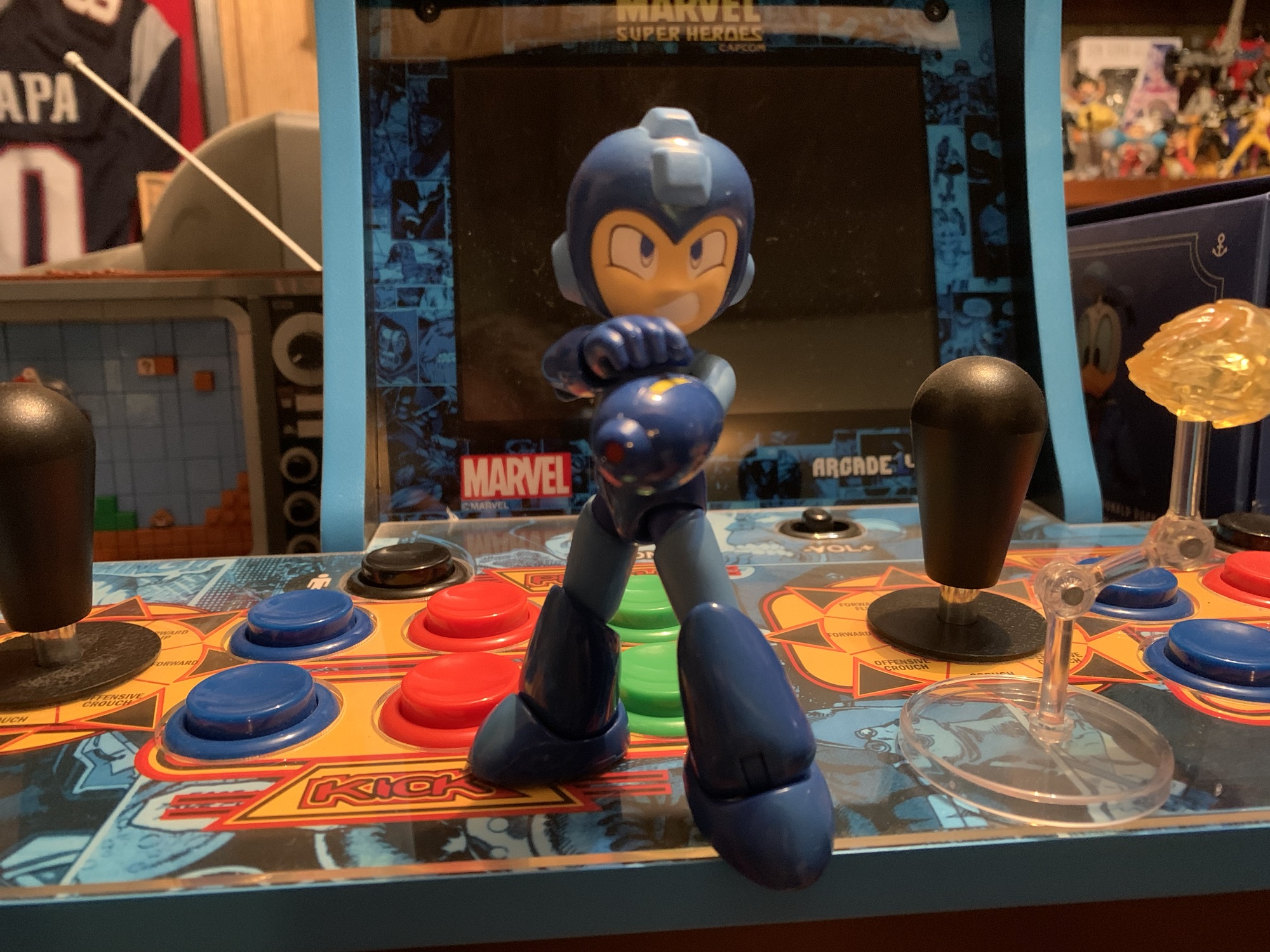


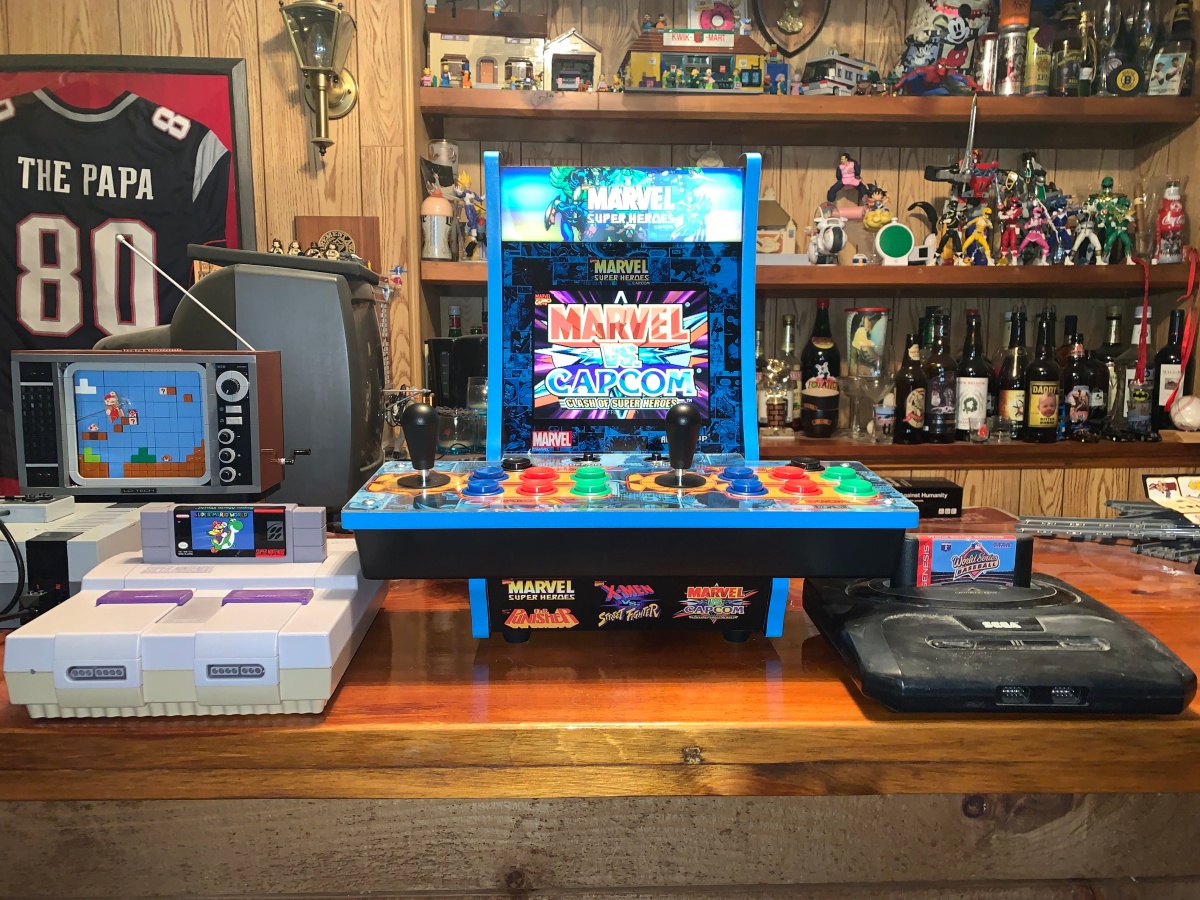


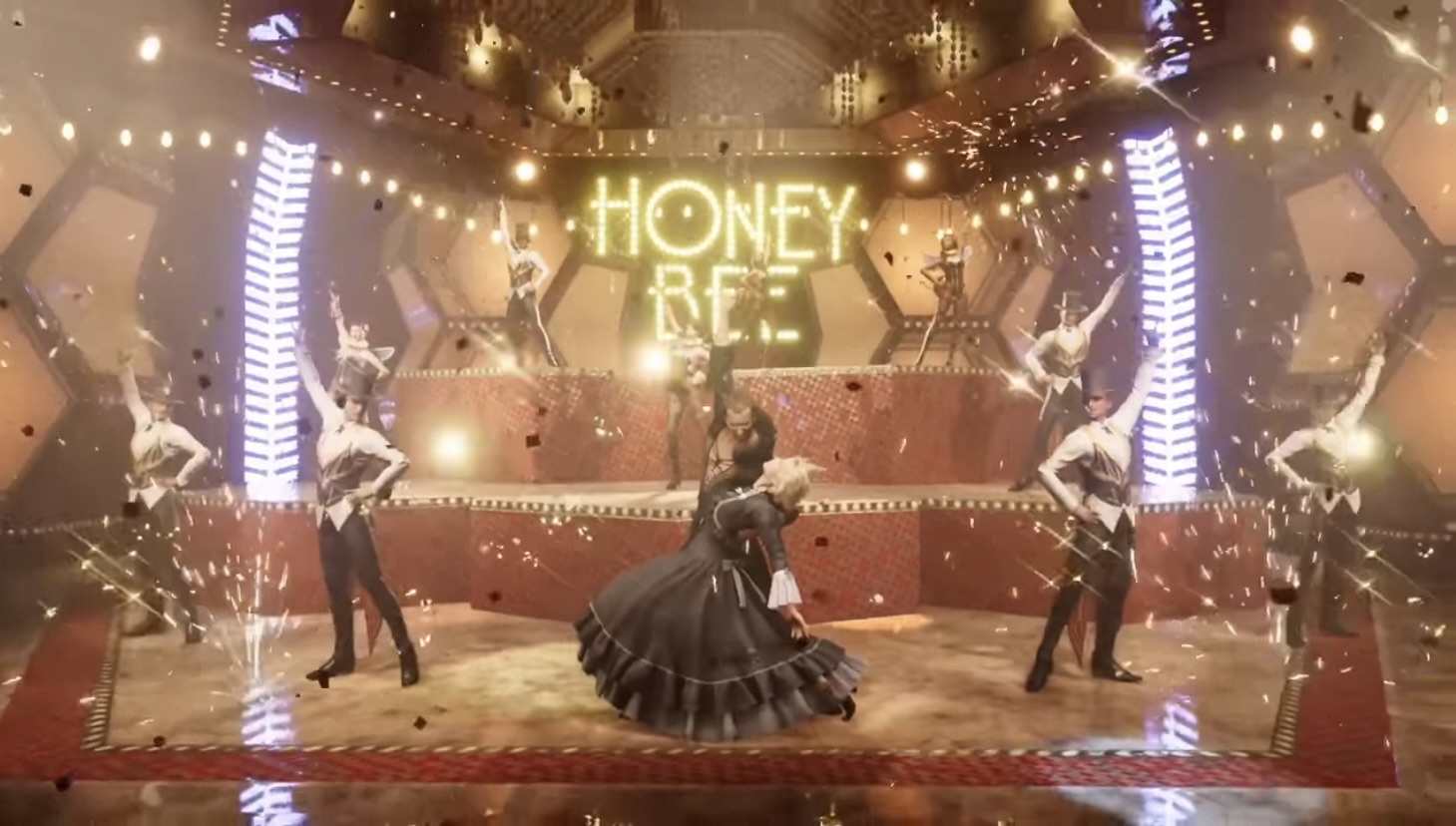
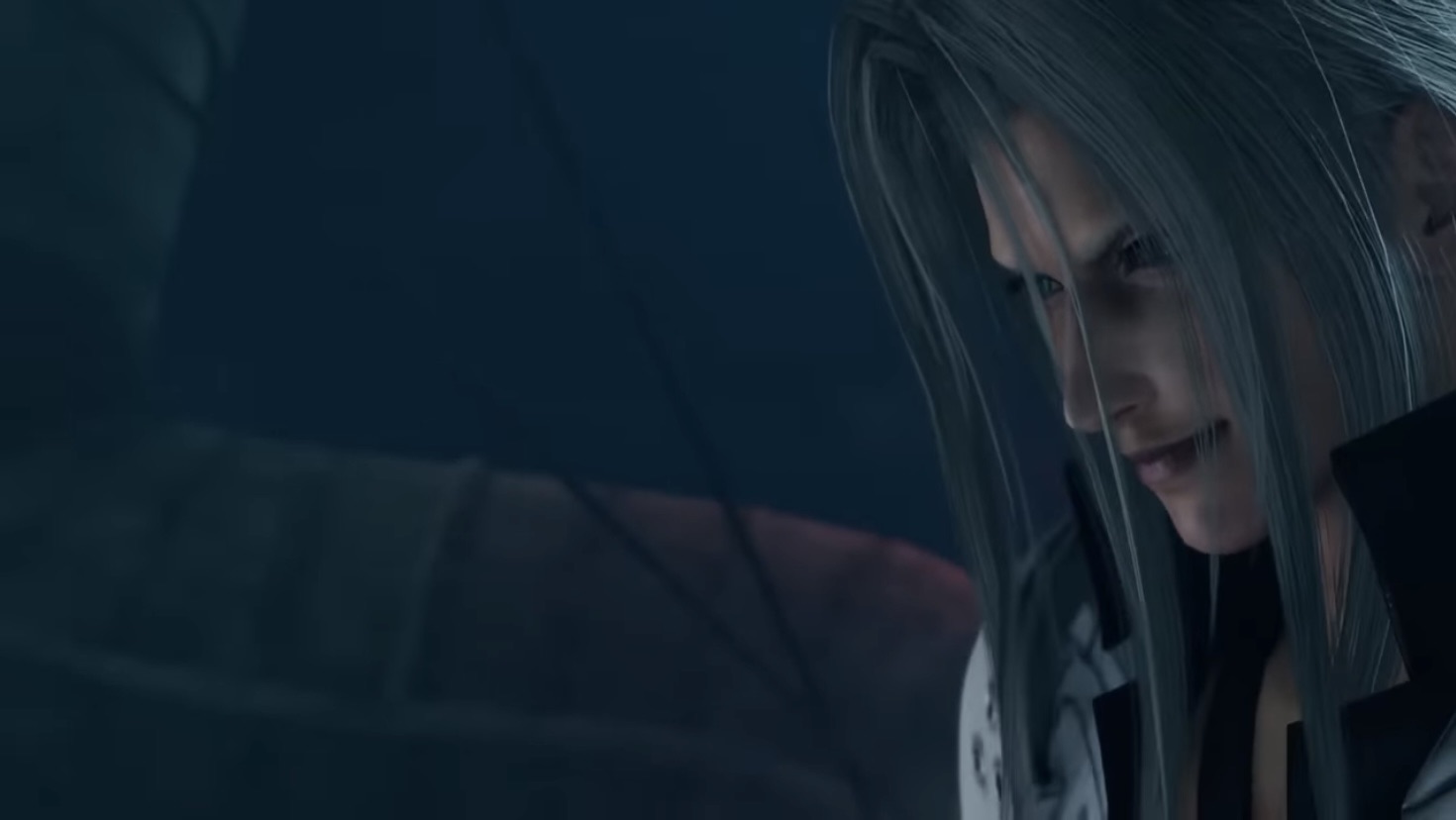


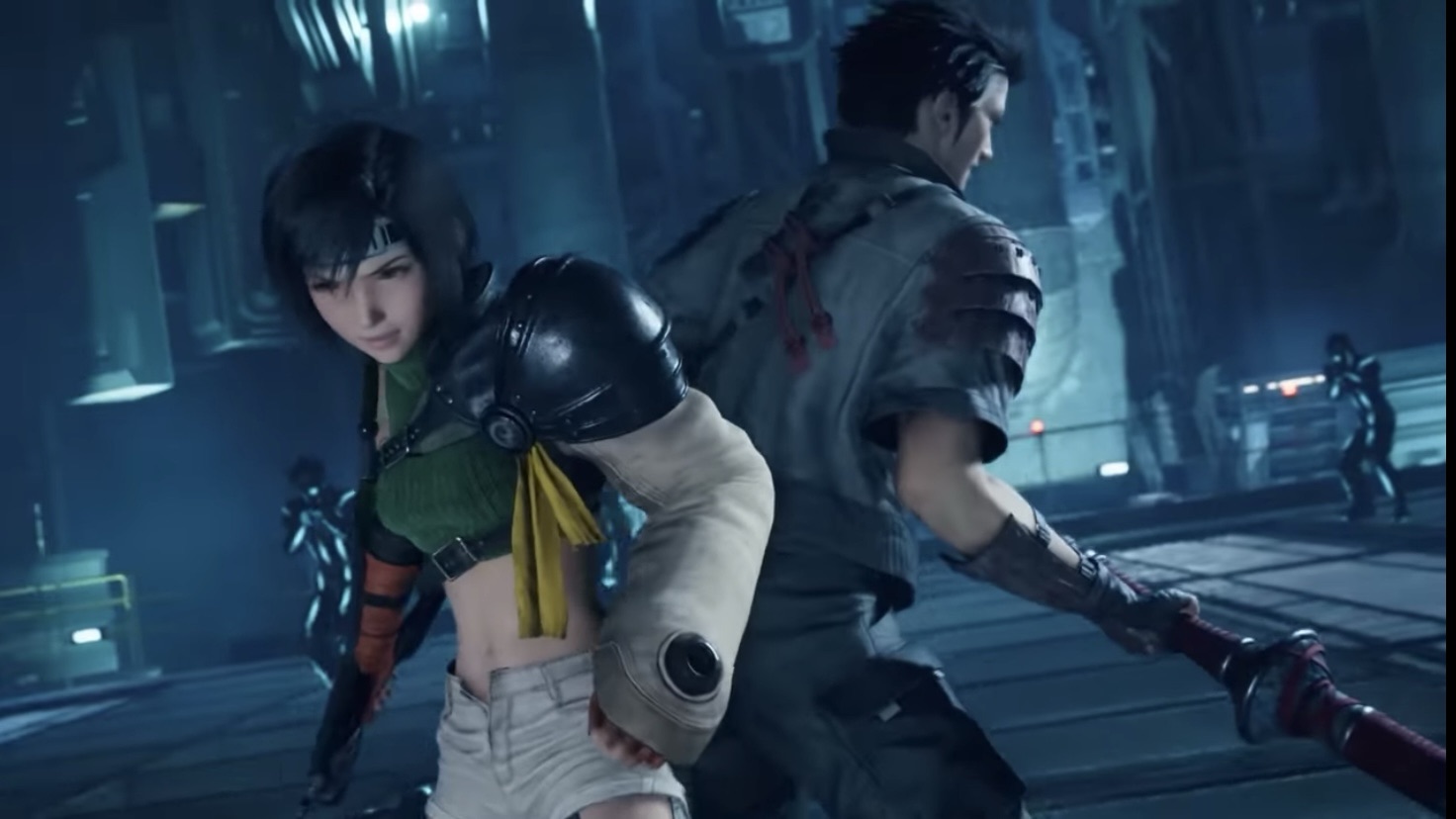


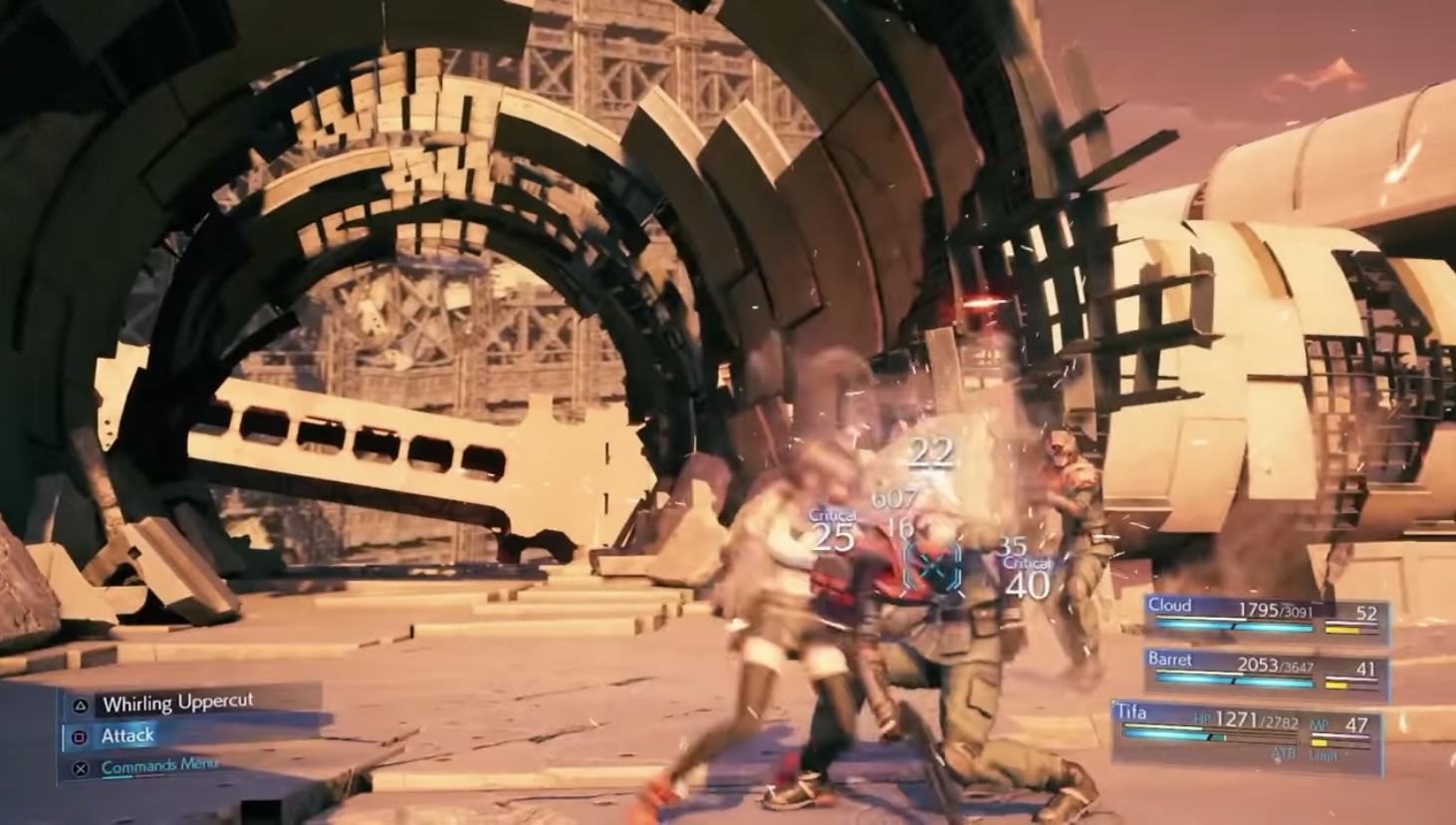
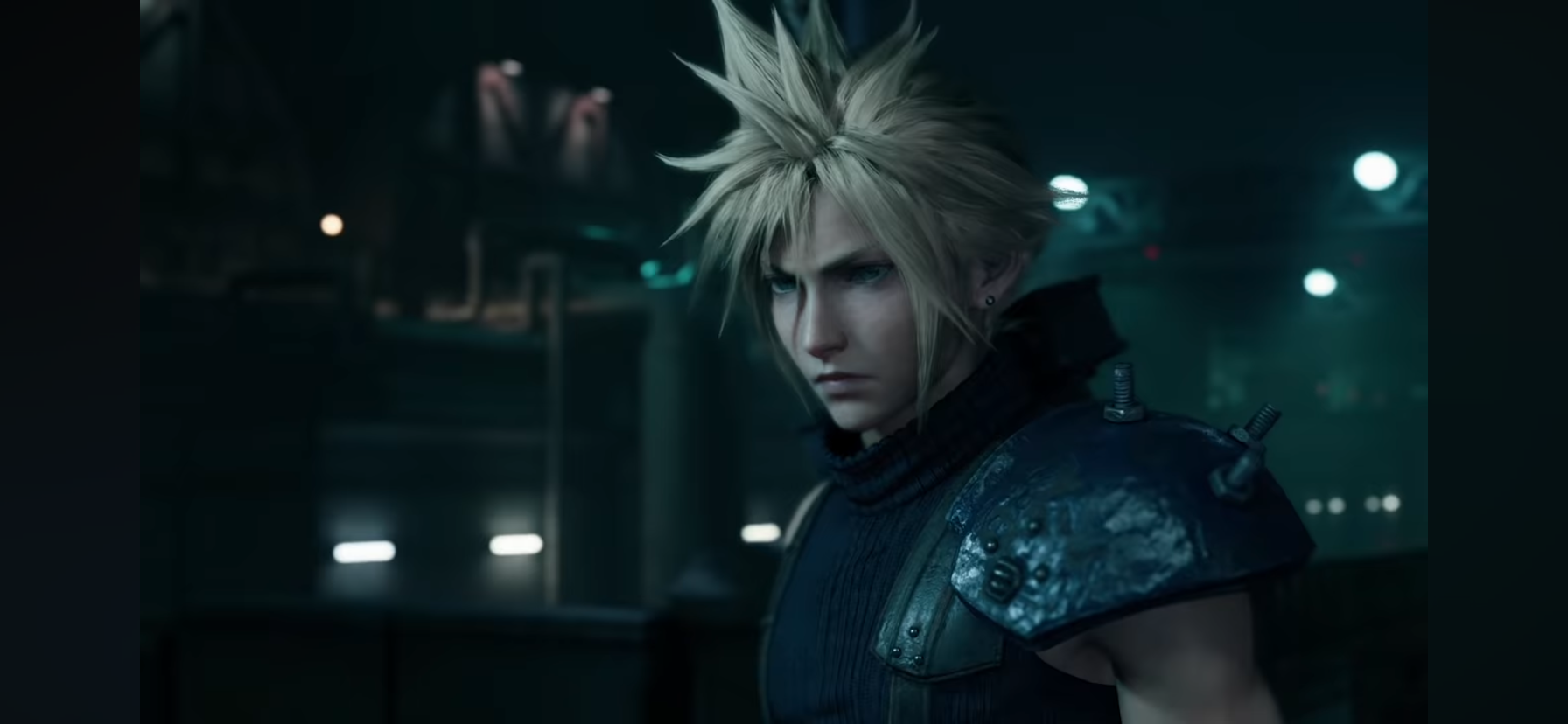


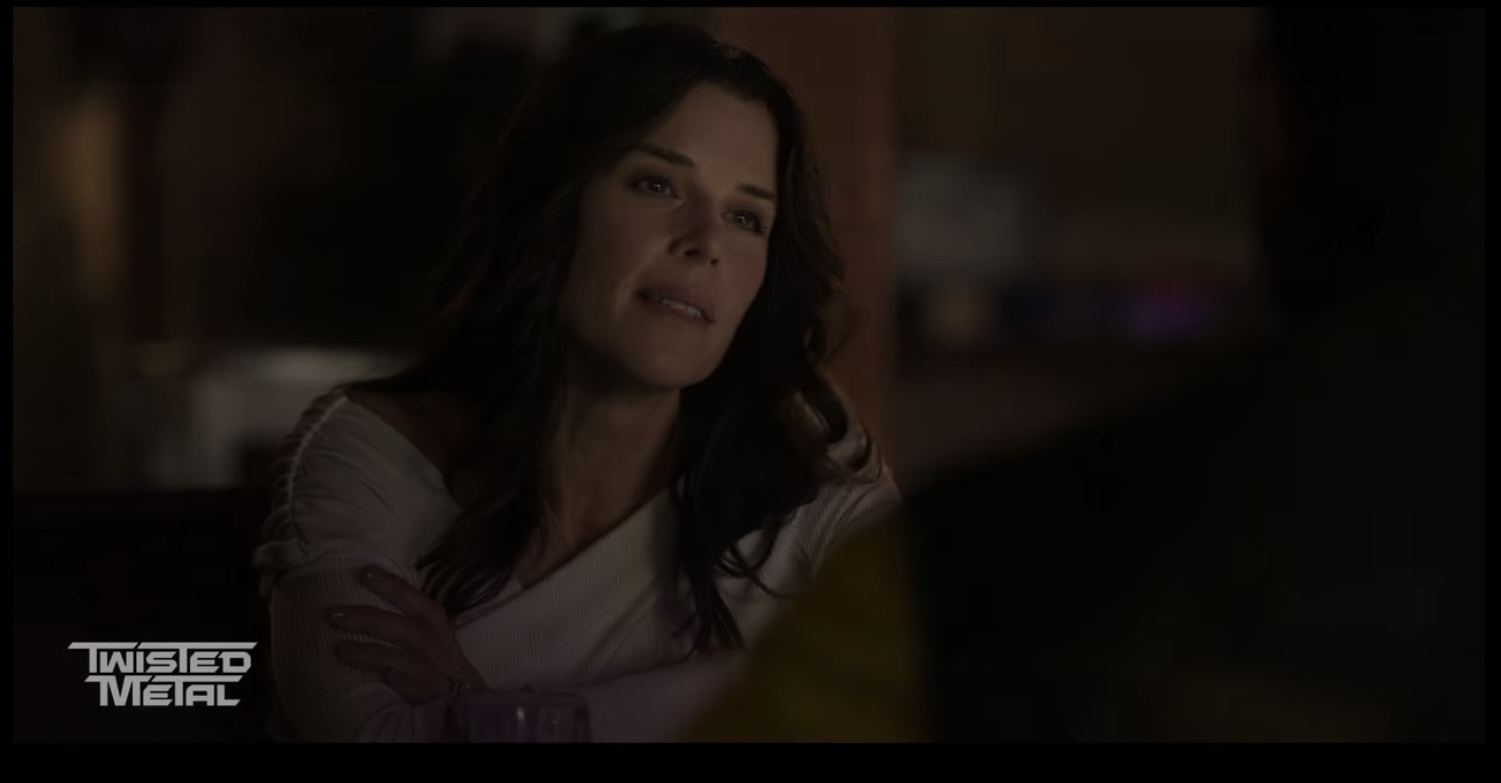
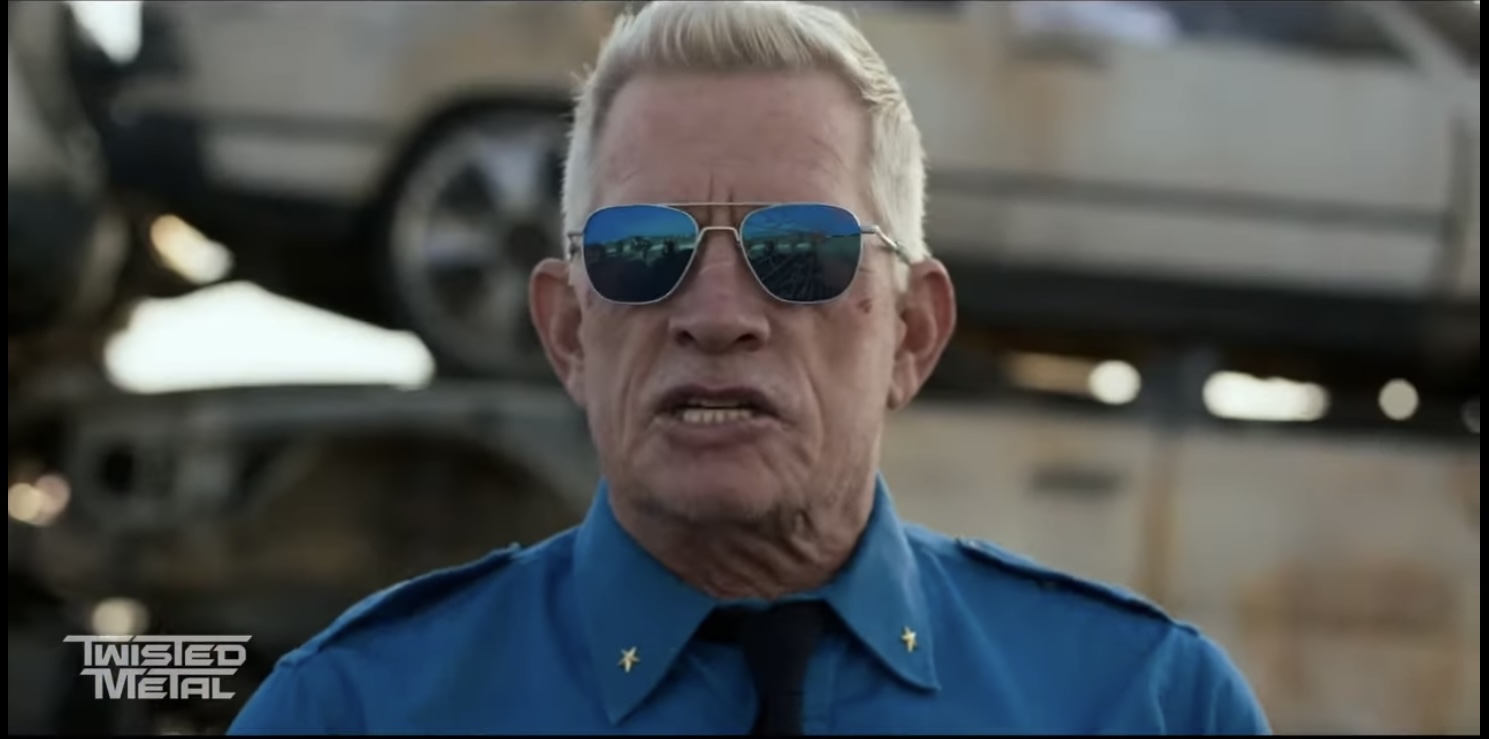
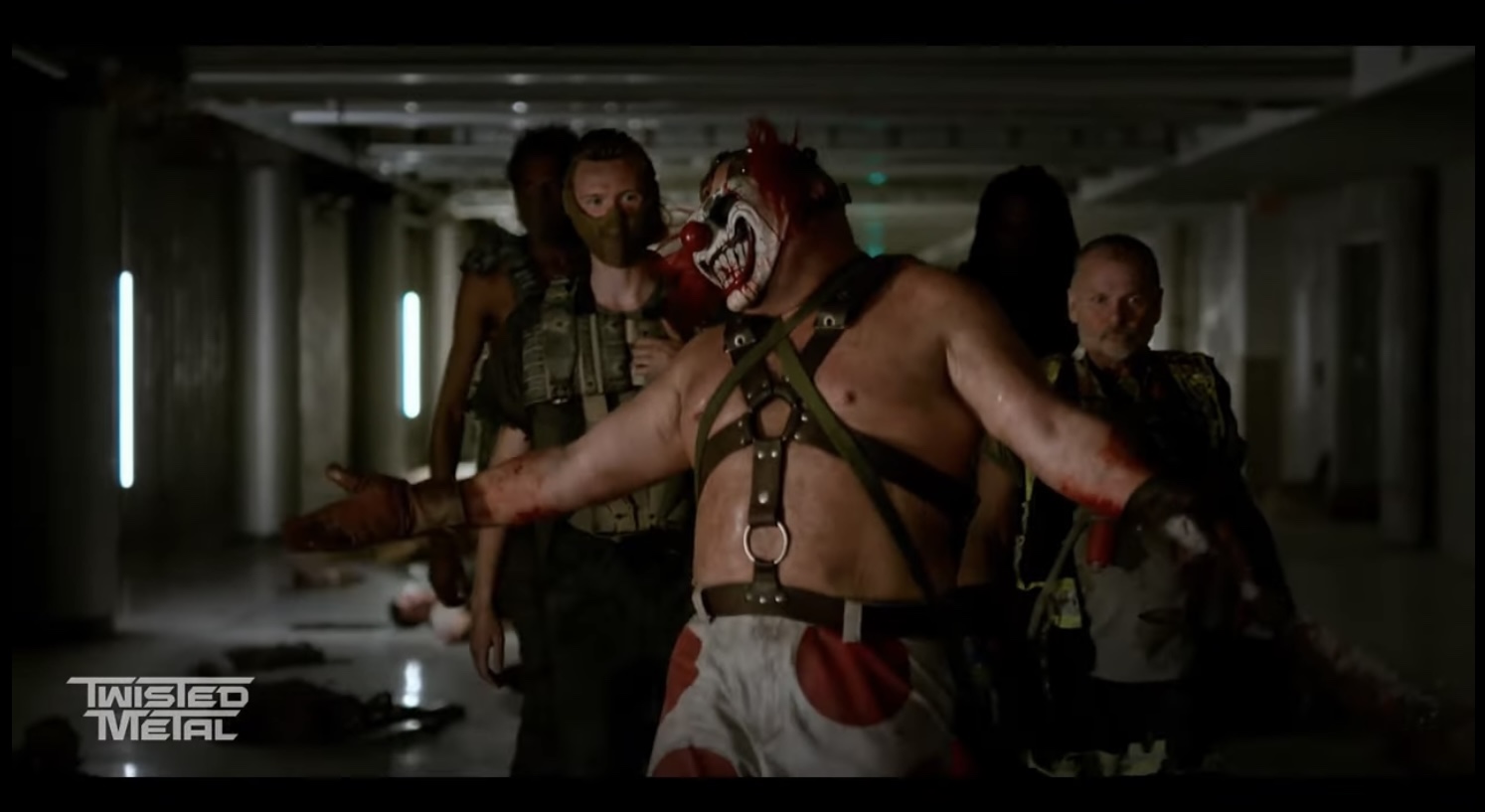


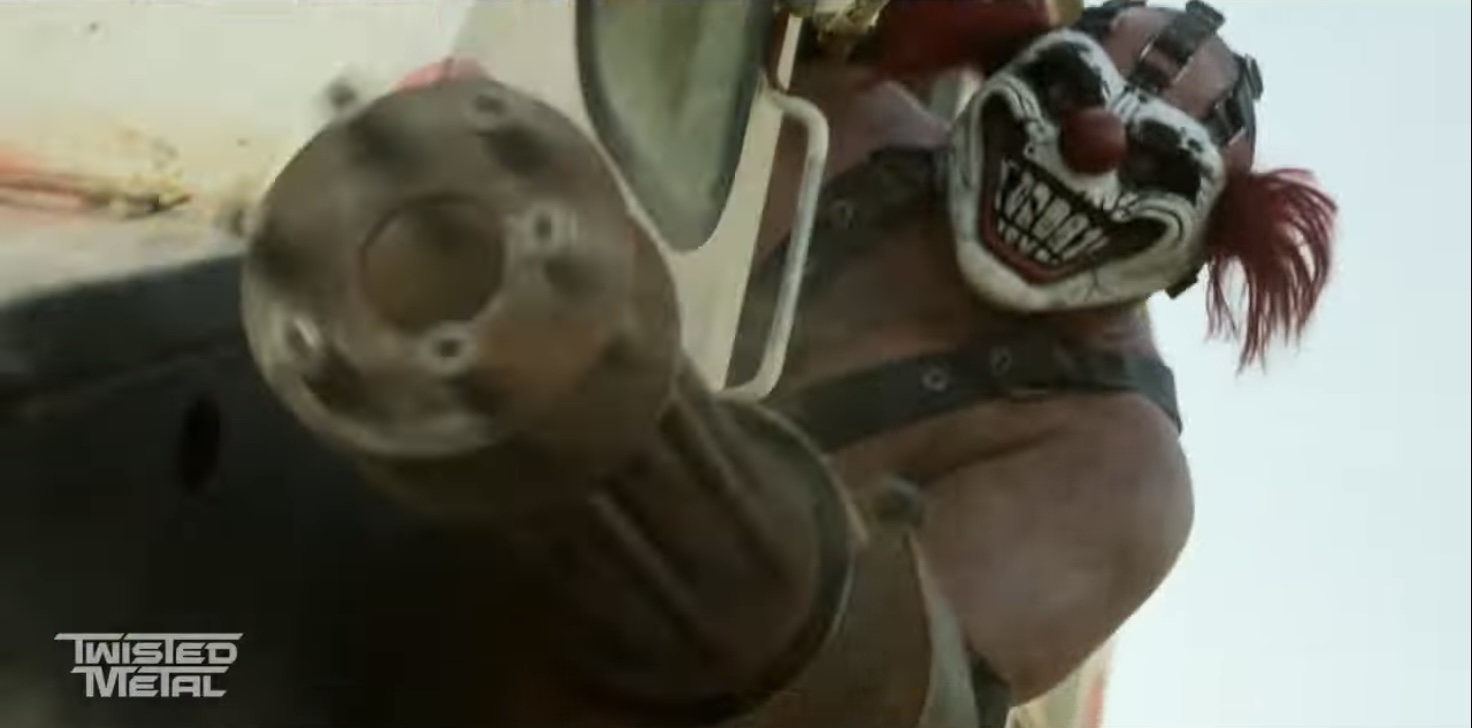




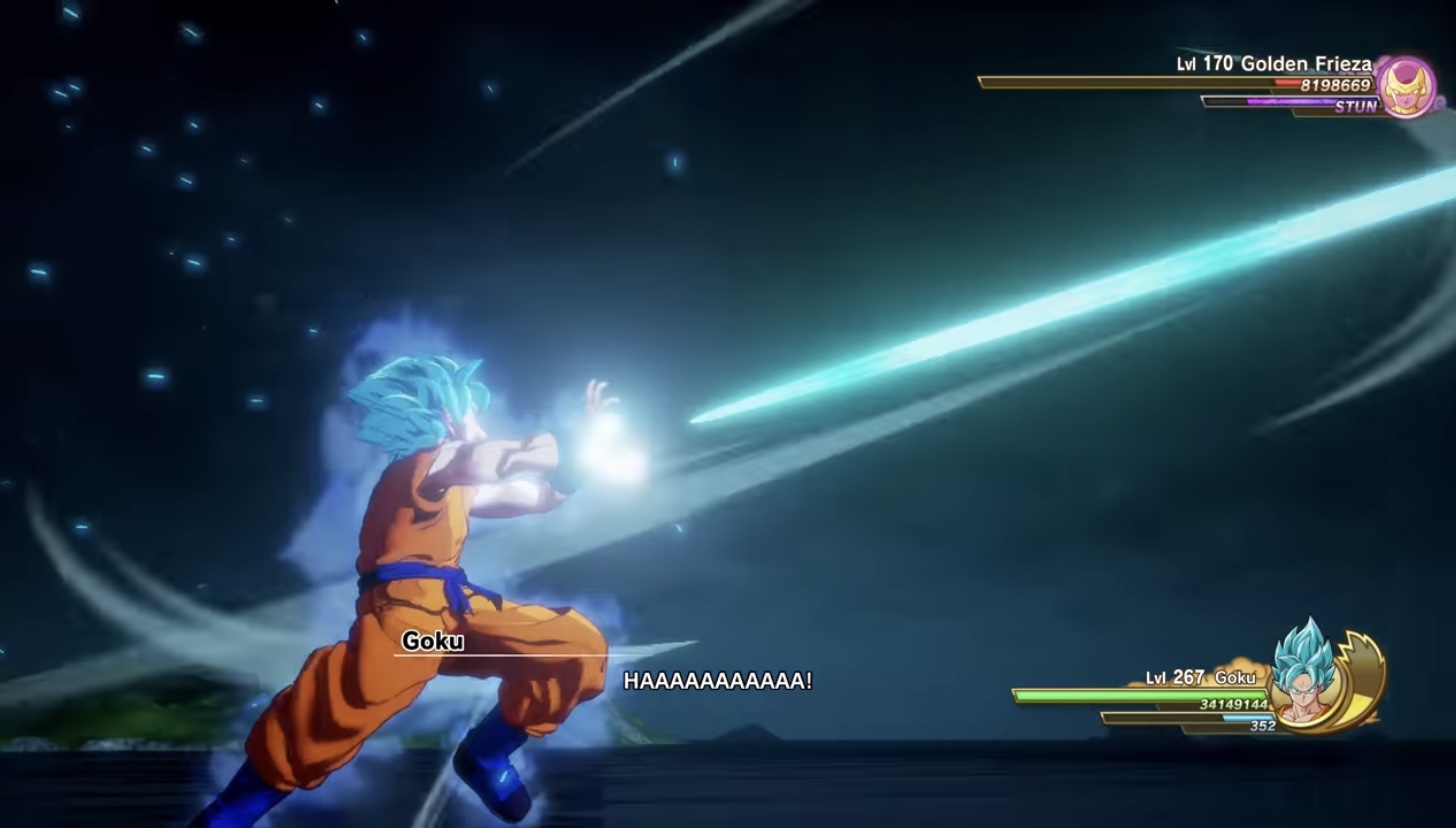
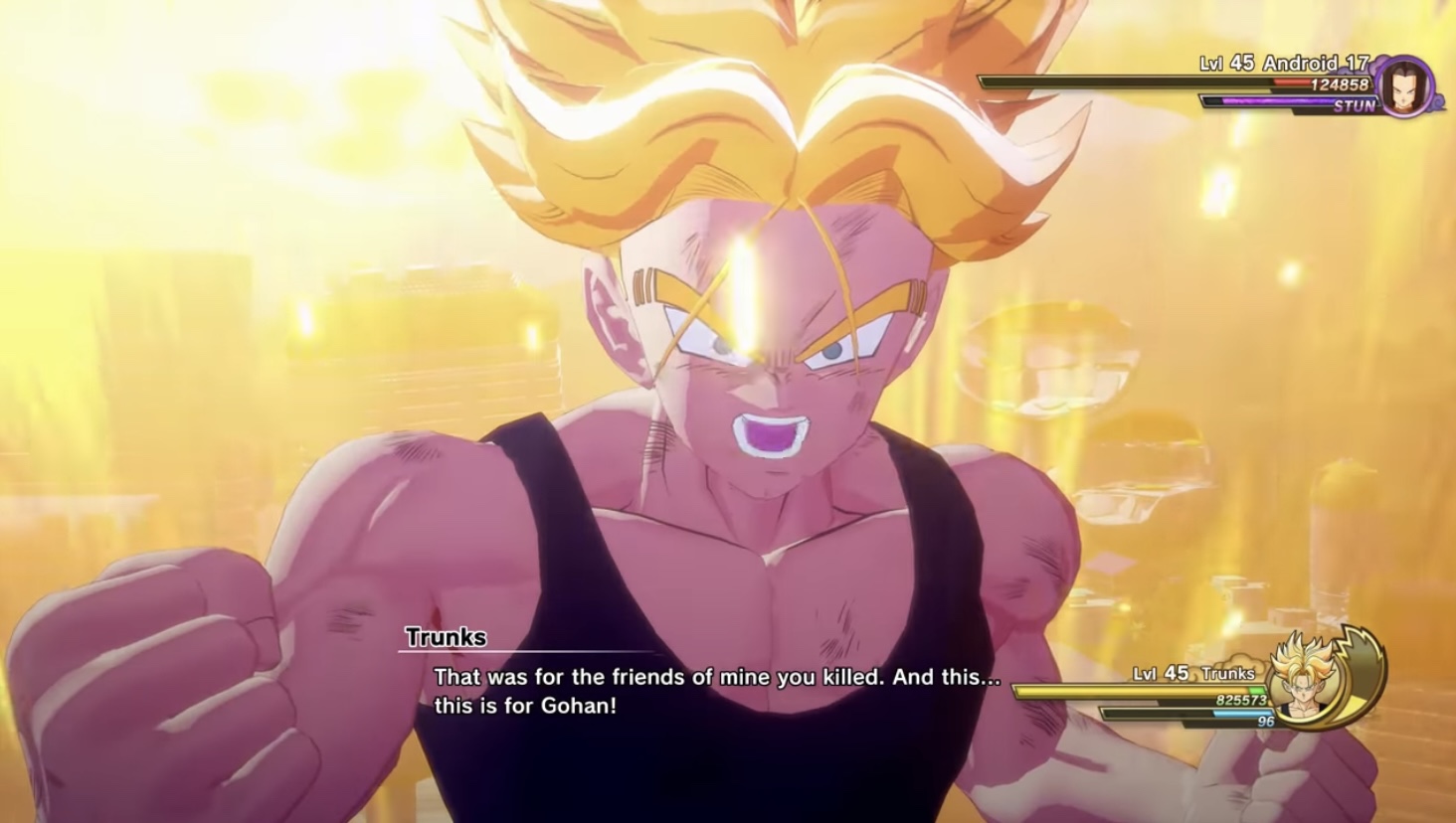


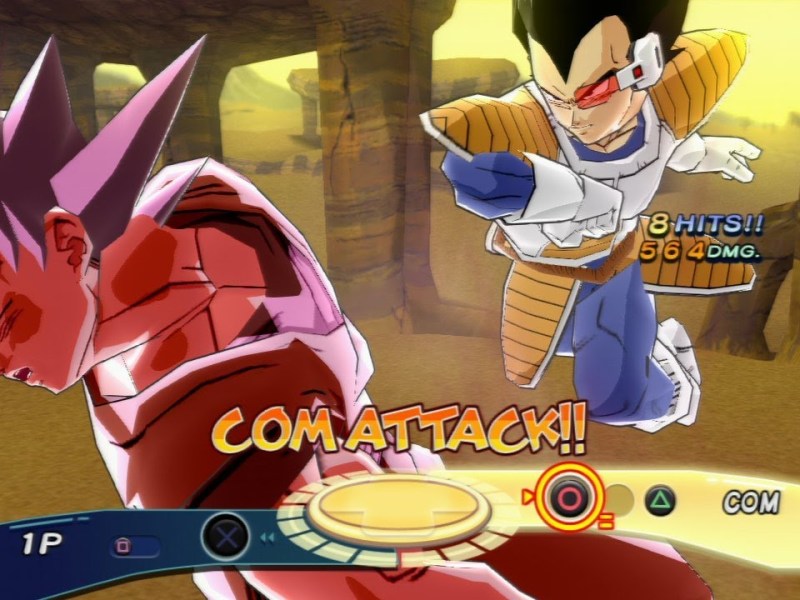

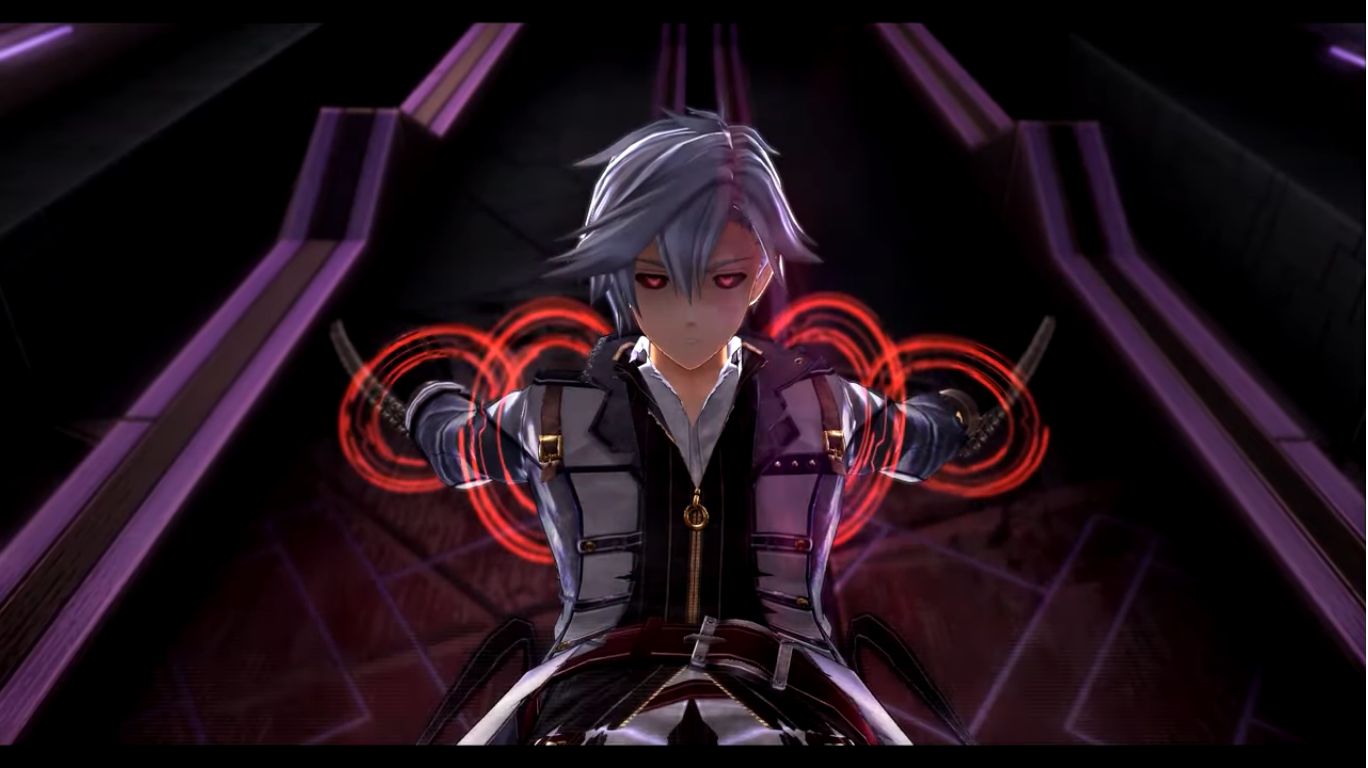

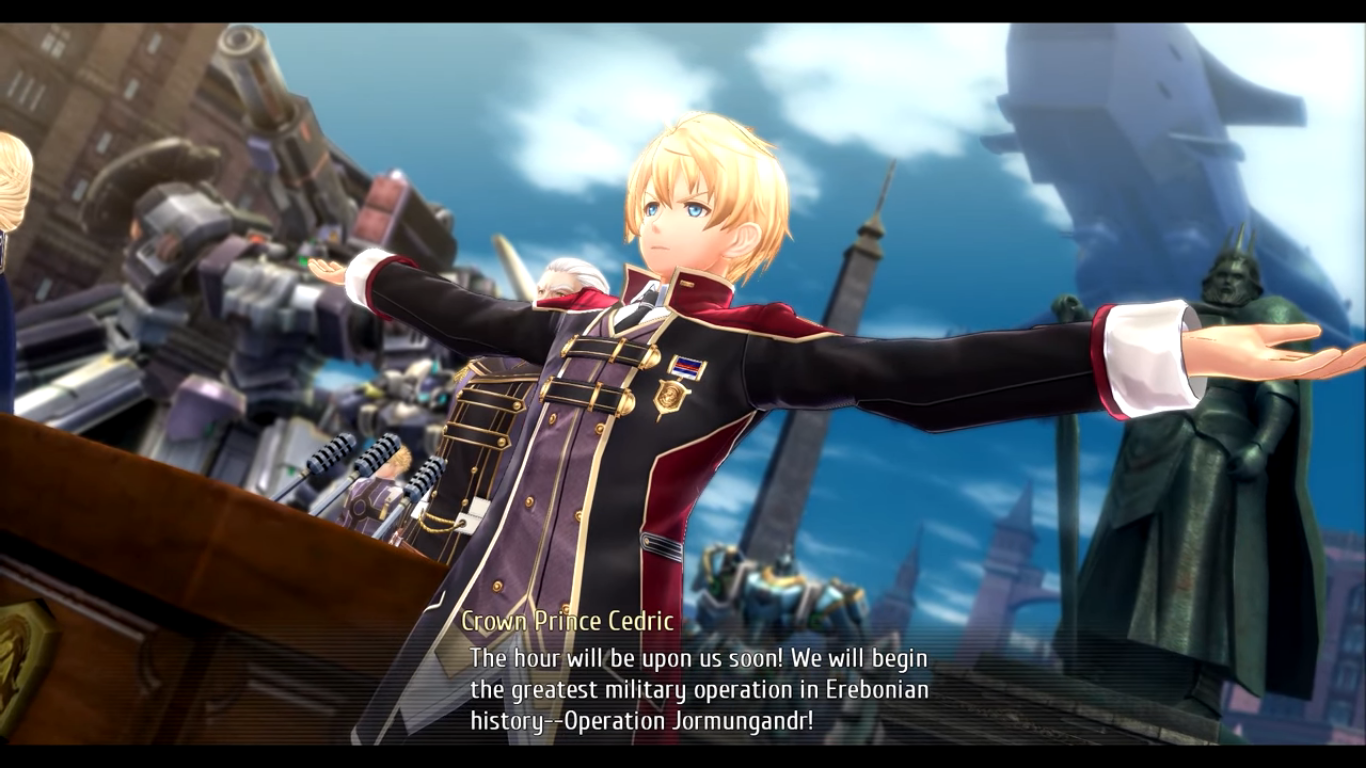

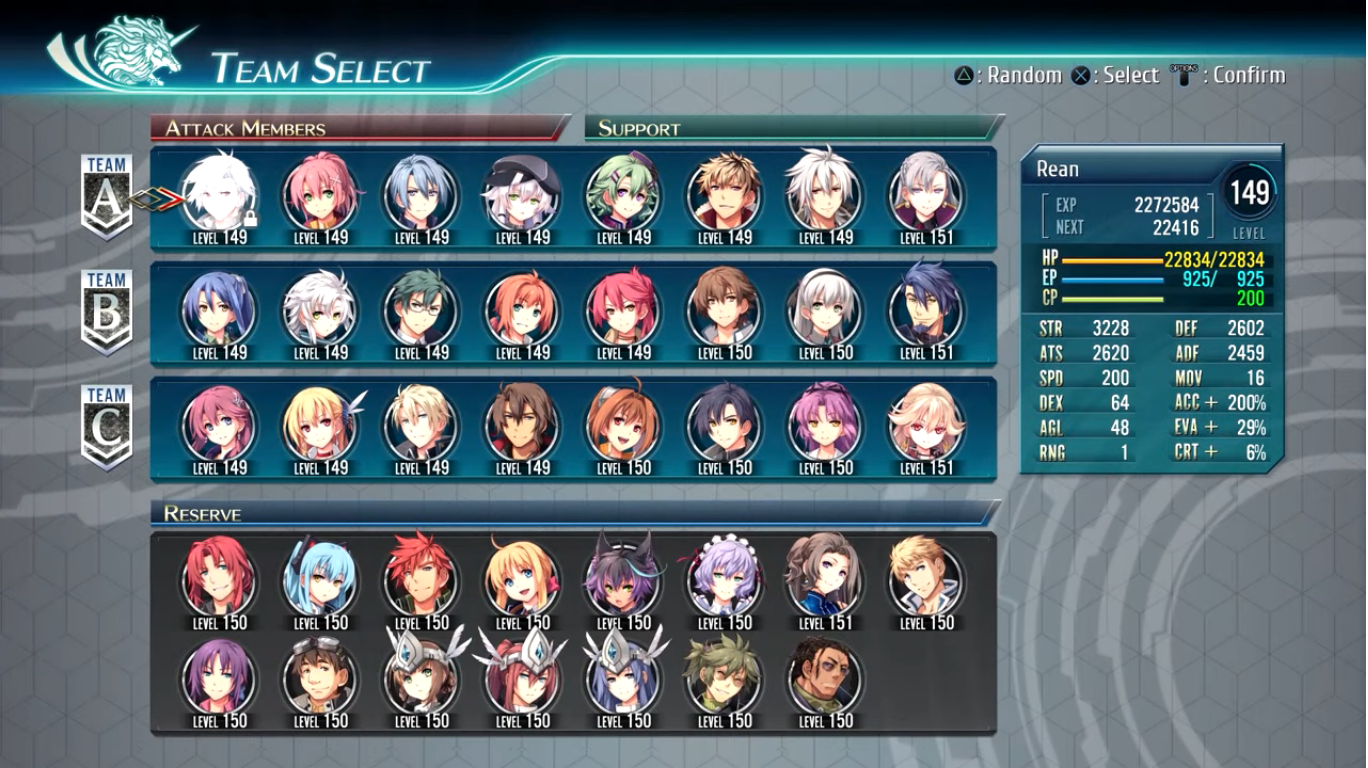

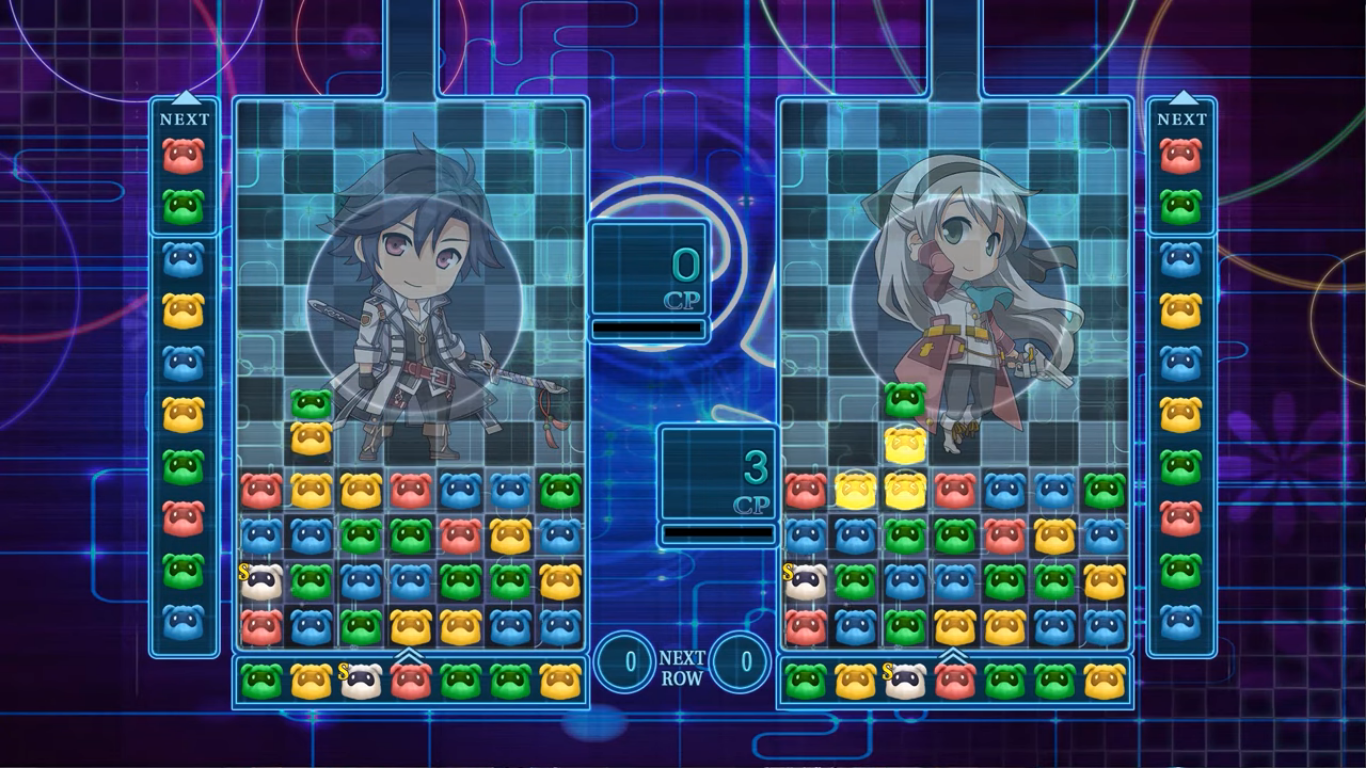


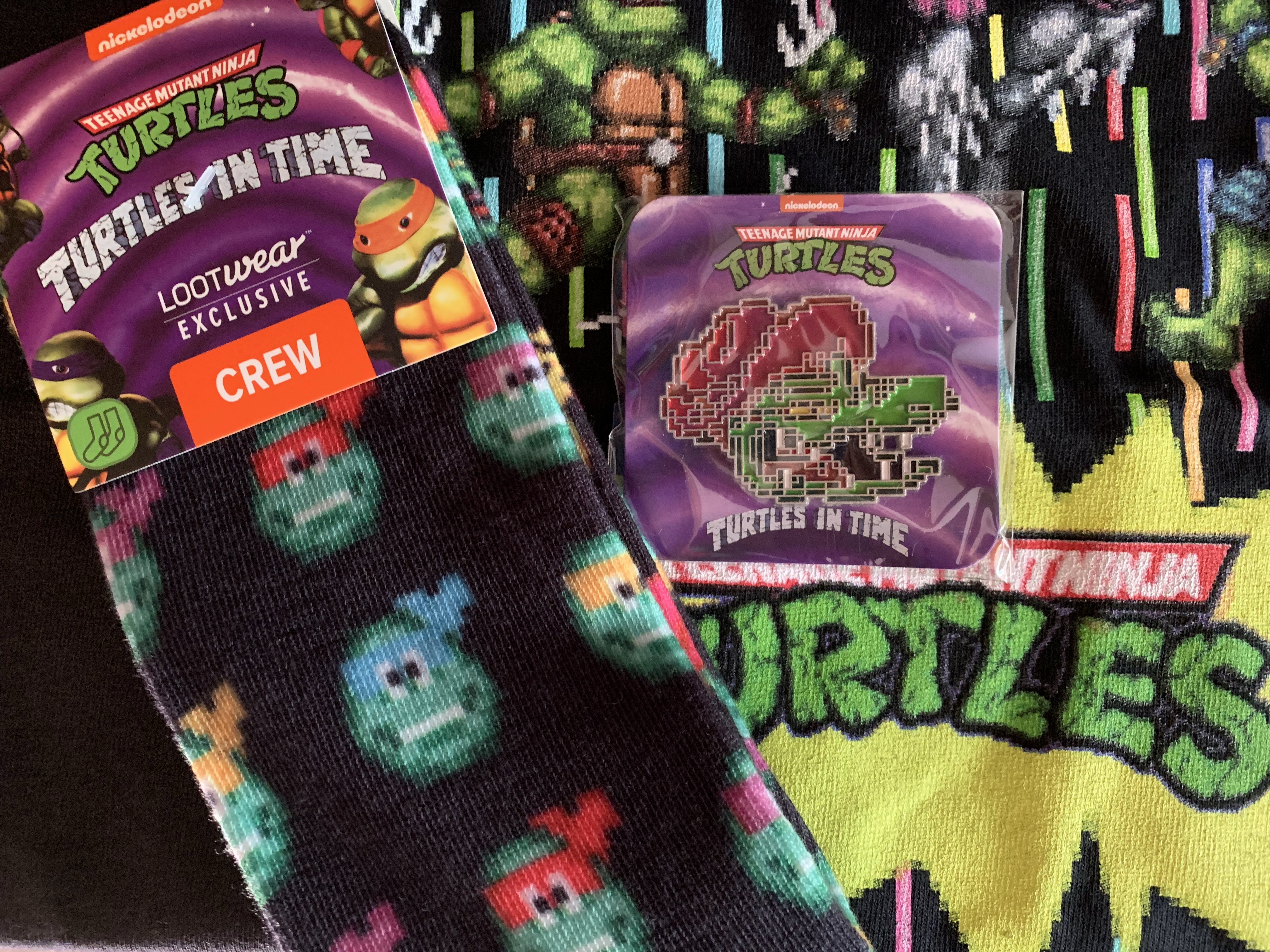
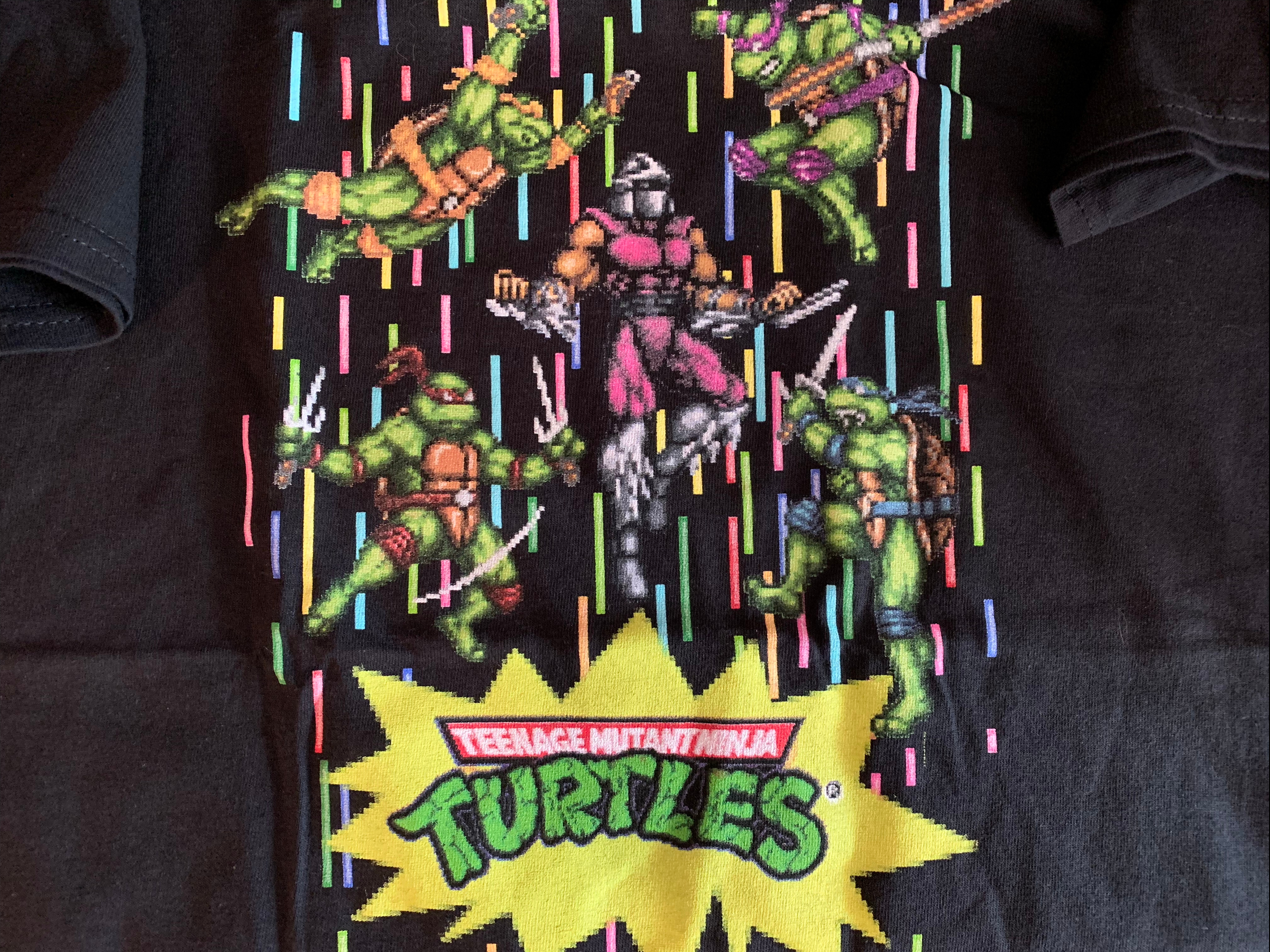


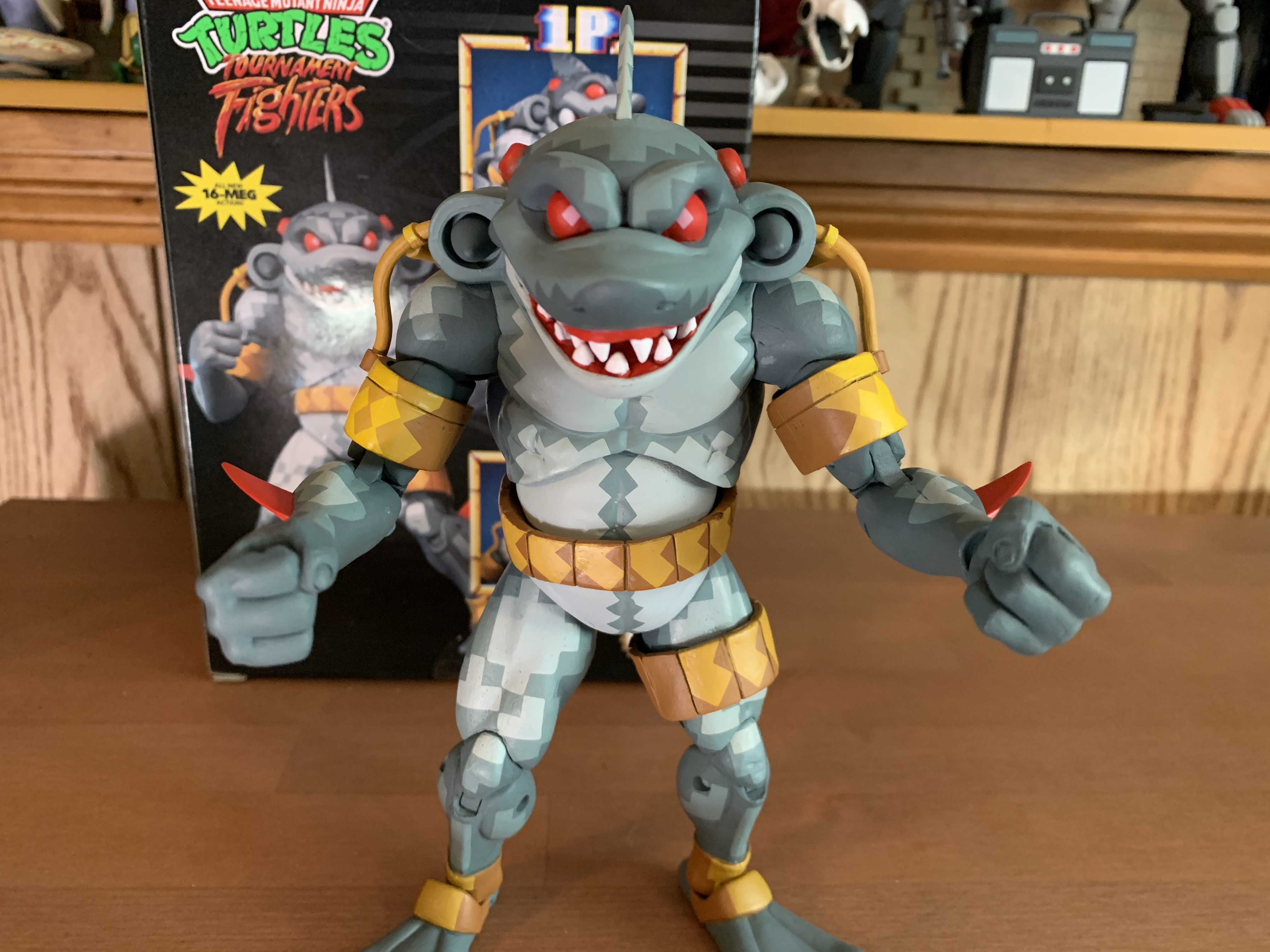







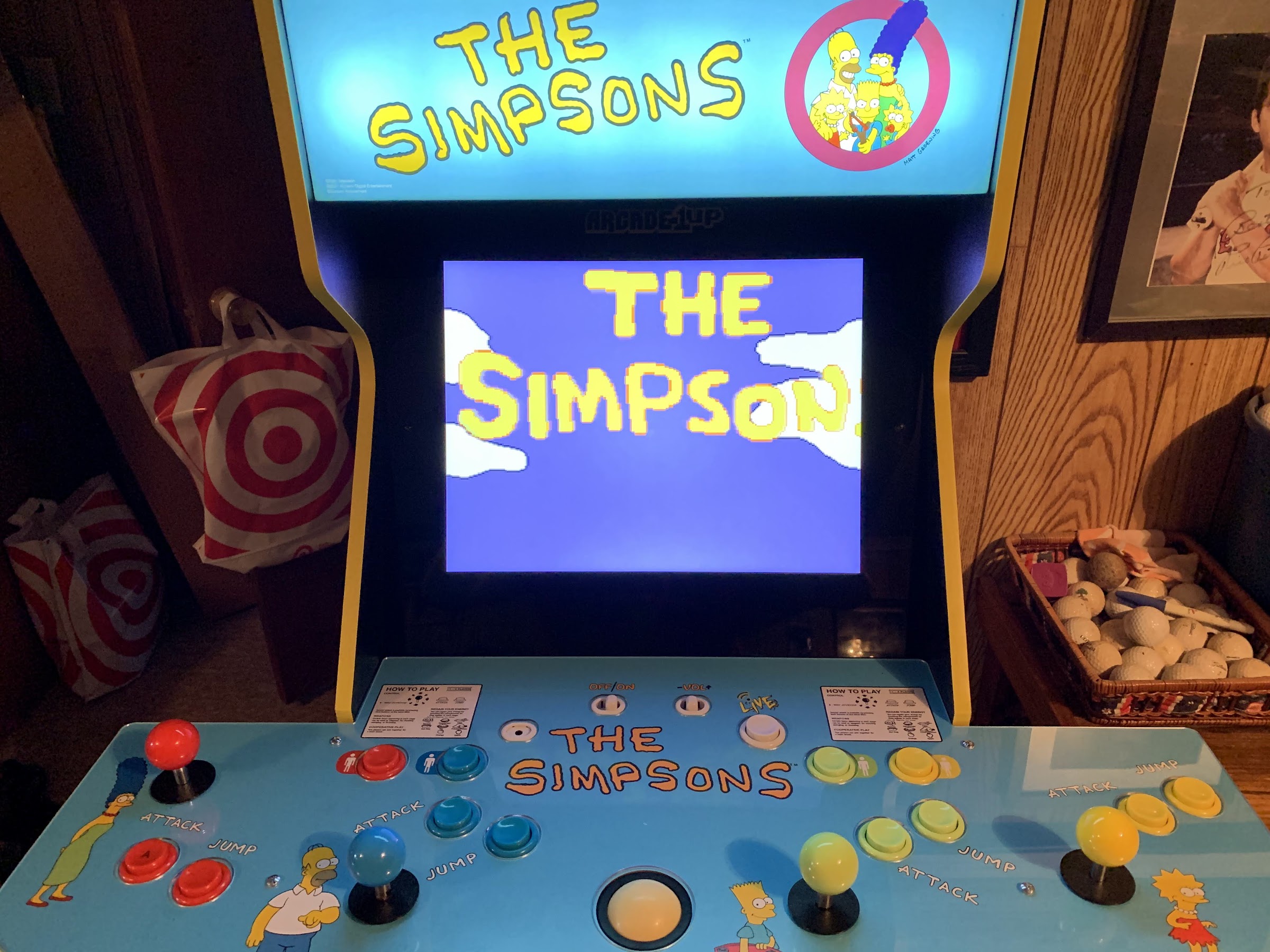
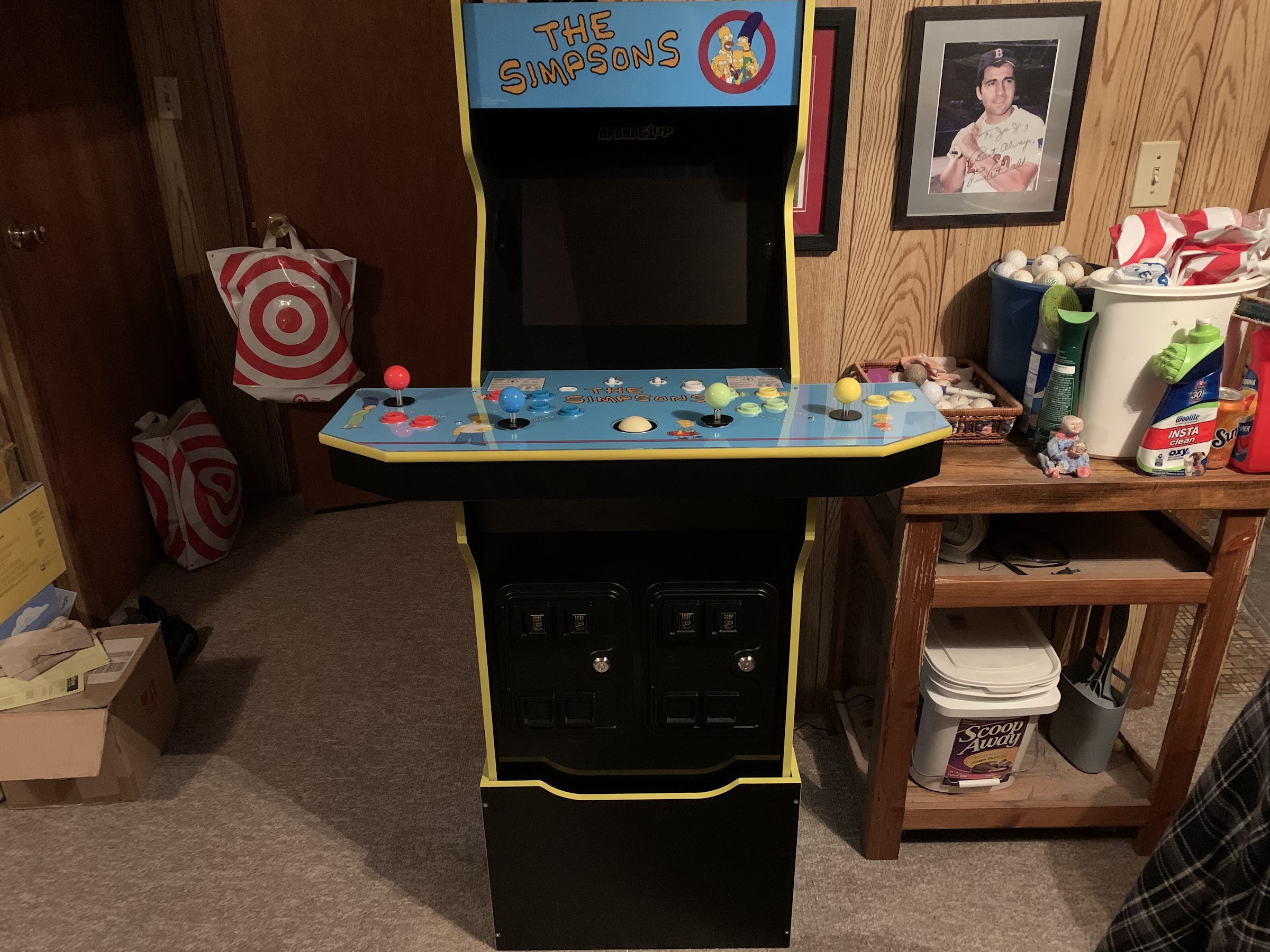
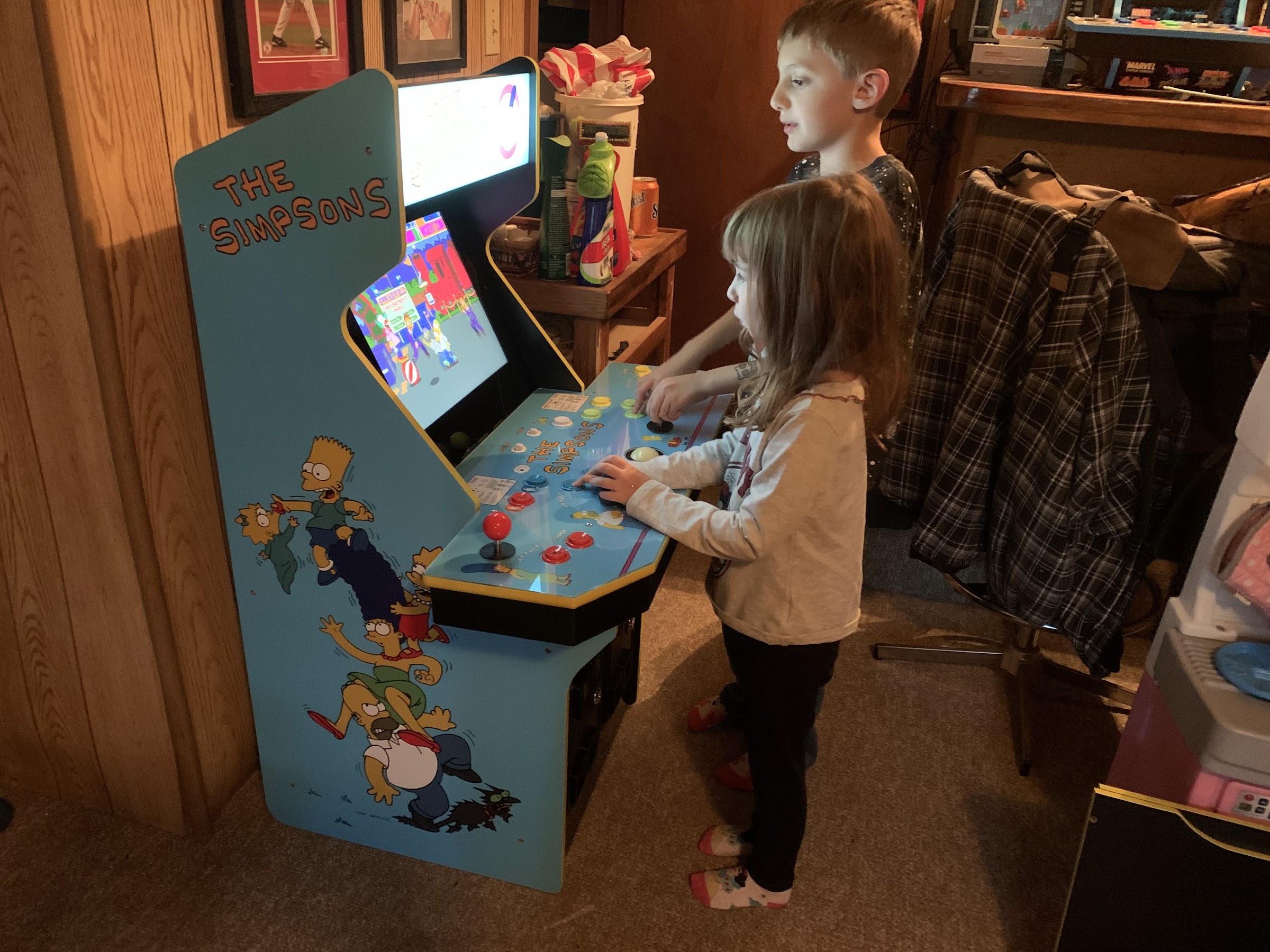
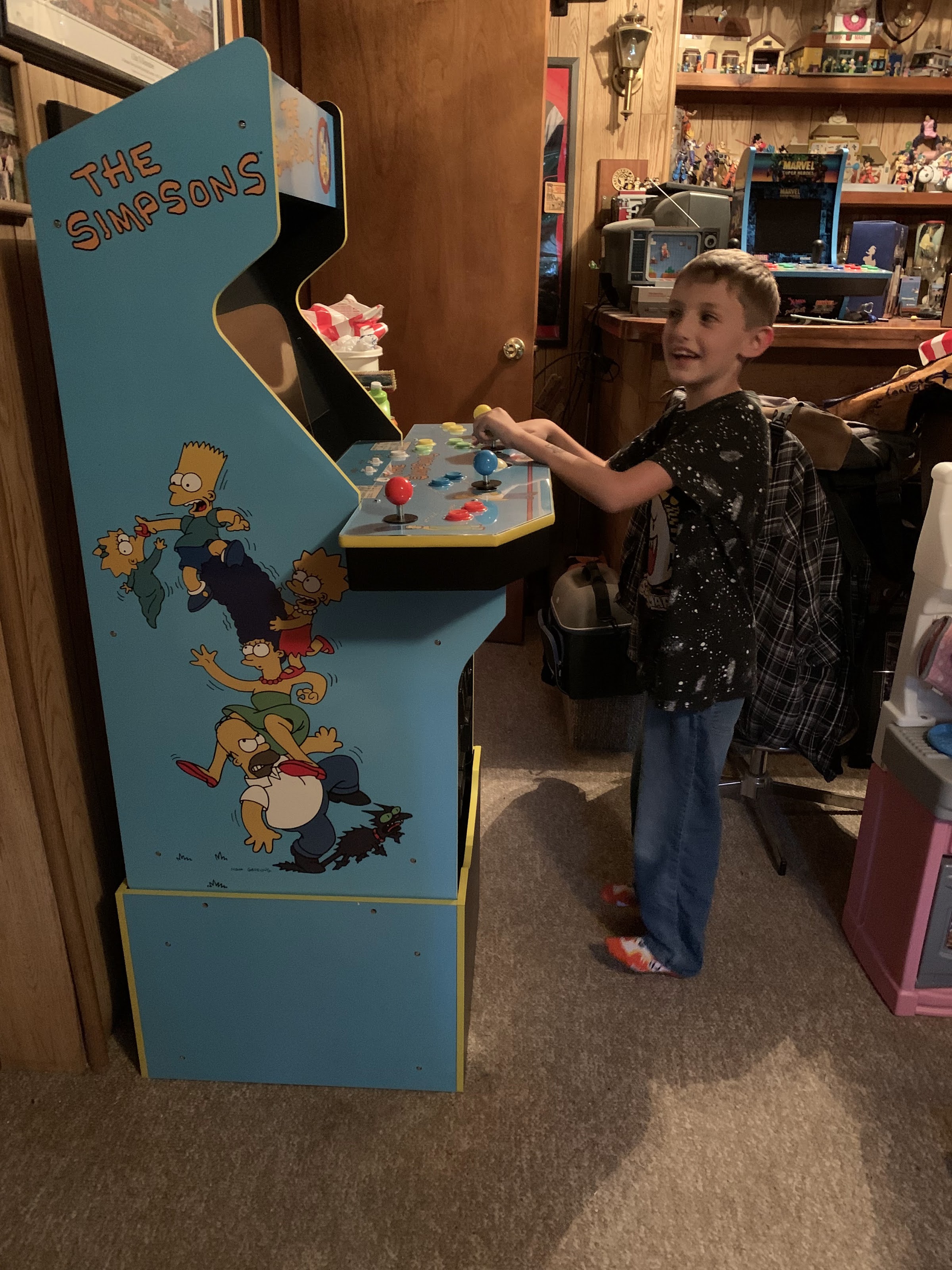
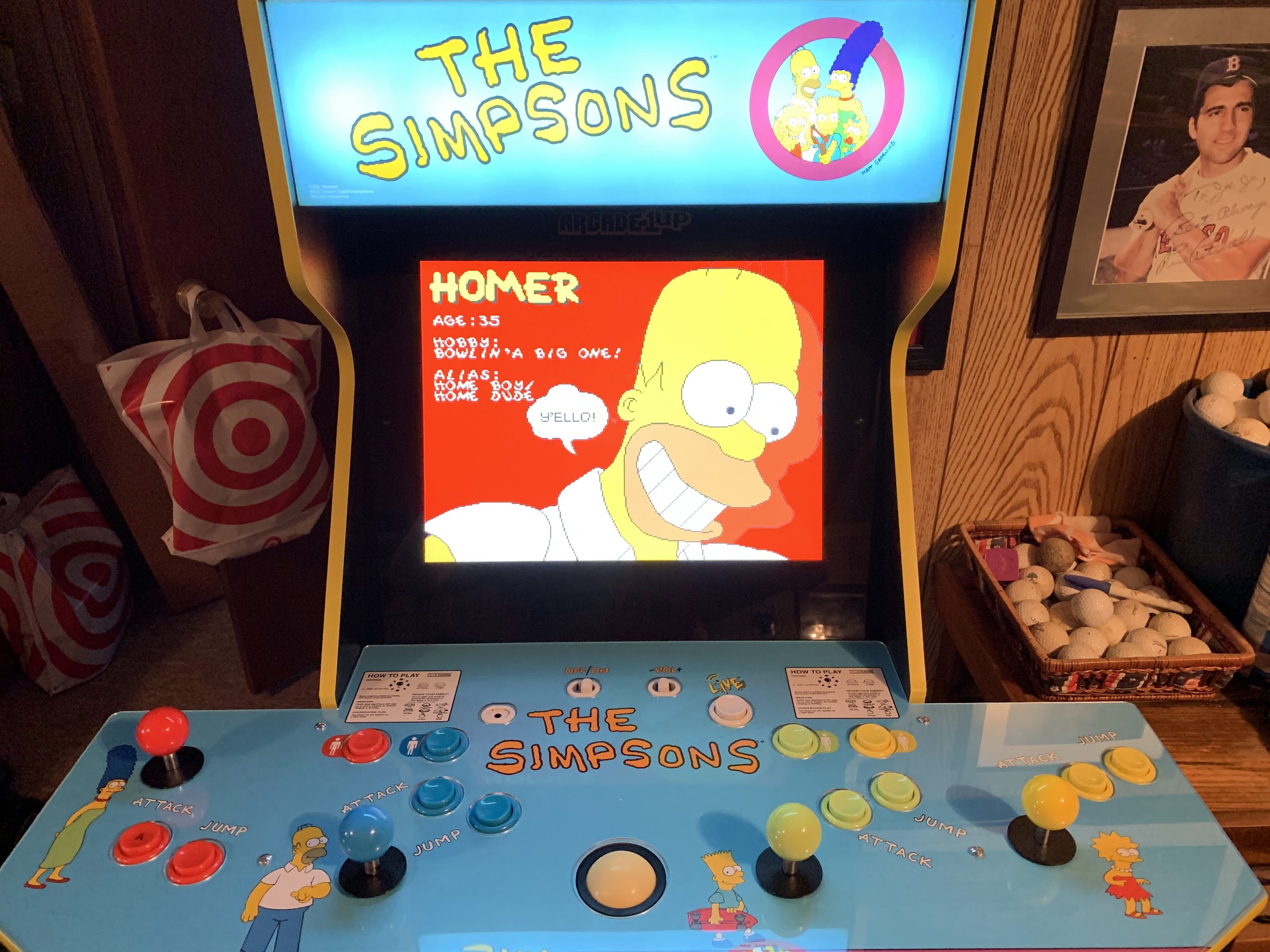



 The Nostalgia Spot