
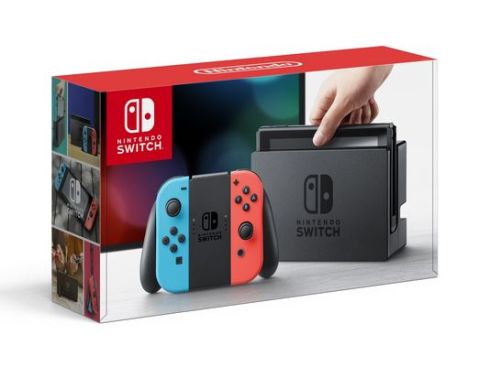
 Switch. If you took a shot each time someone said that word during Nintendo’s press conference unveiling the latest device in console/mobile gaming you’re probably hung over right now. It’s obviously not just a name for the console/handheld hybrid, but also a marketing strategy. Nintendo is changing with the times, switching it up if you will, and making a commitment to something new and exciting. If that’s the main take-away from the Switch’s coming out party last night, then why did I feel like this was the Wii all over again?
Nintendo first gave the public a glimpse at its newest device back in October. Since then, the company has been virtually silent on the subject until last night’s big unveiling. Most of the pressing questions were answered either during the conference or shortly there-after. We know when the Switch is arriving at retail (March 3rd), we know how much it will cost ($299), and we know what games will be available (Zelda!) and have some idea of what we’ll be playing by the end of 2017 (Mario! Skyrim!). A lot of the other lingering questions from the Switch’s first public display were answered like that the system does indeed boast a touch screen, the joy con controllers do feature shoulder buttons, and Nintendo is going with a pay-t0-play online service in the fall.
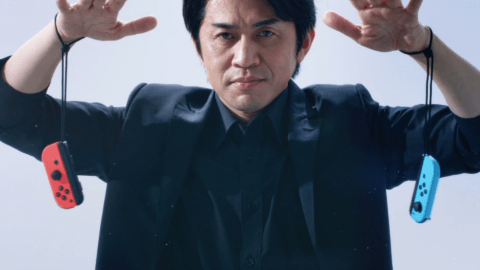
Hey, yo! Get a load of my colors.
The Switch’s initial unveiling had me cautiously excited. I expressed my interest in a true portable home gaming device and I was receptive to a lot of the software teased in that video. Last night’s conference, however, muted that excitement. I should get it out of the way, I still placed a pre-order on the device (actually two, with the first being an online one just in case I couldn’t land a pre-order at a brick and mortar) so obviously I wasn’t dissuaded from purchasing the Switch, but it was with significantly less enthusiasm.
Let’s get right to the price. Numbers had been thrown around leading up to the announcement last night with the consensus seeming to be for a $250 price point. On IGN’s pre-show, $199 was even floated as the “sweet spot” by one host which I thought was a pipe-dream. From the start, I had assumed $299 would be the price, but I still hoped for $250. I wasn’t really dismayed by the actual announcement on that front, but the price tags for the accessories is rather shocking. After the conference, Nintendo unveiled the price-point for many of these on its website. If you want a second set of joy con controllers, that will set you back $80! That’s the steepest investment of any standard controller I think I’ve ever seen. If for some reason you only desire a left or right joy con, that’s $50, but I can’t see much reason in doing that unless it’s to replace a broken unit. The two that come bundled with the system include wrist straps that have a plastic piece that thickens the controller itself and appears to make it more ergonomic. That’s not included with the stand-alone controllers so there’s another $20. If you prefer a traditional controller (what Nintendo refers to as its pro controllers) that will cost you $70. For comparison, a Dual Shock 4 costs $60, and Amazon routinely sells them for $50.
Extra docking stations, controller “shells,” and other such peripherals all carry pretty steep asking prices. Thankfully, the console supports standard memory cards since the included flash drive can only hold 32GB (purchasing the new Zelda title digitally will reportedly consume half of that), so I guess that’s one positive. All told though, you’re talking about having an entry price-point for the Switch at more than what it costs to get a PS4 or Xbox One, and those consoles both boast more robust software libraries and more raw processing power as well.
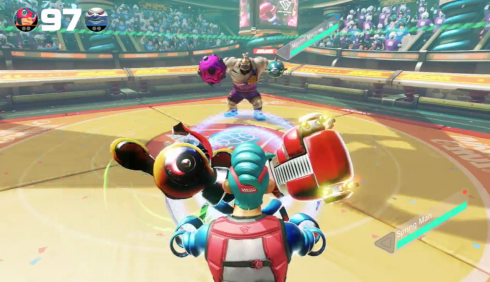
Arms. Apparently we’re going back to the days of the NES when Nintendo titles were as bland as white bread. Can’t wait for Legs!
Nintendo unveiled two new IPs early in the conference: 1-2-Switch and Arms. Nintendo apparently felt the term “video” in “video games” was too burdensome so 1-2-Switch is a game designed to function without video input being a necessity. You basically waggle the joy con controllers amongst two-players in a Wii Sports sort of environment, just without the TV. They demonstrated two cowboys having a quick duel and I also saw people playing table tennis. The joy con controllers feature advanced rumble feedback and motion controls, and Nintendo is banking on those features being so intuitive that it can drive the fun factor for a game. 1-2-Switch sounds like a decent tech demo kind of game, like the previously referenced Wii Sports, but unlike its predecessor it’s not a pack-in title and is a full $60 MSRP game. I have zero interest in the game at that price point. Arms is essentially the next evolution of Wii Boxing, with more emphasis placed on being able to move the characters around with a more visually pleasing game. Each character has extendable, Inspector Gadget-like arms for punching. The input mechanics actually remind me more of Wii Bowling, with the twisting of the wrist to curve the punch being a central component, only now you’re striking an opponent instead of pins. Again though, this game would have made for an interesting pack-in game, but at full retail price it looks ludicrous. It’s also not available at launch and expected to arrive in April.
Nintendo also spent a considerable portion of the show bringing representatives from third party developers onto the stage to voice their support for the Switch. Unfortunately, virtually none of them had anything interesting to say or even games to show. Bethesda was one of the few to actually show some gameplay, in this case for Skyrim. I’m excited to have a portable version of Skyrim, but an almost six year old game arriving in the fall isn’t going to move consoles or convince the consumer that third parties are all-in on the Switch. Right now, it very much resembled recent Nintendo launches where third parties are only willing to offer ports of previously released games, or in the case of EA, port an annual title to the Switch. And the sad part is, if these ports don’t sell then third party developers will use that as an excuse to continue the narrative that Nintendo consumers are only interested in Nintendo products, when really it could be that they just don’t want to re-buy games they already own!
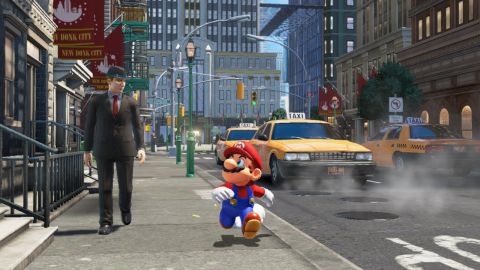
Sir, it’s not polite to stare.
Nintendo, for its part, showed some of its own games to a mostly positive reaction. We now have a title for the new Mario game, Super Mario Odyssey, and we know it’s coming at the end of the year. It’s a true 3D Mario adventure with some levels set in real-world settings. It also features a Minish Cap sort of gimmick where Mario’s hat is apparently sentient. Some of the visuals, like Mario interacting with reality-proportioned humans, were bizarre, but I have faith that Nintendo will deliver a special game with their mascot. Zelda: Breath of the Wild was also confirmed as a launch game and follows in the foot steps of Twilight Princess before it, being a game developed for the old hardware that is now debuting on the new hardware. It looks pretty great, and it’s the only title I reserved with my pre-order of the Switch.
The other games Nintendo unveiled either during the show or after were less impressive. I already mentioned 1-2-Switch and Arms, but Nintendo also unveiled Splatoon 2, which looked exactly like the first game. It’s coming in June. The Mario Kart game we saw in that first teaser back in October was confirmed to just be an enhanced version of Mario Kart 8. I suppose that’s great for those who skipped out on the Wii U, but not so great for those who already have it. Missing was the true knock-out punch from Nintendo, something to really wow gamers with either a new IP or an old classic. Outside of Mario, there isn’t much to look forward to after launch and I fear there will be a pretty long software drought just like there was for the Wii and Wii U.

This pretty much sums up the third-party support issue quite nicely.
Truth be told, the Nintendo brand and the presence of Zelda are going to be enough for the Switch to have a successful launch, but let’s not forget that the Wii U did all right when it launched too. The holiday season will be a real barometer for what the public thinks of the Switch. The fact that the Wii U ended up fairing so poorly may help sell the Switch since a lot of people will want to play Zelda, and won’t already have a Wii U to play it on (it’s being released on both consoles). I think the mobile aspect of the console won’t be a big factor for most gamers, even if it’s something that I am really interested in. People already have their smart phones and most won’t want to haul the Switch around in a backpack, especially if the battery life comes in at the low end of Nintendo’s prediction of 2 1/2 to 6 hours (a pretty generous range, Nintendo). I think Nintendo will also find its online service to be a hard sell when gamers may already have an Xbox Live or PS Plus membership. As part of the Nintendo package, gamers will get access to free, classic games each month (I’m actually not sure on the plural aspect, it might be something like one NES game and one SNES game), which is smart of them because it leverages one of their strengths. I think they’re making a mistake though by making the free titles only playable for a month, after that it requires a purchase. They should follow their competitors leads and just make the games free for subscribers for as long as their membership is active. It also would have been nice to hear they’re making all of those Virtual Console purchases gamers made on the Wii U and other platforms will be carried over to the Switch. At least in the case of Wii U owners, it would have been a nice “thank you” to those fans who stuck with the company during its darkest period.
Last night’s conference ended up leaving me more concerned than before about the Switch’s prospects. That cautious optimism has mostly been replaced with cynicism and an expectation that the Switch will follow a similar path as the Wii U. The conference, more than anything, re-affirmed for me what Nintendo is which is becoming more of a niche product. I think it’s very possible that the Switch is Nintendo’s last console, or that it’s marking the start of an era where Nintendo only creates portable systems that can also plug into a television set. I hope I’m wrong, but at least I know I’m getting some Zelda and Mario action in the interim, because at the end of the day, that’s still Nintendo’s biggest asset for selling consoles. The Switch will answer whether or not that’s Nintendo’s only asset.
 We’re now past Thanksgiving here in the US which means the holiday shopping season is already well underway. The recently released NES Classic continues to be a hot seller, perhaps the hottest of the season, though that seems to have more to do with product scarcity than true demand (after all, children by and large are not interested in a gaming device with 30 year old games on it). That said, no one would deny that even in limited quantities the NES Classic has been a commercial success for Nintendo, something that’s been hard to come by for the venerable game developer of late. Most analysts peg the NES Classic as being pretty cheap to manufacture, and the power under the hood is likely sufficient to support a comparable quantity of N64 games, so speculating on a potential SNES Classic seems like a waste of time: it’s going to happen. And if we’re going to get an SNES Classic then immediately the mind next moves onto what games will Nintendo include on that collection?
 Super Mario World (Nintendo 1991) – The original pack-in title for the SNES and best Mario game to date, it’s a no-brainer. The more interesting thing to ponder is how will Nintendo pack the SNES Classic with Nintendo branded games as easily as they could the NES Classic since Mario, Link, and others had fewer outings on the SNES.
 Super Mario World 2: Yoshi’s Island (Nintendo 1995) – I loved this game when it first came out, and for awhile after. More recently, I’ve found it hard to get into as a lot of the gameplay frustrates me. Not to mention the audio. Still, it will be included and it remains Yoshi’s best solo adventure.
 Super Mario Kart (Nintendo 1992) – Arguably Nintendo’s most reliable franchise today, it seems every Nintendo console since has had at least one Mario Kart game. The only one that did not was the ill-fated Virtual Boy. For awhile, the original game was my favorite of the series. Those who grew up with its sequel on the N64 as their gateway of the series are probably surprised to hear that most people felt it was inferior to the SNES game when it first came out. It’s no longer the best, but it’s still playable and the battle mode is still a lot of fun.
 The Legend of Zelda: A Link to the Past (Nintendo 1992) – The best game of the series, and perhaps the best game ever? I suppose I could have said the same of Super Mario World, and I could say that about more SNES titles which further illustrates how awesome the system was. This game will be included, and it will be enjoyed by any who purchase it.
 Star Fox (Nintendo 1993) – Nintendo’s flashy on-rails shooter, the Super FX powered Star Fox was a pretty big deal at the time, even if it’s one of Nintendo’s lesser franchises these days. The game was so good that Nintendo has essentially remade and released it several times with minor alterations. It’s probably too much to ask for Nintendo to include the never released Star Fox 2 on this set.
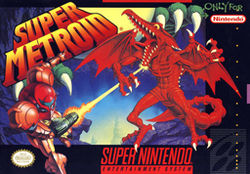 Super Metroid (Nintendo 1994) – If any of the games on the NES Classic had a “Super” version on the SNES, then it’s probably fair to assume they’ll make it to the SNES Classic. Not that Super Metroid needs to be included for that reason, it needs to be included because it too has a claim to greatest game ever made. It was very influential, especially for the Castlevania series, and the only downside to including it is that it might make people a little depressed when they think about how the franchise is treated by Nintendo today.
 Kirby Super Star (Nintendo 1996) – Another late arrival for the SNES, Kirby Super Star takes what was good about the NES game and multiplies it tenfold. Easily Kirby’s best game, Super Star is a bit of a forgotten gem on the SNES and holds up quite well. It also features some fun 2-player action so be prepared to have to hunt down an additional controller.
 F-Zero (Nintendo 1991) – Nintendo kind of ignored the racing genre with the NES, so it’s not surprising they rectified that with the SNES. Racing games were one of those genres that really benefitted with the move to the SNES as the hardware could finally keep up with the speed needed to make these type of games as fun as they could be. F-Zero was a flashy title with its futuristic visuals and also plenty difficult. Not one of my favorites, but I’d be shocked if it was left out.
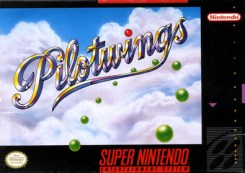 Pilotwings (Nintendo 1991) – Pilotwings was kind of the debut of the Nintendo developed tech demo released with all of their future console launches to show off the new console’s capabilities. It was to the SNES what Wii Sports was to the Wii. It’s basically a collection of mini games, and personally I remember all of my friends looking down on this title. I haven’t played it in years so I can’t say if I’d enjoy it more now, but since Nintendo developed it they’ll likely include it on the SNES Classic.
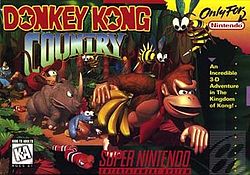 Donkey Kong Country (Nintendo 1994) – The title that reinvented and brought modern relevance to the Donkey Kong character, Donkey Kong Country was a visual wonder when it was first released and an instant hit. Some people love this franchise more than the 2D Mario one. I’m not one of them, but there’s no way Nintendo doesn’t include this one.
 Donkey Kong Country 2 (Nintendo 1995) – Nintendo had three main series Mario games to help pad the NES Classic, chances are they’ll look to DK to help do the same for the SNES Classic. Some think this one is the best of the SNES trilogy of DKC games, I have no real opinion on the matter as I don’t remember even playing this one.
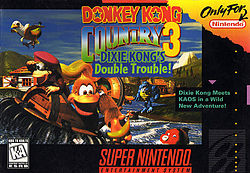 Donkey Kong Country 3 (Nintendo 1996) – This game arrived really late for the SNES, though if memory serves it still sold all right. This one might not make the SNES Classic, it’s certainly the least likely of the three, but since Nintendo wants to put as many of their games on the system as possible it feels like a safe assumption to include it here.
 Super Punch-Out!! (Nintendo 1994) – Punch-Out!! was immensely popular for the NES, Super Punch-Out!! was less so for the SNES. It wasn’t bad by any means, and it felt more like the arcade version of the original, but aside from a visual upgrade it didn’t really feel much improved. I think part of that was the new perspective of being behind Little Mac made him feel like more of an equal to his opponents as opposed to being a diminutive underdog.
 Final Fantasy II (Square 1991) – Now we’re into the non-Nintendo games, and this is actually where the list really begins for me as far as ordering by most likely. The first 13 could be ordered however you want, aside from maybe DKC3, they’re all going to be included for sure. The SNES was the console where the JRPG really took off, and it’s kind of where Final Fantasy was truly born (at least in the West). Final Fantasy III is the better game, but for some reason I suspect that II is more likely to be included if only one is.
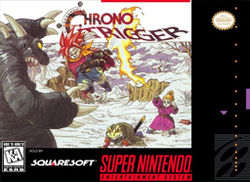 Chrono Trigger (Square 1995) – Another one of those “best ever” contenders, Chrono Trigger is as beloved as any game in the Final Fantasy series, even if it never took off as a franchise on its own. The only thing that would keep it from being included is if Square-Enix wants to be protective of how often they re-release the game. Or if they want too much money in the form of royalties, which could be a problem since they made a lot of awesome SNES games…
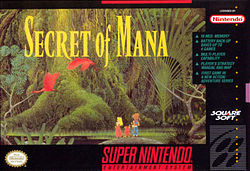 Secret of Mana (Square 1993) – …like Secret of Mana! Lazily referred to as a Zelda clone, Secret of Mana is a delightful action RPG and the type of game Square-Enix has seemingly forgotten how to make. The sequel was also excellent, but never released outside of Japan. Following that though, virtually every other game in the series has been a shallow hack n’ slash and a major disappointment. Thankfully, this one holds up so well we really don’t need another (though Square-Enix really should just finally localize the damn sequel for some kind of release).
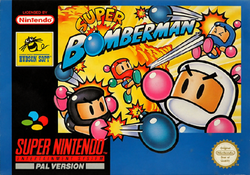 Super Bomberman (Hudson Soft 1993) – The ultimate party game for the SNES, Super Bomberman was probably my most rented title for sleepovers and such as the four-player mode rocked. If Nintendo does include this title, and it should, it needs to make sure the SNES Classic can handle four-players, even if it means messing with the aesthetics of the system by including four controller ports on the front.
 Street Fighter II (Capcom 1992)- Capcom’s fighting game is almost certain to make an appearance, it’s just a question of what version. They should probably just go with Super Street Fighter II, but maybe they think the importance of the original makes it the more worthy title.
 Mega Man X (Capcom 1993) – Mega Man was huge for the NES, so he’ll be included on the SNES Classic even if he played a lesser role for the console. His one main entry, Mega Man 7, is regarded as one of the worst in the series so Capcom will probably push for Mega Man X, and it should. Mega Man X was what the character needed to remain relevant and remains an excellent Mega Man game to this day.
 Super Castlevania IV (Konami 1991) – another NES tentpole franchise, Castlevania would see its stock plummet in the 16 bit era, even though Super Castlevania was an excellent game. It’s one of the last traditional Castlevania titles as Symphony of the Night would soon follow with its Metroidvania gameplay becoming the preferred style of future titles in the series.
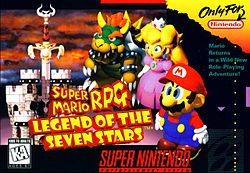 Super Mario RPG (Nintendo/Square 1996) – could Mario do RPGs as well as he could platformers? If Square is handling most of the game design, then yeah of course he can! Super Mario RPG was a surprise hit and remains a fun game to this day. In a way, it might be more likely to appear on this collection than the Final Fantasy games as at least Nintendo shares publishing rights with Square-Enix on this one.
 Contra III (Konami 1992) – Probably the last relevant title in the Contra series, Contra III was more of the same which is what people were happy to have at the time. Being a sequel to an NES Classic game is what guarantees it a spot here.
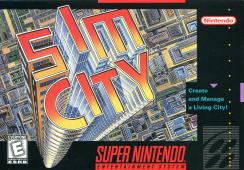 Sim City (Nintendo 1991) – Another Nintendo published title but with the royalties a little messy compared to a Mario or Zelda game. Sim City was another surprise hit in that there was skepticism the city builder simulation would find an audience on a home console. It did and it did well with its success leading to other sim games being released for the SNES, including “classics” like Sim Ant…
 Killer Instinct (Midway/Rareware/Nintendo 1995) – Nintendo, and Rare’s, answer to Mortal Kombat, Killer Instinct was a perfectly acceptable fighter for the era. Rare, and now Microsoft, hold the publishing rights for the franchise and I don’t know how that affects the original game’s inclusion. If Nintendo needs to only split royalties with Microsoft/Rare then I think it will be included. Anything more and it probably won’t be.
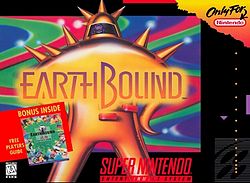 Earthbound (Nintendo 1995) – Nintendo’s answer to Dragon Quest, Earthbound (known as Mother 2 outside the US) has never been real popular with Nintendo. It’s the only title in the series to be released outside Japan even though Nintendo fans seem to adore it for its quirky humor and real world setting. It’s a game that has amassed a cult following over the years, though personally I don’t think it’s one that really lives up to the reputation. It’s a Nintendo game though, so it will most likely find a way onto the SNES Classic.
 Final Fantasy III (Square 1994) – You know it, I know it, and I bet even Nintendo knows that this game should definitely be included among the top SNES games released. Will it make it to the SNES Classic though is a harder question. If Final Fantasy II does, then it may not, even though it seems ludicrous to split those two games up.
 Tetris Attack (Nintendo 1996) – Many have tried to improve upon the formula of Tetris, and few have succeeded. Tetris Attack found a way with a competitive two-player mode that’s a blast to play. It’s been ripped off for other puzzle games like Puzzle Fighter and Pokemon Puzzle League. And thankfully there’s no Super Dr. Mario to bump this one from the collection.
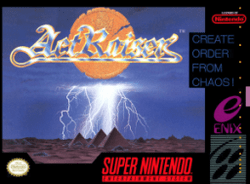 Actraiser (Enix 1991) – A legitimately unique game that combines the sim elements of a world builder with the action RPG gaming of Castlevania, Demon’s Crest, and so forth. Few games have tried to do what Actraiser did (Dark Cloud being the only one I can recall off the top of my head) and even though it wasn’t an immensely popular title, it feels like one that received its due in the years since so if Nintendo leaves it out I’d actually be pretty surprised.
 Zombies Ate My Neighbors (Konami 1993) – This game was so thematically outrageous at the time that it couldn’t be ignored. People remember it, even though it never turned into a bankable franchise or anything (though zombies in general certainly have). It’s extremely memorable as a Super Nintendo game, so much so that it seems like Nintendo won’t be able to ignore it.
 The Legend of the Mystical Ninja (Konami 1992) – Our last title is from a franchise that was far more popular in Japan than the US, but worth including. The co-op play was some of the best on the system. I never owned the game, but I remember renting it multiple times as it was a lot of fun to have around when friends were over for the night.
 If you’re into video games then you have probably heard by now about the NES Classic, the plug and play gaming device that resembles a mini Nintendo Entertainment System. You’ve also probably heard about how Nintendo shipped a minuscule amount of the units for the system’s launch date and now it’s impossible to find at retail. It’s a cute product that’s going to be popular due to the nostalgia factor and low price ($60), but if properly stocked it’s probably not flying off the shelves in mass quantities like the current shortage would indicate. It’s a particularly great device for those who do not still own, or never owned, an actual NES and want to get a retro gaming fix. The NES Classic comes pre-loaded with 30 games and each one has four save state slots making hard to beat classics like Zelda II that much more manageable.
 30. Ice Climber (Nintendo 1985) – Most probably know Ice Climber as that weird double-character controlled by a single player in the Super Smash Bros. series. Older folks remember it as an NES launch title that the unlucky ones received instead of one of the better games. Ice Climber represents the early, primitive NES games that were little more than better looking Atari 2600 games. Some of these games were worthwhile because they first existed in the arcade and were just now getting home versions on par with those arcade originals. Ice Climber is not one of those games though, but it costs Nintendo nothing to include it here. As a title for the NES Classic, the only thing it has going for it is that it features 2-player simultaneous play.
 29. Balloon Fight (Nintendo 1986) – Another early Nintendo game, this one first appeared in arcades before making it home. It’s slightly more interesting than Ice Climber, but isn’t a game you will have much interest in returning to over and over. It’s been re-released a ton over the years, and including it here is just overkill.
 28. Mario Bros. (Nintendo 1983) – Super Mario Bros. is the game most synonymous with the NES, the original Mario Bros. is not. If you had a copy of Super Mario Bros. 3 (and you probably did) then you experienced all you needed to from this game. It was never a popular NES title and Nintendo is basically only including it because it has Mario in the title.
 27. Donkey Kong Jr. (Nintendo 1982) – Donkey Kong Jr is another arcade classic (I’m using that term liberally here) that was never really all that popular on the NES, but Nintendo obviously felt the old arcade games needed (significant) representation on the NES Classic. Donkey Kong Jr. is most notable for putting Mario in the role of villain as the player takes control of Kid Kong and tries to save his old man, I mean, ape. It’s fine, but lack replay value outside of just shooting for a high score isn’t much of a home console experience.
 26. Galaga (Namco 1981) – a slightly younger generation maybe familiar with Galaga not as an arcade classic, but as a popular loading screen diversion of Playstation era Namco games. Galaga is another arcade great that never had much of a life on the NES. Tastes had moved on, and Galaga really doesn’t need to be included in a set of great NES games.
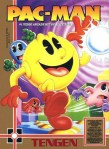 25. Pac-Man (Namco 1980) – Pac-Man was Mario before Mario. Unlike a lot of the other games on this list so far, there actually was some appetite for an arcade perfect version of Pac-Man on the NES. It’s a game almost everyone is familiar with, but still not really one that people are clamoring to play.
 24. Donkey Kong (Nintendo 1981) – Donkey Kong, like Pac-Man, is another game that consumers did have some appetite for when the NES made it to retail. And since DK is one of Nintendo’s most popular characters, it’s not surprising that he’s included. Still, there’s a lot of arcade games on this set, too many if you ask me.
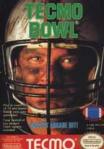 23. Tecmo Bowl (Tecmo 1987) – More known for how game-breaking Bo Jackson was, Tecmo Bowl was the first great football game of its kind. It’s pretty dated at this point, but is a top 50 NES title, and for diehard sports fans, probably a top 30 one too.
 22. Final Fantasy (Square 1987) – Few franchises are as synonymous with gaming as Final Fantasy. The first title is also known as the game that saved Square, now Square-Enix, hence why it was called Final Fantasy since there was a very real chance it was the publisher’s final title. It was a Dragon Quest clone that did a few interesting things on its own, but played today it’s quite clear that Father Time has not taken a liking to it. Only the truly dedicated NES Classic owners will see this title to the end.
 21. Dr. Mario (Nintendo 1990) – One of the first examples of Nintendo realizing it could just slap Mario on anything and boost sales, Dr. Mario is a Tetris clone that does enough to separate itself from its predecessor, but not enough to better it.
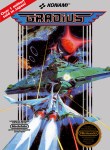 19. Gradius (Konami, 1985) – Gradius is a classic on-rails shooter by Konami known for its difficulty. The on-rails shooter genre has actually aged really well, because there isn’t really much better technology can do for it aside from make it look better. So from that standpoint, it holds up.
 18.
18.  17. Double Dragon II (Acclaim 1989) – The arcade beat-em-up most synonymous with the NES. It was a good debate over which was superior, Double Dragon II or TMNT II, but both were fun games, particularly for two-players. Double Dragon II is also miles ahead of the original so good call by Nintendo for being able to recognize that including it over the original was the right move.
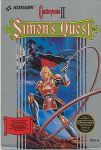 16. Castlevania II: Simon’s Quest (Konami 1987) – The sequel to the smash-hit original, Castlevania II, like Zelda II, is known mostly for its big shift in gameplay. Simon Belmont still handles the same way, but the RPG mechanics make for a vastly different experience. Some people loved it, some people hated it, everyone was frustrated by it’s cryptic puzzles. That last part isn’t really an issue today thanks to the wonderful invention known as the internet, making this game actually more playable now than it was in 1987.
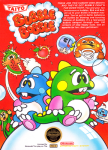 15. Bubble Bobble (Taito 1986) – A simple, but challenging, two-player experience is how I remember Bubble Bobble. It strangely holds up really well, and its timeless gameplay plus two-player simultaneous play makes for a worthy selection.
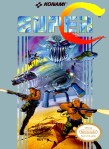 14. Super C (Konami 1988) – Also known as Super Contra, it’s the sequel to Contra and features the same basic run n’ gun gameplay. For whatever reason, no one seems to remember this game even though the first Contra was mega popular. As an aside, it’s pretty amazing how many Konami games made this release.
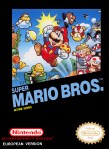 13. Super Mario Bros (Nintendo 1985) – Obviously, this one was going to be included because it’s probably the most important game that Nintendo ever released, and it could be considered the most important and famous game of all time.
 12. Ghosts ‘N Goblins (Capcom 1986) – Finally, a Capcom game! It surprised me how many Konami games made this release vs Capcom as I always viewed the two as equal during the NES days. Ghosts ‘N Goblins was a hard, but fun, game and gamers will really appreciate the save states on the NES Classic when they tackle this one. It’s another run n’ gun styled game, a genre that has held up really well.
 11. Castlevania (Konami 1986) – A no doubt classic. I don’t think I really need to say much about this one, right? It’s hard, but fair (mostly), and it’s style of play is still rewarding today. None of the NES sequels really did enough to warrant consideration over it either (and Nintendo included Castlevania II anyways) making this selection completely warranted.
 10. Metroid (Nintendo 1986) – It’s a good thing games were so expensive in the 80s, otherwise how would anyone have gotten anything done in ’86 and ’87 with so many killer releases on the NES? Metroid is a bit of a tough one to rank as it hasn’t aged too well, but the game’s mood is still so captivatingly barren and lonesome that I find it charming even today. Obviously, future games in the series were able to vastly improve upon the original formula, but since none of them were NES games it makes Metroid’s inclusion a no-(mother)brainer.
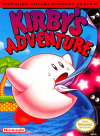 9. Kirby’s Adventure (Nintendo 1993) – Kirby is a character who peaked early. Kirby’s Adventure, only his second outing, is probably second only to his outing on the SNES among all of the Kirby games. Kirby’s Adventure is a great inclusion here because not only is it a fun and unique platformer, but it was also a late release for the NES when a lot of gamers had moved onto the Genesis and SNES. The NES Classic gives those gamers who missed it the first time a second chance to experience it.
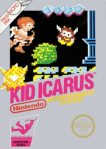 8. Kid Icarus (Nintendo 1986) – Poor Pit has been mistreated for years by Nintendo, but at least he gets to be among the 3o games on the NES Classic. His original outing was a difficult platforming/RPG hybrid that may be more appreciated today than it was in 1986. The controls aren’t the best, but they work, and the save state feature gives this one new life. Since it is so often cited as a forgotten Nintendo classic it has probably ceased to be one, but many gamers will probably still get their first taste of Kid Icarus with this set.
 7. Punch-Out!! (Nintendo 1990) – Obviously, this is the version featuring Mr. Dream and not Mike Tyson. It’s the same game though, and while one could argue that this one has been re-released too much, it’s harder still to argue it’s not one of the most fun games released for the NES. It’s timing based gameplay also means it’s held up well in the age department. It’s challenge has always been fair and rewarding, though people will still probably abuse save states to beat it.
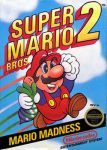 6. Super Mario Bros. 2 (Nintendo 1988) – Ever notice how no one, and I mean no one, ever acknowledges the box art’s Mario Madness subtitle? What was that even supposed to mean? Anyways, you probably know all about Super Mario Bros. 2’s odd path to release, so I won’t bore you here. It’s a great game, even if it’s very different from its predecessor, and Nintendo wasn’t going to exclude it from this release.
 5. StarTropics (Nintendo 1990) – StarTropics is an often overlooked game from the NES era that feels like the spiritual sequel to Zelda, since Zelda II felt so different. It improves on the original Legend of Zelda in some ways, and it’s use of contemporary items as weapons definitely feels a lot like Earthbound. It’s a really good game, and one you probably haven’t played, so go ahead and play this one first. You have my permission. Just be warned that you will need to consult the internet to make it through one particular part.
 4. Ninja Gaiden (Tecmo 1990) – Few characters on the NES are as fun to control as Ryu Hayabusa. It’s just too bad the world around our badass ninja Ryu makes him feel not so badass since everything can kill him. Ninja Gaiden is a brutal game, but it still manages to be a fun one. Some of the stuff it does seems unfair, but it always manages to bring gamers back after some rage-induced quiting. Just remember, the chord on that NES Classic controller is really short before you throw it.
 3. Mega Man 2 (Capcom 1988) – Naturally, you can’t have a collection of thirty of the best NES games ever created and not include Mega Man. And if Nintendo was limiting itself to just one Mega Man, then Mega Man 2 is probably the best option. Yeah, future games introduced elements like the slide and Rush, but Mega Man 2 is iconic for its boss selection, music, and stage setup. It’s considered the best in the franchise by many still to this day. The only real argument is why did Nintendo include one Mega Man game but two Castlevania titles? The easy answer is that Simon’s Quest is pretty different from its predecessor, while all of the Mega Man games are very similar. It still feels odd, though.
 2.
2.  1.Super Mario Bros. 3 (Nintendo 1990) – Super Mario Bros. 3 is among the greatest games ever made, and it’s the best game on the NES, so obviously it was going to be included. There’s no argument against it, other than maybe that everyone has already played it before. The only negative thing I can even say about it is that Mario has brown sideburns but a black mustache on the box art, which makes no sense. Then again, Nintendo really hasn’t mined the Mario back catalogue like it has some other games so it really doesn’t feel exploited. I may have suggested playing StarTropics first, but come on, you’ll play this one first. Just about everyone will.
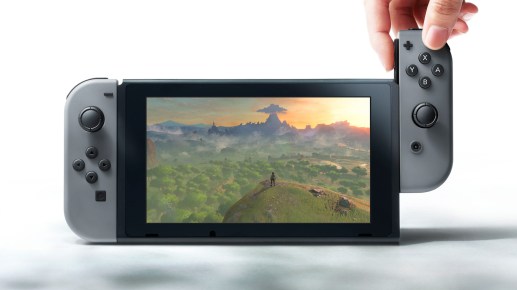
 If you consider yourself an avid gamer then you are probably by now aware that Nintendo has unveiled its latest console/handheld: The Nintendo Switch. Previously known by the code name NX, the Switch was officially revealed in a short promotional video on October 20th. Prior to this promotional video, the Switch had only been seen via patent applications by Nintendo containing early drawings that gave some indication of what the console was going to look like. It’s design resembled the Wii U tablet, but with some notable distinctions such as a slot for cartridge based games not unlike Nintendo’s current handheld, the 3DS.


 We’re down to the top four in our rankings for the best games in The Legend of Zelda franchise. As far as climaxes go, this one is probably fairly anti-climactic as there’s a pretty clear top two in this series that the majority of gamers agree on. Though, as these games collectively get older there is undoubtedly more affection for the more recent games as suddenly a title like The Wind Waker is a normal gateway for players in their teens and twenties. Nostalgia always plays a role in a subjective exercise such as this one, though I sincerely feel these four games are the most dense and most fun Zelda experiences that Nintendo has put out. And I’m also not beholden to them. I really hope the next game in the series dethrones our champ, or at least forces its way into the conversation. Time will tell.
 3. Breath of the Wild (Wii U/Switch 2017)


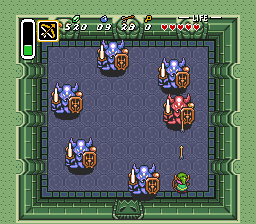

 Part 2 of this ranking feature for the games in the Legend of Zelda series should be less controversial than Part 1. Hopefully that doesn’t make it boring because we are just about at that point with this list where I’m splitting hairs. It’s probably not really a spoiler to say that the top 2 Zelda games are not really in question, and I think for many, the order is mostly agreed upon. I also think the next two games on our list are pretty clearly inferior to what follows, though some of that does depend on what your appetite for retro gaming is (suffice to say, if you were born sometime after 1990 the order of the following games is probably different from mine). Let’s move along though to take a look at these prestigious games which made it deep into the top ten.
 8. Oracle of Seasons (Gameboy Color 2001)
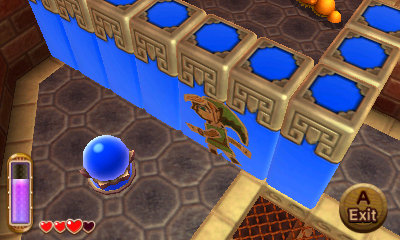

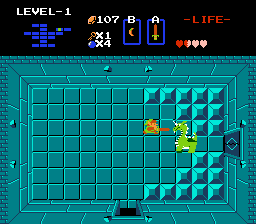
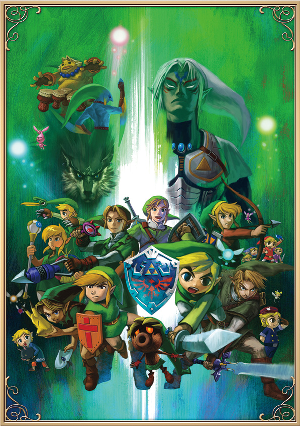 If Mario is to video games what Budweiser is to beer, then Zelda is like the Alchemist Brewery. If you’re not a beer enthusiast that’s to say that Zelda is like fine wine to Mario’s table offering. And if you’re not a wine person, well I’m just saying that while Nintendo is best known for Mario, it’s Zelda that is their true flagship offering. Ever since The Legend of Zelda debuted in 1986 for the NES, it’s been the franchise that Nintendo is most apt to make sure isn’t over-exposed and benefits from long development cycles to best ensure a quality product is delivered. That’s not a slight against Mario, it’s just he has way more spin-offs and lesser outings than Link tends to (not that he’s immune from the occasional Hyrule Warriors or Crossbow Training).
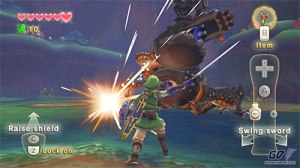


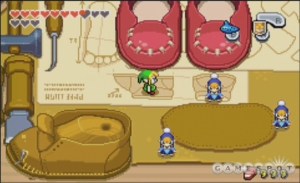
 Nintendo 64 – How to rank this one? You all know it, that oddly shaped, three-handled device released in 1996 alongside the Nintendo 64. It wasn’t the first controller to feature an analog thumb-stick, but it certainly made it standard, which is about the only good thing I can say about it. It was chunky, the face buttons felt cheap, and the shoulder buttons offered little satisfaction. The Z-trigger was a nice touch, but unless you were playing one of the many 3D platformers featured on the N64, this one was lacking.
 Atari Jaguar – Just look at this thing. If you never handled one consider yourself lucky. Ignoring that the system was a terrible waste of money, this controller was a beast of unwieldy proportions. See that key pad? Of course you do because it’s gigantic. That thing had inserts that could be snapped over it depending on the game, but it was mostly a tacky, useless feature that just made the controller obtuse. The cheap feel didn’t help things either.
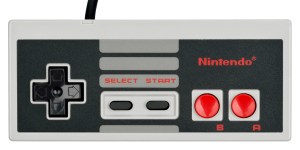 The NES controller – It’s the one that standardized the modern layout of basically every controller. The d-pad on the left, and action buttons on the right. Maybe the squared edges weren’t the best idea but the re-designed “dog bone” bundled with the later model NES rectified that mistake. It’s been improved upon by leaps and bounds, but few people thought at the time there was anything wrong with it.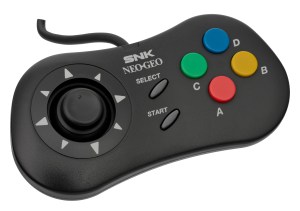








 The Nostalgia Spot