
My video game reviews are rarely timely. I just don’t have the available free time to plow through a video game like I once did, especially not a lengthy role-playing game. Nonetheless, the subject of a Final Fantasy VII remake has been a big one to me and I would be remiss if I didn’t collect my thoughts on the subject here in this space. It was nearly a year ago that I did just that with part one of a projected three-part project that is the Final Fantasy VII remake. That first part basically covered the Midgar portion of the story from the original game taking what was probably an eight hour experience and turning it into a 60 hour one. The second part of that journey arrived the same day as my review of the first and I think most had an idea of where it would leave off relative to the main story, and most were right. It has taken me the better part of eight months to work my way through this second chapter, titled Final Fantasy VII Rebirth, and I have some thoughts to share.
As is probably the case with every article, blog, etc. on the subject, spoilers are ahead for those who did not experience the original Final Fantasy VII or Final Fantasy VII Remake. I’ll not spoil this game outright, at least not without warning, so if you’re looking for a delayed opinion on a game you’re considering for yourself then you’re safe for now. The game picks up right where Remake left off and our heroes are fleeing Midgar and planning their next move following the destruction that took place and their encounter with the big baddie of the game: Sephiroth. Remake ended on a controversial note. Basically, it was revealed that what we’re playing is a remake in a meta sense, but only Sephiroth is aware. Final Fantasy VII happened. Sephiroth lost and the planet was spared. Now, he gets to try again by toying with the whispers of fate, as it were. In a way, it’s not important to the player if this is a redo or all happening for the first time, except for the fact that it was revealed at the end of Remake that Zack (Caleb Pierce) is alive. If you’ve played the original, or the prequel game Crisis Core, then you know Zack should be very much dead. He died saving Cloud and that inspired Cloud to basically become Zack, in a sense. With him alive it’s confirmation that Sephiroth (Tyler Hoechlin) has indeed altered history and anything can happen from here.

That little detail may have caused a few fans to raise their pitchforks at the game’s conclusion, but if you thought this meant that the experience going forward would be vastly different then put those pitchforks away. Oh, there are indeed some changes, but the events of Rebirth largely follow in the footsteps of the original game. With just a whole lot more. How does one take a 40 hour experience and stretch it across three modern games? Why, with padding of course! Final Fantasy VII Rebirth is a long game and it took me just shy of 130 hours to roll credits on it. I did not do everything in this game either. I started off trying to keep up with every nook and cranny offered up by the experience, but at some point I decided if I ever wanted to beat this thing that I needed to play in a more focused manner. You see, this game has a mini game for seemingly everything. They add considerable padding to the experience especially if you want to get the top score and receive the best reward. The game is also structured in that there are a series of areas you visit which are fairly vast on their own. Each one comes with a bunch of tedium to extend them: encounter every enemy, find a bunch of special areas, tame a chocobo, beat a unique boss, etc. There is a flow to it, so it’s not a truly tedious experience, but there will be times when the game just plain doesn’t respect your time.
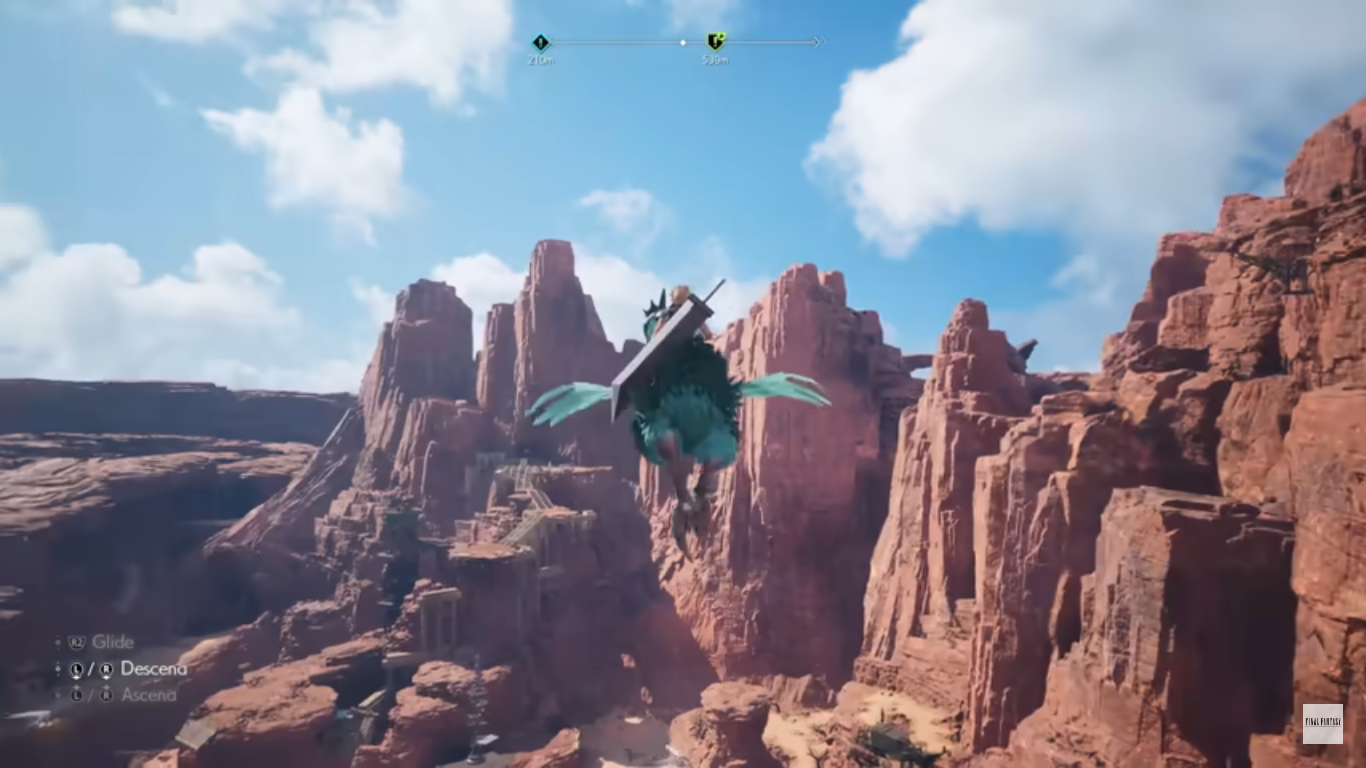
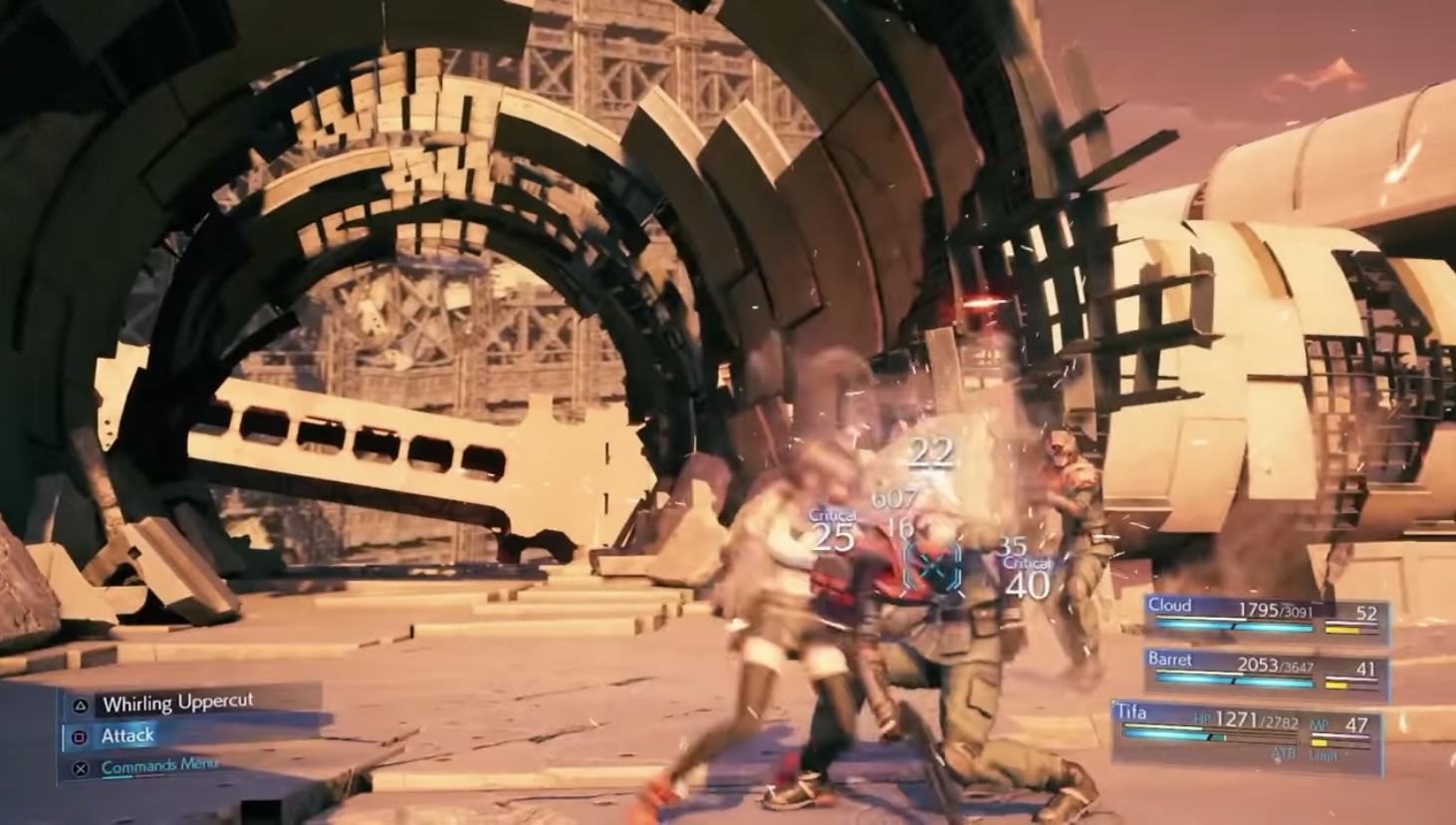
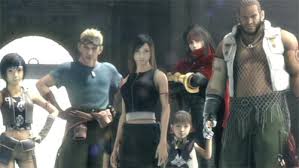
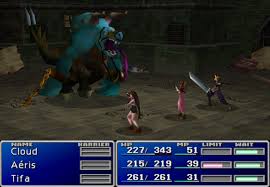
A game that is going to require such an investment of time better be fun to play. If you enjoyed the combat system in Remake, then you’ll be happy with Rebirth. Your characters all basically start over though. Same with your materia, the equip-able orbs that allow your characters to access spells and special abilities. Nothing is carried over from the prior game even though these are supposed to be all combined. The combat is still an action game. You can pause (technically, slow down time to a near pause) combat to issue commands to your characters, but there’s no turn-based option available. Combat is basically still mostly mashing the attack button, accumulating ATB bars, and then using them to unleash special moves and spells. Your party will grow quite a bit larger this time around with the additions of Red XIII (Max Mittelman), Yuffie (Suzie Yeung), and Cait Sith (Paul Tinto), but you can only take three into battle at any given time. There’s no swapping in reserves, though there is a reserve action available when things gets dire.

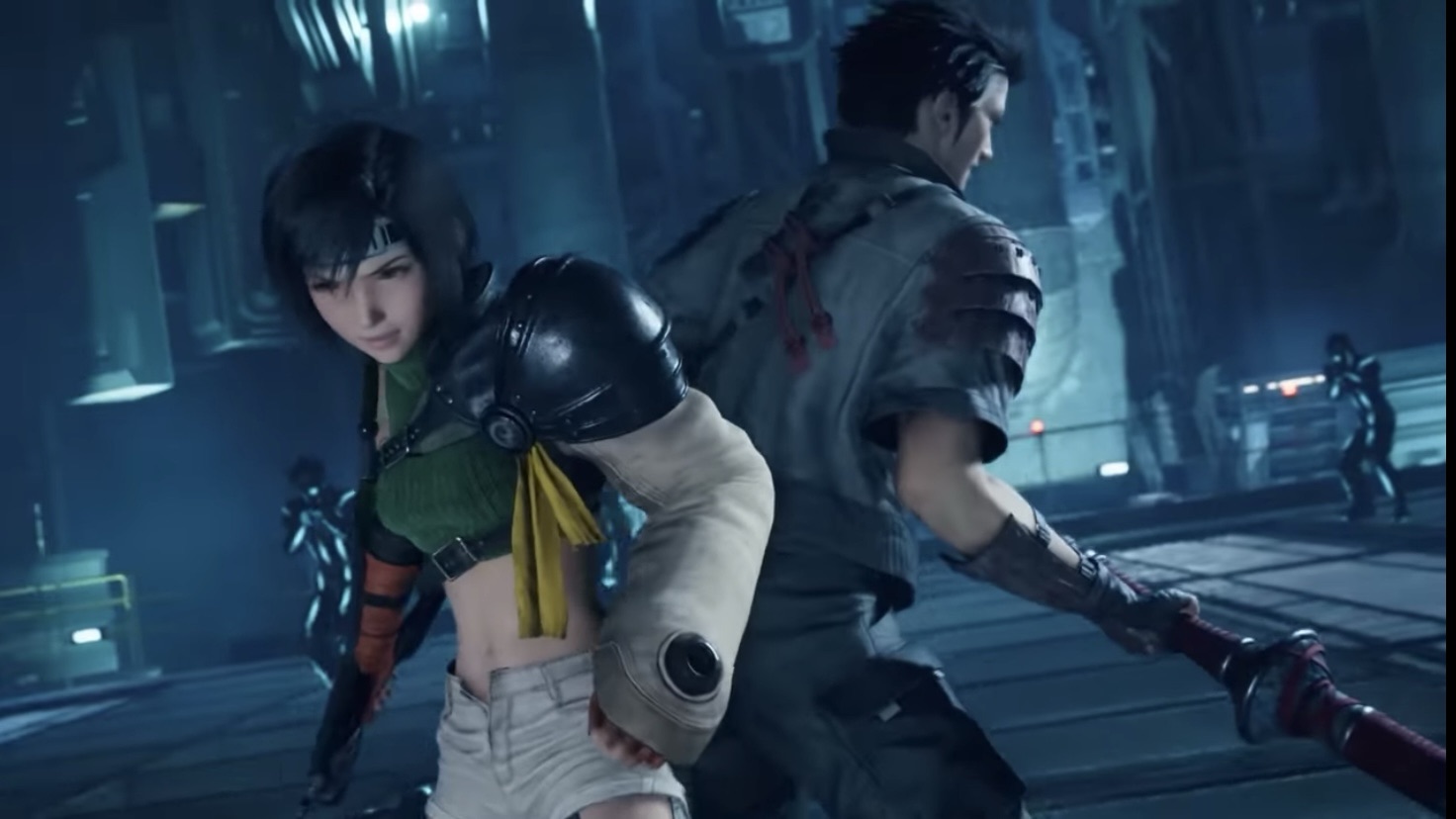
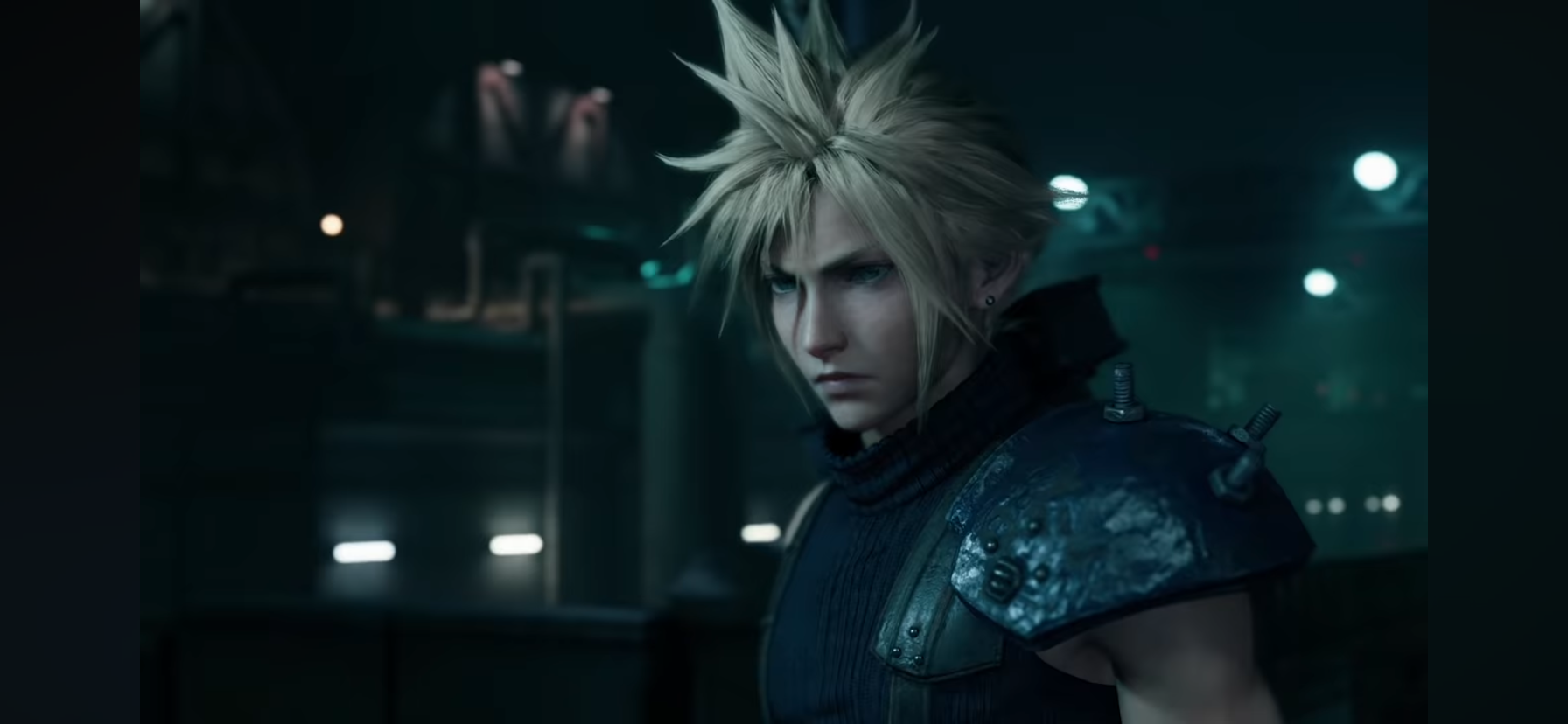
Every character plays a little different to make them unique. Our returning fighters in Cloud (Cody Christian), Aerith (Briana White), Tifa (Britt Baron), and Barret (John Eric Bentley) still control the same. Yuffie, who was part of the Intergrade DLC for Remake, is a hybrid melee/ranged attacker who relies on speed and is largely unchanged from that game. Red XIII was introduced in Remake, but not playable. In this one, he’s an attack/support character and his special ability is tied to his Vengeance gauge. It builds up during combat and at any point Red XIII can go into a Vengeance mode which makes him stronger, faster, and opens up new moves. Cait Sith is more of a wild card character with moves tied to chance. Cait is the small, anthropomorphic, cat and he rides an oversized moogle. The moogle can be called upon and used to dish out damage and most of Cait Sith’s abilities are tied into it.
The weapon system this time around has been altered. Rather than each weapon needing to level up via a grid type system, each character just has their own progression board of sorts to unlock abilities through. The weapons now just have a special ability and equipping the weapon and using that ability a set amount of times allows the character to learn it permanently. Weapons also have their own materia slots and their own pool of equip-able abilities. This does mean that the evergreen nature of the weapons in the last game is sort of lost. You’re far more likely to just run with the latest and greatest weapon acquired unless said weapon specializes in magic when you want the character to focus on melee attacks. The board each character has will modify base stats and also allow for the learning of magic abilities that do not require MP. It’s a unique grid for each character, so it’s not like Final Fantasy X‘s sphere grid where everyone is on the same thing, but a different starting area.
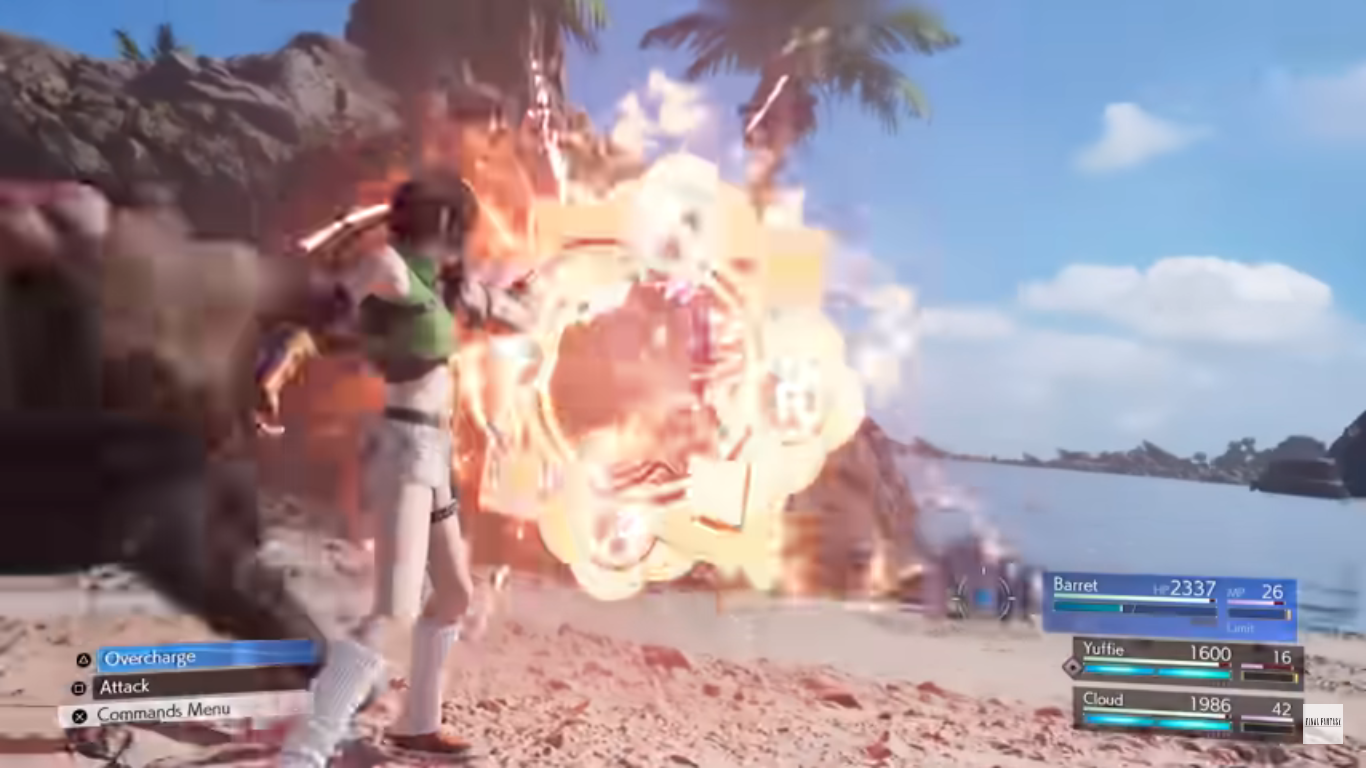
A key component of these new grids (which the game refers to as folios) is the ability to unlock Synergy skills. Synergy skills are basically team-up moves and they have to be unlocked. When a character uses an ability in battle, they fill a separate ATB bar. Once two characters have filled the required amount of ATB bars for their move, they can then use it. These moves often do a tremendous amount of damage, but also have other special functions. Many are focused on dealing extra damage to foes that have already been staggered. The Refocus ability, which grants an extra ATB gauge in battle, is also now tied to Synergy skills. Others speed up the limit gauge or leave the characters in a state where they have unlimited MP for a short while. They’re pretty useful and when it comes to harder boss fights they can be the key to turning the tide in one’s favor so it pays to make sure your favorite characters to play as have learned a Synergy skill or two.
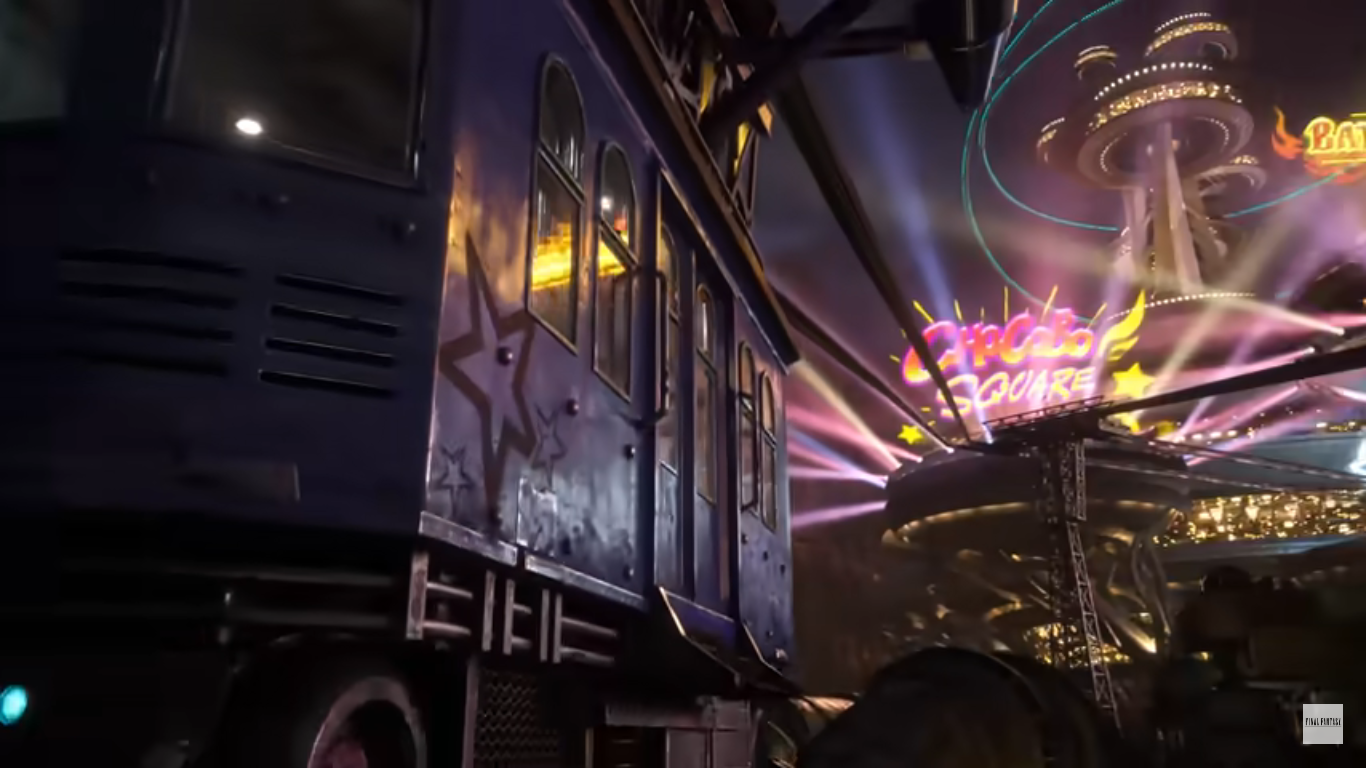
The presentation for Rebirth is, as you would have probably expected, quite lovely. There’s a variety of environments on display and characters animate and emote exceptionally well. The soundtrack is as good as ever making liberal use of the original game with some new twists thrown in. Voice acting is also very good and at no point will you feel like Square Enix cheaped out anywhere. About the only thing that can feel limiting is when reaching the edge of a map and encountering the ever annoying message that you cannot pass further. The locations though are technically connected so you could basically walk the entire map which I would not recommend. At some point water travel will become a possibility making it even more obvious that this is all one big area.

There is a lot to do and a lot to see in Rebirth. I have no idea how fast this game could be completed if one ignored a lot of that extra stuff, or how much harder it would be. I played on normal and encountered plenty of challenging fights. Some of the hardest will be the summons. In order to acquire a summoned creature, you have to first beat them. You do so via Chadley, who returns from the first game, and his combat simulator. There are special shrines scattered about a region that if encountered can weaken the summoned creature, but most will still put up a good fight. Once acquired, they can only be used when the summon gauge pops up in battle, which does seem to happen far more often this time around than in Remake. Once summoned, they hang around, deal some damage, and have their own abilities that anyone in the party can tap into. Once their time is up, or the summoner is defeated, they unleash their ultimate attack and vanish. There isn’t a whole lot of strategic value to them, they almost feel like window dressing and something the game has to have since it was a part of the original. It’s still fun seeing them for the first time, at least.
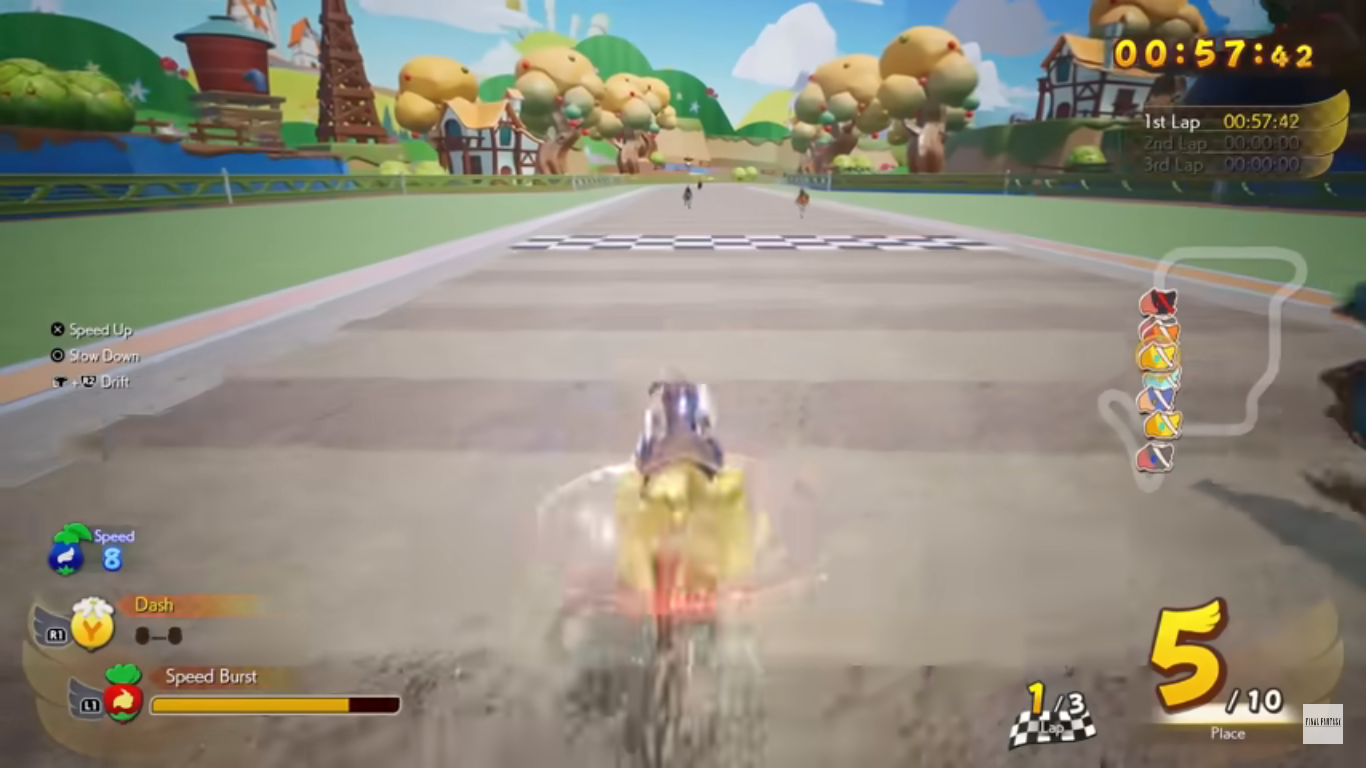
The other distractions all vary in quality. Some I enjoyed, some I couldn’t wait to be done with. Chocobo racing is back only now it’s more like Mario Kart. It’s also not entirely optional, but also not super difficult. There were times I was pretty annoyed though, but those instances may have been in the optional races. There’s also a card game that Cloud can partake in called Queen’s Blood. It takes a little getting used to, but the game does a solid job of bringing the player along as more complicated cards are introduced. I did manage to complete that entire side quest without too much trouble. It’s probably the best of the many mini games which largely do not impress, but also don’t really annoy. The only one I truly detested was the piano playing mini game. I just can’t get accustomed to it and never even managed a B playing a part. I got the impression even back in the demo that it was going to be way too time consuming to get good at so I didn’t bother. Thankfully, there are no moments in the game where you’re required to play piano and actually play it well. There are some moments where you do have to play and it’s a bit awkward, but we can’t all be winners.
Final Fantasy VII Rebirth is basically more of the same when compared with Remake, just a whole lot more. It’s probably way longer than it should be and I can think of plenty of ways it could have been cut down. Anytime I was forced to watch Cloud crawl through something or walk slower I couldn’t help but think this could be going a lot faster. Why do I need to control an airplane that isn’t even being piloted by one of my characters to get to a new area when it could just be captured with a quick cut scene? A lot of side quests are fetch quests that don’t add anything to the narrative, and I really hated that a series of items you collect all throughout the game just leads to an optional, high level, area I have no desire to see through. There’s a crafting element included, but it adds very little to the experience other than an excuse to just put a bunch of collectible crap on every map. The game is, for me, undoubtedly a more complete experience than Remake, but at almost every step of the way there’s this feeling that the designers are just trying to stretch this experience out to the game’s detriment.
The game is so similar to Remake that any issues one had with that game will carryover to this one. I still don’t love the combat system. I don’t hate it, but I still feel like this game is stuck between a subpar action game and a JRPG. It’s not going to satisfy action game fans or JRPG fans entirely, instead it tries to meet them all halfway. It would have been so easy to make it an optional turn-based game, but Square Enix refused. And yeah, you can pause and issue commands or switch to another character on the fly, but the game is still bad at letting you truly dictate to your party members what you want them to do. There was one optional fight where I had to take out a certain enemy first. The problem was, the other enemies in the fight were all weaker. The challenge is basically you have to fight against the game because you can’t reliably get your party members to focus on the target and the target alone. I had to redo it several times because someone would end up taking out one of those lesser enemies first resulting in a failure. Even doing the fight solo was a pain as it’s very easy to accidentally switch targets and the auto-targeting sucks.
And now we do have to talk about it. The big thing. Spoilers ahead!

As all likely guessed, this game ends with the City of the Ancients and Sephiroth’s attack. The death of Aerith is quite possibly the most famous death in the history of video games. I am struggling to even come up with anything close to it. This game totally blows it by doing what it spends too much of the game doing: it drags it out. The impact of the moment is completely lost because of how drawn out the process is. It also intentionally muddles things too by turning to something I think many are sick of: the Multiverse.
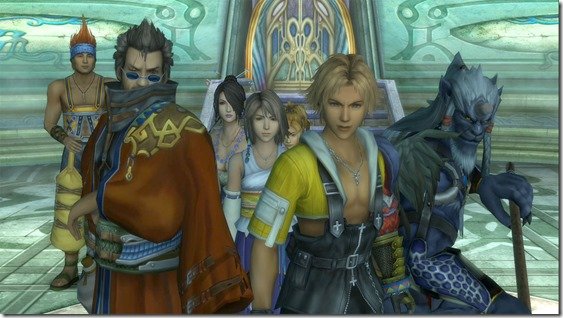
Yes, we’re going full multiverse in this one. It’s basically hinted at throughout the game as there are short sequences where we’ll check in on Zack who is watching over both Aerith and Cloud. Aerith is in some sort of coma, while Cloud has apparently succumbed to mako poisoning. Biggs is also alive, and the game waits until the end to reveal what’s going on which is essentially that Sephiroth is trying to unite a whole bunch of multiverses. I suppose it’s not the game’s fault that Marvel has gone headlong into this type of story-telling over the past few years, but it’s a trope that I’m personally so sick of. It’s not adding to the experience of Final Fantasy VII and just feels like change for the sake of change. I still expect the events of the final game to play out largely as expected, only instead there will probably be some additional final encounter with Sephiroth. Maybe it will bring in other Final Fantasy universes and Sephiroth will team-up with Kefka while Cloud and Squall race to find Tidus for one massive, shark-jumping, finale! I doubt that, and I hope we’re not heading for something that ridiculous, but I’ve gone from slightly intrigued by the possibilities presented at the end of Remake to downright soured.

The remake of Final Fantasy VII was never going to be easy. Redoing the game with prettier graphics might have satisfied many, but also would have felt pointless. The game does at least benefit from having the player spend more time with these characters. They’re far more fleshed out, their personalities more apparent, and I genuinely enjoy spending time with them. I am invested in their journey, even if aspects of it frustrate me. Aerith was done dirty. Not because she was killed off, but because it wasn’t allowed to resonate like it should have. Perhaps the fallout in whatever comes next (I’m guessing it will be called Reunion) will find a way to rectify that. And at least they didn’t chicken out, which I was a little afraid would happen and this new timeline would lead to one where Aerith doesn’t die. Not because I want her dead or anything, far from it as she’s a delightful character, but because her death should hurt and it shouldn’t be something we can ignore.
All this is to say that I have complicated feelings on this game. I did with Remake, and I still do with Rebirth. Chances are, I’ll feel the same way when all is said and done. Can I recommend it? Yeah, sure, if you have 100 hours to spend on a game. If you don’t then I totally understand. I find the task a daunting one and I’m nearing a point in my life where I don’t really want a game to last that long. As a fan of the original Final Fantasy VII, it is nice to see these characters from a different angle and experience them in a new way. I can’t compare the two games because they’re such different experiences, but the best thing I can say about Rebirth is that I don’t regret the 130 hours I’ve spent with it. I just don’t really want to spend any more time with it.
Check out some of my other Final Fantasy thoughts below:
Final Fantasy VII Remake – Intergrade
It took a long time for it to be realized, and a long time for me to play it. It’s debatable which Final Fantasy title is best and nostalgia will always play a big role. For many, Final Fantasy VII was the first Final Fantasy game they played. Previously, only three titles had made it…
Keep reading
Final Fantasy X HD Remaster
Over the years I’ve talked a lot about Final Fantasy but I’ve never posted a game review for any of the numeric titles in the long-running series. Well that ends today as I post my thoughts on the somewhat recently released Final Fantasy X HD Remaster. One opinion I have stated on more than one…
Keep reading
Final Fantasy VII – To Remake, or Not to Remake?
In the gaming community, a popular topic of conversation seems to always stem around remakes. They’re fairly popular and have become more so due in large part to the rising price of game development and the profitable business known as nostalgia. Games cost a ton of money these days to develop, and with little change…
Keep reading








 It’s been a long time since I discussed the possibility of a Final Fantasy VII remake. After mentioning it here and there in other posts, I made a


 One of my favorite games from my youth is the role-playing game Xenogears. I think I even declared it as my favorite game of all time when I reviewed it







 We’re now past Thanksgiving here in the US which means the holiday shopping season is already well underway. The recently released NES Classic continues to be a hot seller, perhaps the hottest of the season, though that seems to have more to do with product scarcity than true demand (after all, children by and large are not interested in a gaming device with 30 year old games on it). That said, no one would deny that even in limited quantities the NES Classic has been a commercial success for Nintendo, something that’s been hard to come by for the venerable game developer of late. Most analysts peg the NES Classic as being pretty cheap to manufacture, and the power under the hood is likely sufficient to support a comparable quantity of N64 games, so speculating on a potential SNES Classic seems like a waste of time: it’s going to happen. And if we’re going to get an SNES Classic then immediately the mind next moves onto what games will Nintendo include on that collection?
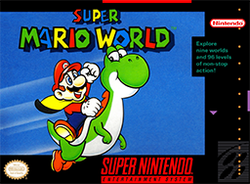 Super Mario World (Nintendo 1991) – The original pack-in title for the SNES and best Mario game to date, it’s a no-brainer. The more interesting thing to ponder is how will Nintendo pack the SNES Classic with Nintendo branded games as easily as they could the NES Classic since Mario, Link, and others had fewer outings on the SNES.
 Super Mario World 2: Yoshi’s Island (Nintendo 1995) – I loved this game when it first came out, and for awhile after. More recently, I’ve found it hard to get into as a lot of the gameplay frustrates me. Not to mention the audio. Still, it will be included and it remains Yoshi’s best solo adventure.
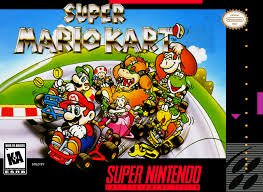 Super Mario Kart (Nintendo 1992) – Arguably Nintendo’s most reliable franchise today, it seems every Nintendo console since has had at least one Mario Kart game. The only one that did not was the ill-fated Virtual Boy. For awhile, the original game was my favorite of the series. Those who grew up with its sequel on the N64 as their gateway of the series are probably surprised to hear that most people felt it was inferior to the SNES game when it first came out. It’s no longer the best, but it’s still playable and the battle mode is still a lot of fun.
 The Legend of Zelda: A Link to the Past (Nintendo 1992) – The best game of the series, and perhaps the best game ever? I suppose I could have said the same of Super Mario World, and I could say that about more SNES titles which further illustrates how awesome the system was. This game will be included, and it will be enjoyed by any who purchase it.
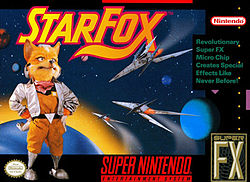 Star Fox (Nintendo 1993) – Nintendo’s flashy on-rails shooter, the Super FX powered Star Fox was a pretty big deal at the time, even if it’s one of Nintendo’s lesser franchises these days. The game was so good that Nintendo has essentially remade and released it several times with minor alterations. It’s probably too much to ask for Nintendo to include the never released Star Fox 2 on this set.
 Super Metroid (Nintendo 1994) – If any of the games on the NES Classic had a “Super” version on the SNES, then it’s probably fair to assume they’ll make it to the SNES Classic. Not that Super Metroid needs to be included for that reason, it needs to be included because it too has a claim to greatest game ever made. It was very influential, especially for the Castlevania series, and the only downside to including it is that it might make people a little depressed when they think about how the franchise is treated by Nintendo today.
 Kirby Super Star (Nintendo 1996) – Another late arrival for the SNES, Kirby Super Star takes what was good about the NES game and multiplies it tenfold. Easily Kirby’s best game, Super Star is a bit of a forgotten gem on the SNES and holds up quite well. It also features some fun 2-player action so be prepared to have to hunt down an additional controller.
 F-Zero (Nintendo 1991) – Nintendo kind of ignored the racing genre with the NES, so it’s not surprising they rectified that with the SNES. Racing games were one of those genres that really benefitted with the move to the SNES as the hardware could finally keep up with the speed needed to make these type of games as fun as they could be. F-Zero was a flashy title with its futuristic visuals and also plenty difficult. Not one of my favorites, but I’d be shocked if it was left out.
 Pilotwings (Nintendo 1991) – Pilotwings was kind of the debut of the Nintendo developed tech demo released with all of their future console launches to show off the new console’s capabilities. It was to the SNES what Wii Sports was to the Wii. It’s basically a collection of mini games, and personally I remember all of my friends looking down on this title. I haven’t played it in years so I can’t say if I’d enjoy it more now, but since Nintendo developed it they’ll likely include it on the SNES Classic.
 Donkey Kong Country (Nintendo 1994) – The title that reinvented and brought modern relevance to the Donkey Kong character, Donkey Kong Country was a visual wonder when it was first released and an instant hit. Some people love this franchise more than the 2D Mario one. I’m not one of them, but there’s no way Nintendo doesn’t include this one.
 Donkey Kong Country 2 (Nintendo 1995) – Nintendo had three main series Mario games to help pad the NES Classic, chances are they’ll look to DK to help do the same for the SNES Classic. Some think this one is the best of the SNES trilogy of DKC games, I have no real opinion on the matter as I don’t remember even playing this one.
 Donkey Kong Country 3 (Nintendo 1996) – This game arrived really late for the SNES, though if memory serves it still sold all right. This one might not make the SNES Classic, it’s certainly the least likely of the three, but since Nintendo wants to put as many of their games on the system as possible it feels like a safe assumption to include it here.
 Super Punch-Out!! (Nintendo 1994) – Punch-Out!! was immensely popular for the NES, Super Punch-Out!! was less so for the SNES. It wasn’t bad by any means, and it felt more like the arcade version of the original, but aside from a visual upgrade it didn’t really feel much improved. I think part of that was the new perspective of being behind Little Mac made him feel like more of an equal to his opponents as opposed to being a diminutive underdog.
 Final Fantasy II (Square 1991) – Now we’re into the non-Nintendo games, and this is actually where the list really begins for me as far as ordering by most likely. The first 13 could be ordered however you want, aside from maybe DKC3, they’re all going to be included for sure. The SNES was the console where the JRPG really took off, and it’s kind of where Final Fantasy was truly born (at least in the West). Final Fantasy III is the better game, but for some reason I suspect that II is more likely to be included if only one is.
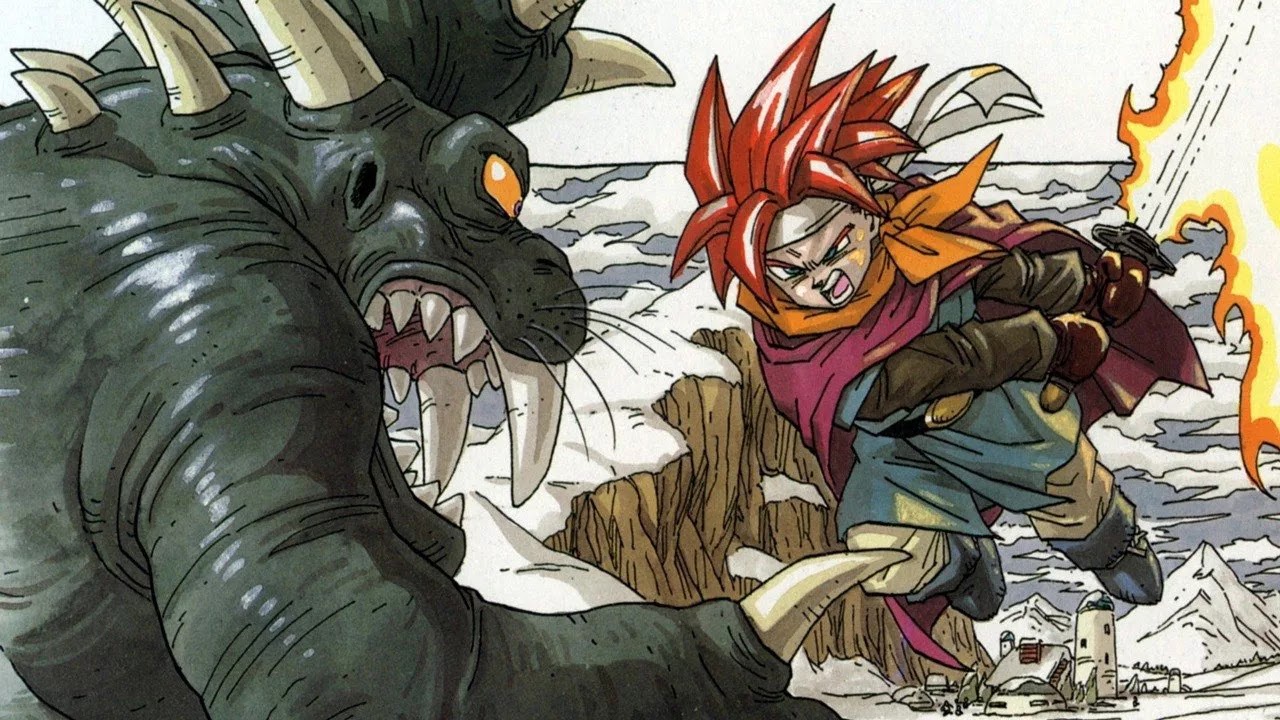
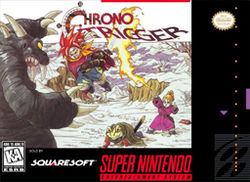 Chrono Trigger (Square 1995) – Another one of those “best ever” contenders, Chrono Trigger is as beloved as any game in the Final Fantasy series, even if it never took off as a franchise on its own. The only thing that would keep it from being included is if Square-Enix wants to be protective of how often they re-release the game. Or if they want too much money in the form of royalties, which could be a problem since they made a lot of awesome SNES games…
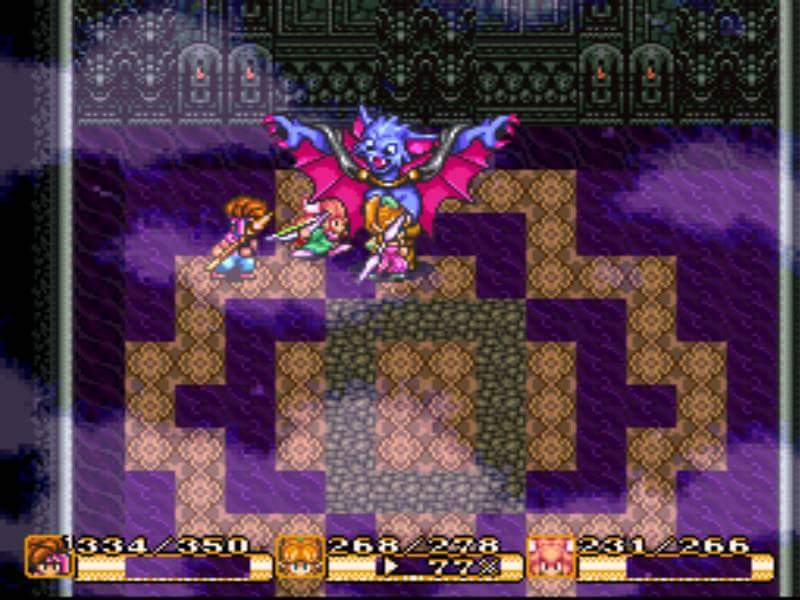
 Secret of Mana (Square 1993) – …like Secret of Mana! Lazily referred to as a Zelda clone, Secret of Mana is a delightful action RPG and the type of game Square-Enix has seemingly forgotten how to make. The sequel was also excellent, but never released outside of Japan. Following that though, virtually every other game in the series has been a shallow hack n’ slash and a major disappointment. Thankfully, this one holds up so well we really don’t need another (though Square-Enix really should just finally localize the damn sequel for some kind of release).
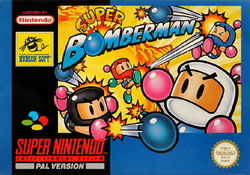 Super Bomberman (Hudson Soft 1993) – The ultimate party game for the SNES, Super Bomberman was probably my most rented title for sleepovers and such as the four-player mode rocked. If Nintendo does include this title, and it should, it needs to make sure the SNES Classic can handle four-players, even if it means messing with the aesthetics of the system by including four controller ports on the front.
 Street Fighter II (Capcom 1992)- Capcom’s fighting game is almost certain to make an appearance, it’s just a question of what version. They should probably just go with Super Street Fighter II, but maybe they think the importance of the original makes it the more worthy title.
 Mega Man X (Capcom 1993) – Mega Man was huge for the NES, so he’ll be included on the SNES Classic even if he played a lesser role for the console. His one main entry, Mega Man 7, is regarded as one of the worst in the series so Capcom will probably push for Mega Man X, and it should. Mega Man X was what the character needed to remain relevant and remains an excellent Mega Man game to this day.
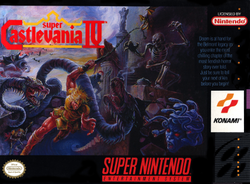 Super Castlevania IV (Konami 1991) – another NES tentpole franchise, Castlevania would see its stock plummet in the 16 bit era, even though Super Castlevania was an excellent game. It’s one of the last traditional Castlevania titles as Symphony of the Night would soon follow with its Metroidvania gameplay becoming the preferred style of future titles in the series.
 Super Mario RPG (Nintendo/Square 1996) – could Mario do RPGs as well as he could platformers? If Square is handling most of the game design, then yeah of course he can! Super Mario RPG was a surprise hit and remains a fun game to this day. In a way, it might be more likely to appear on this collection than the Final Fantasy games as at least Nintendo shares publishing rights with Square-Enix on this one.
 Contra III (Konami 1992) – Probably the last relevant title in the Contra series, Contra III was more of the same which is what people were happy to have at the time. Being a sequel to an NES Classic game is what guarantees it a spot here.
 Sim City (Nintendo 1991) – Another Nintendo published title but with the royalties a little messy compared to a Mario or Zelda game. Sim City was another surprise hit in that there was skepticism the city builder simulation would find an audience on a home console. It did and it did well with its success leading to other sim games being released for the SNES, including “classics” like Sim Ant…
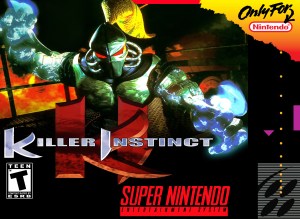 Killer Instinct (Midway/Rareware/Nintendo 1995) – Nintendo, and Rare’s, answer to Mortal Kombat, Killer Instinct was a perfectly acceptable fighter for the era. Rare, and now Microsoft, hold the publishing rights for the franchise and I don’t know how that affects the original game’s inclusion. If Nintendo needs to only split royalties with Microsoft/Rare then I think it will be included. Anything more and it probably won’t be.
 Earthbound (Nintendo 1995) – Nintendo’s answer to Dragon Quest, Earthbound (known as Mother 2 outside the US) has never been real popular with Nintendo. It’s the only title in the series to be released outside Japan even though Nintendo fans seem to adore it for its quirky humor and real world setting. It’s a game that has amassed a cult following over the years, though personally I don’t think it’s one that really lives up to the reputation. It’s a Nintendo game though, so it will most likely find a way onto the SNES Classic.
 Final Fantasy III (Square 1994) – You know it, I know it, and I bet even Nintendo knows that this game should definitely be included among the top SNES games released. Will it make it to the SNES Classic though is a harder question. If Final Fantasy II does, then it may not, even though it seems ludicrous to split those two games up.
 Tetris Attack (Nintendo 1996) – Many have tried to improve upon the formula of Tetris, and few have succeeded. Tetris Attack found a way with a competitive two-player mode that’s a blast to play. It’s been ripped off for other puzzle games like Puzzle Fighter and Pokemon Puzzle League. And thankfully there’s no Super Dr. Mario to bump this one from the collection.
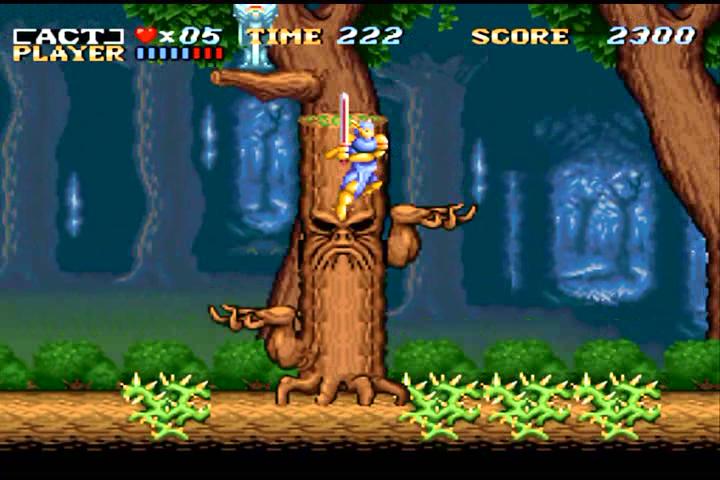
 Actraiser (Enix 1991) – A legitimately unique game that combines the sim elements of a world builder with the action RPG gaming of Castlevania, Demon’s Crest, and so forth. Few games have tried to do what Actraiser did (Dark Cloud being the only one I can recall off the top of my head) and even though it wasn’t an immensely popular title, it feels like one that received its due in the years since so if Nintendo leaves it out I’d actually be pretty surprised.
 Zombies Ate My Neighbors (Konami 1993) – This game was so thematically outrageous at the time that it couldn’t be ignored. People remember it, even though it never turned into a bankable franchise or anything (though zombies in general certainly have). It’s extremely memorable as a Super Nintendo game, so much so that it seems like Nintendo won’t be able to ignore it.
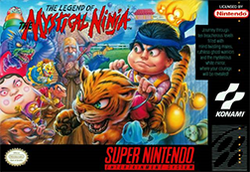 The Legend of the Mystical Ninja (Konami 1992) – Our last title is from a franchise that was far more popular in Japan than the US, but worth including. The co-op play was some of the best on the system. I never owned the game, but I remember renting it multiple times as it was a lot of fun to have around when friends were over for the night.



 The Nostalgia Spot