Fresh off his debut in the two-part “Two-Face,” Rupert Thorne is at it again. Apparently there wasn’t enough dirt provided by Dent to put Thorne behind bars, or he just bought his way out, because he’s looking pretty comfortable in “It’s Never Too Late.” In this episode, we have Thorne playing the role of ultimate villain opposite the slightly less villainous drug dealing crime lord Arnold Stromwell (Eugene Roche). Stromwell is the old dog in the fight and even the media and Commissioner Gordon are predicting he’ll ultimately be overthrown by Thorne in the not too distant future.
Stromwell is naturally rather irritated with everything. And worst of all, his son has gone missing and he suspects Thorne is behind it. Batman is looking on as the war in the streets is apparently escalating between the two. Thorne arranged a meeting between the two syndicates at one of his restaurants and Stromwell agrees to go. Along the way we’re shown a flashback to a young “Arnie” boasting about owning Gotham one day to a kid named Michael. The flashback is in black and white, and a common stylistic choice for this program, and things get a bit harrowing when Arnie gets his leg caught in some train tracks with a train barreling down on him.
Stromwell and Thorne are locked in a struggle for crime supremacy in Gotham.
In the present, Stromwell gets grabby with Thorne who insists he knows nothing about his kid. He claims to have a code of honor that prevents him from messing with family, how noble of him, but he doesn’t have a code about blowing up his adversary. He ducks into the back to help with the food before bidding Stromwell adieu. Fortunately for old Arnie, Batman is close by and is able to save him from the resulting blast. Prior to this, we saw Batman meeting with a priest to inform him “it’s going down tonight” which distresses the priest. He apparently has some ties to Stromwell.
With Stromwell saved, the episode kind of takes on an It’s A Wonderful Life/A Christmas Carol vibe as Batman shows him what his drugs have done to the city and to his family. He brings him to a hospital, where Stromwell finds his estranged wife (Katherine Helmond) looking over their son who apparently overdosed on something. When Stromwell vows to punish the one who got his son hooked on drugs his ex-wife admonishes him and lets him know in no uncertain terms that he is the one responsible. It would perhaps be an affecting scene if it wasn’t so close to a popular PSA that aired in the 80s and early 90s (“I learned it by watching you, dad!”), which makes the scene feel almost comedic.
Stromwell does not appear to be very grateful for Batman’s aid.
Batman is able to arrange a meeting between Stromwell and the priest, at the very same tracks from Stromwell’s flashback. We are again taken to that day and see young Stromwell free himself from the tracks, only to jump onto the next set of tracks right into the path of another oncoming train. Michael saved him, but in the process lost his leg. We return to the present to find out that not only is Michael the priest standing before him, but also his younger brother. Thorne tries to take the two out, but Batman works in the shadows to take him and his goons out to allow the brothers to share a moment. They tearfully embrace, and as the police roll in Stromwell informs Gordon he has a statement he’d like to give. Batman looks on with satisfaction before his gaze turns to a church which the pans to, holds, and then we fade to black.
The Father Michael and Stromwell dichotomy is reminiscent of the classic film Angels with Dirty Faces.
“It’s Never Too Late” is a decent story that unfortunately feels like an anti-drug PSA, and not just because of that one scene that really invokes that impression. This was the early 90s after all, and the War on Drugs was in full swing at this point and it was quite common for family and children’s shows to tackle the subject. Usually those episodes were even more hammy than this one, but even as a kid who sincerely thought drugs were just terrible I still resented these episodes. Did someone really think that Batman telling me drugs are bad is the thing that would keep me clean? Though what I really found distasteful is that last lingering shot on the church which feels like Batman’s silent way of advocating Christianity. At the risk of sounding like a god-hating atheist, it really bugs me whenever a kid’s show promotes organized religion as the cure for a problem. I think there is an artful way to incorporate religious characters into such shows, X-Men did it pretty well with Nightcrawler (excepting that show’s closing scene with Wolverine coming back to God), but do we really need Batman’s endorsement here?
“It’s Never Too Late” is a mostly forgettable episode of Batman. Stromwell doesn’t play a meaningful role in future episodes while Thorne apparently is never brought to justice as he’ll remain a player for years to come. I don’t mind the more grounded stories which offset the outlandish villains that otherwise dominate this program, but this show can do better.
It had a good run, but with this past Saturday’s airing of “Wanted: Bebop and Rocksteady” the Teenage Mutant Ninja Turtles series launched by Nickelodeon in 2012 has come to a close. In a somewhat refreshing manner, the show has come to an end largely because it’s told a story that was basically completed with the defeat of Shredder and the passing of Splinter to conclude season 4. Season 5, which came with a re-titling of the series as Tales of The Teenage Mutant Ninja Turtles, largely dealt with the fallout and the Turtles taking on the few stragglers remaining from Shredder’s empire. It was some-what directionless, but still solid entertainment. The finale though brought us another cross-over with the 1987 TMNT with a story centered around the comedic duo of Bebop and Rocksteady.
The series finale is composed of three episodes that Nickelodeon chose to air in succession as basically a little made-for-TV film. It starts off in the 2D 1987 world and Bebop and Rocksteady have just been driven back by the turtles. All of the classic voice actors are here with few exceptions (Kevin Michael Richardson stands in for the late James Avery as Shredder and is the most notable difference, though he does a really good job of sounding like Avery) for the 87 characters. The look and sound of that show is rendered well here, though the animation is obviously digital now and it’s kind of junky. Maybe that was in an attempt to mimic the less than stellar animation of the majority of that old series, or maybe it was just a limitation of the budget. Anyway, Shredder and Krang open a portal to the modern world and mistakenly leave Bebop and Rocksteady behind. Needing henchman, they place an ad and the current Bebop and Rocksteady answer it.
The episode begins in the world of the 87 cartoon, aspect ratio and all.
The plot of this episode, being a scheme cooked up by Shredder and Krang, is naturally quite 87-esque in its execution. Shredder and Krang simply desire world domination, which includes total destruction by Krang’s rock soldiers from Dimension X. The 87 turtles soon follow via their own portal gun, and will naturally encounter their current selves. This isn’t new for this show as there have been a few cross-overs already. It is a novelty naturally designed to take advantage of the nostalgia adults have for that show, but the show runners here have been able to maintain a special aura by making sure each successive cross-over is better than the one before.
It’s Shredder! In 3D!
The nature of the cross-over means a lot of the entertainment value is going to be derived from pointing out the differences between the two shows. The Turtles of this series are serious crime fighters who are kind of bored with all of their foes vanquished. The villains are dangerous and they fight dirty willing to use whatever is at their disposal. By contrast, the 87 Turtles don’t even use their weapons for anything more than intimidation. The villains are also hampered by a need to boast, gloat, and essentially delay actually killing their enemies. Shredder is also incapable of viewing Bebop and Rocksteady as anything other than brain-dead henchman incapable of even the simplest tasks, even as they’re proving themselves to be plenty capable at henching.
Shredder insists on the comforts of home and has Bebop and Rocksteady dress like his 87 henchmen.
When the 87 Turtles meet the 2012 Bebop and Rocksteady, they find they’ve met their match. It’s a really amusing scene as the Turtles try to use silly cartoon cliches to take down Bebop and Rocksteady, which just don’t work. Their encounter occurs on an old playground and when Bebop hops on a merry-go-round Mikey tries spinning it to make him dizzy and he just gets kicked in the face. Raphael tries smashing a fire hydrant in an attempt to hose down his foes with his sai and finds breaking a fire hydrant is actually really hard. They’re easily taken out and their only saving grace is Raph’s ability to break the 4th wall and point out that this is a kid’s show and they can’t be executed. Bebop and Rocksteady are appropriately confused by this admission, but it works when they decide to just take them back to the Technodrome for Shredder and Krang to deal with.
The 87 Turtles look pretty authentic, but so out of place in this world.
The 2012 Turtles basically play the role of competent heroes to their incompetent counterparts. They manage to rescue them, due in small part to Shredder and Krang’s futility, but take notice of the fact that the 87 Turtles are really bad in a fight. They try to train them, and it’s funny when 87 Leonardo reacts with horror when its suggested he actually try cutting people with his swords. The 87 Turtles get to meet most of the main cast of this show, including April, Casey, and what’s left of the Mighty Mutanimals. Meanwhile, Bebop and Rocksteady get to command some surprisingly capable robot Foot Soldiers as they’re charged with stealing some special computer chip for Krang. That segment actually includes some amusing easter eggs as they have to enter a 1987 vault and the silhouettes of various properties from that era are visible, three of which stood out for me: Teddy Ruxpin, Robocop, and Freddy Krueger.
I found myself getting oddly defensive about how inept the 87 Turtles are presented. There’s a training sequence in which modern Leo throws a bunch of balls at 87 Mikey and he’s supposed to deflect them with his nunchaku, but can’t. He did that in the opening credits of every 87 episode! And seeing Shredder be such a push-over some-what bothered me. I always viewed 87 Shredder as a very strong fighter who always made the 80’s villain mistake of delegating everything to inferior henchmen. Still, this is mostly a failing on my part as I shouldn’t be hurt by this depiction. It was definitely amusing to see Leonardo actually wield his katana like actual weapons, and get a crazy look in his eyes as he revels in the violence!
Expect many humorous moments such as this one where Shredder admonishes Krang for using his Chrome Dome brand shampoo.
The story is sort of secondary to the gimmick of the episode. It basically is just the eight turtles and their allies coming to repeated blows with the enemies. Krang is eventually able to open a portal to Dimension X, bringing in the 2012 version of the rock soldiers. He also goes “super” and in his giant robot body he is able to wreak a lot of havoc on New York. The Technodrome also rises to the surface for some destruction, and the Dimension X tank seldom seen in the old show also makes an appearance and it’s pretty cool. I don’t want to spoil anything, but you kind of no where this is going, don’t you? The destruction of the planet is avoided and everyone is sent home, all thanks to Bebop and Rocksteady. Wait! What?
The 87 Turtles are treated like punchlines for the most part, but they get some redemption in the end. “Turtles fight with honor!”
Bebop and Rocksteady are the unexpected core to this story. They’re in the title, so obviously they play a role, but I guess I didn’t expect them to be this central to the plot. Bebop and Rocksteady are an oddly sweet pairing. They’re an odd couple with Rocksteady being some sort of Russian soldier and Bebop a street-wise punk. Ignoring the fact that they are kind of just racial stereotypes, it’s strangely endearing to see Rocksteady try to adopt some of Bebop’s vernacular as a way of bonding with him and Bebop even accepts a hug from his giant partner at one point, just because. They’re basically just a pair in search of acceptance and purpose. They’re directionless when we first encounter them and find a new Shredder to serve, but they hate how poorly he treats them. They even best Shredder in combat, rather easily, when he tests them out and yet they still are willing to serve beneath him even as he makes them do the laundry and wax the floor. When they find out towards the end of the story that Shredder and Krang aim to destroy the world they have a bit of an internal crisis. Rocksteady, motivated by the thought that his precious mama will be killed if the world is destroyed, decides he’s had enough and the pair thwart Shredder and Krang’s plans. By the end, they seem to have found their calling as they no longer wish to serve under anyone and even have designs on becoming super heroes (because that’s pretty bankable right now).
As entertaining as the story was, it’s a little disappointing to see the 2012 Turtles take a backseat to anyone in what is their series finale. The show even ends in the 87 universe with a joke featuring classic Bebop and Rocksteady. I would have preferred some sort of goodbye from the current TMNT instead. It felt like they were forced out by a brand that people have more nostalgia for, kind of like how retired WWE wrestlers seem to find themselves in the main event of modern Wrestlemanias. It’s pretty cool to end the show in a spectacular manner such as a cross-over, it just wasn’t quite the perfect end it deserved.
Nickelodeon has gone to this well before, but it’s still pretty damn cool.
The 2012 version of the Teenage Mutant Ninja Turtles may not have lasted long enough to leave as big of a mark as the original cartoon did. And yet, this version of the TMNT is arguably one of the greatest iterations of the turtles to ever be. I think it’s easily the best television show based on the property, and even though I didn’t post blog entries on every season here I still kept up with the show when I could. The show-runners did a great job of mixing nostalgia with new stories and new takes on classic characters. It was a show I was really skeptical of when it first showed up, but it won me over as a 30-something when it had no reason to appeal to me. I’m a bit sad to see it go, especially as its rumored to be replaced with something more kid-friendly, and I wonder if we’ll ever see a better TMNT show. It has proven though that this franchise can’t be killed. It’s never going away. What should have been a fad has become a cultural institution and future generations can probably count on receiving their own version of the Teenage Mutant Ninja Turtles and that’s a pretty wonderful thing.
“Two-Face Part II” cruelly aired originally on a Monday, meaning we had a whole weekend to get through to find out what became of Harvey Dent. I suppose if you’re as glued to these recaps as I was to the show then the wait for you was even worse since it’s been a week since we discussed part one. Part II picks up an unspecified amount of time after part one, but enough time has passed for Dent to assume his Two-Face persona and put together a little gang and a hideout. He’s been passing his time knocking off businesses owned by Rupert Thorne as its clear that revenge is the only thing fueling him now. He’s decked out in a half white, half black suit and uses a coin to judge the outcomes of any given situation. When one of his guys wants to rob a woman who just happens to be at the business they’re hitting, Two-Face makes him flip for it. Heads she keeps her purse, tails he gets to take it. Though there actually isn’t a true “tails” to his coin as it’s a two-sided heads coin, one side just happens to be scratched and marked.
Harvey’s got a new look.
Batman hasn’t given up on Dent and he’s been following Two-Face’s crimes. If he’s engaged with him at all we don’t know, but it seems safe to assume that he has not. After all, Batman knows these locations Two-Face is hitting are fronts for Thorne’s criminal activity so he isn’t exactly eager to help the crime boss, though he’s also not going to let Dent just keep getting away with it. Likewise, Harvey’s fiance Grace, hasn’t given up on him either and we see Two-Face hasn’t forgotten about her as well. His boys notice he’s heart-stricken over her and they push him to finally see her. Naturally, he had to flip for it.
Thorne is also pretty ticked that Two-Face keeps nailing him. His assistant Candace is the one who comes up the idea to use Grace to get to Two-Face and she’s able to trick Grace into thinking she means to help Harvey. Grace is instructed to contact her should Harvey reach out, and when he does she obliges. Harvey and Grace have a bittersweet reunion where she pleads with him to put a stop to his criminal activity. When Thorne shows up to spoil the reunion things get a little ugly. Two-Face feels betrayed, but not enough to put Grace in danger. He had stolen some incriminating files from Thorne and he hands them over to spare Grace. Thorne probably would have killed the two of them anyway, but Batman shows up.
Harvey is reluctant to show Grace his scarred visage at first.
With Batman’s help, Dent and his henchmen are able to overpower Thorne. Batman comes out a little worse for ware, and when Two-Face is fixing to blow Thorne’s brains out, Batman is helpless. Still, Two-Face has to flip for the privilege of shooting Thorne and rather than risk an undesirable outcome, Batman is able to grab a drawer full of coins left sitting on a table and send them scattering all over the floor. Two-Face, unable to find his coin, panics, but Grace is able to calm him down. She gets him to surrender to the Gotham PD, who soon show up to clean up the mess. The two walk off in tears as Batman looks on, vowing to never give up on his friend.
“Two-Face: Part II” has to follow the excellent first half and deliver a meaningful payoff, which it does and it doesn’t. The Two-Face character is portrayed well, and voice actor Richard Moll is stellar as the titular character. He uses his gravely Big, Bad, Harv voice, but injects nuance where needed. Murphy Cross is incredible as Grace and really comes across as a woman burdened by circumstance, torn about what’s right for her and what’s right for Harvey. And as always, Kevin Conroy’s Batman is the glue that holds everything together.
The great equalizer.
Where the episode stumbles is in the conclusion. What happened to Harvey Dent cannot simply be undone, and seeing him surrender kind of gives us a happy ending. It’s an ending that will be undone by Two-Face’s future appearances, which do not really address the conclusion of this episode at all. He’s just another villain in Batman’s way from here on out (though he does have at least one more memorable turn) which is disappointing for a villain who began so promisingly. It also cheapens this episode, which should have probably just had Dent bid Grace a tearful goodbye and ran rather than fake like he was going to do what was necessary to continue his life with her before the accident.
Short-sighted ending aside, this is probably the best two-parter the show will tackle and I don’t say that lightly as we still have the excellent “Feat of Clay” and “Robin’s Reckoning” to look forward to. And even without the backstory, Two-Face the villain is still a lot of fun both visually and conceptually with his little morality coin. He was a bit obscure before this series began, but episodes like this are probably the reason why he was a big part of Batman Forever, which even had Batman use the same coin trick pulled off in this episode. It’s a great spot for the character and it’s good to see him recognized as one of Batman’s greatest foes.
First Appearance(s): Rupert Thorne, Candace, Two-Face
The first nine episodes of Batman: The Animated Series have been a little up and down. They’re entertaining for the most part, but for someone watching it for the first time there may be a tendency to wonder what all the hype is about. Well, “Two-Face: Part I” is the first episode where things really pick up and a lot of that is due to the episode “Pretty Poison” which helps set this one up. In that episode, we were introduced to Harvey Dent, his personality, and his relationship with Bruce Wayne. When we last saw Harvey he was engaged to be married, but the woman he asked to be his bride turned out to be Poison Ivy. When her attempt to poison, and thus murder him, failed Harvey apparently went on with his life and in the process became engaged again to a woman named Grace Lamont (Murphy Cross).
Harvey and Grace during happier times.
We find Harvey now in a state of mostly happiness. His reelection campaign for Gotham District Attorney is going well and he and Grace are planning a wedding. Bruce is happy for his friend, but a little concerned about the stress the election is placing on him. Also of concern is the stress created by local crime boss Rupert Thorne (John Vernon). Thorne is a character from the comics and he’s sort of analogous to Marvel’s Kingpin. He’s a heavy-set crime boss who’s primary skill is money. His money wins him allies, including those in high places, and as a result he’s built up a reputation in the law enforcement circle as being untouchable. Worst of all, Thorne knows this and uses it to taunt Dent which only enrages the Gotham D.A. and brings out his darker side.
We find out that Harvey has been hiding something for years: Big, Bad, Harv, his alter-ego who has manifested himself thanks to Harvey’s inability to face his inner demons. Dent is prone to mood swings which can get violent. He’s rather frightening at times, and voice actor Richard Moll does an excellent job of portraying Harvey when he’s got everything put together and the unhinged Harvey outraged that Thorne has managed slip off his hook yet again. As for Big, Bad, Harv, it seems that Dent can keep that side of his personality suppressed for the most part with him only taking over as a controlling personality when under hypnosis. Dent’s therapist is quite concerned, but maybe not enough, by Dent’s mood swings and it’s clear he needs a break, but with the election in full swing Dent feels now is not the time for a vacation.
This episode marks the first appearance of Rupert Thorne, who will be a constant thorn in Batman’s side (I’m sure the pun was intended).
Even though Thorne is largely untouchable, he’s still unnerved by Dent’s determination to put him away and is growing desperate for a way to cool things off. His assistance Candace (Diane Michelle) is the one who digs up the dirt on Dent’s therapy sessions, and when Dent is celebrating his election win the mood is killed by a call from Thorne who’s obtained all of the information he needs to out Big, Bad, Harv. Dent is concerned his medical problems will kill his career, even with the re-election bid over, and agrees to meet with Thorne. Bruce Wayne sees him leave the post-election celebration in one of Thorne’s limos and elects to pursue him as Batman.
Thorne brings Harvey to a chemical plant to confront him with the damning medicals, but all he accomplishes is bringing out Dent’s dark side. He goes wild and starts fighting with Thorne’s men. Batman shows up to even the odds, but when Thorne makes a run for it Harvey gives chase. Some stray gunfire from one of Thorne’s men strike an electrical box causing an explosion that ensnares Dent. When Batman is able to get to him we see a look of horror flash across his face as he turns his friend over to survey the damage.
Dent’s going to need a good plastic surgeon. A really good plastic surgeon.
We soon are taken to a hospital where a doctor is removing the bandages from Harvey’s face. He’s conscious, and able to see the damage caused by the blast. The doctor recoils in horror at the sight of Dent, and we get the classic “mirror!” demand that’s been used many times before in other media, and most recently by Jack Nicholson’s Joker in Batman. Dent is enraged at the sight of his own face and storms out of the room, only to run into Grace. It’s here we finally get a look at what the explosion did to him, turning his face lumpy, blue, and grotesque. Grace immediately faints at the sight, and a despondent Harvey bids her farewell.
The transformation of Harvey Dent into Two-Face is a seminal moment for the show. It’s the first time actual stakes are introduced as we see a character permanently altered by the events of the show. We also see our hero lose an important ally in his fight against crime, and not just an ally, but a close, personal friend at that. And at this point, Dent is really the only friend we’ve seen for Bruce besides Alfred and Dick so his loss feels particularly damaging. At the same time, this being part one of a two part episode, we don’t know how the story will resolve itself. When I first saw it I was just a kid. Prior to this series, my only exposure to the Dent character was Billy Dee Williams in Batman so I was in the dark the whole time about the Two-Face character. I’m pretty sure my assumption was that Batman would make everything right in the second act, but we’ll soon see I was mistaken.
Thorne’s assistance Candace will be a fixture at his side throughout the series.
Villains work best when they have a human element and when their motivations are relatable. For Two-Face, we know he’s a good person and circumstance pushed him to this which makes him feel tragic. While true that we actually do not see him act as a villain in this episode, we soon will. Before Two-Face, we had villains we could relate to without necessarily feeling too sympathetic. We know it’s frustrating to be fired like Scarecrow was, and I think most people don’t want to see plants driven to extinction, but few are going to agree with the methods utilized by both Scarecrow and Poison Ivy in their bids for revenge. The other villains such as The Sewer King and Boss Biggis have just been terrible human beings who we’re supposed to hate, and do. And then, of course, there’s The Joker who’s motivations aren’t supposed to be relatable either and represents more of a chaotic force in Batman’s world.
The other aspect of this episode that comes to mind when I reflect upon my first viewing of it is how even at the time I really enjoyed and appreciated it. Perhaps enjoyed isn’t the right word as I was unnerved by the outcome, but for a slow developing plot I don’t recall being bored. It’s that slow build that creates the payoff at the end and director Kevin Altieri certainly feels like the show’s MVP thus far. This episode both looks and sounds great, with excellent voice work all around. Murphy Cross is especially convincing as the heart-broken Grace, and she’ll get to really shine in Part II. I also love the little visual cue to Two-Face early in the episode when a flash of lightning in the doctor’s office causes Dent to resemble his future self for a split-second. And the actual reveal shot of Two-Face is also setup so well. Even though it’s only a few minutes that pass between Dent’s accident and the reveal of his new face, it feels like an eternity as the viewer is kept on the edge of their seat waiting to see just what the effects of that explosion were. Two-Face is particularly hideous looking, and while his scarred face doesn’t make much sense medically, it looks gross and it’s easy to understand how that could drive a man insane. I’m sure if they wanted to go with a grosser, more burned look like the original comics took and the one The Dark Knight would take many years later that Standards & Practices likely would have requested they tone it down. The only negative I have is that there’s a continuity error with the following episode as Harvey’s face is the only thing scarred in this episode, where-as going forward his left hand will be blue and lumpy as well.
A little scene from early in the episode tipping its hand.
“Two-Face: Part I” is in my personal top three episodes for this show. And while I normally have a hard time separating episodes in a two-part sequence, in this case I do believe Part I is the stronger of the two as it’s the creation of Two-Face that is most memorable and most important as opposed to the actions he will take as a villain. That doesn’t mean Part II is bad, nor does it mean I can watch the first without immediately watching the second. You will have to wait until next week for my write-up of Part II, which feels appropriate given the first airing of this episode was on a Friday, meaning I had a whole weekend plus a Monday to endure before seeing Part II. To a kid, that felt like an eternity.
Happy Halloween! I don’t know about you, but for me Halloween is synonymous with The Misfits – the horror punk band out of New Jersey fronted by Glenn Danzig from approximately 1977-1983. It has been that way ever since I discovered the band when I was in middle school thanks to a revival in the band long after its demise that saw its familiar Crimson Ghost skull logo plastered on everything. Unknown to me at the time, this was due to a new legal settlement agreed upon by Danzig and original bassist Jerry Only that paved the way for Only to resurrect the band to record new music and release lots and lots of novelty items.
Truth be told, I do not hate the 90’s version of The Misfits that did not include Glenn Danzig. I also don’t like the music that band made, but I don’t begrudge Only and his brother Doyle for wanting to re-launch the band and take another stab at success. The original version of the band was never very popular outside of the punk scene, so it didn’t exactly enrich anyone attached to it. It’s popularity came far later and who wouldn’t want to try and ride that wave? Glenn Danzig had remained in music and made a name for himself with his band, Danzig, and didn’t need to attach The Misfits to his work, but Only probably did. And since he was a big part of the band back in the day he was entitled to do.
With that out of the way, let’s also acknowledge that the only version of The Misfits that matters to me is the one that included both Glenn Danzig and Jerry Only. That duo recorded over 50 songs during the short life cycle of the band, and recorded many more actual tracks as almost every song exists across multiple studio sessions. The band only released two LPs during its life – Walk Among Us and Earth A.D., with a third released well after the fact in Static Age, which would have been the band’s first had they been able to secure a record deal. Otherwise, songs were scattered across various singles or completely unreleased until the late 80s when Danzig was able to secure distribution via Caroline Records. Then came the compilations: Legacy of Brutality, Misfits (referred to as Collection I from here on out), Collection II, and the box set. By the early to mid 90s the entire catalog of The Misfits was available on CD and in record stores a decade after the band’s demise. Almost every recording of every song could be found, thanks to the box set and its “Sessions” CD, and fans could pore through it all. What follows is a ranking of all of those individual songs, including the classics to the not so classics, as well as what release you can find them on the easiest. And where appropriate, I’ll mention what version of the song I think is best, since so many different versions exist. If you want all of the songs for yourself, the easiest way is to get the box set. If you’re not picky about condition or which version you want, its pretty affordable on eBay. If you just want my opinion on one album to get, I’d probably say Collection I is the best single release representation of the band. If you’re an LP purist, then get Walk Among Us.
The Misfits re-formed with Glenn Danzig in 2016 for a pair of shows. They’re set for two more in 2017 with hopefully more to come.
55. Rat Fink – The only cover recorded by The Misfits, it’s just a simple beat with Danzig spelling Rat Fink over and over. It’s a novelty song, but kind of fun to shout along to. Collection II
54. Mephisto Waltz – In some respects, this isn’t even a Misfits song. Recorded by Glenn Danzig and Samhain/Danzig bassist Eerie Von for an eventual release on Collection II, there’s speculation this was supposed to be a Samhain song. It’s history is more interesting than the actual song as it’s really banal and yet another song where the chorus is just a bunch of “whoa’s.” It sounds like it was written, recorded, and mixed in about an hour. Collection II
53. Demonomania – For Earth A.D., The Misfits wanted to more resemble a thrash band than a punk band, even if they weren’t good enough musicians to play true thrash. It’s basically a minute of Danzig screaming some nonsensical lyrics about his father being a wolf and his mother a whore. Earth A.D./Wolf’s Blood
52. Return of the Fly – This is kind of a goofy song, and sort of a novelty one too. It almost has a ska beat to it, and Danzig just lists off the cast members from the actual film, Return of the Fly. Strangely catchy. Static Age
51. Hellhound – Similar to “Demonomania,” but with more substance. It’s still not really a good song, but has some fun time changes. We’re getting close to the better stuff now. Earth A.D./Wolf’s Blood
50. Queen Wasp – Almost the same structure as “Hellhound,” but Danzig screams and snarls his way through this song which gives it some nice personality. It still can’t shake the subject matter of a queen wasp, which is a bit strange. Hot stinger in your back, baby! Earth A.D./Wolf’s Blood
49. Static Age – Interesting subject matter for The Misfits about TV taking over our lives. This was before the whole horror thing took over the band’s image. It’s fine, though a little slower than a lot of the stuff the band is best known for. I feel like it’s almost a really good song, but settles for mediocre. Static Age
48. Hate Breeders – This one is a long song by the band’s standards and kind of shows why the band normally sticks to shorter tracks as it’s just not interesting enough to justify its length. This one just kind of bores me. Walk Among Us
47. Spook City USA – For awhile, this one was only available on the Glenn Danzig solo release Who Killed Marilyn? The Misfits version was finally released with the box set, and it’s the one song exclusive to it. As a justification for buying that set, it’s not worth it. A very straight-forward punk track, the guitar work towards the end makes it a bit more interesting than some. Still, it’s no one’s favorite Misfits song. The Misfits Box Set
46. Hollywood Babylon – An interesting take on Hollywood culture, and one of those songs I remember being shocked at when reading the lyrics – “That’s what he’s saying?!” It’s a bit meandering, and kind of boring, but also not bad. Static Age
45. Halloween II – For some reason, this one has always been Glenn Danzig’s preferred Halloween track over its predecessor, even though it’s kind of a novelty song. The lyrics are in non-standard latin, meaning Danzig basically wrote the song in English and tried to just translate it himself. It’s effectively spooky, more so than “Halloween,” but also never a track I’m particularly excited to hear. Collection II
Released originally as a self-titled compilation, this one has come to be known as Collection I following the release of Collection II.
44. Devilock – These rankings are probably revealing my lack of affection for the Earth A.D./Wolf’s Blood compilation release. Some of those songs are great, and we’ll get to them, and some are bad. “Devilock” is in the middle, and we’re just now getting to the portion of this ranking where things are getting a little bit harder. It’s quick, frantic, and fun though the lo-fi recording makes it hard to figure out what Danzig is singing about. Earth A.D./Wolf’s Blood
43. Cough/Cool – The first recording for the band, “Cough/Cool” originally didn’t even feature a guitar, but electric piano. It possesses some punk imagery, but is almost unrecognizable as an actual punk song. It’s really atmospheric though, especially in its original form. That version can only be found on the original and really hard to acquire Cough/Cool 7″ and in the box set. An over-dubbed version by Danzig and Von is included on Collection II. In some respects, it’s better, but I think it lost some of its moodiness with the improved production values. Box Set/Collection II
42. Braineaters – This little closing number from Walk Among Us is another novelty song, in many respects, but it’s undeniably catchy and a lot of fun to sing along to, even if it is goofy. Like “Cough/Cool,” a re-tooled version by Danzig and Von is on Collection II. It’s faster and a bit more punk in spirit, though not necessarily any better or worse. This is also the only song The Misfits recorded a video clip for that you can find on YouTube with relative ease. Walk Among Us
41. Nike-A-Go-Go – This is a song about some female sex robot with missiles named Nike. Yeah, it’s a bit out there and the song really leans heavily on the “go-go” mechanic, which for me makes it kind of annoying. I might be ranking it too high. Walk Among Us
40. Wolf’s Blood – Originally a separate release, it and the Die Die My Darling tracks were incorporated into Earth A.D. for a meatier release. It’s a pretty vicious song, and a good representation for that era of the band. It’s brief, sounds like it was recorded in a garbage can, but also fun to scream along to. Earth A.D./Wolf’s Blood
39. Theme for a Jackal – A more grounded track about a man abusing the people in his life, it’s probably the most interesting Misfits song from a lyrical perspective. It also has piano throughout, a nice little callback to the band’s original construction, and it has a real 1950s murder/mystery vibe to it. A really cool track, just kind of odd as a Misfits song. Static Age
38. Some Kinda Hate – For a lot of my friends, this is one of the first songs we all learned on guitar. It has a really simple riff throughout, and it’s the first Misfits song to just lean on a collection of “whoa’s” for the chorus. It’s very straight-forward and a good representation for the early version of The Misfits. Static Age
37. She – The B-side on the Cough/Cool single, the original version, like the title track, featured no guitar. Unlike its sister song, the updated version with guitar is the superior one and can be found across a smattering of releases. The original is locked away on the box set. It’s an extremely quick song with no real chorus, but also an excellent track with some nice vocals by Danzig. Static Age/Box Set
36. TV Casualty – Another early era song about television, this one has some of the most descriptive lyrics of any Misfits song which includes a lot of fun references for the nostalgic types out there. Really punk in vibe, with the exception of the tempo which is very mid as opposed to fast. It’s always been one of my personal favorites. Static Age
35. Ghouls Night Out – This is one of those songs that feels like a half-baked idea. They maybe had the melody and general structure, and needed to make it fit the band’s horror image. It’s about zombies eating flesh and all that, but comes across a bit cartoony thanks to its campy chorus. It’s a fine sing-along track, it just feels a bit too silly for me. Collection I
34. Green Hell – This one was made famous thanks to a cover by Metallica. I always kind of wondered why they chose to cover this one as opposed to a better song, but “Green Hell” is one of the better thrash tracks from the band, and that would obviously make it appealing to a thrash band like Metallica. The subject matter is kind of weird, but it works. Earth A.D./Wolf’s Blood
33. Night of the Living Dead – It feels really appropriate for The Misfit to do a song based on the B-movie classic Night of the Living Dead. I love Danzig’s lyrics in this one to describe the zombies, in particular the shredded wheat line. The only thing holding this track back is a solid chorus as it, once again, just settles for “whoa’s.” Walk Among Us
32. Horror Hotel – Another campier horror track from The Misfits, this one works a bit better than “Ghouls Night Out” and has some fun lyrics. The chorus isn’t anything special, just “Horror hotel” shouted over and over, but it’s framed well and accentuated with the “It’s up to me,” line. Another good sing-along song. Collection II
31. Mommy, Can I Go Out and Kill Tonight? – When I was in high school, I would challenge myself to remember Misfits lyrics when sitting in class and would write them on the inside cover of my notebooks. I’ve always been glad no teacher ever found one as if they did and saw the lyrics to this song I probably would have been forced to spend time with the guidance counselor, or worse. And post Columbine who knows what would have happened? This song is exactly as the title suggest and it’s pretty vicious, a sick sort of fantasy. It begins slowly before exploding after Danzig asks the question in the title for the first time. The subject matter is almost too familiar these days, what with all of the senseless mass shootings that go on, but it’s undeniably a signature song for the band and probably its darkest. Earth A.D./Wolf’s Blood
30. Vampira – A campy song about a horror TV host of the same name. This song also has numerous recordings spread throughout the band’s history, though the one on Walk Among Us is probably still my favorite. Tough to say. It’s a great little number though, simple but catchy, and some nice imagery in the lyrics. Walk Among Us
29. Children in Heat – Atypical topic, but hard to refute, “Children in Heat” is all about teenagers and their uncontrollable urge to mate. It’s very up-tempo and extremely catchy, and forever linked with “Teenagers from Mars,” which is only slightly better, because they were recorded in the same take and released together on the Horror Business single. For a time, this was one of my most favorite Misfits songs, and even though it no longer is I still love it. Which means we’re at the part of the list where I’m splitting hairs. Collection II
28. We Are 138 – If The Misfits have an anthem, it’s probably “We Are 138.” The song is mostly just that line, being repeated over and over with increasing intensity. It pauses for a true verse only for a moment, since the song is only 1:41 (why couldn’t they trim just 3 seconds?). It’s a violent mob song, though not as obviously violent as something like “Mommy…,” and an easy crowd pleaser for a live show. Static Age
27. Teenagers from Mars – This is one of Danzig’s best written Misfits songs from a lyrics perspective, just some really fun lines that work well together like “B-film born invasion.” I just wish the chorus was a little better as the verses are just so much more fun than it, it’s like the chorus is letting them down. Collection I
26. All Hell Breaks Loose – This a fun track where you can actually hear Only’s bass driving things along. It rises in intensity as it carries on, though it never gets too explosive. One of the few songs not represented on any compilation which adds to its appeal as it makes a Walk Among Us purchase a little more fun. Walk Among Us
25. London Dungeon – This song is one of the few based on a real-life experience had by the band as they ran into some legal issues while touring the UK. It’s a pretty typical structure for a Misfits song, where a verse is delivered, then returned to with more intensity later on. The unique part of this song is its guitar and bass line which stands out among other Misfits tracks. There’s a 70s sort of groove to it that’s just not found on other Misfits songs. Collection I
24. Angelfuck – This song’s title is responsible for my mom refusing to buy me Misfits albums as gifts when I was a teen. Aside from its use of the F-word, it’s not a song that comes across as very sinister. It’s really catchy and representative of those early Misfits songs that probably would have had more mass appeal with better distribution, and in this case different lyrics. This is a great one though and a song I love, even if it doesn’t fit in with the horror stuff that followed. Static Age
23. Attitude – Another song made famous when a more famous band covered it, in this case Guns ‘N Roses. Though that cover isn’t as popular as it could have been, since Axl doesn’t sing on it. This song gets some heat for being misogynistic since it certainly sounds like the lyrics are directed at a woman and violence being directed at them is implied, “Inside your feeble brain there’s probably a whore/If you don’t shut your mouth you’re gonna feel the floor!” Now, a whore can be masculine, but it’s probably not intended to be. Anyways, I felt that should be mentioned and not ignored, but this song is incredibly catchy and probably the song that got me into The Misfits. I’m still a little ticked off that the then WWF never found a way to incorporate it into any of their Attitude Era stuff. Static Age
22. In the Doorway – This is the last Misfits song to get released. It was recorded during the Static Age sessions, but never released until the retail version of that album was put out in 1996. For some reason, Caroline even withheld it from the box set, making this the only song to not appear in that collection, which kind of ticks me off. Caroline was basically making money off the hardcore fans with that set, and then expected them to re-buy an album included in there just a year later so they could get the last song. They deserve a nice “Fuck you” for that one. This is a good song though, and really unique as it’s very somber and melancholy. I wouldn’t call it a love song or anything, but it’s certainly closer to that in mood than any other Misfits recording. It’s rather brief too, and one of the few Misfits songs that I actually wish was longer, and probably the best vocal performance for Glenn Danzig during his time with the band. Static Age
21. Violent World – Another song that didn’t make it to a compilation, “Violent World” is a straight-forward punk song that makes itself stand out through sheer catchiness. It has a sarcastic sort of chorus with Danzig imploring you to come along to a violent world with him, pitching it like some sort of amusement park. It’s a fun song that gets a little dark with some Nazi mentions, but a song worth getting Walk Among Us for. Walk Among Us
20. American Nightmare – A post break-up release, “American Nightmare” is made unique with its rock-a-billy song structure and Danzig doing his best Elvis impersonation. There’s a clapping track mixed in and it’s possibly the most fun song ever written about being a serial killer. About a decade or so ago, Glenn Danzig and Hank III performed this one live which was pretty cool. Last I checked, the performance could still be found on YouTube. Legacy of Brutality
19. Devil’s Whorehouse – This a is a great song and a good example of The Misfits being both campy and kind of sinister all in one. It’s basically a bondage/S&M song about a literal Devil’s whorehouse. It feels visceral, especially with the slapping sounds tacked on at the end. Walk Among Us
18. Come Back – The longest and one of the slowest Misfits songs, “Come Back” was one that didn’t click with me right away. I needed to hear it many times for it to grow on me and to appreciate it more. There’s a rawness to Danzig’s vocal performance, a sort of pain trapped inside as well as danger that isn’t present really anywhere else. There’s mystery, and desperation roars in at the end, and the song feels unsettling and real. It may not be a typical uptempo Misfits track about zombies or something, but it’s still pretty awesome. Static Age
“We Bite” and “Mommy, Can I Go Out and Kill Tonight” were included on the “Die, Die My Darling” single.
17. We Bite – Everything “Come Back” is not. This one is pure speed with carnal lyrics. Reading the lyrics by themselves, the song feels a bit too campy and too silly, but combine them with the visceral delivery of the band and they take on new life. They almost sound authentic. Earth A.D./Wolf’s Blood
16. Death Comes Ripping – Seemingly one of Danzig’s favorite Misfits songs as he would, from time to time, perform it with his band Danzig. Some great drumming really drives this one and it’s a good song to get a crowd pumping. Also might be the only song I’ve ever heard that references testicle burning. Earth A.D./Wolf’s Blood
15. 20 Eyes – The first Misfits song I ever saw performed by Danzig live was “20 Eyes” in 2005 when Doyle joined him onstage for a show in Boston. The opener to Walk Among Us, “20 Eyes” is a simple track that gets by with sheer catchiness. The song does just enough to keep it interesting for its short duration, and it’s just so damn effective at getting stuck in your head, even if it feels silly and campy. Walk Among Us
14. Halloween – The Misfits are so known for Halloween that it feels like this song is more important to the band’s reputation that it really is. It’s a good song. No – a great one, but also pretty conventional for the band. Danzig delivers the vocals with just the right amount of intensity, and the more pagan approach to the holiday helps at least make it feel a little scary. It was basically a song the band had to do, given its reputation, but I find it funny that when making out a Halloween playlist that this isn’t the first Misfits song I think of, or probably even the fifth. Collection II
The Misfits took their name from the motion picture of the same name, which was Marilyn Monroe’s final appearance in a film.
13. Who Killed Marilyn? – Originally released by Glenn Danzig as a solo effort, the various versions recorded by The Misfits appeared in the box set and on Legacy of Brutality, though for that release it’s unknown how much was overdubbed by Danzig and how much of the band’s original performance is audible. I love this song though, as it hypothesizes on how Marilyn Monroe was murdered so it’s more grounded than other releases. It has a great chorus and a great structure to it. If you want to hear the original Glenn Danzig version you’ll have to track down the Plan 9 single release 7″. It was announced a few years ago the single was set for a re-release, but nothing has come of it. Legacy of Brutality
12. Earth A.D. – The title track for the band’s second LP release, “Earth A.D.” takes that thrash approach and does so in a way the band is capable of handling. A post apocalyptic tale about a desolate and violent future, “Earth A.D.” is another one of those tracks that appears to be a favorite of Danzig’s as he’s performed it with his band over the years. It’s relatively fast, has some descriptive lyrics, and a good chorus to shout aloud. On earth as it is in Hell, baby! Earth A.D./Wolf’s Blood
11. Bloodfeast – The rare slow and brooding sort of Misfits track, especially in the Earth A.D. era. “Bloodfeast” is creepy and sinister befitting of a modern horror movie villain. The song is all about inflicting terror and unease in the listener amid an orgy of blood and sacrifice. It’s a really moody and satisfying listen, I’m surprised Danzig doesn’t perform it more often. Earth A.D./Wolf’s Blood
10. Die, Die My Darling – Originally released as a single, this one was incorporated into later versions of Earth A.D. along with “Wolf’s Blood.” It’s name, like many Misfits songs, is taken from an old B-movie and was made popular in the late 90s by a Metallica cover. It’s one of the band’s signature songs these days, and a worthy song to kick off the top 10. It has a simple structure of introducing a verse/chorus that gets repeated multiple times with rising levels of intensity. With the lyrics being all about murdering someone, that increased intensity works really well to heighten the song’s impact. The single version has been re-pressed and released numerous times, even in the 2000’s. Earth A.D./Wolf’s Blood
9. Bullet – Allegedly, this song got the band banned from Texas. Its lyrics describe the assassination of JFK in gruesome detail and place the blame on the state of Texas before turning into a Jackie-O fantasy in the end. It’s kind of strange, since Danzig would have been pretty young during that time, for him to have a fascination with Jackie-O, but it’s possible his lyrics were more of a reflection of society’s infatuation with her. More likely, the song, like other early Misfits recordings, is designed to get attention by any means necessary. It’s fast and brutal, and if the lyrics were more horror infatuated it would have fit in just fine on Earth A.D. Since it was recorded with the other Static Age tracks, and first released as its own single that was more like an EP than a single, it feels ahead of its time in some respects. Static Age
8. Spinal Remains – For a longtime the only version of this song available was the horrible sounding one on Legacy of Brutality. Thankfully, Static Age restored this one to its original glory as it’s another early era speed song. I love Danzig’s vocals on this one, especially on the pre-chorus lines. It’s got a great tempo and would make for an excellent inclusion on any future Misfits reunion set list. Static Age
7. I Turned Into a Martian – This song seems to pop up a lot among fans as a favorite from the band. When I first heard it, the campy subject matter caused me to kind of dismiss it, but over time I’ve grown to appreciate it more. It possesses a very conventional song structure for a 60s radio hit, and doesn’t possess an overtly punk feel to it. The lyrics are fun, and the song is incredibly catchy. I kind of prefer the original “Plan 9” version of the song from the Sessions disc on the box set, but the original release from Walk Among Us is just fine too. The faster version from Collection I though causes the song to lose a little bit of its charm. Walk Among Us
6. Skulls – Perhaps the signature song of the band, “Skulls” is a short but great one that works well when played fast and when played just a bit slower as it was on Walk Among Us. It’s a silly concept, a guy infatuated with collecting skulls to the point of practically begging for them, but framed with enough slasher imagery to give it credibility. And who knew a song about hanging skulls on one’s wall could be so damn catchy? This was the encore song for the Danzig Legacy show I attended years ago, which speaks to its importance within the band’s catalog. Walk Among Us
5. Last Caress – We’re in the top five, and kicking things off is “Last Caress.” Like “Bullet,” this feels like a song that’s very much trying to get the listener’s attention by being overtly crass and offensive. The opening line is “I’ve got something to say/I killed your baby today” spoken clearly and dramatically enhanced by the rolling drums. Danzig then goes on to sing about raping your mother and reminding you he killed your baby, all the while he sings a chorus so catchy and benign sounding that it defies the viciousness of the verse. This is very much one of those songs that if you could ignore the lyrical content you would swear it’s beautiful. Even the title “Last Caress” implies some sort of tragic end to an otherwise beautiful relationship and it’s easy to romanticize the concept of a last caress. The finish to the song is the capper, and what makes it so memorable, and almost iconic. Static Age
4. Hybrid Moments – Quite possibly the catchiest Misfits song, and that’s saying something. It’s an uptempo track that’s not brutally fast, by any means, and the vocals are prominent in the song and delivered in a soulful performance. This song, as well as many others from the same sessions, demonstrated that Glenn Danzig wasn’t a typical punk vocalist and was capable of a lot more. On any given day of the week, I might tell you “Hybrid Moments” is my favorite Misfits song, and that’s something I can probably say about all of the top six. Static Age
3. Astro Zombies – What sounds like a ridiculous concept for a song is made memorable with a great and unique performance amongst The Misfits catalog. “Astro Zombies” manages to appear like a traditional Misfits song in every way, but sounds unique enough to stand out. It even relies on a chorus of mostly “whoa’s” but pulls it off because the connecting tissue is so good. The lyrics appear silly at first blush, but the performance is delivered in such an authentic manner that you almost believe Danzig is going to destroy the world, with just a touch of his burning hand. Walk Among Us
2. Horror Business – This song, more so than even “Skulls,” feels like it should be the band’s signature song. It’s subject matter, Hitchcock’s Psycho, is appropriate for the band despite the lack of zombies and just the title seems to be a succinct way to describe the band’s approach to song writing and its imagery. And like “Skulls,” it manages to take something violent like stabbing a person and turning it into an extremely catchy chorus. And since Psycho is so well known when compared with other inspirational sources of material for the band, it creates a comforting familiarity that lessens its edge. This easily could have been number one. Collection I
1. Where Eagles Dare – I toyed with the idea of what I should do with the number one song on this list. Should it be a song that I think best represents the band and its horror image, or should I just go with my favorite song by the band? Now, deciding on a favorite song isn’t a simple endeavor either, but in the end since this is my list I decided that my personal preference should carry the most weight. “Where Eagles Dare” is the perfect Misfits song. It’s got build-up, a catchy rhythm, a really catchy chorus, and just enough obscenity to grab the listener’s attention like a good punk song should. This is one of those songs you can play in front of a conservative listener, watch them scoff at it, then catch them singing it to themself an hour later. The simple, but relatable chorus of “I ain’t no god-damned son of a bitch,” is so easy to get into it should be criminal. How Danzig could resist playing this one with his band over the years amazes me because it’s guaranteed to get a huge response from any crowd. It’s the best song out of a great bunch, and if I were attending a Misfits show tonight it would be the song I would want to hear most, which felt like a great way to decide on what number one should be. Collection I
So that’s that. I hope you enjoyed reading over 5,000 words about Misfits songs, which collectively probably do not come close to amounting to 5,000 words. Watch out for candy apples with razor blades tonight and have a happy Halloween!
Thus far, Batman: The Animated Series has basically given us an episode either featuring The Joker as the main antagonist or basically a no-name villain (at the time) for Batman to do battle with. Here we are at episode 9 and already it’s the third Joker episode for the series. The series will not be so Joker heavy much longer, and truthfully it’s hard to argue with the strategy of making new stars out of Poison Ivy and Scarecrow while also mixing in a liberal dose of Joker. This is also the second episode directed by Frank Paur, who gets a shot with a big-time villain following his series debut with “The Underdwellers.”
The episode opens with Mayor Hamilton Hill (Lloyd Bochner) giving a press conference when some hoodlums come speeding through to disrupt things. They’re fleeing Batman, who swoops in and nabs them before departing as quickly as he arrived. Unfortunately for Hill, this all happened while he was downplaying the amount of crime in Gotham and it prompts a reporter to ask him about the criminals, as well as Batman. Hill reveals himself to be of the Bullock mindset that Batman is no better than criminals like The Joker – cut to The Joker watching all of this on television which enrages him. He’s angry that anyone, especially the mayor of Gotham, would compare him to Batman and deems it a grievous insult.
Mayor Hill doesn’t share his son’s enthusiasm for magic.
Sometime later, Hill is throwing a birthday party for his son Jordan (Justin Shenkarow), who isn’t particularly excited about it. Hill basically reveals himself to be a greasy politician who stocks his son’s birthday party with various political personalities in Gotham as well as wealthy individuals like Bruce Wayne. Jordan is not at all amused by any of this, but he is delighted when Jekko The Magnificent shows up to entertain the party goers. Jordan is an aspiring magician himself, so he’s drawn to the clown performer immediately. When asked how to become a great magician, Jekko tells Jordan he should run away and find a mentor. As viewers we are not fooled by The Joker’s disguise, and anyone who was is soon tipped off when Jekko places a stick of dynamite on the birthday cake which features a head sculpt of The Joker himself. Wayne notices, and finds a way to “accidentally” knock the cake into a swimming pool before it explodes. Interestingly, when Joker places the candle he instructs the children to run along indicating he’s only interested in blowing up the adults. It’s an interesting bit of morality from The Joker, and I wonder who’s decision it was to soften The Joker in this manner.
The guests at Jordan’s party apparently aren’t too observant.
Jordan, predictably, runs away and stashes himself in Jekko’s van. The police are summoned for a missing person and also happen upon the real Jekko, whom The Joker had tied up and left on the side of the road. Bruce is still hanging around the Hill residence to hear all of this and races off to track down Joker and Jordan. He tracks them to an abandoned amusement park where Joker has somewhat reluctantly taken Jordan in as a protege of sorts. He actually sincerely shows Jordan a few tricks before Batman shows up. Jordan, distrustful of Batman thanks to his father and also a bit intimidated by his appearance, goes along with Jekko’s scheme to lure Batman into a trap that succeeds in knocking him out. When Batman awakes, he finds himself inverted in a water tank with a straight jacket and no utility belt. Jordan, realizing this trick is intended to kill Batman, tries to free him only for Joker to finally reveal himself.
Jordan runs off, and for some reason The Joker decides to give chase rather than watch Batman drown, which naturally helps to allow Batman to escape. A chase sequence ensues involving a roller coaster, and if you played the Super Nintendo game based on this series it will seem familiar to you. Batman is able to deal with The Joker, who falls into a nearby body of water. Jordan has to overcome his fear of Batman in order to be saved, but naturally everything works out. We don’t get any closure on The Joker, who we presume gets away since I doubt anyone thought he perished from his fall, nor do we see Mayor Hill’s reaction to learning his son was rescued by Batman.
Joker in his Jekko gear corrupting young Jordan.
This episode does not mark the first appearance of Mayor Hill as he was a part of the pilot, but it might as well be his true introduction. It’s actually nice to see people who question Batman and I like that his only real ally at Gotham PD is Gordon (and apparently Montoya following “P.O.V.”). It is sort of surprising to see a politician come out against Batman as I also assumed the general population of Gotham approved of Batman, but maybe they don’t? This episode also has some fun easter eggs in it. When Jekko pulls out a poster for a magician named Prosciutto the drawing is clearly supposed to resembled famed comics writer Alan Moore. There’s also a clown robot at the amusement park which laughs at Jordan when he runs by it. The laugh was taken from Tim Curry’s Joker audition (uncredited) as he was originally cast as The Joker before losing the role due to bronchitis. It’s interesting to hear because it most likely represents what The Joker would have sounded like (at least when laughing) had Curry been retained.
Batman dodging Joker’s bladed throwing cars is a fun little animation sequence in this episode and a warm up for the roller coaster chase.
“Be a Clown” is one of the better Joker episodes as it captures what I like about the character. He’s easily set off by some of the most mundane things and is more interested in stirring up trouble than doing lasting damage (though he probably did intend to murder some of those party-goers with his dynamite candle). It’s also interesting to see him try and corrupt a child. The Jordan/Mayor Hill dynamic is believable in that he’s more of a political prop for his dad and feels isolated as a result. Hill comes off as a bit of a slime ball, but we do see that he does genuinely care for his son so he’s not a true bad guy. The only thing I don’t particularly care for about the episode is Batman is given some one-liners that mostly fall flat. I don’t mind the writers injecting a little bit of dry humor into Batman, but it’s a delicate game and the script wasn’t up for the task this time. And as always, the score for any Joker episode is excellent as the playful, but somewhat malevolent, Joker theme is always welcomed.
As I stated in the intro, this is already The Joker’s third appearance in this show, but we still haven’t made it to his actual broadcast debut! The order is all over the place, but this is our best Joker episode so far and when all is said and done it will probably still place in the top five, I would guess
Written by: Jules Dennis, Richard Mueller, and Sean Catherine Derek
First Appearance(s): Batwing
A simple premise, what would Bruce Wayne do if he forgot he was Batman, turned into an episode. “The Forgotten” takes Batman out of his element and forces him to rely on his own skills as a fighter and lean heavily on his own instincts and moral code. It also gives us a deeper look at Alfred and his ability to function as a sidekick to Batman and show off his own detective skills. It’s also another episode without a traditional Batman villain, settling for the one-shot Boss Biggis as the main antagonist who will never re-appear (hence why I didn’t bother mentioning this as his first appearance).
The episode opens with Bruce volunteering at a homeless shelter. He learns some familiar faces have been disappearing and the police do not have the manpower to look into why homeless men are suddenly no longer around. Bruce decides to investigate, but not as Batman, but as Griff – the homeless guy! It’s while nosing around in his disguise that Bruce gets jumped by some men who at first appeared to be offering work. Distracted by a cat (foreshadowing future encounters, perhaps?), Bruce ends up getting walloped on the back of the skull and wakes up in a weird camp with no memory of who he is.
Bruce disguised as Griff, Salvo, and Riley
The camp is basically a slave camp, and Bruce befriends two men: Riley (Dorian Harewood), a steel worker who was a fellow volunteer, and Salvo (Lorin Dreyfuss), just some homeless guy down on his luck. All of the men in this camp are the prisoners of Boss Biggis (George Murdock), an obese man with no regard for the well-being of others. He’s angry the men need to stop work to eat and sleep, and demands they work harder or be imprisoned in “The Box,” a small, metal, enclosure placed in direct sunlight. The men are to work in Biggis’ mines for gold. He’s truly a repugnant individual and series director Bruce Timm stated he intended for this one shot villain to be memorable, and the only way he knew how to make him memorable was to make him revolting. He’s almost always show with some food in his hands and stains on his clothes and he’s constantly gnawing away while complaining about the lazy bums he’s surrounded himself with.
The repulsive Boss Biggis.
Alfred notices Bruce’s absence the following morning, and finding the Batmobile still in the Batcave, is quite puzzled as to Bruce’s whereabouts. He notices one of the cars missing, which just so happens to have a tracking device implanted on it. He tracks it to a salvage yard where he removes the device and places it on a truck that’s being loaded with supplies, guessing this will lead him to Master Bruce. Once Alfred has a suspected location for Bruce, he decides air travel would be more appropriate (Bruce is in a desert so who knows how far away he ended up) which leads to the debut of the Batwing. Styled after the aircraft from the Tim Burton directed Batman, it’s strange to see the Batwing debut while being piloted by Alfred instead of Batman. Though perhaps it would be more appropriate to say the Batwing as piloted by the Batwing, as Alfred relies on the auto-pilot to reach Bruce. It should be noted, for television viewers the Batwing actually debuted in the two-part “Feat of Clay.”
Alfred, in need of flying lessons.
Back at the camp, Salvo for some reason decides to mock Biggis with a fart noise, which leads to a scuffle when Riley and Griff come to his aid and all three men wind up in the box. Bruce’s memory is returned to him, triggered by Riley missing his family, and the escape is on. Bruce is able to find Alfred, following a particularly rough landing, and returns to the camp as Batman to take out Biggis and his lackeys. They end up battling in the mines, where Batman is triumphant. The episode ends with the three amigos back in Gotham. When Riley offers Bruce his home as a place to crash, Bruce politely declines and introduces himself officially to the two as Bruce Wayne, prompting Salvo to suggest Riley knock him out so that maybe he’ll wake up a millionaire.
“The Forgotten” tries something different, and it should be commended for doing so. I know more than one person who considers this a favorite, or at least memorable, episode of the series for them and I want to acknowledge that. For me, this is one of the weaker episodes. Amnesia plots have never been a favorite of mine, and it’s just hard to take Biggis and his men seriously as actual threats. I appreciate the Alfred side plot, and it’s probably my favorite part of the episode, but the rest I’m just sort of “meh” about. Riley is fine, but Salvo is intended to be a bit of a joker, but he’s just not funny. I would have also liked to have seen more concern for Bruce on the part of Alfred considering it’s probably his worst nightmare to get up in the morning and find he never came home.
The best sequence in the episode is Bruce’s nightmare where he struggles to help all those who need his aid.
The score for the episode is something I find irritating. There’s a twangy theme used throughout the camp scenes that just sounds corny to me, like something that would have been featured in the 1960’s show. By the end of the episode I want to mute the television to stop hearing it. It’s even over-layed with elements of the Batman theme during the final chase sequence that makes it even worse. The episode looks fine, but the climactic moments in the mine aren’t a strong point. This show does so well putting its characters in dark environments, but they don’t blend well at all throughout this sequence. Boss Biggis is a rather huge individual too, but his model has no weight to it. He runs and bounces around like a balloon. More effort should have been made to convey just how heavy he must be.
I don’t hate “The Forgotten,” but it’s definitely one of the weaker episodes for me. I’m torn on if it’s my least favorite episode so far, as it’s between this and “The Underdwellers.” I think I probably would rank this one just ahead, but that’s not saying much.
First Appearances(s): Officer Wilkes, Lieutenant Hackle
Batman: The Animated Series is largely a “villain of the week” kind of show, or in this case villain of the day since it aired six days a week. Sometimes though it will change-up the format and do something a bit different and this week’s episode, “P.O.V.,” is one such episode.
The episode is basically broken up into two acts. The first act involves a botched sting on some drug dealers at a Gotham warehouse that results in an internal investigation of three of Gotham’s finest: Detective Bullock, Officer Montoya, and rookie officer Wilkes. Each officer gets to recount what happened to investigating officer Lieutenant Hackle (John Considine) with Commissioner Gordon overseeing everything, but largely letting Hackle conduct the investigation as he sees fit. Gordon outranks him, so it makes me think either he gives Hackle a lot of authority and doesn’t want to question his methods in front of the other officers, or Hackle is part of Internal Affairs and Gordon has no authority over him. Anyway, the second act will resolve the first act as Montoya goes off on her own to right the wrongs of the botched sting.
The scene of the interrogation.
This episode is not our introduction to Renee Montoya (Ingrid Oliu) as she was seen in the previous episode “The Underdwellers,” but it’s basically her debut as she actually gets to actually do something and affect the plot. Montoya is unique in that she was created for this show, but someone at DC apparently liked the character enough to add her to the comics where she ended up debuting before the air date of her first episode. She is one of the noteworthy creations of this show, and if not for Harley Quinn (still to come!), she would probably be the most important addition to the Batman comic-verse to come from it.
Wilkes on the left, and Montoya in the background, as they race to make it to the sting on time.
The episode opens with Montoya and Wilkes (Robbie Benson) racing to a sting operation where they are to meet up with Bullock. When they arrive they find him nearly unconscious outside a burning building. Bullock claims they’re late, which they vehemently deny and chastise him for going rogue. The two officers race off to salvage what they can, while Bullock sees Batman on the roof and passes out. This takes us to police headquarters where the three officers are now seated and being questioned by Hackle. He’s clearly playing the role of bad cop, and he invites Bullock to recount his version of the events. Bullock shares his story, and while doing so we the viewer get to view what happened with Bullock narrating over the scenes. This means we get to see when he lies, and when he does not. Bullock doesn’t necessarily change the events of the story, but he embellishes a lot. He does falsely attribute the appearance of Batman as his motivation for going in without backup, but otherwise he basically just lies to cover-up his own futility (he says he doesn’t know what tipped off the bad guys to his presence, when it was his tripping that did it. He also claims he rescued Batman from the flames, when naturally it was the opposite) and sticks to his guns that the other two were late.
Wilkes is allowed to go second, and his story is mostly about his encounter with Batman. Like a rookie would, his story reflects the awe he was overcome with at the sight of the Batman in action. He mistakes Batman’s various gadgets for actual super powers, but he does pick up some useful info about a “doc” when Batman apprehends one of the goons. Montoya’s story is also largely about her encounter with Batman, who saves her from a collapsing ceiling, which may have resulted in the death of Batman.
Hackle is dissatisfied with the stories from the officers, and promptly suspends him. The sting resulted in the loss of 2 million dollars that the police had used as a plant and only succeeded in catching one of the gang members. While on her way home, Montoya guesses the one gang member they captured wasn’t talking about a doctor, but a dock in Gotham Harbor. She decides to go off and check it out alone, without her sidearm and badge, and finds Batman captured by the same gang. It’s quickly revealed that Batman was just waiting to score some info from the goons in charge of watching over him before he frees himself from the binds they’ve placed him in and starts taking them out. Montoya helps him out, and the two are able to incapacitate everyone after a fairly lengthy exchange and even nab the drug lord boss, who’s never really shown up close leading me to assume they just wanted the viewer to wonder if it would be a more popular character from Batman’s rogue’s gallery.
Batman and Montoya taking cover from mostly inept gunfire.
The setup for this episode is fun and rewarding. It may have been inspired by the 1950 film Rashomon which used the same point of view gimmick to tell a story. I really enjoyed how we’re shown the actual events in the Bullock version, while hearing his version as a narration. It adds some fun and it helps to keep the viewer in a state of distrust concerning the Bullock character, which will pay off down the road. This gimmick of sorts also means that the episode doesn’t need a Joker to make it feel important. The only real criticism I have of the episode is that the enemies Batman and Montoya deal with are the first really bad shots we’ll see in this series. One guy manages to shoot around both Batman and Montoya without actually hitting them. It’s comically bad.
Visually this episode is a real joy to behold. It’s nice and dark, like so many episodes of this series, and the visual effects on the fire look great. The characters are well animated and everything is in time with the visuals on screen. Batman really looks like a machine in taking out the gang member in Wilkes’ version of events and it’s believable the same gang member would be terrified into talking with Batman.
Montoya will be a consistent presence in the show going forward, while Wilkes will have a small role. Interestingly, the credits include a character named Scarface, but he’s not THE Scarface who will show up later, just a placeholder name for one of the gang members who happens to have a scar on his face. There are no villains in this episode who will resurface in a meaningful capacity, which is fine as this was a story meant to give some personality to the sometimes nameless Gotham PD and it succeeds quite well in doing so. It gives Batman another ally in the police department in Montoya, who proves she’s a worthy and heroic cop. And in Bullock we have to take a wait and see attitude to know just how far he’ll go to get rid of Batman.
The UK box had a bit of a rough ride across the Atlantic, it would seem.
So the SNES Classic is out and has been for a week. As expected, it’s been rather difficult to get one if you weren’t fortunate enough to land a pre-order (which was also rather difficult to obtain). Scalpers are out in full force, and based on the few bits of feedback I’ve received from some of those who waited in line on launch day, it’s the scalpers who are making up the largest portion of the buyers. That’s too bad, because this is a rather awesome gaming device. Niche it may be, it still contains some of the greatest games ever developed. I was fortunate enough to land two pre-orders: one for the SNES Classic and one for the UK SNES Classic. It took my UK version an extra week to make it to my door, but I’m now ready to offer up some thoughts.
If you’re unfamiliar with the UK version of the Super Nintendo, it’s basically the same as the Japanese Super Famicom. Nintendo of America felt it needed to market the original NES as more of a secondary entertainment platform as opposed to a toy, and thus they redesigned the look of the machine for release in the US. For the Super Nintendo, they too also went with their own case design, though this one was far more in-line with the Japanese version as the carts were basically the same. I don’t know why they did this, and some speculate it was an ego thing, but I’ve always been partial to the Super Famicom design. When I first saw the Super Nintendo, I was underwhelmed as a child as I didn’t think it looked too “super.” Boxy with purple accents, it was kind of ugly. I got over it, of course, when I played Super Mario World, but I always wondered why some of those early games have a diamond shaped logo featuring three circular colors: blue, red, green, and yellow. Years later I’d come to know that was the logo for the Super Famicom and it referred to the colored face buttons on the controller. I’ve never gone the extra mile and acquired a Super Famicom, but when I saw the UK SNES Classic, which is identical to the US one aside from the case and controllers, I knew that was the version for me.
Both editions of the SNES Classic are, naturally, pretty cute. Like the NES Classic they’re tiny and are closer in size to a game cartridge for the original system than the old system itself. They’re light, and pretty simple devices. Both feature working power and reset buttons that function the same as the ones on the original consoles. The eject buttons and cartridge door are non-functioning, and the there’s a little snap-off piece where the controller “ports” are that pop off to reveal the actual controller ports for the Classic edition. In the box, both units come with two controllers, an HDMI cable, and a micro USB cable. The US version has a USB to wall adapter that the UK one lacks, but any such adapter will work. The US version also comes with a poster with instructions on the reverse side while the UK version comes with an instruction manual designed to mimic the original. The UK version also comes with My Nintendo reward points, I’m not sure why the US version does not.
The software for both systems is the same. If you go out and import a Japanese unit you’ll get a few different games, but the UK and US get the same ones. The dashboard is slightly different as each one is mean to resemble the visual style of the actual unit, so the US dashboard has purple accents and the UK one has a power light in the bottom right hand corner. The little graphic of a controller beside a game is also updated to reflect the proper controller for each unit, so purple buttons for the US and multi-colored ones for the UK. Other features, like CRT mode, widescreen, and so on are all the same.
I’ve only had time to play a little, but the first game I fired up was Super Mario World. I wanted to test the game out and see if it felt like how I felt it should. Testing for things like input lag and any graphical stretching, I found the game to be picture-perfect. The emulation Nintendo has pulled off with both the SNES Classic and the NES Classic is fantastic and miles ahead of what the company did on the Virtual Console. It’s why whenever someone poo-poos these things and suggests just getting a Raspberry Pi I laugh at them. I think the Raspberry Pi is great, but games on that do not look and play as well as they do on these devices. There’s also something to be said for having an actual Nintendo controller in hand to play these things, which just feels right.
Following Super Mario World I made sure to play and beat the first level of Star Fox. I may want to redo my rankings and kick Star Fox to the end of the line because that game is a tad rough to play these days. I played it though because you have to beat the first level in order to unlock Star Fox 2. Truth be told, I don’t look really look forward to playing Star Fox 2 for any reason other than sheer curiosity. I suspect it has aged just as poorly, if not worse since it attempts to do more than just be a flight sim, and probably isn’t nearly as enjoyable an experience as most of the other titles on this collection. If I see fit to do so, I’ll post a review of it. Some day.
If you’re still unsure I can safely say the SNES Classic is worth the 80 dollar price tag Nintendo has placed on it. It’s a great little machine full of some truly excellent games, some of which would cost you hundreds to purchase on the secondary market. Like the NES Classic, it’s also not something you need to drop hundreds of dollars on to own so if you’re still looking for one I encourage you to be patient and not feed the scalpers. For now, Nintendo is claiming these will be shipped in abundance so hopefully they’re sincere and these are attainable for everyone who wants one. They’ll probably remain hard to get through the holidays, but if Nintendo keeps supplying them past 2017 they should get a bit easier to track down. If you live in an area with Amazon Prime Now, keep an eye on their social media accounts as it seems like they’ll be selling these exclusively through that service as well through their few retail locations and that truck thing they do. Supposedly, people who were able to pre-order through the US Amazon site are still waiting for them to be fulfilled. Meanwhile, Amazon’s European web stores seem to be getting stock regularly for their versions and most ship to the US. Sometimes they claim not to (when I pre-ordered my UK edition it said UK only, but it still went through), but will ship anyways. Just make sure to select the global shipping option, if offered. You’ll pay a few more bucks, but it might be worth your while, especially if you’re like me and prefer the UK look of the console.
As for my two units, I only wanted one. I plan to keep the UK version and gift the US one to my best friend who was not as fortunate as I. If you were concerned I’d betray my fellow retro-gaming enthusiasts and flip it on eBay, rest assured I have no plans to do so. I also do not need to collect mini systems and have a version of each. Hopefully who ever wants one will be able to get one because this thing is pretty cool. Don’t screw over your fans, Nintendo, and discontinue it while demand remains high.
For a long time, children’s shows were required to have some education content. That’s why we have such memorable segments from G.I. Joe with one of the Joe’s letting us know that “Knowing is half the battle.” These standards were either omitted or relaxed by the time the 90s rolled around, but this episode of Batman feels like it could have been made in the 80s.
The episode opens with a couple of kids playing chicken by riding on the roof of a train. Whoever bails first loses. Batman takes note and swoops in to put an end to such foolishness, and it’s a good thing too because one of the kids gets his foot caught on some cables and might have perished had he not. The boys are admonished by Batman with the line, “Play chicken long enough and you get fried.” See, Batman doesn’t just fight crime!
Batman says, “Thumbs up, dude!”
Shortly after, a woman is robbed by a little person wearing a green cloak, prompting her to declare she was victimized by a leprechaun. Batman oversees this but is unable to catch the culprit, but seems to be buying her description for some reason. This even leads to a scene at the Batcave with Bruce asking Alfred if he thinks he’s crazy for claiming to see a leprechaun. Alfred smartly responds with sarcasm, before Batman heads out for further investigation. He ends up finding a secret entrance to Gotham’s sewer system, where he finds his leprechaun: a young boy who’s apparently been living down there. For some reason, Batman deems it necessary to take the kid home with him and have Alfred look after him. I have no idea why he doesn’t bring him to the police and continue nosing around in the sewers, and sadly Alfred doesn’t question Master Bruce.
This is The Sewer King. He sucks, though Michael Pataki gives a pretty good performance, all things considered.
The real reason for bringing the kid back is likely to pad out the episode as we get to watch Alfred struggle through a day trying to wash the kid, feed him, and even get him to do some chores. He’s a mute with a dislike of sunlight. In a separate scene we learn his name is Frog via his surrogate father: The Sewer King. The Sewer King (Michael Pataki) is never named in the episode, and his name only appears as graffiti throughout the sewers. He’s some kind of madman dressed kind of like a pirate (complete with the eye patch) who has some obedient pet alligators to make him seem menacing. He also lords over a bunch of orphaned children who do his bidding. They’re forbidden to speak, and are only allowed above ground to steal for him. He’s cruel, but only emotionally. Apparently Standards & Practices wouldn’t let him be physically cruel to the children, which probably would have added more menace to the character. He’s enraged when a child other than Frog brings him his rolls for his dinner, and as the tired and malnourished children look on, he throws the food on the ground and sends them all away to find Frog.
The Misadventures of Frog and The Butler
Meanwhile, Frog finds Bruce’s room full of antique weapons and plucks an old rifle off of a display. Batman shows up and is quick to remind the audience that children and guns don’t mix. Hey Bruce, I don’t disagree with that sentiment, but if you want to keep guns out of the hands of children maybe don’t just casually hang them on your wall within reach?
Batman and Frog head back to the sewers, where Batman is finally able to confront The Sewer King. He gets to do battle with the gators, and even dislocates the jaw of one of them in unrealistic fashion, but you don’t need me to tell you that Batman isn’t losing to some guy named The Sewer King. When he does finally catch The Sewer King, Batman implies he’s really tempted in this instance to take his life which apparently director Paur felt was necessary in establishing that Batman is a friend to all children.
Shots like this are probably what caused Bruce Timm to declare it too anime-like in appearance, but I do think it works in places and love the blacks and blues seen here.
This is probably not a well-remembered episode of Batman. It deals with a D-level villain who will never resurface and is clearly aimed at just connecting Batman with a young audience. That said, I don’t feel it’s necessarily written poorly, I just wish it wasn’t so hammy with the lessons. The opening scene exists only for the show to make the statement that riding on top of trains is a bad idea, which feels like something that doesn’t need stating. If those kids were somehow followed-up on at the episode’s conclusion maybe it would have been worthwhile. Instead it feels like an episode that had a 15 minute story, and that scene, as well as Frog and Alfred, needed to be added to add more time. Though I should say, the scenes with Alfred and Frog might be the best of the episode as they are kind of funny, and the villain is so hard to be invested in that those lighter scenes end up working better.
Visually, Bruce Timm expressed dissatisfaction with the episode, saying it too resembled anime. I can kind of see that in the design of the children, but the episode is actually animated rather well. Better than the previous episode, “Pretty Poison.” The lighting in the sewer, something which could have proved challenging, looks great and I felt Batman’s movements were noticeably smoother than they’ve been in some of the other episodes.
There’s no covering up for a mediocre antagonist, and while The Sewer King is easy to root against, he’s also hard to take seriously. With the way these episodes are structured, when the villain stinks the episode tends to follow which is why “The Underdwellers” is probably nobody’s favorite episode. I should add though, I was not looking forward to re-watching this episode for this feature, but I ended up enjoying it more than I thought I would, some of that was ironically. Still, probably not my least favorite episode of season one.

 Episode Number: 12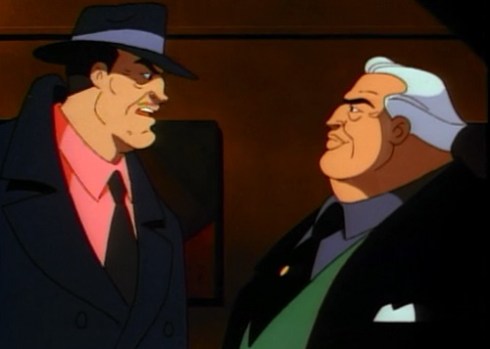


 It had a good run, but with this past Saturday’s airing of “Wanted: Bebop and Rocksteady” the Teenage Mutant Ninja Turtles series launched by Nickelodeon in 2012 has come to a close. In a somewhat refreshing manner, the show has come to an end largely because it’s told a story that was basically completed with the defeat of Shredder and the passing of Splinter to conclude season 4. Season 5, which came with a re-titling of the series as Tales of The Teenage Mutant Ninja Turtles, largely dealt with the fallout and the Turtles taking on the few stragglers remaining from Shredder’s empire. It was some-what directionless, but still solid entertainment. The finale though brought us another cross-over with the 1987 TMNT with a story centered around the comedic duo of Bebop and Rocksteady.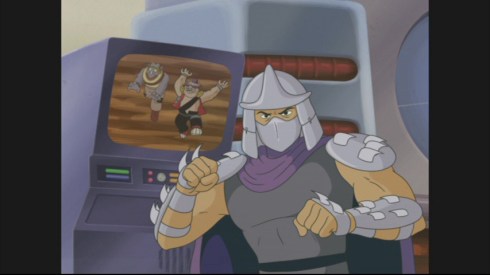


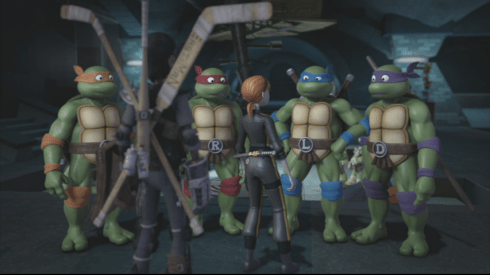


 Episode Number: 11


 Episode Number: 10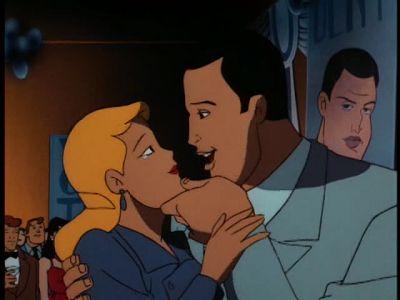
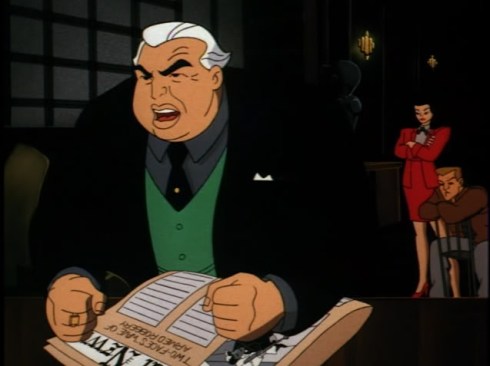
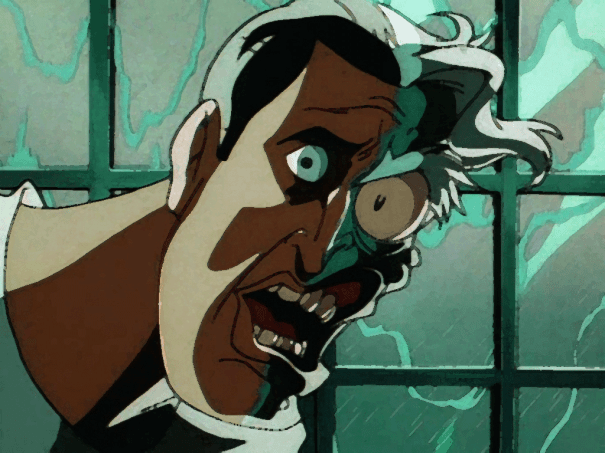
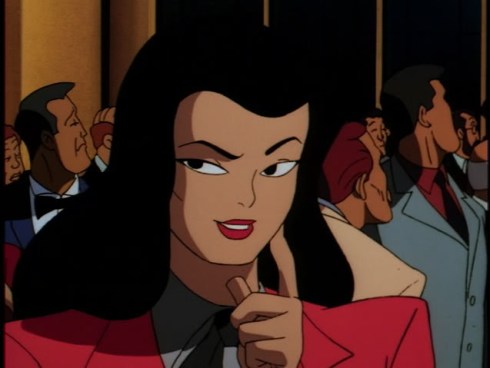


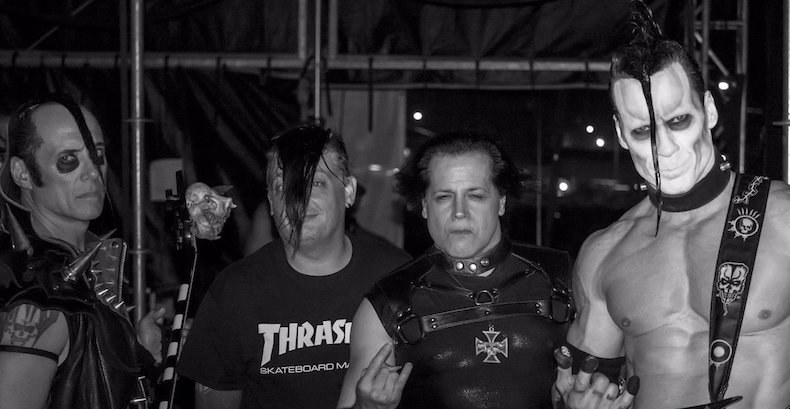


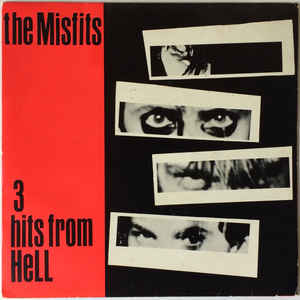
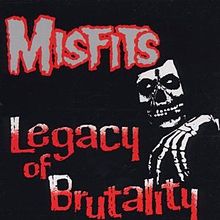

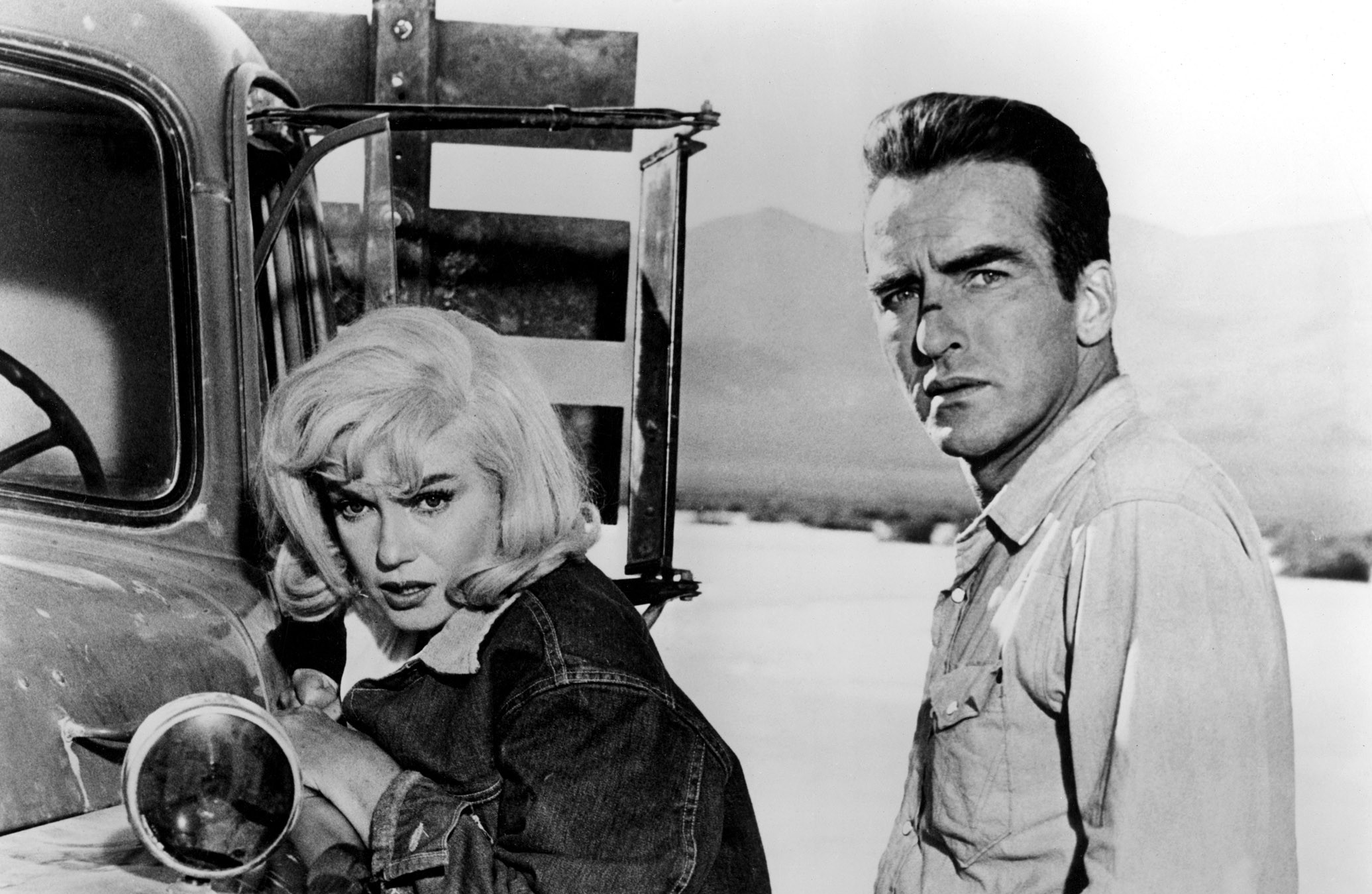

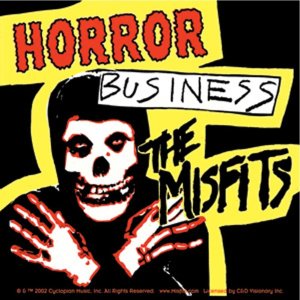
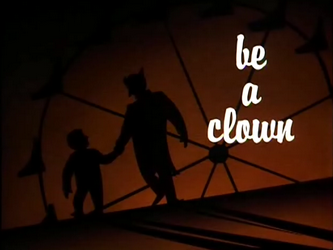 Episode Number: 9
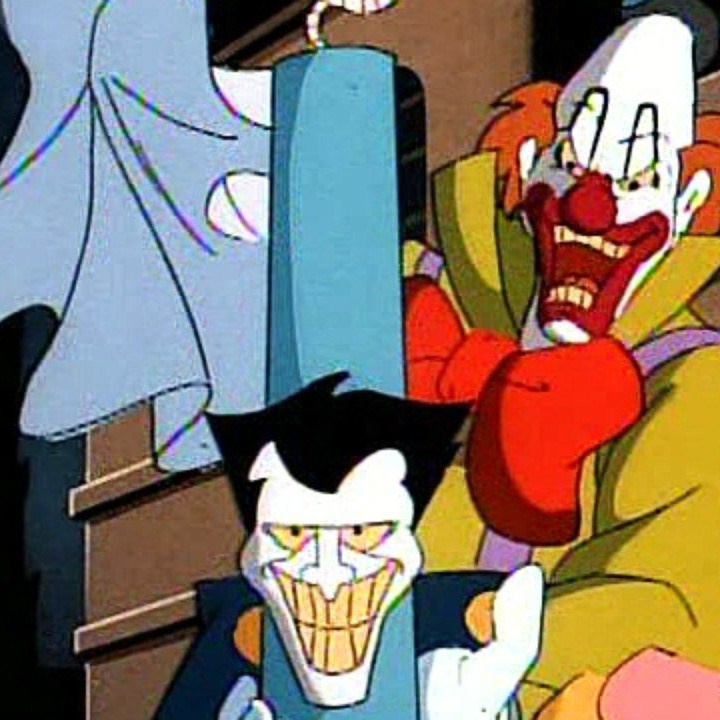
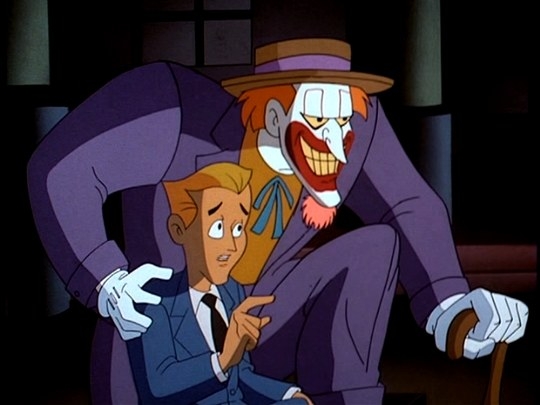
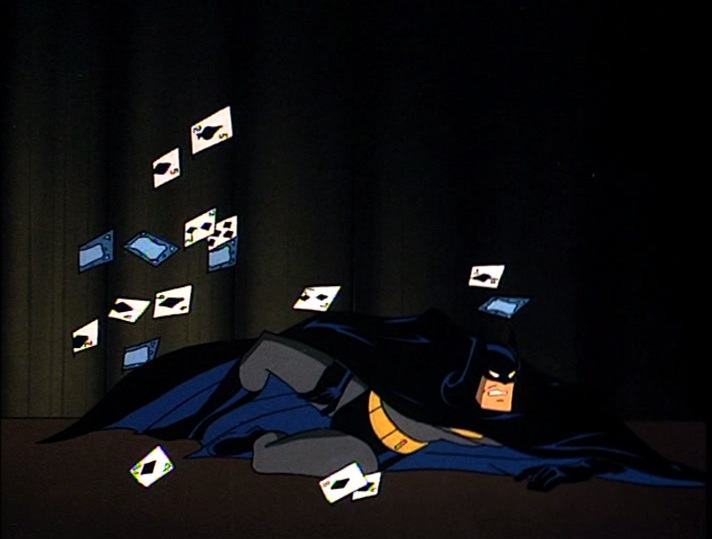
 Episode Number: 8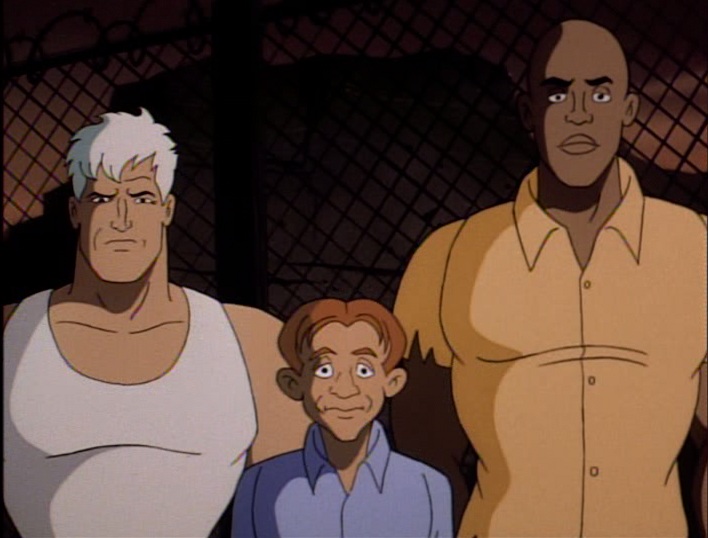
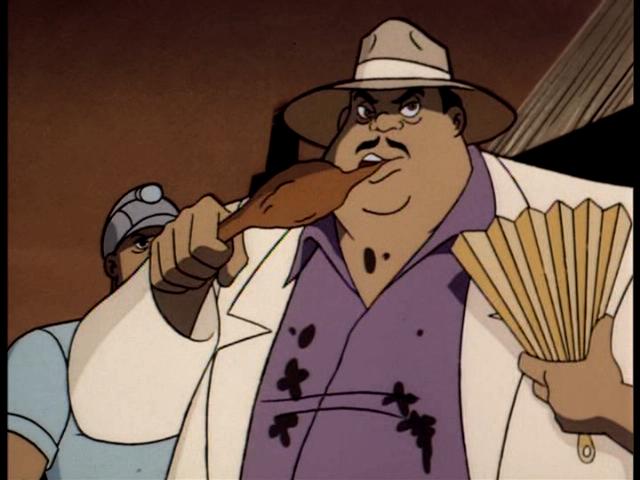
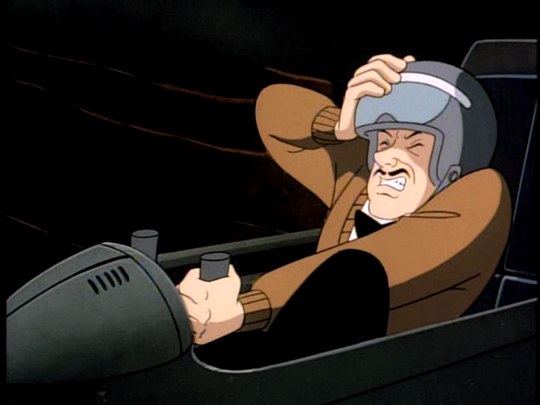
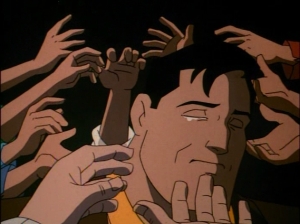
 Episode Number: 7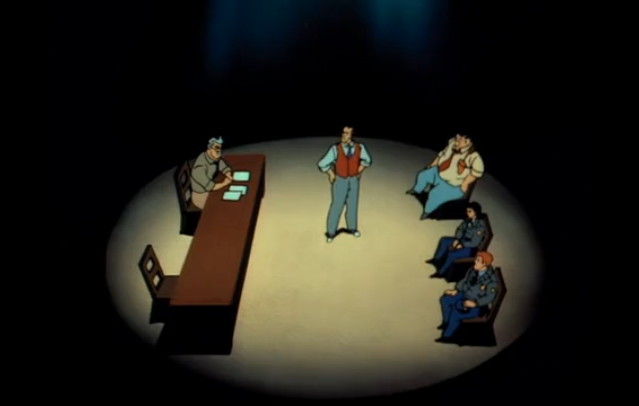
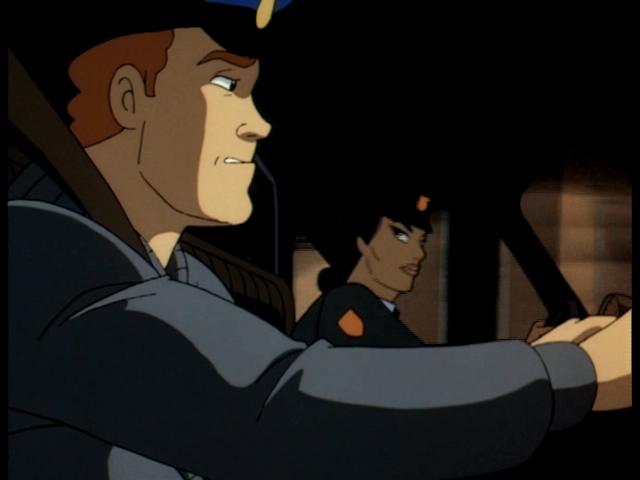
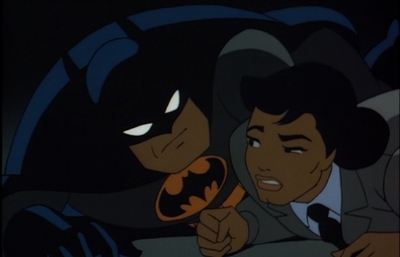


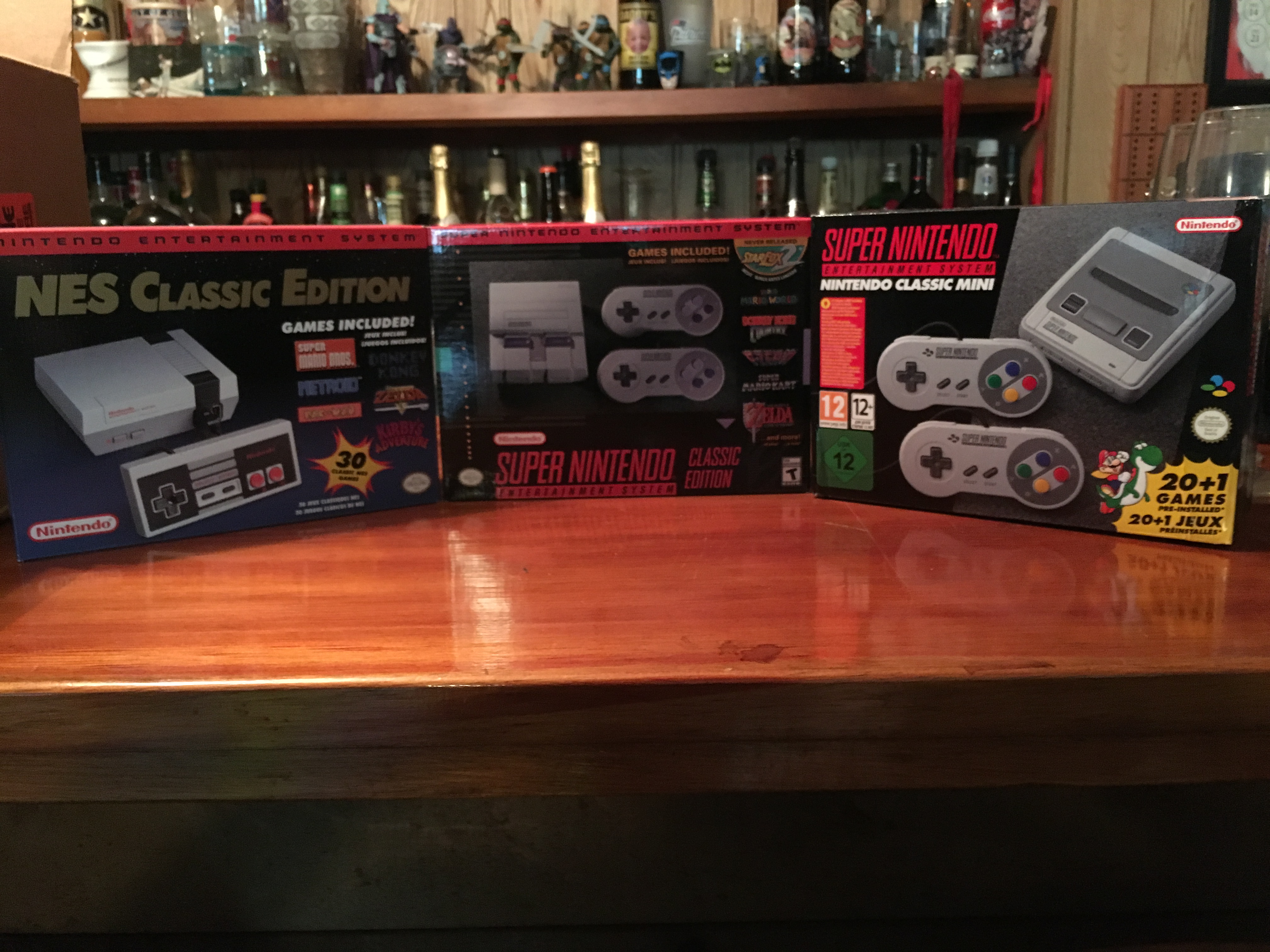 Both editions of the SNES Classic are, naturally, pretty cute. Like the NES Classic they’re tiny and are closer in size to a game cartridge for the original system than the old system itself. They’re light, and pretty simple devices. Both feature working power and reset buttons that function the same as the ones on the original consoles. The eject buttons and cartridge door are non-functioning, and the there’s a little snap-off piece where the controller “ports” are that pop off to reveal the actual controller ports for the Classic edition. In the box, both units come with two controllers, an HDMI cable, and a micro USB cable. The US version has a USB to wall adapter that the UK one lacks, but any such adapter will work. The US version also comes with a poster with instructions on the reverse side while the UK version comes with an instruction manual designed to mimic the original. The UK version also comes with My Nintendo reward points, I’m not sure why the US version does not.


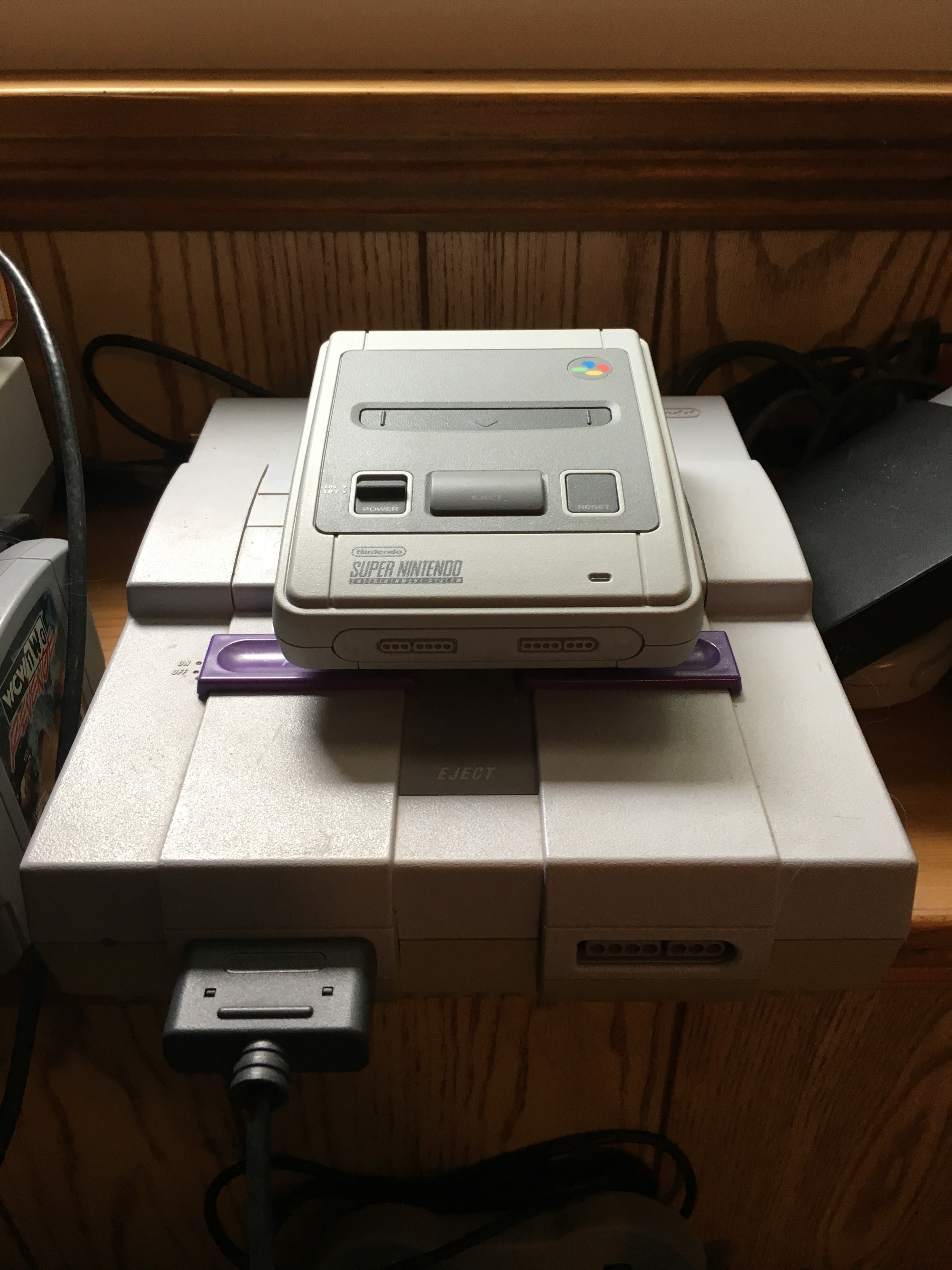 If you’re still unsure I can safely say the SNES Classic is worth the 80 dollar price tag Nintendo has placed on it. It’s a great little machine full of some truly excellent games, some of which would cost you hundreds to purchase on the secondary market. Like the NES Classic, it’s also not something you need to drop hundreds of dollars on to own so if you’re still looking for one I encourage you to be patient and not feed the scalpers. For now, Nintendo is claiming these will be shipped in abundance so hopefully they’re sincere and these are attainable for everyone who wants one. They’ll probably remain hard to get through the holidays, but if Nintendo keeps supplying them past 2017 they should get a bit easier to track down. If you live in an area with Amazon Prime Now, keep an eye on their social media accounts as it seems like they’ll be selling these exclusively through that service as well through their few retail locations and that truck thing they do. Supposedly, people who were able to pre-order through the US Amazon site are still waiting for them to be fulfilled. Meanwhile, Amazon’s European web stores seem to be getting stock regularly for their versions and most ship to the US. Sometimes they claim not to (when I pre-ordered my UK edition it said UK only, but it still went through), but will ship anyways. Just make sure to select the global shipping option, if offered. You’ll pay a few more bucks, but it might be worth your while, especially if you’re like me and prefer the UK look of the console.
 Episode Number: 6
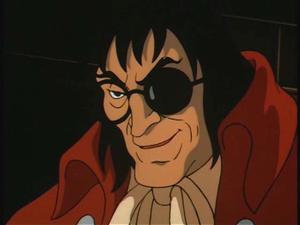
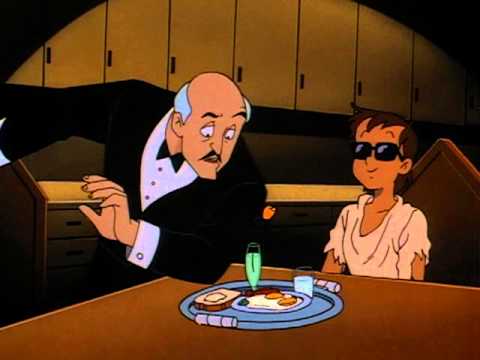
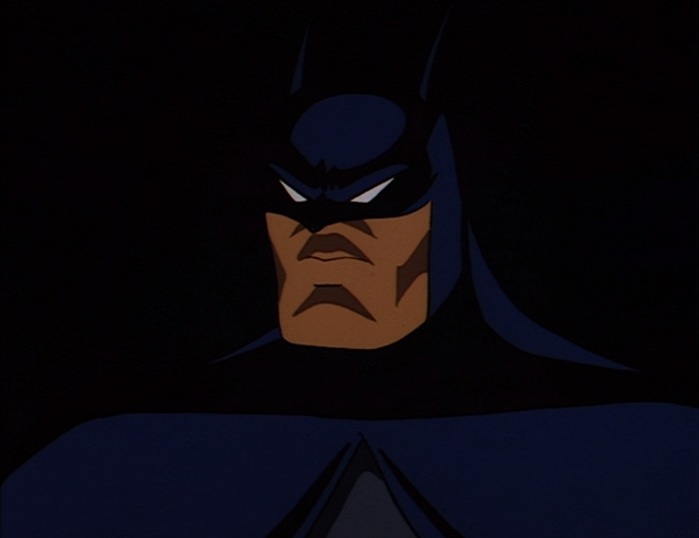
 The Nostalgia Spot