Tag Archives: stan lee

The Fantastic Four: First Steps

As a kid, I did a lot of my comic reading in the early 90s and as a kid in the early 90s that largely meant X-Men. The X-Men were the “it” team of the moment and seemed so far and above the rest of the pack in terms of coolness. Batman was still in style on the strength of the Burton films and the animated series and Spider-Man (and Venom) was also pretty hot. When it came to comic and comic card trading with friends, those all commanded top dollar. One franchise that did not was The Fantastic Four.

It could have just been my little corner of the world, but The Fantastic Four were regarded as your dad’s comic book franchise. They were pretty lame. If you went to Toys R Us hoping to score a Venom, Spider-Man, or Punisher action figure there was a decent chance you would have to settle for the Fantastic Four instead. I personally never settled, though I was a little interested in The Human Torch. Even though I didn’t particularly care about the franchise, my earliest Cartoon Network memory is becoming aware of the channel by seeing a listing for a Fantastic Four cartoon in TV Guide airing on the network. We didn’t have access to the channel in my market, but it was about a year later that we did and I wanted to check out that damn cartoon. Too bad it was pretty bad, but not as bad as those lone cartoons based on The Thing where the character was a kid who activated his Thing power via a magic ring: Thing Ring do your thing!

I will say they have a good tailor.

Despite my feelings on The Fantastic Four growing up, it’s hard to argue that they’re not Marvel royalty. Created by Jack Kirby and Stan Lee, the group is one of the oldest superhero teams with a memorable rogues gallery headlined by Dr. Doom. When comic book movies exploded in popularity, 20th Century Fox threw The Fantastic Four into the mix with a pair of films in the 2000s that made money, but didn’t seem to make a huge cultural impact. Fox decided a reboot was necessary and the franchise returned in 2015. Again, it made money, but not the kind of money that gets studio executives excited. Fox was reportedly still kicking the tires on more movies, but the acquisition of 20th Century Fox by Disney in 2019 put an end to that. Now, Marvel and Disney are back with what it hopes will be the definitive take on the franchise in film. Ever since Avengers: Endgame basically put a bow on the massive story begun with 2007’s Iron Man, Marvel has been searching for that massive hit that catapults them into the next big event film. Attempts via Disney+ and other films have been met with mixed results, but can The Fantastic Four get audiences as hyped as Avengers did back in 2012?

The setting is practically a character on its own.

The Fantastic Four: First Steps is a film that has been in the works basically ever since Disney acquired 20th Century Fox. It took some time to get right, but once it did we ended up with a picture helmed by Matt Shakman with a screenplay by Josh Friedman, Eric Pearson, Jeff Kaplan, and Ian Springer. The film stars Pedro Pascal as Reed Richards/Mr. Fantastic, Vanessa Kirby as Sue Storm/The Invisible Woman, Joseph Quinn as Johnny Storm/The Human Torch, and Ebon Moss-Bachrach as Ben Grimm/The Thing. The film is set in 1964, but a futuristic take on the era. This is a world where technology has advanced by leaps and bounds thanks to incredibly smart people like Richards. When we find him early in the film he’s working on teleportation just to give you an idea where we are as a society. As such, it doesn’t look like 1964 other than some design cues and the setting is really it’s own character. The closest example I can think of is Batman (1989) and it’s not 1940s setting that also kind of looks like 1940s America.

She does not bring tidings of great joy.

When we meet The Fantastic Four we’re informed right away that this film starts with their fourth anniversary as a team. Their origin is relayed via montage delivered by an in-universe television special and includes some cameos of their more famous adversaries though with one notable omission. When we actually meet the team, we learn right away that Sue and Reed are expecting a child, something they had been trying for with little success for years. This also sets off massive amounts of anxiety for the father-to-be who can’t help but wonder what effect their cosmic-induced mutations will have on his unborn child. Concerns have to be dismissed for an unusual individual soon reveals themself to the world: Shalla-Bal (Julia Garner), aka The Silver Surfer. She comes baring the unfortunate news that Galactus (Ralph Ineson) has marked Earth for consumption. This naturally comes as a surprise to all involved and it falls on The Fantastic Four to journey into space and barter with the world-devouring entity in hopes of sparing the Earth. They do manage to make it all the way to where Galactus dwells for a face-to-face with the massive entity and find a being who actually is willing to make a deal. The only problem is Galactus desires but one thing: the unborn son of Reed and Sue.

The shadow of Galactus looms large.

That becomes the central conflict of the film: would a parent give away their own child to save the world? It’s a pretty unfair question to ask, but I’m sure you can guess what Reed and Sue want to do and also guess that the rest of the world has a different opinion. The film mostly keeps its focus on that, but also finds time to show Ben trying to find his place in the world and Johnny’s obsession with trying to uncover more information on Shalla-Bal. The film is a tidy 114 minutes and never loses sight of the fact that this is The Fantastic Four’s film. It sounds cliche, but they do a great job of maintaining that family element without resorting to terrible sitcom tropes. This isn’t Full House, but it’s also not some anti-Full House either. There’s conflict between members of the family, but it’s organic. These characters know each other extremely well and love each other. They can annoy each other, but they also rely on each other. And I like that the film remembers that these are all super smart astronauts. Johnny isn’t some dumb jock spending all of his time trying to pick up chicks and The Thing isn’t a big grump who just wants to smash stuff. There’s nuance to all of them and I found it really gratifying to see them rally around a young Franklin Richards (Ada Scott and what Wikipedia refers to as “several other babies”) because that’s what The Fantastic Four should do.
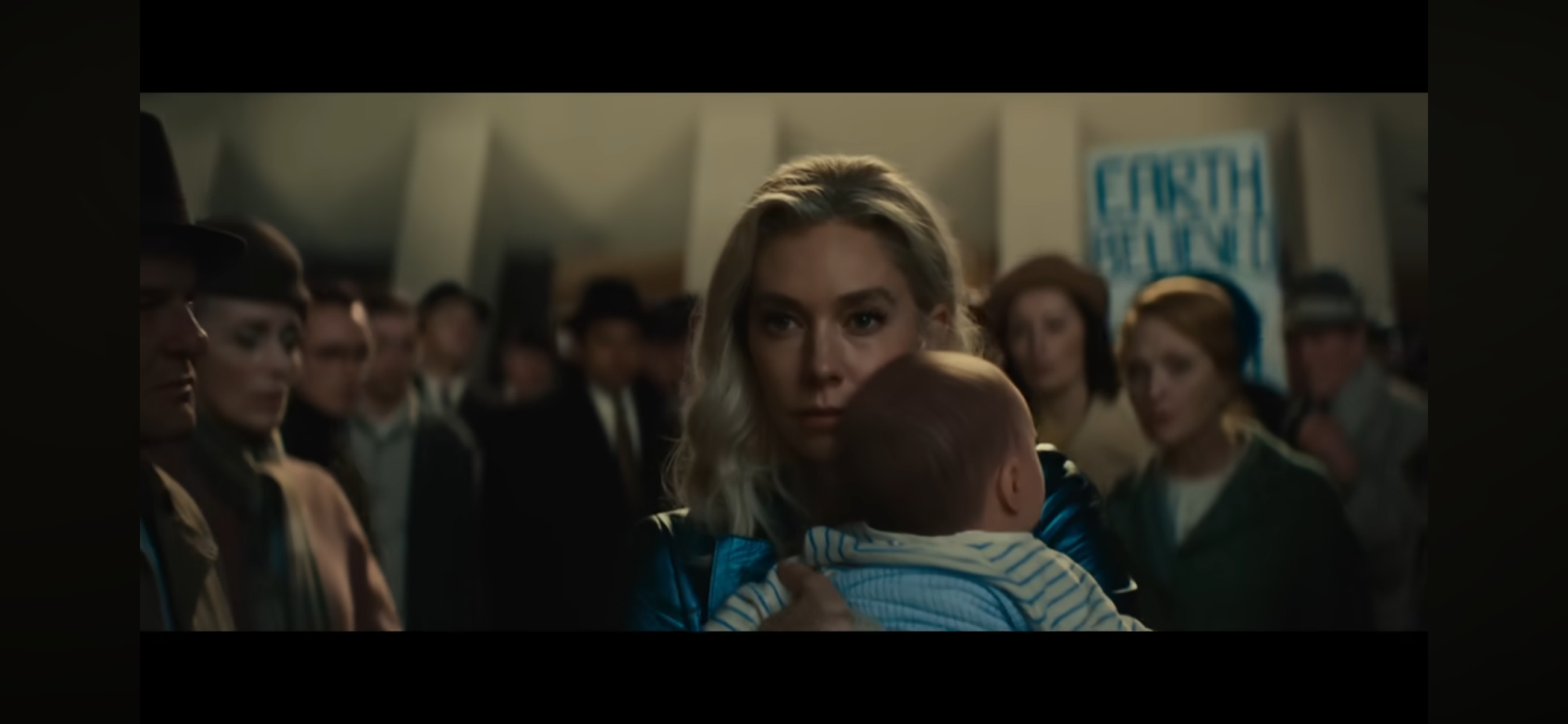
Putting young Franklin at the center of the plot works well for a film emphasizing the family element.

When you have a cast that includes a rock man, a silver woman, and a planet devouring god-being you’re going to need some special effects. Marvel Studios does a solid job bringing characters like The Thing to life. You’re not going to forget that he’s a CGi being, but he doesn’t look out of place. Silver Surfer is also handled rather well and the film is pretty confident about placing this ridiculous being into the film and not making a big deal out of it. Galactus hews pretty close to his classic design with some modern embellishments, but the film definitely doesn’t shy away from showing the being. The colors are muted, but not removed or replaced and I suppose he looks as good as he probably could. The sets look like real sets in many places which is a nice touch over the green screen sets the MCU traditionally relies upon. H.E.R.B.I.E., the resident helper robot, looks like a mix of practical and CG elements and will likely be a crowd pleaser. Maybe not on the same level as Krypto, but kids will enjoy the little robot.

Your kids are going to want one of these.

The film does move fast which may have some questioning if it should have been longer. It’s a bit of a double-edged sword as I think audiences have superhero fatigue and the two and a half hour movies have become exhausting. I very much like how the film gives you the cliff notes version of the origin, though I can also understand some people wondering just what exactly Sue Storm’s powers are? Mr. Fantastic doesn’t get to show off his powers much and the crew really doesn’t get to engage with villains for much of the film. It’s a more procedural film with most of the action reserved for the last act. For action buffs, that’s a bad thing. For me personally, I wasn’t bothered by it. I think it helps set The Fantastic Four apart from more action-heavy franchises. I’m interested in these characters more as characters than as superheroes. It’s an approach that I think will serve the X-Men well whenever they finally get to run wild over the MCU.

The film decided to go the CG route for The Thing and the results are mostly fine.

One final point of criticism I have for the film resides with the ending. If you want zero spoilers about that ending (i.e. when we can expect to see The Fantastic Four again) then skip the rest of this paragraph as I’m going to talk about the mid-credits stinger. Yes, this film has a scene during the credits meant to hype the next adventure. Throughout the film I was quite content with how contained it was. There wasn’t any homework and I didn’t feel like Marvel was setting up another movie. Nothing felt sacrificed or incomplete for the sake of a larger narrative. Then came that mid-credits scene. I won’t actually spoil wht happens in the scene, but it concludes with “The Fantastic Four will return in Avengers: Dooms Day.” I don’t know if I let out an audible groan, but I felt like it. This film did such a good job of making me care about these characters that I don’t want to see them quickly thrust into an even larger ensemble. Now, the scene did follow a “Four years later,” message so it gives Marvel Studios a chunk of unexplored time they can go back to for later films, if they want, but I’d much rather see another Fantastic Four film before seeing them integrated with the Avengers. I know this Dooms Day thing is what the studio is hoping will do Infinity War/Endgame dollars, but I think Marvel and Disney are chasing a dragon there.
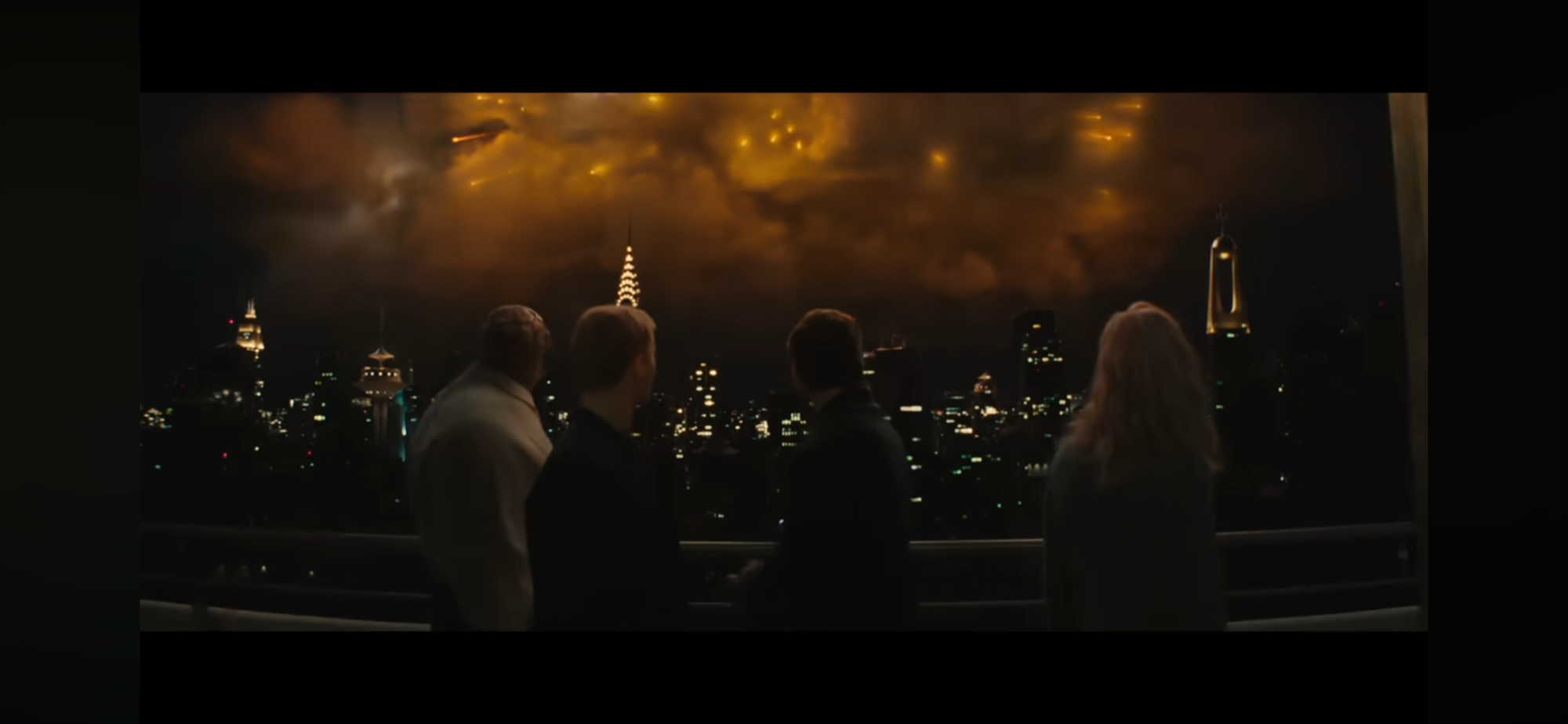
Hopefully we get to see a lot more from this group. There are always issues for The Fantastic Four to deal with.

Such concerns could be all for nothing. We’ll see. It also doesn’t really harm First Steps as a movie experience which is one I had a lot of fun with. I don’t think it’s in contention for best comic book adaptation or anything, but it’s a solid B+ theater experience. For the first time in my life I actually care about The Fantastic Four. I want to see more of these characters, this cast, and this really fun setting. Hopefully we do get more of that and hopefully this movie kicks off a new era for The Fantastic Four. The devoted fans have certainly waited a long time for this.

To my surprise, I don’t have any MCU reviews on this blog so here’s the best I can do for related posts:

Superman (2025)

James Gunn’s highly anticipated Superman has finally arrived in theaters. Is this the film Superman fans have been waiting for? The start of a mega franchise executives are hoping for? Or is it just a nice movie about a super guy and his super dog? Read on to find out!

Dark Phoenix (2019)

What is it with the X-Men film franchise and its aversion to simple titles? We couldn’t just have X-Men 2, we had to have X2. The third film was billed as X-Men: The Last Stand in some places, but the theatrical poster seemed to imply it was X3: The Last Stand. At least the reboot…

Spider-Man: Into the Spider-Verse

Over the years, the comic book movie has changed immeasurably. Prior to the year 2000, you could basically count the successful superhero movies on one hand and the only heroes able to really break through were Superman and Batman. This meant Marvel was completely shut out despite feeling like the hotter publication for a long…


Spider-Man: Into the Spider-Verse

spider-verse posterOver the years, the comic book movie has changed immeasurably. Prior to the year 2000, you could basically count the successful superhero movies on one hand and the only heroes able to really break through were Superman and Batman. This meant Marvel was completely shut out despite feeling like the hotter publication for a long time. That company’s forays into the world of cinema were largely terrible and the only semi-successful venture was probably The Incredible Hulk television series.
Now though it seems like anything Marvel wants to send to the big screen is a massive success. It’s not that surprising that X-Men eventually worked or that Spider-Man could become a big player. Captain America? That one is pretty surprising considering how lame he was when I was a kid. Basically everyone associated with The Avengers had been pushed aside. Those were the heroes your parents might have read about, but us 80s and 90s kids wanted mutants, pouches, and clones, damn it! We once thought that in order for these movies to be successful they needed to be more grounded than a comic and basically not look like one. Drab costumes for the X-Men, realistic villains for Iron Man, and so on. Now we’ve learned that doesn’t matter. Bright spandex is in, heroes leave the planet, and a big, purple, bad guy can lead one of the most successful movies of all time.

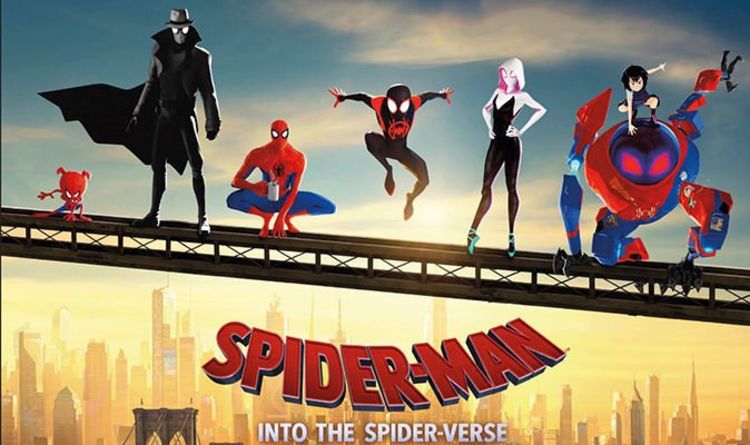
Spider-Man: Into the Spider-Verse pushes the super hero movies even closer to the world of comic books. It’s a bold movie on the part of Sony Pictures and Marvel, though considering the budget for this film is far less than what is spent on a typical live-action super hero film it’s perhaps not perceived as being a great risk. Spider-Verse is a film aimed at the longtime fans of Spider-Man. It’s not really made for those who liked Spider-Man comics as a kid and then moved on, or simply know the character from his other films. This film is modern, it contains references to the old Peter Parker who fell in love with and married Mary Jane Watson, something Marvel has undone. It also references a Spider-Man who divorced MJ, a Spider-Man who is actually a woman, and a Spider-Man who is black. Only in comics could all of these different, yet all valid, versions of one character exist and this film seeks to throw them all into one movie. It’s a transdimensional gathering of Spider-People (and animals) which is the type of story usually reserved for the world of comics as comic fans are used to differentiating from Earth-616, Pre-Crisis, Ultimate, etc. It sounds complicated, and it kind of is, but Spider-Man: Into the Spider-Verse ends up being far more accessible than it has any right to be.

spider-people

I hope you like Spider-Man, because there’s a lot to go around.

Spider-Man: Into the Spider-Verse is based on a screenplay from Phil Lord and Rodney Rothman directed by Rothman, Bob Persichetti, and Peter Ramsey. It’s a computer-animated film that seeks to emulate the look of a comic book. Movement is intentionally janky as a low frames-per-second was utilized to make sure that basically every moment of the film could work as a still image from a comic book panel. It’s the careful planning of the screenplay and the direction that allows the viewer to ease into this one as it slowly peels away layers making the plot more complicated as it goes along without becoming overwhelming.

miles morales

Miles never leaves home without his trusty Sony headphones.

The movie focuses first on teenager Miles Morales (Shameik Moore). Morales is a young man who is an only child to police officer Jefferson Davis (Brian Tyree Henry) and nurse Rio Morales (Luna Lauren Velez). His father is african american and mother Puerto Rican, and even though he shares a last name with his mother, his parents are a couple and they all live together in Brooklyn. Miles though is sent to a special academy for schooling which functions like a boarding school. He doesn’t like it, but his father insists it’s for his own good. His mother is more sympathetic to his concerns, but not enough to interfere on behalf of her son. Miles is quite smart and apparently gifted, but he desires to be what he feels is normal. As a result, he has a kindred spirit in his uncle Aaron (Mahershala Ali) who encourages Miles’ preferred form of expression:  tagging. Aaron and Jefferson apparently had a falling out of some kind and aren’t on speaking terms, so Miles has to sneak around to hang out with him.

It’s partly through sneaking out with his uncle that causes Miles to run into Spider-Man (Chris Pine). While tagging a tunnel in the subway, Miles is bit by an odd looking spider. The next day, he feels off and finds he’s sticking to everything and unable to make sense of it. When he returns to find the spider that bit him he encounters Spider-Man, who is battling with a massive, monstrous, version of the Green Goblin who is working for Wilson Fisk (Liev Schreiber), also known as The Kingpin. Kingpin also employs The Prowler and Tombstone and they’re trying to prevent Spider-Man from destroying a particle accelerator. He will be unsuccessful, and it’s the turning on of that particle accelerator that opens up a rift between the various dimensions which causes other versions of Spider-Man to enter Miles’ world.

store bought costume

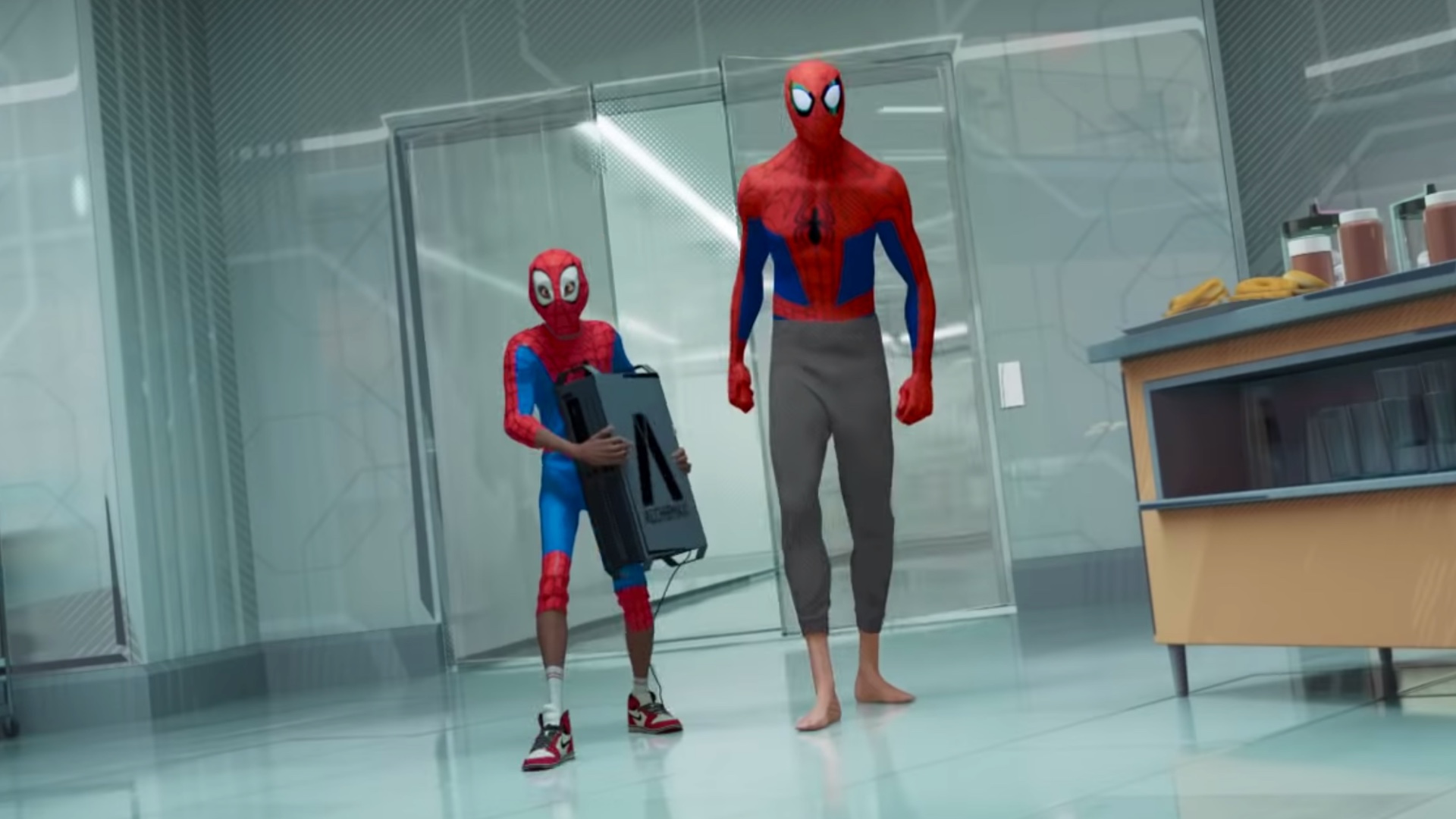
Spider-Man may be in the title, but this is a Miles Morales movie.

Most of the movie will then center around Miles and one of the other Spider-Men, played by Jake Johnson. With Miles trying to figure out his own spider-powers, he turns to Peter B. Parker, but unfortunately for Miles this version of Parker is older, out of shape, and not really a good teacher. They need to steal a code from Fisk in order to destroy the accelerator and return Peter to his own dimension. It becomes apparent that they’ll need help though, and gradually more versions of Spider-Man are introduced including Spider-Gwen (Hailee Steinfeld) and Spider-Man Noir (Nicholas Cage). Each time a new one is introduced, they get a little 30 second origin story that all utilize the same concept. It’s both informative and amusing and never gets old.

While a lot of different versions of the classic character appear, the film never loses sight of the fact that this is really Miles’ story. He has to deal with disappointing his father and trying to find his footing amongst a group of people that have all been at this Spider-Man thing for quite awhile. He’s insecure, and unsure of himself. He just wants to be a normal kid, and while we see right away he’s a fan of Spider-Man, it’s not really something he necessarily wants to be. It’s a movie of self-discovery, camaraderie, and family. Most of the villains are simply physical adversaries, though some time is given to Fisk, and yet the film doesn’t suffer because of it.

spider odd couple

A good chunk of the movie is devoted to an odd couple pairing of inexperienced Miles with past his prime Peter B. Parker.

The story in the film is well-told, but the major take-away from the film will be its look and style. It’s computer-animated, but there’s a hand drawn quality to everything present not seen in something  from the likes of Dreamworks or Pixar. It’s bright, bold, and unafraid to take chances. There’s a sequence where Miles and Peter are stuck via webstring to a subway car and are pulled throughout New York at night. They pinball off of cars, slam into pillars, and slide across windows. It’s a chaotic, visual, experience that never gets out of hand or hard to follow. The finale is even more ambitious as the heroes battle the villains while the accelerator goes nuts and starts sucking in buildings and vehicles from other dimensions with everything suspended in a surreal setting. The film doesn’t need those tricks to be interesting though as even watching Miles walk down the street or emerge from a subway car is visually engauging. Sony stumbled onto something that really works here and I doubt this is the last we’ll see of this style.

spider hide

There are a lot of big fights and moments in this one, but no matter what there’s always going to be a scene where Spider-Man needs to hide from someone in an amusing manner.

The vocal cast is wonderful with not a bad performance to be found and the music the film turns to is appropriate as well. The film opens with Miles listening to the film’s featured song, “Sunflower” performed by Post Malone and Swae Lee, and the rest of the songs used in the film all sound like something Miles would listen to. It’s heavy on hip hop and R&B, while composer Daniel Pemberton mixes similar concepts within a traditional superhero score. Like the film’s visual, the soundtrack and score meld beautifully with the scenes and characters and it’s hard to imagine the film having a soundtrack that could possibly be more appropriate than what is here.

Spider-Man: Into the Spider-Verse is a technical and artistic marvel in cinema. It’s a film made for the Spider-Man fan, but one that isn’t exclusive to that fan base. The character of Miles Morales is portrayed in such an authentic manner that it’s almost unfathomable to think someone could watch this film and not fall in love with the character of Miles. His journey from typical teen with typical problems to full-fledged Spider-Man could feel too familiar, but the film makes it compelling and interesting every step of the way. It’s also impossible to talk about the film and not mention how important and refreshing it is to see a character of mixed race assume the spotlight in a superhero film. I’m just a dumb white guy, so perhaps my opinion isn’t relevant, but I found it exciting and awesome to see Miles assume the mantel of Spider-Man and make it his own. The message of the film is that a hero can come from anywhere, anyone can be Spider-Man, and it’s a message the film takes to heart. And it isn’t just Miles as we also get a wonderful portrayal of Spider-Woman via the Gwen Stacy character. I’d love to see another adventure from Miles, and I’d also love to see a Spider-Gwen movie because I found her character really compelling as well. Hell, I’d even take a Peter B. Parker movie to see how things turned out for him.

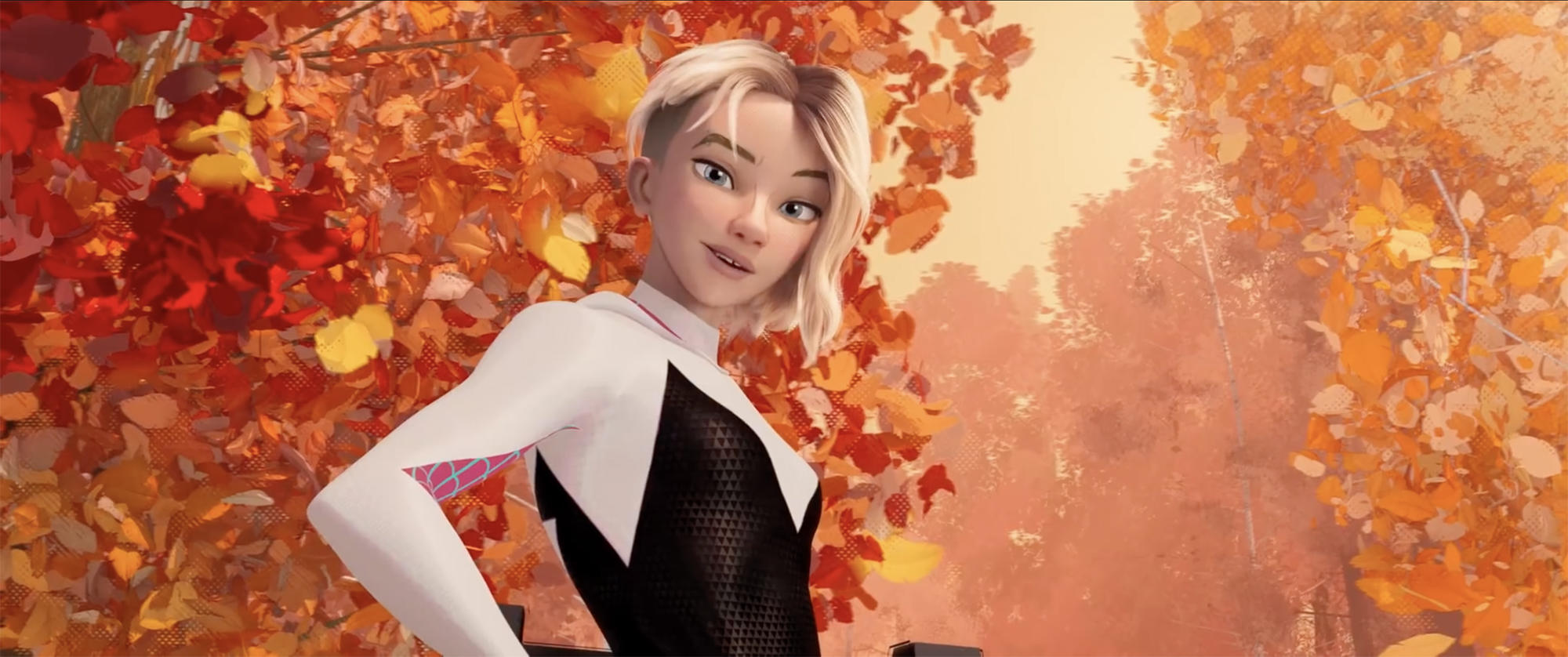
gwen stacy

I would love another movie centered on Miles, but if Sony wants to give us a Spider-Gwen I won’t be complaining.

I suspect that given the success of Spider-Man: Into the Spider-Verse that we’re not done with this setting. I don’t expect a sequel to feature dimension-hopping unless it’s flipped and Miles journeys to help another Spider-Man. I think more likely is that a more conventional plot is scripted for Miles. However it happens, it needs to because Miles is too wonderful to only receive top-billing in a single film. I think most who see this film will walk away pondering if it’s their favorite Spider-Man film or close to it. I want to watch it again, but I think I would put Homecoming ahead of it, but it’s not an easy call. This film may be crowded with Spider-People, but it understands Spider-Man and presents what is a perfect Spider-Man story. It may be animated, but it’s paced like a live-action film and definitely isn’t aiming to lure in children, like many animated films developed primarily for a western audience aim for. If you passed on this one because it’s not tied into the Marvel Cinematic Universe or are intimidated by the plot then you made a mistake. There’s time to fix that mistake though and I urge you to do so.


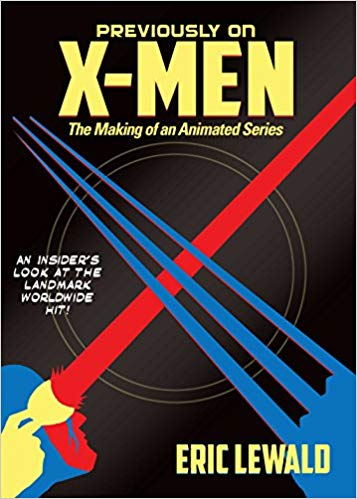
Previously on X-Men: The Making of an Animated Series

previously

by Eric Lewald, published by Jacobs Brown Media Group LLC

A lot of cartoons made an impact on me as a child. My first love was The Real Ghostbusters. Its goofy cast of characters and excitement were plenty of fun and there were interesting toys to supplement the series with, which was pretty much the goal of all cartoons in the 80s. The Teenage Mutant Ninja Turtles would come along and supplant Ghostbusters for me. For several years I was all about the Turtles, with a flirtation with Bucky O’Hare mixed in, though sadly the funky fresh rabbit never made it past 13 episodes.

In 1992 things changed, in more ways than one. My family had just been uprooted moving from the cozy confines of New Hampshire to what felt like a different world down in Virginia. For the first time ever, I was a fish out of water. As I was gearing up to start 3rd grade in a new state, a new town, a new school, I would be tasked with forming all new friendships either at school or in my new neighborhood. It’s not a task I’ve ever been particularly good at. Shy and a tad awkward, I wasn’t outgoing, nor was I particularly talented in anything so I had few ways of attracting people. As a result, my television was sort of my best friend for a time and thankfully I had a new friend in Batman who had just debuted on week day afternoons on Fox Kids, a network I really only knew of thanks to The Simpsons. Batman was all fine and good, and I consumed every episode as it aired (and have since gone on to write about, if you hadn’t noticed), but it never hooked me like Teenage Mutant Ninja Turtles, even though that was a program I found myself outgrowing. What did resonate with me almost immediately though was the cartoon that premiered not long after Batman, I’m talking about X-Men.

The X-Men were known to me in basic terms before the animated series premiered on Fox. About a year prior to the show debuting Marvel had launched a toyline complete with TV spots, even though there was no companion television series to pair it with. I suppose the toys could have been developed in conjunction with the Pryde of the X-Men pilot that had premiered and failed in 1989. The roster was pretty similar, though then relative newcomer Archangel replaced Dazzler in that initial run of toys. Aside from that though, I don’t think I had ever picked up an X-Men comic book and I may or may not have played the side-scrolling beat-’em-up arcade game that was also based on Pryde of the X-Men. And I didn’t even actually catch the sneak peek preview, which aired on Halloween of 1992. I had seen all of the television spots leading up to it and was very interested in the show, but I had tricks or treats to get and wasn’t good at working a VCR.

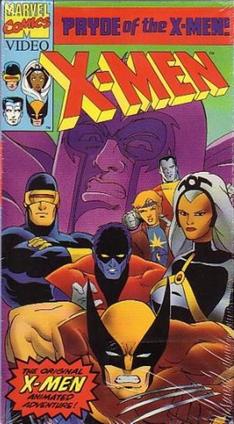
X-men_pryde_of_the_x-men_cover

The first attempt at bringing the X-Men to television did not go very well.

At school, I would hear about it though. They had cool powers, but people hated them. Why? It seemed like such a foreign concept. One character got arrested and another died! Wow! Perhaps morbidly, I really wanted to see that character death, whom I’d come to know as Morph. Frustratingly, it would be awhile before I finally saw it. Somehow, whenever “Night of the Sentinels:  Part 2” was aired on television I would miss it. I wasn’t allowed to stay home alone, since I was only 8, so if my family had plans on Saturday morning I had little say. My mom even enrolled me in CCD, or church school, which convened at 11 on Saturdays, much to my horror. I think I only went to two of those classes before my mom got sick of the revolt each Saturday, finally freeing me to enjoy my new favorite program in relative peace.

In no time I was obsessed, and X-Men was my favorite show for basically as long as it aired. I still have the many toys I amassed during that period in my life, and though I no longer read the comics, I still enjoy revisiting this cartoon. It’s why when I heard that showrunner Eric Lewald was releasing a book all about his experience in making the show and bringing it to television that I had to get a copy. I received a copy last November, and I’m a bit disappointed in myself since it took me this long to finally finish it and get to writing this post, but life is hectic.

Previously on X-Men is an account of how this unlikely hit came to be. When Fox premiered X-Men and Batman it was still a fledgling network. The Tracey Ullman Show and Married… With Children got the network its initial audience, and The Simpsons would then establish it as a viable alternative to the big 3:  ABC, CBS, and NBC. It was still struggling during the other parts of the day with programming often ending before 11 PM. Recognizing that there was a place for children’s programming, Fox brought together a web of studios and producers in a mostly haphazard manner that somehow led to network dominance. Shows like Bobby’s World and Attack of the Killer Tomatoes were filling out the kids portion of the programming early on, and while it sounds like they did okay numbers, they weren’t going to raise the network’s profile much. It would fall to the superheroes to do that.

lewaldscelebrating_orig

Julia and Eric Lewald

Lewald’s book does a great job in capturing those early days while also contrasting X-Men with its daily counterpart Batman. Batman was a show with tremendous financial muscle behind it in the form of Warner Bros. and DC. It was coming off two successful Tim Burton movies and featured a character recognized around the globe. As a result, it was largely an internal production at Warner and Fox got to enjoy the benefits. And then there was X-Men, the troubled property that seemingly no one believed in. Thanks to so many television failures by Marvel in the past, there was almost zero enthusiasm for a show based on the property. Margaret Loesch, who formerly headed-up television at Marvel and was hired away to run Fox Kids, was one of the few who believed in it. Having failed to get the show going while at Marvel, she knew a producer who she had hired and fired on more than one occasion that could handle the task. That man was Sidney Iwanter, and he produced the show along with many others for Fox Kids. Citing a belief that kids were smarter than network executives gave them credit for, he demanded excellence from the writing staff of X-Men, who were overseen by Lewald. These three probably deserve the most credit in getting X-Men to television and for it being the number one kid’s show when it finally did get there.

haim-saban

Haim Saban, who is both a hero and a villain in this story.

The first 200 pages of the 400 page book are devoted to the development process and it’s a fascinating read. Lewald, who had no experience with the X-Men before getting hired to run the show, was entrusted with those initial 13 episodes. He had people at Marvel he could go to with questions, but in a pre-internet world that meant a phone call, fax, or worse. It wasn’t like there was a Google equivalent in 1992. Artist Larry Houston is credited with the look of the series, as he was one of the few onboard who was a fan of the comic. Also the Edens brothers, Michael and Mark, were Lewald’s main contributors in the writing department. Lewald’s wife Julia was also a part in the initial season and contributed to the book as well. It’s very interesting to read as Lewald takes the reader through that initial writing process, and it’s easily the most captivating section of the book. Their approach to character showed in the episodes, so a lot of what is said here was previously assumed. Such as the belief that killing off poor Morph in the second episode would create stakes and pull the viewer in.

fox kids

The early days of Fox Kids.

If there is an MVP character for the book though it just might be Haim Saban. Saban was a newcomer to television when Fox Kids partnered with him to bring the X-Men to air. Saban collected a fee for those first 13 episodes, but then it was on him to pay the writers and editors. Graz handled the art, while AKOM was contracted to do the animation. Saban is a notoriously cheap man, and reading about all of the accounts of his cheapness is both hilarious and frustrating. It’s well known now, but bares repeating to emphasize how cheap he was that Saban docked the pay for all of the returning writers for season 2. His reasoning? The show was a success, so now more people would want to write for it and therefore he could pay them less. The man is now a billionaire, so obviously he’s pretty good at making money, though he’s also a reminder of a lot of what’s wrong with modern capitalism. The second half of the book is comprised of interviews with the cast, writers, producers, and other executives and almost all of them have a comment about how cheap Saban was, and likely still is.

Many battles took place to bring X-Men to Saturday morning. Some I knew about before reading this book, and others I did not. It’s probably common knowledge that the first episode from AKOM was utter garbage in terms of animation quality. It’s a big reason why the show had to premiere as a sneak preview because the studio couldn’t get the episodes ready to premiere in the normal Fall window due to all of the animation fixes that needed to take place. A lot of money was spent getting it right, and it almost blew everything up. The original voice cast also had to re-do the initial episodes because the first takes were so bad. Saban, in order to save money, hired Canadian actors to voice the show because they were famously non-union, so casting, supervising, and ultimately editing the audio for the show was cumbersome. Having to send individuals up to Canada in order to re-dub the initial episodes was obviously time consuming as well.

X-Men (FOX) [1992-1997]Shown from left: Wolverine, Morph, Beast

Oh Morph, I still mourn for thee.

And then there was Stan Lee. Stan Lee is a pretty famous guy. I’m not sure if he’s today more known for all of the comic characters he had a hand in creating or if he’s more famous for being that old guy who cameos in every Marvel film. Stan Lee created the X–Men alongside Jack Kirby in the 60s, but after that initial unsuccessful run, he turned it over to other writers and artists so he could focus on other things. As a result, come 1992 he basically knew nothing about the modern X-Men and yet he insisted he knew what was right for the show. Lewald and Iwanter had to fight with Stan on everything in those developmental days. He insisted on narrating the episodes, as he had done with previous Marvel television shows, and his approach was entirely wrong for the show they were trying to create. Supposedly, he even proposed the premise of the show should be a few members of the team driving around and solving mysteries. Imagine Wolverine in the role of Scooby Doo? Who would Shaggy be – Gambit?! They somehow managed to placate him, without really giving him a voice in the show, and eventually he went away as the show moved along through its first season and became a smash hit. The frustration in having to deal with Lee, and the many other challenges, is felt in reading this and I ached for Lewald even though he’s more than 25 years removed from this aggravation.

spiderman 94

The success of X-Men helped pave the way for more Marvel cartoons like Spider-Man.

That first season was only 13 episodes, a far cry from the 65 episode order Batman received. Fox was so unsure about the property that it wouldn’t commit beyond that, forcing basically everyone involved to move onto other shows. Lewald went on to helm Exosquad with the Edens, and thankfully that too only received a 13 episode order so he was available to return to X-Men when it finally received the full episode order. Others did not, because that’s how television works. If a show isn’t in production, you’re not getting paid. That first season’s decision to present itself in a serialized fashion also presented problems for the network, as production delays on one episode messed up the order of everything. As a result, the network demanded that season 2 be more episodic, but Lewald and his talented team of writers still managed to give it a serialized feel with The Savage Land segments and reoccurring villains like Mr. Sinister and The Friends of Humanity. A wise move, since the serialized nature of that first season is a big reason why it’s so special.

Nightcrawler (1)

“Nightcrawler” is frequently cited as a favorite episode of many of the creators involved with the show. The book also contains a deep dive into its creation.

Like the show itself, which I think produced its best work in those first two seasons, the book somewhat suffers from a strong first half that isn’t matched by the second. The many interviews that span roughly 200 pages are informative, but some more than others. The voice cast mostly repeats itself with remarks about how it was fun to work on something that felt different and how they came to understand their roles. The actual writers and producers offer the more interesting nuggets. There’s a lot of praise thrown around which might get tiresome for readers, though they all have reason to praise each other since it’s easy to forget how successful this show was. Especially when taken alongside the production and development hurdles. Of the interviews, I think I actually enjoyed the executive ones the most. Loesch and Iwanter were candid and did a great job of transporting me back to the early 90s and the hurdles they faced in backing this show. It’s fun to read about how close these people were with these characters that meant so much to me as a child. They cared about them, which is ultimately why the show ended up being as successful as it was.

X-Men-92

Marvel has resurrected the 92 X-Men for its comics line, but the results weren’t enjoyed by this blogger.

It should come as no surprise that, as a longtime fan of the show, I fully recommend Previously on X-Men to other fans of the show. Even if you were only a casual fan, but tuned into the animated scene at the time, you might enjoy reading this one. It’s fun to read the comparisons of how this show came to be with the experiences these people had with other shows. X-Men was a production mess, a wonderful, beautiful, mess. It was still garnering good numbers when it was cancelled, and one has to assume it was due to costs. By then, Saban had Power Rangers and was able to bring more stuff in house. X-Men had all kinds of hands on it so a lot of people had to get paid, and as we already covered, Saban wasn’t a fan of paying people. Even so, it’s hard to argue that the show was cut-down in its prime or anything, but reading this book and revisiting the show really made me realize how much I’d love to come back to this world. Marvel did launch an X-Men ’92 comic, but it did not satisfy me nor did it read like an episode of the beloved cartoon, rather it felt more like a parody. Marvel is now under the gigantic Disney umbrella and its films basically print money. With the Fox acquisition though, suddenly the X-Men are back in play. Marvel hasn’t bothered with animated films in awhile, though it’s sort of bringing that back with Into the Spider-Verse. Maybe a direct to video follow-up for the 92 X-Men could one day be in play. Pretty please? At the very least, how about a Blu Ray collection with episode commentaries, Disney? The people who created this wonderful show obviously wish to talk about it and they still have a lot to say.