In the late 90s, FUNimation and various stakeholders tried to make Dragon Ball Z a thing in western markets. Both the original Dragon Ball and its sequel series Dragon Ball Z were partially dubbed and released on VHS with a syndication package sold to local networks. For the first in the US, a Dragon Ball video game (yes, I’m aware of Dragon Power, it doesn’t count), Dragon Ball GT: Final Bout, was localized and released on the PlayStation outside of Japan while retailers were sent repackaged versions of the Bandai and AB Toys action figure line. It didn’t take off. Maybe people in the US weren’t quite ready for DBZ? Or maybe the video game was terrible, the toys sucked, and the show was aired in horrible timeslots where it had no chance to take off?
If you’re at all familiar with the Dragon Ball franchise then you know that didn’t last forever. Eventually, networks gave up on it and so did apparently everyone else. Everyone except Cartoon Network who loved acquiring cheap programming to freshen up its broadcast schedule as it tried to incorporate more than just old Hanna-Barbera cartoons into its lineup. Dragon Ball Z found a home on the cable channel and it soon gained enough popularity that Cartoon Network was able to center a new anime block, dubbed Toonami, around it. The only problem was that by the time DBZ had found its audience all of the old product was basically gone. Sure, the VHS tapes were still around, but a lot of the toys had been sent to the discount bin and everyone was doing their best to forget about the PlayStation game. Well, some poor souls paid exorbitant prices for copies on the secondary market that they almost certainly would come to regret, but there was a hunger for more: more episodes, more merch, and definitely more video games.
The delayed fandom in the US meant that everyone basically had to play catch-up when it came to Dragon Ball Z. And in the backs of the minds of those involved was probably the worry that this was just some fad that would crash out so speed was necessary. Infogrames was awarded the video game license which it would release on its Atari brand it had acquired somewhat recently. The first game out of the gate was The Legacy of Goku in 2002. The Game Boy Advance action-adventure role-playing game put the player in control of Goku in a top-down, Zelda-style game where the legendary hero did battle with…wolves and snakes. And often died. The game was a mess with poor collision detection and little refinement. A true cash grab in many ways as the team at Webfoot Technologies was likely given a very small window to develop and release the title. Reviewers were not kind, but since it was the first DBZ game released to a fanbase practically frothing at the mouth for a new game it sold like hotcakes and a sequel was quickly greenlit.
By all accounts, The Legacy of Goku II improved on its predecessor in just about every way possible. Set during the Android/Cell Sagas, Legacy of Goku II puts the player in control of multiple heroes in the same action RPG style with improved collision detection, new maneuvers, and new power-ups. When it arrived on the GBA in 2003, I didn’t pay it much mind. I had played the first game and can confirm it was trash so I wasn’t going to just throw money at a new one. I’m pretty sure I was aware of the improved reviews, but I never did seek it out. Not until almost ten years later when I got the itch to play a DBZ game and wanted something that wasn’t a one-on-one fighter. I picked up a copy on eBay and the post office promptly lost it. I never did get it and didn’t want to double-down by just grabbing another so I moved on. Recently, my local comic book store posted on Discord a bunch of games it had taken in on trade recently and among them was a copy of LoGII. I figured now was finally the time to put my money down (again) and see just how much better than its predecessor this one truly is.
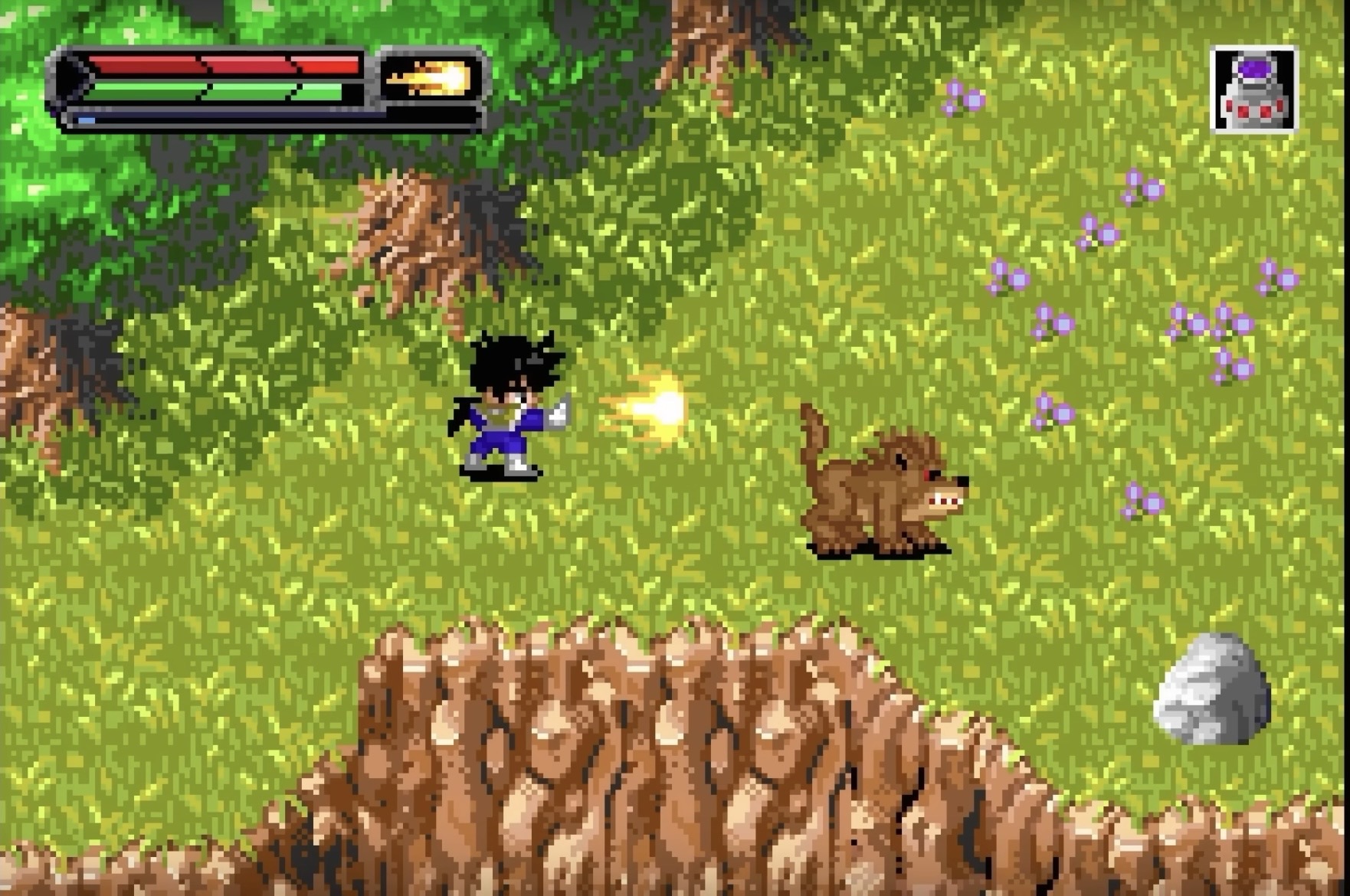
Legacy of Goku II is once again a top-down or isometric action RPG. Since it’s on the GBA it’s a sprite-based game and all of the characters have a slightly chibi quality applied to them. They’re cute, and most of their faces are just eyes so it’s kind of like everyone has become Krillin. It works even if it’s not as impressive to look at as the later Dragon Ball Advanced Adventure. The music follows the style of the english dub at the time and while it’s not my preference, it’s largely fine if a bit repetitive. You begin the game as Gohan, but as you progress through the story you’ll unlock Piccolo, Vegeta, Trunks, and Goku. And if you clear certain conditions, there’s a post game bonus character in the form of Mr. Satan (referred to as Hercule in this one because it’s for the kids). The game picks up basically right where the previous one ended with Frieza defeated and Goku missing. The game bypasses the Garlic Junior Saga with the only reference to that being the in-game excuse for why the animals attack in the forest (they’re corrupted by the Black Water Mist). The game will take the player through the bullet points of the Android Saga and culminate with the Cell Games. During the game playable characters come and go as the story dictates meaning you will rarely have access to all of the characters at the same time. The game utilizes a Final Fantasy-like world map complete with Mode 7 scrolling which you will utilize to access various locations that are mostly familiar to fans of the show and manga. Within those maps are Capsule Corp logos where the player can save as well as switch characters. There are also maps posted in a few places within each area that will allow the player to return to the world map if they so choose.
The meat and potatoes of the game is walking around and smacking enemies. Most of the enemies you encounter will once again be relegated to wolves, snakes, and the like. Yeah, it’s pretty stupid that any of these characters would pose a challenge taking on any of these guys, but it would also be pretty boring if you could just massacre everything with ease. Characters attack with a standard melee attack while the other button is reserved for ki attacks. You have two resources to manage: health and energy. Health naturally depletes when you take damage while energy depletes as you expend ki either via attacks or transformations. Ki will slowly replenish itself, but health can only be restored by finding consumables as you defeat enemies and smash rocks in the environment or via senzu beans, which are limited, but not finite. Leveling up will also completely refill both meters. What’s much improved this time around is the hit detection. In the first game, Goku’s range was positively puny while this game is quite generous. If you think of the display as a grid your character occupies one square, but his attack will impact the three squares in front of him (the one directly in front, the one diagonally to the character’s right, and the one diagonalley to the character’s left) so you don’t have to be lined up perfectly with an enemy to strike it. It also means the enemies have an easier time hitting the player and this might get you a few times when projectiles are introduced, but it’s definitely more good than bad. Enemies and the player also can’t get pinned against a wall as being knocked back into something will cause the character to bounce off of it usually resulting in them ending up on the other side of the attacker. Again, this means you can’t pin an enemy down, but they can’t do it to you.
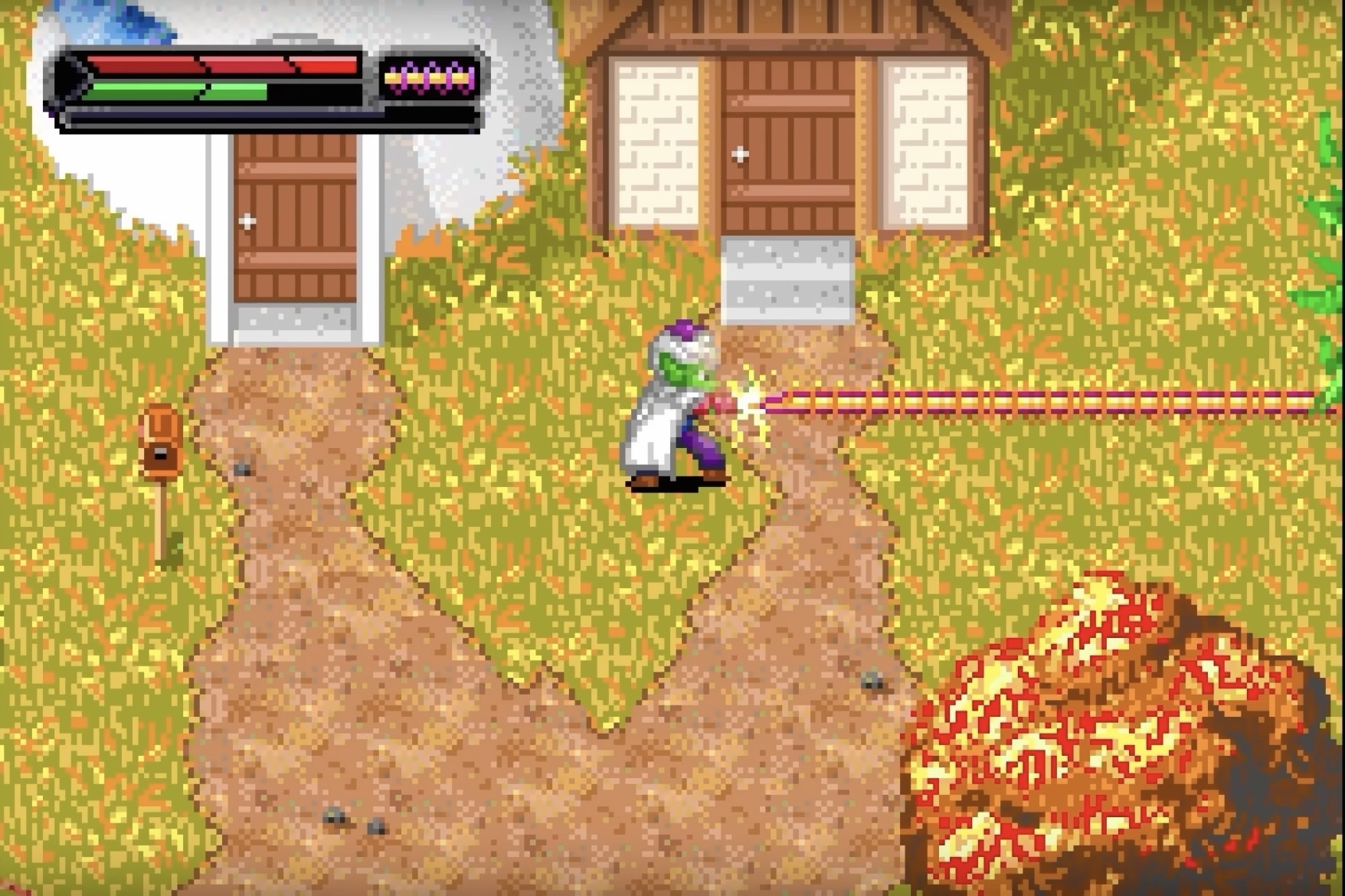
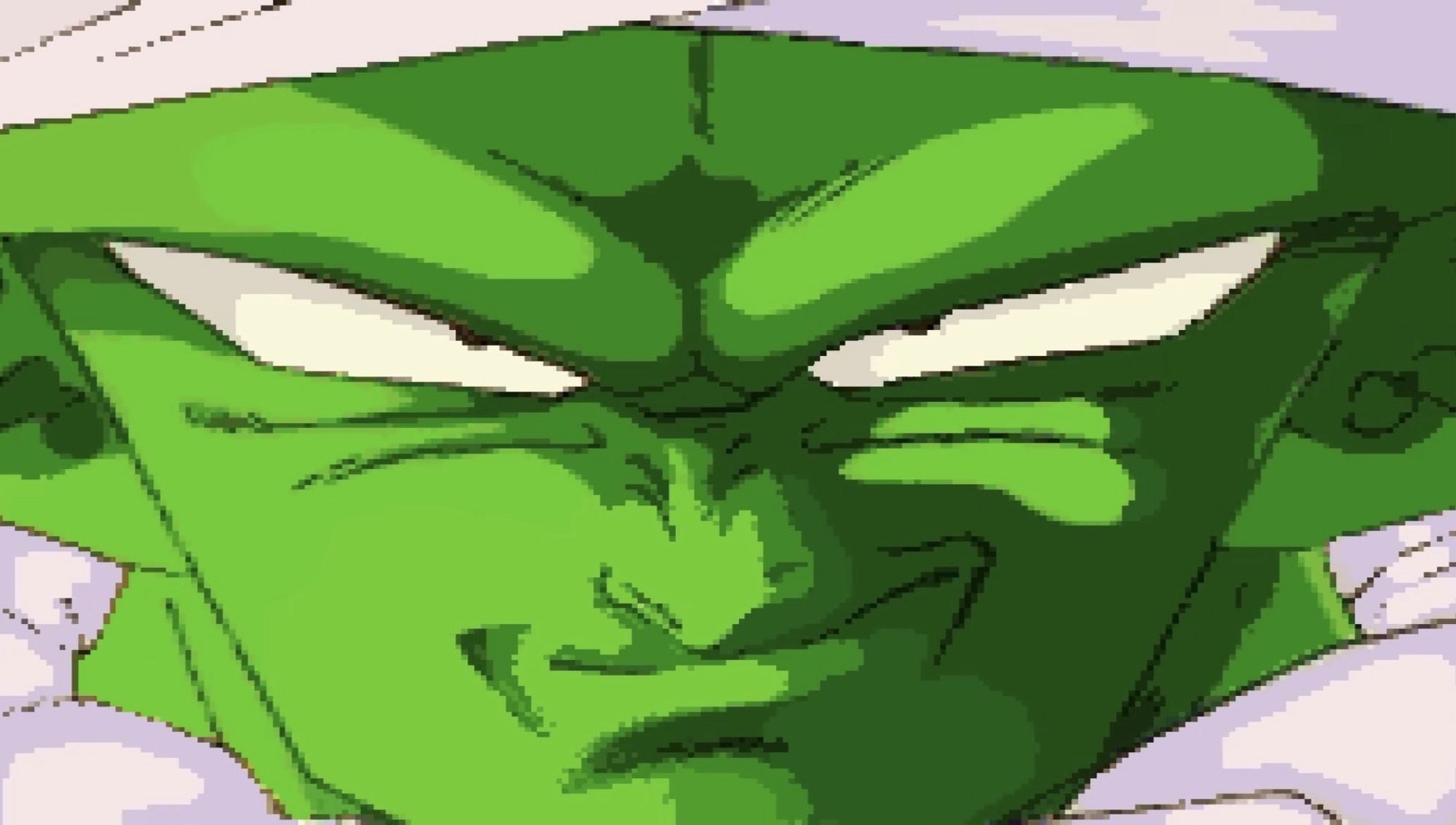
When you first acquire a character they can just punch and shoot a generic ki blast, but during the course of the game they’ll learn new attacks and it’s these attacks (as well as their underlying stats) that separates the characters from each other. Each character will learn one, charged, melee attack which doesn’t cost anything to use, but leaves you open while charging. With any attack, charging it locks the character in place and they can’t change direction so you do need to make sure you have the enemy lined up properly. For Gohan, he gets a a jump kick that helps close gaps. Vegeta has an overhand smash while Trunks attacks with his sword in an arc. Goku has a flurry punch while Piccolo gets the lamest attack as he just spins around with his fists outstretched. It seems to lack the range of the others, but he arguably makes up for it with one of the best energy attacks. And that would be his Special Beam Canon which fires straight ahead and through any enemy it touches. Piccolo can easily clear a screen of enemies with that one while his second attack, the Scatter Shot, is basically a spread shot from a game like Contra. Vegeta has his Big Bang Attack which has a slight vacuum quality to it as it pulls enemies in, though his second energy attack is just a punch. I have no idea where they got that from. Trunks gets perhaps the most abused special attack, his Burning Attack, which is just a weak ki blast that happens to stun the enemy it touches. And unlike say Sub-Zero and his freeze attacks in Mortal Kombat, the stun doesn’t dissipate after Trunks strikes the enemy. It basically persists for 3 seconds and since it’s so cheap to use it makes playing as Trunks a breeze. It even works on bosses! His second attack is just an energy sword wave. Goku has his Kamehameha which is surprisingly weak. It persists like Piccolo’s Special Beam Canon as long as the attack button is held down, but it doesn’t go through enemies and seems to burn through ki incredibly fast. On the other hand, his Spirit Bomb is quite destructive and will stun all of the enemies on screen as well, even ones it doesn’t hit. This does have a downside as once the stun vanishes the enemy immediately goes aggro, but it’s usually nothing Goku can’t handle. Gohan, who will likely end up being your most powerful character, has pretty lame special attacks. His Masenko was turned from a beam attack into a grenade as it arcs making it hard to aim. The longer you charge it the further it goes. His second attack is the Kamehameha and it sucks just as much as Goku’s version.
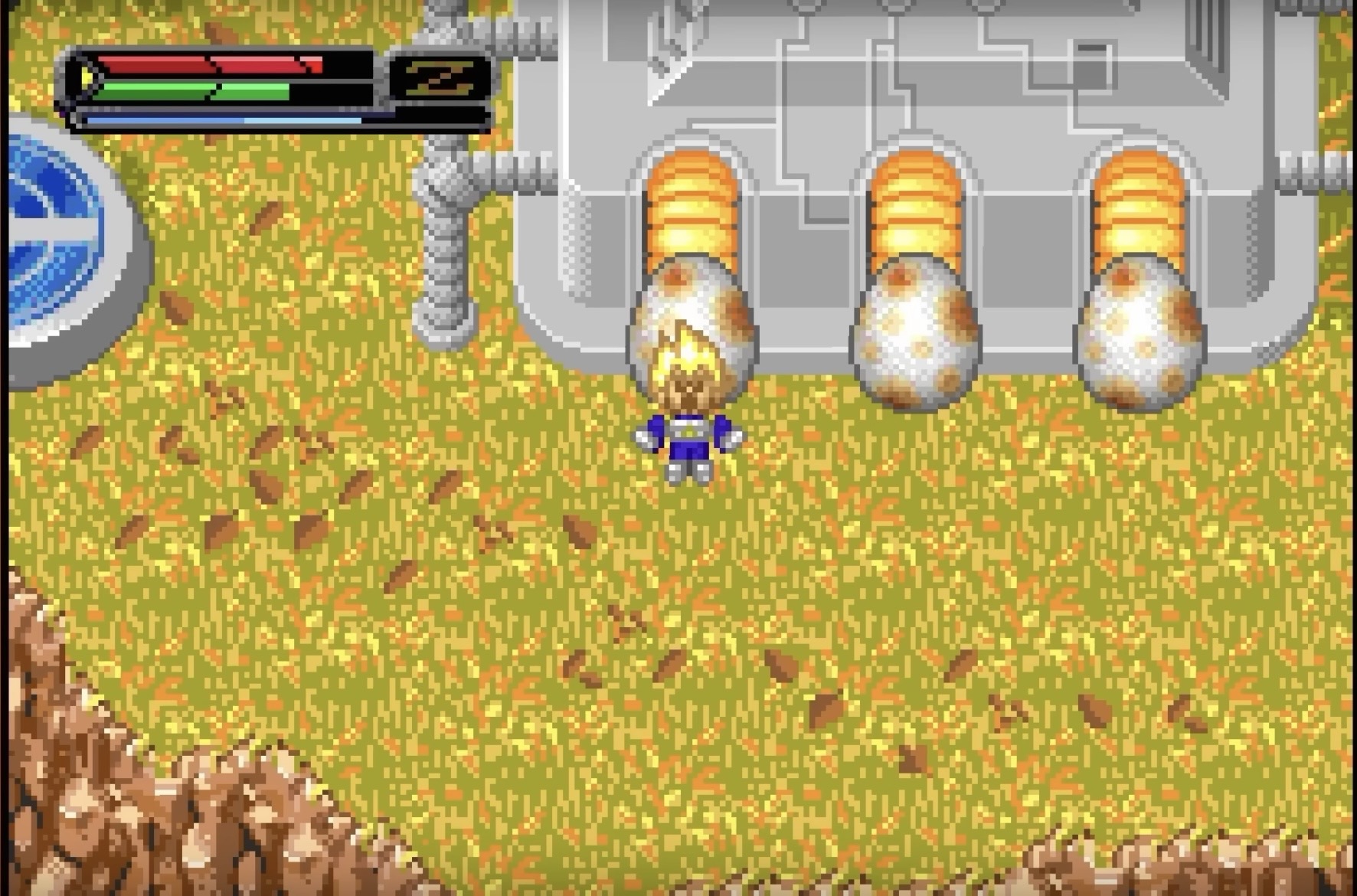
Introduced for Legacy of Goku II are transformations. As expected, all of the playable Saiyans will eventually unlock the ability turn into a Super Saiyan. Doing so requires the player to stand still for a couple of seconds to initiate the transformation, but once completed the player’s speed will be increased and damage output is also better. It’s not a huge boost and it’s really the speed that matters here, a point driven home during the brief period in the game when the “Ascended” Super Saiyan power-up is unlocked via Trunks and Vegeta who suddenly move like tanks. Thankfully, that chapter is short-lived as it renders the transformation worthless. While transformed the player’s energy reserves constantly deplete and if you’re not finding replenishing items you will likely run out and revert back to your standard form. This is really only a concern in boss battles, but if you have a senzu bean or two you can mitigate that. As for the one non Saiyan, Piccolo gets his “Fuse with Kami” transformation which is treated just like a Super Saiyan transformation even though it makes no sense. Instead of getting a new hairstyle though, Piccolo removes his cap and cape.
The game is not terribly long and features a level cap of 50. It’s also not really well paced as there will be times when you need to grind away in order to gain levels and progress. There are even some areas locked behind a level gate (I think you have to get to level 40 to challenge Cell, for example) that are part of the story while others are extra areas. They’re key in unlocking Hercule as every character has a level 50 door only they can open, including Hercule himself. If you don’t enjoy playing as Hercule, I’ll save you the time and tell you his door is just an alternate ending that’s not particularly interesting. Just more of Hercule taking credit for killing Cell. He unlocks at level 40 so you have some grinding ahead if you want to access the final door. Playing as him is not as challenging as you may have expected for even though he’s incredibly weak, his lone special attack stuns every enemy on screen (he simply poses which I guess entrances all around him) and costs almost nothing to use.
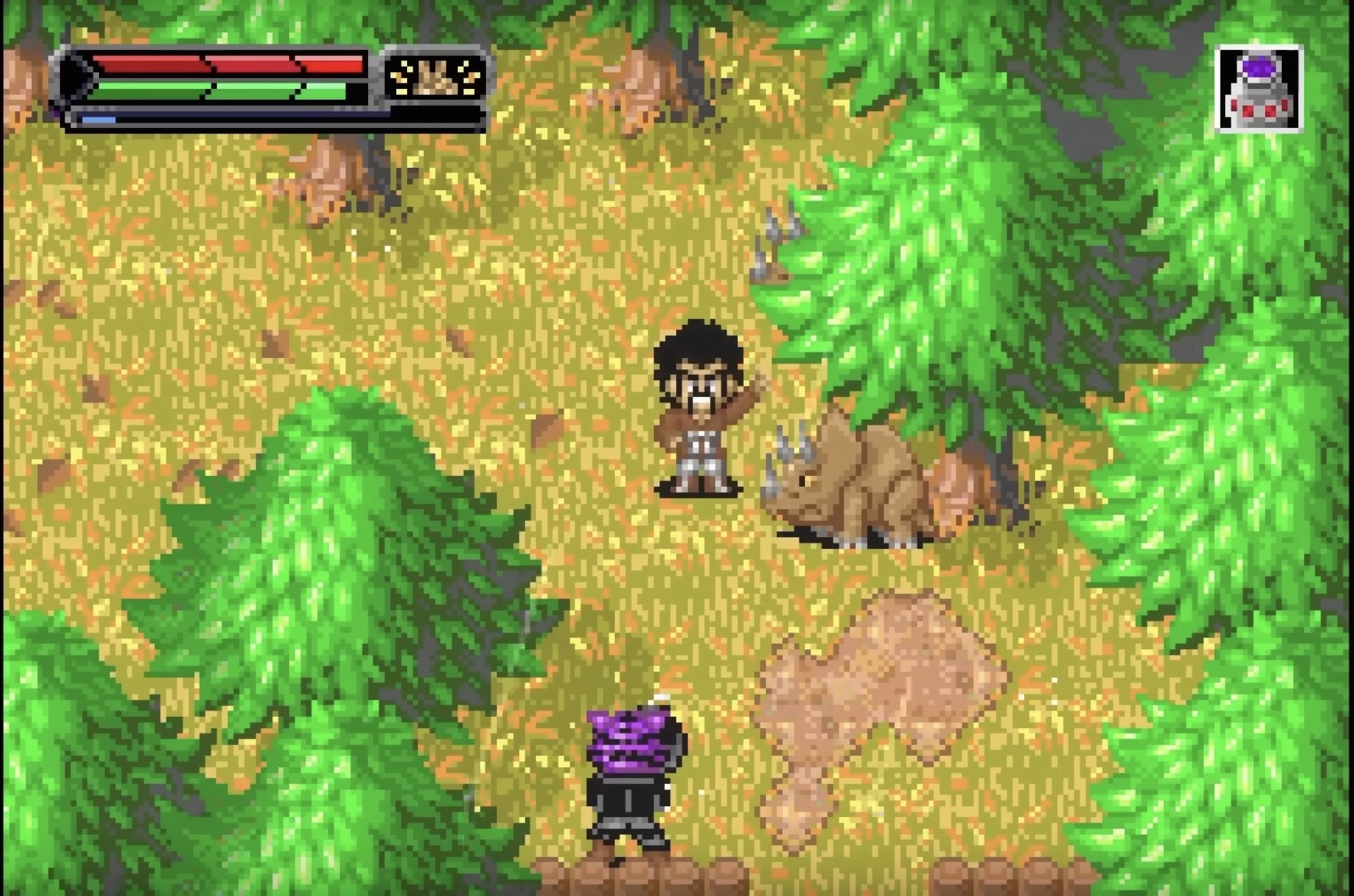
The game is an improvement over The Legacy of Goku in almost every way, but what it fails to do is create a compelling gameplay experience. Legacy of Goku II is still a pretty shallow experience, it’s just no longer broken. Most of your time is spent just mindlessly slaughtering woodland critters that will respawn the second you return to the same screen. There are a few special items to find throughout the game and non-player characters will make requests of the player, but it’s all very basic, easy, stuff. There’s one optional boss, Cooler, but little in the way of easter eggs. I would guess there was still a tight schedule with this one and just not enough time to insert more content into the package. Not that bonus fights against Broly or Super Android 13 would add much as the boss fights are truly lackluster. The only ones I found challenging are actually the earliest as Androids 19 and 20 are able to absorb energy attacks forcing you to take them on with just your fists. For many, you can often place some structure in between the enemy and player character and cheese them. Once you’re powered up, overwhelming bosses is also pretty easy and there aren’t many enemies in the game that will force you to change tactics. Just pound them and when their health is low bust out an energy attack. The only challenge with boss characters is that they have ranged attacks and melee ones. For most enemies, the tactic is to hit them with a ki attak and then charge the melee one as they approach. You can’t always do that against a boss, but there is a certain range that once you’re inside it they basically stop using ki attacks so it’s still pretty easy to do them in with charged melee strikes.
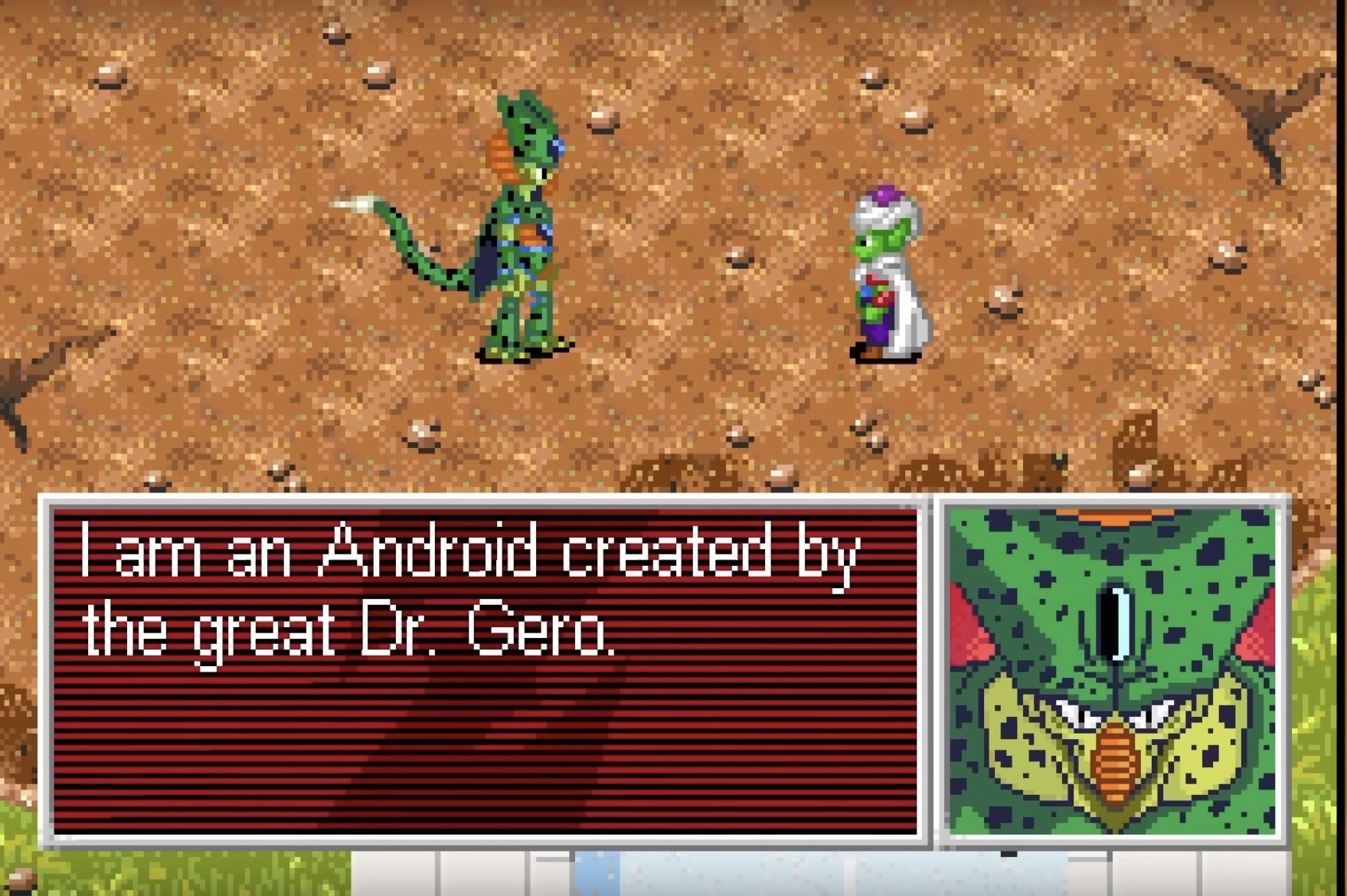
The lack of spectacle with this game is a bummer. It’s also the little details which tend to bother me too. After Goku and Gohan emerge from the Room of Spirit and Time they’re in base form, not Super Saiyan. Gohan, for some reason, wears his Saiyan armor into the fight against Cell and not his typical gi and, post game, you can’t use Super Saiyan 2. There’s a lot of stuff that could have been playable, but isn’t. And when you do summon Shenron you don’t even get to see him! Just his tail dangles from the top of the screen. As a result, I hesitate to call The Legacy of Goku II a good game. It’s not bad. The first game was a broken mess (and the third seems to be as well) and was rightly slammed for it. I think with this one being at least a competent experience it caused some to overrate it when it came out. And when it came out in 2003 the pickings were still incredibly slim as Budokai had come out the previous December and was similar in that it was a pretty middling experience that Infogrames would need to improve upon with a sequel. The Legacy of Goku II was almost by default the best Dragon Ball Z game available, but that is no longer the case. I don’t think it’s even the best game for the franchise on the Game Boy Advance as I’d much rather play Dragon Ball Advanced Adventure. Still, I didn’t hate my time with this one and I’m glad I did finally play it. I’m just unlikely to ever return to it.
If you’re curious about some of the other Dragon Ball video games covered in this space then check these out:

Dragon Ball: Advanced Adventure
In the West, it took awhile for Dragon Ball to make an imprint with US audiences. It was localized and brought over in the mid-90s in the hopes of making money in syndicated markets. There were over 200 episodes, so the reasoning was sound, but it just didn’t take off. It wasn’t until the property…
Keep reading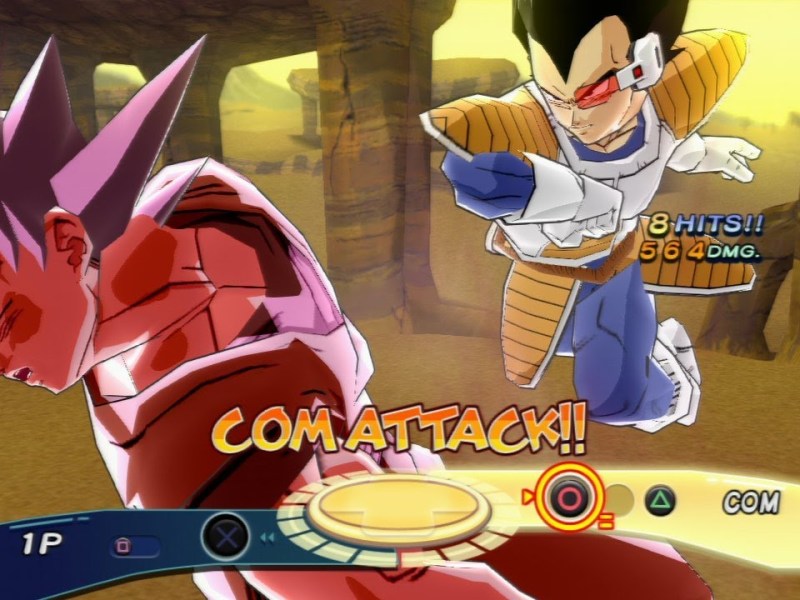
Dragon Ball Z – Budokai HD Collection
Oh, you thought we were done with DBZ?! Oh no, I have some more Dragon Ball related material to share with you and even though we’re done with the movies, I thought now was as good a time as any to talk about some video games. If you’re a usual reader, you may recall I…
Keep reading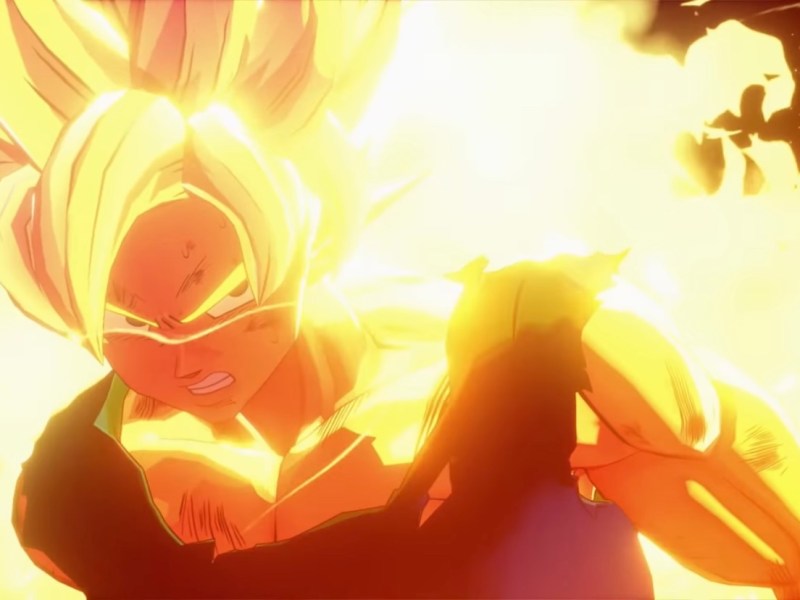
Dragon Ball Z: Kakarot
I need a break from action figure reviews so why not turn to the world of video games? I don’t get to play many these days, but I did splurge on a PlayStation 5 not that long ago and was looking for something to play. And ideally, that something would be budget friendly. The good…
Keep reading I guess this is a great time for me to dust off some of my less common pieces of video game paraphernalia. Yesterday I talked about