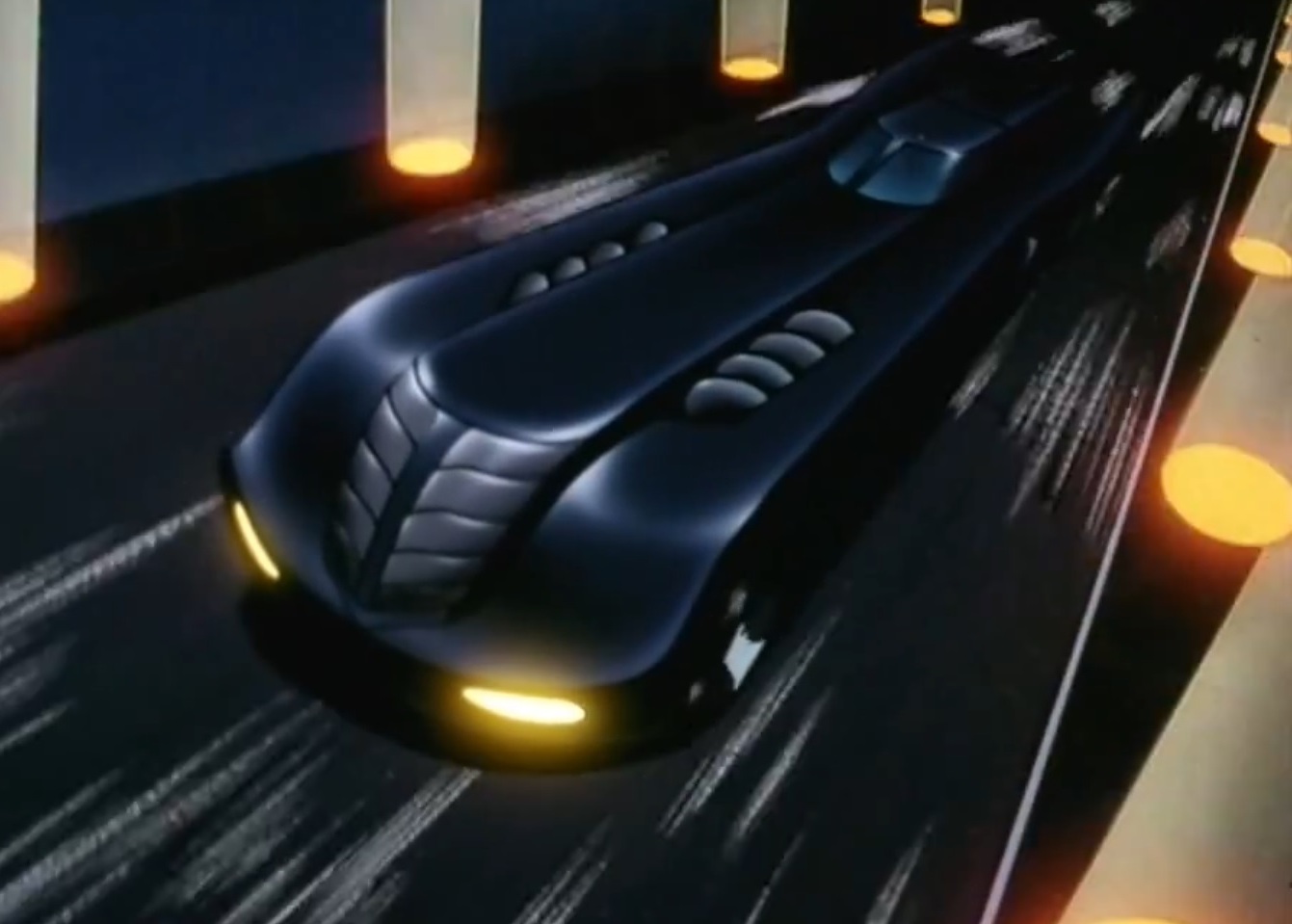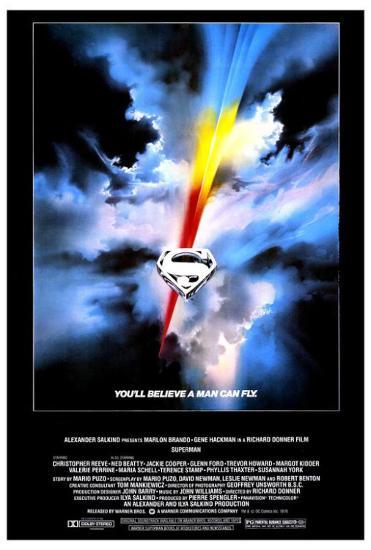
It might be hard to convince younger people today that superhero movies were once huge financial risks for production companies. It might further surprise them to learn that only one comic book company seemed to figure the whole thing out, and it wasn’t Marvel. While Marvel struggled to get Hollywood interested in its characters, Detective Comics did not. That’s because DC held what were easily the two most identifiable superheroes in existence: Superman and Batman. Both had successful runs in theaters as serials or theatrical animation. Both also made the jump to television and in the 1970s the most recent to find success on both the small and big screen was Batman by way of the Adam West starring show and film. That Batman, created in the 60s, was the definition of camp. It was pretty delightful, but come the 70s audiences seemed to want something else. The comics pivoted back more towards a serious tone, though it would take Hollywood awhile to do the same. In the 70s though, one hero was available to take comics to new heights on the big screen and his name was Superman.
I don’t think it’s a great stretch to say Superman is the most recognizable superhero in the world. He’s the first thing that comes to mind for me when I hear the term “superhero” and he can do all of the things I think of when I hear the term “super.” He can fly, he’s incredibly strong, invulnerable, absurdly fast, and to top it all off he can do other things like shoot lasers from his eyes and has super…blowing…power. There’s no way to phrase that without sounding awkward. Throughout the years, Superman also has been known to possess what is basically a super constitution as he fights for truth, justice, and the American way all without ever telling a lie (except for those that protect his secret identity). He’s so pure a character, that it’s hard not to take a cynical approach sometimes when interacting with him. And depending on the current temperature of society, it can make the timing difficult. Maybe that’s why Superman has mostly spun his tires in the world of modern cinema, but apparently 1978 was the perfect moment for him to hit the big screen because the film, Superman, was a massive hit.
Directed by Richard Donner, Superman is a film that had a long development cycle. There were numerous script rewrites and it took a long time to develop the proper techniques to convince an audience that what they’re seeing was plausible. Making a man fly is almost ho-hum in this modern world full of computer-generated imagery, but in the 70s it had yet to be perfected. On a technical level, Superman was extremely ambitious, but apparently that wasn’t enough. The visionaries behind it, Alexander and Ilya Salkind, together with producer Pierre Spengler, decided it wasn’t enough to make one movie and settled on filming two at the same time. It was a laborious process that was always behind schedule and over budget leading to constant conflict between Donner and the Salkinds eventually leading to the director’s firing before the sequel could be completed.
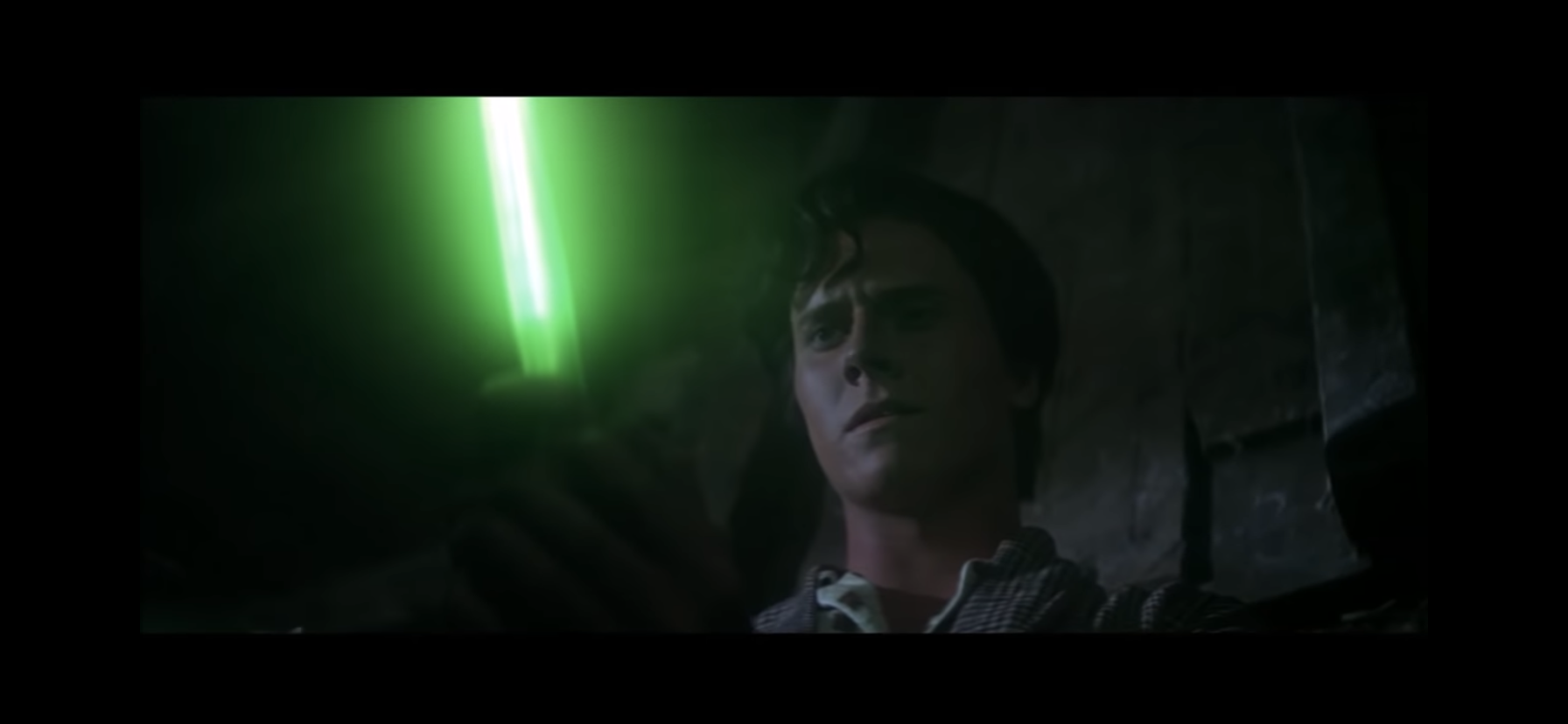
The film also assembled a pretty large cast of actors, some of which were heavy hitters and others were virtual unknowns. Christopher Reeve was cast in the lead role of adult Clark Kent and Superman after a lengthy search. Looking over the list of actors offered or asked to audition is pretty entertaining as Donner and the producers tried to find someone who could both act and look good in spandex. To give the film star power, the Salkinds brought in Marlon Brando to play Superman’s father, Jor-El, and paid him a princely sum to do so. Fellow Oscar winner Gene Hackman was cast as antagonist Lex Luthor while Margot Kidder played Lois Lane.
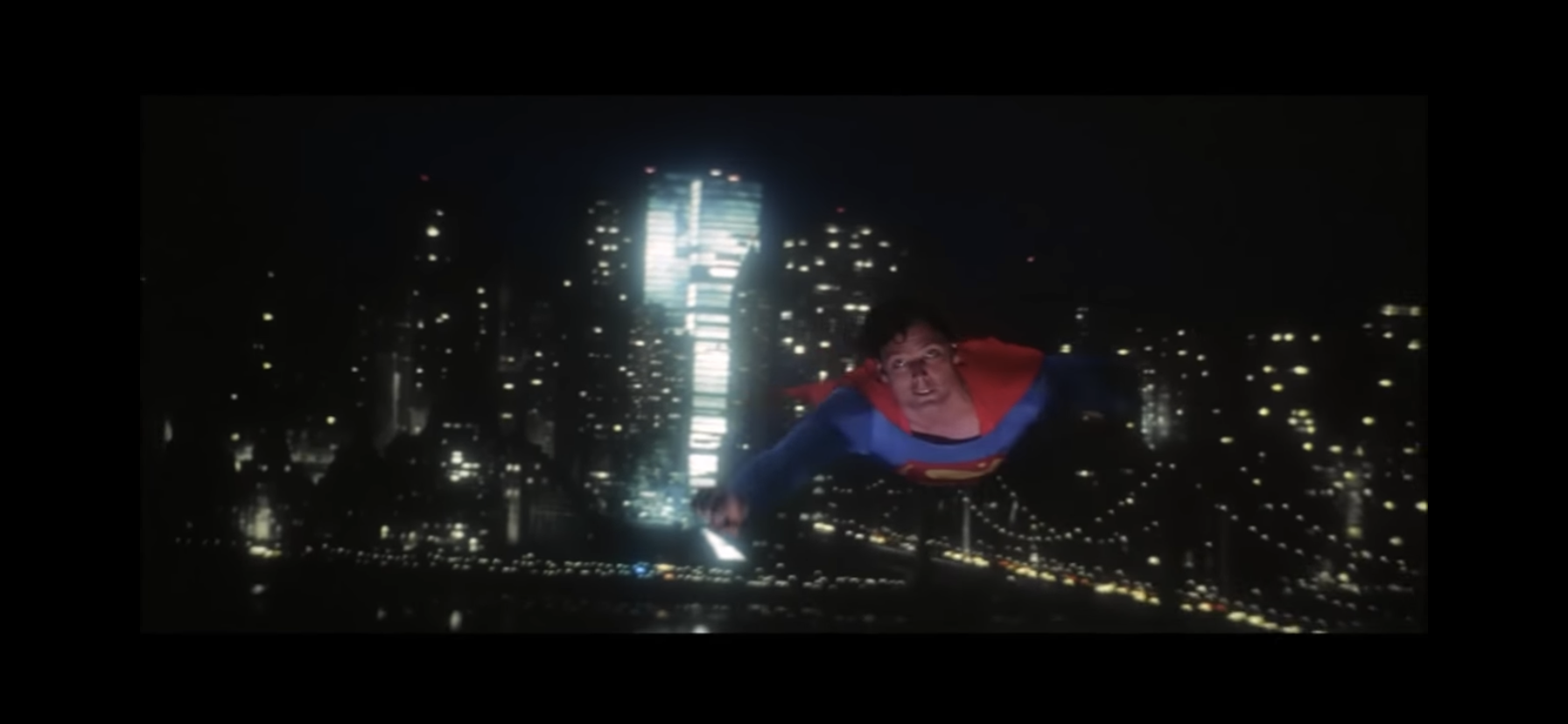
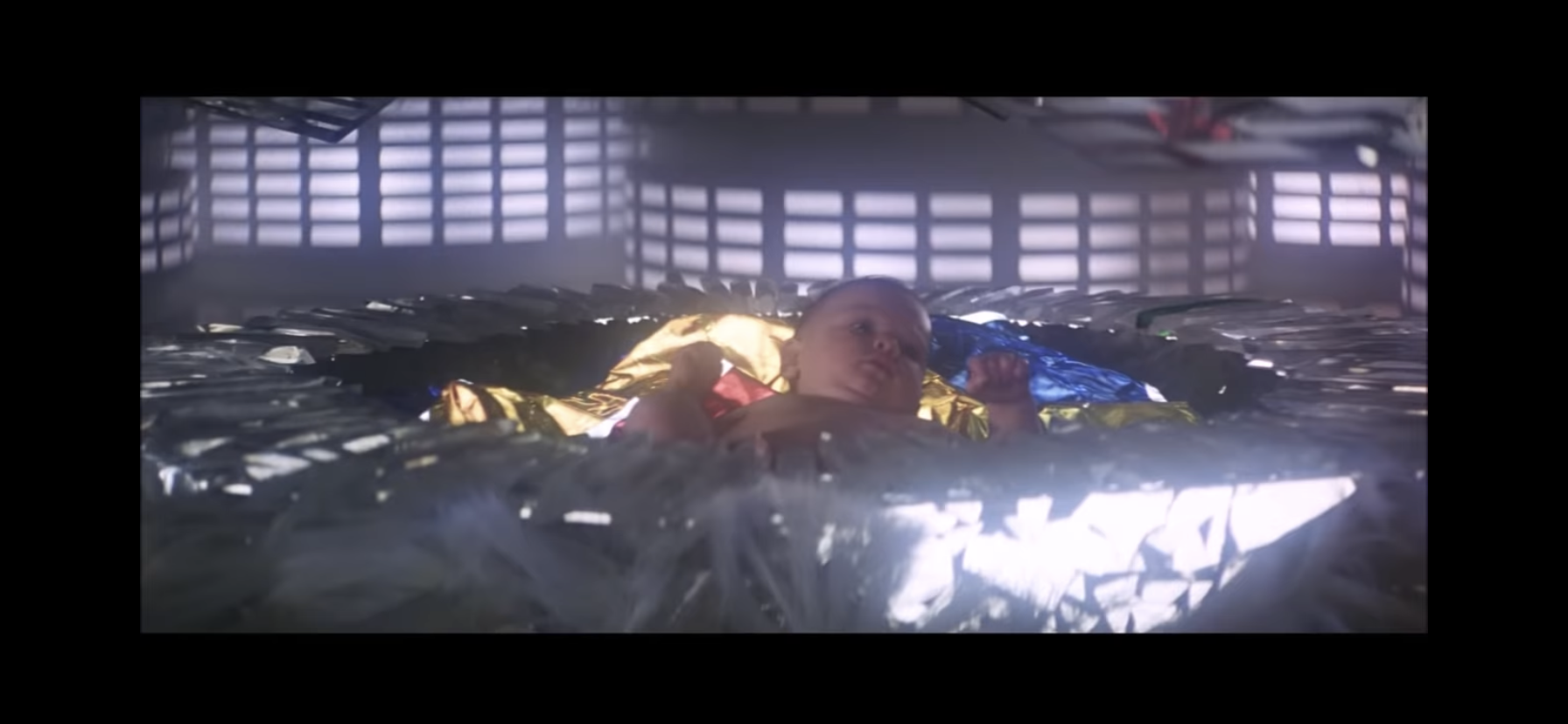
Superman as a film is designed to introduce the audience to the character as if it were the first time. This necessitates a rather laborious beginning where we see the events that lead to planet Krypton’s demise while Brando chews up screen time looking rather disinterested the whole time. Following that, the setting shifts to Earth where we need to see John and Martha Kent (Glenn Ford and Phyllis Thaxter) happen upon the young boy who spent years traveling to their planet in an odd-shaped pod. The film is forced to fast-forward to Clark’s teenaged years (where he’s awkwardly played by Jeff East with Reeve dubbed over) before we can finally get to Clark’s adult years when he officially dawns the cape and blue tights. It’s a long process to get to our hero, and it’s awkwardly paced. Donner clearly had some bullet points he wanted to hit, but the speed at which he hits them reduces their impact. When Clark’s adoptive father suffers a heart attack at the farm, we’ve only just met him and it’s hard for the actors to get the audience to feel the dread and fear of the moment the way their characters do.
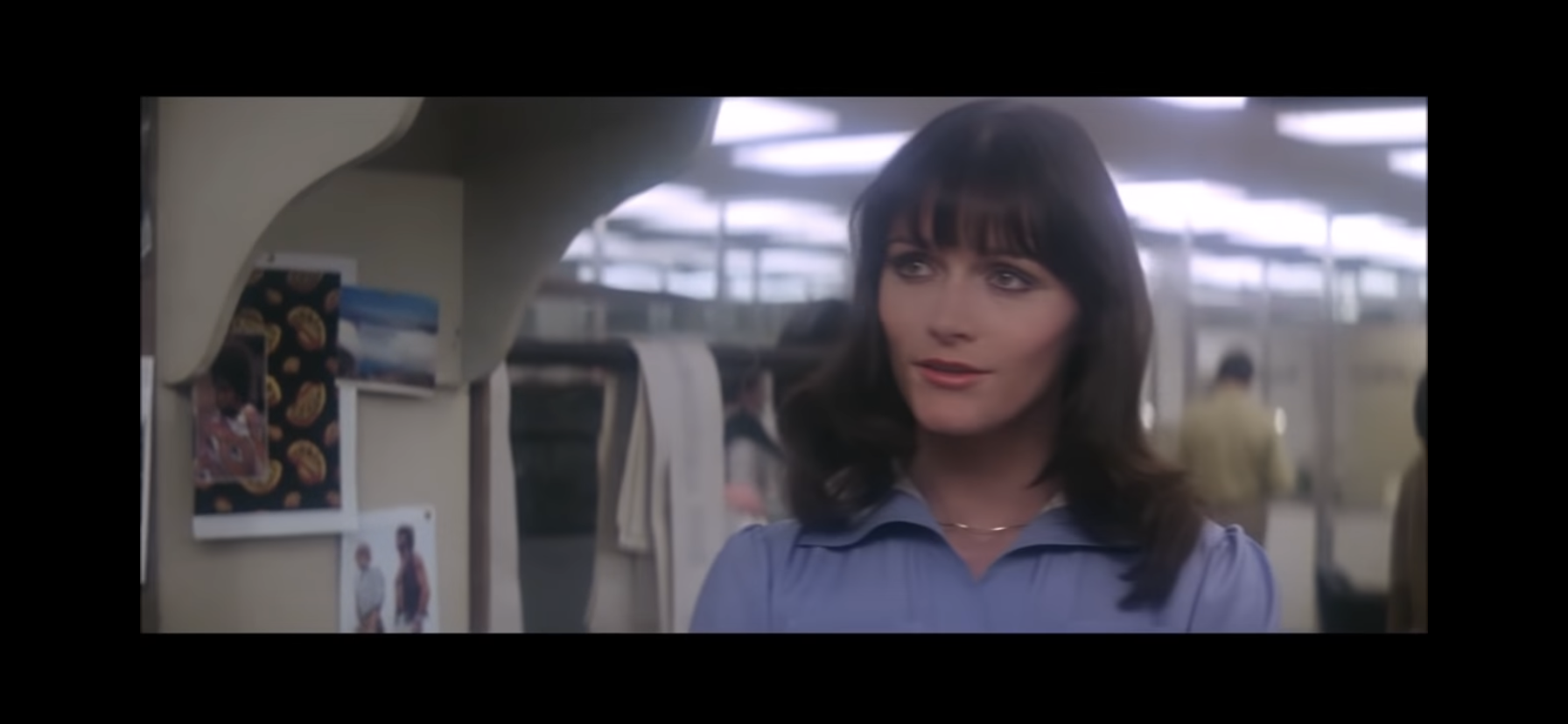
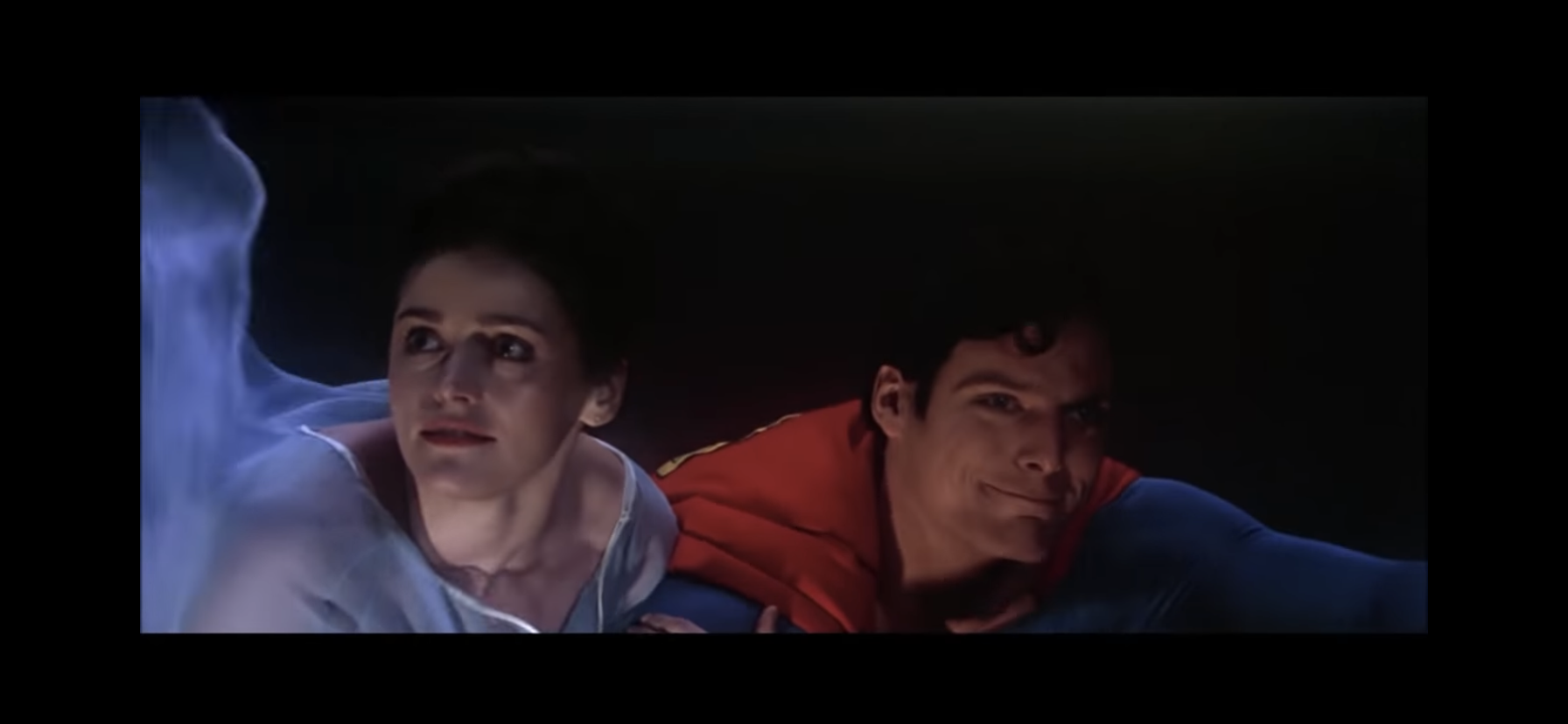
At least when we finally get to Metropolis and the main meat of the film, it starts to soar. Kidder’s Lois Lane, who embodies a manic, hyper, persona as a go-go-reporter livens the film up and she plays off of Reeve’s bumbling Kent very well. Their first scenes together are movie magic and I wish we could spend more time with them, but the film is well over an hour at this point and needs to bring in its hero. Superman and Lane’s scenes together are far less interesting. There’s a romantic angle imbued into them that’s forced, and made painfully obvious during the infamous flying sequence where Lane recites a poem in her mind via voice over directed at her new super beau.
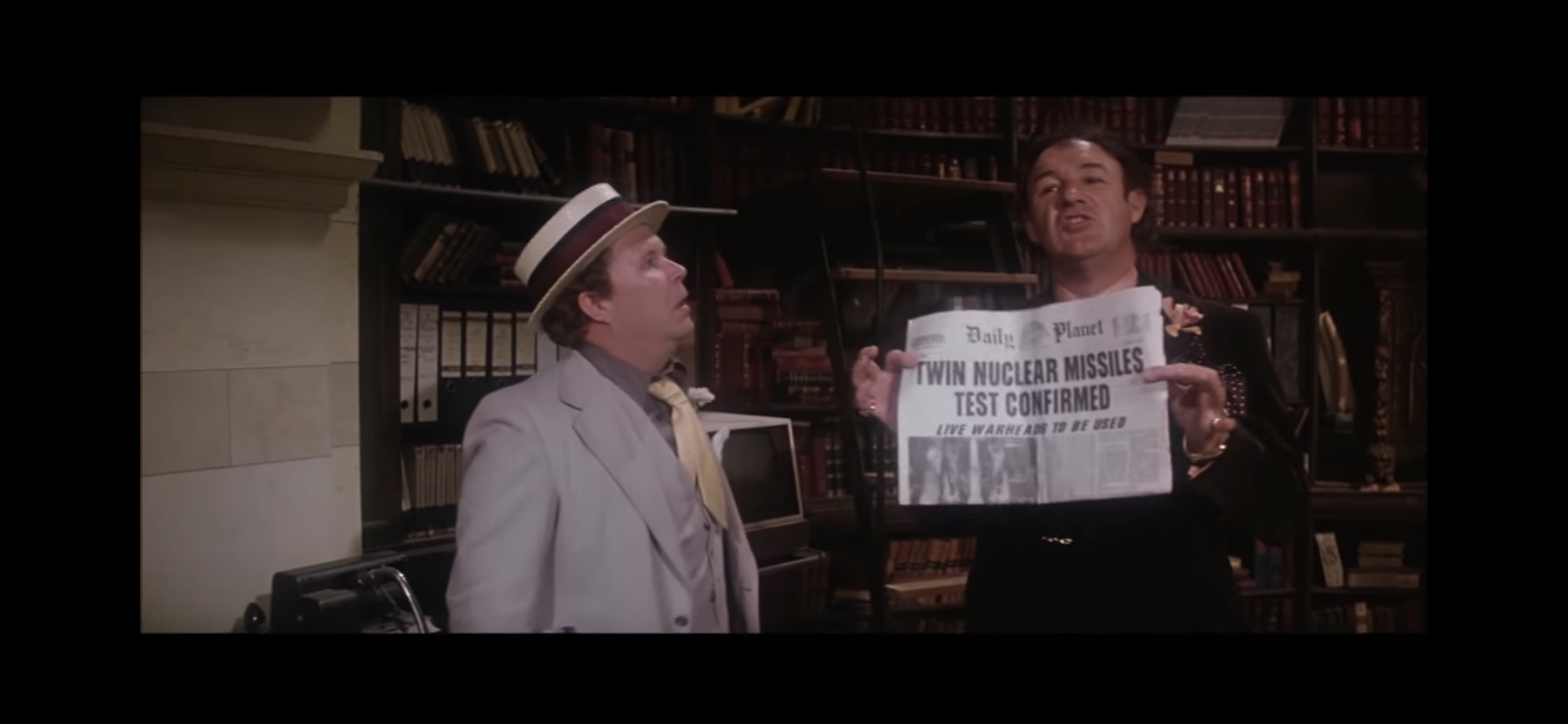
It’s also at this point the film’s main antagonist, Lex Luthor, is introduced. Hackman is charismatic in the role and he plays off of his bumbling sidekick Otis (Ned Beatty) and the dashing Eve Teschmacher (Valerie Perrine) in an entertaining fashion, but he doesn’t get enough time to convince us of his evil genius. The film just basically gives him kryptonite, and his scheme to create some expensive real estate for himself comes together quite rapidly. He’s at least wise enough, and I give the film credit for this, to know that Superman will be his enemy and that he needs to have a plan in place to deal with him before Superman is even aware of his existence. And his plan, at least as it pertains to Superman, is a good one. His overall plan though comes across as a bit camp, which is something this movie sort of struggles with. For much of the picture it plays things pretty straight, only slipping in a corny little line from the comics here and there, but Luthor’s plan feels like full camp to me. Some of Superman’s scenes are similar and it’s hard to know how the movie wants them to be interpreted. I think in most cases they’re playing it straight, but years of Superman parodies have left me damaged.
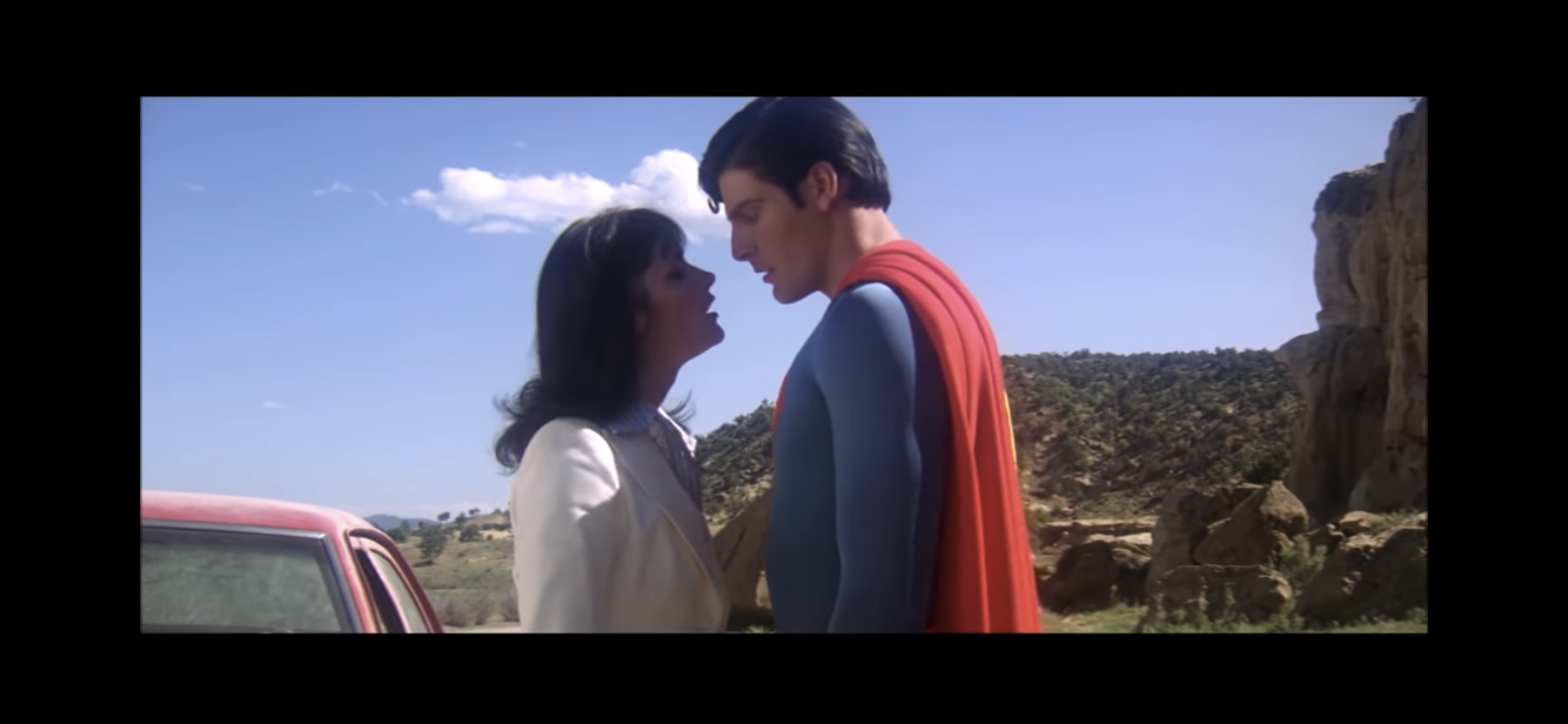
I don’t want to spoil the ending of the film, even though it’s over 40 years old at this point, but it is a problem with the film. The only aspect of the ending that I like is it asks Superman to make a decision that is essentially the character choosing to take the advice of his adoptive father over that of his biological one. Brando’s Jor-El hangs over the film as he’s able to pass on knowledge to his son via some crystals he packed in his space pod. The two even appear to have actual conversations which is rather confusing and feels like an unnecessary cheat. It’s hard not to make a biblical connection here as well as Jor-El gifts his only son to humanity for he sees potential in mankind and that child is Superman. The only thing missing is a resurrection angle. At any rate, the ending is setup early via a quote from Jor-El to his son, but it still feels kind of cheap and like a deus ex machina.

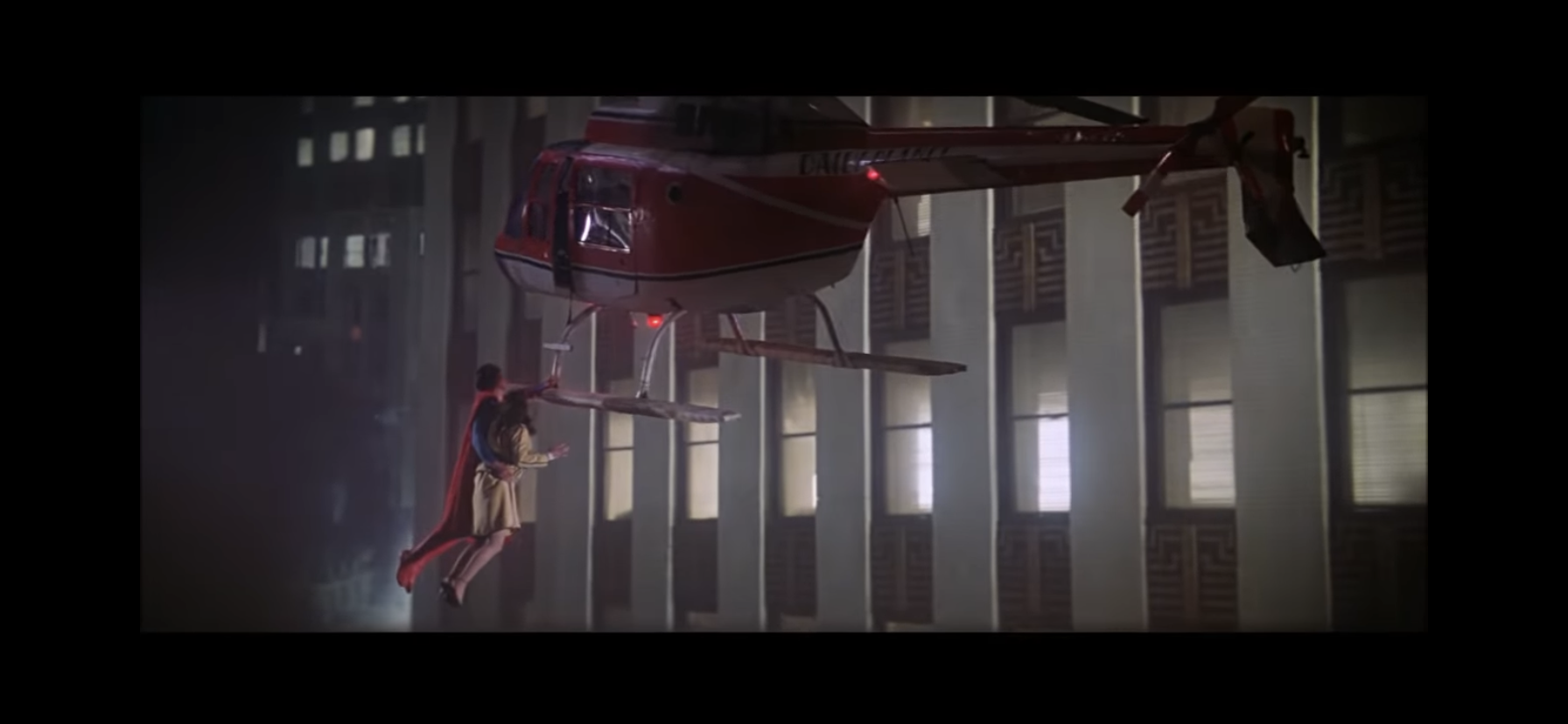
When Superman soars though, it’s pretty damn fun. The special effects have obviously aged quite a bit since 1978. You know you’re looking at an old movie when you watch it, but it’s not so aged that it takes the viewer out of the fantasy. The flying stuff looks fine, the only aspects of the effects that really stand out are the miniatures used for much of the climax. In fairness to them, no one ever envisioned these scenes being viewed in HD when they were shot and I suspect that’s a major part of the problem. Possibly the best part of the film occurs when Superman outs himself and is just soaring around Metropolis knocking off conventional crooks. There’s also a more extravagant scene where he saves Air Force One from a crash landing. It probably didn’t need the added drama of having the airplane be Air Force One, but it’s a great scene. It was so good that nearly 30 years later Superman Returns went back to that well to reintroduce the audience to Superman. The only issue with the film is it takes so long to get to that point, and it’s a relatively small portion of the film, but the moments are at least captivating enough to enrapture even the youngest viewer.
A part of the film that has not aged at all is the score. Composed by the renowned John Williams, Superman has what I consider a perfect score. There has never been a character or franchise more perfectly suited for its theme than Superman and the Williams composition. It’s triumphant, wonderous, and jubilant. Is it controversial to say this is the best main theme John Williams has come up with? I love the main theme from Star Wars, and Jaws is an all-timer, but Superman takes it to another level. I have to assume Williams had the old Superman theme, from the Fleischer cartoons, in the back of his head so a hat tip to those classics should be granted.
I had not seen Superman since I was a kid before re-watching it for this film. It was my choice for family movie night, and in that role is probably miscast. It was tough sledding for a five and a four-year-old to sit through for two and a half hours, even with an intermission. Thankfully, I didn’t go with the three hour cut. Yes, this film has multiple cuts at this point, but the original theatrical cut is probably still the best. The scenes Donner added back in years ago aren’t memorable and just increase the film’s already generous running time. The film also suffers for being shot with its sequel. There’s a sense one gets when viewing this that a lot is being intentionally held back to introduce in the sequel. It just feels like a setup for Superman II, a far more confident and direct film that many prefer to the original. It’s also a film I have not seen in decades so I’m not certain it’s the superior film, but I’m fairly certain it is.
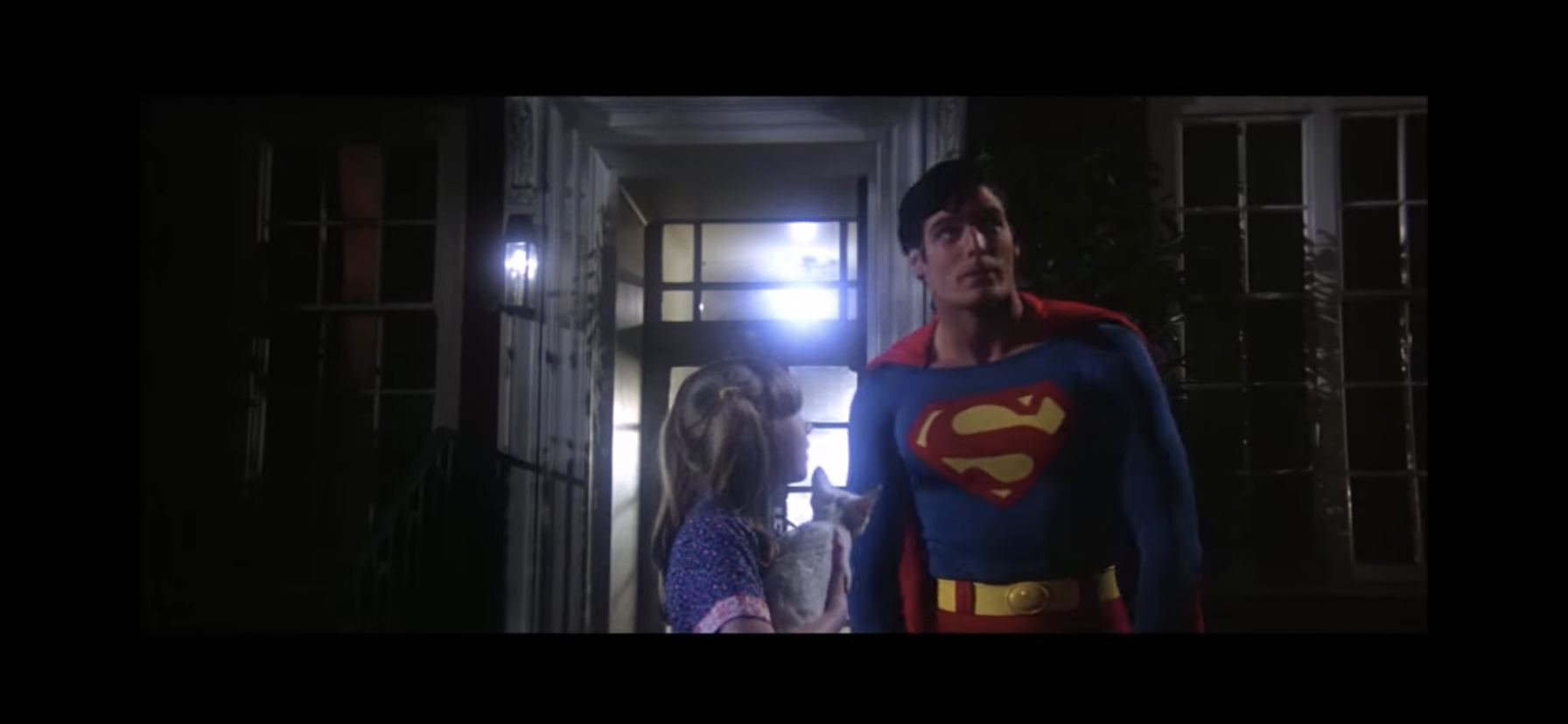
Superman is still a worthwhile watch in 2021 and it’s better than any of the films starring the hero to come since the year 2000. Superman is a pretty simple character with a simple premise, but modern filmmakers struggle with him when they become fearful of how powerful he is or fail to see the character’s appeal. To make a moody, timid, Superman is to totally miss what’s appealing about him. He’s the ultimate hero who is nearly infallible. He doesn’t have to be perfect, but he’s a character that is always striving to be perfect. And even though I was probably more let down by this re-watch than I was rewarded, whenever that familiar John Williams score kicked up and the character came into view, I was a kid again and I was completely enthralled in what was playing before my eyes.