
 When the PlayStation Classic was announced a few months ago it was only revealed what 5 of the included 20 games were going to be. It was odd, but considering most places pre-sold out I suppose it didn’t matter. When Nintendo had success with the NES Classic Edition, it meant we were in for more of these devices. Myself and many others tried to predict what would be included on a potential SNES Classic and most people probably came pretty close to nailing the final line-up. Nintendo is heavy with first-party titles and its brand is forever connected with the likes of Mario and Link. With Sony, that first-party recognition isn’t there. During the height of the original PlayStation, Crash Bandicoot was positioned as the company’s mascot, but he wasn’t even owned by Sony. His games were just published by Sony, but the character would eventually come to be owned by Activision. Still, it seemed inconceivable that Sony would pass over Crash, and yet they did! He will not be appearing on the PlayStation Classic as Sony has finally unveiled the remaining 15. I knew predicting the line-up would be more difficult than doing so with the SNES Classic, but apparently I didn’t realize just how hard it would be as I went a putrid 1 for 15 with my predictions.
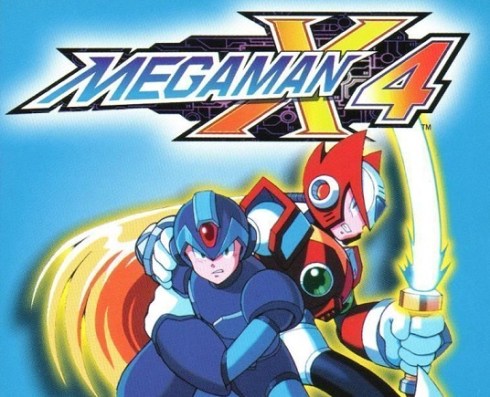
I suppose if I wanted to give myself bonus points I could dampen that showing by saying I at least hit on two additional franchises. And two of my requested titles (Intelligent Qube and Super Puzzle Fighter II Turbo) actually made it, even though I thought it would be a long shot to see them included. There’s no hiding from it though, I whiffed big time and I’ll own that. The actual line-up has likely surprised many and it has some nice surprises and some not-so-nice surprises. It’s a weird line-up, and since the PSX era did have some weird games I suppose that’s appropriate. There are three puzzle games among the 20, no 2D fighters, and only one title each from Konami, and Square-Enix. That means no Mega Man, Lara Croft, or Alucard. Were publishers not willing to “play ball” with Sony and its machine? Or was Sony just not willing to pay more for bigger titles? The Japanese version does have some different titles, including Parasite Eve and SaGa Frontier, but the Japanese market is a lot smaller than the North American one so maybe Sony is trying to maximize profits outside of Japan and is less concerned about the home country.
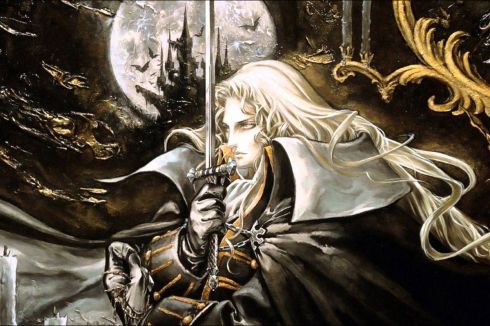
There are a lot of contenders for biggest snub, but Alucard might be the biggest.
This is not an optimal line-up of games, but does that make it bad? Lets suss it out and rank these titles starting with the least appetizing:
20. Battle Arena Toshinden – A decent looking launch title, it was quickly overwhelmed by Namco’s Tekken franchise. Most people forget about this franchise, and with good reason. It’s not a good game, and it’s odd to use this one instead of the better sequel, but even that game isn’t great.
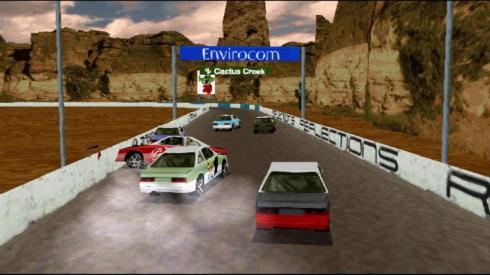
Excited to revisit this one?
19. Destruction Derby – This game was a one-trick pony when it was released in the launch window of the PlayStation. It was cool to see cars explode and get smashed-up and it was sort-of perversely fun inflicting damage on other vehicles, but it was all empty calories. No one should be playing this game in 2018.
18. Tom Clancy’s Rainbow Six – This was one of the most heavily marketed games of its era. I probably saw more commercials for Rainbow Six than I did Final Fantasy VII. It’s okay, but the PSX port was pretty abysmal. Anyone playing Rainbow Six in 1998 probably shouldn’t have been playing it on PSX. Electronic Gaming Monthly even awarded it a dubious 3.8/10.
17. Jumping Flash! – We knew this one was included, and I even argued it had a place given it was a launch title and was just so very “of the era.” That doesn’t mean it’s particularly good and by today’s standards it’s quite ugly. Unlike the games listed before it though, it has a certain curiosity factor going for it that will make it worth a look when the PS Classic drops, but it might not be a game you actually stick with.
16. Cool Boarders 2 – If you like snowboarding and “extreme” sports games, then you’ll probably have this one ranked higher. It’s all right, but most people will probably wonder why it’s here and not Tony Hawk’s Pro Skater (it’s the licensing, folks).

I probably logged over 100 hours with this game, but I’ve never wanted to replay it after Twisted Metal 2 came out.
15. Twisted Metal – I loved this franchise on PlayStation, well the first two games at least. The first one though has not aged well at all, and even in the moment, I knew I was playing a junky game, but it had a certain fun factor. The sequel though is way better and actually still playable. I considered it the most obvious lock for the mini console even ahead of Metal Gear Solid so the fact that this game is included but the sequel is not blows my mind.
14. Oddworld: Abe’s Odyssey – I said the PS Classic has three puzzle games, but you could make the case Oddworld is more of a puzzle game than a true platformer. This game was hyped a bunch as being a game that gave the player numerous ways to solve a problem, but it didn’t really play out that way. It was interesting, but hardly great. It’s graphical approach should hold up well enough though.
13. Wild Arms – One of the previously announced titles, I gave my speech on it already. It’s serviceable, and its simple JRPG mechanics mean it will always remain playable. It’s just a bit crazy to think that this machine has only three RPGs when the PSX was an RPG behemoth, and Wild Arms is one of the three.
12. Grand Theft Auto – GTA was a surprise hit for the PC when it was released, and it was somewhat surprising to see it get a PSX port. It was also the first title I was denied an ability to purchase at a GameStop. Like modern GTA titles, it was arguably at its best when it was just played like a sand box causing mayhem. Unlike modern GTA titles, the actual missions and story isn’t that rewarding and the game was really difficult. It was at least a little easier to handle on the PSX than with a keyboard. It should still be fun to screw around with, but might not have much legs with the PS Classic.
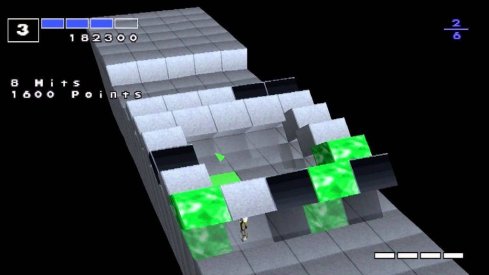
The inclusion of Intelligent Qube is a bit of a surprise. Is it a system-seller? Probably not, but it’s worth a look if you end up getting a PS Classic.
11. Intelligent Qube – This was a surprise inclusion, but a worthwhile one. It’s an interesting puzzle game that’s at least not another brick-falling puzzler. I don’t know how well it’s held up because it’s been many years, but it should be playable and may be a dark horse contender for many folks’ most played title on the Classic.
10. Resident Evil (Director’s Cut) – There’s no denying this title was huge for the PSX, and the Director’s Cut version was superior to the original. It is possibly the worst in the franchise on the PSX though and its controls are not something I look forward to returning to. It took many hours to get a handle on them in 1996 and I’m not sure I still have such skills. Maybe it’s like riding a bike?
9. Syphon Filter – This was basically Sony’s attempt at a first party MGS or Rainbow Six. It was fine for what it was, though I’d prefer a dual shock to play it. It’s going to look ugly, and even Gabe Logan’s running animation looked horrendous in ’99. It might surprise though, and the only reason why I didn’t include it in my prediction was because I didn’t think Sony would release it without dual shock support.
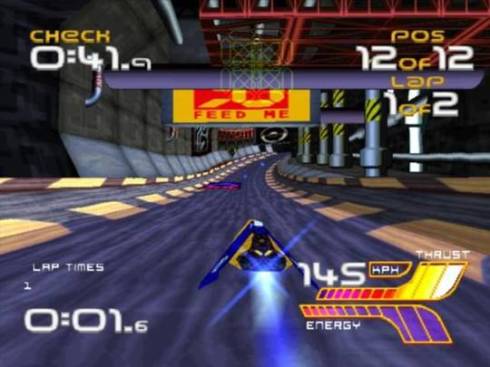
8. Ridge Racer Type 4 – A totally competent racer, but let’s face it, this isn’t the racing game you want. Gran Turismo was the first-party behemoth, but I’m guessing licensing issues made it impossible to include. WipeOut was an alternative racer, but one I’d consider more fun than Ridge Racer. I would have taken Crash Team Racing over this one, honestly, and I’m not sure if I’d even play this more than once on the PS Classic. The racing genre is one that basically improves a lot with better technology, so going back isn’t always fun unless it’s more of an off-beat title. I suspect this still plays well enough though, which is why I’m ranking it this high.
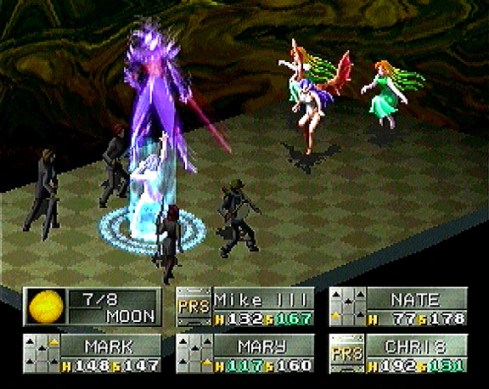
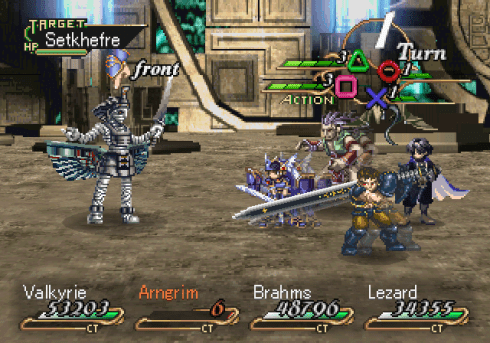
I’m happy to see the original Persona included in this collection, but it’s also not a hard to find game so I wish something like Valkyrie Profile was included instead.
7. Revelations: Persona – The first game in what is now known simply as the Persona series is the biggest surprise inclusion on the PS Classic. This was not a popular game when it was released, and Persona still has more of a cult franchise vibe than a mainstream one. The first game is not as good as more recent entries with the series really blossoming with Persona 3. It is still playable though, and it’s more strategy-oriented battle system differentiates it from Wild Arms and FFVII. This one is a nice surprise and unlike the original Final Fantasy on the NES Classic, fans who are only familiar with the newer entries might actually enjoy playing the first in the series as opposed to just checking it out for the sake of curiosity.
6. Mr. Driller – The nice thing about puzzle games is that they age well. Mr. Driller is another surprise inclusion. It was well-received in its day, but not really a system mover or anything. It’s fun and charming though and if you like puzzle games with a slight Tetris vibe then you’ll get some mileage out of this one.
5. Rayman – Rayman was all over the place in the mid-90s. He was so omnipresent that I kind of wrote him off for this system as I never associated him with PlayStation. His game is pretty good though, and its 2D approach should hold up just fine. I never loved Rayman, but I never hated his games either.
4. Metal Gear Solid – I’m not crazy about this list of games, if you haven’t noticed, but I do think it’s pretty top-heavy. The last four are mostly interchangeable, and I wouldn’t be surprised if Metal Gear Solid tops many lists such as this one. My reasoning for placing it 4th is because I think we’re missing out on some of the bells and whistles with this version by not having the dual shock support and a memory card full of Konami games. I also think the game hasn’t aged too well and recent entries in the series really helped to smooth out the gameplay experience. It’s still a fantastic game, it’s just not as fantastic as it could be on the PS Classic.
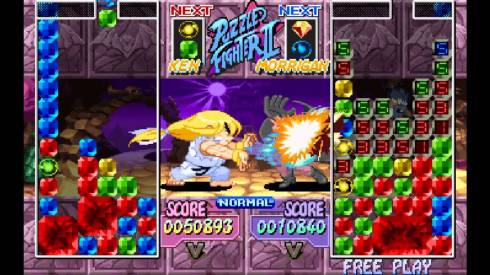
This is a great choice for inclusion. I have nothing bad to say about Puzzle Fighter.
3. Super Puzzle Fighter II Turbo – This is probably my favorite puzzle game. It’s incredibly addicting and the rare puzzler that might be more fun in two-player mode than single-player. It’s got a lot of charm and personality and its sprites should hold up very well. I’m a bit surprised at its inclusion, especially given the omissions of traditional Capcom fighters, but also delighted.
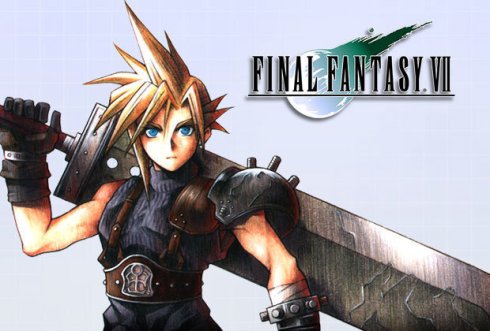
2. Final Fantasy VII – We’ve all probably played it. And even though there’s been backlash towards this title over the years because it’s the most recognizable from the long-running series, that doesn’t mean it’s still not in the conversation for best Final Fantasy game. It’s readily available on other platforms so its inclusion isn’t sexy, but it’s also necessary. If you’ve got about 40 hours, you should give this one some time.

The visuals may not wow you like they did in 98, but Tekken 3 is still a blast to play.
1. Tekken 3 – And the best game of the PS Classic is Tekken 3. A late era title, it actually holds up quite well in the visuals department and the game is simply one of the best 3D fighters ever made. It has a huge roster of characters, some fun additional modes and characters, and there should be something for everyone in terms of fighting styles. If you don’t like 3D fighters then maybe this won’t win you over, but I spent many hours with this one and I’d actually be excited to run through it again and try to unlock all of the additional characters and modes. Well, maybe not Tekken Force Mode.
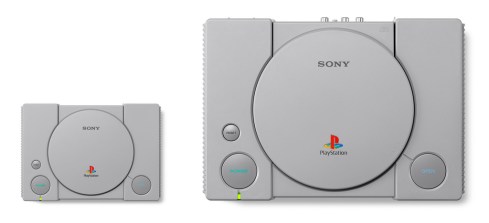
So that’s it; the PlayStation Classic and its 20 games. Are you going to get one? Did you already pre-order one and are reconsidering that decision? I’m over-all not impressed with these 20 games, the majority of which I don’t need to revisit. Even some of the games that I think are fine I still don’t want to really play in 2018. Why play Twisted Metal when you can easily play Twisted Metal Black? Why play Rayman over the easily acquired (and cheap) Rayman Legends? I wasn’t that excited over this console to begin with, as the nostalgia factor just isn’t quite there for me with the PSX era. If the list had turned out to be something closer to what I predicted I might have been tempted. With this list, though? I’m looking at spending 100 bucks to play Persona, Intelligent Qube, and Mr. Driller as the other games I really enjoy I still own for PlayStation and can play them right now if I want. I have a first-gen PS3 hooked up to my TV right now so nothing is stopping me from popping in Tekken 3 if I wish to play it. I’m not everyone though, so for those who loved the PSX and maybe sold all of their old games I can at least see some appeal, but I still feel like this roster is one big missed opportunity.



 If you’re into video games then you have probably heard by now about the NES Classic, the plug and play gaming device that resembles a mini Nintendo Entertainment System. You’ve also probably heard about how Nintendo shipped a minuscule amount of the units for the system’s launch date and now it’s impossible to find at retail. It’s a cute product that’s going to be popular due to the nostalgia factor and low price ($60), but if properly stocked it’s probably not flying off the shelves in mass quantities like the current shortage would indicate. It’s a particularly great device for those who do not still own, or never owned, an actual NES and want to get a retro gaming fix. The NES Classic comes pre-loaded with 30 games and each one has four save state slots making hard to beat classics like Zelda II that much more manageable.
 30. Ice Climber (Nintendo 1985) – Most probably know Ice Climber as that weird double-character controlled by a single player in the Super Smash Bros. series. Older folks remember it as an NES launch title that the unlucky ones received instead of one of the better games. Ice Climber represents the early, primitive NES games that were little more than better looking Atari 2600 games. Some of these games were worthwhile because they first existed in the arcade and were just now getting home versions on par with those arcade originals. Ice Climber is not one of those games though, but it costs Nintendo nothing to include it here. As a title for the NES Classic, the only thing it has going for it is that it features 2-player simultaneous play.
 29. Balloon Fight (Nintendo 1986) – Another early Nintendo game, this one first appeared in arcades before making it home. It’s slightly more interesting than Ice Climber, but isn’t a game you will have much interest in returning to over and over. It’s been re-released a ton over the years, and including it here is just overkill.
 28. Mario Bros. (Nintendo 1983) – Super Mario Bros. is the game most synonymous with the NES, the original Mario Bros. is not. If you had a copy of Super Mario Bros. 3 (and you probably did) then you experienced all you needed to from this game. It was never a popular NES title and Nintendo is basically only including it because it has Mario in the title.
 27. Donkey Kong Jr. (Nintendo 1982) – Donkey Kong Jr is another arcade classic (I’m using that term liberally here) that was never really all that popular on the NES, but Nintendo obviously felt the old arcade games needed (significant) representation on the NES Classic. Donkey Kong Jr. is most notable for putting Mario in the role of villain as the player takes control of Kid Kong and tries to save his old man, I mean, ape. It’s fine, but lack replay value outside of just shooting for a high score isn’t much of a home console experience.
 26. Galaga (Namco 1981) – a slightly younger generation maybe familiar with Galaga not as an arcade classic, but as a popular loading screen diversion of Playstation era Namco games. Galaga is another arcade great that never had much of a life on the NES. Tastes had moved on, and Galaga really doesn’t need to be included in a set of great NES games.
 25. Pac-Man (Namco 1980) – Pac-Man was Mario before Mario. Unlike a lot of the other games on this list so far, there actually was some appetite for an arcade perfect version of Pac-Man on the NES. It’s a game almost everyone is familiar with, but still not really one that people are clamoring to play.
 24. Donkey Kong (Nintendo 1981) – Donkey Kong, like Pac-Man, is another game that consumers did have some appetite for when the NES made it to retail. And since DK is one of Nintendo’s most popular characters, it’s not surprising that he’s included. Still, there’s a lot of arcade games on this set, too many if you ask me.
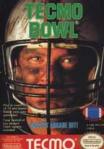 23. Tecmo Bowl (Tecmo 1987) – More known for how game-breaking Bo Jackson was, Tecmo Bowl was the first great football game of its kind. It’s pretty dated at this point, but is a top 50 NES title, and for diehard sports fans, probably a top 30 one too.
 22. Final Fantasy (Square 1987) – Few franchises are as synonymous with gaming as Final Fantasy. The first title is also known as the game that saved Square, now Square-Enix, hence why it was called Final Fantasy since there was a very real chance it was the publisher’s final title. It was a Dragon Quest clone that did a few interesting things on its own, but played today it’s quite clear that Father Time has not taken a liking to it. Only the truly dedicated NES Classic owners will see this title to the end.
 21. Dr. Mario (Nintendo 1990) – One of the first examples of Nintendo realizing it could just slap Mario on anything and boost sales, Dr. Mario is a Tetris clone that does enough to separate itself from its predecessor, but not enough to better it.
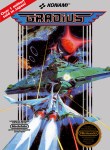 19. Gradius (Konami, 1985) – Gradius is a classic on-rails shooter by Konami known for its difficulty. The on-rails shooter genre has actually aged really well, because there isn’t really much better technology can do for it aside from make it look better. So from that standpoint, it holds up.
 18.
18.  17. Double Dragon II (Acclaim 1989) – The arcade beat-em-up most synonymous with the NES. It was a good debate over which was superior, Double Dragon II or TMNT II, but both were fun games, particularly for two-players. Double Dragon II is also miles ahead of the original so good call by Nintendo for being able to recognize that including it over the original was the right move.
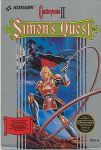 16. Castlevania II: Simon’s Quest (Konami 1987) – The sequel to the smash-hit original, Castlevania II, like Zelda II, is known mostly for its big shift in gameplay. Simon Belmont still handles the same way, but the RPG mechanics make for a vastly different experience. Some people loved it, some people hated it, everyone was frustrated by it’s cryptic puzzles. That last part isn’t really an issue today thanks to the wonderful invention known as the internet, making this game actually more playable now than it was in 1987.
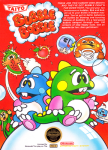 15. Bubble Bobble (Taito 1986) – A simple, but challenging, two-player experience is how I remember Bubble Bobble. It strangely holds up really well, and its timeless gameplay plus two-player simultaneous play makes for a worthy selection.
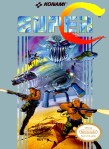 14. Super C (Konami 1988) – Also known as Super Contra, it’s the sequel to Contra and features the same basic run n’ gun gameplay. For whatever reason, no one seems to remember this game even though the first Contra was mega popular. As an aside, it’s pretty amazing how many Konami games made this release.
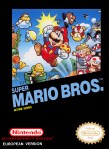 13. Super Mario Bros (Nintendo 1985) – Obviously, this one was going to be included because it’s probably the most important game that Nintendo ever released, and it could be considered the most important and famous game of all time.
 12. Ghosts ‘N Goblins (Capcom 1986) – Finally, a Capcom game! It surprised me how many Konami games made this release vs Capcom as I always viewed the two as equal during the NES days. Ghosts ‘N Goblins was a hard, but fun, game and gamers will really appreciate the save states on the NES Classic when they tackle this one. It’s another run n’ gun styled game, a genre that has held up really well.
 11. Castlevania (Konami 1986) – A no doubt classic. I don’t think I really need to say much about this one, right? It’s hard, but fair (mostly), and it’s style of play is still rewarding today. None of the NES sequels really did enough to warrant consideration over it either (and Nintendo included Castlevania II anyways) making this selection completely warranted.
 10. Metroid (Nintendo 1986) – It’s a good thing games were so expensive in the 80s, otherwise how would anyone have gotten anything done in ’86 and ’87 with so many killer releases on the NES? Metroid is a bit of a tough one to rank as it hasn’t aged too well, but the game’s mood is still so captivatingly barren and lonesome that I find it charming even today. Obviously, future games in the series were able to vastly improve upon the original formula, but since none of them were NES games it makes Metroid’s inclusion a no-(mother)brainer.
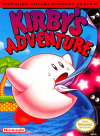 9. Kirby’s Adventure (Nintendo 1993) – Kirby is a character who peaked early. Kirby’s Adventure, only his second outing, is probably second only to his outing on the SNES among all of the Kirby games. Kirby’s Adventure is a great inclusion here because not only is it a fun and unique platformer, but it was also a late release for the NES when a lot of gamers had moved onto the Genesis and SNES. The NES Classic gives those gamers who missed it the first time a second chance to experience it.
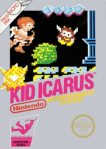 8. Kid Icarus (Nintendo 1986) – Poor Pit has been mistreated for years by Nintendo, but at least he gets to be among the 3o games on the NES Classic. His original outing was a difficult platforming/RPG hybrid that may be more appreciated today than it was in 1986. The controls aren’t the best, but they work, and the save state feature gives this one new life. Since it is so often cited as a forgotten Nintendo classic it has probably ceased to be one, but many gamers will probably still get their first taste of Kid Icarus with this set.
 7. Punch-Out!! (Nintendo 1990) – Obviously, this is the version featuring Mr. Dream and not Mike Tyson. It’s the same game though, and while one could argue that this one has been re-released too much, it’s harder still to argue it’s not one of the most fun games released for the NES. It’s timing based gameplay also means it’s held up well in the age department. It’s challenge has always been fair and rewarding, though people will still probably abuse save states to beat it.
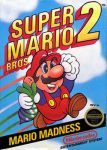 6. Super Mario Bros. 2 (Nintendo 1988) – Ever notice how no one, and I mean no one, ever acknowledges the box art’s Mario Madness subtitle? What was that even supposed to mean? Anyways, you probably know all about Super Mario Bros. 2’s odd path to release, so I won’t bore you here. It’s a great game, even if it’s very different from its predecessor, and Nintendo wasn’t going to exclude it from this release.
 5. StarTropics (Nintendo 1990) – StarTropics is an often overlooked game from the NES era that feels like the spiritual sequel to Zelda, since Zelda II felt so different. It improves on the original Legend of Zelda in some ways, and it’s use of contemporary items as weapons definitely feels a lot like Earthbound. It’s a really good game, and one you probably haven’t played, so go ahead and play this one first. You have my permission. Just be warned that you will need to consult the internet to make it through one particular part.
 4. Ninja Gaiden (Tecmo 1990) – Few characters on the NES are as fun to control as Ryu Hayabusa. It’s just too bad the world around our badass ninja Ryu makes him feel not so badass since everything can kill him. Ninja Gaiden is a brutal game, but it still manages to be a fun one. Some of the stuff it does seems unfair, but it always manages to bring gamers back after some rage-induced quiting. Just remember, the chord on that NES Classic controller is really short before you throw it.
 3. Mega Man 2 (Capcom 1988) – Naturally, you can’t have a collection of thirty of the best NES games ever created and not include Mega Man. And if Nintendo was limiting itself to just one Mega Man, then Mega Man 2 is probably the best option. Yeah, future games introduced elements like the slide and Rush, but Mega Man 2 is iconic for its boss selection, music, and stage setup. It’s considered the best in the franchise by many still to this day. The only real argument is why did Nintendo include one Mega Man game but two Castlevania titles? The easy answer is that Simon’s Quest is pretty different from its predecessor, while all of the Mega Man games are very similar. It still feels odd, though.
 2.
2.  1.Super Mario Bros. 3 (Nintendo 1990) – Super Mario Bros. 3 is among the greatest games ever made, and it’s the best game on the NES, so obviously it was going to be included. There’s no argument against it, other than maybe that everyone has already played it before. The only negative thing I can even say about it is that Mario has brown sideburns but a black mustache on the box art, which makes no sense. Then again, Nintendo really hasn’t mined the Mario back catalogue like it has some other games so it really doesn’t feel exploited. I may have suggested playing StarTropics first, but come on, you’ll play this one first. Just about everyone will.
 The Nostalgia Spot