Tag Archives: handheld gaming

Batman: Arkham Origins Blackgate

When Batman: Arkham Asylum was released in 2009 it ushered in a new era for the caped crusader where video games were concerned. Prior to that, Batman had not had a good video game in a long, long, time. Depending on your opinion of his efforts, you may have gone all the way back to The New Adventures of Batman and Robin for the Super Nintendo, or even further back to the Sunsoft classic Batman for the Nintendo Entertainment System. His outings on the PlayStation and Nintendo 64 weren’t particularly memorable and he all but skipped on the PlayStation 2 era. The low point may have been the cancellation of the The Dark Knight video game tie-in as it felt like DC throwing up their hands and saying, “We can’t make this work with Batman.”

Rocksteady Studios was up to the challenge and Arkham Asylum proved so good that Sony basically ripped it off for its successful Spider-Man video games. Rocksteady was able to craft a simple, but relatively malleable, combat system for Batman that had some challenge, but mostly succeeded in making the player feel like they were playing as Batman. Random thugs weren’t going to get the better of Batman unless they were in mass quantities and heavily armed. The one-button attack system made handling Batman a breeze and the stealth elements added on top of that complemented the action well. If there was one critique, it was that the environment was a little closed off so for the sequel Rocksteady gave Batman run of the city. Arkham City was more of a sandbox game, but mostly played the same. Boss encounters also had more variety and many still view it as the pinnacle of Batman video games.
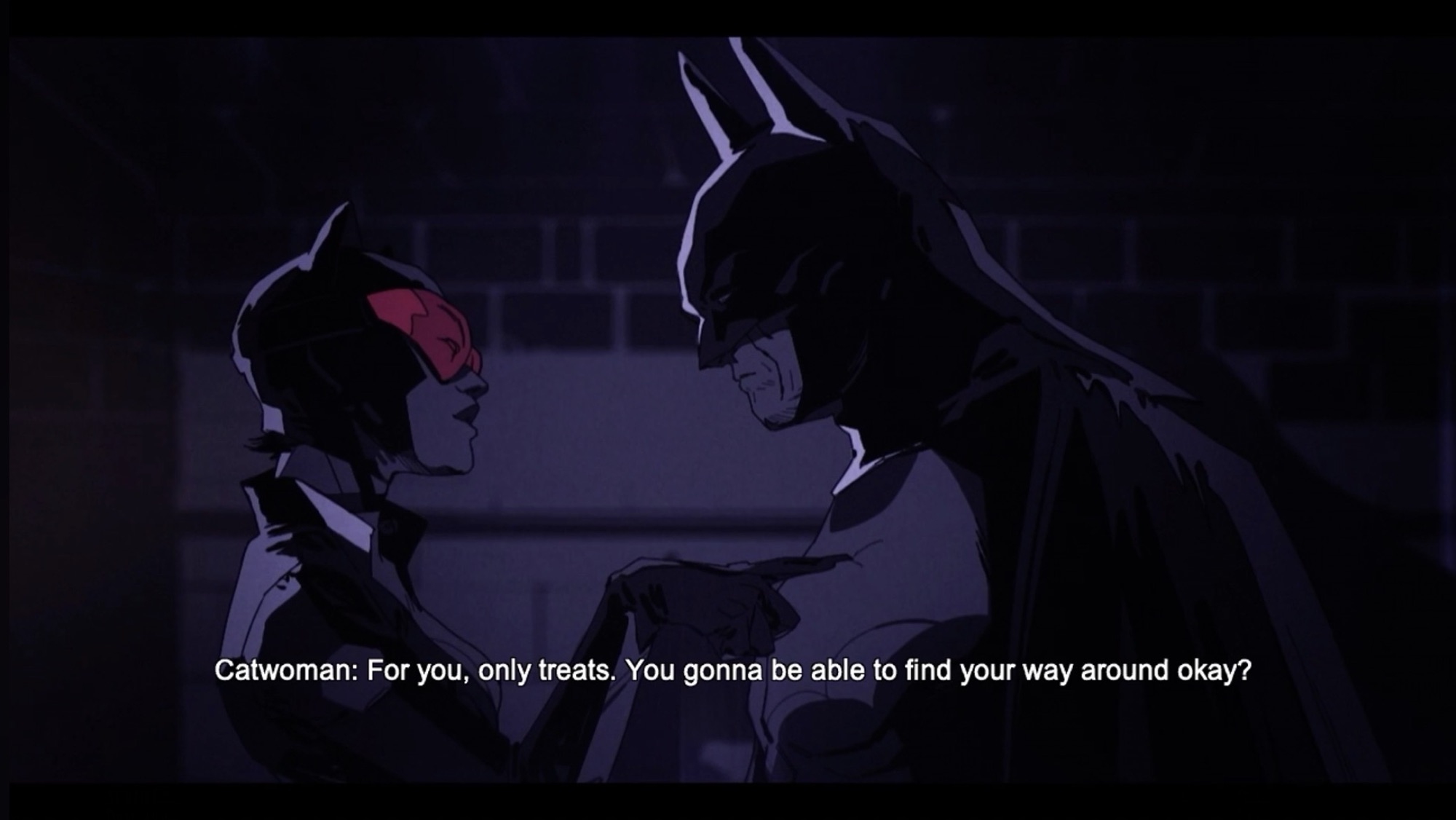
In this one, Batman has to work with Catwoman to quell a prison riot.

For the sequel, Rocksteady bowed out. Enter WB Games Montreal which crafted Arkham Origins for release in 2013. The game was mostly well received, but not as enthusiastically as its predecessor. WB Games Montreal did receive praise for largely carrying forward the game mechanics fans had grown accustomed to and the franchise continued to roll along. Developed alsongside that release, was Arkham Origins Blackgate. Blackgate was the handheld version of the game released on the PlayStation Vita and Nintendo 3DS. Development on Blackgate was entrusted to Armature Studio which had cut its teeth previously on the Metal Gear Solid HD Collection also released on the Vita. Blackgate would be the studio’s first original game and it too was released in 2013.

When Blackgate came out I was instantly intrigued. As an owner of the PlayStation Vita and the 3DS, a portable take on the Arkham series of games held some appeal. Blackgate also wasn’t a direct port of any of the console games. It was its own thing and is technically a sequel to Arkham Origins as far as plot goes. Batman (Roger Craig Smith) encounters Catwoman (Grey DeLisle) at the start of the game which serves as the tutorial mission. Shortly after, there’s a prisoner revolt in Blackgate prison and Batman heads in to investigate. Three of the biggest crime bosses in Gotham: Joker (Troy Baker), Black Mask (Brian Bloom), and the Penguin (Nolan North), have taken over and each rule over a segment of the prison. Catwoman is also there, but willing to aid Batman in helping to free the hostages the criminals have taken and ultimately save the day. Batman will have to explore Blackgate in a non-linear fashion acquiring various gadgets to help him progress through the prison.

This is how you will be viewing Batman most of the time – from the side.

I did not play Blackgate in 2013, but always wanted to. Recently, I had a chance to rectify that and I was intrigued by what I found. I know I read reviews in 2013 for the game and ultimately passed, but what I had read I had mostly forgot. What I did know going in was that Blackgate was a 2.5D action game. The environment and character models are all rendered in 3D, but gameplay is largely restricted to a 2D plane. There are some moments in the game where Batman can move into the foreground or background, but they are few and far between. Other times the environment will curve or swing into either the foreground or background, but having Batman just walk in a straight line will cause him to just follow the path. It’s also what the cool people on the internet refer to as a Metroidvania. That’s a non-linear action title that plays in a style similar to Metroid and the nonlinear entries in the Castlevania series.

Utilizing stealth and Batman’s Detective Mode is crucial to surviving Blackgate.

Despite the perspective change, Blackgate plays a lot like its big brother on the home consoles. The systems are largely still intact. When it comes to combat, the player is encouraged to chain attacks together with just the press of one attack button. There’s a separate parry button with onscreen indicators for when to use it as well as the ability to perform a cape stun maneuver. Successful attacks continue the chain as do successful paries. Early in the game, enemies will likely be a cakewalk, but tougher ones are introduced later that either have weapons or a means of defending themselves. For criminals armed with firearms, Batman can’t take them head-on. For those enemies you’re expected to play it sneaky either via alcoves high up or by utilizing passages in the ground. Batman can perform stealth takedowns when in the proper position and they are preferable to running in Leroy Jenkins style.
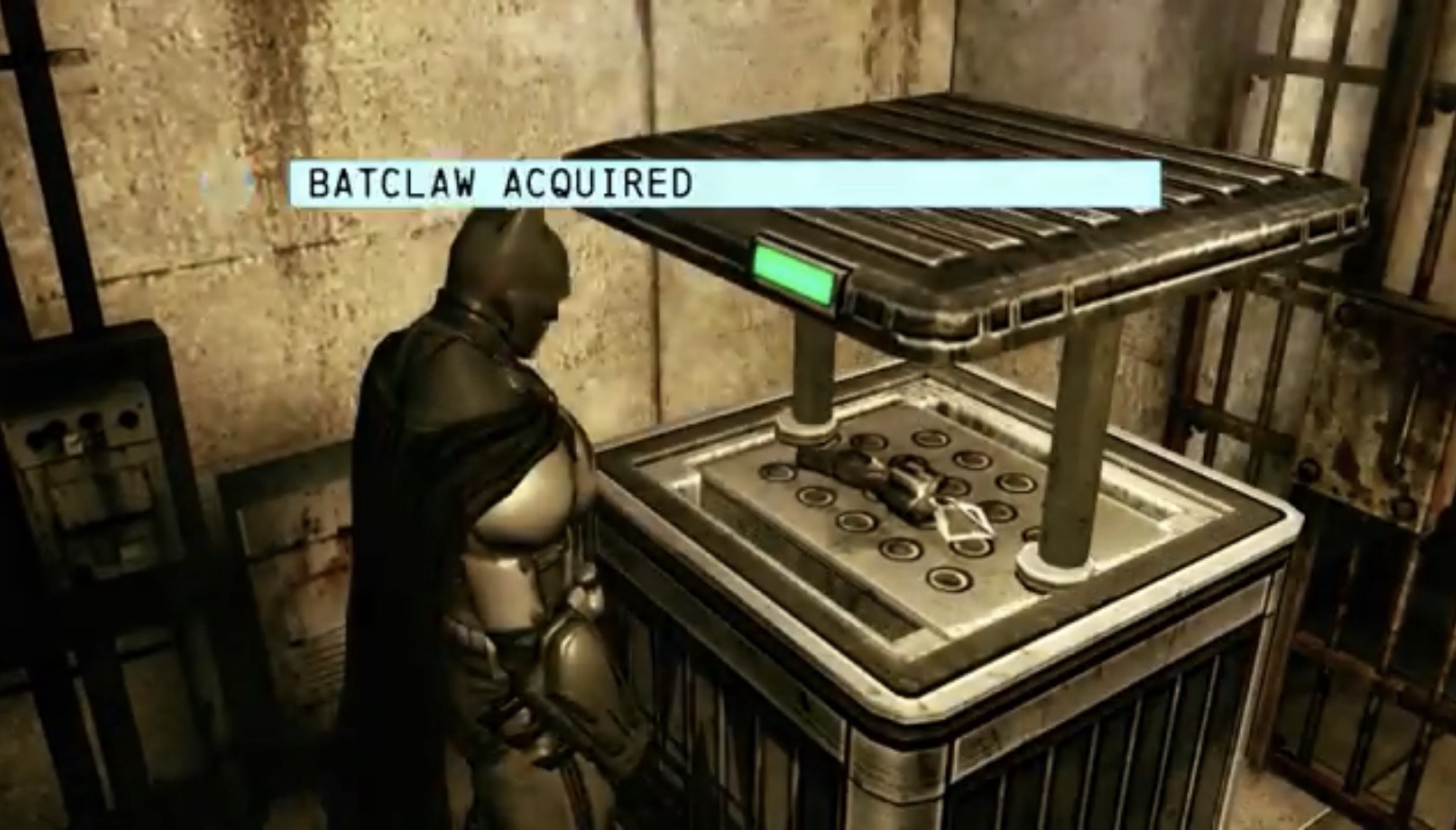
Why does he always need to re-find his equipment every game?

As Batman makes his way through Blackgate, he will encounter gates that prevent him from progressing deeper. In order to progress he will have to either upgrade his hacking device or uncover a new tool. At the start of the game, he is only armed with a Batarang and grapnel gun, but along the way he’ll acquire the Bat Claw, the line launcher, and an explosives gel gun. The claw allows Batman to pull down things like vent covers while the line launcher lets him cover long gaps and even opens up the background and foreground elements to a degree. The explosive gel can only be used on specific spots to blow holes in the environment. At any point Batman can also enter Detective Mode as he can in the other games which can reveal weak points in walls and other secrets and help Batman progress. The three boss characters can be encountered in any order and as such it means there aren’t any items tied to any of them. Most just require you to use Batman’s base abilities in a certain way to clear the encounter. Also hidden throughout Blackgate are weapon and armor upgrades, new costumes, and collectibles that just add a little extra length to the game. One playthrough takes about 7 – 8 hours and the only reason to go back is to defeat the boss characters in a different order to unlock another costume.
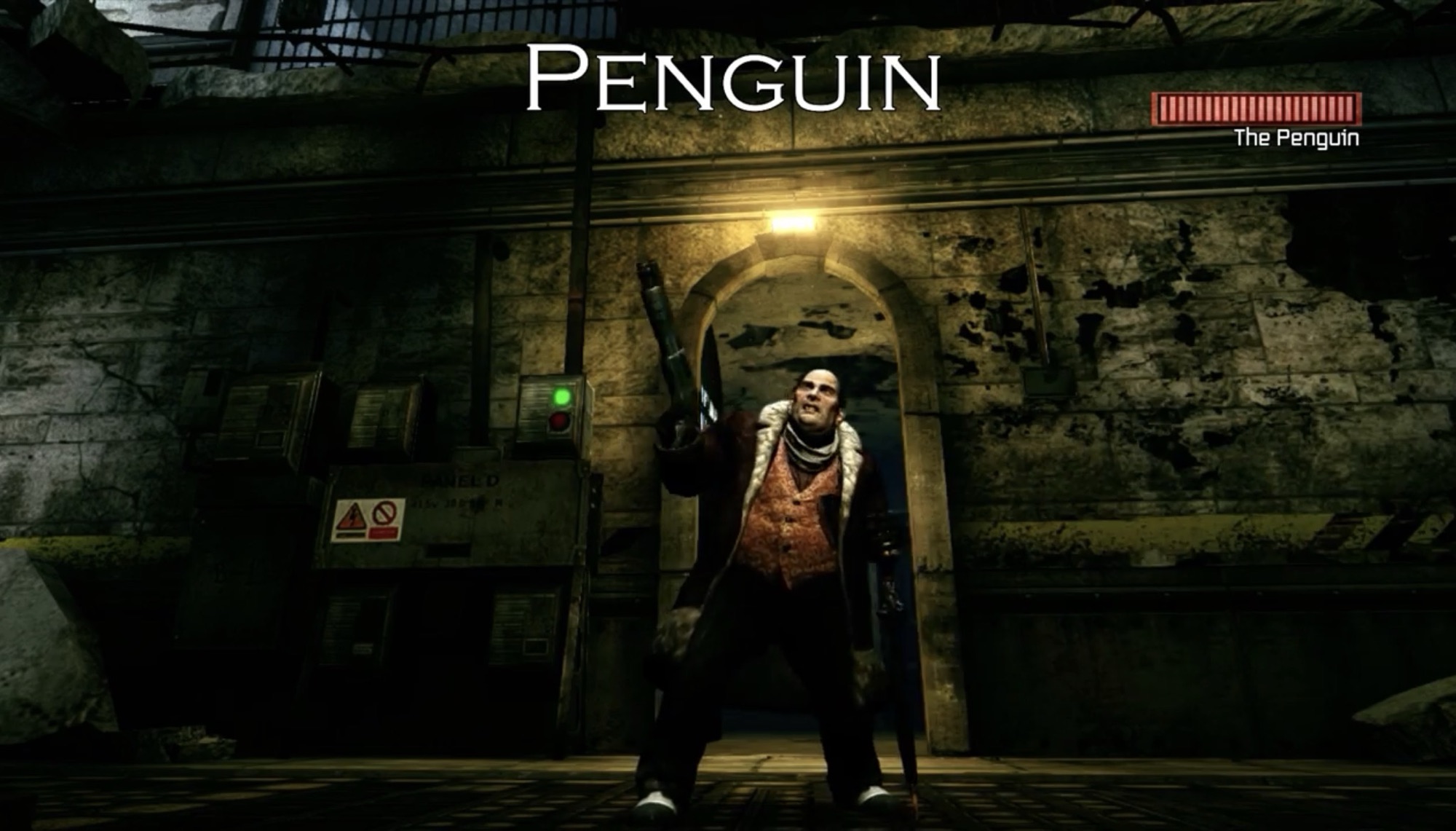
All of the boss encounters are uniquely constructed – none of that “Ride the big guy” stuff from Arkham Asylum.

Playing through Blackgate is largely an enjoyable experience, but there are some quirks that hamper things. The locked perspective takes away the ability for Batman to just point and shoot his grapple gun and can make navigation a chore at times. There is one area in particular where Batman has to deactivate a bomb with a timer on it and I could see where I needed to go, but the rules of the game wouldn’t let me just go there because it was in the background. A lot of context items are all assigned to the X button as well which can get clunky when you don’t want Batman to interact with the environment. X also makes Batman run so you can imagine how that might get in the way. Blackgate is also broken up into different maps and navigation can be a chore. The map system isn’t particularly intuitive and it’s also locked to the menu screen so you constantly have to refer back to it. Batman also can’t simply exit a section and has to work his way back to an exit which gets very tedious. There is no fast travel system. There’s not a lot of variety to the scenery, though apart from that the game generally looks and runs smooth. Story advancement is done with stylized still image cutscenes, but fully voiced which might feel like a downgrade for the handheld, but I honestly didn’t mind. Voice acting is strong while the overall sound design is fine, though a bit repetitive. Music is a little sparse, but it suits the vibe of the game.

Back in 2013, I passed on Blackgate because the reviews were just kind of ho-hum. No one seemed impressed by the game and since there was Arkham Origins available for the main console experience it probably made Blackgate seem worse by comparison. More than ten years removed from that environment, Arkham Origins Blackgate plays like a slightly different sort of game and it’s honestly pretty fun. It probably drags on a little too long as it feels like that 8 hour runtime is padded out by lots of backtracking. Repeat playthroughs would certainly go much quicker, but there’s really no reason to go back. The extra costumes are all pretty terrible and of the era. There are no classic looks for Batman which is a little disappointing, and while I like the standard costume enough, it would have been cool to go old school. The boss encounters also aren’t great. They’re not as repetitive as they were in the original Arkham Asylum, but they are underwhelming. Especially the final boss which left me thinking “That’s it?”

Batman: Arkham Origins Blackgate must have sold well enough because there are plenty of copies floating around for a decent price. The Vita experience was a good one and I don’t know if the same is true of the 3DS. The game is also available on Steam so it’s rather playable. What works best is the novelty of a portable Batman experience on par with what the console games were doing while also not trying to be an exact copy. I’d like to see another Batman adventure in a similar style, maybe one that plays a little faster and actually does more to separate itself from the console games so we’re not constantly comparing the two as we play.

For more Bat-content, check these out:

Batman: Caped Crusader

In the far off land of 2021 we received word that a new animated Batman series was in development and attached to it was none other than Bruce Timm. Timm was one of the main creative minds behind Batman: The Animated Series and the DC Animated Universe it spawned so this news was met quite…

Keep reading
Batman – The Adventures Continue #50: Batman

If you’re a repeat visitor here at The Nostalgia Spot, then you’ve probably noticed that around here there is a high opinion of the television show Batman – The Animated Series. I did a re-watch of the series that spanned more than two years and also checked out the various films based on the property.…

Keep reading

Batman Beyond – The Complete Series (Blu Ray)

Last year, when Warner Home Media announced a new Blu Ray set for the series Batman Beyond, I decided to wait. I had been an early consumer for the similar Batman: The Animated Series set the prior year and had some misgivings. The price on that set fell and a slimmed down version was even…

Keep reading
Nintendo Game & Watch – The Legend of Zelda

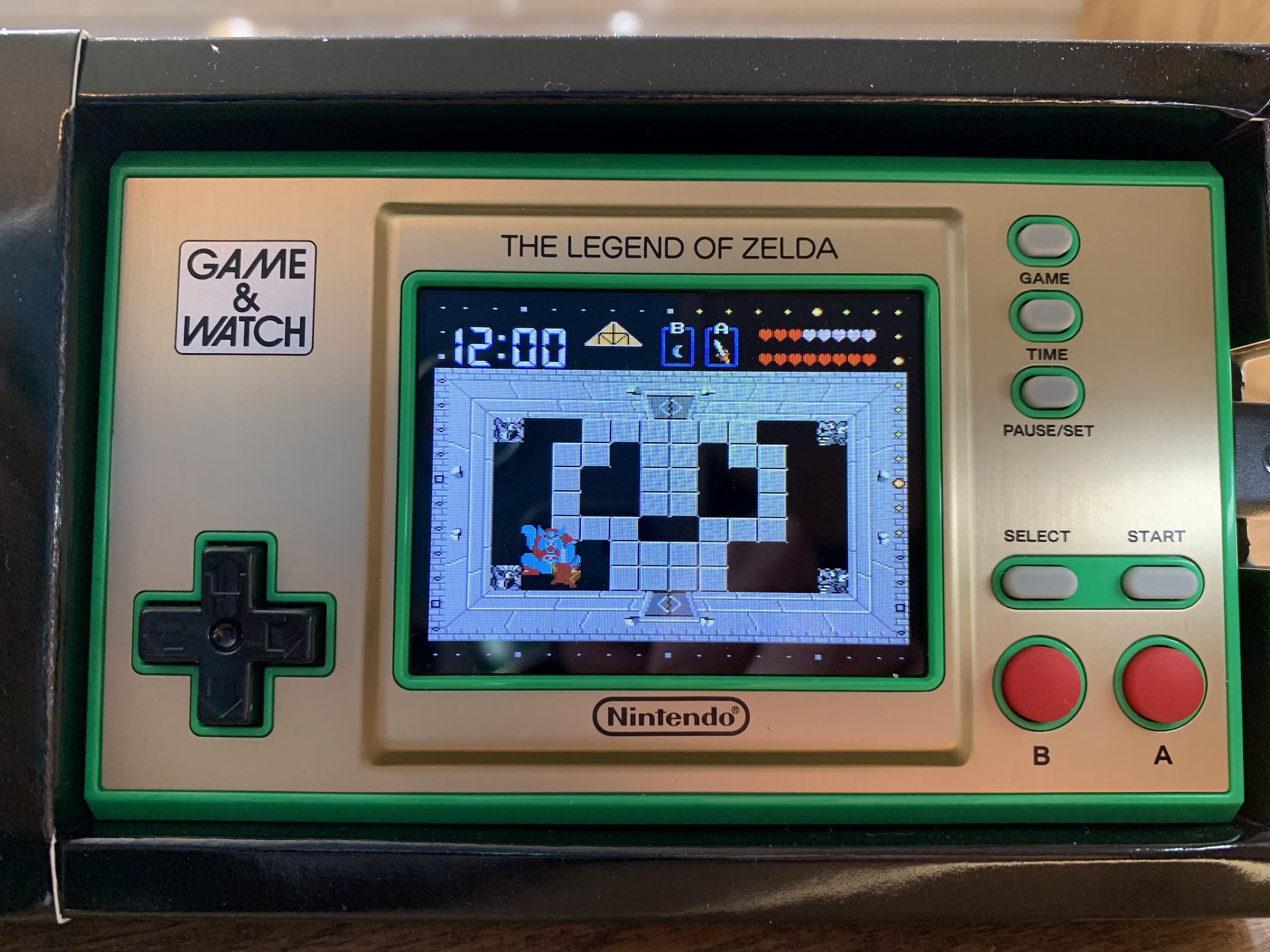
Why do I have a sudden urge to listen to The Misfits…?

Before Nintendo was a famous game developer and console manufacturer, it made toys. Some were electronic, and some were not. On the electronics side, the first video games the company released were the Game & Watch handhelds. The first of these devices looked similar to what would become the Nintendo Entertainment System’s controller. It was a horizontal layout with a directional pad on the left and a command button on the right. In the center of the device was an LCD screen capable of displaying simple games. It also had a clock on it which is where the “Watch” part of Game & Watch comes into play. Over the years, the games would grow in complexity and some even necessitated a second screen and a clamshell design which is pretty similar to what the Nintendo DS would adopt many years later. Come the early 90s, the Game Boy was already available and a hit and the Game & Watch had seemingly outlived its usefulness, but it’s a part of Nintendo’s past that the company seems to enjoy celebrating.

Last year, to celebrate the anniversary of Super Mario Bros. Nintendo released a special edition Game & Watch. Nintendo has seemingly found a market for simple, nostalgia, devices like the Classic series of console releases and the Game & Watch feels like an extension of that. The unit was priced at $50 and came bundled with the original Super Mario Bros. and Super Mario Bros. 2 (the Japanese version) while also including a classic LCD game, clock, and timer. It was a novelty device and one I wasn’t particularly interested in. I loved the original Super Mario Bros. as a kid, but once Super Mario Bros. 3 came out I effectively had no use for the original and it’s a feeling I still have today. The unit did eventually hit the clearance rack, so I wasn’t sure if anymore should be expected, but lo and behold Nintendo did have a release for 2021: The Legend of Zelda.

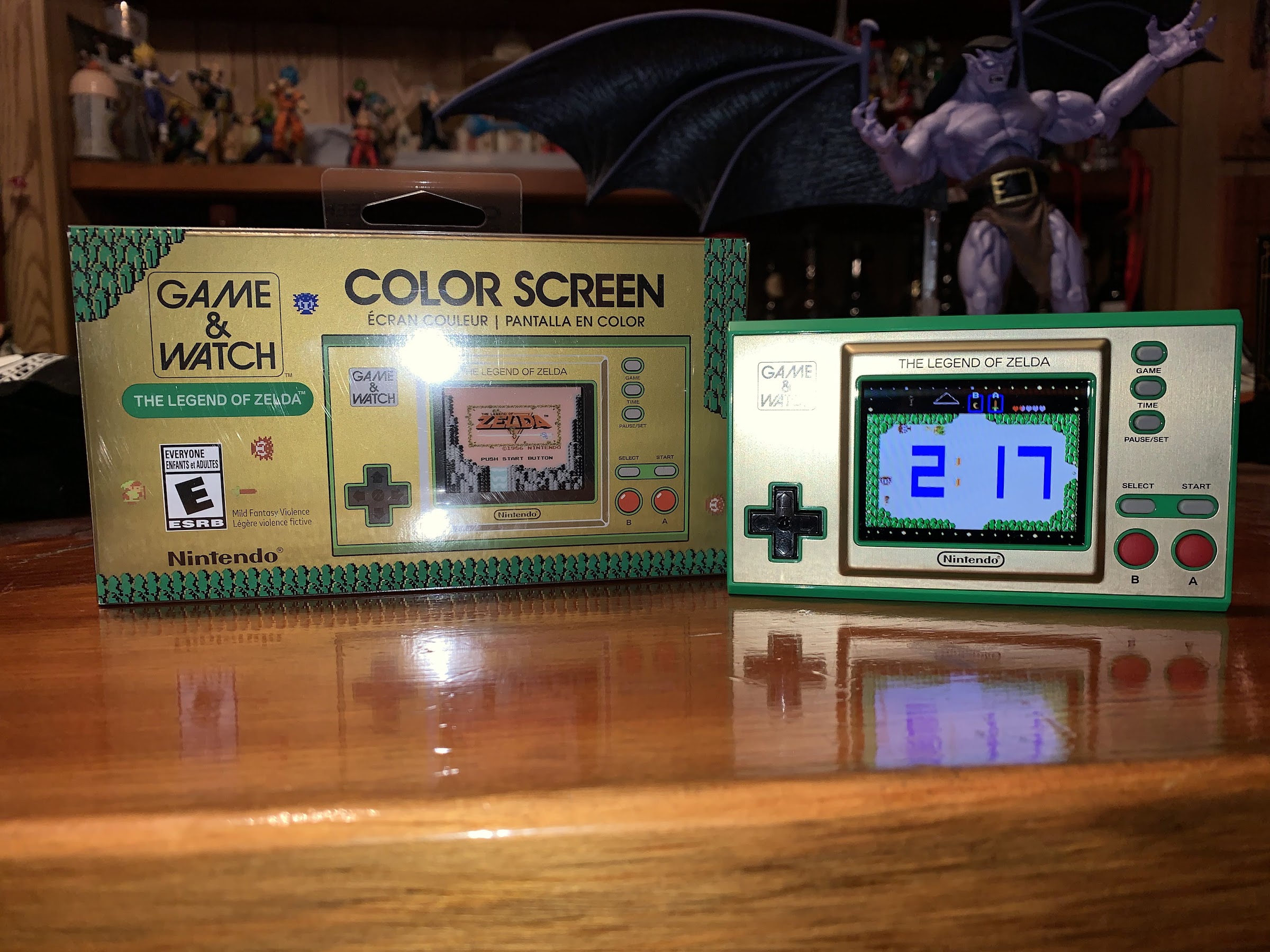
Pay no mind to the gargoyle lurking in the rear.

The Legend of Zelda edition of Game & Watch is meant to celebrate the original game’s 35th anniversary. It’s essentially the same, but different, when compared with the Mario edition from 2020. The device itself is rather small and very light, measuring about 4 3/8″ x 2 5/8″ with a color scheme more appropriate for Zelda. The front faceplate is gold while the outer case is green and all of the buttons on the face are ringed with green plastic. The area around the screen is raised and it’s a pretty attractive looking piece, though once handled the toy nature of it all becomes obvious due to the weight and overall feel. The D-pad feels largely like one would expect, but the B and A buttons are rather gummy, like a key on a calculator as opposed to a game controller.

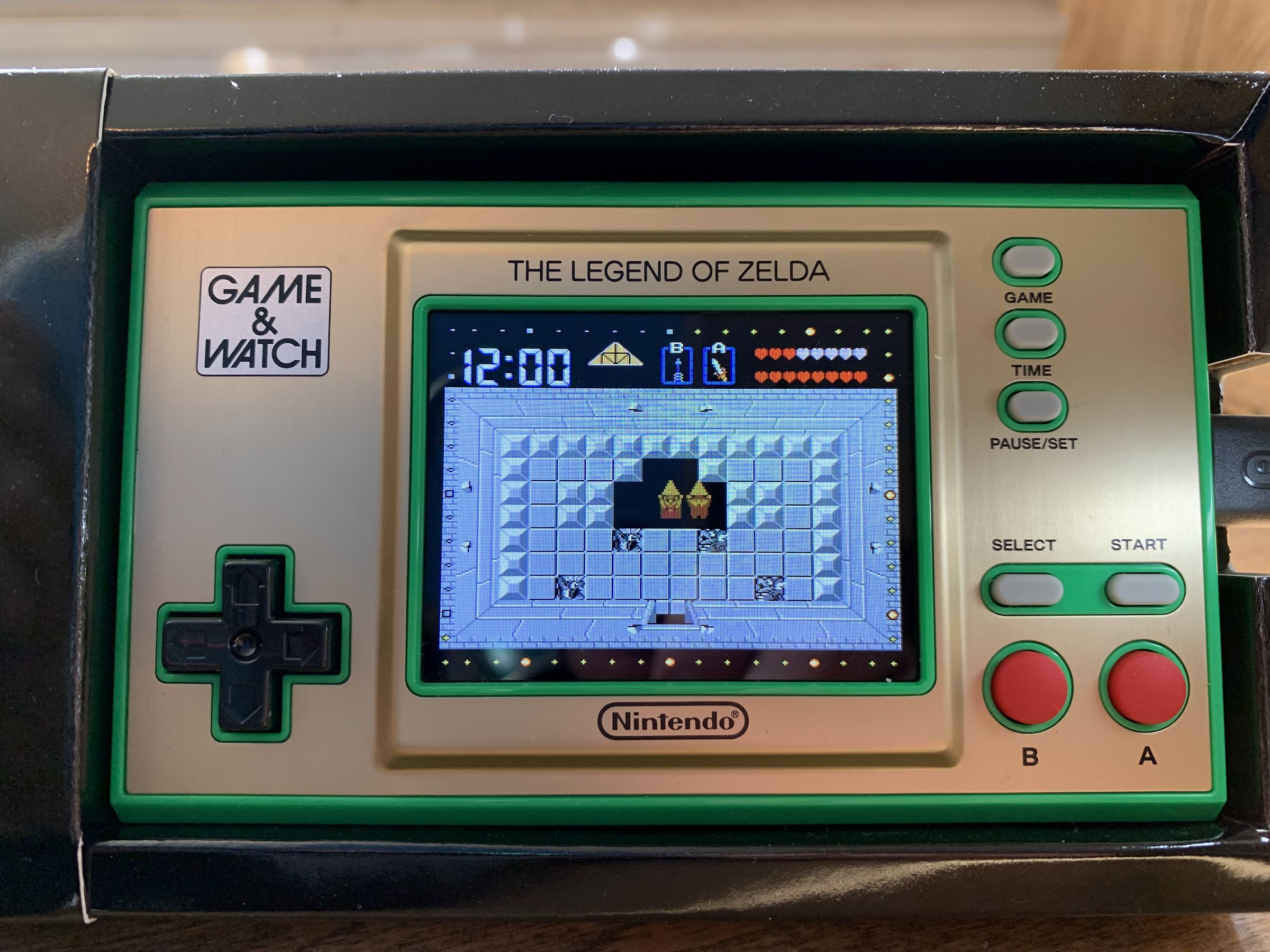
Watch Link conquer Ganon every day!

What hasn’t been compromised is the screen. It’s not particularly large, but it is vibrant and certainly a lot better than the old LCD screens on the original Game & Watch devices. It only measures about 2″ x 1.5″ making it comparable to the Game Boy Micro, but still larger. It needs to only display 8 bit games, so it’s not as if the screen is being asked to do much, but it can render all of the games just fine in their native aspect ratio with no compromise to the color palette or resolution. The sound chip is also just fine for these classic games and is even capable of outputting the superior audio found in the Japanese version of these games, as they were Famicom Disk releases outside of the US, so if you’re sick of playing through the original Legend of Zelda you can switch it to Japanese and get a different experience.

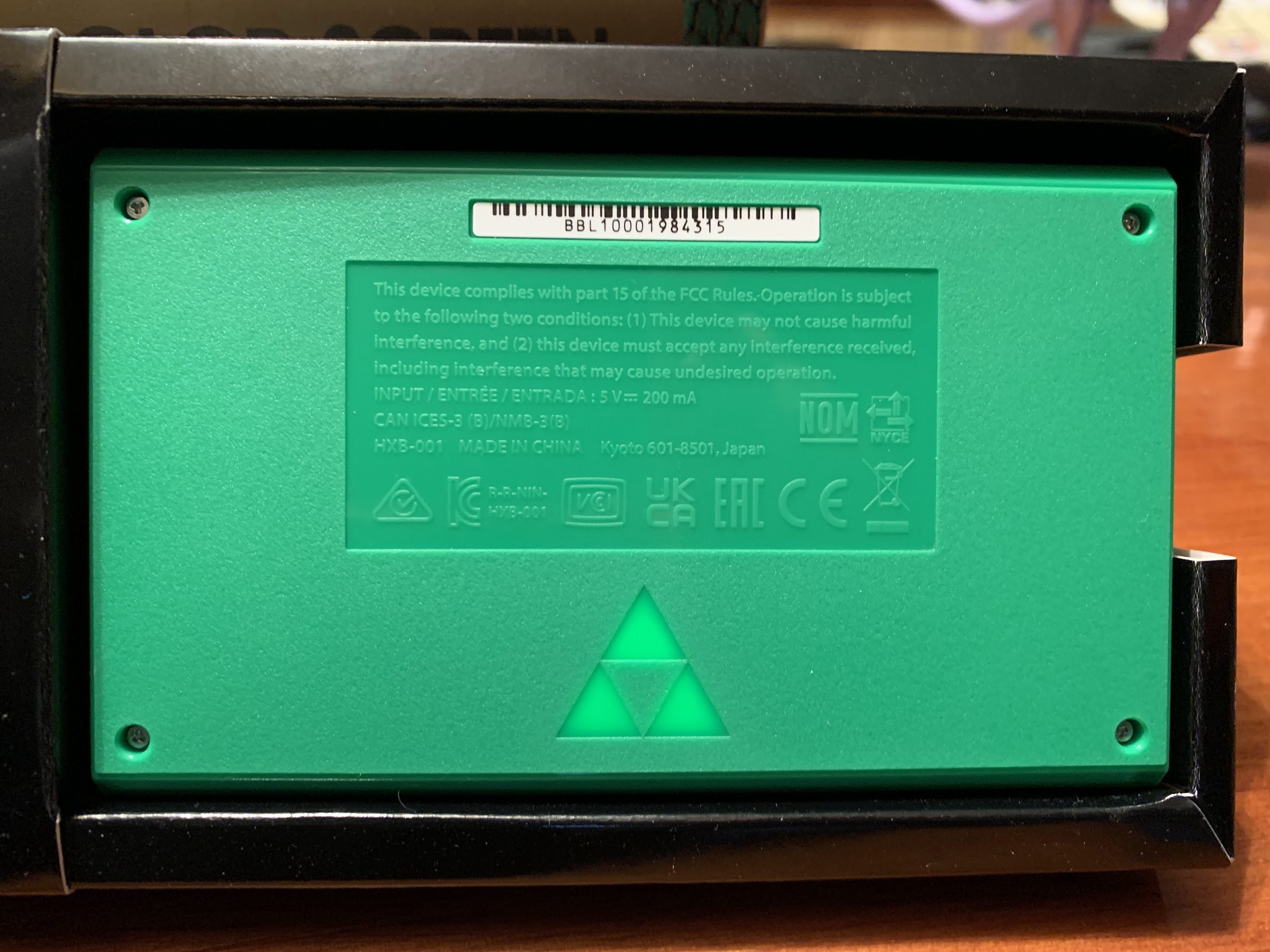
One neat, little, touch is this light-up Triforce on the rear of the system.

Which brings me to the games – just what is included on this thing? Well, you get three games this time around: The Legend of Zelda, Zelda II: The Adventure of Link, and Link’s Awakening. The first two play as you would expect them to as they’re simply emulated versions of the NES and Famicom versions of the games. The third one, and a bit unexpected, is the original Game Boy release of Link’s Awakening. It is a shame that Nintendo didn’t include the DX version released for the Game Boy Color which looked better and also featured an extra dungeon. There’s certainly enough room on the hardware for it which leads me to believe it was a value issue and not a hardware limitation. Nintendo doesn’t want to give too much away at the $50 price tag, but considering that Link’s Awakening has already received a full-fledged remake I don’t think Nintendo would be harming its bottom-line by including the DX version. Oh well.

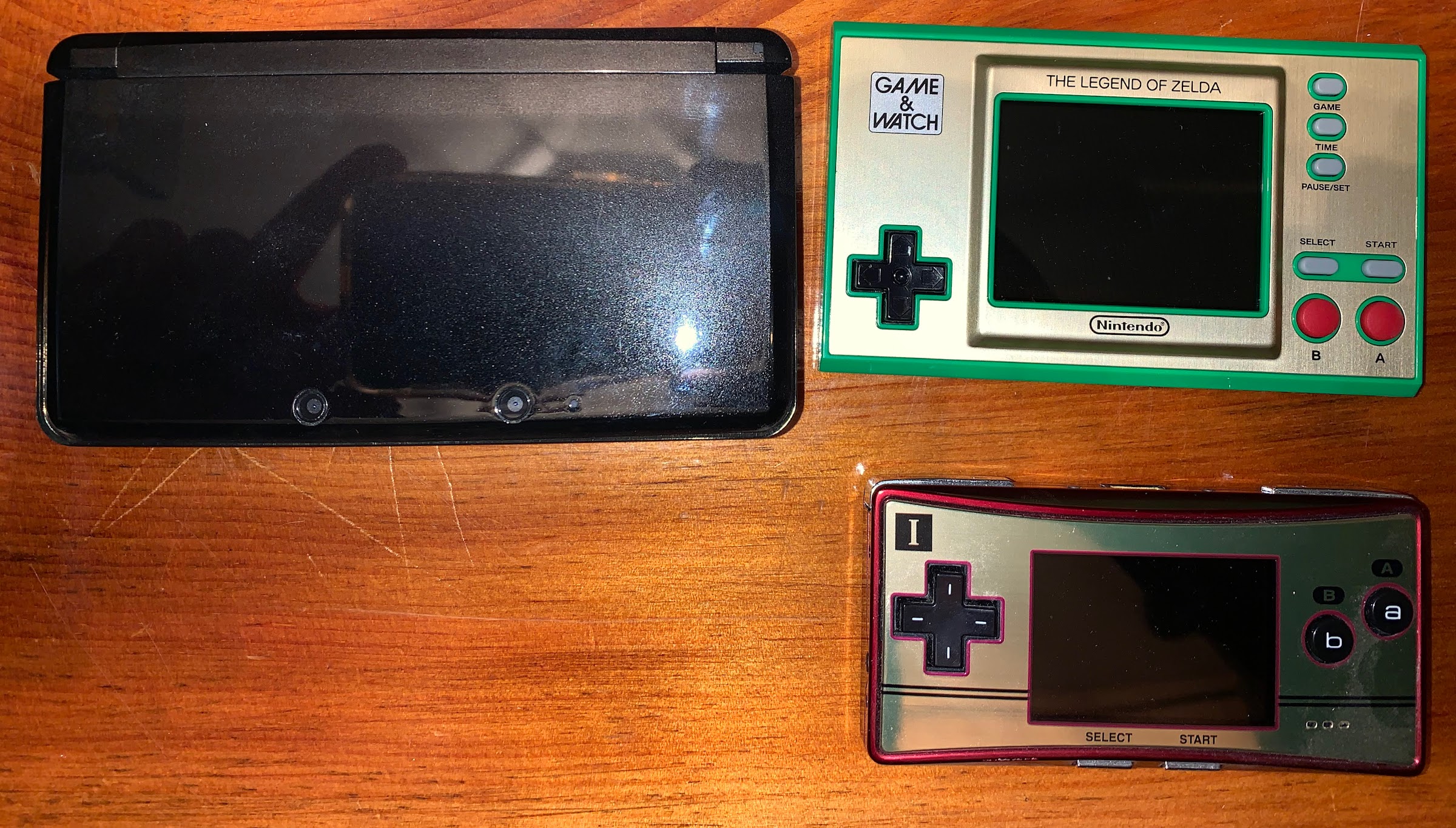
A size comparison with the first gen 3DS and a Game Boy Micro.

The games play fine though as Nintendo did add the Select button which was missing on the Mario edition. I read some complaints of the device being too small and cramped for a platformer like Super Mario Bros. to be played comfortably, but for Zelda it’s more than adequate. Especially the original game and Link’s Awakening. Zelda II is a bit more of a stretch as that required more twitch movements. It’s still not on the same level as a platformer or run and gun game, but it is noticeably less pleasant to experience. That also could be due to that being the weakest game on this set and what folks are likely to miss is the ability to utilize a save state feature. Exiting a game at any point does essentially pause the game and save your progress, but there’s no way to reload when you die. This is really only an issue with Zelda II as I don’t find the other two games terribly difficult so long as you know where to go, but Zelda II is an all-together different beast. It’s a hard game that I don’t find particularly enjoyable since the player is heavily penalized for dying in a most annoying manner. As such, I don’t intend to play much of Zelda II, it’s more chore than game, but I will play and finish the other two games, one of which I’m nearly finished with as of this writing. One other presentation note is that Link’s Awakening features the ability to toggle between the original aspect ratio and one that fills the screen. It doesn’t look too terrible stretched to fit the screen, but I definitely prefer the original look when playing it.

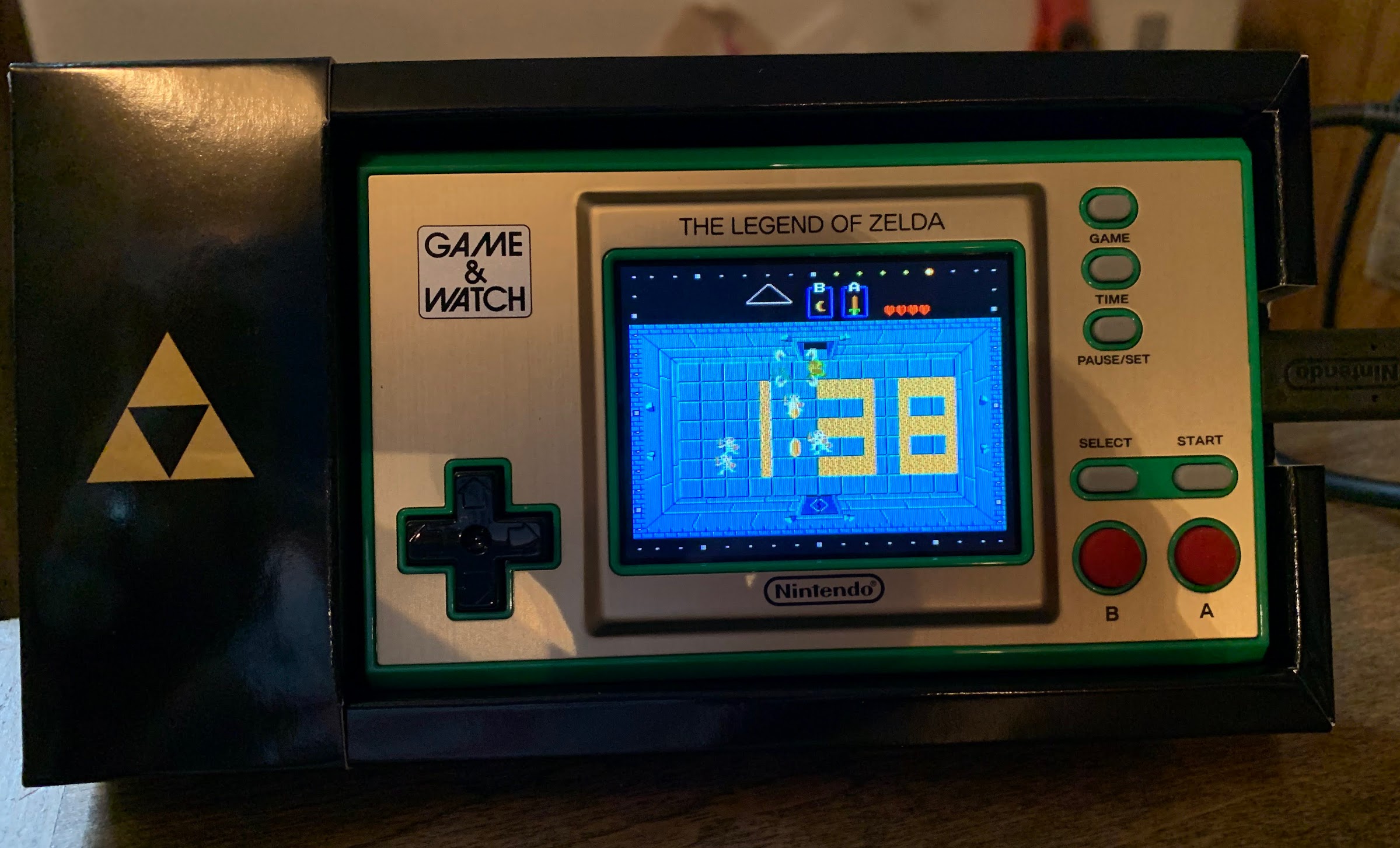
Since this is a Game & Watch, I should mention the other aspect of the hardware which is the watch. When not playing a game, the unit functions like a clock. Nintendo included a display base with this one that looks pretty slick, but is just made out of cardboard. I question how well it will hold up over time. The clock though displays it over The Legend of Zelda and when left alone Link will roam the screen battling enemies gradually progressing through a modified version of the game over 24 hours. Come noon, he’ll best Ganon and save Zelda which is pretty neat. If at any point you want to control the action you can, and leaving it idle for a few seconds will revert back to AI control. It’s a fun thing to have on a desk or workspace, though it can get mildly distracting.

Zelda will now be saved on a daily basis.

There’s also a timer, or stop watch, function. It’s pretty self explanatory, but like the clock it displays Link in action. This time, the sprites are from Zelda II and it does function like a game all on its own as you try to defeat as many enemies during a given duration. Or, if you just need it to be a timer, you can let the AI duke it out. It’s definitely not a feature I plan to take advantage of, but it’s fun to have it. Also included is the Game & Watch game Vermin. It’s a game where you just slide a character across the screen as it tries to stop some vermin from advancing past. In the original, the player character was Mr. Game & Watch, but it’s been changed to resemble Link for this release. It’s a simple game that has its moments, but largely feels like it’s included as both an homage to the classic handheld and as a reminder of how far we’ve come.

The unit runs on an internal battery and I’m honestly not sure how long it can last. Most these days seem to last anywhere from 2 and a half to 4 hours. I haven’t come close to draining it in my play sessions, but my sessions have been more of the half hour to an hour variety. Nintendo included a USB cable to charge it, though it’s pathetically short. I’ve had it plugged into my laptop since getting it which means the clock will only run while my laptop isn’t in sleep mode. When not connected to a power source, the screen turns off after 3 minutes, but when it does it displays a piece of vintage art from the old game manuals which is pretty cool. There are some other Easter Eggs as well that I won’t spoil, but if you’re curious, they’re not hard to find online. I should note, the unit is capable of keeping track of the clock when powered down, though I assume if you ran the battery down to nothing and left it like that for a bit it might need to be reset like a console would.

This one also has a few surprises up its sleeve.

The Legend of Zelda edition of the Game & Watch is a perfectly fine, novelty, handheld. Nobody needs this and these games are all readily available in probably more convenient options at this point, but if you find yourself charmed by this little device then I think it’s worth the 50 bucks Nintendo is asking for it. Yes, I wish it had proper A and B buttons and the DX version of Link’s Awakening, but those are nitpicks. The absence of save states is more of a bummer because these games don’t have a robust, built-in, save feature so it is more challenging than it needs to be to do something as simple as switch profiles within the games. It’ll save one action session per game, but if I want to let my son play The Legend of Zelda I need to end my game first and I don’t want to go all the way back to the beginning on the map if I was in the middle of a dungeon or had paused my session right outside of one. I also would have gladly paid an extra 10 – 15 bucks for a better display stand. I love how this one looks, being all black with a gold Triforce logo, but it only looks good from a distance as once up close it becomes apparent the thing is a glorified box.

I suspect if you’re interested in this then you have already made up your mind. It’s for the Zelda fan or nostalgic Nintendo fan. It’s also priced on the fringe of impulse buy territory, and if 2020’s model is any indication, it will eventually find itself on sale. I had no issue tracking a unit down for purchase and I’ve seen them on my weekly trips to Target so, for now, this one’s easy to come by. I suspect once it’s gone then it’s gone and it will gradually rise in price on the aftermarket. You’re probably safe to play the waiting game if you want to take advantage of a sale price, though if units start to disappear before that day comes then you may want to just jump on it at $50. I’m happy to have it, and while I don’t know if it will live forever beside my laptop, but I would like to find a permanent home for it because it’s a fun clock to have around. And hey, there’s some good games on it too!