Tag Archives: sony

The Vita Experiment

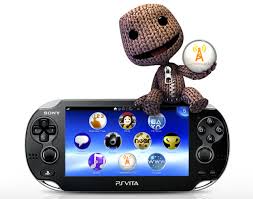
images-115It’s been over a year since I purchased a Playstation Vita.  I have made only two dedicated posts on the subject since which may lead people to believe that I have not enjoyed my purchase.  Far from it actually, as the Vita has been getting a lot of attention from me and has probably been played more than my 3DS over that same time frame.  Not all that long ago I made an entry about the Wii U and how it has been a disappointment for me since it’s launch last November.  The Vita has similarly been a disappointment at retail, though for different reasons.  And while I’ve enjoyed my Vita thus far, I’m not anymore optimistic about its future than I am of the Wii U’s.  If anything, I’m more pessimistic since Nintendo has a lot more riding on the Wii U and is further incentivized to make sure it does not fail.  While Sony similarly has invested a great deal in the Vita, I get the sense that Sony could afford to have it fail and move on (though such an admission would likely end Sony’s attempt at penetrating the portable gaming market via a dedicated gaming device).

Not much has changed regarding my opinion of the Vita as a piece of tech since its launch last year.  The device is quite nice and it functions really well.  I have had no problems with my Vita in the year-plus that I’ve owned it.  No game freezing, no glitching, no nothing.  The screen is large and beautiful, the buttons placed well, and the twin analog sticks much appreciated.  I’m not saying they don’t exist, but I have yet to encounter a game that makes annoying use of the front and rear touch panels as developers have, so far, resisted the urge to shoe-horn touch controls into their games.  Just judging the console on its own merits it’s fantastic and easily the best portable gaming device ever created.

Unfortunately, it takes more than cool tech to make or break a console.  The Vita’s biggest obstacle so far has been price.  The Wi-fi edition retails for $250, which is a lot to ask of consumers for a handheld game console.  And that’s not all, memory cards have been obnoxiously priced from the start and easily push the total cost beyond $300 for any new adopters looking to get just one game with their system.  Sony has put out bundles that help trim some of the costs but it’s still a pretty big investment to get into the Vita.  Especially considering that consumers can get a pretty solid gaming experience on the go via their cell phones.  While true that there’s no cell phone equivalent to Uncharted:  Golden Abyss, many consumers seem content to save the money and just play games like that at home.  Combating mobile gaming is not a problem unique to Sony, but Nintendo has done okay with the 3DS since lowering the price which seems inevitable for Sony if it wants the Vita to have a fighting chance.
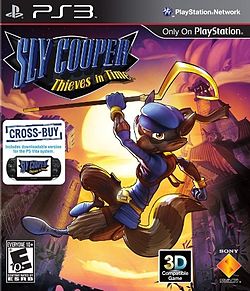
Some titles have been promoted as a 2 for 1, in that buying one copy of the game earns the ability to play it on the PS3 and the Vita.

Some titles have been promoted as a 2 for 1, in that buying one copy of the game earns the ability to play it on the PS3 and the Vita.

Aside from price, the other make or break aspect of any gaming device is the software.  Namely, the games.  Vita had a respectable launch on that front with several quality portable versions of strong games being made available alongside the aforementioned Uncharted title.  Uncharted has been a successful franchise for Sony on the PS3, though it doesn’t move units like some of the other premier video game franchises and it apparently wasn’t enough to attract a lot of early adopters.  Ever since the launch, the Vita has been spotty on the games front.  Some Vita exclusives like Gravity Rush and Assassin’s Creed:  Liberation have come and gone, and have failed to impress critics.  It feels like every Vita exclusive has scored in that 6.0-7.5 range with reviewers.  They’re good games, but not exactly system sellers.  The rest of the Vita’s catalog has been reduced to ports of console titles.  Some of these ports are done well, like MLB The Show, and work with their PS3 cousins.  One such game, Sly Cooper:  Thieves in Time, even came bundled with the Vita version allowing basically free portable play while others offer discounts when buying both.  Being able to play a console game on the go is certainly neat, but is it worth the added cost of getting a Vita?  Other ports, like last year’s edition of Madden, were done poorly which is inevitable with this sort of thing.  Developers are going to spend the most time on the editions of the game set to make the most money-making the Vita port an after-thought.

This may lead you to wonder what I’ve been playing that has allowed me to enjoy my Vita as much as I have.  Well, I made entries on my first Vita purchases, Rayman Origins and MLB, and my experience with both was positive.  I have since added the Metal Gear Solid HD Collection, which contains the first two Metal Gear titles along with Metal Gear Solid 2 and 3.  I also have Little Big Planet Vita, which is an all new Little Big Planet title created for the Vita and is just as good as the console games.  I also downloaded a PSN exclusive called Dokuro which is an excellent platform-puzzle game.  Lately, I’ve been player Persona 4 Golden, a port of the PS2 game with some added content.  I think my library of Vita games is a decent representation of the console.  Most of it is composed of ports with only two titles unique to the Vita.  Of them all, it’s tough to say what I’ve enjoyed the most.  Playing the two MGS titles in HD and on-the-go was pretty damn cool and I had not played either in quite some time so it was really enjoyable for me.  Rayman Origins is just as good as the console version, which I don’t own, and is a title that works really well on a portable, well enough that I may get the Vita version alone of Rayman Legends when that comes out later this year.  Dokuro was the nice surprise, and is so far the only Vita game I would tell all Vita owners they should get.  It’s fun and it’s cheap which is always a winning combination in my book.  It also sports a unique look with its chalk drawing graphics and the game is pretty meaty as well.  Persona 4 has definitely been the title that I’ve spent the most time with.  I’m currently at the 80 hour mark and still going.  I never played the original so that helps, but even if I had I’d like to think I still would have bought this.  It’s an excellent game, though it’s dated visuals mean it won’t be the type of game you would buy to show off the Vita’s capabilities.
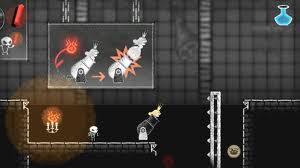
Dokuro, a download-only title in which you play as a skeleton and try to lead a princess to safety, is perhaps the Vita's best exclusive.  And you get to shoot the princess out of a canon.

Dokuro, a download-only title in which you play as a skeleton and try to lead a princess to safety, is perhaps the Vita’s best exclusive. And you get to shoot the princess out of a canon.

I’m nearly finished with Persona 4 so I’m now looking ahead.  I may switch back to the 3DS for a while as I have some games for it to check out, but in looking ahead to my next Vita purchase I’ve basically settled on Muramasa:  The Demon Blade.  Muramasa is yet another port of a console title, this one being a Wii game from a few years ago.  It’s a side-scrolling action title with beautiful hand-drawn visuals.  I never played the Wii version so it will be a new experience for me.  Aside from that, I’m uncertain what’s in store for the Vita.  It had a fairly poor showing at E3 this year, and the only exclusives I’m aware of are a new Killzone and Batman title (with the Batman title being available on the 3DS too, though one would hope the more powerful Vita would be the lead console).  I’m not a fan of the Killzone franchise, and while I’m interested in Batman, I fear it will turn out like AS:  Liberations and just feel like a lesser version of the console franchise.  These games do not seem like they’ll be big system sellers for the Vita, which has lost the PSP’s biggest franchise (in Japan, anyway), Monster Hunter, to the 3DS.  Sony does have plans for the Vita concerning the PS4.  Right now the aim is to have every PS4 game playable on the Vita via remote streaming.  This is a feature the PS3 supports but never made good use of which makes me skeptical that it will be widely available with PS4 titles.  Even if it is, I can’t see it being something that gets a lot of people to buy a Vita.  It can’t hurt, but will people spend over two-hundred dollars for the ability to play their PS4 games on a small screen?  The Wii U can do that with several games but it’s something I’ve only made use of here and there (though I also only play the Wii U here and there to begin with).

The Vita really needs this game to kick some serious ass.

The Vita really needs this game to kick some serious ass.

All of this leads me to one question:  Can I recommend the Vita to gamers?  I feel as if the answer to that question is “Yes,” but with qualifiers.  If you want a good portable gaming device then yes, the Vita is a good and worthwhile system to have around.  I didn’t touch on it much, but there are quite a few indie developers out there making excellent games for the PSN that figure to be made available on the Vita.  There are some good exclusives, and there are console games out there that are the same, if not better, on the Vita.  And if you’re into playing remakes, the Vita seems to be home to many such titles with more to come.  There’s also a plethora of PSOne and PSP titles available on the PSN for download and play on the Vita.  However, anyone thinking about buying a Vita needs to look at the current crop of games and decide if it’s worth buying just for these games alone.  The future is murky and we may have already seen the bulk of Vita’s exclusive third-party titles.  I do believe Sony will support the system at least thru 2014, but if things don’t pick up third-party developers will just use the Vita as a dumping ground for inferior ports of their console games.  And since the Vita, which currently is at least on par with the PS3, will soon be lagging behind the major home consoles those ports will become more expensive to make and may be bypassed all-together.  Someone recently asked me if they should get a Vita for their kids this coming Christmas.  The question was actually phrased as an either/or between a Vita and PSP.  I told them the PSP is not worth investing in at this point, but also to hold off on the Vita since a price-cut may be imminent.  I also slipped in the fact that by Christmas the PS4 will be out and their kids may want that more than a Vita and the difference in price may make the PS4 less expensive if this individual was thinking of getting a Vita for each kid.  That will likely be my response for anyone who asks me if they should get a Vita.  Wait for a price drop, or get a PS4 instead.  The future is just too uncertain for the Vita to give it a full recommendation.


The E3 Fallout: The Next Generation Gets Less Scary

DownloadedFile-21Prior to E3 2013, I made an entry on how the future of console gaming was looking.  To summarize, it was starting to look pretty bleak.  Even though it was only a couple of week ago, a lot was different.  We had the Wii U already on the market and failing commercially and creatively, the Xbox One was set on controlling all games distributed for it, and the PS4 was still a shadowy figure with unclear motives.  E3 2013 was shaping up to be a heavyweight bout between Microsoft and Sony as both looked to generate positive hype for their debuting machines in the fall.  Microsoft had a lot to answer for following the announcements regarding the policies surrounding the Xbox One and many wondered if Sony was willing to maintain the status quo or go along with Microsoft.  If both companies decided to severely restrict used games then gamers would be forced to accept this new model or give up on console gaming, something that seemed unlikely.  It was a strange feeling heading into E3 which is usually all about debuting new titles and consoles but the focus was squarely on one aspect of the PS4 and Xbox One.

Kind of lost in the shuffle was Nintendo, and with good reason.  The Wii U has done little to captivate the hardcore crowd and heading into E3 Nintendo chose to announce that it wouldn’t be holding a standard E3 press conference.  Nintendo still had a presence, and the company’s diehards were probably content to get a peak at the new Smash Bros. game and a new Mario title for the Wii U.  The recently announced A Link to the Past sequel for the 3DS, A Link Between Worlds, was playable and looks good, but there wasn’t much excitement coming from Nintendo.  The unique features of the Wii U have been all but ignored by Nintendo itself and third party publishers seem indifferent to the console.  I had no idea what Nintendo’s strategy for the Wii U was heading into E3, and yet, I feel like I know even less coming out of it.

Despite being announced by Sony back in February, E3 was actually the fist time the PS4 console was shown.

Despite being announced by Sony back in February, E3 was actually the fist time the PS4 console was shown.

Microsoft came out and confirmed what gamers did not want to hear, that sharing and reselling games on the Xbox One was going to be difficult and the console required a dedicated internet connection to play offline games.  It really didn’t matter what Microsoft showed for games after that, because people were just plain pissed.  The pricing for the console was revealed ($499) and Microsoft showed some games, but the damage was done.  Sony’s conference was basically a confirmation that the freedoms gamers have today will be maintained with the PS4.  Publishers can still place DRM on their games, but any restrictions beyond that are out.  They too showed off some games and even brought a bunch of indie developers out, but it didn’t matter.  The biggest cheers were reserved for simple announcement regarding game sharing.  It was kind of surreal.  The PS4 price was also revealed to be $399, and the console itself was shown for the first time as well (surprise, it’s black!), but gamers were too giddy over the used game policies to notice.

The fallout has been swift and to the point.  Microsoft had egg all over its face and videos from Sony mocking the Xbox One’s policies further drove the point home.  Microsoft made it incredibly easy for Sony to win gamers over, and the company was forced to suck it up and change its approach to give the Xbox One a fighting chance.  Last week Microsoft began to repair the damage that’s been done by basically pushing the reset button on the Xbox One.  There will now be no required internet connect, no stupid one-time sharing rules for games, and no used game fees.  They’re putting the console back on the same level as Sony’s.  Since so much of the emphasis of the Xbox One was placed on the cloud storage feature, it makes me wonder if most games will still require an internet connection, but at least if gamers are getting some benefit out of the feature it may make it more acceptable.

The game formerly known as Final Fantasy Versus XIII is now simply Final Fantasy XV and will be released on PS4 and Xbox One.

The game formerly known as Final Fantasy Versus XIII is now simply Final Fantasy XV and will be released on PS4 and Xbox One.

In a way, we’re right back where we started.  So much of E3 was dominated by the pricing structure of these new consoles that the games were kind of glossed over.  In looking back, there really wasn’t a whole lot to be excited about.  I’ll probably get a PS4 at some point, but I’m looking at the games shown by Sony and I’m kind of at a loss as to what it is I really want to play.  It was cool to learn that Final Fantasy XV is on the way, as well as Kingdom Hearts 3, but not enough was shown of either to get me excited.  I just didn’t see anything, for any of the major consoles, that made me jump up and say “I want to play that!”  As the launch dates for the Xbox One and PS4 approach perhaps I’ll find some games to get excited over.  At least now I know that if I find some of the launch games to be lacking I can always resell them.


Console Gaming in 2013 and Beyond: The End?

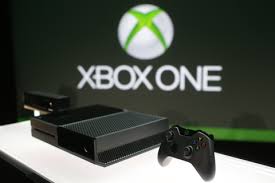
Xbox One:  the next best thing or bringer of doom?

Xbox One: the next best thing or bringer of doom?

Video game technology has come a long way since I first picked up a Nintendo controller.  In a way, it kind of blows my mind that kids today get to experience Skyrim or Red Dead Redemption as their introduction to gaming.  I often wonder if these kids can even go back and play Super Mario Bros. 3 or Duck Tales and find any enjoyment there.  And really, the leaps in technology have come quickly.  When measured strictly in terms of visual quality, it expanded slow in the 80’s before exploding in the 90’s as we experienced the move from the 16 bit era to the 32/64 bit era.  That was probably the biggest jump in terms of visual quality though going from the Playstation to the Playstation 2 was also a pretty big deal.  It would seem such advances are now behind us.  While it is undoubted that the current, and soon to be expiring, consoles look better than what came before, it’s a little more subtle.  What has been shown so far for the upcoming Playstation 4 and Xbox One has certainly looked good, but I can’t imagine there are several gamers plugged into these big reveal conferences wetting themselves over what the next generation of console games will look like.

As time moves on, console developers have needed to separate the past from the future with something other than graphics.  These developers have sought to advance gaming in other ways, such as through new controller configurations or a better online experience.  Other advances have sought to integrate the console into the living room better with Blu Ray drives and television viewing features.  This is all well and good as, for the most part, if gamers wanted to ignore these tack-on features they could, but all that may be changing.

I refuse to believe there are people out there who don't enjoy controlling a bouncy Scrooge McDuck.

I refuse to believe there are people out there who don’t enjoy controlling a bouncy Scrooge McDuck.

Microsoft has seemingly never been afraid to push something onto consumers even if they don’t want it.  They first stirred the pot by including a hard drive on the first Xbox paving the way for mandatory game installs.  No longer could playing a game be as simple as inserting the disc into the system and picking up a controller.  There was also the broadband only requirement for Xbox Live, and the charge for a Live account, that got many gamers all upset, but not upset enough to boycott the console.  The Xbox 360 has been a best-seller outside of Japan, so if Microsoft temporarily irked its audience it apparently wasn’t enough to turn them away.  This is marketing in the internet age.  Just about every news outlet allows its readers to sound off in comments at the conclusion of an article and it seems like 90% of these comments are always negative, but rarely do they seem to carry any weight.

Microsoft (and possibly Sony) appear ready to test the gaming community once more with the recently announced Xbox One, which is set to go on sale later this year.  After a confusing debut, Microsoft has recently clarified a few things about its console that currently has the internet up in arms.  Gaming is about to get more complicated and Microsoft has positioned itself, for now, as the villain in this regard.  While the Xbox One will certainly include things that will no doubt advance the quality of gaming, it’s presently overshadowed by all of the things that figure to drag the gaming experience down.

Lets first start with the always online thing.  Always online games, which require a dedicated internet connection in order to play, are fast becoming one of the more hated games of this era.  The always online thing used to apply only to online-only games like EverQuest and World of Warcraft, but has recently snuck into single-player games as well.  Blizzard included this feature in Diablo III, and EA recently did the same for the latest edition of Sim City.  Disaster ensued when the servers couldn’t handle the volume of gamers rendering these games unplayable at times.  Sim City was a particular disaster and if we’re lucky it has soured publishers from forcing this upon the gaming community for the time being.  I don’t think it’s gone though, and the Xbox One promises to make it possible for future games to include this by requiring the console to go online once every 24 hours.  What happens if your Xbox One is unable to connect to the internet after 24 hours?  Simply put, it ceases to function as a game console even though that’s its primary function!  This figures to have the greatest impact on soldiers serving overseas and on the younger crowd.  I know as a kid I’d make trips to Grandma’s with my trusty console in tow.  If I was subjected to that now I’d be shit outta luck if Grandma didn’t have a broadband connection.  Microsoft says its console needs to go online once a day because a big part of how the console functions requires access to a cloud network.  That may be true, but it’s more likely they just want to better manage what is being played on the console, which brings us to the next subject that’s really ticking people off.

Used games, or sharing games, figures to be a thing of the past.  Or at least, a less convenient way to play games.  The new cloud function will allow gamers to install games on their Xbox and then play them from any other Xbox One in the world provided they are able to log into the network.  That’s pretty cool, but it’s also a security feature and an attack on consumer rights.  This feature will also prevent games from being installed on more than one Xbox One at a time.  Since apparently the actual disc won’t be required to play the game, it does make sense that a security feature needed to be added to prevent people from buying one copy and then installing it on several machines.  The easiest way to combat that though, and one PC Gaming has been making use of since CDs became the accepted form of game distribution, was to require the CD also be inserted into the device to play the game.  No one was asking for this to change, but Microsoft decided to do it for probably a multitude of reasons.  By slowly fading out the disc-based gaming experience, it could help push the industry to a digital only distribution model which would be a cost-saver for publishers.  It also all but ends the used gaming market.

Remember FuncoLand?  Not the place to go for a good deal.  Just like GameStop!

Remember FuncoLand? Not the place to go for a good deal. Just like GameStop!

The war on used games is something unique to the video game industry.  Second-hand items have always been readily available ranging from small items like CDs or books to big-ticket items like cars and even homes.  It has been established since the birth of our economy that once a consumer buys something they own it and are free to give it away, loan it, or sell it.  If I sell my car today to my neighbor, the manufacturer of that car gets nothing.  If I sell my home the builder who originally built it gets no cut of the sale proceeds.  It’s a model that’s been around forever and few industries complain about it, except game publishers.  It’s a relatively new complaint as well, as games have been getting passed around and re-sold for as long as they’ve been around.  Commercially, it was limited to pawn shops and small electronics dealers before becoming an accepted business model for larger retailers.  I remember Toys R’ Us launching a buy-back program in the 90’s followed by the expansion of FuncoLand which sold only used merchandise.  That store was eventually purchased by GameStop, along with Electronics Boutique, and the used game market was suddenly huge.  Now publishers are getting a real look at how much money is in the used games market, and not in their pockets.  The creation of online achievements for these games also gives them a quick snapshot of how many unique individuals have played their games allowing them to cross-check that number with the number of new copies sold.  Add in auction sites like eBay and now gamers have potential buyers readily available around the globe.

The fallacy in all of this though is that game publishers and developers choose to look at used game sales as lost revenue, when in actuality it was revenue that was probably never available to them in the first place.  A used game at GameStop is often times only a few bucks cheaper than a new copy.  While I’m sure there are people who will choose to save an extra dollar in any given situation, the vast majority will just get a new copy.  Most used game purchases, mine included, are of older titles no longer available in new condition or of games that the consumer would have never purchased anyways for one reason or another.  I do not buy many used games, but the last one I did purchase was Heavy Rain.  I only purchased it because it was cheap and I was really on the fence about whether or not I would like it.  I wasn’t willing to risk 60 dollars when it came out to find out, but at 20 I was.  I ended up enjoying the game a lot and the creators will actually benefit from that when I purchase their next game.  I wouldn’t have done so had I never experienced Heavy Rain though.

Instead of choosing to combat the used games market in a proactive way, it would seem Microsoft is just looking to restrict it as much as possible.  There are still terms to be worked out, but according to Microsoft’s Phil Harrison, simply borrowing a game from a friend and inserting it into your Xbox One will cost you the full MSRP to play it.  They’ve backed off on that slightly by suggesting you’ll be able to loan a game once, but that’s still absurd.  Microsoft has also decided to put the possibility of a used games charge onto the publishers as they try to wash their hands clean of the whole mess.  My expectation is that publishers will negotiate with GameStop, and possibly other big retailers like Amazon, a kick-back for all of their used games sales.  How much is anyone’s guess and what this does to the private market is also up in the air.  The always online thing also raises the question of how many of these games will even be playable in 10-15 years.  I have almost all of my old consoles still hooked up in my house and enjoy going back to them from time to time.  That may not be possible for nostalgic Xbox One owners in the future.

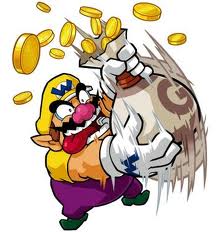
It's all about the money, baby!

It’s all about the money, baby!

What irritates me most about this new attack on used games is just how lazy it is.  It used to be that games came in a cardboard box with a fully-illustrated, full-color manual along with some posters and stuff.  Now they often come with no inserts, unless it’s an ad for a new game, in a generic case.  Back in the 90’s, when buying a used game often times it was just the game which affected the decision of whether or not to go used or go new.  Cost-cutting measures have made used games practically identical to new ones.  Publishers should be focused on enhancing the experience of buying a game new, not trying to restrict people from buying it used.  EA got a lot of backlash for it, but I have never had a problem with giving consumers who chose to buy a game new additional content, as long as the used version was still playable.  This meant EA would charge a fee for enabling the online component of some of their games for those who bought them new.  As long as the online portion wasn’t necessary for completing the game, I was fine with this.  They’ve actually done away with the practice siting consumer response, but now I’m wondering if they stopped because they were aware of how used games would function on consoles going forward.

I should point out, this post has focused on Microsoft’s new machine and made them out to be the bad guy, but it’s entirely possible (if not likely) that Sony’s Playstation 4 will be the same.  While the whole cloud integration thing, or lack there of, may give Sony’s machine more freedom I fully expect publishers to more or less force Sony to adopt Microsoft’s business model for used games.  As someone who rarely buys or sells used games, I shouldn’t really be concerned.  As a consumer though, I’m outraged and I wonder if this is where I jump off the video game bandwagon.  Both consoles figure to include features I could not care less about such as gesture and voice commands, but if my game-playing experience is compromised in any way then that’s a big concern.  It remains to be seen how second-hand gaming changes, but one thing is for sure, and that’s the future of gaming is more uncertain now than it has been since the crash of the 1980’s.  As consumers, as gamers, we’ll be forced to make a difficult decision on how far we go to support our hobby and an industry we’ve all benefited from.  It won’t be easy, but if these terms being dished out for the upcoming consoles are something you’re not comfortable with then the only way to fight back is with your wallet.  I’m already ruling out a purchase of an Xbox One, an admittedly easy decision for me as I never even owned a 360.  The ball is now in Sony’s court, and next week’s E3 figures to be a real game-changer.  Will Sony step up and do the right thing and maintain the status quo as it concerns consumer rights, or take the easy way out and follow the Microsoft model?


Crisis of the Wii U

images-104It seemed like it happened overnight, the toppling of the Nintendo era of dominance.  I don’t even know when it happened.  The NES obviously dominated the 80’s and the SNES basically dominated everywhere except the US where it was neck and neck with Sega’s Genesis.  Actually, the turning point may have come during that era when a little game called Mortal Kombat was released to home consoles in 1993.  Mortal Kombat, as most are likely aware, was a fantastically bloody affair and something Nintendo didn’t want on its machine.  Sega, on the other hand, was willing to accept the title and all its gore so long as it was blocked by a password (the incredibly easy to administer A, B, A, C, A, B, B).  I know, for me, it was that game that made we want a Genesis, and after I got one, I never bought another SNES game.

It seems like ever since Nintendo has been up and down.  While Sega would vanish from the console business, new competitors Sony and Microsoft were next to challenge the Nintendo empire and have been very successful at doing so.  Nintendo’s next two consoles failed to lead the market, but with the release of the Wii the company came storming back.  Underpowered but also underpriced when compared to its competitors, the Wii was able to gain a large market share with it’s unique motion-based controls.  The party nature of the console helped it surge to a huge lead and the head of the market.  Because of the hardware within, it didn’t take long for the limitations of the console to show itself and it became clear that Nintendo would have to be aggressive in releasing its next console if it wanted to maintain its share of the market.  Enter the Wii U, the similarly named successor boasting a new gamepad.  With a modest price point and familiar interface, it seemed Nintendo was poised to hold onto its Wii consumer base for a while longer.  Not so fast.

No decapitations for you, Nintendo fans.

No decapitations for you, Nintendo fans.

The first stumbling block for the Wii U relied in the marketing.  Which is to say, there wasn’t a whole lot.  The labeling of the console, and perhaps even the look, have lead to consumer confusion as some people weren’t clear on if the Wii U was a new console or just an add-on for the outdated Wii.  When a big portion of a console’s consumer base is described as casual, this is the kind of thing that happens.  The next obstacle is what’s under the hood.  The Wii U is a boost over the Wii but it’s not clear if the machine is more powerful than existing consoles from Microsoft and Sony.  This has lead to a feeling that the Wii U isn’t really a “next generation” machine and the hardcore gaming crowd hasn’t been convinced that this is a must own console.

Perhaps the biggest contributor to the Wii U’s lukewarm reception has been the inability of Nintendo to convey how innovative the gamepad is.  The jury is largely still out on if it’s a worthwhile addition to home gaming.  The Wii U launch lineup was actually pretty solid, especially when compared to the lackluster launches of other recent consoles.  The Wii U even had a Mario title at launch, the first Nintendo console to have such since the N64.  The problem with it though is that it treats the gamepad as an afterthought.  If Nintendo wanted to set the world on fire it needed to launch the system alongside a game that truly made good use of the gamepad.  Nintendoland just wasn’t enough.  And even though the Wii wasn’t blessed with an abundance of third party support, at least there were a few out there that seemed excited by the movement based controls.  With the Wii U, a big company like EA already looks to have abandoned it and that, regardless of how you feel about EA and its games, is not a good sign.

Another, perhaps unforeseen, hurdle is the proliferation of casual gaming on tablets and cell phones.  Nintendo was able to tap into this growing audience with the original Wii, but is it possible this group has already moved on to other things?  The gamepad is quite similar to a tablet, or it is at least easy to perceive why someone would have that impression, and these gamers may wonder why they would ever need a Nintendo tablet.  And with no major showings of games on the horizon, the more hardcore gaming community has been given little incentive to get a Wii U beyond some empty promises and HD remakes of old games.

If you’re a regular reader here, then you may know that I have been an early adopter of the Wii U.  Since buying the deluxe version on launch day I’ve added one game to my collection, Scribblenauts Unlimited, a solid title but one that is also available on the 3DS.  I currently have no idea what my next Wii U game will be because nothing has been announced or shown that is even remotely interesting.  And with Nintendo announcing that they will not be holding a press event at E3 this year it makes me nervous that there’s very little to show.  I worry that Nintendo really needed to make a splash with the Wii U, and by failing to do so, have doomed the console already.

It's coming...

It’s coming…

I have been an early adopter for three recent consoles with the 3DS and Playstation Vita being the others.  The 3DS struggled early before rebounding while the Vita is still a source of concern for Sony.  Even so, I never regretted my 3DS purchase and I have yet to regret my Vita one but I pretty much already am regretting my Wii U purchase.  I know that eventually Nintendo will get some first party software onto the Wii U that will be worthwhile, but how many such games can Nintendo reasonably release?  And will any third party developers step up and release anything of note for the Wii U?  Right now, those developers can still release current-gen ports to the Wii U, but once the more powerful PS4 and next Xbox arrive that may be out of the question.  The console is unique enough that developers basically need to cater to it, but if sales are lagging as bad as they currently are then no developer will be willing to take that risk.  Will the Wii U be the console that takes Nintendo out of the hardware business?  My heart says no, but my brain is at least willing to entertain the notion.


What to Make of E3 2012?

If you’re even remotely into video games then you know that every June the Electronic Entertainment Expo (better known as E3) takes place in LA and all of the major players in the video game world unveil to the public what they have in store for the masses.  Often times E3 is the first chance for gamers to get a look at the next big “thing” from the major developers, be that thing a new console or the return of a beloved franchise.  This year’s E3 promised to reveal more about Nintendo’s next machine, the Wii U, and the public figured to get its first look at the latest in long-running franchises like Halo and Super Mario Bros.  As for surprises, well it was entirely possible, though not likely, we’d get some info on the successors to the Playstation 3 and Xbox 360 and maybe a new 3DS.  Now that E3 2012 is in the books, what did I think of it?  I’m glad you asked!

Microsoft/Sony

I’m lumping these two together for reasons that will be obvious once I’m done.  Both console publishers weren’t expected to unveil new hardware at E3 and instead would aim to boost their current market share.  Microsoft, predictably, threw a bunch of Kinect stuff at the attendees since that’s presently making them a boatload of money even if the “hardcore” gaming community couldn’t care less about it.  There was Halo 4 though, which was the game most Xbox fans were interested in.  As the first Halo not developed by Bungie, there is some uncertainty surrounding it but it seems like most were satisfied.  Beyond that it was mostly third party games that were spotlighted and some kind of fancy touch-screen junk.  Ho-hum.

Sony was expected to tout the Vita to PS3 connectivity in hopes of boosting the Vita’s severely lacking sales.  Sony’s presentation ended up looking like a business meeting at times and was a total snooze-fest.  They did talk up the connectivity of the Vita and PS3, but really didn’t get behind the Vita like I thought they would.  Like Microsoft, the emphasis was on third-party releases but Sony did flash some new exclusives such as The Last of Us and the latest from Heavy Rain developer, Quantic Dream; a new title similar to Heavy Rain called Beyond:  Two Souls.  I was surprised at how shitty 2012 looks for the Vita as the best titles coming to the handheld are PS3 ports like Sly Cooper: Thieves in Time and Guacamelee, making me feel less secure in my purchase.

Studio Ghibli is being used to help develop a game? You bet I want in on that!

If you can’t tell, I was pretty unimpressed with the offerings Sony and Microsoft made.  The game that excited me most on their machines was probably Ni No Kuni, the Level 5 and Studio Ghibli collaboration for the PS3 that’s already out in Japan.  I already knew enough about that title though, so it wasn’t like E3 was some big unveiling for it.  Plus it’s a JRPG which doesn’t attract much attention these days.  There was really nothing from Square-Enix, which surprised me, other than their produced revival of Tomb Raider which got a lot of people talking (IGN gave it the title of best game of E3), but I just can’t get excited about a Tomb Raider game.  Microsoft and Sony essentially punted on E3, and with next year’s E3 expected to showcase their new machines, I suppose it’s understandable.

Nintendo

Nintendo had the most to gain with E3 2012 so I expected the Big N to pull out the big guns.  After all, E3 marked the best opportunity for the company to sell the public on its latest console the Wii U, while also pumping up the money-printer known as the 3DS.

Before I get to the Wii U, let’s look at the 3DS.  Interestingly, around this time last year the handheld was floundering and Nintendo was already contemplating a price cut which it would eventually implement.  That price reduction, along with some better software, propelled the 3DS to the top of the sales charts.  Nintendo may be losing money on each unit sold right now, but it’s better than having them sit on the store shelves.  It was thought that Nintendo would show off a 3DS Lite, or as media reports before the show appeared to leak, a 3DS XL which would basically combine the existing hardware with the Circle Pad Pro attachment.  These reports proved erroneous, for now anyways, as Nintendo did not have a new 3DS to show off.  This probably has a lot to do with the current model both selling well and at a loss.  Why sink more R&D into it now?  Nintendo will likely wait for sales to slow down before unveiling a new SKU.

Ghost-busting, Luigi style.

As for the games, well the 3DS didn’t show off much new, and instead finally gave the public a glimpse into games it had already announced but had yet to really show off.  These games included both a new entry in the Paper Mario franchise and a sequel to the decade-old Luigi’s Mansion.  Both were on display at E3 this year and both pretty much delivered what I think most gamers were expecting.  Neither one appears to break the mold much, and Paper Mario:  Sticker Star has some weird sticker gimmick that I’m not sure I like, but gameplay-wise both titles appear solid.  Luigi’s Mansion:  Dark Moon is perhaps slightly more interesting just because it’s a franchise Nintendo has yet to exploit.  The first game, released as a Gamecube launch title, was a solid enough title but one that felt like it needed a sequel to fully realize its potential.  It’s surprising a sequel has taken this long and hopefully it’s a more complete game this time out.

I hope you like coins…

The big, new, title for the 3DS announced just before E3 is New Super Mario Bros. 2.  New Super Mario Bros. is one of the DS’s all-time best sellers, while New Super Mario Bros. Wii is one of the all-time best sellers period, so it’s no surprise the game is returning in 2012.  NSMB2 looks to be more of the same.  Nintendo is bringing back the leaf power-up, much as it did with Super Mario 3D Land, though this time it’s function is identical to it’s original powers in Super Mario Bros. 3, complete with P Meter and all.  It’s also incorporating the Wii version’s simultaneous play, as two players can play as Mario and Luigi at the same time, which sounds like more fun than it looks.  This edition also places emphasis on coin collecting (one of the new power-ups, a gold fire flower, lets Mario turn pretty much everything into coins) with the goal being to collect a million over the course of the game.  It’s unclear if that’s some sort of requirement or just a challenge, but it’s not something that has me excited at all.  Coin collecting, and collecting things in general in platformers, is mundane.  I don’t mind a few hidden items, like the star coins, which are usually some-what challenging to get, but just grabbing coins is often an after-thought.  The games are so easy that the player doesn’t really have to go out of their way to get coins and yet will still end up with over 100 lives.  I’ve recently been playing a lot of the Super Nintendo classic Super Mario World and I wish Nintendo would look to that title for inspiration.  The challenge in that game was finding numerous secret exits and extra levels which was far more gratifying than coin collecting.  NSMB2 does at least return the Koopalings, something I wish had been included in Super Mario 3D Land, so that’s a plus.

It also wasn’t enough to have just one new entry in the New Super Mario Bros. franchise as Nintendo also showed off New Super Mario Bros. U, the lead title for the new Wii U console.  It’s basically what you would expect, though Nintendo hopes to high-light the Wii U’s new controller.  By doing so, the Wii U game uses the Wii remotes for general play, but one person can use the new controller to add items to the levels, kind of like a Dungeon Master or something.  The game will have co-op play and will have a different set of levels than the 3DS game plus Yoshi and a new suit; the flying squirrel.

Mario’s new suit: The Flying Squirrel. At least it makes more sense than the raccoon tail.

That little segue brings me to the Wii U and why I really couldn’t care less at this point.  If you weren’t aware, the Wii U’s main selling point is this new controller.  It’s basically like a DS only with one screen and two analog sticks.  The touchscreen on it will be used differently for each game.  In ZombiU, it’s used to display little puzzles like key-code readers for doors and it’s designed to get the player to look away from the screen while hoards of zombies are descending upon the player to enhance the excitement.  In Batman: Arkham City, it just displays Batman’s gadgets and instead of selecting them with a touch of a button you use the touchscreen.  It’s also used to steer his remote bat-a-rang and control his de-encoder device.  A new title called Nintendo Land figures to show off other uses for the controller (the game is basically the Wii U’s version of Wii Sports, though marketed better by using Nintendo characters) but Nintendo hasn’t committed to it as a pack-in title, which would be a huge mistake, in my opinion.

If the uses for the controller do not wet your appetite, then I’m afraid there isn’t much going for the Wii U.  For me, it just doesn’t sound all that interesting.  It’s basically taking the DS experience to the home console.  And it’s being reported a single charge will only get you about 2 and a half hours of gameplay out of the controller which will make owning two a necessity for anyone looking to game for that length of time.  Also hurting it is the fact that some titles, like Arkham City and Mass Effect 3, will have been available for quite some time on other consoles by the time they’re released.  Do the additions to Arkham City make you want to buy it again?  I think for most the answer will be “no.”  And it’s also being reported that the Wii U may not even be as powerful as the 360 and PS3.  All of this tells me that Nintendo needs to get its big franchises onto this thing fast if it expects to move a bunch of units, because I don’t see any system sellers for it right now.

Wreck-It Ralph

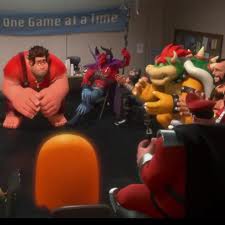
I love this concept, hopefully it’s utilized well.

Have you heard about this one?  E3 isn’t known for movie reveals, but there’s also never been a movie like Wreck-It Ralph.  Best described as video game’s Who Framed Roger Rabbit?, Wreck-It Ralph is an animated feature from Disney that’s like a love letter to gaming.  The main character (voiced by John C. Reilly), is the antagonist in a Donkey Kong-like game who is sick of being the bad guy.  The trailer features a visually amusing gag of Ralph sitting in a therapy session with some of gaming’s biggest villains including Bowser and M. Bison.  The CG-animated film is directed by Rich Moore who was the lead director on the first several seasons of Futurama which certainly bodes well for the film.  I love the concept, but honestly found the trailer underwhelming.  The jokes just weren’t very funny, but I’ll refrain from passing judgement until I actually see it.  The film is currently set for a November release.

All in all, I think E3 2012 was one of the least interesting E3’s in recent memory.  Perhaps if Nintendo had yet to unveil the Wii U it would have been more exciting, but we already saw this thing in action a year ago and this year it was all about the launch-window software, which really didn’t impress.  Nintendo also didn’t unveil any pricing, which has me concerned, as I’m sure the company doesn’t want to sell this thing at a loss like it currently is doing for the 3DS.  I’m expecting a bare-bones release, as in one controller and no pack-in games, for around $300.  Any higher and Nintendo is crazy.

And if Nintendo failed to seize the moment, Microsoft and Sony weren’t willing to steal the spotlight.  Neither company really unveiled anything new and preferred to rest on its laurels.  Sure this year’s E3 was the public’s first look at Halo 4 and The Last of Us, but I think we all have a reasonable expectation of what they’ll play like.  There were no new games shown that have me excited, and the most interesting for me was Beyond:  Two Souls but that one is still a long way off.  2012 started off with a bang, but the fall looks to be easier on the wallet, I’ll leave you to decide if that’s a good thing or not.


Playstation Vita (Helpless in the Face of New Technology II)

I didn’t go back and look, but I think I mentioned the Playstation Vita in three posts and in all three I said I wasn’t going to get one at launch.  I had purchased a 3DS at launch last year and it didn’t turn out to be the best purchasing decision of my life.  The software at launch was terrible and the entry price pretty steep.  Roughly six months later Nintendo would slash the price of the unit by a significant margin.  As an early adopter, dubbed a Nintendo Ambassador, I received ten free NES games and ten free GBA games but if given the choice I might have just chosen the cheaper unit.  And the 3DS isn’t a bad system at all.  I’ve enjoyed it now that the software has caught on and even purchased the new add-on.  It seemed unwise to be an early adopter again, especially for a Playstation product.  I’m not sure if any Playstation console has had a good launch lineup and they’re always expensive.

I could have said it until I was blue in the fact, but the simple fact of the matter is, when new technology comes out I can’t help myself.  And when I got a glimpse of what Uncle Sam was sending me as a refund I found it harder and harder to make excuses.  I lasted over a week, so I guess I can be proud of that, but as of March 4th I am an owner of a Playstation Vita.

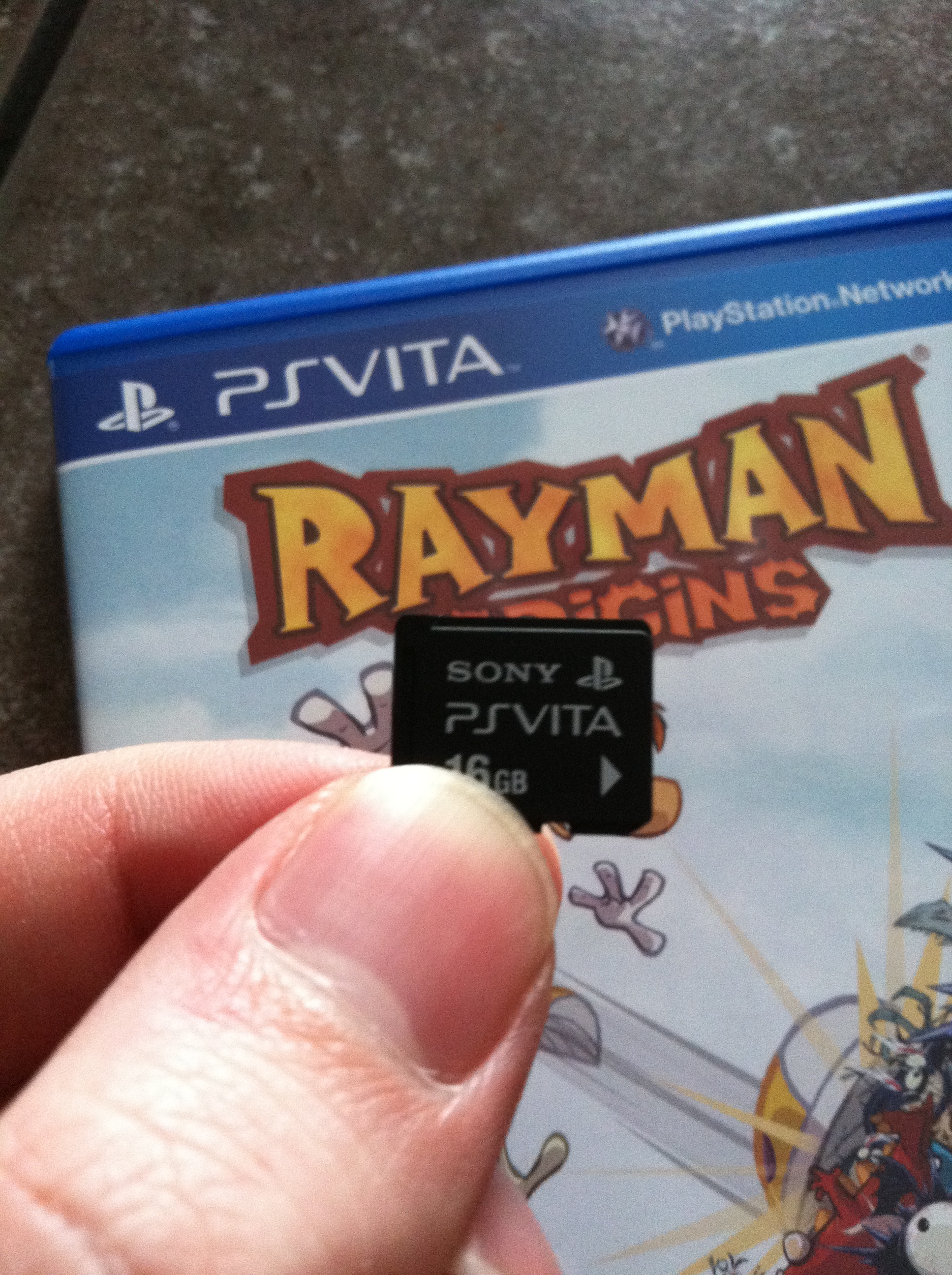
Vita game cart. Pretty small, as you can see.

Now, I said Sony consoles tend to have expensive and poorly supported system launches and in one way the Vita is no exception.  The Vita is expensive.  There’s no way around it.  I’m a bachelor with a home and a good job.  I have no kids and my living expenses aren’t too cumbersome.  I have disposable income to throw at video games, but even so, it still didn’t entirely sit right to spend $350 on a new handheld system.  What did my $350 get me?  Well, it got me a Wi-Fi enabled Vita ($250), a 16 GB ($60) memory card, and one game ($40).  The price tag of the Vita itself isn’t awful.  It’s the same price the 3DS launched at but the Vita is the far more powerful system which makes it seem reasonable.  However, the 3DS came with a 2 GB SD card and most of the games save directly to the game’s cartridge.  There were also some pre-loaded games, nothing great but it’s something.  The Vita comes with nothing.  There’s a USB chord, an AC adapter, and some documentation.  There are some augmented reality cards that I admittedly haven’t even done anything with, but I’m not expecting much entertainment from them.  There’s no onboard memory though, and that’s the Vita’s biggest hurdle.

The memory cards are a joke.  Sixty dollars for 16 GB of memory?  That’s obscene.  And you need a memory card to play just about every game and there isn’t any onboard memory to download games to.  It looks like most of the games will require between 4,000 KB and 5,000 KB for save files.  This isn’t a scientific observation, merely what I saw on the back of each game case I looked at.  The packaging for the memory card itself says you can expect to hold 4 to 8 complete games on it, so if you’re planning on acquiring most of your games digitally you may want to go even larger.

Even smaller than the the games; the Vita's stupidly expensive memory cards.

Because of the costly memory, I suspect most will just buy game cartridges.  The cartridges are small, thumb-shaped cards.  Most will set you back $40, but there are some for $50 like Uncharted: Golden Abyss.  I picked up Rayman Origins and that cost me $40.  The cases are small but proportionately similar to a Blu Ray case.  In the case of Rayman, there was nothing inside the case except the actual game.  There is a clip for an instruction booklet, so maybe other games come with one, but this one only comes with an electronic booklet.  It’s kind of strange to have a case even this size for one tiny cartridge but whatever.  For Rayman, the load times are pretty minimal and I’m not sure how they compare with the PS3 version.  I would expect this type of medium would have pretty quick load times and would certainly be faster than the PSP’s UMD format.  I don’t know why they lack their own means of storage for game saves and have never seen it addressed.  It seems to me like they should be able to do that, but maybe I’m underestimating just how much space these games take up.

The Vita itself is an impressive piece of tech.  Which makes sense, because if it wasn’t I wouldn’t have bought it.  I’m going to skimp on the features since they’ve been covered elsewhere, but the screen is an OLED screen with touch capabilities.  There’s a second touch “panel” on the back of the system as well.  There’s cameras on the front and back and all of the buttons from the PSP are returned.  The biggest additions are the analog sticks.  The PSP’s nub is no more as the Vita features twin mini sticks that feel very similar to the PS3’s.  They do not double as buttons like the PS3 ones, which is unfortunate as that’s the only setback for the Vita.  Without the additional triggers and buttons the PS3 has, it will make certain ports trickier than others but the addition of a second analog stick is pretty significant.  And the quality of the hardware is exceptional.  The unit is larger than a PSP, but is surprisingly light.  It’s thin and very portable if you carry a messenger bag (or purse, if you’re a woman) but it’s probably not going to fit in most pockets.  And you probably wouldn’t want to try anyways without a screen protector or some kind of case.  I didn’t spring for one but I might have to eventually.

I mentioned earlier I got the Wi-Fi model.  For another $50 there’s a 3G one with service through AT&T that costs a monthly fee.  I have no interest in a monthly fee for my handheld gaming device so deciding which one to get was a no-brainer.  The device is also equipped with Blue Tooth and I assume it can be connected to certain headsets.  It also can communicate with the PS3 and the two can share a PSN account.  I checked out the remote play feature, as I never tried it with my PSP, and found it worked fine.  It basically turns your Vita into your PS3, but not all games can be accessed (for me, no games could be).  I think all of the PSOne Classics are supposed to work with the Vita, but might not yet.  Some games available across both platforms will be able to communicate with each other and some of the early releases include both a Vita version and a PS3 version.  Most of them will require a double purchase though.  It would be nice if buying the PS3 version of MLB The Show got you a discount for the Vita version, but I don’t expect Sony to go that far to please the consumer (edit: after publishing this I looked on both amazon and Gamestop’s websites and saw that if you buy both versions it will cost you $80, which is a $20 saving which is better than having to spend $100).  I’ll probably buy both versions of that one as I’m eager to test out the cross platform features with that particular title.

I spent multiple hours with Rayman Origins and found the Vita pretty comfortable.  Surprisingly, my left thumb is a bit tender which I would not have expected but it isn’t bad.  The buttons are all easy to reach though the shoulder buttons are slightly awkward, but not too bad.  Visually, the Vita (and Rayman Origins) does not disappoint.  The OLED screen is bright and vibrant offering a better picture than most plasma TVs.  It has to be seen to be truly appreciated.

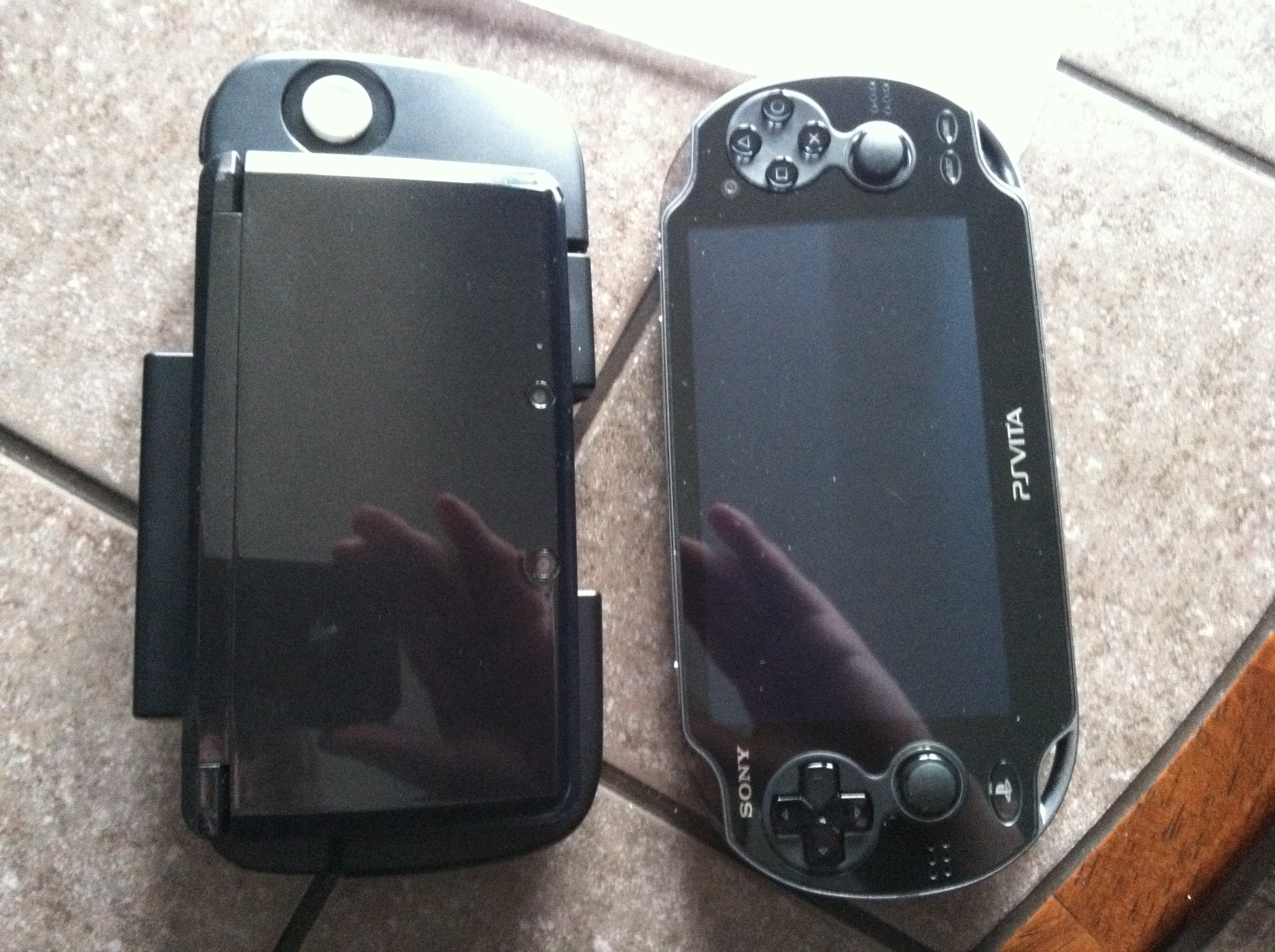
The Vita, side by side with a Circle Pad Pro equipped 3DS. Neither is very portable.

It helps when the game is gorgeous too.  Rayman Origins is a direct port of the critically acclaimed PS3/360/Wii title from last year.  It’s an old school 2D platformer that will test your jumping abilities with lots of timing based challenges.  The gameplay is tried and true, and though I’m only a short way into it, I’m impressed.  Visually though it’s one of the most appealing games I’ve ever played and it doesn’t appear to have suffered one bit in being ported from consoles to the Vita.  It looks like a living cartoon.  Some cel-shaded games, like Super Paper Mario, came close to achieving such a feat but none have managed to pull it off like Rayman Origins.  The art style reminds me of 90’s era cartoons like Ren & Stimpy and Rocko’s Modern Life.  There’s a “zany-ness” to everything and a lot of the movements of the characters are exaggerated.  There’s more screaming than speaking, and the whole thing just seems crazy.  If you haven’t played it, and like platform games, definitely check it out.  It can be found for about $30 new for home consoles and is the type of game developers should be rewarded for making.

So for $350 I got an excellent game and a new handheld with (hopefully) plenty of memory.  I feel okay about it, but the other risk one takes on when buying a new system at launch is long-term support.  The Vita got off to an okay start in Japan, but shortly after launch sales were ground to a halt.  I haven’t seen sales figures for the US launch yet, but most of the stores I’ve been to over the last week or so are not over-flowing with units.  I’ve even seen a few sell-outs, so it would seem that the Vita is off to a good start.  I’ll be curious to see if it can maintain that momentum as the PSP wasn’t a huge success in the US, certainly not compared with Japan.

Whether it survives or not will depend largely on price and software.  The price is already out there and quite an obstacle, but if it’s moving units then maybe I’m placing too much emphasis on it.  That other problem most Sony systems face at launch is not an issue for the Vita.  There are plenty of good, and even great, games available right now.  Some, like Rayman Origins, are ports of console titles and some, like Uncharted, are all new.  For the system to flourish, developers will have to continue to support the Vita with both new titles and ports.  Some games are perfect to see ported to a handheld, especially sports titles.  If that’s all that’s out there though then gamers might get bored.  If given the choice, more often than not gamers will take a home console game over a portable.  A pick-up and play title like Rayman Origins is a rare exception, as I think that’s a game that works great for a portable.  A more in depth experience like Arkham City though is best on a home machine.

So I guess I’m happy with the Vita, for now.  I have so many games to play now, it’s borderline obscene.  It may actually be a week or more before the Vita even accompanies me on the train as I’m currently splitting my time between Tactics Ogre for the PSP and Resident Evil Revelations for the 3DS.  I will get MLB for the Vita though, and at that point I may not be able to resist playing it during my commute, but after that I have no idea what my next Vita game will be.  I guess I’ll have to start paying attention to all of these games.  I have a problem.