Tag Archives: final fantasy vii rebirth

Final Fantasy VII Rebirth

My video game reviews are rarely timely. I just don’t have the available free time to plow through a video game like I once did, especially not a lengthy role-playing game. Nonetheless, the subject of a Final Fantasy VII remake has been a big one to me and I would be remiss if I didn’t collect my thoughts on the subject here in this space. It was nearly a year ago that I did just that with part one of a projected three-part project that is the Final Fantasy VII remake. That first part basically covered the Midgar portion of the story from the original game taking what was probably an eight hour experience and turning it into a 60 hour one. The second part of that journey arrived the same day as my review of the first and I think most had an idea of where it would leave off relative to the main story, and most were right. It has taken me the better part of eight months to work my way through this second chapter, titled Final Fantasy VII Rebirth, and I have some thoughts to share.

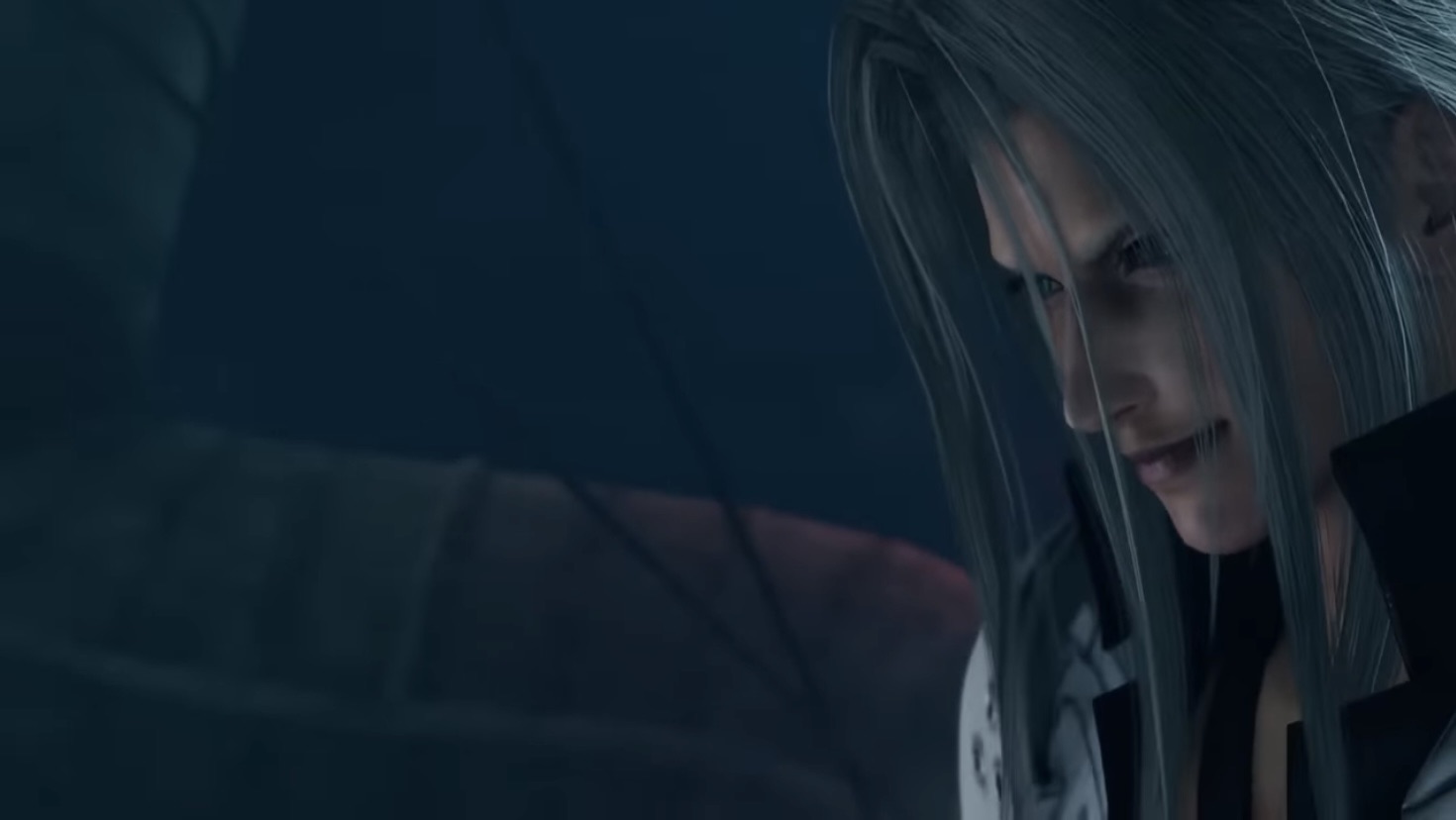
As is probably the case with every article, blog, etc. on the subject, spoilers are ahead for those who did not experience the original Final Fantasy VII or Final Fantasy VII Remake. I’ll not spoil this game outright, at least not without warning, so if you’re looking for a delayed opinion on a game you’re considering for yourself then you’re safe for now. The game picks up right where Remake left off and our heroes are fleeing Midgar and planning their next move following the destruction that took place and their encounter with the big baddie of the game: Sephiroth. Remake ended on a controversial note. Basically, it was revealed that what we’re playing is a remake in a meta sense, but only Sephiroth is aware. Final Fantasy VII happened. Sephiroth lost and the planet was spared. Now, he gets to try again by toying with the whispers of fate, as it were. In a way, it’s not important to the player if this is a redo or all happening for the first time, except for the fact that it was revealed at the end of Remake that Zack (Caleb Pierce) is alive. If you’ve played the original, or the prequel game Crisis Core, then you know Zack should be very much dead. He died saving Cloud and that inspired Cloud to basically become Zack, in a sense. With him alive it’s confirmation that Sephiroth (Tyler Hoechlin) has indeed altered history and anything can happen from here.

This guy showing up at the end of Remake certainly raised a few eyebrows.

That little detail may have caused a few fans to raise their pitchforks at the game’s conclusion, but if you thought this meant that the experience going forward would be vastly different then put those pitchforks away. Oh, there are indeed some changes, but the events of Rebirth largely follow in the footsteps of the original game. With just a whole lot more. How does one take a 40 hour experience and stretch it across three modern games? Why, with padding of course! Final Fantasy VII Rebirth is a long game and it took me just shy of 130 hours to roll credits on it. I did not do everything in this game either. I started off trying to keep up with every nook and cranny offered up by the experience, but at some point I decided if I ever wanted to beat this thing that I needed to play in a more focused manner. You see, this game has a mini game for seemingly everything. They add considerable padding to the experience especially if you want to get the top score and receive the best reward. The game is also structured in that there are a series of areas you visit which are fairly vast on their own. Each one comes with a bunch of tedium to extend them: encounter every enemy, find a bunch of special areas, tame a chocobo, beat a unique boss, etc. There is a flow to it, so it’s not a truly tedious experience, but there will be times when the game just plain doesn’t respect your time.
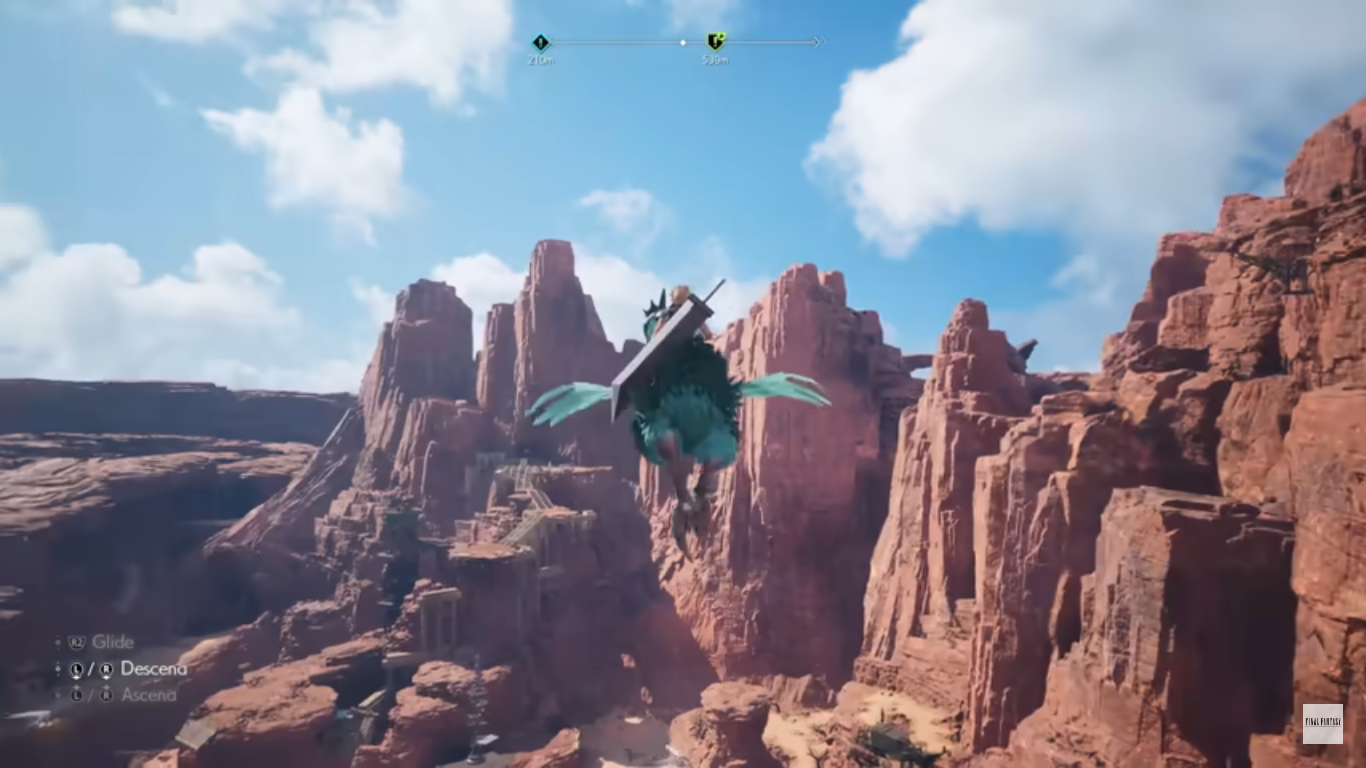
If you felt Remake needed more chocobos then you’ll be happy with Rebirth.

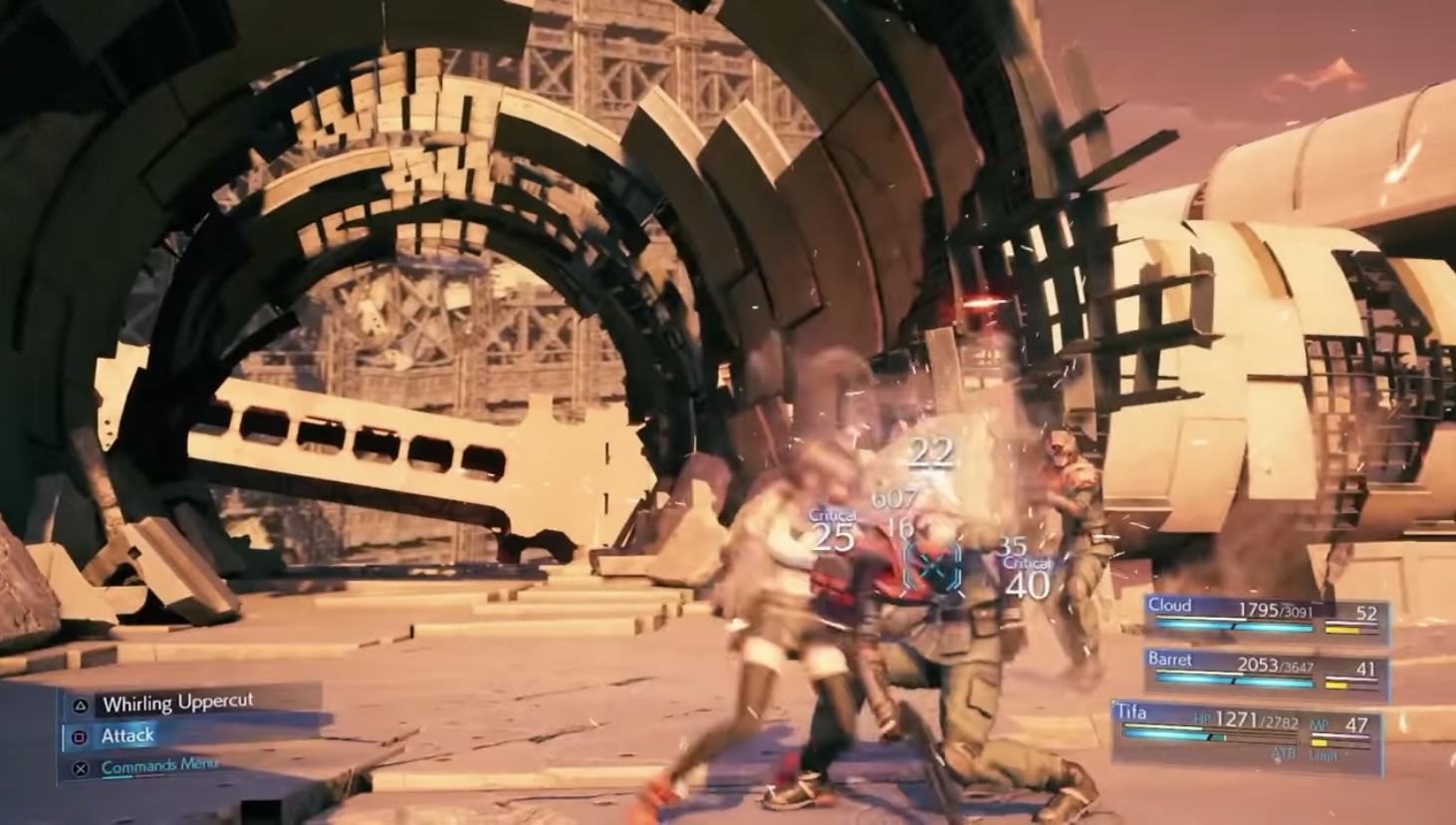
A game that is going to require such an investment of time better be fun to play. If you enjoyed the combat system in Remake, then you’ll be happy with Rebirth. Your characters all basically start over though. Same with your materia, the equip-able orbs that allow your characters to access spells and special abilities. Nothing is carried over from the prior game even though these are supposed to be all combined. The combat is still an action game. You can pause (technically, slow down time to a near pause) combat to issue commands to your characters, but there’s no turn-based option available. Combat is basically still mostly mashing the attack button, accumulating ATB bars, and then using them to unleash special moves and spells. Your party will grow quite a bit larger this time around with the additions of Red XIII (Max Mittelman), Yuffie (Suzie Yeung), and Cait Sith (Paul Tinto), but you can only take three into battle at any given time. There’s no swapping in reserves, though there is a reserve action available when things gets dire.

There are new faces in Rebirth, but like Red XIII in Remake, some are more like teases of things to come.

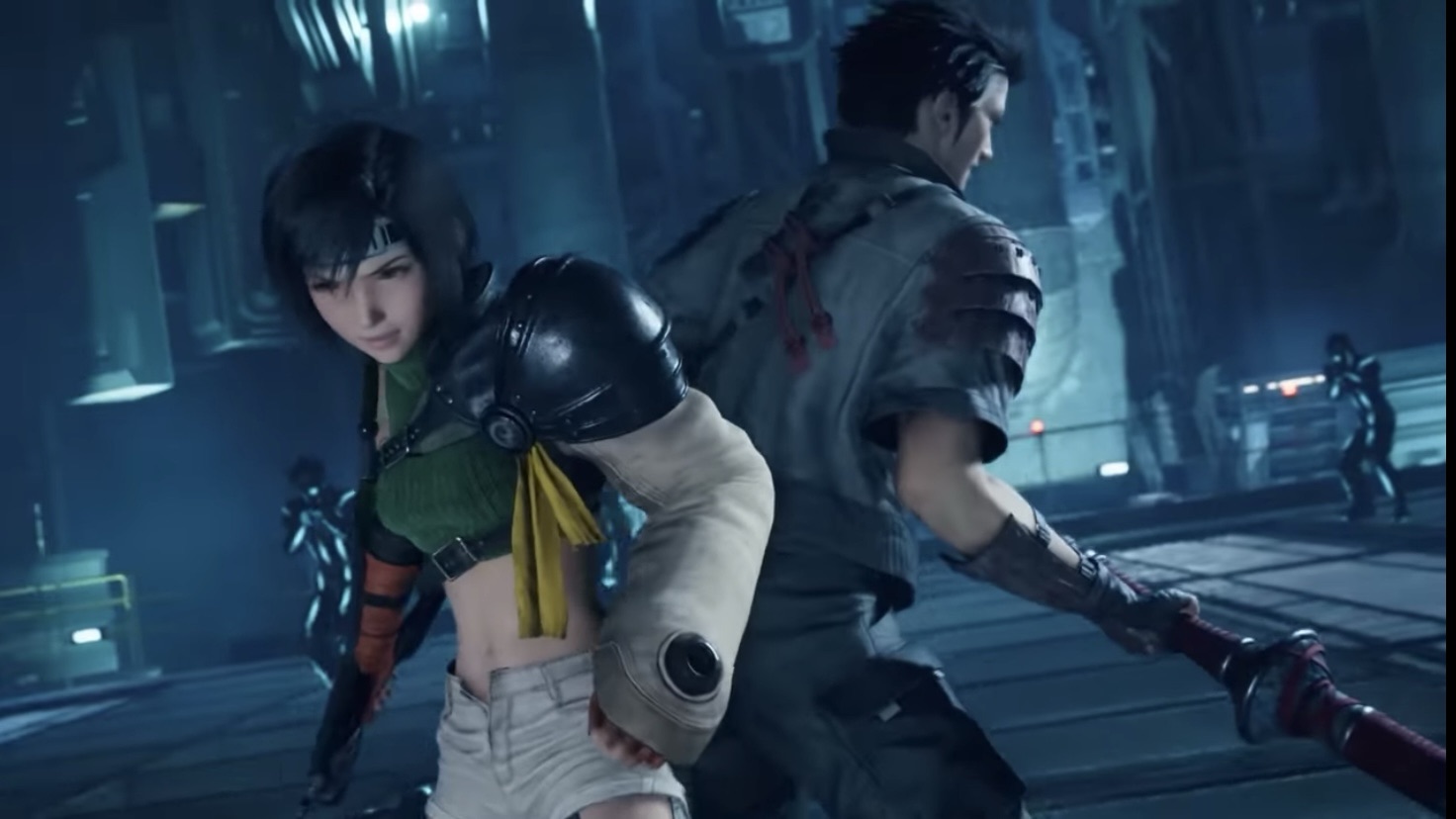
Every character plays a little different to make them unique. Our returning fighters in Cloud (Cody Christian), Aerith (Briana White), Tifa (Britt Baron), and Barret (John Eric Bentley) still control the same. Yuffie, who was part of the Intergrade DLC for Remake, is a hybrid melee/ranged attacker who relies on speed and is largely unchanged from that game. Red XIII was introduced in Remake, but not playable. In this one, he’s an attack/support character and his special ability is tied to his Vengeance gauge. It builds up during combat and at any point Red XIII can go into a Vengeance mode which makes him stronger, faster, and opens up new moves. Cait Sith is more of a wild card character with moves tied to chance. Cait is the small, anthropomorphic, cat and he rides an oversized moogle. The moogle can be called upon and used to dish out damage and most of Cait Sith’s abilities are tied into it.

The weapon system this time around has been altered. Rather than each weapon needing to level up via a grid type system, each character just has their own progression board of sorts to unlock abilities through. The weapons now just have a special ability and equipping the weapon and using that ability a set amount of times allows the character to learn it permanently. Weapons also have their own materia slots and their own pool of equip-able abilities. This does mean that the evergreen nature of the weapons in the last game is sort of lost. You’re far more likely to just run with the latest and greatest weapon acquired unless said weapon specializes in magic when you want the character to focus on melee attacks. The board each character has will modify base stats and also allow for the learning of magic abilities that do not require MP. It’s a unique grid for each character, so it’s not like Final Fantasy X‘s sphere grid where everyone is on the same thing, but a different starting area.
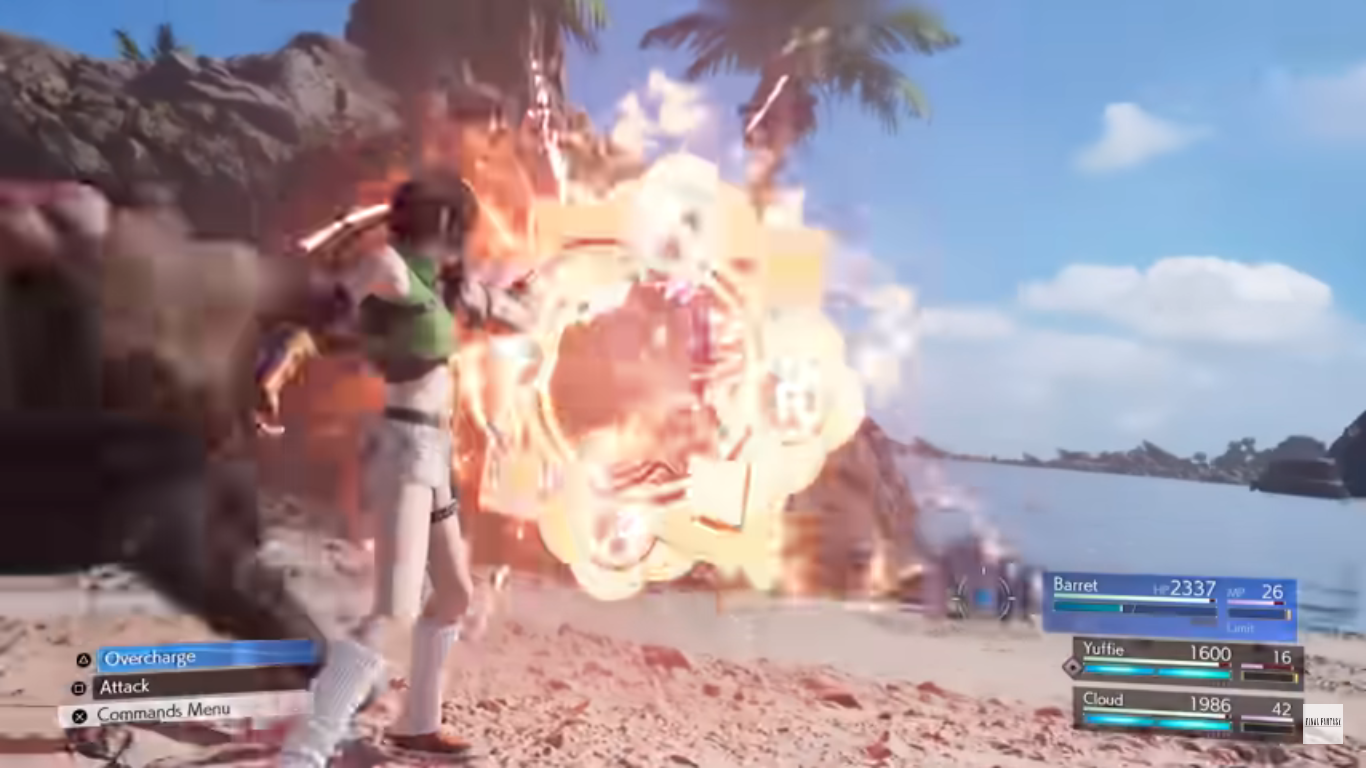
Synergy skills allow characters to team-up to unleash potent attacks in battle.

A key component of these new grids (which the game refers to as folios) is the ability to unlock Synergy skills. Synergy skills are basically team-up moves and they have to be unlocked. When a character uses an ability in battle, they fill a separate ATB bar. Once two characters have filled the required amount of ATB bars for their move, they can then use it. These moves often do a tremendous amount of damage, but also have other special functions. Many are focused on dealing extra damage to foes that have already been staggered. The Refocus ability, which grants an extra ATB gauge in battle, is also now tied to Synergy skills. Others speed up the limit gauge or leave the characters in a state where they have unlimited MP for a short while. They’re pretty useful and when it comes to harder boss fights they can be the key to turning the tide in one’s favor so it pays to make sure your favorite characters to play as have learned a Synergy skill or two.
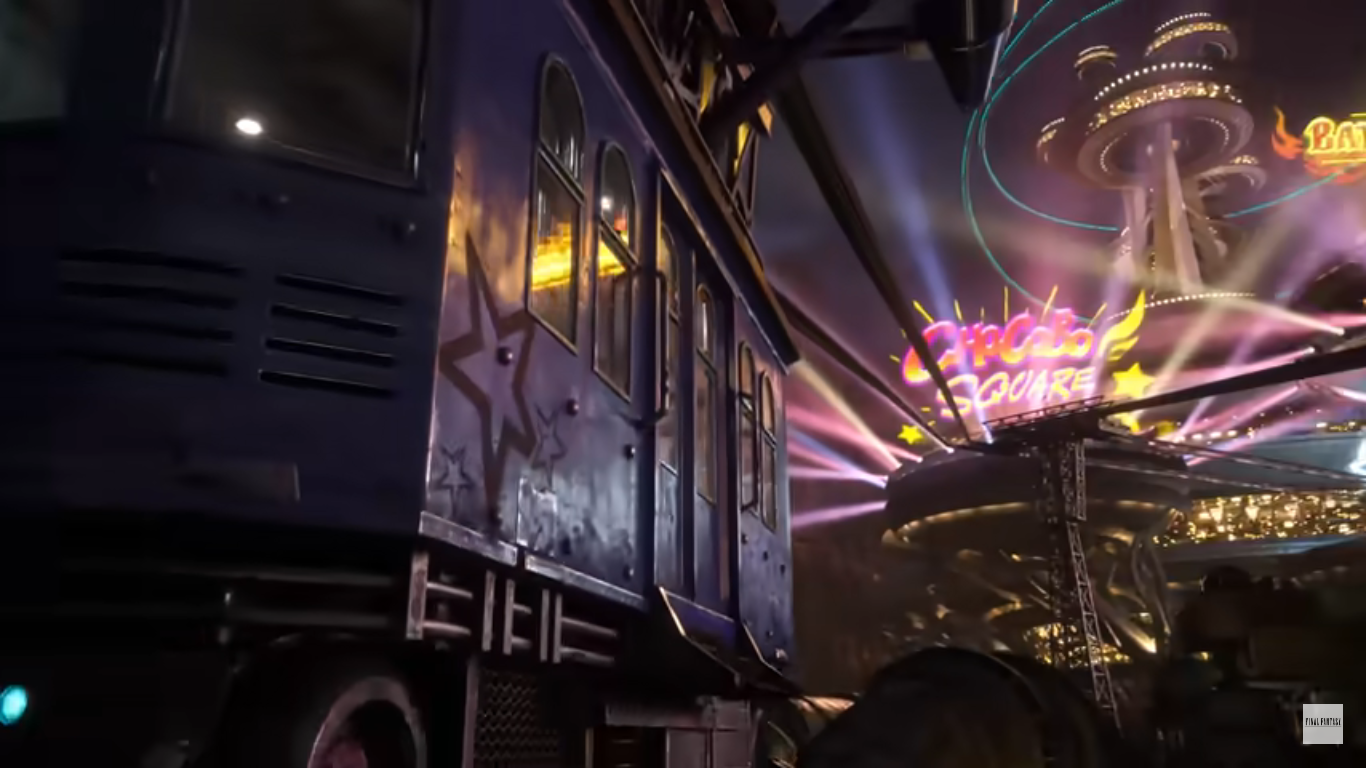
The Gold Saucer now feels more like the experience it was supposed to be in the original game.

The presentation for Rebirth is, as you would have probably expected, quite lovely. There’s a variety of environments on display and characters animate and emote exceptionally well. The soundtrack is as good as ever making liberal use of the original game with some new twists thrown in. Voice acting is also very good and at no point will you feel like Square Enix cheaped out anywhere. About the only thing that can feel limiting is when reaching the edge of a map and encountering the ever annoying message that you cannot pass further. The locations though are technically connected so you could basically walk the entire map which I would not recommend. At some point water travel will become a possibility making it even more obvious that this is all one big area.

As most probably imagined, there are more summons to go around in this one.

There is a lot to do and a lot to see in Rebirth. I have no idea how fast this game could be completed if one ignored a lot of that extra stuff, or how much harder it would be. I played on normal and encountered plenty of challenging fights. Some of the hardest will be the summons. In order to acquire a summoned creature, you have to first beat them. You do so via Chadley, who returns from the first game, and his combat simulator. There are special shrines scattered about a region that if encountered can weaken the summoned creature, but most will still put up a good fight. Once acquired, they can only be used when the summon gauge pops up in battle, which does seem to happen far more often this time around than in Remake. Once summoned, they hang around, deal some damage, and have their own abilities that anyone in the party can tap into. Once their time is up, or the summoner is defeated, they unleash their ultimate attack and vanish. There isn’t a whole lot of strategic value to them, they almost feel like window dressing and something the game has to have since it was a part of the original. It’s still fun seeing them for the first time, at least.

The other distractions all vary in quality. Some I enjoyed, some I couldn’t wait to be done with. Chocobo racing is back only now it’s more like Mario Kart. It’s also not entirely optional, but also not super difficult. There were times I was pretty annoyed though, but those instances may have been in the optional races. There’s also a card game that Cloud can partake in called Queen’s Blood. It takes a little getting used to, but the game does a solid job of bringing the player along as more complicated cards are introduced. I did manage to complete that entire side quest without too much trouble. It’s probably the best of the many mini games which largely do not impress, but also don’t really annoy. The only one I truly detested was the piano playing mini game. I just can’t get accustomed to it and never even managed a B playing a part. I got the impression even back in the demo that it was going to be way too time consuming to get good at so I didn’t bother. Thankfully, there are no moments in the game where you’re required to play piano and actually play it well. There are some moments where you do have to play and it’s a bit awkward, but we can’t all be winners.
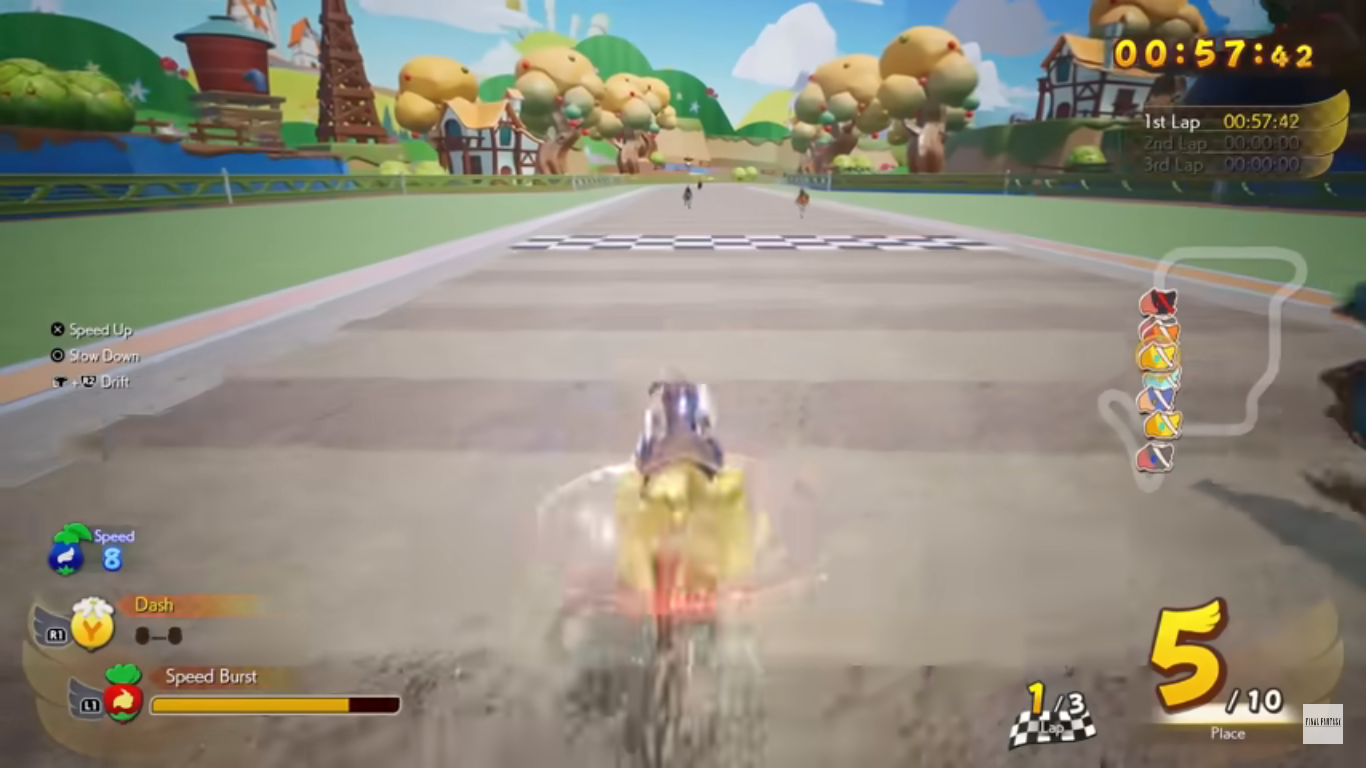
It’s back!

Final Fantasy VII Rebirth is basically more of the same when compared with Remake, just a whole lot more. It’s probably way longer than it should be and I can think of plenty of ways it could have been cut down. Anytime I was forced to watch Cloud crawl through something or walk slower I couldn’t help but think this could be going a lot faster. Why do I need to control an airplane that isn’t even being piloted by one of my characters to get to a new area when it could just be captured with a quick cut scene? A lot of side quests are fetch quests that don’t add anything to the narrative, and I really hated that a series of items you collect all throughout the game just leads to an optional, high level, area I have no desire to see through. There’s a crafting element included, but it adds very little to the experience other than an excuse to just put a bunch of collectible crap on every map. The game is, for me, undoubtedly a more complete experience than Remake, but at almost every step of the way there’s this feeling that the designers are just trying to stretch this experience out to the game’s detriment.

The game is so similar to Remake that any issues one had with that game will carryover to this one. I still don’t love the combat system. I don’t hate it, but I still feel like this game is stuck between a subpar action game and a JRPG. It’s not going to satisfy action game fans or JRPG fans entirely, instead it tries to meet them all halfway. It would have been so easy to make it an optional turn-based game, but Square Enix refused. And yeah, you can pause and issue commands or switch to another character on the fly, but the game is still bad at letting you truly dictate to your party members what you want them to do. There was one optional fight where I had to take out a certain enemy first. The problem was, the other enemies in the fight were all weaker. The challenge is basically you have to fight against the game because you can’t reliably get your party members to focus on the target and the target alone. I had to redo it several times because someone would end up taking out one of those lesser enemies first resulting in a failure. Even doing the fight solo was a pain as it’s very easy to accidentally switch targets and the auto-targeting sucks.

And now we do have to talk about it. The big thing. Spoilers ahead!

Do you feel that pit in your stomach upon seeing this? If you do, it’s a totally normal reaction.

As all likely guessed, this game ends with the City of the Ancients and Sephiroth’s attack. The death of Aerith is quite possibly the most famous death in the history of video games. I am struggling to even come up with anything close to it. This game totally blows it by doing what it spends too much of the game doing: it drags it out. The impact of the moment is completely lost because of how drawn out the process is. It also intentionally muddles things too by turning to something I think many are sick of: the Multiverse.

Yes, we’re going full multiverse in this one. It’s basically hinted at throughout the game as there are short sequences where we’ll check in on Zack who is watching over both Aerith and Cloud. Aerith is in some sort of coma, while Cloud has apparently succumbed to mako poisoning. Biggs is also alive, and the game waits until the end to reveal what’s going on which is essentially that Sephiroth is trying to unite a whole bunch of multiverses. I suppose it’s not the game’s fault that Marvel has gone headlong into this type of story-telling over the past few years, but it’s a trope that I’m personally so sick of. It’s not adding to the experience of Final Fantasy VII and just feels like change for the sake of change. I still expect the events of the final game to play out largely as expected, only instead there will probably be some additional final encounter with Sephiroth. Maybe it will bring in other Final Fantasy universes and Sephiroth will team-up with Kefka while Cloud and Squall race to find Tidus for one massive, shark-jumping, finale! I doubt that, and I hope we’re not heading for something that ridiculous, but I’ve gone from slightly intrigued by the possibilities presented at the end of Remake to downright soured.

There will be more battles with Sephiroth to come, but what shape will they take?

The remake of Final Fantasy VII was never going to be easy. Redoing the game with prettier graphics might have satisfied many, but also would have felt pointless. The game does at least benefit from having the player spend more time with these characters. They’re far more fleshed out, their personalities more apparent, and I genuinely enjoy spending time with them. I am invested in their journey, even if aspects of it frustrate me. Aerith was done dirty. Not because she was killed off, but because it wasn’t allowed to resonate like it should have. Perhaps the fallout in whatever comes next (I’m guessing it will be called Reunion) will find a way to rectify that. And at least they didn’t chicken out, which I was a little afraid would happen and this new timeline would lead to one where Aerith doesn’t die. Not because I want her dead or anything, far from it as she’s a delightful character, but because her death should hurt and it shouldn’t be something we can ignore.

All this is to say that I have complicated feelings on this game. I did with Remake, and I still do with Rebirth. Chances are, I’ll feel the same way when all is said and done. Can I recommend it? Yeah, sure, if you have 100 hours to spend on a game. If you don’t then I totally understand. I find the task a daunting one and I’m nearing a point in my life where I don’t really want a game to last that long. As a fan of the original Final Fantasy VII, it is nice to see these characters from a different angle and experience them in a new way. I can’t compare the two games because they’re such different experiences, but the best thing I can say about Rebirth is that I don’t regret the 130 hours I’ve spent with it. I just don’t really want to spend any more time with it.

Check out some of my other Final Fantasy thoughts below:
Final Fantasy VII Remake – Intergrade

It took a long time for it to be realized, and a long time for me to play it. It’s debatable which Final Fantasy title is best and nostalgia will always play a big role. For many, Final Fantasy VII was the first Final Fantasy game they played. Previously, only three titles had made it…

Keep reading

Final Fantasy X HD Remaster

Over the years I’ve talked a lot about Final Fantasy but I’ve never posted a game review for any of the numeric titles in the long-running series. Well that ends today as I post my thoughts on the somewhat recently released Final Fantasy X HD Remaster. One opinion I have stated on more than one…

Keep reading

Final Fantasy VII – To Remake, or Not to Remake?

In the gaming community, a popular topic of conversation seems to always stem around remakes.  They’re fairly popular and have become more so due in large part to the rising price of game development and the profitable business known as nostalgia.  Games cost a ton of money these days to develop, and with little change…

Keep reading

Final Fantasy VII Remake – Intergrade

It took a long time for it to be realized, and a long time for me to play it. It’s debatable which Final Fantasy title is best and nostalgia will always play a big role. For many, Final Fantasy VII was the first Final Fantasy game they played. Previously, only three titles had made it to US shores, but it seemed like each new game was more popular than the last. I know for me personally, I had quite a few friends who were into what we then knew as Final Fantasy III so whatever was next in the franchise would be on my radar and the radar of many I knew. When the company then known as Squaresoft pivoted from Nintendo to Sony, it felt like one of the first major “gets” for the new PlayStation console. And when images started circulating in gaming magazines of those initial summons it basically blew everyone away. I’m guessing a lot of people just saw the media and bought into the hype based on that and were pretty damn confused when they actually sat down to play it. No matter, the hype was real as Final Fantasy VII was a big seller for Square and Sony catapulting both the company and franchise into new heights.

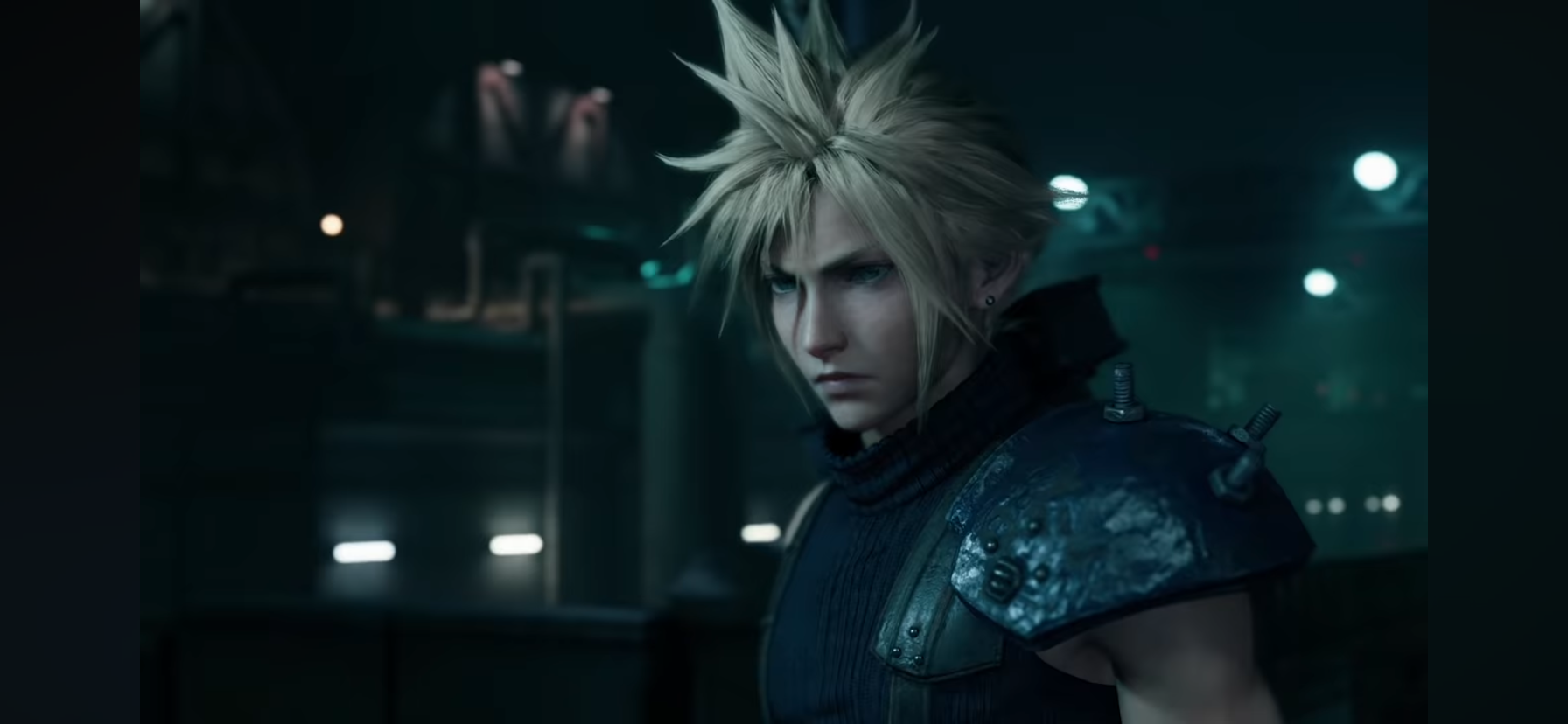
Cloud is back, which means so is Sephiroth.

Back in 2005, Squaresoft created a demo for the PlayStation 3 and opted to use familiar characters in order to demonstrate the power of the new console. Bad move. Did they learn nothing from Nintendo and their Gamecube demo? When fans saw Cloud and Sephiroth battling like never before it just created more hunger for a remake. Fans clamored for one for years, but Square Enix was mum on the topic or would flat-out say there are no plans. The call for a remake eventually became too impossible to ignore and it was finally announced that one was on the way in 2015. It would still be another 5 years before the game was released, and it turned out, only one third of the game was made and released. Sort of like how the original had 3 discs, the remake will be 3 separate games. It’s disappointing, more because we are now on the eve of the second game being released and it’s been four years, but that’s the reality of modern game design. It’s expensive and time-consuming and Square Enix knows it has a hit on its hands so it’s going to extract every dollar it can. I guess the story will finally be concluded in 2028 when we’re all wondering when the PlayStation 6 will be released (or apparently already playing it if Sony is to be believed).

To create the remake, Square turned to a lot of the folks responsible for the original game. Tetsuya Nomura, who was a writer and character designer on the original, was given the title of director for the remake. This came as a surprise to him since he was knee deep in the long-delayed Kingdom Hearts 3 at the time, which probably explains why Naoki Hamaguchi and Motomu Toriyama alse receive a direction credit. Kazushige Nojima returns as writer and Toriyama receives credit for that as well. Legendary composer Nobuo Uematsu returned to write the main theme while Masashi Hamauzu and Mitsuto Suzuki are primarily responsible for any new compositions.

Get ready to experience the game again, only much flashier this time.

As someone who fell in love with Final Fantasy VII back in 1997, I have been on team re-make for decades now. The original is still very playable and quite good, but the visuals are supremely dated in a mostly not-quaint way. I have far more affection for classic sprite-based game design from the 16 bit era than I do the chunky polygons of the PSX era. Even in ’97, it felt like we were all lying to ourselves when we said these games were a definite visual upgrade to what we had before. They definitely were when looking at the cinematics, but those are essentially just CG movies inserted onto the disc. As video game visuals, they’re kind of fake. The battle engine graphics were fine though. Some quality of life improvements certainly couldn’t hurt either.

Square also seemed to feel that Sephiroth was going to need to have more presence this time around. It’s not a bad thing.

Square Enix apparently felt that a straight remake wouldn’t work. Gamers today don’t want traditional, turn-based, role-playing experiences according to whatever market data they have. I disagree, and it sure seems like the Persona series is doing quite well for itself with a more traditional battle system, but it is what it is. FFVII Remake takes a more action-oriented approach to its gameplay. Before release, there was some talk of the game being able to be played in both ways, but it was over-stated. In battle, which still restricts the player to a team of 3 party members max, you’re free to move around the field, attack, block, and dodge. The only relic of the original game is there is still an Active Time Battle system in place. Basically, you can do basic actions all of the time, but in order to perform other functions you need to wait on that ATB meter. Each character has two reserves of ATB and most abilities, spells, or items need just one store, but a few require two. Summons still exist, but they can only be used in certain fights and are basically restricted to boss battles. You know you can use one because a Summon Meter will just appear on screen. Once filled, any member of the party can initiate a summon provided they have the materia equipped (each character is limited to one summon and said summon can only be equipped to one character). Once summoned, the creature stomps around the battle field and any character can use one of their ATB stores to make the beast attack. Once it’s timer runs out, it then unleashes the ultimate attack we know and love from the original game and takes off.

Get ready for a new action-oriented experience.

Speaking of materia, that system is back and works mostly in the same fashion as before. Each character can equip a weapon and one piece of armor which may have one or more slots for materia. Materia is how characters equip spells and abilities and successfully defeating enemies in battle will earn players both experience and AP. AP is what materia uses to “level up,” and doing so will allow the Fire materia to learn Fira and ultimately Firaga, the best version of the fire spell. Once mastered, materia no longer spawns another version of itself which is a disappointment so players will have to scour the region for freebies or purchase additional sets if they want multiple characters to equip the same set.

The weapon system has been overhauled to add its own level-up component. Each weapon a character uncovers has a special ability tied to it and using that ability allows the character to eventually learn that ability. Once learned, the character can use that ability with or without the weapon. It’s a bit like the old Job System in that learning the abilities associated with a certain job would allow the base version of the character to make use of them, only now you don’t have to pick and choose which abilities to equip, but instead have access to all. The weapons also earn their own ability points which can be spent to unlock features for the weapon like Attack +3 or critical hit modifiers and such. This helps keep even the earliest weapons viable throughout the game as their attack, defense, and other stat modifiers can continually improve. And every weapon earns “experience” even when not in use. It’s not the Sphere Grid though, so each weapon still has a specialty and basically every character will have a weapon that’s more conducive to defense or magic use, though nothing radical enough to change a character’s obvious archetype (i.e. Aerith will always be more suited to magic and healing than physical combat).

One aspect of the remake most are likely to appreciate is the expanded role of characters like Biggs and Wedge.

The story of the game is essentially an expanded version of the Midgar portion of the original. You’ll be exposed to more regions of the city and there will be lots of little quests (yes, many of the “fetch” variety) for the player to take part in for one of the dwellers below the plate above. You’re still Cloud (Cody Christian), ex-Soldier and merc for hire by the eco-terrorist group Avalanche. Its Midgar chapter is spearheaded by Barret (John Eric Bentley), a fiery single father willing to go to great lengths to topple the Shinra Corporation which he blames for killing the planet. Tifa (Britt Baron), Cloud’s childhood friend, is part of the group as are non-player characters Jessie, Wedge, and Biggs. During their journey they’ll meet Aerith (Briana White), a flower sales person who belongs to an ancient race known as, appropriately enough, the Ancients and of course there’s the villain, Sephiroth (Tyler Hoechlin).

Sephiroth didn’t play a huge role in the original game’s Midgar portion, but he does here. I suppose from a practically standpoint, Square Enix didn’t want to force players to wait a dozen years to tangle with the legendary swordsman so inserting more encounters into the early part of the game isn’t as crazy as it sounds. What is a bit more crazy is that this FFVII Remake is not a direct remake of the original game. If you haven’t played it and don’t want any sort of spoilers then STOP READING! I intend this review to be both a review of the game and a reaction piece, so you have been warned.

This is a remake of the Midgar portion of the original so all of the familiar faces you would expect to find will be found, but oddly the game doesn’t make them all playable like Red XIII here.

The game is more like a remake of assets, but it exists in conjunction with the original game. For those completely new to Final Fantasy VII, it might be more confusing, but also possibly less. That’s because it takes awhile for the game to more explicitly tell you that the original story (game) already happened, and this story is Sephiroth trying to change the outcome. Throughout the game these shadowy ghosts will keep appearing and it’s unclear what it is they’re doing, but is later explained that they’re the shadows of destiny and they’re fighting to maintain the proper timeline. Sephiroth is trying to destroy them since he, and I guess it’s another spoiler for a 27 year old game, is defeated in the end of that game. Approaching the remake this way does have a practical element at play in that players who did play the original will have something new to look forward to. Whether this is the approach those players wanted is a matter of debate, or more like discourse.

The debate used to be Aerith or Tifa, but after Remake Jessie has inserted herself into the conversation!

Aside from those new plot elements, the game is quite linear in nature. That was true of the original, especially the Midgar portion, so I suppose it’s not a surprise here. It still doesn’t change the fact that it feels restrictive and there are definitely portions of the game that feel like padding. Square Enix was trying to turn what was 7-10 hours max into a full, gaming, experience so some padding was bound to happen. When I finished the game I was at the 42 hour mark and I felt like I had squeezed everything out of the game that I could in one playthrough. As an experience, there were times I was quite invested, and times when I was not. The fact that I had a 7 month gap between sessions at one point probably doesn’t bode well, but in the game’s defense, that gap was primarily due to Tears of the Kingdom so it’s not a massive insult to be sidelined because of that game.

Yuffie is the star of the Intergrade portion and I think I might like playing as her more than Cloud.

Since I am reviewing the Intergrade version, I should say a few words on that. This version primarily adds a new intermission starring Yuffie (Suzie Yeung) which sees her journey to Midgar in order to hook-up with Avalanche to steal some materia from Shinra. She is still her young, plucky, self and is a pretty true to her origins portrayal. It’s referred to as an intermission, but it’s set pretty early in the events of the main story so the title is a bit misleading. It’s essentially more of the same though and provides players an early glimpse at a character they otherwise would not have encountered until the sequel. The game does add a new mini game via a sort of board game Yuffie can challenge folks to called Fort Condor. It’s more like a real-time-strategy/tower defense game in practice with the “board” just affecting how many units the player can have and what magic is available. The game uses an ATB system and the units available have their own cost. They’re not finite though as you have 4 available units at any one time and using one just sends it to the back of the line. There’s a triangle strategy element applied to the units, and the first player to destroy the other’s main base is the victor. There’s also a timer for each game and if it hits zero then the first player to take out an outpost (each player has a base and two outposts) wins. It’s fine, and the games are pretty quick, but it’s also frustrating because once you place a unit that’s it. It does what it wants and sometimes you just want your units to concentrate on the base or an outpost, but they’ll get distracted by enemy units.

Intergrade also introduce this tower defense/RTS mini game that’s not too bad.

The actual sequence with Yuffie adds a little something to the story. Mostly, it brings in some elements from Final Fantasy VII‘s expanded universe and I’m not sure how well that will be received since most of those games were bad. It’s also a vehicle for the villainous Scarlet (Erin Cottrell) as she gets more facetime. Playing as Yuffie is a bit different, and she has one party member who works in tandem with her. I found playing as Yuffie to be mostly entertaining. There are things to figure out about how she attacks and how her abilities play a role in her actions. It’s probably a 5-6 hour experience and is, once again, pretty linear. Actually, it starts off more open than it finishes which is a bit odd. Completing it will unlock an additional epilogue to the main game so it’s worth experiencing, though the epilogue doesn’t contain anything essential so no worries about feeling lost if you don’t play it. There are undoubtedly going to be references to Intergrade going forward, but probably not anything that can’t be explained quickly in the games to come.

There’s no doubt the game improves upon the scope of the original, but some changes (like summons being the domain of boss battles only) feel restrictive and lacking in creativity.

I feel like I’ve told you a lot about how this game operates, but I don’t think I’ve really told you how I feel about it. It’s taken me a long time to figure that out. The initial demo left me feeling almost more perplexed than before, and after spending over 40 hours with this one I still can’t say if I even like this battle system or not. I like RPGs of all varieties and I like action games, but I like my Final Fantasy to be traditional. And I really like my Final Fantasy VII to feature a traditional, turn-based, battle system. I fell off of the series with Final Fantasy XII and that game’s battle system made it a chore. I finished it, but I never wanted to play it again. Since then, they’ve become more action focused and thus more vapid. Yes, you can take a less action approach with this game, but it’s essentially just putting the game on auto-pilot while you interrupt it here and there to cast a spell or something. It does not make the game a turn-based experience and it will likely drive you to just interact with it more because the AI is mediocre. More than anything, I just find it frustrating how non-committed Square Enix has been to just giving fans the remake they wanted. They resisted for years to even consider it, but then when they finally did, decided to do something else. It’s not as bad as a bait and switch just using the name Final Fantasy VII to sell a brand new game, but it sure is annoying.

Barret is still a foul-mouthed bad ass, as he should be.

There are things that I like about the game that have been improved upon. We get to see a lot more of Avalanche and the characters are given time to show nuance. That aspect of the remake has been well-served by the expanded approach. The visuals are obviously terrific and I think these redesigns for the main cast are superior to what we got in every other piece of Final Fantasy VII media. The score is still catchy and there’s an epic feel to a lot of the major moments of the story and it’s the music that really helps sell that. The voice acting is great and overall I feel like I have a much larger attachment to these characters than I did back in ’97. That might make a certain moment to come more impactful, if it happens at all. The odd approach to the narrative means we don’t know what’s next. We have an idea, but we don’t know for certain. I don’t know how I feel about that. I’m not someone totally resistant to change and mixing up the story a bit is okay, but basically doing it like a multiverse story feels almost played out at this point. I know this one was in development for a long time so it might just be bad luck that we’ve been inundated with multi-verse angles in media, but it is what it is. I just hope the story doesn’t turn out like Kingdom Hearts where it becomes so convoluted and up its own ass that I end up ceasing to care. And if a certain death gets undone it will feel cheap.

One piece of legitimate criticism of the game would be that if it wants to be an action game it could be a lot better in the action department.

Final Fantasy VII Remake is a hard game to assess. It should be able to stand on its own merits, but Square Enix chose not to allow it to by tying it to the original game in the way that it did. It’s one part remake, and in a way one part sequel, or parallel story. Complete newcomers to Final Fantasy VII won’t have the same experience as those who played the original. They can read about it on a wiki or something, but it’s not exactly the same. Their enjoyment will hinge more on the battle system and other mechanics – and you either like them or you don’t. There’s definitely an element of style over substance here. My major critique of this era of Final Fantasy is that these action-oriented battles aren’t on par with actual action games. They just feel like mediocre action titles with some RPG window dressing. Some of that is due to the RPG nature of the game where enemies, bosses especially, can unleash attacks for which there’s no real defense. They’re just going to happen. The best moments of the game’s battle system, for me, was when these were kept to a minimum and I felt like I had more agency over what was going on. There’s a boss battle late in the game which does a good job of incorporating the environment and provides for cover. More of that, please.

Where will the story take our hero? Normally with a remake we’d know, but not this time.

If you’re a big fan of Final Fantasy VII, you’re probably going to play this. You actually probably already have since it’s four years old. I waited for the PS5, and when the original came out in 2020, I was also hopeful the sequels would come faster and that I could just hold out for the complete experience. When it became obvious that was going to take somewhere in the neighborhood of 10 years, I abandoned that notion. At least I waited long enough to get the Yuffie story. I do plan on playing the next game, Rebirth, and unless I absolutely hate it I can’t see myself skipping the finale whenever it arrives. Hopefully the chances Square Enix is taking with the story at least pay off, but I know there’s no way to shake the feeling that every time I play this I’ll just be lamenting what could have been?

I did a lot more video game posts, and Final Fantasy especially, in the early days of this blog. Here’s a few, hopefully they haven’t aged horribly:

Final Fantasy VII Remake – Demo Impressions

It’s been a long time since I discussed the possibility of a Final Fantasy VII remake. After mentioning it here and there in other posts, I made a dedicated post on the subject six years ago. And six years ago isn’t even the start of all of this hype, so it’s safe to say this…

Keep reading

Final Fantasy VII – To Remake, or Not to Remake?

In the gaming community, a popular topic of conversation seems to always stem around remakes.  They’re fairly popular and have become more so due in large part to the rising price of game development and the profitable business known as nostalgia.  Games cost a ton of money these days to develop, and with little change…

Keep reading
Final Fantasy X HD Remaster

Over the years I’ve talked a lot about Final Fantasy but I’ve never posted a game review for any of the numeric titles in the long-running series. Well that ends today as I post my thoughts on the somewhat recently released Final Fantasy X HD Remaster. One opinion I have stated on more than one…

Keep reading